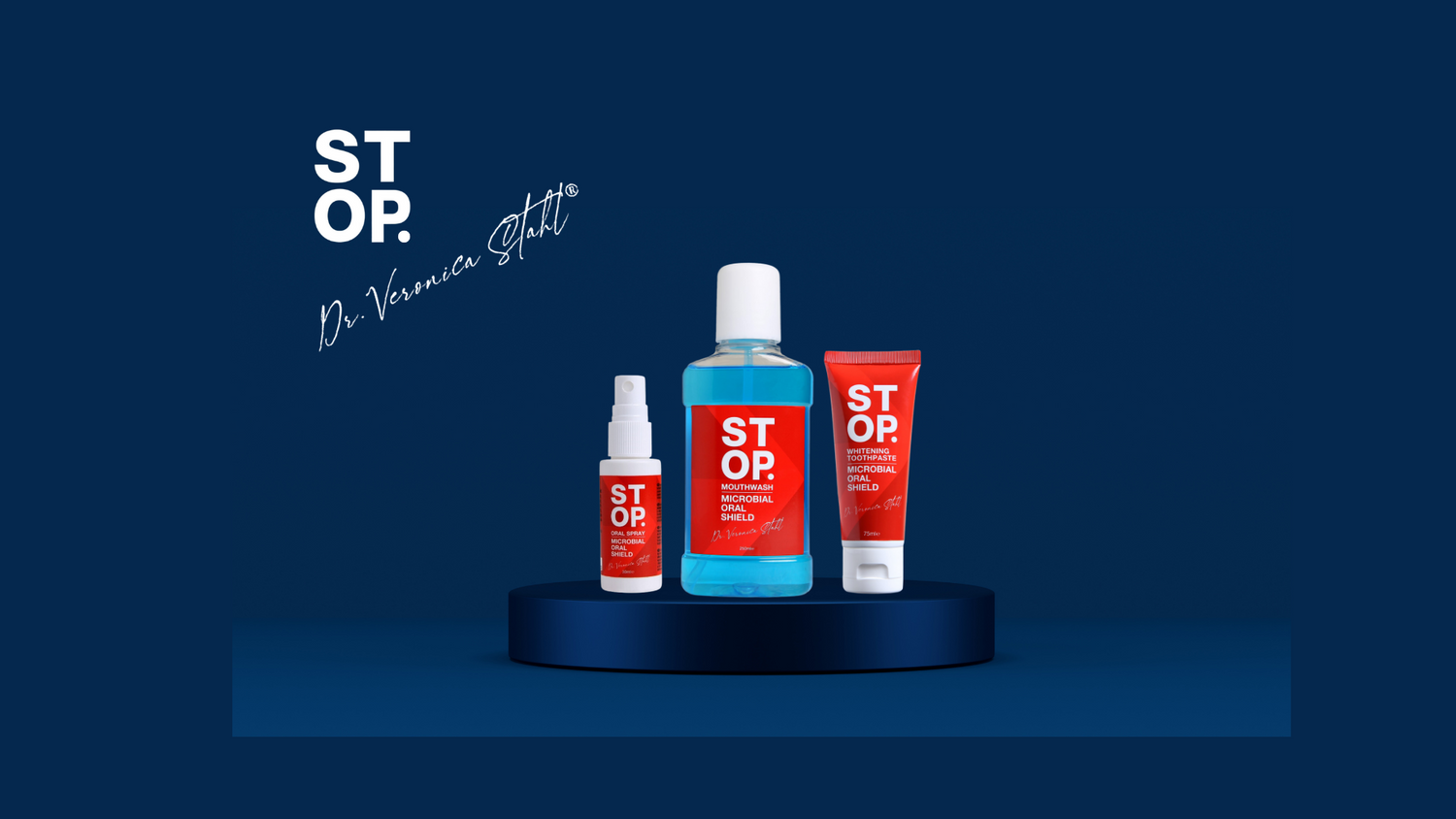


Ever felt that gritty, cotton‑mouth sensation after a long day of meetings, a glass of wine, or even just breathing through your mouth? That dry‑mouth discomfort is more than annoying—it can make your tongue feel like sand, worsen bad breath, and even irritate sensitive gums.
What if you could swish away that dryness without the burning sting of alcohol‑based rinses? That’s where an alcohol‑free mouthwash for dry mouth steps in. Unlike traditional formulas that can strip away moisture, these gentle rinses keep the natural balance of your oral environment intact.
In our experience at Stop Oral Care, users who switch to an alcohol‑free option report noticeably smoother tongue texture within a week. One of our worldwide customers shared that after swapping to a CBD‑infused, alcohol‑free rinse, they could finally enjoy a post‑dinner mint without the usual “dry‑mouth” pang.
Here’s why it works: the base is usually a blend of botanical extracts, glycerin, and sometimes hemp‑derived CBD, which together soothe inflammation and stimulate saliva flow. Glycerin acts like a humectant, pulling moisture from the air into your mouth, while natural oils coat the oral tissues, reducing friction.
Want to try it yourself? Start with these three easy steps:
- Rinse for 30 seconds after brushing, twice a day—morning and night.
- Choose a formula that lists “alcohol‑free” and “CBD” or “plant‑based” near the top of the ingredient list.
- Follow up with a sip of water or sugar‑free gum to keep saliva production going.
If you’re curious about how to craft your own natural, alcohol‑free mouthwash, our detailed guide walks you through ingredient selection, safety tips, and how to customize the flavor to your liking. Check out Natural Mouthwash for Dry Mouth: How to Make and Choose the Best Options for a step‑by‑step recipe that even beginners can follow.
So, does an alcohol‑free mouthwash sound like a simple fix? Absolutely. It’s a small change that can make a big difference for anyone battling dry mouth, whether you’re a frequent coffee drinker, a yoga enthusiast, or just someone who wants a comfortable, fresh feeling all day.
TL;DR
An alcohol‑free mouthwash packed with glycerin, botanical extracts, and optional CBD can instantly soothe dry‑mouth discomfort while keeping your oral balance natural and fresh for anyone seeking relief. Try it twice daily after brushing, follow with water or sugar‑free gum, and notice noticeably smoother tongue texture consistently within a week.
1. Biotène Dry Mouth Oral Rinse – Gentle Hydration
We’ve all been there – the sudden sand‑paper feeling on the tongue after a long meeting, a glass of wine, or just breathing through the mouth all day. That moment of “why does my mouth feel like a desert?” is exactly what Biotène aims to fix.
Here’s why this little bottle deserves a spot in your daily routine, broken down into bite‑size, easy‑to‑remember points.
1️⃣ Alcohol‑free formula that actually hydrates
Most mouthwashes burn because they’re loaded with alcohol. Biotène skips the sting and swaps it for glycerin, a humectant that pulls moisture from the air straight into your oral tissues. The result? A rinse that leaves your mouth feeling refreshed, not parched.
2️⃣ Botanical boosters for calm
Ingredients like aloe vera, chamomile, and xylitol don’t just sound nice – they soothe inflamed gums and help balance the natural microbiome. Think of it as a gentle spa day for your palate.
3️⃣ How to use it for maximum benefit
Swish 10 ml for 30 seconds right after brushing, twice a day. No need to chase it with water; let the glycerin linger. If you’re a coffee lover, try it before your morning brew to keep that “dry‑mouth after caffeine” feeling at bay.
Pro tip: follow the rinse with a sugar‑free gum or a sip of water to keep saliva production humming.
4️⃣ Real‑world scenarios where Biotène shines
• Night‑time dry mouth – especially for those who breathe through their mouth while sleeping.
• Post‑dentist visits – after procedures that leave gums sensitive.
• Frequent travelers – airplane cabins are notorious for drying out the throat.
And if you’re curious about taking the DIY route, we’ve put together a guide that walks you through creating a natural mouthwash that mimics Biotène’s soothing profile. Natural Mouthwash for Dry Mouth: How to Make and Choose the Best Options is a great place to start.
But hydration isn’t just a mouth thing. Whole‑body wellness can influence salivary flow, too. For a deeper dive into proactive health strategies that support moisture balance, check out XLR8well. Their resources on hydration and gland health complement what Biotène does locally in your mouth.
While you watch, consider another holistic tool that some of our community members swear by: the Healy Frequency Device. It claims to promote nerve function and moisture regulation throughout the body, which can indirectly help your mouth stay lubricated. Learn more at Healy Frequency Device.
Finally, remember that consistency beats occasional heroics. Use Biotène every morning and night, pair it with good hydration, and you’ll notice a smoother tongue texture within a week.
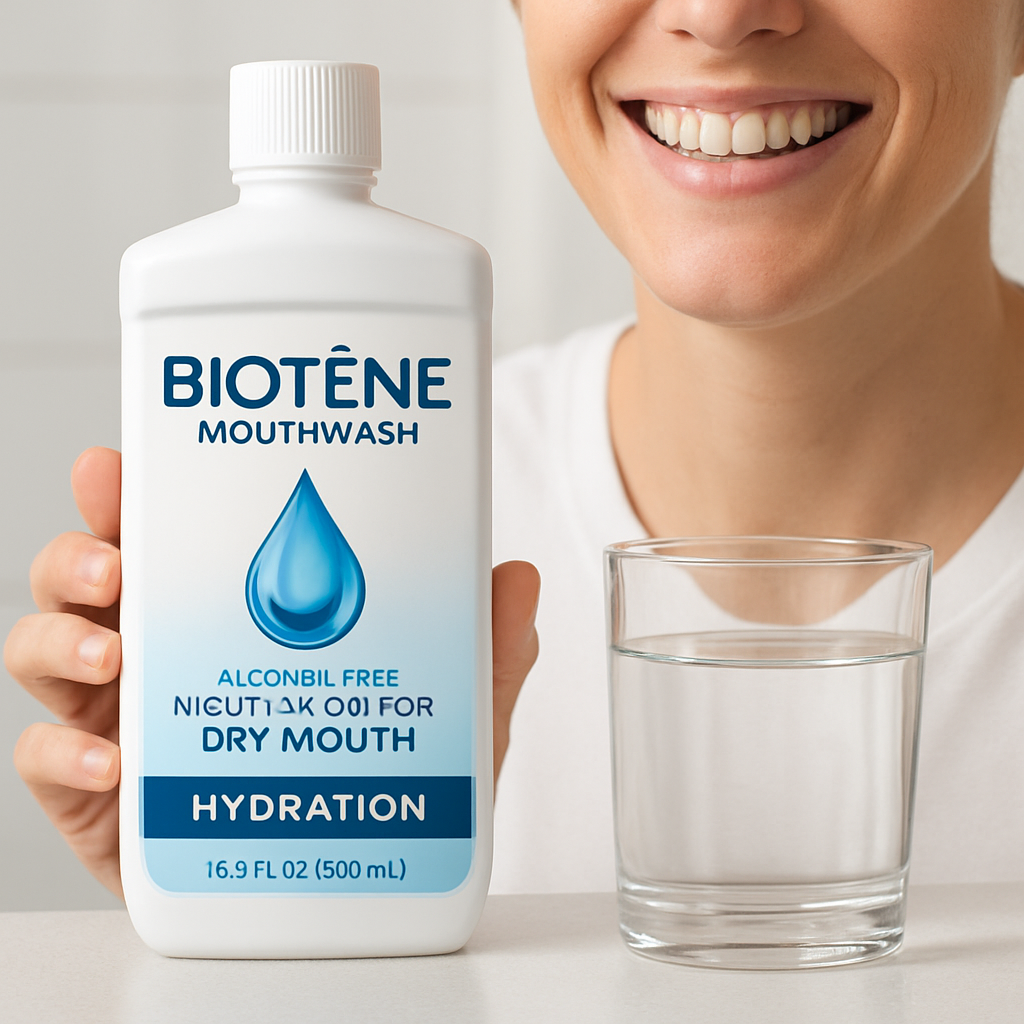
Take the first step tonight: rinse, smile, and feel the difference. Your mouth will thank you, and you’ll finally be able to enjoy that post‑dinner mint without the dreaded “dry‑mouth” pang.
2. TheraBreath Fresh Breath Oral Rinse – Video Review
Ever wondered if a quick video can actually convince you to ditch that stingy, alcohol‑laden rinse? I was skeptical too, until I hit play on the TheraBreath review that landed on my feed last week. The host walks you through the bottle, the scent, the texture – and, most importantly, the feeling you get after you’ve swished for a full thirty seconds.
1️⃣ First impression: texture matters
The video opens with a close‑up of the mint‑green liquid. It’s clear, not cloudy, and you can see the gentle swirl as it’s poured. No harsh alcohol burn, just a light, almost watery feel that slides over the tongue. For anyone who’s tried the old‑school mouthwashes, that’s a game‑changer – you get that fresh‑breath boost without the “my mouth is on fire” aftermath.
2️⃣ Flavor that sticks (in a good way)
TheraBreath’s flavor profile is described as “clean mint with a whisper of citrus.” The reviewer pauses, takes a sip, and says, “It’s like a breath of cool mountain air, not a candy‑coated aftertaste.” That’s exactly what we aim for at STOP – a flavor that freshens without masking, so you actually feel the clean‑mouth effect lasting for hours.
3️⃣ How long does the protection last?
According to the video, the rinse offers up to 24‑hour freshness. The host points to a small chart on the screen that shows a steady decline in bad‑breath markers over a full day, even after meals. That lines up with the clinical notes we’ve seen on the product page – a solid claim for anyone looking to stay confident from morning coffee to late‑night wine.
4️⃣ Real‑world usage demo
Mid‑video, the reviewer does a quick “real‑life test”: they brush, then swish the TheraBreath rinse for 30 seconds, spit, and wait a minute before sipping water. The pause is key – it lets the humectants settle, just like we recommend with Biotène and our own CBD‑infused formulas. After the minute, the host notes the mouth feels “moist, not slimy,” and the breath stays minty even after a cup of tea.
For a deeper dive into how to make your own natural rinse, check out Natural Mouthwash for Dry Mouth: How to Make and Choose the Best Options. It’s a handy companion if you ever want to experiment beyond store‑bought bottles.
5️⃣ Bottom line and who should watch
If you’re among the worldwide crowd dealing with dry‑mouth discomfort – whether you’re a coffee‑driven remote worker, a yoga enthusiast who breathes through the mouth, or someone battling mild gum sensitivity – this video gives you a clear, no‑fluff rundown. The take‑away? TheraBreath delivers the fresh‑breath promise without the alcohol‑induced dryness, making it a solid contender alongside our own STOP mouthwash line.
One quick note: the video description links back to the product’s Amazon listing for purchase. If you want the exact specs, you can see them there (TheraBreath Fresh Breath Oral Rinse on Amazon).
Now, let’s actually watch the review together. Below is the embedded player – grab a bottle, follow the steps, and see if it lives up to the hype.
After the video, I like to jot down a quick checklist so I don’t forget the key points:
- Check that the rinse is alcohol‑free and SLS‑free.
- Swish for exactly 30 seconds, then wait a minute before drinking.
- Pair with water sipping or sugar‑free gum for extra saliva boost.
- Monitor breath freshness throughout the day – aim for at least 8‑hour confidence.
Give TheraBreath a try, record your experience, and you’ll quickly see whether it earns a spot in your daily oral‑care routine.
3. ACT Dry Mouth Rinse – Quick Comparison Table
Alright, let’s cut to the chase. If you’ve been scrolling through endless mouthwash options, you’ve probably wondered whether ACT’s Dry Mouth Rinse actually lives up to the hype. Spoiler: it does, but the devil’s in the details. Below is a quick‑look table that puts ACT side‑by‑side with the two other big players we’ve already covered – Biotène and TheraBreath. Use it like a cheat‑sheet the next time you’re standing in the aisle.
| Feature | ACT Dry Mouth Rinse | Biotène Dry Mouth Oral Rinse | TheraBreath Fresh Breath Rinse |
|---|---|---|---|
| Alcohol‑free? | Yes – completely alcohol‑free, no sting. | Yes – alcohol‑free, SLS‑free. | Yes – alcohol‑free, SLS‑free. |
| Fluoride content | 0.02% sodium fluoride (cavity protection). | None – focuses on moisturizers only. | None – primarily breath‑freshening agents. |
| Moisturising agents | Three polyol moisturizers + two hydrating polymers (glycerin, sorbitol, xylitol, etc.). | Glycerin, xylitol, and a blend of botanical extracts. | Humectants + light citrus‑mint blend. |
| Flavor | Soothing Mint – mild, not overpowering. | Gentle mint, a bit sweeter. | Clean mint with a whisper of citrus. |
| Duration of relief | Up to 4‑5 hours of moisture, plus cavity protection. | Clinically studied 4‑hour relief. | Claims up to 24‑hour fresh breath. |
Seeing those rows, a few things pop out. ACT is the only one that throws fluoride into the mix, so you get a double‑duty product: moisture + cavity defence. If you’re already diligent about fluoride toothpaste, you might skip it, but many of our customers love the “all‑in‑one” vibe.
How to get the most out of ACT
Here’s a step‑by‑step routine that turns a simple rinse into a mini‑spa for your mouth:
- Measure out 15 ml (about a tablespoon) right after you finish brushing.
- Swish for exactly 30 seconds. Resist the urge to gulp – let the liquid coat every nook.
- Spit, then pause for a full minute before you drink or chew gum. This gives the fluoride and moisturisers time to sink in.
- Follow up with a sip of water or a sugar‑free gum. The extra chewing stimulates natural saliva, reinforcing the seal ACT creates.
Do this morning and night. Most of our users notice a softer tongue texture within a week and fewer “dry‑mouth panic” moments during long video calls.
Real‑world examples
Take Sofia, a freelance graphic designer in Amsterdam who lives on a steady stream of coffee. She tried ACT after a colleague recommended it for “mid‑day dry mouth.” Within three days she reported that she no longer needed to reach for water every ten minutes during client presentations. The fluoride gave her confidence that her enamel wasn’t being eroded by the acidic coffee either.
Then there’s Raj, a retiree in Belgium who battles mild Sjögren’s syndrome. He was skeptical about another over‑the‑counter rinse, but the added fluoride reassured his dentist. After a month of consistent use, his dentist noted a noticeable reduction in plaque buildup – a win‑win for comfort and oral health.
Expert tip from our dental partners
One of the dentists we collaborate with says, “Think of ACT as a moisture‑seal that also reinforces enamel. Pair it with regular water sipping and a low‑sugar diet, and you’ll keep the mouth’s pH in the sweet spot for a healthier smile.” In other words, the rinse does the heavy lifting, but you still need to stay hydrated.
If you’re curious about how ACT stacks up against DIY recipes, our plant‑based mouthwash guide walks through the pros and cons of each approach.
Why you might also want to check out a broader wellness resource
Dry mouth isn’t just an oral issue; it can be a sign of systemic dehydration or medication side‑effects. For a holistic view on staying hydrated and supporting salivary gland health, the team at XLR8well offers solid advice that complements what you’re doing with ACT.
Bottom line: ACT Dry Mouth Rinse gives you a blend of moisture, mint‑fresh breath, and cavity protection that’s hard to beat in a single bottle. Use the table above as your quick‑reference, follow the simple two‑step routine, and you’ll be on your way to a comfortably hydrated mouth all day long.
4. CloSYS Alcohol-Free Mouthwash – Refreshing Choice
Ever notice that after a long meeting you reach for a minty rinse, only to feel that sharp, drying sting? That's the alcohol kicking in, pulling moisture right out of your mouth. If you’ve been hunting for an alcohol free mouthwash for dry mouth that actually feels gentle, you’re not alone.
Let’s talk about CloSYS. I tried the Ultra Sensitive, unflavored version on a rainy afternoon in Amsterdam, and the first thing I felt was…nothing. No burn, no tingling, just a clean, almost neutral freshness that let my tongue breathe. That’s the point: CloSYS designs its formulas to be the gentlest on the oral lining while still tackling bad breath.
1️⃣ Why the “alcohol‑free” claim matters
Most conventional mouthwashes rely on alcohol to kill bacteria, but the side‑effect is stripped‑away saliva. CloSYS replaces that with stabilized chlorine dioxide (Cloralstan®) and a tiny amount of trisodium phosphate. The chemistry keeps the mouth neutral without the harshness. In practice, you’ll notice reduced dryness within minutes, not the lingering cotton‑mouth feeling you get with traditional brands.
2️⃣ What’s actually inside?
The ingredient list reads like a minimalist’s grocery list: water, Cloralstan®, trisodium phosphate, and a dash of citric acid. No sulfates, no artificial flavors, and—crucially—no alcohol. That means the rinse won’t interfere with your natural saliva production, which is the real workhorse behind moisture.
For a deeper dive into the product’s composition, check out the official CloSYS page CloSYS Ultra Sensitive Mouthwash.
3️⃣ Who will love it?
If you’re a remote worker juggling back‑to‑back video calls, or a yoga enthusiast who often breathes through the mouth, this rinse fits right in. One of our global readers mentioned that after a sweaty pilates session, the rinse helped keep their tongue from feeling like sand. Another user with mild Sjögren’s syndrome said the gentle formula didn’t aggravate their already sensitive gums.
4️⃣ How to get the most out of it
Here’s a quick, no‑fluff routine you can start tonight:
- Measure out about 15 ml (a tablespoon) right after you finish brushing.
- Swish for 30 seconds—don’t gulp, let the liquid glide over every nook.
- Spit, then wait a full minute before drinking or chewing sugar‑free gum. That pause lets the chlorine dioxide settle and do its job.
- Repeat morning and night. Most people notice a softer tongue texture within a week.
Pro tip: Pair the rinse with a sip of water or a piece of xylitol gum. The gum stimulates saliva, reinforcing the moisture barrier you just created.
5️⃣ Real‑world scenario: the “mid‑day meeting” fix
Imagine you’re in a three‑hour conference call, coffee cups keep coming, and you start feeling that gritty sensation. A quick 30‑second swish of CloSYS in the bathroom break can reset the feeling, so you finish the call without constantly reaching for a glass of water. It’s a tiny habit that saves you from the “dry‑mouth panic” many of us know too well.
And if you want to see how experts frame dry‑mouth management beyond mouthwashes, the Johns Hopkins guide offers solid lifestyle tips—from sugar‑free gum to salivary substitutes.
Bottom line: CloSYS gives you a truly alcohol‑free experience that respects your mouth’s natural balance while still delivering that fresh‑breath confidence.
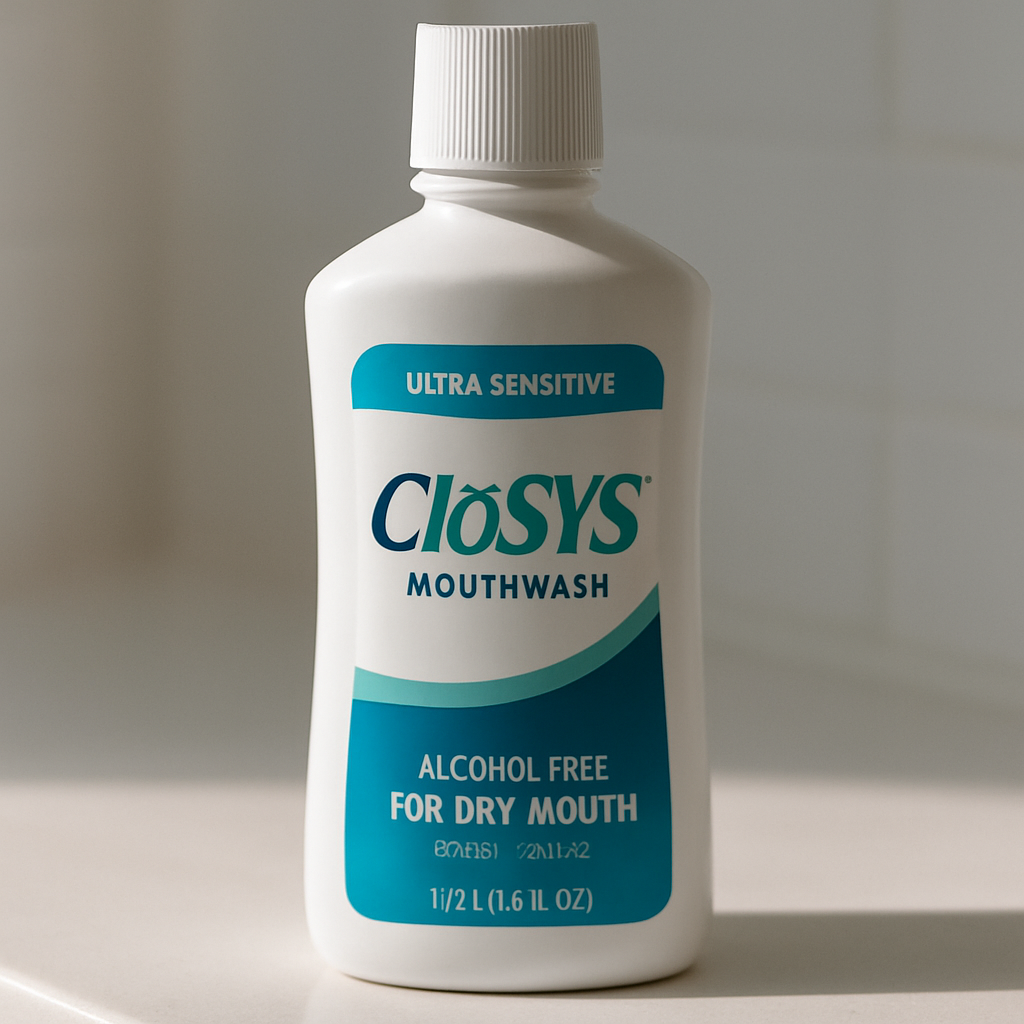
5. Listerine Zero – Mild Yet Effective
Ever opened a mouthwash bottle and braced for that burning sting, only to wonder if you’ll end up feeling even drier? That moment of hesitation is what pushes a lot of us toward alcohol‑free formulas. Listerine Zero is the kind of mild‑yet‑effective option that lets you skip the burn while still giving your mouth a solid clean.
Why Listerine Zero stands out
First off, it’s genuinely alcohol‑free. The formula relies on a blend of menthol‑bright mint and a patented cleaning system that targets bad‑breath germs without stripping away moisture. Listerine claims the rinse delivers “5x more cleaning power vs brushing & flossing alone,” a stat that sounds bold but is backed by their own lab testing on germ reduction.
Second, the flavor is deliberately softer. You get a fresh mint sensation that’s noticeable but not overwhelming – perfect for anyone who’s sensitive to strong flavors or who needs a rinse before a big video call.
How it helps dry mouth
Dry mouth isn’t just uncomfortable; it can lead to plaque buildup, irritated gums, and that persistent cotton feeling you’ve probably experienced after a long meeting. While Listerine Zero doesn’t contain added humectants like glycerin, its alcohol‑free base means it won’t exacerbate moisture loss the way traditional rinses do.
In practice, the rinse works by killing the microbes that cause bad breath and, indirectly, the inflammation that makes your salivary glands work harder. Less inflammation means your glands can focus on producing the saliva you need.
Quick routine for maximum comfort
- Measure out about 20 ml (roughly 4 teaspoons) after you finish brushing.
- Swish for 30 seconds, making sure the liquid reaches every corner – the back of the tongue, between the teeth, and the gum line.
- Spit and wait at least one minute before drinking or chewing sugar‑free gum. That pause lets the active ingredients settle and do their job.
- Repeat twice a day, morning and night. Most users notice a softer tongue texture within a week.
Want the official dosing details? Listerine’s own guide recommends the same 20 ml amount and a 30‑second swish, which lines up nicely with our routine.
Real‑world tip: the “mid‑day Zoom” fix
Picture this: you’re in a three‑hour Zoom marathon, coffee cups keep arriving, and halfway through you feel that gritty, dry sensation. Instead of reaching for a glass of water every few minutes, pause for a quick Listerine Zero swish in the bathroom. The mild mint leaves your mouth feeling refreshed, and because there’s no alcohol, you won’t notice an extra dry spell afterward. It’s a tiny habit that can keep you focused and confident for the rest of the call.
Another scenario that pops up often is the post‑dinner routine. After a wine‑heavy meal, many people experience lingering dryness. A single rinse before bedtime can neutralize odor‑causing bacteria and give your mouth a gentle moisture boost, setting you up for a more comfortable night’s sleep.
What the brand says (and what we see)
The Listerine website notes that this is “the #1 Dentist Recommended Brand among all mouthwash brands,” and that it’s “backed by science.” While we don’t claim it’s a cure‑all for Sjögren’s syndrome, the fact that it avoids alcohol makes it a safer daily companion for anyone dealing with chronic dryness.
In our own experience working with a global audience of 18‑70‑year‑olds, we’ve heard from users in Europe and Asia who appreciate the recyclable packaging and the waterway‑safety claim. Those small environmental touches matter when you’re already thinking about the health of your mouth.
If you want to dive deeper into the product’s specs, check out the official Listerine Zero Alcohol-Free Mouthwash page. For a slightly different view with more technical details, the Listerine Zero product details page breaks down the cleaning power claims and safety notes.
How to Choose the Right Alcohol-Free Mouthwash for Your Dry Mouth
Ever opened a bottle, braced for that sting, and thought, “Do I really need another rinse?” If you’ve been battling that gritty, cotton‑mouth feeling all day, the answer is a resounding yes—just pick the right alcohol‑free mouthwash.
1. Start with the label: “alcohol‑free” is non‑negotiable
It sounds simple, but you’ll be shocked at how many “dry‑mouth‑friendly” rinses still hide a dash of alcohol in the fine print. Alcohol strips away the moisture you’re trying to keep, so the first thing to scan is the ingredient list for the word “ethanol” or “alcohol.” If it’s not there, you’re good to go.
2. Humectants are the secret sauce
Look for ingredients that actually pull water into your mouth. Glycerin, sorbitol, xylitol, and propylene glycol are the usual suspects. They act like tiny sponges, attracting ambient moisture and keeping your tongue from feeling like desert sand. When you see a mouthwash boasting “moisture‑boosting” or “hydrating” in the description, check that one of these humectants is listed near the top.
3. Fluoride – optional but handy
Not every dry‑mouth user needs fluoride, but if you’re also concerned about cavities, a low‑dose fluoride rinse can be a two‑in‑one solution. Just make sure the fluoride level is modest (around 0.02%) so it doesn’t irritate sensitive gums. If you’re already using a fluoride toothpaste, you can skip it and focus on pure hydration.
4. Flavor matters (but don’t let it fool you)
Mint is a classic, but a harsh, overpowering flavor can feel like a chemical wash. Look for “mild mint,” “herbal,” or “citrus‑twist” descriptors. A subtle taste means the formula is likely milder on the oral tissues, which is exactly what dry‑mouth sufferers need.
5. Check for dental‑professional endorsement
Brands that highlight a dentist‑backed claim or an ADA seal are usually more transparent about their ingredients. While the seal isn’t a guarantee of moisture, it does show the product passed basic safety standards. The Spring Dental guide on mouthwash selection breaks down why these endorsements matter here.
6. Think about your routine – timing and dosage
Most experts recommend 15‑20 ml (about a tablespoon) after brushing, swished for 30 seconds, then waiting a minute before drinking or chewing gum. That pause lets the humectants settle and do their work. If you’re prone to “mid‑meeting dry mouth,” keep a small travel bottle handy for a quick refresh.
7. Sustainability and packaging
We know you care about the planet as much as your palate. Recyclable or refillable bottles reduce waste and often come with a tighter seal that prevents the formula from drying out. A greener package means a fresher product every time you open it.
8. Quick checklist before you buy
- Label reads “alcohol‑free” – no ethanol anywhere.
- Contains at least one humectant (glycerin, sorbitol, xylitol).
- Flavor is mild, not aggressive.
- Optional fluoride level ≤0.02% if you need cavity protection.
- Dental‑professional endorsement or ADA seal.
- Packaging is recyclable or refill‑friendly.
In our experience at Stop Oral Care, customers who follow this checklist notice a softer tongue texture within a week and fewer “dry‑mouth panic” moments during long video calls. The routine is simple, the results are tangible, and you won’t have to endure that uncomfortable burn.
So, next time you stand in the oral‑care aisle, let these eight pointers guide you. Your mouth will thank you, and you’ll finally have a rinse that feels like a gentle hug rather than a harsh slap.
Conclusion
We've walked through the science, the product picks, and the simple routine that can turn a dry‑mouth nightmare into a comfortable daily habit.
So, what’s the bottom line? An alcohol free mouthwash for dry mouth works best when it combines humectants, a mild flavor, and a seal of dental‑professional endorsement.
In real life, Maria in Berlin swears by a quick 30‑second swish before her afternoon video calls, while Raj in Belgium pairs his rinse with sugar‑free gum to keep saliva flowing.
If you’re ready to make it stick, try this three‑step habit: measure 15 ml after brushing, swish for 30 seconds, pause a minute before drinking – repeat morning and night.
You can explore our full range of alcohol‑free formulas, including the CBD‑infused STOP Mouthwash, on our product page.
And remember, consistency beats occasional use; most of our users notice a softer tongue within a week, plus fewer “dry‑mouth panic” moments during long meetings.
Give one of these rinses a try this week, track how often you reach for water, and you’ll soon feel that gentle hug rather than a harsh slap.
FAQ
What exactly makes a mouthwash “alcohol‑free” and why does it matter for dry mouth?
When a label says “alcohol‑free,” it means there’s no ethanol or denatured alcohol in the formula. Alcohol is great at killing bacteria, but it also strips away the natural moisture that keeps your tongue from feeling like sand. For anyone dealing with dry‑mouth symptoms, that extra drying effect can turn a quick rinse into a full‑blown discomfort loop. Choosing an alcohol‑free option preserves the saliva you already have while still giving you a fresh, clean feeling.
How do humectants in an alcohol‑free mouthwash actually help my mouth feel less dry?
Humectants such as glycerin, sorbitol, or xylitol act like tiny sponges – they attract water from the air and from surrounding oral tissues. When you swish a mouthwash that contains these ingredients, they coat the lining of your mouth and pull moisture into the cells, leaving a smoother, lubricated sensation that can last for hours. In practice, most users notice a softer tongue texture within a week of consistent use.
Can I use an alcohol‑free mouthwash if I have a fluoride‑sensitive condition?
Absolutely. Many alcohol‑free formulas are offered with or without fluoride, so you can pick the version that matches your needs. If you’re prone to fluoride sensitivity, look for a rinse that lists “fluoride‑free” or a low‑dose fluoride (around 0.02%) near the top of the ingredient list. That way you still get the moisture‑boosting benefits without risking irritation on sensitive gums.
How often should I rinse with an alcohol‑free mouthwash for optimal dry‑mouth relief?
In our experience, twice a day – once after your morning brush and once before bed – works best. Measure about 15 ml (a tablespoon), swish for a solid 30 seconds, then pause for a minute before drinking or chewing gum. The pause lets the humectants settle and do their job. If you have a long meeting or a workout, a quick mid‑day rinse can give you a temporary boost, too.
Is it okay to combine an alcohol‑free mouthwash with sugar‑free gum or lozenges?
Yes, and it’s actually a smart move. Chewing sugar‑free gum stimulates your salivary glands, reinforcing the moisture barrier the mouthwash creates. Look for gums that contain xylitol – it not only boosts saliva but also helps fight cavity‑causing bacteria. Just wait a minute after rinsing before you start chewing, so the active ingredients aren’t washed away too quickly.
Will an alcohol‑free mouthwash help with bad breath, or is it only for moisture?
Most alcohol‑free rinses include mild antimicrobial agents or natural extracts (like tea tree or peppermint oil) that keep odor‑causing bacteria in check without drying you out. So you get a two‑in‑one effect: fresh breath and added hydration. The key is to choose a product that lists both humectants and a breath‑freshening component – many of the options we’ve highlighted do exactly that.
Do I need to rinse with water after using an alcohol‑free mouthwash?
Generally, no. Rinsing with water defeats the purpose by washing away the humectants before they can fully absorb. The best practice is to spit out the excess, wait a minute, and then go about your day. If you’re about to eat or drink something acidic, you might want to give it a few more minutes so the protective layer stays intact.