


Finding a fluoride-free mouthwash that cares for sensitive gums can feel impossible when most options rely on harsh synthetic ingredients. European and American researchers have found that botanical mouthwashes deliver real benefits through natural plant extracts targeting oral microbiome balance and gum health. For those in France and Germany who want gentle, effective solutions, this guide reveals how innovative herbal rinses support tissue healing with minimal risk and maximum comfort for everyday oral care.
Table of Contents
- What Defines Botanical Mouthwash Benefits
- Common Types of Botanical Mouthwashes
- How Plant Ingredients Support Oral Health
- Comparing Botanical Versus Conventional Mouthwash
- Potential Side Effects and Usage Tips
Key Takeaways
| Point | Details |
|---|---|
| Holistic Oral Care | Botanical mouthwashes utilize natural plant extracts to support oral health through anti-inflammatory, antimicrobial, and antioxidant effects. |
| Gentle on Gums | These formulations provide a gentler alternative for individuals with sensitive gums, focusing on healing rather than harsh chemical intervention. |
| Targeted Ingredients | Common herbs such as Neem, Green Tea, and Turmeric offer specific benefits, addressing issues like bacterial growth and inflammation. |
| Limited Side Effects | Compared to conventional mouthwashes, botanical options have minimal side effects, making them safer for long-term use. |
What Defines Botanical Mouthwash Benefits
Botanical mouthwashes represent an innovative approach to oral health, leveraging natural plant extracts with powerful therapeutic properties. Systematic research highlights that these specialized rinses derive their effectiveness from concentrated herbal compounds designed to address multiple oral health challenges simultaneously.
The key defining characteristics of botanical mouthwashes include their complex blend of plant-based ingredients engineered to provide comprehensive oral care. Unlike traditional chemical mouthwashes, botanical alternatives focus on holistic healing through anti-inflammatory, antimicrobial, and antioxidant properties. These natural formulations work synergistically to manage oral microbiome balance, reduce gum inflammation, and support tissue regeneration without harsh synthetic additives.
Specifically, botanical mouthwashes stand out through their scientifically validated herbal ingredients. Herbal extracts with proven dental benefits such as chamomile, sage, echinacea, and green tea deliver targeted therapeutic effects. These botanicals contribute unique protective mechanisms that help manage periodontal health, reduce bacterial colonization, and promote natural healing processes within oral tissues.
Key benefits of botanical mouthwashes include:
- Gentle yet effective oral microbiome management
- Reduced gum inflammation and sensitivity
- Natural antimicrobial protection
- Support for tissue regeneration
- Minimal side effects compared to chemical alternatives
Pro tip: When selecting a botanical mouthwash, prioritize products containing multiple herbal extracts and verify their concentration to ensure maximum therapeutic potential.
Common Types of Botanical Mouthwashes
Botanical mouthwashes encompass a diverse range of natural formulations, each featuring unique herbal ingredients specifically selected for their oral health benefits. Common herbal mouthwash compositions typically include powerful plant extracts known for their therapeutic properties and gentle healing characteristics.
Traditional botanical mouthwash types include formulations featuring specific healing herbs such as neem, tulsi, clove, green tea, turmeric, and cinnamon. Each of these natural ingredients brings distinctive antimicrobial and anti-inflammatory properties that support comprehensive oral health. These plant-based rinses are particularly beneficial for individuals with sensitive gums, offering a gentler alternative to chemical-based mouthwash products that might cause irritation or discomfort.
The primary botanical mouthwash categories can be distinguished by their dominant herbal components and targeted oral health benefits. Herbal mouthwash varieties are typically classified based on their primary active ingredients and specific therapeutic actions. For instance, neem-based mouthwashes excel at reducing bacterial growth, while green tea varieties provide powerful antioxidant protection. Clove and cinnamon formulations offer strong antimicrobial effects, and turmeric-infused rinses help manage inflammation and support healing.
Key botanical mouthwash types include:
Here’s a comparison of popular botanical mouthwash ingredients and their primary oral health functions:
| Herbal Ingredient | Main Oral Health Action | Typical Use Case |
|---|---|---|
| Neem | Strong antibacterial effect | Bacterial control |
| Green Tea | Potent antioxidant support | Plaque prevention |
| Clove | Natural antimicrobial agent | Relief for sore gums |
| Turmeric | Anti-inflammatory compound | Gum inflammation |
| Tulsi (Holy Basil) | Immunomodulatory properties | Sensitive mouth tissues |
- Neem-based mouthwashes
- Green tea extract rinses
- Clove and cinnamon formulations
- Turmeric-infused oral rinses
- Tulsi (holy basil) mouthwashes
Pro tip: When exploring botanical mouthwash options, rotate between different herbal formulations to maximize the diverse therapeutic benefits of various plant extracts.
How Plant Ingredients Support Oral Health
Plant-based oral health ingredients represent a sophisticated approach to natural dental care, leveraging powerful bioactive compounds that address multiple oral health challenges simultaneously. These natural extracts work through complex molecular mechanisms to protect and restore oral tissue, offering a holistic alternative to synthetic dental products.
The primary mechanisms of plant ingredients include antimicrobial, anti-inflammatory, and antioxidant actions that target the root causes of oral health issues. Specific plant compounds like polyphenols and flavonoids actively inhibit harmful bacterial growth, reduce plaque formation, and mitigate gum inflammation. These natural ingredients work at the cellular level to interrupt destructive oral processes, providing a gentler yet more comprehensive approach to maintaining oral microbiome balance.
Different plant ingredients contribute unique therapeutic properties to oral health. Green tea extract contains catechins that combat oral bacteria, while neem provides powerful antibacterial effects. Cinnamon offers natural antimicrobial protection, and turmeric delivers potent anti-inflammatory compounds. These botanical ingredients not only address immediate oral health concerns but also support long-term tissue regeneration and immune system responses within the oral cavity.
Key plant ingredient benefits include:
- Inhibiting harmful oral bacteria
- Reducing inflammatory responses
- Neutralizing free radical damage
- Supporting natural tissue healing
- Protecting against oxidative stress
Pro tip: Consider consulting with a dental professional to develop a personalized botanical oral care strategy that matches your specific oral health needs and sensitivities.
Comparing Botanical Versus Conventional Mouthwash
Botanical versus chemical mouthwash differences reveal a fundamental approach to oral care that prioritizes precision and biological harmony. Conventional mouthwashes typically employ broad-spectrum antimicrobial agents that indiscriminately eliminate oral bacteria, while botanical alternatives offer a more nuanced strategy of targeted pathogen management.

The key distinctions between botanical and conventional mouthwashes center on their mechanism of action and potential side effects. Conventional mouthwashes like chlorhexidine rely on aggressive chemical compounds that kill bacteria comprehensively, often disrupting the delicate oral microbiome balance. In contrast, botanical mouthwashes demonstrate selective antimicrobial properties, effectively controlling harmful bacteria while preserving beneficial microorganisms essential for maintaining oral health.
Conventional mouthwashes frequently contain alcohol, synthetic preservatives, and harsh chemical agents that can cause significant side effects such as oral tissue irritation, tooth staining, and altered taste sensation. Botanical mouthwashes, however, leverage natural plant extracts with inherent therapeutic properties that support oral tissue healing, reduce inflammation, and provide antimicrobial protection without the aggressive chemical intervention.
Key comparative differences include:
The following table summarizes critical differences between botanical and conventional mouthwashes for reference:
| Aspect | Botanical Mouthwash | Conventional Mouthwash |
|---|---|---|
| Ingredient Source | Natural plant extracts | Synthetic chemicals, alcohol |
| Microbiome Impact | Preserves beneficial bacteria | May disrupt oral balance |
| Side Effect Risk | Minimal, plant sensitivities | Can cause staining or irritation |
| Long-Term Benefits | Supports tissue regeneration | Focuses on bacteria elimination |
- Bacterial targeting approach
- Potential for oral microbiome disruption
- Risk of side effects
- Long-term oral tissue impact
- Natural versus synthetic ingredient composition
Pro tip: Rotate between different botanical mouthwash formulations to prevent microbial adaptation and maximize the diverse therapeutic benefits of plant-based ingredients.
Potential Side Effects and Usage Tips
Botanical mouthwash safety guidelines emphasize that while these natural oral care solutions are generally safer than conventional chemical alternatives, users must understand potential risks and appropriate usage methods. Unlike traditional mouthwashes, botanical formulations require a more nuanced approach to application and individual sensitivity.
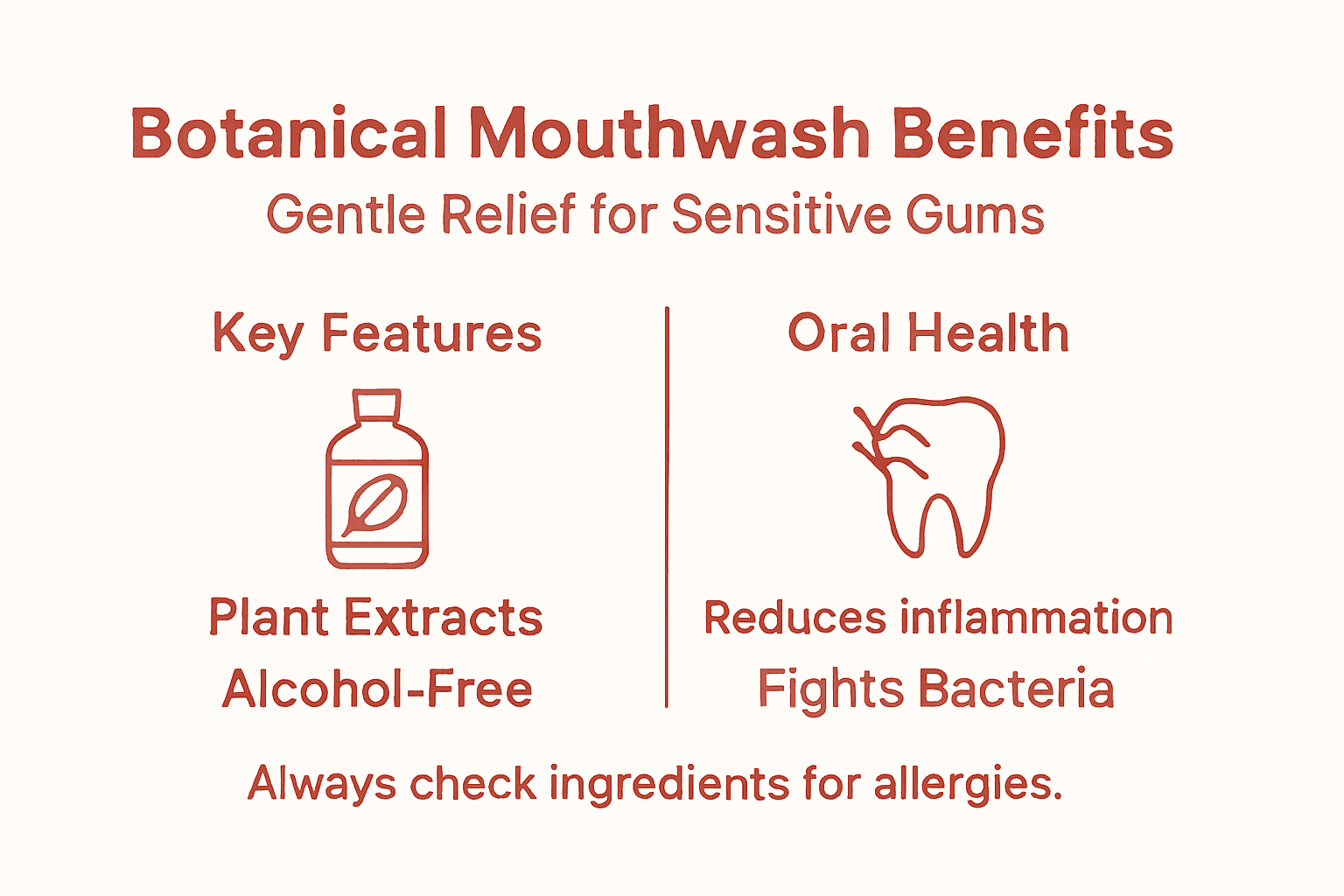
Potential side effects of botanical mouthwashes can include mild allergic reactions, localized oral irritation, or hypersensitivity to specific plant extracts. Allergic responses may manifest as temporary redness, slight swelling, or tingling sensations in oral tissues. Individuals with known plant allergies or sensitive mucous membranes should conduct a preliminary patch test and consult their dental professional before incorporating a new botanical mouthwash into their oral hygiene routine.
Proper usage involves understanding concentration, frequency, and individual oral health conditions. Botanical mouthwashes should be used as complementary oral care products, not replacements for mechanical cleaning methods like brushing and flossing. Most formulations recommend specific dilution ratios, maximum daily usage, and precise rinsing techniques to maximize therapeutic benefits while minimizing potential adverse reactions.
Key usage guidelines include:
- Conduct an initial patch test before full application
- Follow recommended dilution instructions
- Limit usage to manufacturer-specified frequency
- Avoid swallowing the mouthwash
- Discontinue use if adverse reactions occur
- Consult a dental professional for personalized advice
Pro tip: Start with a small amount of botanical mouthwash and gradually increase usage while monitoring your oral tissue’s response to ensure optimal tolerance and effectiveness.
Discover Gentle and Effective Solutions for Sensitive Gums
If you struggle with sensitive gums and seek a natural, scientifically backed approach to oral care, botanical mouthwashes offer excellent benefits such as reducing inflammation and protecting your oral microbiome balance. At STOP Oral Care, we understand the importance of using gentle ingredients like hemp and Dead Sea minerals that promote healing without harsh chemicals or irritation.

Experience the transformation of your oral health with our unique fluoride-free products designed specifically for sensitive mouths. Visit our Home Page to explore how our natural formulations can support your needs today. Don’t wait to feel the soothing effects of botanical care—shop now at https://stop-oralcare.com and take the first step toward healthier gums and a balanced oral microbiome.
Frequently Asked Questions
What are the benefits of using botanical mouthwash for sensitive gums?
Botanical mouthwash offers several benefits for sensitive gums, including reduced inflammation, natural antimicrobial protection, and support for tissue regeneration. These mouthwashes typically contain gentle plant extracts that address oral health issues without the harsh effects of synthetic ingredients.
How do botanical mouthwashes differ from conventional mouthwashes?
Botanical mouthwashes use natural plant extracts to selectively target harmful bacteria while preserving beneficial microorganisms, whereas conventional mouthwashes often use aggressive chemicals that can disrupt the oral microbiome and cause side effects like irritation and staining.
Are there any side effects associated with botanical mouthwash?
While botanical mouthwashes are generally safer than conventional options, some individuals may experience mild allergic reactions, localized irritation, or hypersensitivity to specific herbal ingredients. It’s advisable to conduct a patch test and consult with a dental professional if you have concerns.
How should I use botanical mouthwash for the best results?
To maximize the benefits of botanical mouthwash, follow the recommended dilution instructions, use it as a complementary product alongside brushing and flossing, and avoid swallowing it. Start with a small amount and gradually increase usage while monitoring your oral tissue’s response.
Recommended
- Best Natural Mouthwash for Gum Disease: 5 Effective Options Reviewed – Stop Oral Care
- Effective Natural Mouthwash for Gum Disease: 5 Home Remedies Backed by – Stop Oral Care
- Why Use Plant-Based Mouthwash for Oral Health – Stop Oral Care
- Natural Mouthwash for Periodontal Disease: A Practical Guide to Safer – Stop Oral Care
- What Is Oral Detox and Why It Matters - Mahoney inter
- Sensitive Gums – Causes, Symptoms and Solutions | Paynless