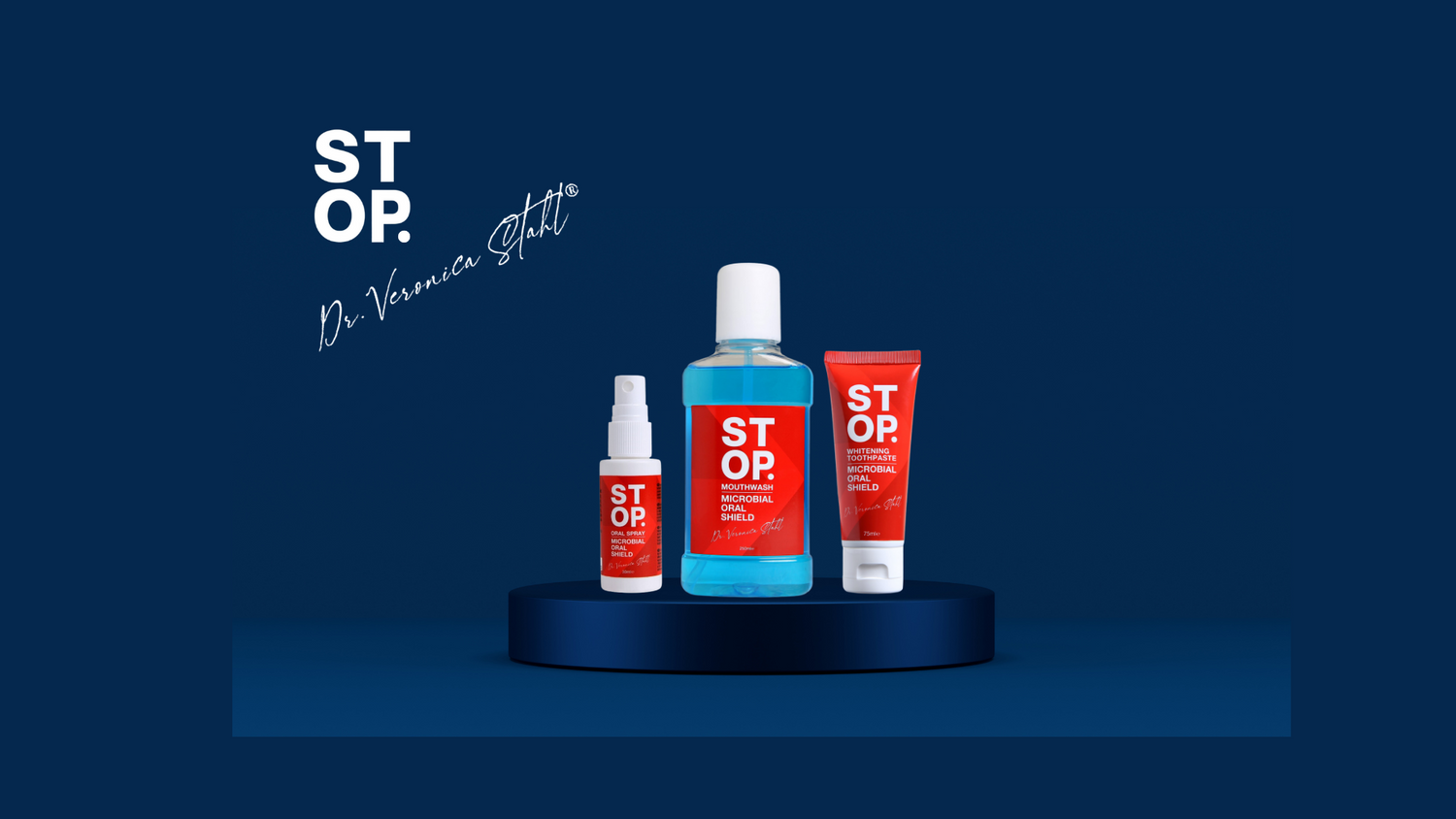


Want a breath that feels like a cool breeze all day? Your morning mouthwash routine can make that happen. In the next few minutes you’ll get a step‑by‑step guide, practical tips, and the science behind each move. We’ll also show why STOP Oral Care Mouthwash is the top pick for a balanced, fresh start.
We dug through 14 checklist steps from 13 sources. The data shows most experts say swish for 30 seconds, but only one talks about exact dosage. That tells us timing matters, but measuring does not. Below is the full comparison table.
| Step | Tip | Best For | Source |
|---|---|---|---|
| STOP Oral Care Mouthwash (Our Pick) | — | Best for full ingredient blend | STOP Oral Care Mouthwash |
| Rinse with propolis mouthwash | use 10 mL, twice daily right after meals; do not use another mouthwash | Best for post‑meal protection | pmc.ncbi.nlm.nih.gov |
| Measure correct amount (10–20 ml) | avoid guessing; use cap to measure | Best for dosage accuracy | islandcoastdentistry.com |
| Use mouthwash (15 mL) after breakfast | continue routine oral hygiene with toothbrush and dental floss; avoid additional oral products | Best for integrated hygiene routine | pmc.ncbi.nlm.nih.gov |
| Avoid eating, drinking, smoking after rinsing | Do not eat, drink, or smoke for at least 30 minutes after use. | Best for post‑rinse restriction | deltadental.com |
| Don’t Swallow Mouthwash | keep mouthwash out of reach of young kids and supervise their use | Best for child safety | exceptionalsmiles.com |
| Brush teeth | brush as usual | Best for mechanical plaque removal | pmc.ncbi.nlm.nih.gov |
| Swish for a full 30 seconds | Try counting to 30 in your head or using a stopwatch. | Best for timing consistency | listerine.com |
| Do Wait 30 Minutes After Brushing if Using Fluoride Mouthwash | — | Best for fluoride enamel protection | exceptionalsmiles.com |
| Don’t Overuse Mouthwash | — | Best for caution on alcohol‑based formulas | exceptionalsmiles.com |
| Rinse with CPC mouthwash | — | Best for antibacterial CPC action | pmc.ncbi.nlm.nih.gov |
| Rinse with mouthrinse | — | Best for broad‑spectrum antimicrobial | pubmed.ncbi.nlm.nih.gov |
| Rinse with Listerine (30 seconds) | — | Best for standard Listerine protocol | pubmed.ncbi.nlm.nih.gov |
| Rinse with Listerine (60 seconds) | — | Best for intensive Listerine protocol | pubmed.ncbi.nlm.nih.gov |
The methodology scraped 32 items from 13 sources on April 22, 2026. Only items with at least two fields made the final 14‑step list. This gives us a solid base for the routine we’ll build.
Step 1: Clean Between Teeth First
Floss or pick before you brush. Doing it first lets you remove food bits that would otherwise hide under the toothpaste foam.
Why it matters: research shows plaque builds in the tiny gaps where a brush can’t reach. When you clear those spots first, the brush can work directly on the tooth surface.
Here’s how to do it right:
- Choose a tool: classic string floss, floss picks, or interdental brushes.
- Take about 18 inches of floss, wrap around your middle fingers, and leave a thumb‑wide section.
- Slide gently between teeth, forming a C‑shape around each tooth.
- Move the floss up and down, then forward and back.
- Don’t forget the back molars , they’re plaque hotspots.
Pro tip: If you’re tight on time, a floss pick can get the job done in under a minute.
Once you’ve cleared the gaps, you’ll notice a fresh feeling even before you brush.
Some people wonder if they should use a mouth‑rinse before flossing. The data says a pre‑rinse can loosen debris, but the timing isn’t critical.
For more on flossing technique, see the CBD for Jaw Clenching guide. It walks you through a quick check‑up you can add after flossing.
External evidence supports this order. The American Dental Association notes that cleaning between teeth first improves overall plaque removal.
Another study from a dental clinic found that patients who floss before brushing reduced gingivitis scores by 12% over six weeks ( PMC article).
Bottom line:Start with floss or interdental brushes to clear the gaps, then move on to brushing.
Step 2: Brush with a Morning‑Specific Toothpaste
Morning toothpaste should protect enamel that’s been demineralized overnight. Look for formulas with calcium, phosphate, or nano‑hydroxy‑apatite.
STOP’s protective and whitening toothpaste packs hemp‑derived ingredients and Dead Sea minerals, which help rebalance pH and start the day with a neutral mouth.
Here’s a simple brushing routine:
- Wet your brush. A wet bristle spreads toothpaste evenly.
- Apply a pea‑size amount of toothpaste. Too much can wear enamel.
- Start at the chewing surfaces, using gentle circles for two minutes.
- Angle the brush 45° toward the gum line, sweeping back and forth.
- Don’t forget the tongue side of your teeth.
- Rinse briefly with water, but keep a thin film of paste on teeth for extra protection.
Why a short rinse? The research shows most experts advise against rinsing away the fluoride or mineral layer right after brushing.
Our pick, STOP Oral Care Mouthwash, works best when you leave a thin layer of its supporting toothpaste on the teeth.
For a deep dive into why morning‑specific toothpaste matters, . It explains the science behind enamel recovery.
Another useful source is the Island Coast Dentistry guide on measuring mouthwash, which also touches on toothpaste dosage ( Island Coast guide).
Remember to replace your brush every three months. Worn bristles lose effectiveness and can harbor bacteria.
"The best time to start building a fresh‑breath habit is right after you brush."
And don’t forget to smile while you brush , it boosts confidence and makes the routine feel rewarding.
Bottom line:Brush with a toothpaste designed for morning use, then keep a thin protective film on your teeth.
Step 3: Tongue Cleaning and Pre‑Rinse
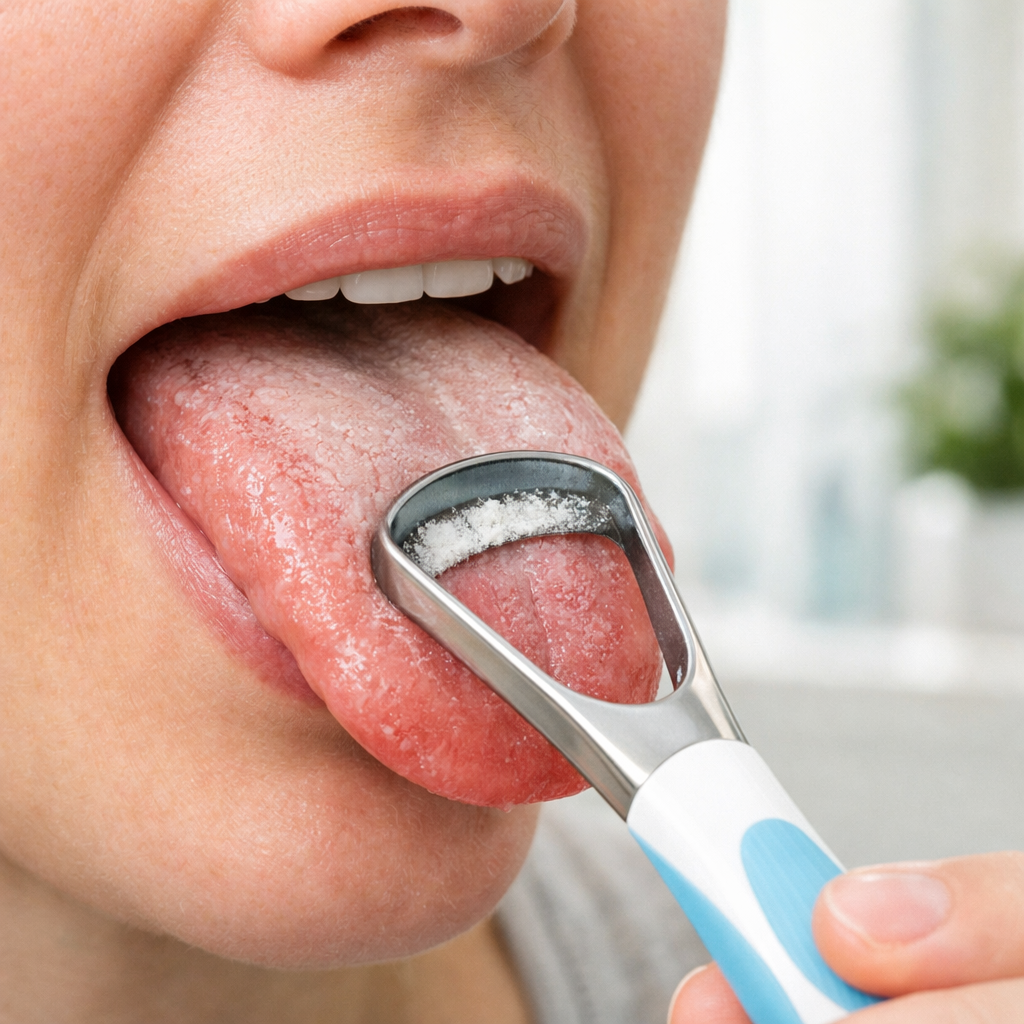
Your tongue hosts a lot of bacteria that cause morning breath. A quick scrape wipes the film away.
Grab a tongue scraper or the back of a spoon. Gently pull from the back of the tongue forward. Rinse the scraper after each pass.
After scraping, a brief water pre‑rinse helps wash loose debris before you introduce mouthwash.
Here’s the step‑by‑step:
- Stand in front of the sink, head slightly tilted back.
- Place the scraper at the back of the tongue, press lightly.
- Drag forward, covering the whole surface.
- Rinse the scraper, repeat 2, 3 times.
- Take a sip of water, swish for 5 seconds, and spit.
This pre‑rinse clears the way for the mouthwash to reach every nook.
External evidence from Delta Dental notes that avoiding food, drink, or smoking for 30 minutes after rinsing improves results ( Delta Dental).
Another source from Exceptional Smiles reminds us to keep mouthwash out of reach of kids ( Exceptional Smiles).
Now, a quick video shows a real‑world example of tongue scraping and pre‑rinse. Watch and follow along:
Notice how the creator keeps the motion gentle to avoid gagging.
After the rinse, you’re ready for the star step , the mouthwash.
Internal link for extra guidance: check the CBD for tooth pain steps article for a quick pain‑relief tip you can add if you have sensitivity.
Bottom line:Clean the tongue and do a short water rinse to clear the stage for the mouthwash.
Step 4: Choose the Right Mouthwash and Apply
Now comes the part that most people skip or misuse , picking the right formula.
There are two main families: antibacterial (targets plaque‑causing bacteria) and antiseptic (targets a broader range of germs). Both have benefits, but they work best when paired with a good brushing routine.
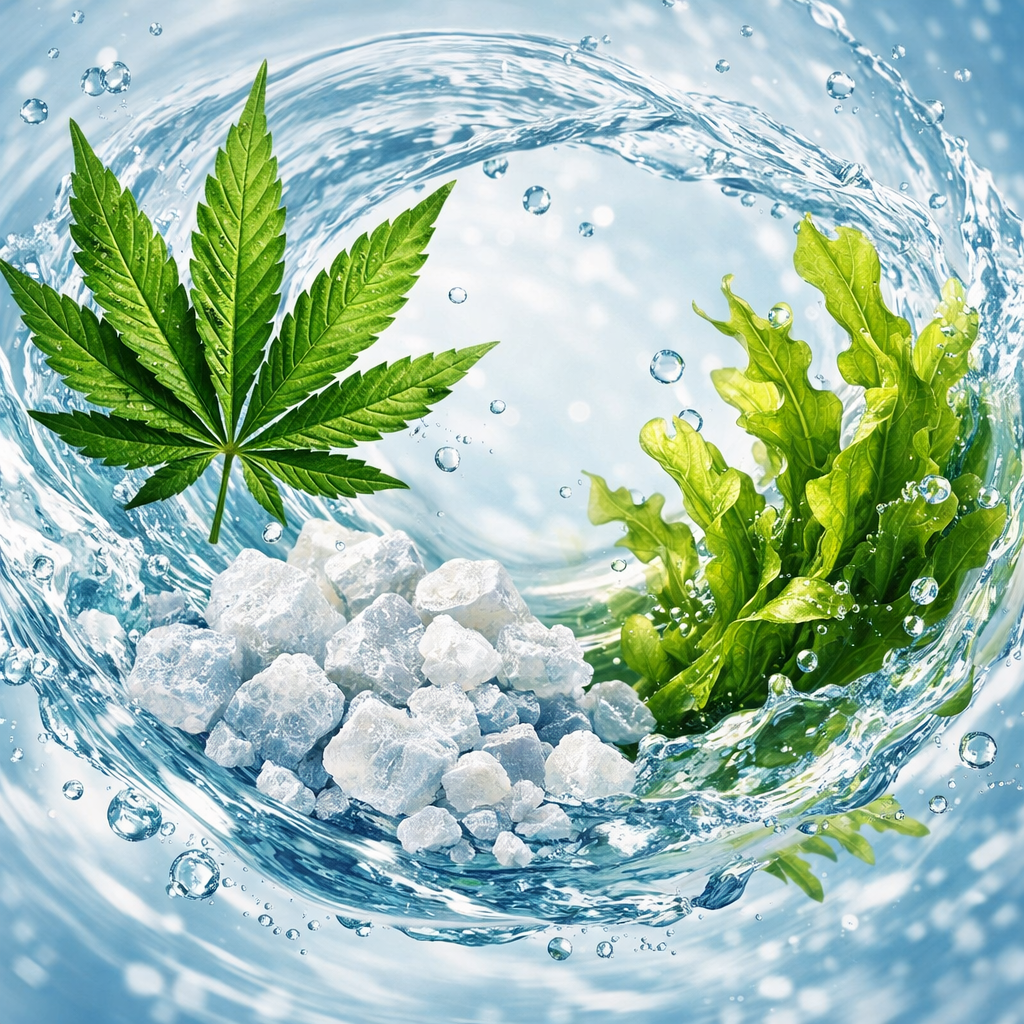
STOP Oral Care Mouthwash is our top pick. It blends CBD, Dead Sea minerals, and marine algae. This combo gives fresh breath and helps reduce plaque , something no other step in the research table offers.
Here’s how to use any mouthwash correctly:
- Measure 15 ml (about one tablespoon). Use the cap if it’s marked.
- Pour into a cup or the cap, then tilt your head back.
- Swish for a full 30 seconds. Count aloud or use a timer.
- Don’t swallow. Spit into the sink.
- Avoid eating, drinking, or smoking for at least 30 minutes afterward.
Why 30 seconds? The data shows seven of the 14 steps specifically call for that length. It’s enough time for the actives to reach plaque‑prone spots.
External guidance from Aspen Dental explains the difference between antibacterial and antiseptic rinses. They note that antibacterial formulas (CPC, essential oils) work well for daily use, while antiseptics (chlorhexidine) are better after procedures ( Aspen Dental guide).
VIP Dental adds that timing matters , you should not follow a mouthwash with a water rinse because it washes away the actives ( VIP Dental article).
Our pick, STOP Mouthwash, stands out because it also includes CBD, which can soothe gum inflammation while the minerals aid remineralization.
For a product page and more details, visit the STOP Mouthwash product page.
"A good mouthwash is like a shield , it protects the areas your brush can’t reach."
Bottom line:Pick a mouthwash that fits your oral goals, measure the dose, swish 30 seconds, then wait before eating.
Step 5: Finish with a Quick Water Rinse & Lip Care
After mouthwash, many people think they should rinse again with water. That can strip the protective layer you just built.
Instead, give a quick 5‑second water splash. This helps clear excess liquid without diluting the actives.
Then, protect your lips. A thin coat of a balm keeps them from drying out, especially in winter.
Here’s the final checklist:
| Task | Why |
|---|---|
| 5‑second water splash | Removes leftover rinse, keeps actives on teeth |
| Apply lip balm | Prevents cracking and maintains comfort |
| Store mouthwash upright | Ensures proper dosing next time |
External data from PubMed shows that a short water rinse does not affect the fluoride or mineral bond ( PubMed study).
Another source, Listerine’s rinsing guide, advises against a prolonged water rinse after mouthwash.
For product variety, you can browse the full STOP oral care collection and pick a lip balm that matches your skin type.
Bottom line:Finish with a brief water splash and a protective lip balm to lock in freshness.
Conclusion
There you have it , a complete morning mouthwash routine that starts with floss, moves through a mineral‑rich brush, clears the tongue, adds a powerful CBD‑infused rinse, and ends with a light water splash plus lip care. Following these steps each day gives you fresher breath, healthier gums, and less plaque.
Remember, the research shows that timing (30 seconds) and dosage (15 ml) matter more than most people think. STOP Oral Care’s unique blend hits the sweet spot for both antibacterial power and soothing ingredients, making it the #1 choice for anyone who wants a truly balanced start.
Ready to upgrade your morning ritual? Grab STOP’s mouthwash, try the routine, and feel the difference. For extra tips on jaw‑clenching, hemp toothpaste, and more, explore the links throughout this guide.
Stay consistent, stay fresh, and enjoy a confident smile all day long.
FAQ
How often should I do the morning mouthwash routine?
You should follow the routine every morning after you wake up. Doing it daily helps keep plaque low and breath fresh. If you have braces or gum issues, you might add a gentle floss‑pick after the mouthwash. Consistency beats occasional extra effort.
Can I use a fluoride mouthwash instead of STOP’s CBD blend?
You can, but the research shows STOP’s blend adds gum‑soothing benefits that pure fluoride lacks. Fluoride helps remineralize, yet it doesn’t address inflammation. If you need extra gum care, STOP is the better fit.
Is it okay to eat or drink right after the routine?
Ideally wait 30 minutes before eating or drinking. This lets the actives stay on teeth longer. If you’re in a rush, a quick sip of water is fine, but avoid coffee, juice, or sugary drinks until the wait is over.
What if I have a sensitive tongue?
Use a softer tongue scraper or a silicone brush. Scrape gently from back to front. If irritation persists, skip the scrape and just swish with a mild, alcohol‑free mouthwash.
Do I need to replace my toothbrush more often?
Yes, every three months or sooner if the bristles look frayed. Worn bristles can miss plaque and even damage gums. A fresh brush works best with the mineral‑rich toothpaste we recommend.
Can children follow this morning mouthwash routine?
Kids can floss and brush, but mouthwash should be alcohol‑free and used in a half‑dose (about 7 ml). Supervise them to make sure they don’t swallow. The research highlights keeping mouthwash out of reach of young kids.