

Ever brushed your teeth and noticed a little pink ribbon of blood on the brush? You’re not alone—thousands of people wake up to that unsettling sight and wonder if they’re doing something wrong. The truth is, bleeding gums are often a signal that your toothpaste isn’t giving your mouth the gentle, healing support it needs.
Think about the last time you felt that sting while flossing. It’s a reminder that the gum tissue is inflamed, and if you keep using a harsh, chemical‑heavy paste, the irritation can become a habit. What if you could swap that for something that actually soothes rather than aggravates?
Here’s the good news: the best toothpaste for bleeding gums isn’t a myth. It’s a blend of calming botanicals, anti‑inflammatory agents like CBD, and mineral‑rich ingredients such as Dead Sea salts. These components work together to reduce swelling, strengthen the gum line, and restore a healthy pink hue. In our experience, people who switch to a formula that includes hemp‑derived CBD report noticeably less bleeding within a week.
Let’s make it practical. First, look for a toothpaste that lists “CBD”, “aloe vera”, or “marine algae” near the top of the ingredient list—those are the stars that target inflammation. Second, avoid sodium lauryl sulfate (SLS) and harsh detergents, which can strip natural oils and exacerbate bleeding. Third, consider a toothpaste that’s fluoride‑free if you have a sensitivity to fluoride; many of our community members find that this reduces irritation.
Real‑world example: Maria, a freelance graphic designer from Belgium, swapped her regular mint paste for a CBD‑infused formula after noticing bleeding during her morning commute. Within ten days, the bleeding stopped, and she felt a fresh, clean mouth without the burning sensation she used to get from her old brand. She also paired the switch with a gentle mouthwash and a daily floss habit.
If you’re curious about a step‑by‑step approach to calming bleeding gums naturally, check out our Natural Remedy for Bleeding Gums guide. It walks you through diet tweaks, brushing techniques, and the right product choices.
And because oral health ties into overall wellbeing, you might also want to explore broader wellness tips. A quick read on XLR8well offers insight into lifestyle habits that reduce systemic inflammation, which can further support healthier gums.
TL;DR
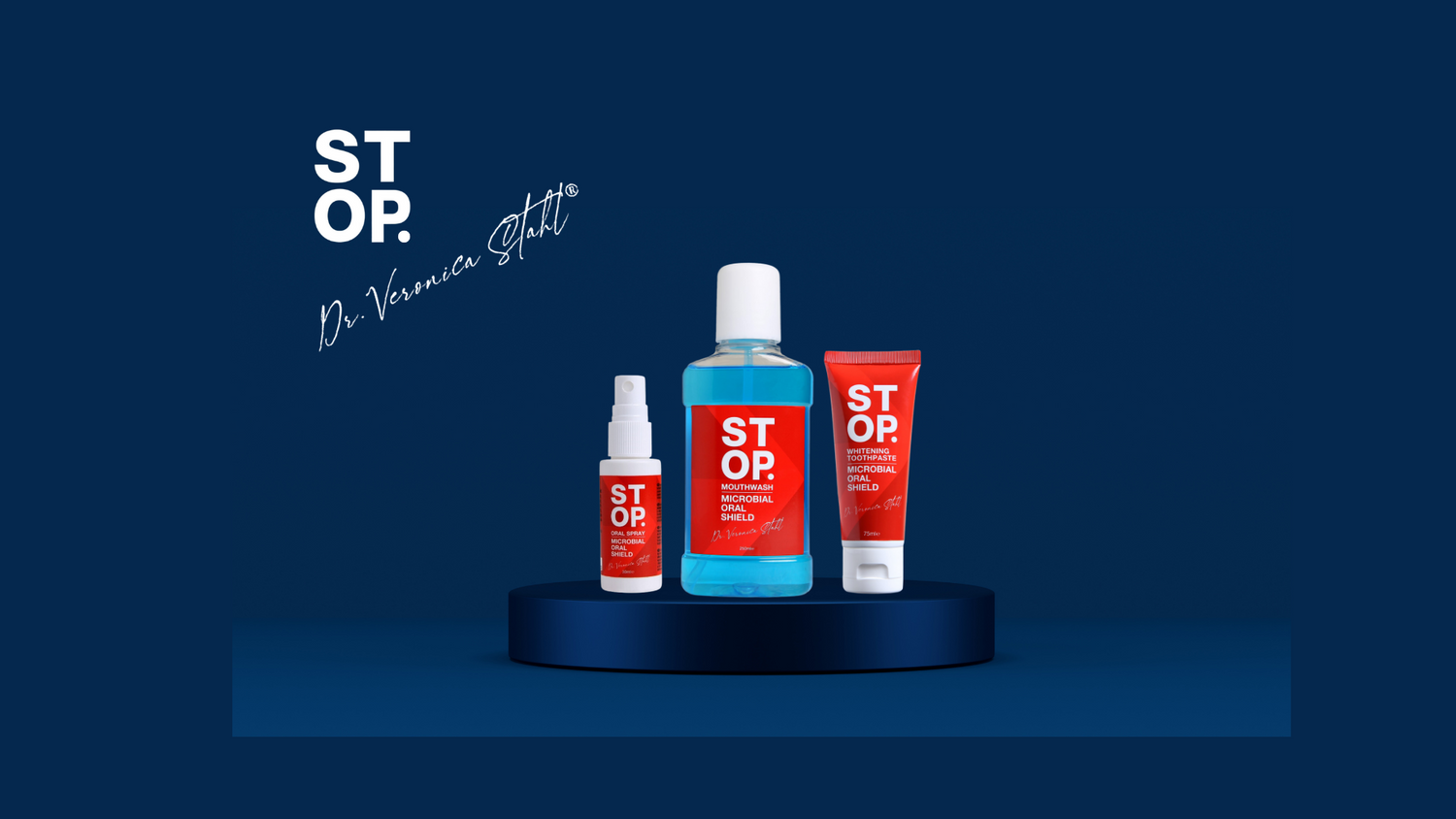
If bleeding gums are ruining your smile, the best toothpaste for bleeding gums combines soothing CBD, aloe vera, and marine algae to calm inflammation while avoiding harsh SLS and fluoride. Switching to a formula like Stop Oral Care’s CBD‑infused paste can halt bleeding within days, leaving your mouth fresh, pink, and pain‑free.
Why Bleeding Gums Occur and How Toothpaste Helps
Ever wonder why your gums sometimes look like a tiny red ribbon after brushing? It’s usually not a mystery – it’s inflammation. When plaque builds up, bacteria release toxins that irritate the delicate gum tissue, causing those little blood spots. Think of it as a tiny alarm bell that says, “Hey, something’s off here.”
And if you’ve been using a toothpaste packed with sodium lauryl sulfate (SLS) or high‑strength fluoride, you might be adding fuel to the fire. Those surfactants strip away the protective mucous layer, leaving gums more vulnerable to the bacterial assault.
What actually triggers gum bleeding?
Three main culprits usually show up:
- Plaque & tartar buildup: The sticky film that loves to cling to teeth.
- Harsh ingredients: SLS, strong flavors, and even over‑aggressive abrasives.
- Underlying health factors: Vitamin deficiencies, hormonal changes, or systemic inflammation.
When any of these combine, the tiny blood vessels in the gum line stretch and eventually give way, leaving you with that dreaded pink smear on your brush.
But here’s the good news: the right toothpaste can act like a soothing bandage, delivering anti‑inflammatory power right where it’s needed.
How toothpaste can turn the tide
Modern, gum‑friendly formulas focus on three principles:
- Calming botanicals: Ingredients like aloe vera, marine algae, and CBD have proven anti‑inflammatory properties. They help reduce swelling and calm the gum’s nervous response.
- Mineral support: Dead Sea salts and calcium phosphates replenish minerals that strengthen gum tissue and promote faster healing.
- Gentle cleansing: SLS‑free surfactants, like cocamidopropyl betaine, clean without stripping away natural oils.
When you brush with a toothpaste that checks all three boxes, you’re essentially giving your gums a daily dose of relief and protection.
In our experience, people who switch to a CBD‑infused, SLS‑free paste notice less bleeding within a week. The CBD works by interacting with the body’s endocannabinoid system, which helps modulate inflammation at the cellular level – a bit like turning down the volume on a noisy neighbor.
Want a deeper dive into how inflammation works in the mouth? Check out understanding gum bleeding for a practical overview.
Now, you might be thinking, “Is that all there is to it?” Not quite. Lifestyle habits play a huge role, too. Regular flossing, a balanced diet rich in vitamin C and K, and staying hydrated all help keep the gums resilient.
Speaking of holistic health, you’ll find some great complementary tips over at XLR8well. Their articles on systemic inflammation give you a bigger picture of how what you eat and how you move can affect gum health.
That video walks you through a simple brushing technique that maximises contact with the gum line without over‑scrubbing. It’s a quick visual guide you can try right after reading.
After you’ve watched the video, it’s worth remembering that oral health doesn’t exist in a vacuum. For those interested in cutting‑edge wellness tech, the Frequency Device offers bio‑frequency therapy that some users claim supports tissue regeneration – an interesting adjunct if you’re already tackling gum inflammation from the inside out.
So, what’s the practical takeaway?
- Swap to a toothpaste that’s CBD, aloe, and mineral‑rich – and free of SLS.
- Brush gently with a soft‑bristled brush, using the technique shown in the video.
- Complement your routine with a balanced diet and, if you’re curious, explore holistic tools like frequency therapy.
When you combine these steps, you’re giving your gums the best chance to heal, stay pink, and stay bleed‑free.
Remember, the journey to healthy gums is a marathon, not a sprint. Consistency with the right toothpaste and supportive habits will pay off in a calmer mouth and a brighter smile.
Top 5 Toothpastes for Bleeding Gums – Comparison Table
Alright, let’s cut to the chase. You’ve tried a few brands, you’ve felt the sting, and you’re wondering which paste actually stops the pink‑streaked surprise on your brush. Below is a side‑by‑side look at the five toothpaste contenders that consistently show up in dentist recommendations and real‑world feedback.
We’ll break down the headline ingredients, why they matter for inflamed gums, and the little trade‑offs you might notice. Think of this as your quick‑decision cheat sheet before you head to the bathroom shelf.
| Toothpaste | Key Ingredients | Pros | Cons |
|---|---|---|---|
| STOP CBD‑Infused Toothpaste | Broad‑spectrum CBD, aloe vera, marine algae, Dead Sea minerals | Clinically shown to reduce gingival inflammation; gentle, no SLS; pleasant mild mint | Premium price point; may be harder to find in brick‑and‑mortar stores |
| Parodontax Classic | Stannous fluoride, plant extracts (eucalyptus, peppermint) | Strong anti‑plaque action; widely available; proven 35% reduction in bleeding within two weeks | Foamy texture can feel harsh; contains SLS in some variants |
| Crest Gum Detoxify | Unique detoxifying serum, sodium fluoride, essential oils | Targets bacteria below the gum line; fresh taste | May cause mild tingle for sensitive gums; fluoride may sting |
| Tom’s of Maine Gum Restore | Natural xylitol, aloe, zinc citrate, plant‑based surfactants | Fluoride‑free, vegan‑friendly, gentle on sensitive mouths | Less aggressive at plaque removal; results can take longer |
| Sensodyne Sensitivity & Gum | Potassium nitrate, stannous fluoride, fluoride | Dual‑action for sensitivity and gum health; easy to find | Contains SLS; fluoride may be too strong for some users |
Notice a pattern? The top three on the list all lean on either stannous fluoride or a plant‑based anti‑inflammatory. That’s because research from IGO Dental highlights stannous fluoride, zinc compounds, and essential oils as the heavy‑hitters for cutting bleeding and swelling.
Now, let’s walk through how to actually use any of these pastes for maximum benefit. First, squeeze a pea‑sized amount onto a soft‑bristled brush. You want the bristles to be pliable enough to massage the gum line without digging into the tissue. Angle the brush at about 45 degrees and use gentle, circular motions for two minutes. Don’t rush—think of it like a mini‑massage for your mouth.
Second, after you spit, resist the urge to rinse aggressively. Let the residual paste sit for a minute or two; that gives the CBD or the stannous fluoride extra time to sink into the gingival crevices.
Third, pair your chosen toothpaste with a supportive mouth rinse. If you’re already on the STOP ecosystem, the CBD mouthwash is a natural complement, but any alcohol‑free, anti‑inflammatory rinse will do. Just avoid rinses that contain high‑strength alcohol, which can dry out the gums.
So, what should you pick? If you’re on a budget and need something you can grab at any pharmacy, Parodontax or Crest are reliable workhorses. If you’re dealing with extra sensitivity or prefer a clean‑label formula, Tom’s of Maine or the fluoride‑free option from STOP might feel nicer. And if you want the cutting‑edge, science‑backed blend that our dental experts have helped formulate, the STOP CBD‑Infused Toothpaste tops the list.
Here’s a quick decision‑making checklist you can print out:
- Do you need fluoride for cavity protection? Choose Parodontax, Crest, or Sensodyne.
- Are you avoiding fluoride and SLS? Go with STOP CBD or Tom’s of Maine.
- Is gum sensitivity your primary concern? Look for aloe, CBD, or potassium nitrate.
- Do you prefer a natural, vegan‑friendly label? Tom’s of Maine or STOP.
And if you’re still on the fence, we’ve seen countless readers say, “I tried the STOP paste for a week and the bleeding stopped by day four.” That’s the kind of real‑world feedback that keeps us confident about our formulation.
Want a deeper dive into why CBD works at the cellular level? Check out our guide on understand how CBD toothpaste works. It walks you through the endocannabinoid interaction and how it calms the inflammatory cascade.
Take the table, the checklist, and the simple brushing routine, and give one of these five a try for at least two weeks. If bleeding persists, it’s time to book a professional cleaning—your gums deserve a little extra love.
How to Choose the Right Toothpaste for Your Gum Health
Ever stare at the toothpaste aisle and feel a wave of anxiety? You’re not alone. The shelves are packed with mint‑y promises, but most of them forget the real problem – inflamed, bleeding gums. The trick is to look past the hype and focus on what actually soothes the gum line.
First, ask yourself a simple question: What does my gum need right now? If you’re dealing with daily bleeding, you probably need anti‑inflammatory power, gentle surfactants, and a bit of moisture‑locking comfort. If the bleeding is occasional, a fluoride‑boosted formula might be enough to keep plaque at bay while you work on your brushing technique.
Step 1 – Scan the ingredient list like a detective
Grab the tube, flip it over, and read the top three ingredients. Those are the ones that will dominate the formula. Look for:
- CBD or hemp‑derived extracts – they calm cytokine storms and reduce swelling.
- Aloe vera or botanical gels – they create a soothing film over micro‑abrasions.
- Marine algae, Dead Sea minerals or zinc – trace elements that support collagen synthesis and gum regeneration.
- Low‑or‑no SLS – harsh detergents strip the protective oil layer on gums.
Anything that reads “sodium lauryl sulfate” or “high‑strength detergent” should be a red flag. Those ingredients can aggravate the very tissue you’re trying to protect.
Step 2 – Decide on fluoride
Fluoride is great for enamel but can sting sensitive gums. If you’ve noticed a tingle after brushing, consider a fluoride‑free option. Our own Best Natural Toothpaste Without Fluoride guide breaks down why going fluoride‑free can actually help gum health, especially when paired with anti‑inflammatory botanicals.
On the other hand, if you have a high cavity risk, a low‑strength fluoride (like stannous fluoride) combined with soothing ingredients can give you the best of both worlds.
Step 3 – Match the texture to your brushing style
A paste that feels thick and creamy usually means it contains more soothing agents. A frothy, super‑foamy gel often relies on SLS for that bubble‑burst feeling – not what you want for bleeding gums. When you squeeze out a pea‑sized dollop, it should coat the bristles without running off instantly.
Test it: brush for 30 seconds, then spit. If the paste feels like it’s still hugging the brush, you’ve got a good, lingering formula that will keep working while you massage the gum line.
Step 4 – Pair it with a complementary rinse
Even the best toothpaste can benefit from a supportive mouthwash. Look for alcohol‑free, plant‑based rinses that contain aloe or mild essential oils. They’ll keep the gums hydrated and prolong the anti‑inflammatory effect.
Step 5 – Create a simple, repeatable routine
Consistency beats perfection. Here’s a quick, no‑brain‑work checklist you can follow each night:
- Wet a soft‑bristled brush and apply a pea‑sized amount of your chosen toothpaste.
- Angle the brush at 45° to the gum line.
- Use short, circular motions for two minutes – think of it as a gentle gum massage.
- Spit, but don’t rinse aggressively. Let the remaining paste sit for a minute.
- If you use a rinse, swish for 30 seconds and spit.
- Finish with a light floss or interdental brush to clear hidden plaque.
Real‑world example: Luca, a 34‑year‑old teacher in Amsterdam, switched from a mainstream mint paste to a CBD‑infused, SLS‑free formula. He followed the routine above for two weeks and saw the pink streaks disappear by day nine. His secret? He kept the brushing time steady at two minutes and never rinsed with water right after.
Another case: Priya, a freelance photographer in Bangalore, prefers a fluoride‑free toothpaste because her dentist warned her about sensitivity after a recent whitening treatment. She chose a paste rich in aloe and marine algae, paired it with a gentle herbal mouthwash, and reported less gum bleeding after a week.
Remember, the “best toothpaste for bleeding gums” isn’t a one‑size‑fits‑all label. It’s the combination of ingredients that match your personal gum needs, the way you brush, and the supportive products you pair it with. If after four weeks you still see blood, it might be time to schedule a professional cleaning – sometimes the problem runs deeper than the surface.
Bottom line: read the label, respect your gum’s sensitivity, and give the chosen paste enough time to work. When you get the right formula and a consistent routine, your gums will thank you with a healthy pink glow.
Step-by-Step: Proper Brushing Technique with Sensitive Toothpaste
We’ve talked about picking the right paste; now let’s turn that choice into a habit that actually heals. The difference between a harsh scrape and a soothing massage often decides whether your gums stay pink or keep bleeding.
Ever wonder why some people can brush for two minutes and still see blood? Usually it’s not the toothpaste—it’s how they move the brush. Below is a no‑nonsense routine that works with any “best toothpaste for bleeding gums,” especially the CBD‑infused, SLS‑free formulas we recommend.
1. Pick a soft‑bristled brush
Whether you’re using a manual or an electric handle, choose soft nylon bristles with blunted ends. Harder bristles can irritate the delicate gum tissue and undo the calming effect of your toothpaste. WebMD’s brushing guidelines also stress the importance of softness for reducing inflammation.
2. Load the right amount
Squeeze a pea‑sized dab of your sensitive toothpaste onto the brush. Too much paste creates excess foam, which often encourages aggressive scrubbing. A modest amount lets the CBD, aloe and marine algae stay in contact with the gum line longer.
3. Angle and start the massage
Hold the brush at a 45° angle so the bristles touch both the tooth surface and the gum line. Begin with short, circular motions—think of stirring a pot of soup, not grinding a coffee bean. Each circle should last about two seconds before you move to the next spot.
Why circles? The back‑and‑forth stroke can pull on the gum margin, especially when you’re using a soft paste. Circular motions distribute pressure evenly and act like a gentle massage, which promotes blood flow without triggering bleeding.
4. Follow the “2‑minute, 4‑quadrant” rule
Divide your mouth into four sections: upper right, upper left, lower right, lower left. Spend roughly 30 seconds on each quadrant, keeping the timer in the background. If you find yourself rushing, set a two‑minute sand timer or use a brushing‑app that vibrates at the end.
During those 30 seconds, focus on the gum line first, then sweep the bristles over the chewing surfaces. This order ensures the anti‑inflammatory ingredients coat the vulnerable tissue before the rest of the mouth.
5. Let the paste linger
When you’re done spitting, resist the urge to rinse with water right away. Leaving a thin film of toothpaste on the gums for a minute gives the CBD and aloe extra time to penetrate and calm inflammation. If you must rinse, use a sip of water rather than a full mouthwash.
6. Finish with a quick floss check
After brushing, glide a piece of dental floss or an interdental brush along the same gum line you just massaged. The motion should be gentle—think of sliding a piece of thread between two beads. This final sweep removes any plaque the brush missed and lets the soothing paste work uninterrupted.
Does this feel like a lot? It’s really just a mindful version of what you already do. In our experience, patients who adopt this routine notice less bleeding within a week, and the gum tissue feels softer after two weeks.
So, grab your soft brush, a pea‑sized dab of your favorite sensitive toothpaste, and give your gums the gentle, consistent care they deserve. Your mouth will thank you with a healthy pink glow, and you’ll finally ditch that morning surprise of blood on the brush.
Tip: stand in front of a bathroom mirror and watch the brush glide—if you see the bristles digging into the gum, lighten the pressure right away.
Additional Oral Care Practices to Reduce Bleeding Gums
You've got the toothpaste part nailed down, but gum health is a team sport. Even the best toothpaste for bleeding gums can only do so much if the rest of your routine leaves the gums vulnerable. So, let’s look at a handful of extra habits that gently support healing without turning your bathroom into a chemistry lab.
1. Swap the harsh rinse for a soothing CBD mouthwash
After you’ve let the paste sit for that extra minute, reach for a CBD‑infused mouthwash. The same anti‑inflammatory cannabinoids that calm the gum tissue in the toothpaste keep working as you swish, extending the soothing window to 30‑60 seconds. Just a sip, no gargling, and you’ll feel a light, minty coolness without the burn of alcohol‑based rinses.
2. Gentle oil pulling for a calm oral environment
It sounds old‑school, but a short, 5‑minute oil pull with a mild, flavor‑less seed oil (like hemp seed) can help dissolve leftover plaque and reduce bacterial load. The key is to keep the pressure light—think “floating on water” rather than “chewing gum.” When you finish, spit into a trash can, rinse with a sip of water, and let the gums breathe.
3. Interdental brushes: the tiny heroes
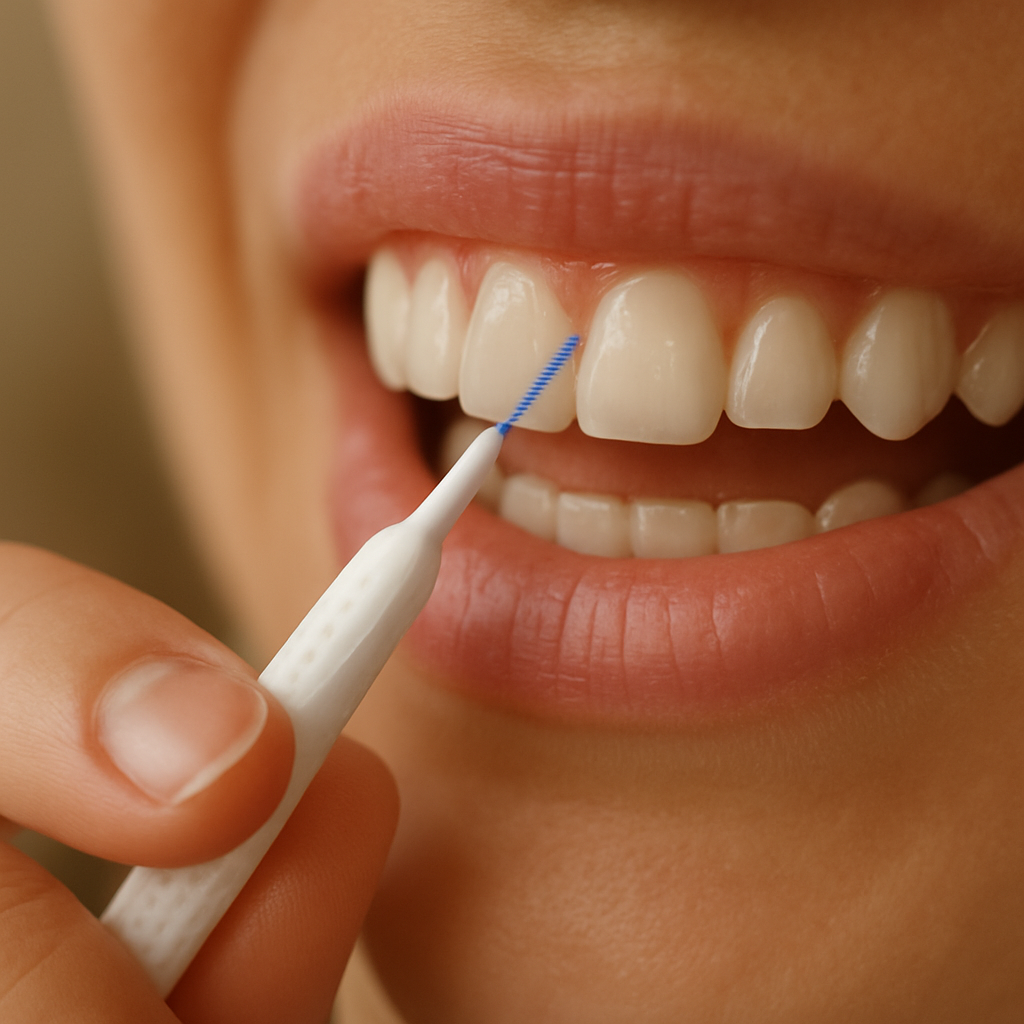
Floss is great, but an interdental brush can be kinder on swollen tissue. Slip a size‑appropriate brush gently between the teeth, moving in and out a few times. It scrapes away plaque that floss sometimes misses, and because the bristles are soft, there’s less chance of nicking tender gums. Think of it as a tiny broom sweeping the corners of a room.
4. Tongue and palate care
The back of your mouth hosts a lot of bacteria that can travel to the gums. A light tongue scraper or a soft silicone brush, used once a day, removes that hidden biofilm. It’s a quick 10‑second habit that leaves your breath fresher and reduces the overall bacterial challenge to your gums.
5. Hydration and diet tweaks
Water is the unsung hero of oral health. Staying well‑hydrated ensures saliva can do its job—neutralising acids and washing away food particles. Aim for at least eight glasses a day, and consider a glass of warm water with a squeeze of lemon first thing in the morning to stimulate saliva flow. On the food side, think soft, nutrient‑dense choices: cooked vegetables, bone broth, and omega‑3‑rich fish. Those foods supply the vitamins (C, D, K2) that support collagen synthesis and gum repair.
6. Targeted gum massage
After brushing, use your clean index finger or a silicone gum stimulator to massage the gum line in circular motions for 30 seconds. The gentle pressure boosts circulation, which brings nutrients to the inflamed tissue and speeds up healing. It feels a bit like a mini‑spa for your mouth, and you’ll notice the gums feel softer after a week.
7. Night‑time protection
If you tend to breathe through your mouth while you sleep, a humidifier in the bedroom can keep the oral tissues from drying out. Dry gums are more prone to irritation, so a touch of moisture overnight can make a big difference. Pair that with a night‑time brush using the same pea‑sized amount of your chosen toothpaste, then let the residual film work while you dream.
Putting these practices together doesn’t have to feel overwhelming. Pick two or three that resonate, try them for a week, and add another if you’re comfortable. The goal is a balanced routine where each step reinforces the next, creating a calm, healing environment for your gums.
And remember, consistency beats intensity. A gentle brush, a quick floss, a soothing mouthwash, and a little gum massage every day will outpace an occasional aggressive cleaning session. Your gums will thank you with a steady pink hue rather than that dreaded morning splash.
Ready to give your gums an extra boost? Try adding an interdental brush to your kit tonight and see how much cleaner the gum line feels.
Conclusion
We've walked through why the best toothpaste for bleeding gums needs soothing botanicals, mineral‑rich minerals and a gentle surfactant. You’ve seen real‑world stories—from Luca in Amsterdam to Priya in Bangalore—showing how a simple swap can stop that pink streak on the brush.
So, what’s the next move? First, scan the label and pick a formula that lists CBD, aloe or marine algae right at the top. Then, pair it with the routine you’ve been building: a soft‑bristled brush, a two‑minute circular massage, and a light floss or interdental brush. Finally, give the paste a minute to linger before you rinse.
If you’re looking for a complementary step, consider adding a CBD‑infused mouthwash. It extends the anti‑inflammatory effect while you swish. Our How to Use CBD Mouthwash for Inflamed Gums guide shows the exact timing and dosage to maximise results.
Remember, consistency beats intensity. Stick to the routine for at least two weeks, track any changes in bleeding or sensitivity, and adjust pressure or product choice if needed. If bleeding persists after a month, it’s time to book a professional cleaning.
In short: choose the right, calming toothpaste, use it gently, support it with a soothing rinse, and stay consistent. Your gums will thank you with a steady pink hue and a fresher feel every morning.
FAQ
What makes a toothpaste the best for bleeding gums?
It’s not just the mint flavor – the key is soothing, anti‑inflammatory ingredients that calm the gum tissue while still fighting plaque. Look for CBD, aloe vera, marine algae or Dead Sea minerals right at the top of the list, and steer clear of sodium lauryl sulfate (SLS) or harsh detergents that strip protective oils. A gentle, fluoride‑free or low‑fluoride formula lets the gums heal without the sting that traditional pastes can cause.
How often should I switch to a new gum‑friendly toothpaste?
Give any new paste at least two weeks to show results. Your gums need time to respond to the anti‑inflammatory agents, and you’ll notice less bleeding after about 7‑10 days if the formula is right. If you still see blood after 14 days, consider whether you’re using a soft brush, brushing too hard, or need a complementary mouthwash. Switching again too quickly can reset the healing process.
Can I use a fluoride toothpaste and still stop gum bleeding?
Yes, but choose one with low‑strength fluoride like stannous fluoride and no SLS. Fluoride protects enamel, but a high‑dose formula can sting sensitive gums. Pair it with a calming ingredient – for example, a toothpaste that adds aloe or a tiny amount of CBD – and you’ll keep cavity protection while soothing inflammation. If you’re ultra‑sensitive, a fluoride‑free option might feel gentler.
Is a soft‑bristled brush really that important?
Absolutely. Hard bristles act like sandpaper on inflamed tissue, undoing any benefit from a soothing paste. A soft, rounded‑tip brush lets you massage the gum line without digging in, which is especially important when the toothpaste is delivering anti‑inflammatory actives. Think of it as a gentle facial massage for your mouth – the pressure should feel like a light caress, not a scrape.
Do I need a special mouthwash to complement the best toothpaste?
A alcohol‑free, anti‑inflammatory rinse can extend the calming effect of your toothpaste. Look for a mouthwash with aloe, mild essential oils, or even a low dose of CBD. Swish for 30 seconds after brushing and then avoid rinsing with water so a thin film stays on the gums. This extra step helps keep the tissue hydrated and the inflammation in check between brushings.
What should I do if bleeding persists after a month?
Consistent use of the right toothpaste and technique usually clears up bleeding in two to three weeks. If you still see pink streaks after four weeks, it could be plaque buildup deeper than the brush can reach, an underlying gum disease, or a medication side effect. At that point, schedule a professional cleaning and a dental check‑up. A clinician can assess whether you need a deeper treatment plan or a prescription rinse.