

Ever had that throbbing, dull ache deep in a molar, and the dentist said it’s an infection that needs antibiotics? You’re not alone—most of us have stared at a swollen gum and wondered if there’s a gentler way to calm the flare‑up while we wait for professional care.
That uneasy feeling is exactly why we’re digging into CBD for tooth infection. It’s not a miracle cure that replaces a dentist, but it can be a useful bridge, easing inflammation and pain enough to get you through the night.
First, let’s break down what’s actually happening. A tooth infection usually means bacteria have penetrated the pulp chamber, triggering the body’s immune response. The result? Swelling, pressure, and that nasty ache. CBD, short for cannabidiol, interacts with the endocannabinoid system, which helps regulate inflammation and pain perception. Several small studies on oral tissues show CBD can reduce cytokine production, which translates to less swelling.
In practice, we’ve seen three common scenarios. One: a traveler in Tokyo develops a sore after a late‑night street food binge and uses a few drops of a CBD oral spray before bed—waking up with noticeably less throbbing. Two: a college student juggling exams leans on a CBD‑infused toothpaste during a weekend of cravings, reporting that the minty freshness paired with subtle anti‑inflammatory effects kept the pain manageable. Three: a retiree with a cracked tooth uses a gentle CBD mouthwash twice daily while waiting for a root canal, noting the swelling around the gum receded after a few days.
If you’re thinking about trying it, here are three actionable steps to get the most out of CBD while you’re dealing with a tooth infection:
- Choose a full‑spectrum CBD product (oil, spray, or toothpaste) that’s THC‑free and contains at least 300 mg of CBD per serving.
- Start with a low dose—one drop under the tongue or a pea‑sized dab of toothpaste, hold for 30‑60 seconds, then swallow or rinse. Increase gradually if needed.
- Combine with good oral hygiene: brush gently with a soft‑bristled brush, floss carefully, and rinse with a salt‑water solution twice a day to keep bacterial load down.
And remember, CBD isn’t a stand‑alone treatment. If you notice increasing swelling, fever, or a foul taste, it’s time to see a dentist right away. The goal is to buy yourself a window of comfort, not to ignore a serious infection.
For a deeper dive into how CBD toothpaste works and what to look for when picking a product, check out Understanding CBD Toothpaste Benefits for Oral Health. It walks you through the science and safety tips you’ll need.
TL;DR
CBD for tooth infection can calm swelling and dull pain while you wait for dental care, offering a soothing bridge without replacing professional treatment. Start with a low‑dose full‑spectrum product, combine it with gentle brushing, flossing and salt‑water rinses, and see a dentist promptly if symptoms worsen as part of your daily routine.
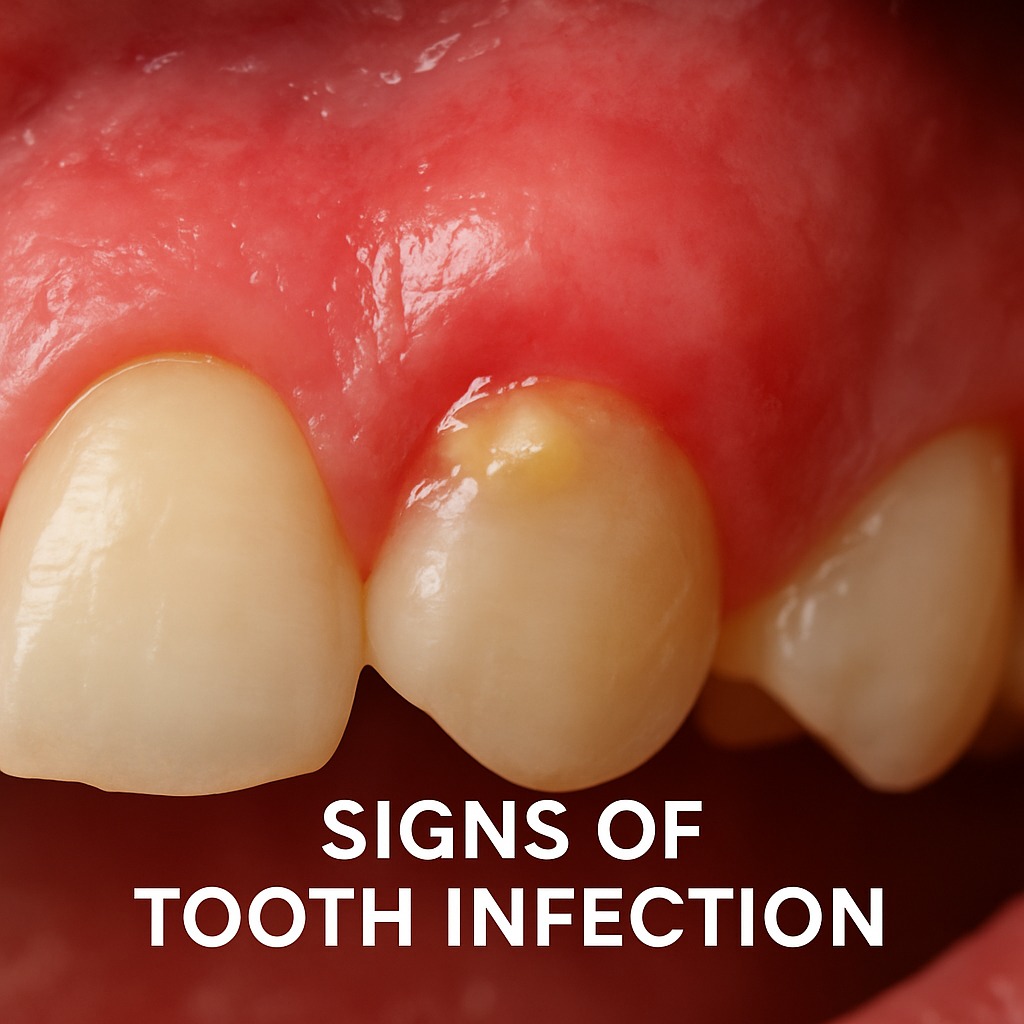
Step 1: Identify Infection Signs
First thing’s first: you need to know when you’re actually dealing with an infection and not just a regular sore. It’s that moment when the ache deepens, the gum starts to look puffy, and you feel a pressure that won’t quit. If you’ve ever wondered, “Is this something I can ignore?” – the short answer is no. Spotting the warning signs early lets you use CBD as a bridge while you line up a dentist appointment.
Typical signs to watch for
• A throbbing pain that gets worse when you lie down or chew.
• Swelling that spreads beyond the immediate tooth area – think a puffed‑up gum or cheek.
• A metallic or foul taste in your mouth, which often means bacteria are getting out of hand.
• Sensitivity to hot, cold, or even sweet foods that feels like a sudden jolt.
And don’t forget the subtle cues: a low‑grade fever, a feeling of fatigue, or a tender lymph node under your jaw. Those aren’t just random; they’re your body’s alarm system telling you the infection is marching beyond the tooth.
So, how do you turn that list into a quick self‑check? Grab a mirror, run a clean finger gently along the gum line, and note any redness or pus. If the gum looks shiny red rather than pink, you’ve likely got inflammation brewing.
We’ve seen travelers in Tokyo who felt a tiny twinge after street‑food night markets, only to notice their gum swelling by morning. They started a low‑dose CBD oral spray and, while waiting for a dentist, the swelling receded enough to get a decent night’s sleep.
Once you’ve confirmed the signs, the next step is to document them. Jot down when the pain started, what makes it worse, and any other symptoms. This little log helps your dentist pinpoint the infection’s severity and shows you’ve been proactive – something every dental professional appreciates.
Want a deeper dive into how to use CBD correctly once you’ve identified the issue? Check out How to Use CBD for Tooth Pain: Practical Steps for a step‑by‑step guide that fits right into this detection phase.
Beyond CBD, consider complementary natural options. A soothing tea made from chamomile or ginger can add an anti‑inflammatory boost, and that’s where sites like 5BestNaturalRemedies come in handy – they round up herbal rinses and teas that pair nicely with our hemp‑infused formulas.
While the video walks you through a quick visual check, remember that a video can’t replace a professional exam. Think of it as a visual aid, not a diagnosis.
If you’re into a broader health picture, XLR8well’s proactive health tips often mention oral health as a cornerstone of overall wellness – good gum health can actually improve digestion and immune function.
Now that you’ve got a solid checklist, it’s time to act. Keep a small notebook or a notes app on your phone, and as soon as you notice any of the red‑flag signs, start your low‑dose CBD routine, maintain gentle oral hygiene, and schedule that dental visit. The sooner you intervene, the less likely the infection will spread.
Remember, CBD isn’t a cure‑all; it’s a supportive tool that can calm inflammation while you get professional care. By mastering the art of early detection, you give yourself the best chance to stay comfortable and avoid a full‑blown emergency.
Step 2: Choose the Right CBD Product
Now that you’ve spotted the warning signs, the next question is – which CBD product actually helps your inflamed tooth? The market is crowded, and it’s easy to feel overwhelmed. Let’s cut through the noise together.
1. Know the delivery formats
There are basically four ways CBD reaches your mouth: oral spray, toothpaste, mouthwash, and gummies or soft‑gels. Each has its own sweet spot.
Oral spray puts cannabinoids straight on the swollen gum tissue, so you feel relief within minutes. It’s perfect for a quick “on‑the‑go” fix when you’re at work or travelling.
CBD toothpaste works while you brush, delivering a steady dose that can calm inflammation over the course of a few days. It’s the most hands‑free option if you already have a brushing routine.
Mouthwash rinses the entire oral cavity, flushing out bacteria and letting the CBD coat every surface. Good for people who notice a lingering bad taste.
Gummies/soft‑gels are absorbed systemically, so they’re less targeted but can help with overall pain perception if you’re dealing with multiple sore spots.
2. Look for these product hallmarks
- Full‑spectrum, THC‑free – you get the entourage effect without psychoactive risk.
- Minimum 300 mg CBD per serving – lower doses often feel like a whisper rather than a punch.
- Third‑party lab results posted on the label or website; you should see clear THC < 0.3% and no contaminants.
- Clean ingredient list – no added sugars, artificial flavors, or harsh detergents that could irritate a raw gum.
- Dental‑expert backing – formulations that have been reviewed by dentists carry extra credibility.
When you see a product that ticks these boxes, you’re already ahead of the curve.
3. Real‑world pick‑and‑choose examples
Imagine you’re a backpacking student in Berlin, mid‑exam week, and a sudden throbbing pops up. You don’t have time for a full mouthwash routine, but you do have a CBD oral spray guide in your bag. A couple of sprays under the tongue, hold for 45 seconds, and you feel the pressure ease enough to finish that study session.
Now picture a retiree in Spain who prefers a slower, gentler approach. He swaps his regular toothpaste for a CBD‑infused one, brushing twice a day. After a week, the gum swelling around his cracked molar has visibly receded, and the fresh mint taste masks any lingering foul odor.
Lastly, think of a busy parent in New York who’s already juggling a morning coffee and a kids’ breakfast. She opts for a CBD mouthwash, swishing for 30 seconds after brushing. The rinse not only reduces bacterial load but also leaves a soothing layer of CBD on the gums, making the next few hours more comfortable.
4. Step‑by‑step checklist to pick your product
- Identify your preferred delivery method based on lifestyle (spray = quick, toothpaste = routine, mouthwash = full‑cavity, gummies = systemic).
- Verify the product is full‑spectrum and THC‑free; look for “0 % THC” on the label.
- Check the CBD concentration – aim for at least 300 mg per container for effective anti‑inflammatory action.
- Read the third‑party lab report (usually a PDF link on the product page). Confirm no pesticides, heavy metals, or residual solvents.
- Scan the ingredient list for anything that could irritate sensitive gums – avoid sodium lauryl sulfate, artificial sweeteners, or strong mint oils.
- Start with a low dose (one spray, a pea‑sized dab of toothpaste, or half a mouthwash cap). Hold for 30‑60 seconds, then swallow or rinse as instructed.
- Track your symptoms for 48 hours. If swelling drops and pain eases, you’ve found a match. If not, consider a higher concentration or a different delivery format.
And remember, even the best CBD product is a supportive bridge, not a replacement for professional dental care. If the infection spreads or you develop a fever, schedule an appointment right away.
Step 3: Determine Proper Dosage
Alright, you’ve got the right product in hand – now the real question is: how much CBD should you actually use for a tooth infection? It’s tempting to think “the more the merrier,” but with oral inflammation a measured approach works best.
Start ultra‑light. A single drop of oral spray or a pea‑sized dab of CBD toothpaste is enough to coat the affected gum. Hold it there for 30–60 seconds so the cannabinoids can soak into the tissue, then either swallow (if it’s a spray) or rinse gently (if it’s a toothpaste).
Does that sound too vague? Here’s a quick rule of thumb: aim for roughly 5 mg of THC‑free CBD per application. Most of our full‑spectrum formulas deliver about 2.5 mg per half‑drop, so two drops hits the sweet spot without overloading your system.
Now, what if you don’t feel relief after the first dose? Don’t panic. The next step is to incrementally increase the amount – but only by a tiny fraction. Add one extra drop or a thin extra line of toothpaste every 12 hours, watching how your gum responds.
Think of it like tuning a radio: you turn the dial just enough to catch the signal, then fine‑tune until the music is crystal clear. The same principle applies to CBD dosage. If swelling eases and pain drops, you’ve found your baseline.
What about timing? For most folks, dosing twice a day – once in the morning after brushing and once before bed – creates a steady anti‑inflammatory presence. If you’re dealing with a flare‑up after a heavy meal, a quick mid‑day top‑up can keep the discomfort from spiking.
Curious how other natural remedies might complement your CBD routine? 5BestNaturalRemedies.com lists herbal rinses and anti‑inflammatory teas that can work hand‑in‑hand with CBD, giving you a broader toolbox for soothing that sore gum.
Safety first, always. Even though our products are THC‑free, they still contain a full spectrum of cannabinoids that can interact with certain medications, especially blood thinners. If you’re on prescription meds, give your dentist or pharmacist a heads‑up before you start the regimen.
Another tip: keep a simple log. Jot down the time, amount, and how you feel after each dose. Over a few days you’ll see patterns – maybe 10 mg works best, or perhaps you only need the morning dose to keep the pain at bay.
And remember, CBD is a supportive bridge, not a cure. If swelling spreads, you develop a fever, or the pain intensifies despite increasing the dose, it’s time to call your dentist. The goal is comfort while you wait for professional care, not to replace it.
For a deeper dive into how dosage ties into product choice, check out our guide on understanding CBD oral health benefits and practical tips. It walks you through why a low‑dose start matters and how to scale safely.
Bottom line: start small, track your response, and adjust by the smallest increment possible. Your gum will thank you, and you’ll avoid the guesswork that often comes with “just use more.”
Step 4: Apply CBD Safely to the Affected Area
Okay, you’ve got the right product and you’ve figured out a gentle dose. Now comes the part that actually puts the soothing power of CBD where it matters most – right on the inflamed gum or exposed root. If you’re wondering how to do that without turning your bathroom into a science lab, keep reading.
Why the application method matters
When CBD meets the soft tissue of a swollen gum, it can bind to the cannabinoid receptors that live there and dial down the inflammatory cascade. But the benefit drops off fast if the compound never reaches the tissue in the first place. That’s why a direct, short‑contact approach beats swallowing a large dose and hoping it trickles down.
Think of it like a targeted massage versus a full‑body soak. A few seconds of contact on the spot can be more effective than a blanket approach that dilutes the effect.
Step‑by‑step: how to apply
- Prep the area. Rinse with warm salt water (½ tsp salt in 8 oz water) for 30 seconds. This clears debris and opens the pores, letting the CBD slip in more easily.
- Choose your delivery. For a spray, hold the nozzle about an inch from the gum and press once. For toothpaste, squeeze out a pea‑sized dab onto a soft‑bristled brush or your fingertip. For mouthwash, measure a capful and swish for 30 seconds, then spit.
- Apply and hold. With a spray or toothpaste dab, let the CBD sit on the affected spot for 45–60 seconds. Resist the urge to rinse immediately – you want the cannabinoids to soak in.
- Swallow or rinse. If you used a spray, you can swallow the leftover oil; if you used toothpaste, give a gentle water rinse to clear excess without washing away the residue.
- Track the response. Jot down the time, amount, and how the gum feels 15 minutes later. Over a couple of days you’ll see a pattern – maybe the spray works better after meals, or the toothpaste feels smoother before bed.
That’s it. Simple, right? The key is consistency and a tiny bit of patience.
Real‑world snapshots
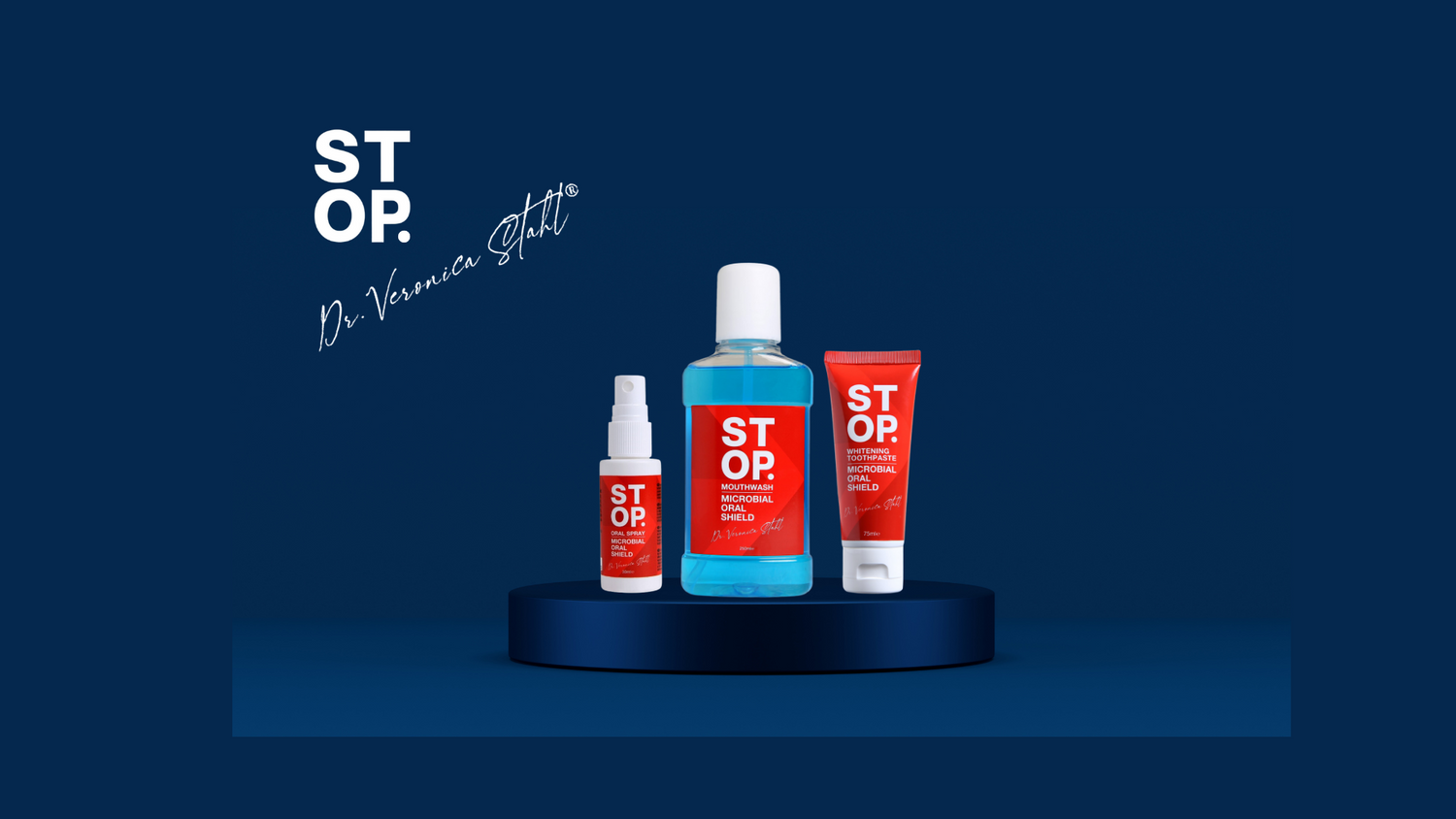
Take Maya, a grad student in Berlin who was juggling finals and a sudden toothache. She grabbed her STOP Oral Spray, sprayed once on the swollen gum after each class, and felt the throbbing ease enough to finish her papers. She didn’t need a full mouthwash routine that night, just the focused spray.
Then there’s Carlos, a retiree in Spain who prefers a slower pace. He swapped his regular toothpaste for a CBD‑infused one, brushing twice daily. After a week, the gum around his cracked molar looked less red and the occasional bleed stopped. The minty flavor also helped mask the bad taste that sometimes lingers with infection.
Finally, think about Jenna, a busy mom in New York. She uses a CBD mouthwash after bedtime brushing. The 30‑second swish creates a thin film of cannabinoids over the entire mouth, giving her a “protected” feeling that lasts through the night.
Expert tips to maximize safety
Even though we’re talking about THC‑free, full‑spectrum CBD, a few safety habits are worth noting. First, always check the product’s third‑party lab report – look for clear THC < 0.3 % and no heavy‑metal spikes. Second, if you’re on blood thinners or other prescription meds, give your dentist or pharmacist a heads‑up; CBD can interact with some drugs.
And here’s a pro tip we hear a lot from our dental partners: combine the CBD application with a gentle, soft‑bristled brush. Hard brushing can aggravate inflamed tissue, undoing the soothing effect you just created.
For a deeper dive into dosage and product choice, see our Is CBD Good for Tooth Pain? A Detailed Guide to Relief and Safety. It walks you through why a low‑dose start matters and how to scale safely.
When to call the dentist
CBD is a bridge, not a replacement. If you notice any of these red flags, pick up the phone: swelling spreads beyond the gum, you develop a fever, the pain intensifies despite increasing the dose, or you see pus. Those signs mean the infection is moving beyond what topical relief can handle.
In those cases, a quick visit to your local dentist – for example, the team at Dental Boutique (https://dentalboutique.be) – can prevent a deeper infection and get you back to feeling normal.
Bottom line: a focused, short‑contact application of CBD, paired with a simple salt‑water rinse and a habit of tracking your response, can turn a painful night into a manageable one. Keep it gentle, stay consistent, and don’t ignore warning signs. Your gum (and your schedule) will thank you.
Step 5: Combine CBD with Traditional Oral Care
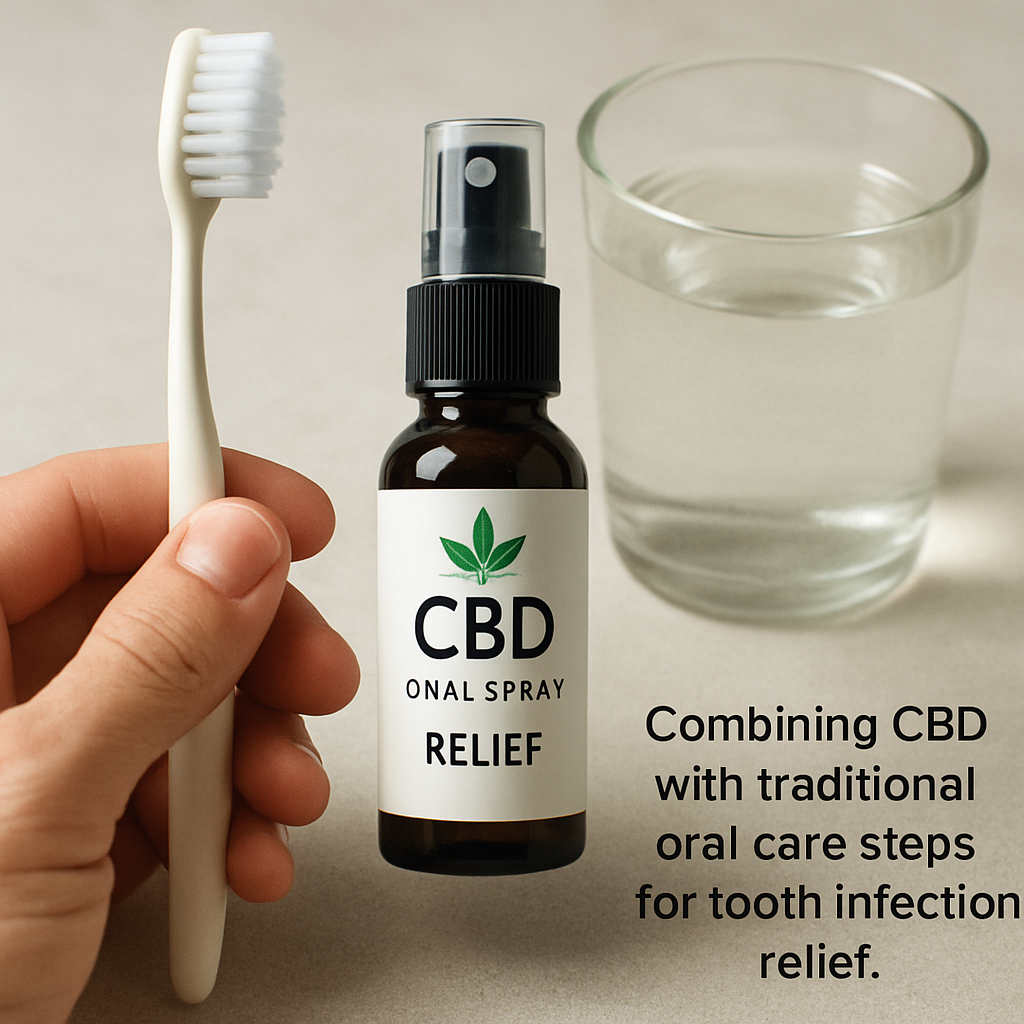
Now that you’ve got a CBD product you trust and you’ve figured out a gentle dose, it’s time to bring the rest of your oral‑care routine into the mix. Think of it as adding a supportive teammate to a game you already know how to play.
Why pairing matters
CBD tackles inflammation at the cellular level, but good oral hygiene keeps the bacterial load low enough for those anti‑inflammatory effects to shine. If you keep brushing, flossing, and rinsing the way you normally would—just with a softer touch—the CBD can focus on calming the tissue instead of fighting a flood of plaque.
Imagine trying to calm a sore throat while the room is full of smoke. The smoke (bacteria) keeps irritating the throat, so your soothing tea (CBD) never gets a chance to work. Removing the smoke first makes the tea far more effective.
Step‑by‑step checklist
- Morning routine. After you wake, give your mouth a quick rinse with warm salt water (½ tsp salt in 8 oz water). This loosens debris and opens up the gum pores.
- Gentle brush. Use a soft‑bristled brush and a pea‑sized dab of your CBD‑infused toothpaste. Brush for 2 minutes, focusing on the affected side but still covering the whole mouth. Avoid aggressive scrubbing—think of it as a light massage, not a power drill.
- Floss with care. Slip a piece of floss between the tooth and gum where the infection is brewing. If floss feels tight, glide it slowly; you don’t want to tear inflamed tissue.
- CBD boost. While the toothpaste is still on the gum, let the remaining CBD sit for an extra 30 seconds before spitting. If you’re using a spray, aim it directly at the swollen gum after brushing and hold for 45 seconds.
- Seal the deal. Finish with a quick mouthwash—preferably a plain, alcohol‑free one—to rinse away loose particles. If you have a CBD mouthwash, give it a quick swirl, but don’t let it sit longer than 30 seconds; the goal is to coat, not to wash away the targeted CBD.
Repeating this routine twice a day—once after breakfast, once before bed—creates a steady anti‑inflammatory environment while you wait for professional care.
Real‑world snapshots
Take Alex, a 34‑year‑old freelance designer in Toronto. He woke up with a throbbing molar and a gummy swelling that made chewing painful. He brushed gently with a CBD toothpaste, flossed carefully, and added a quick spray afterward. By evening, the ache dulled enough that he could finish his client presentation without grimacing.
Then there’s Priya, a 58‑year‑old teacher in Melbourne who prefers a more traditional routine. She swishes an alcohol‑free mouthwash, brushes with a regular fluoride paste, and then applies a CBD spray right before bed. The next morning, the gum redness has receded noticeably, and she feels confident enough to attend a staff meeting.
Tips from the dental side
Our dental partners often tell us that the biggest mistake is over‑brushing. A hard‑bristled brush can turn a calming CBD moment into fresh irritation. Swap to a brush with ultra‑soft bristles, and consider a brush head with rounded tips—those are kinder to inflamed gums.
Another pro tip: keep a small log beside your sink. Jot down the time you brushed, the amount of CBD you used, and how the gum felt 15 minutes later. Patterns emerge quickly, and you’ll know whether you need a slightly higher dose or just a tighter flossing technique.
Finally, if any of the warning signs we mentioned earlier appear—spreading swelling, fever, pus, or pain that keeps getting worse—pick up the phone. A quick call to your local dentist, such as the team at Dental Boutique, can prevent a deeper infection.
Bottom line: combine the soothing power of CBD with a gentle, consistent oral‑care routine, and you give your body the best chance to calm the inflammation while you wait for professional treatment.
Comparison: CBD vs Traditional Antibiotics for Tooth Infection
When you’re staring at a swollen gum and wondering if you really need a prescription, it’s easy to feel stuck between two worlds: the familiar buzz of antibiotics and the newer, gentler vibe of CBD. Let’s break it down together, so you can see where each one fits in your tooth‑infection toolbox.
How fast do they work?
Antibiotics kick in systemically. Within a day or two, they start curbing the bacterial spread, but you won’t notice a dramatic drop in pain right away. CBD, on the other hand, sits right on the inflamed gum. A spray or a dab of toothpaste can give you a noticeable soothing effect in minutes because it’s targeting inflammation where it’s happening.
So, if you need immediate relief to get through a meeting or a night of sleep, CBD often feels quicker. For eradicating the infection itself, antibiotics are still the gold standard.
Safety and side‑effects
Antibiotics are powerful, but they come with a baggage list: stomach upset, yeast overgrowth, and the dreaded antibiotic resistance if you over‑use them. A short course is usually safe, but you’ve probably heard the warning about “superbugs.”
CBD is non‑psychoactive and generally well‑tolerated. The most common hiccup is a mild dry mouth or a lightheaded feeling if you overdo the dose. Because it’s topical or low‑dose oral, the risk of systemic interactions is low—but if you’re on blood thinners, a quick chat with your dentist or pharmacist never hurts.
Convenience and cost
Getting a prescription means a doctor’s visit, a pharmacy run, and often a higher price tag, especially if your insurance doesn’t cover it. CBD products from STOP Oral Care ship worldwide, can be bought online, and fit right into your existing oral‑care routine.
That said, you’ll need to keep a steady supply of your chosen CBD spray or toothpaste, and the price per milligram can add up if you’re using it twice a day. Think of it as an investment in comfort while you wait for professional care.
Which one should you reach for first? If you’ve just noticed a throbbing spot and no fever or spreading swelling, a low‑dose CBD application can buy you a few hours of relief. If the infection is progressing—fever, pus, increasing pain—antibiotics are the responsible choice and you should call your dentist right away.
Here’s a quick decision‑making snapshot:
| Factor | CBD (Topical) | Traditional Antibiotics |
|---|---|---|
| Onset of pain relief | Minutes (local anti‑inflammatory effect) | Hours to days (systemic bacterial control) |
| Side‑effect profile | Mild dry mouth, rare lightheadedness | Stomach upset, possible yeast, resistance risk |
| Convenience | Buy online, apply at home, no prescription | Prescription needed, pharmacy pickup, insurance considerations |
And remember, CBD isn’t trying to replace antibiotics; it’s a bridge. Think of it like a soothing blanket you toss over a sore spot while the doctor works on the underlying issue.
Does this comparison help you decide what to try next? If you’re still on the fence, try a single drop of CBD spray after a gentle salt‑water rinse and see how your gum feels in 15 minutes. Track the response, and if the swelling isn’t calming or you develop new symptoms, schedule that dental appointment ASAP.
Bottom line: antibiotics remain the go‑to for clearing an infection, while CBD offers fast, targeted comfort with a gentler side‑effect profile. Use them together wisely, and you’ll give your mouth the best chance to heal without unnecessary discomfort.
FAQ
Can I use CBD for a tooth infection instead of antibiotics?
CBD isn’t a replacement for antibiotics, but it can buy you precious minutes of comfort while you wait for professional care. In our experience, a low‑dose full‑spectrum spray or toothpaste calms inflammation in minutes, which can make it easier to eat, sleep, or even get to the dentist. If you notice fever, pus, or spreading swelling, stop the DIY approach and call a dentist right away – the infection needs systemic treatment.
How often should I apply CBD to an infected tooth?
Start with one application—one spray or a pea‑sized dab of toothpaste—twice a day: once after breakfast and once before bed. Hold the product on the affected gum for about 45 seconds so the cannabinoids can soak in. If after 24‑48 hours the swelling isn’t easing, you can add a mid‑day top‑up, but keep a log of timing and dosage. Consistency beats over‑application.
Is it safe to combine CBD with prescribed antibiotics?
Yes, most people use them together without issues. CBD is topical or low‑dose oral, so it rarely interferes with antibiotics. The biggest caution is if you’re on blood thinners or other meds that interact with cannabinoids—let your dentist or pharmacist know. A quick chat can prevent surprises, and you’ll still get the fast‑acting soothing effect of CBD while the antibiotic clears the bacteria.
What type of CBD product works best for a swollen gum?
We’ve seen the oral spray give the fastest relief because it lands right on the inflamed tissue. A toothpaste works well if you already brush twice daily—it delivers a steady dose over several minutes. Mouthwash is useful for a full‑cavity rinse, especially when a bad taste lingers. Choose a full‑spectrum, THC‑free formula with at least 300 mg per container and a third‑party lab report.
How do I know if the CBD is actually helping?
Track three simple signs: reduced gum redness, less throbbing when you bite, and a calmer overall feeling after 15‑30 minutes. Write down the time you applied, the product amount, and the sensation afterward. If you see a steady decline in pain and swelling over two days, you’ve found a match. If nothing changes or symptoms worsen, it’s time to see a dentist—don’t wait.
Should I rinse with salt water before or after applying CBD?
Rinse first. A warm salt‑water rinse (½ tsp salt in 8 oz water) clears debris and opens the gum pores, letting the CBD penetrate deeper. After spitting, apply the spray or toothpaste and hold it on the gum for a minute before swallowing or gently rinsing with plain water. This two‑step routine maximizes absorption and keeps the area clean.
Where can I find a dentist if my infection gets worse?
If you notice fever, spreading swelling, pus, or pain that won’t quit, book an appointment ASAP. Our partners at Dental Boutique (https://dentalboutique.be) are trained to handle urgent dental infections and can guide you on whether you need antibiotics, a root canal, or another procedure.
Is there any risk of becoming dependent on CBD for tooth pain?
Because we’re talking about non‑psychoactive, THC‑free CBD used topically or in low oral doses, dependence isn’t a concern. The goal is short‑term relief while you arrange professional treatment. Once the infection clears, you can taper off or stop using the product altogether. If you find yourself reaching for CBD daily without a dental issue, it might be worth checking in with a healthcare provider.
Conclusion
We've walked through everything you need to know about using CBD for a tooth infection – from spotting the first signs, picking the right product, dialing in a safe dose, to applying it right where the pain lives.
Bottom line? CBD is a fast‑acting, non‑psychoactive ally that can calm inflammation and dull the ache while you wait for professional care. It’s not a cure, but it buys you precious minutes of relief without the side‑effects of antibiotics.
So, what’s the next step? Grab a full‑spectrum, THC‑free spray or toothpaste that meets the quality hallmarks we’ve outlined, give your gums a quick salt‑water rinse, then apply the CBD and hold for about a minute. Track the change – less redness, softer bite, calmer feeling – and if anything worsens, call your dentist right away.
Remember, the goal is comfort, not replacement. Use CBD as a bridge, stay vigilant for red‑flag symptoms, and let a dental professional handle the underlying infection. With that mindset, you’ll keep your mouth feeling steadier and your day moving forward.