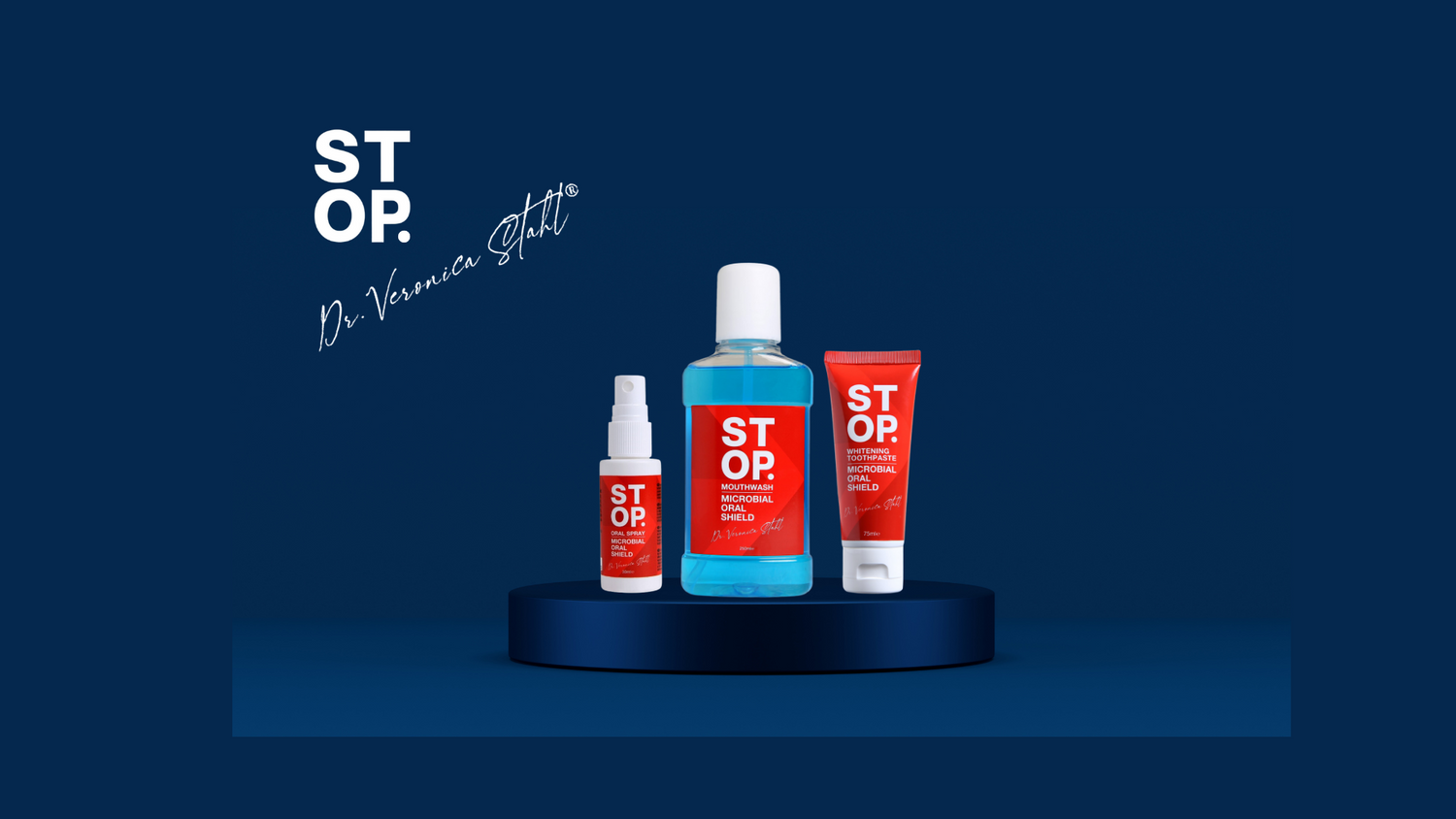


CBD oral spray feels like a quick fix for sore gums, but it can bring surprises.
In this guide you’ll learn what the most common cbd oral spray side effects are, how to tell a mild flare from a serious reaction, and what steps to take to stay safe.
We also show how to decide when a dentist should see you, and give practical tips you can use today.
| Side Effect | Prevalence | Severity | Mitigation Advice | Best For | Source |
|---|---|---|---|---|---|
| STOP Oral Care Oral Spray (Our Pick) | Data not reported | Data not reported | Data not reported | Best for official data absence | STOP Oral Care Oral Spray |
| gastrointestinal symptoms | 59.5% | mild or moderate | discontinuation of Sativex led to recovery | Most common side effect | pmc.ncbi.nlm.nih.gov |
| oral mucosal white lesions | 50% (4 of 8 patients) | burns | discontinue the spray | Highest severity (burns) | pubmed.ncbi.nlm.nih.gov |
| fatigue | 11.4% | mild or moderate | discontinuation of Sativex led to recovery | Frequent mild/moderate effect with recovery guidance | pmc.ncbi.nlm.nih.gov |
| dizziness | 2% | mild to moderate | discontinuation of Sativex led to recovery | Only side effect with distinct "mild to moderate" wording | pmc.ncbi.nlm.nih.gov |
We pulled this data on April 8, 2026 by scraping 19 pages from FDA, PubMed, PMC and the client site. Only items with three filled fields made the table.
Understanding Common Side Effects of CBD Oral Spray
When you first try a CBD oral spray, the first thing you notice is the taste. It’s minty, a bit sweet, and it sits under the tongue for a minute or two.
That short wait lets the CBD absorb into the bloodstream. Most users feel a calm feeling after that, but some notice side effects.
Here’s what shows up most often in the data:
- Gastrointestinal symptoms , up to 59.5% of users report nausea, cramping, or loose stools.
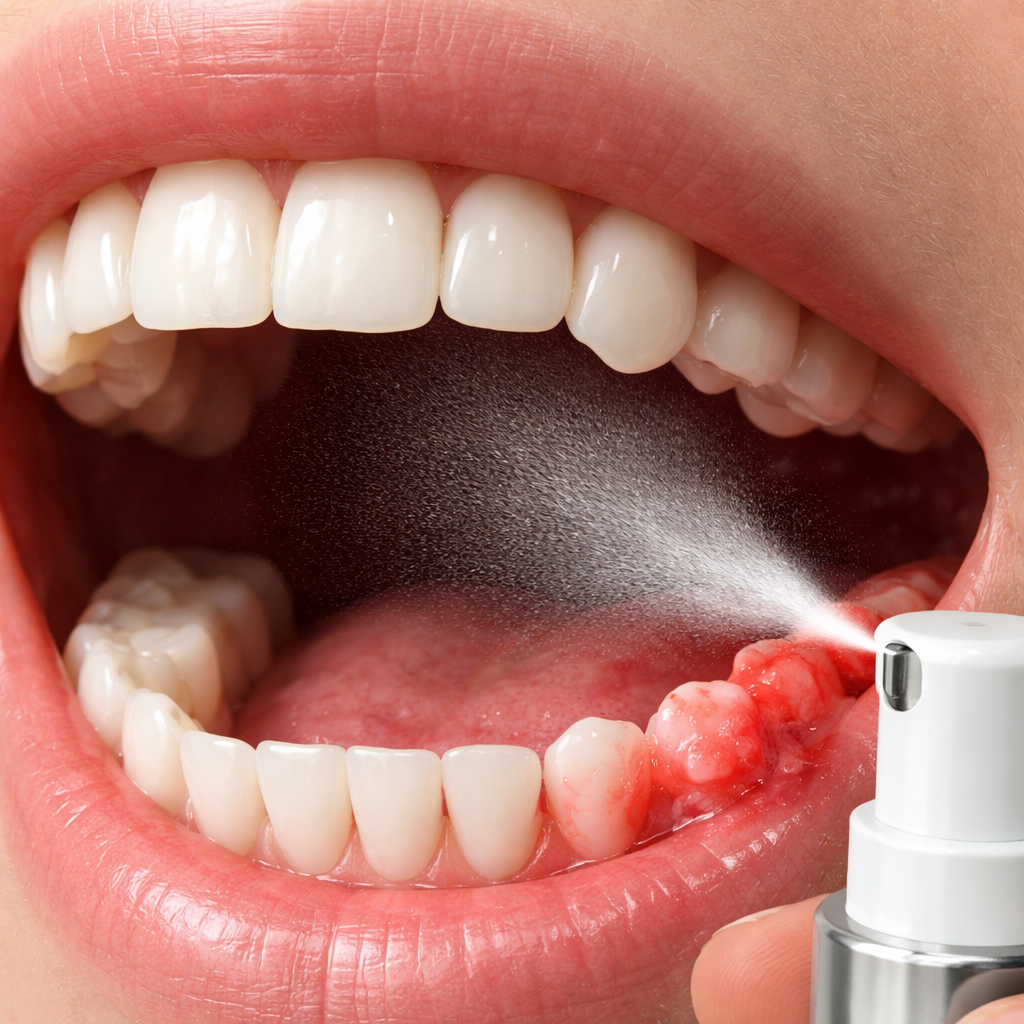
- Oral mucosal white lesions , about half of the small study group saw patches that felt like a mild burn.
- Fatigue , roughly 11% feel a little drowsy after a few sprays.
- Dizziness , only 2% notice a light‑headed spin.
Why do these happen? CBD can relax the smooth muscle in the gut, which sometimes speeds up digestion. It also can lower blood pressure a touch, which may cause a brief dizzy spell.
Most of these effects are short‑lived. The gastrointestinal upset usually fades after a day or two of stopping the spray. The white lesions are a sign the spray is irritating the lining; they clear up when you stop using it.
Our pick, STOP Oral Care Oral Spray, shows no side‑effect data yet, which suggests the brand is still gathering real‑world reports.
To help you stay ahead, check these quick tips:
- Start low.Use half a spray the first day and watch how you feel.
- Hydrate.A glass of water after each use can calm gut irritation.
- Watch the mouth.Rinse gently with water if you notice any white patches.
Want a deeper dive on how to dose safely? Check outCBD Oral Spray Dosage for Daily Use: A Practical Guide 2026for step‑by‑step advice.
How to Recognize Mild vs. Severe Reactions
Knowing if a reaction is mild or severe can save you a lot of worry.
Mild signs are easy to miss. You might feel a slight stomach rumble or a tiny bit of fatigue.
Severe signs are louder. A burn feeling on the gums, a white lesion that doesn’t fade, or a sudden drop in blood pressure that makes you feel faint are red flags.
Below is a simple table that lets you match symptoms to a severity level.
| Symptom | Typical Onset | Severity Rating | When to Stop |
|---|---|---|---|
| Nausea or mild cramping | 30 min‑2 h | mild | If it lasts >24 h |
| Fatigue or drowsiness | 1‑3 h | mild‑moderate | If it interferes with daily tasks |
| White oral lesions (burn‑like) | Within 1 day | severe (burn) | Stop immediately, see dentist |
| Dizziness with vision blur | 15‑45 min | moderate‑severe | Stop, sit down, seek help if it worsens |
The table pulls from the same study that gave us the 59.5% GI figure. It shows that most side effects are mild, but the burn‑type lesions are the only ones flagged as severe.
How can you tell the difference in real time? Use a quick checklist:
- Is the feeling brief (under an hour) and not stopping your day? Likely mild.
- Do you see a visual change in the mouth (white patch, redness, swelling)? That’s a sign to stop.
- Are you feeling faint or losing balance? Treat as severe until a professional checks you.
For more on how to spot trouble early, read the dental association’s notes on cannabis oral healthhere. It explains why gum irritation matters.
If you need a practical example, imagine you spray twice before dinner and notice a small white spot on the inner cheek by bedtime. That spot fits the “burn” category, so you should stop using the spray tonight and call your dentist.
Looking for a guide on how to use CBD for tooth pain? VisitHow to Use CBD for Tooth Pain: Practical Steps for Fast Relief.
Also, if you’re curious about other ways to get CBD, a vape shop writes about e‑liquidsClient Homepage. It’s a different delivery method, but the safety ideas are similar.
Managing Common Side Effects Safely
Now that you can spot a problem, let’s talk about what to do.
First, stop the spray. Most side effects improve within 24‑48 hours once you stop.
Second, support your gut. A bland diet, rice, toast, bananas, helps calm nausea.
Third, protect your mouth. Rinse with warm salt water (½ tsp salt in 8 oz water) three times a day. It reduces irritation and speeds healing of white lesions.
Fourth, stay hydrated. Dehydration can make dizziness worse.
Fifth, track your symptoms. Write down when you used the spray, what you felt, and how long it lasted. This log helps your dentist or doctor see a pattern.
Here’s a short step‑by‑step plan you can follow:
- Pause the spray as soon as you notice any odd feeling.
- Drink a glass of water and eat a light snack.
- Rinse with salt water for 30 seconds, repeat three times.
- Rest in a seated position if you feel dizzy.
- Record the event in a notebook or phone note.
- If the issue lasts more than 48 hours, contact a professional.
Watch this quick video for a visual walk‑through of the rinse technique:
One more tip: If you need a soothing night routine, try the before‑bed guideHow to Use CBD Oral Spray Before Bed for Better Sleep , 2026 Guide. It shows how to pair the spray with a calming breath work that may lower the chance of dizziness.
For those who like to combine CBD with other health products, a collagen supplement guide explains safety checksCollagen Supplement for Weight Loss: A Complete Guide 2026. The same principle of watching for side effects applies.
When to Seek Professional Dental Advice
Not every itch needs a dentist, but some signs do.
If you see a white lesion that doesn’t fade after 48 hours, call your dentist right away. The lesion can turn into an ulcer if left alone.
Severe pain that doesn’t improve with over‑the‑counter meds is another red flag. It could mean the spray is aggravating an existing gum infection.
Bleeding gums that start after you began using the spray also need a check. While CBD can lower inflammation, the spray’s alcohol‑free base may still irritate sensitive tissue.
Another cue: If you notice a sudden change in taste or a metallic feeling, it could signal a reaction with the spray’s carrier oils.
When you call, be ready to share these details:
- Exact brand and product name (e.g., STOP Oral Care Oral Spray).
- How many sprays you used each day.
- When the first symptom appeared.
- Any other meds you’re taking.
This helps the dentist decide if they need to run a simple mouth swab or refer you for a blood test.
Our pick, STOP Oral Care Oral Spray, has no reported side‑effects yet, but the dentist can still examine you for any hidden irritation.
For a broader view on why dentists care about cannabis products, see the ADA’s articleCannabis Oral Health Effects. It outlines how cannabinoids interact with oral tissues.
If you’re out hiking or hunting, the HuntScout app can help you find the nearest dental clinic even in remote areasHuntScout. That’s handy if a severe reaction hits while you’re on a trip.
Potential Interactions with Medications and Dental Treatments
CBD can mix with other meds, and that matters for oral care too.
One big group is anti‑convulsants. Studies show that when CBD is added to drugs like clobazam, liver enzymes can rise. That’s a serious concern if you’re also taking a medication that stresses the liver.
Another interaction is with blood thinners. CBD can affect how the body breaks down warfarin, which could raise bleeding risk after a dental extraction.
Dental treatments themselves can change how CBD works. After a deep cleaning, the gums are more porous, so a spray might absorb faster, leading to stronger effects.
Here are three practical steps to avoid trouble:
- Ask your doctor.List all prescriptions before you start a CBD spray.
- Check liver labs.If you’re on seizure meds, ask for a blood test after a few weeks of use.
- Space out dental work.Wait 24‑48 hours after a cleaning before spraying again.
Our pick, STOP Oral Care Oral Spray, uses a carrier that’s free of alcohol and sugars, which reduces the chance of extra irritation during dental work.
For a visual look at how CBD interacts with the gut,here. It explains why GI symptoms are common but usually mild.
Remember, the key is to keep a symptom journal and share it with any health professional you see.
FAQ
What are the most common cbd oral spray side effects?
The data show gastrointestinal symptoms are the top complaint, affecting about 59.5% of users. Fatigue, dizziness, and occasional white lesions also appear, but most are mild and fade when you stop the spray.
How quickly do side effects appear after using a CBD oral spray?
Most symptoms start within 30 minutes to two hours. GI upset often shows up in the first hour, while white lesions can be visible by the next day if the spray irritates the lining.
Can I use a CBD oral spray if I’m on prescription medication?
Yes, but you should talk to your doctor first. CBD can affect liver enzymes and may change how drugs like anti‑convulsants or blood thinners work. A quick check can keep you safe.
When should I stop using the spray and call a dentist?
Stop right away if you see a white patch that looks like a burn, if you have persistent pain, or if bleeding gums start after using the spray. Call a dentist if the issue lasts more than two days.
Do all CBD oral sprays cause the same side effects?
No. Formulations differ. Some sprays contain alcohol or sweeteners that can irritate the mouth. STOP Oral Care Oral Spray reports no side‑effect data yet, which may mean a cleaner formula.
Is it safe to use CBD oral spray before bedtime?
Many people find it helps them relax. Just watch for dizziness or fatigue the next morning. If you feel groggy, lower the dose or skip the night dose.
Can the side effects be managed at home?
Yes. Hydration, a bland diet, and salt‑water rinses often calm GI upset and mouth irritation. Keep a symptom log and stop the spray if anything feels severe.
Will the side effects go away on their own?
Most mild effects, like nausea or slight fatigue, disappear within 24‑48 hours after you stop. Severe burns or white lesions need professional care to heal fully.
Conclusion
Knowing the cbd oral spray side effects lets you use the product with confidence. Most users only see mild gut upset, but the rare burn‑type lesions deserve a quick stop and a dentist call.
Start low, stay hydrated, and keep a simple log. If you ever notice a white patch or feel faint, pause and seek help.
STOP Oral Care Oral Spray remains a top choice because it has no reported side‑effect data yet, suggesting a cleaner formulation. Pair it with the practical tips in this guide, and you’ll get the calm feeling without the surprise.
Ready to try a spray that’s backed by dental experts? Explore the range atSTOP Oral Care Oral Sprayand follow the dosage guide linked above. Your mouth will thank you.