
While most consumers picture mouthwash as an alcohol-laden rinse, a single CBD-infused oral spray offers comparable plaque-fighting power without the burn. That's a big shift. And it's backed by research. In this guide, you'll learn the five steps to decide between CBD oral spray and traditional mouthwash. We'll look at ingredients, convenience, safety, and real-world effectiveness. By the end, you'll know exactly which option fits your lifestyle and oral health goals. Let's get started.
Step 1: Assess Your Oral Health Goals
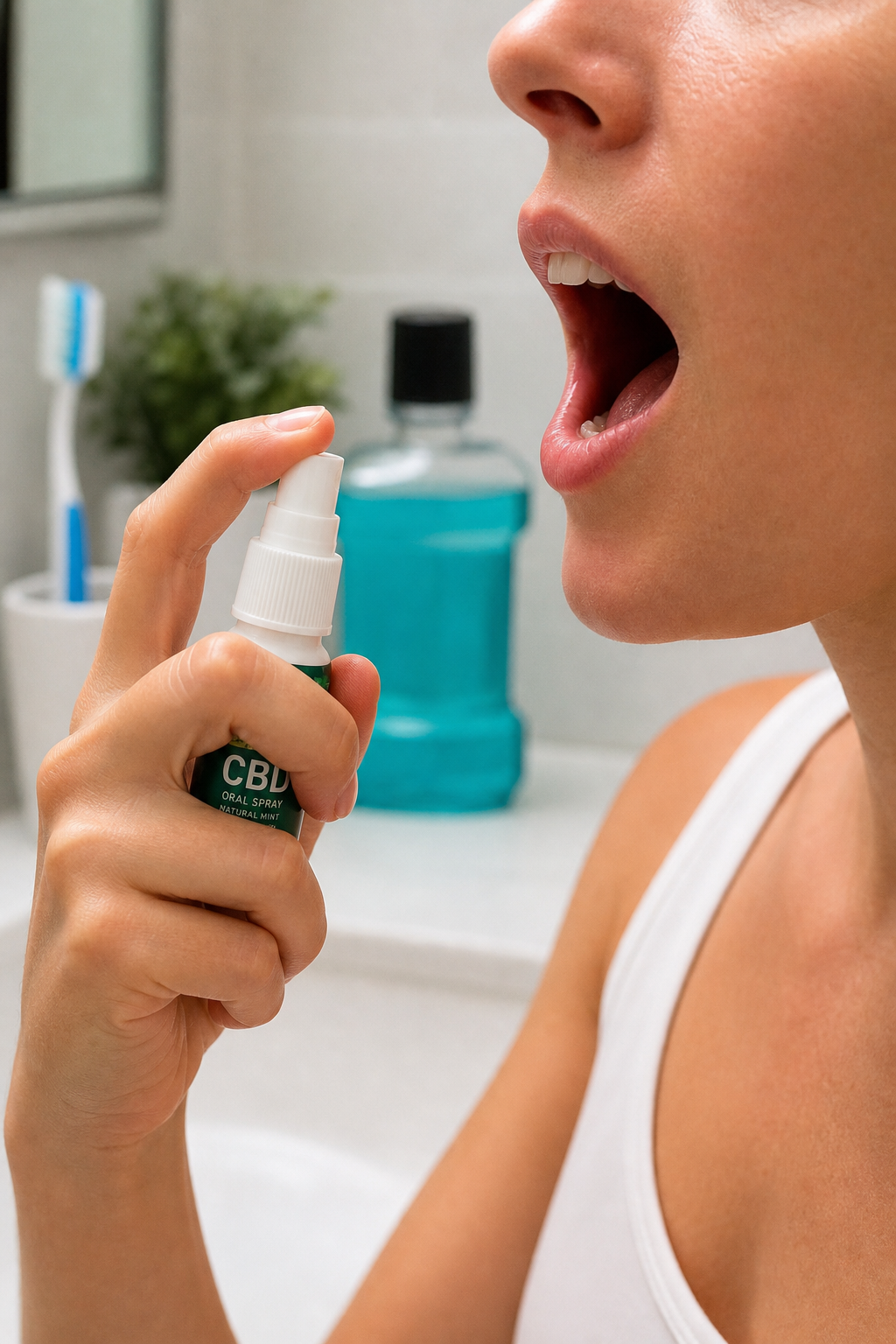
Before you pick a product, you need to know what you're trying to fix. Are you after fresher breath? Healthier gums? Less plaque? Or maybe all three? Different mouthwashes target different problems.
Traditional mouthwashes often focus on one or two areas. For example, many contain fluoride to fight cavities. Others use essential oils to kill bacteria and mask bad breath. Some rely on chlorhexidine, a strong antiseptic, to reduce plaque and gingivitis. But here's the thing: research shows that not all traditional mouthwashes are equally effective. Some essential oil rinses show 'no significant antimicrobial activity' in studies. So you might be swishing without much benefit.
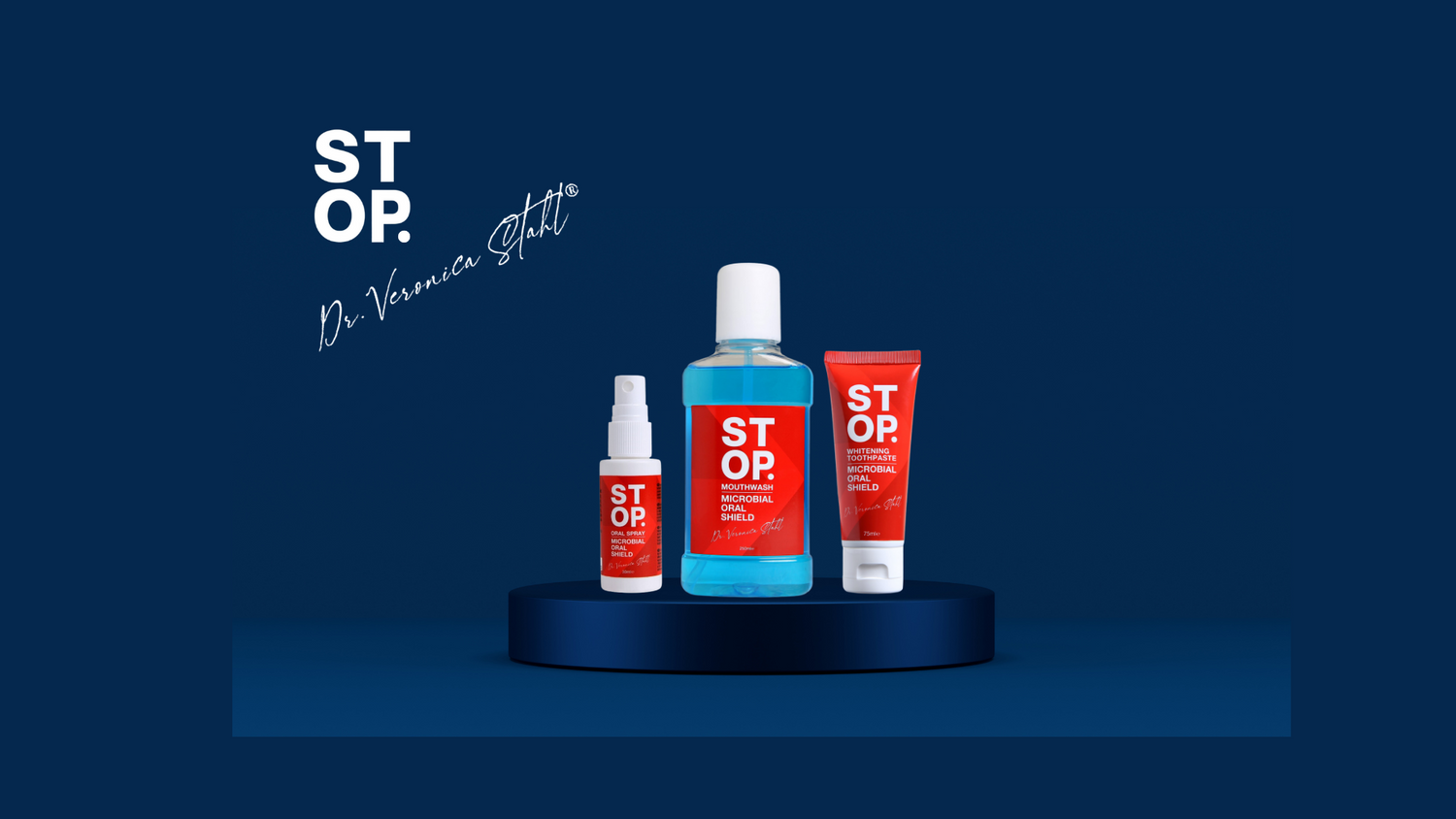
CBD oral spray takes a different route. Take STOP Oral Care's CBD Oral Spray. It contains CBD, Dead Sea minerals, and marine algae. These ingredients work together to support oral balance, reduce plaque, freshen breath, and promote healthier gums. It's a broader approach. Instead of nuking all bacteria with alcohol or harsh chemicals, it supports your mouth's natural ecosystem.
If your main goal is gingivitis reduction, CBD-based rinses have clinical backing. A study in the Journal of Dental Research found that CBD mouthwash helped reduce inflammation markers. Another study (PubMed 40095592) linked CBD mouthwashes to gingivitis reduction. On the other hand, if you're primarily worried about cavities, fluoride mouthwashes have strong evidence for preventing tooth decay, especially in children and teens.
What about bad breath? Both options can help. But traditional mouthwashes with essential oils may only mask odors temporarily. CBD oral spray addresses the underlying bacterial imbalance without drying out your mouth. That's a big plus for long-term freshness.
Think about your specific concerns. Do you have sensitive gums? Does your mouth feel dry often? Are you on the go and need something portable? Your answers will point you in the right direction.
Bottom line: Start by knowing your oral health goals, whether it's plaque control, gum health, or fresh breath, because that will steer you to the right type of mouthwash.
Step 2: Compare Key Ingredients and How They Work
Ingredients are the heart of any oral care product. Let's break down what you'll find in CBD oral spray versus traditional mouthwash.
Traditional mouthwash ingredients:
- Chlorhexidine: A powerful antimicrobial. Very effective against plaque and gingivitis. But it can stain teeth, alter taste, and cause dry mouth with long-term use. Usually prescription only.
- Essential oils (e.g., thymol, eucalyptol, menthol): Found in brands like Listerine. They kill bacteria but can be harsh on sensitive mouths. Some studies show limited antimicrobial effect.
- Fluoride: Strengthens enamel and prevents cavities. Great for caries prevention, but not very effective against gum disease.
- Cetylpyridinium chloride (CPC): Another antiseptic, often alcohol-free. Can reduce plaque but may cause staining.
-
Alcohol: Used as a solvent and preservative. Gives that burning sensation. Can dry out oral tissues and worsen bad breath over time. Despite common belief,75%of mouthwashes are alcohol-free
CBD oral spray ingredients:
- CBD (cannabidiol): Cannabinoid that interacts with your body's endocannabinoid system. Reduces inflammation, soothes gums, and may fight bacteria. Clinical studies show CBD mouthwash can match the antimicrobial power of 0.2% chlorhexidine without the side effects.
- Dead Sea minerals: Rich in magnesium, calcium, and potassium. Help balance oral pH, reduce inflammation, and support tissue health.
- Marine algae: Provide natural minerals and antioxidants. Support gum health and freshen breath.
- Other natural ingredients: Often alcohol-free, non-irritating, and safe for daily use.
The table below gives you a side-by-side view.
One key finding from research: chlorhexidine mouthwash reduces plaque and gingivitis with high certainty evidence, but it also comes with side effects. CBD oral spray offers similar benefits without the harshness. Plus, the mineral blend in products like STOP Oral Care's spray adds benefits traditional rinses can't match.
When comparing ingredients, ask yourself: Do I want a broad-spectrum approach or a targeted chemical solution? CBD oral spray supports your mouth's natural balance. Traditional mouthwash often disrupts it. That's a big difference.
Bottom line: Ingredients determine what a product can do, CBD oral spray excels at gentle, multi-target support, whereas traditional mouthwash may win for specific needs like cavity prevention but at the cost of irritation.
Step 3: Evaluate Ease of Use and Portability
Traditional mouthwash comes in big plastic bottles. You pour a capful, swish for 30 seconds, and spit. It's simple. But it's not always convenient. Lugging a 500ml bottle in your carry-on is a hassle. And using it after a meal at a restaurant? Awkward.
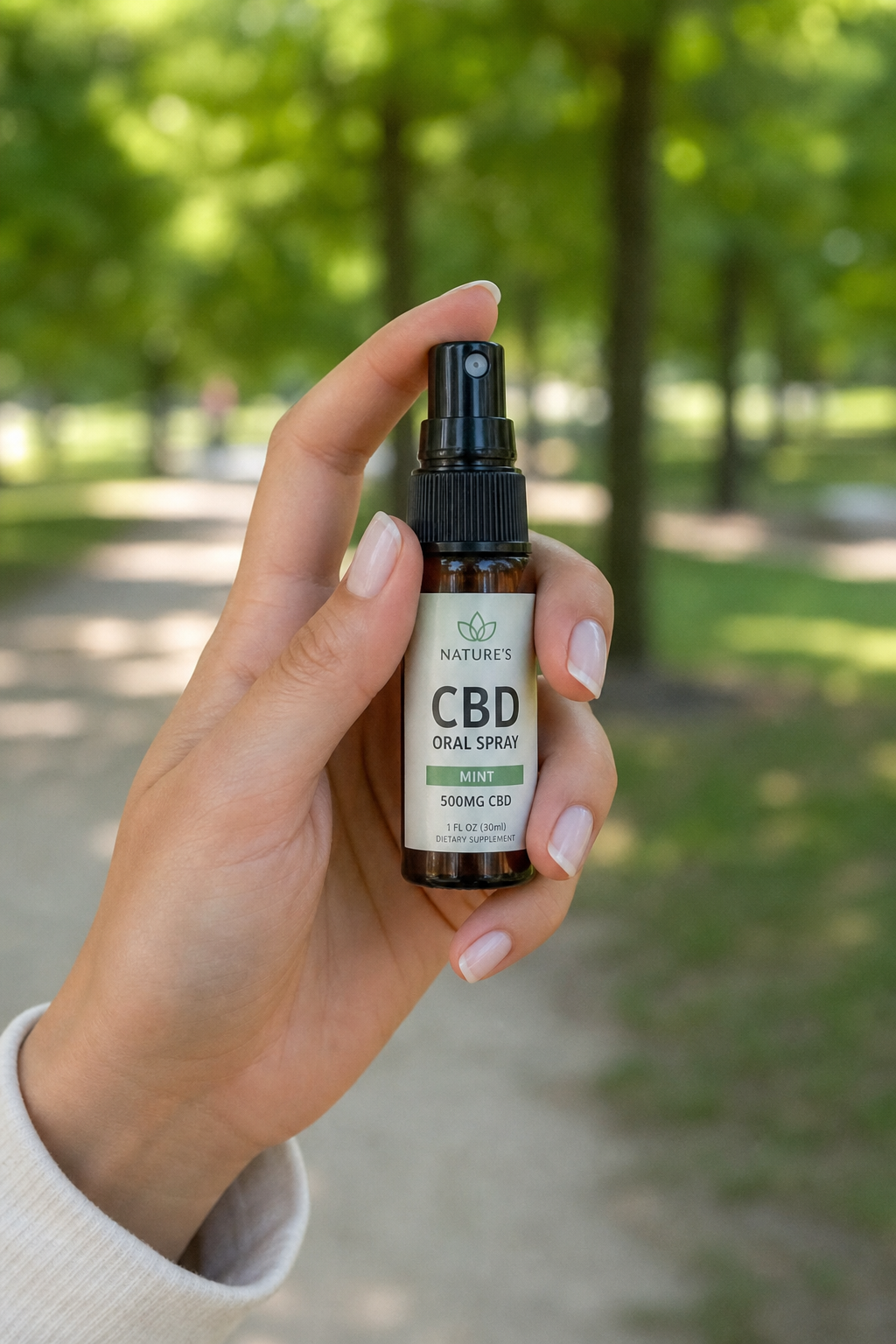
CBD oral spray changes the game. It's small, about the size of a lip balm. You can slip it into your pocket, purse, or gym bag. No measuring, no spilling. Just a few sprays directly into your mouth. It's ready in seconds.
Travel-friendly oral care is a big deal. on portable mouthwash benefits, people use these products on planes, during hikes, and after business lunches. They're also great for hotel stays where you might forget your toothbrush.
But ease of use isn't just about size. It's about how you use it. Traditional mouthwash requires you to spit out the liquid, which means you need access to a sink. That's not always available. CBD oral spray uses a fine mist that you can swallow safely (it's made with food-grade ingredients). So you can use it anywhere: in your car, at your desk, even on a hike.
Another advantage: no rinsing. With traditional mouthwash, you're told not to eat or drink for 30 minutes after use to let the ingredients work. With CBD oral spray, you're ready to go immediately. That's a huge time-saver for busy people.
Of course, traditional mouthwash has its own pros. Some people like the ritual of swishing. It feels thorough. And the big bottle price per ounce is often cheaper. But for daily convenience and portability, CBD oral spray wins hands down.
Bottom line: For on-the-go freshness and effortless use, CBD oral spray is far more portable and discreet than a bulky bottle of traditional mouthwash.
Step 4: Consider Safety, Side Effects, and Regulations
Safety matters. Let's look at both sides.
Traditional mouthwash safety concerns:
- Alcohol: Can cause dry mouth, which actually worsens bad breath. Long-term use has been linked to oral cancer in some studies (though evidence is mixed). Many alcohol-free alternatives exist now.
- Chlorhexidine: Strong antibacterial, but can stain teeth, alter taste buds, and cause allergic reactions. Not meant for long-term daily use, usually prescribed for short periods.
- Fluoride: Safe in recommended amounts. Swallowing large amounts can be toxic. Children should be supervised.
- Essential oils: Generally safe, but high concentrations can irritate sensitive gums.
CBD oral spray safety profile:
- CBD: Well-tolerated. Side effects are rare and mild: drowsiness, dry mouth, or changes in appetite. No serious adverse effects reported in oral care contexts.
- No alcohol: So no drying or burning. Good for sensitive mouths.
- Natural ingredients: Dead Sea minerals and marine algae are generally safe and provide additional benefits.
- Third-party testing: Reputable brands test for purity and potency. STOP Oral Care ensures their sprays are THC-free and lab-verified.
Regulations differ. Traditional mouthwash is regulated by the FDA as an over-the-counter drug if it makes therapeutic claims (like reducing plaque). CBD products are not FDA-approved as drugs for oral care, but they are sold as dietary supplements or cosmetics. The 2018 Farm Bill legalized hemp-derived CBD with less than 0.3% THC federally, but states may have their own rules.
A study from PubMed indicates that CBD mouthwash can reduce gingivitis, suggesting it's a viable alternative for gum health. However, more long-term studies are needed. In the meantime, many dental professionals recommend CBD oral sprays for patients with sensitivity or inflammation who can't tolerate harsh chemicals.
Always check third-party lab reports. Avoid products with vague labels. And if you're pregnant, nursing, or on medications, consult your doctor before using any new supplement, including CBD.
Bottom line: When it comes to safety, CBD oral spray is gentler and less likely to cause irritation or long-term issues, but traditional mouthwashes have more clinical history and FDA oversight for specific claims.
Step 5: Make Your Decision Based on Your Needs
Now that you've assessed your goals, compared ingredients, considered portability, and weighed safety, it's time to choose. There's no one-size-fits-all answer. Here's a framework.
Choose CBD oral spray if:
- You have sensitive gums or dry mouth.
- You want an alcohol-free, natural formula.
- You need a portable, discreet option for travel or work.
- You prefer a full approach that supports oral balance.
- You dislike the burning sensation of traditional mouthwashes.
- You want to reduce inflammation and promote gum health without harsh chemicals.
Choose traditional mouthwash if:
- You need a specific medical treatment (e.g., chlorhexidine after oral surgery).
- You prioritize cavity prevention and want fluoride.
- You prefer the familiar swishing routine.
- You are on a tight budget (traditional mouthwash is often cheaper per use).
- You trust conventional dental advice and want FDA-approved products.
Let's look at a real-world scenario. Say you're a 35-year-old professional who travels frequently, has sensitive gums, and wants fresh breath without alcohol. A CBD oral spray like STOP's Protective Oral Spray is perfect. It fits in your pocket, calms gum irritation, and keeps your breath fresh for hours. Plus, you can also use it for a sore throat if needed, versatile!
On the other hand, if you're a parent worried about your teenager's cavities, a fluoride mouthwash might be the better choice. But even then, you could combine a fluoride toothpaste with a CBD spray for gum health.
The bottom line is: both have their place. But for most people seeking daily oral wellness without downsides, CBD oral spray edges ahead. It addresses multiple issues, plaque, breath, gum health, inflammation, in one convenient product.
Bottom line: Choose CBD oral spray for a gentle, multi-functional, and convenient option, and choose traditional mouthwash for specific medical needs or cavity prevention.
Frequently Asked Questions
1. What is the main difference between CBD oral spray and traditional mouthwash?
The main difference is the active ingredients and how they work. CBD oral spray uses cannabidiol (CBD) along with minerals like those from the Dead Sea to reduce inflammation and support oral balance. Traditional mouthwashes rely on antiseptics like chlorhexidine, essential oils, or fluoride to kill bacteria or strengthen enamel. CBD spray is alcohol-free and gentler, while many traditional mouthwashes can cause burning, dry mouth, or staining.
2. Can CBD oral spray replace regular brushing and flossing?
No, CBD oral spray is a supplement, not a replacement. You still need to brush twice a day, floss daily, and see your dentist regularly. The spray adds an extra layer of protection, especially for gums and breath, but it can't remove plaque like mechanical cleaning can. Think of it as a boost to your routine, not a shortcut.
3. Is CBD oral spray safe to swallow?
Yes, most CBD oral sprays use food-grade ingredients and are safe to swallow in small amounts. In fact, many are designed to be absorbed under the tongue for maximum benefit. However, always check the label. If the spray contains alcohol or other ingredients that shouldn't be swallowed, follow the instructions and spit it out. STOP Oral Care's spray is safe to swallow.
4. Does CBD oral spray get you high?
No, CBD oral spray contains cannabidiol, not THC (the psychoactive compound in cannabis). Reputable products use hemp-derived CBD with less than 0.3% THC, which isn't enough to cause a high. You get the therapeutic benefits without any mind-altering effects. Look for third-party lab reports to confirm THC levels.
5. How often should I use CBD oral spray?
Most manufacturers recommend 2-3 sprays per day, usually after meals or whenever you need fresh breath. You can use it up to 5-6 times daily if needed. Because it's gentle, overuse isn't a problem, but start with the suggested dose. For specific health concerns, follow your dentist's advice or the product label.
6. Are there any side effects of using CBD oral spray?
Side effects are rare and mild. They may include slight drowsiness, dry mouth, or changes in appetite. Some people experience a temporary tingling sensation. Serious side effects are extremely unlikely. If you have a medical condition or take medications, consult your doctor before starting any CBD product.
7. Can I use both CBD oral spray and traditional mouthwash together?
Yes, you can, but it's usually unnecessary. For example, you might use a fluoride mouthwash in the morning for cavity protection and a CBD spray after meals for breath and gum soothing. Just avoid using them back-to-back, as the second product could wash away the first. Space them out by at least an hour. Or choose one that covers your needs.
8. Does CBD oral spray really reduce plaque?
Clinical studies show that CBD-based rinses can achieve plaque reduction comparable to 0.2% chlorhexidine, the gold standard antibacterial. While more research is needed, early evidence is promising. CBD helps control bacteria and reduce inflammation, both of which contribute to plaque buildup. For best results, combine with good oral hygiene.
9. Is traditional mouthwash more effective for gum disease?
Traditional mouthwashes with chlorhexidine are proven to reduce gingivitis and plaque. However, they come with side effects like staining and altered taste. CBD oral spray also shows effectiveness in reducing gingivitis (as per recent studies) without those downsides. For severe gum disease, a dentist may prescribe a specific mouthwash, but for maintenance, CBD is a great option.
Conclusion
So, CBD oral spray vs traditional mouthwash, which should you choose? The answer depends on your personal needs. If you value convenience, natural ingredients, and a gentle approach that supports your entire oral ecosystem, CBD oral spray is the clear winner. It's portable, alcohol-free, and backed by emerging research that shows it can match the plaque-fighting power of traditional options without the burn or side effects.
On the other hand, if you have specific dental issues that require proven clinical treatments (like prescription chlorhexidine after surgery) or you absolutely need fluoride to prevent cavities, traditional mouthwash still has a role. But even then, you might consider a hybrid routine.
Remember, your mouth is the gateway to your body. What you put in it matters. Making an informed choice between CBD oral spray and traditional mouthwash is a step toward better overall health. If you're ready to try the modern, science-backed alternative, check out STOP Oral Care's Protective Oral Spray. It's formulated by dental experts with CBD, Dead Sea minerals, and marine algae, all packed into a pocket-sized spray. Your gums, breath, and peace of mind will thank you.
For more tips on optimizing your oral routine, explore our guides on CBD mouthwash for sensitive gums and supporting your oral microbiome. And if you're looking for full wellness beyond oral care, brands like OM Botanical offer plant-based skincare that complements a natural lifestyle. Additionally, for dental professionals interested in simplifying their practice, Better Call Jerem provides AI automation to manage patient outreach and inventory. Even your home relaxation setup can benefit from exploring infrared saunas as part of a wellness routine.
Whichever path you take, the key is to stay consistent and listen to your body. Your smile is worth it.