

Most people think CBD in a toothpaste or spray just tastes cool. The truth is it can actually change how much saliva your mouth makes.
When CBD binds to receptors in the mouth, it can calm inflammation and ease nerve signals. That often means less dry‑mouth feeling, which is a big win for anyone with gum pain or a sore throat. Imagine you’ve just brushed with a CBD‑infused gel and notice your tongue stays moist longer – that’s the effect in action.
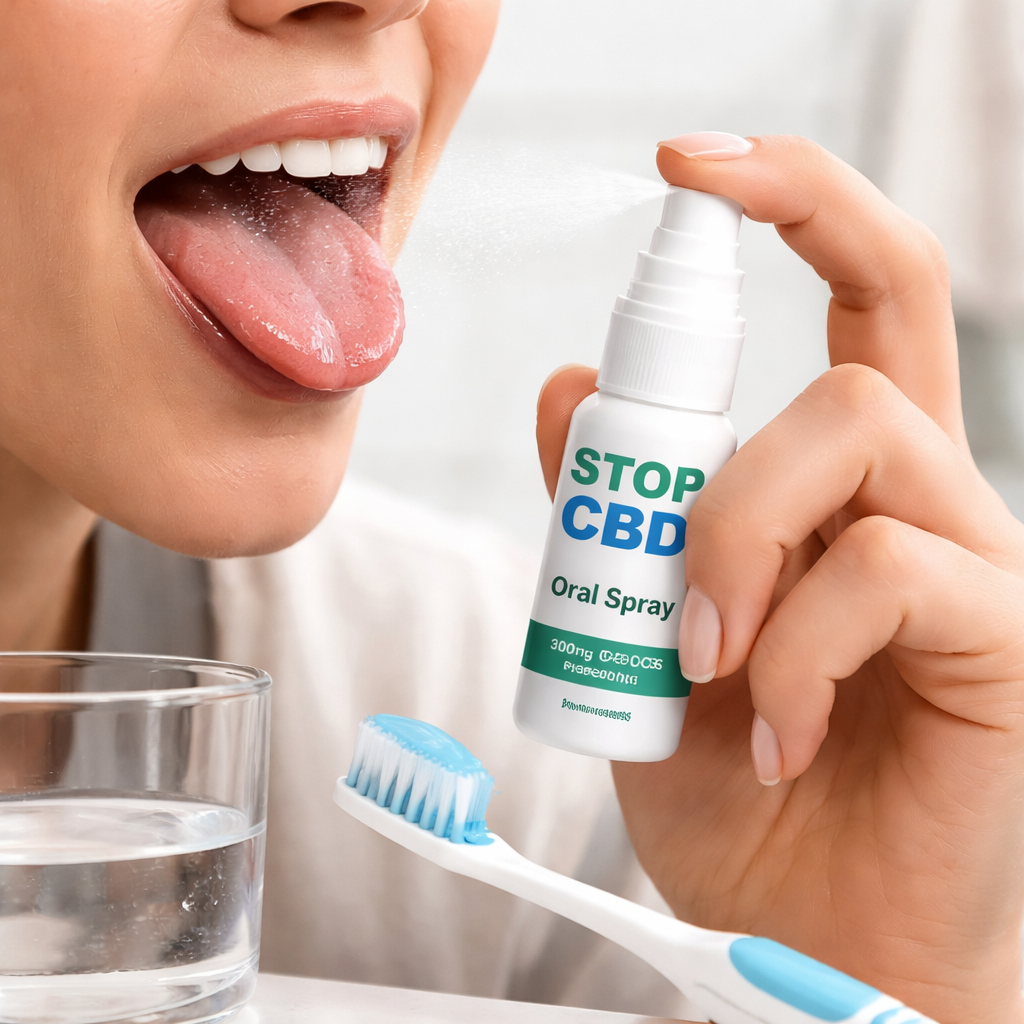
One practical tip: start with a small amount of a CBD oral spray, like the kind STOP offers, and notice how your saliva flow feels after a few minutes. If you notice too much wetness, scale back. If it still feels dry, try a CBD toothpaste that also contains Dead Sea minerals; the minerals help keep saliva balanced.
For a deeper dive on the dry‑mouth side of things, check out Does CBD Cause Dry Mouth? Facts, Risks, and Management Tips. It breaks down what to watch for and how to manage any side effects.
If you’re curious about how CBD works beyond the mouth, you can explore Exuvital, a science‑driven wellness brand that offers CBD‑based supplements for overall vitality.
Understanding CBD Oral Care and Saliva Production
When you add CBD to a toothpaste or spray, it does more than freshen breath. It talks to the endocannabinoid system in your mouth and can shift how much saliva you pump out.
CBD binds to receptors on the nerves that control the salivary glands. That softens inflammation and can quiet the signals that make you feel dry. The result? Your tongue stays a bit wetter after you brush, which helps gum health and eases sore throats.
But the effect isn’t the same for everyone. Some people notice a gentle boost in flow, while others feel a slight dip. That’s why it helps to watch the change over a few days.
A good way to understand the full picture is to read the CBD oral health benefits and risks guide, which walks you through what to expect and how to adjust use.
If you want to keep track of how your mouth feels, a Askesis habit tracker can log each brushing session and note any shifts in moisture – the habit‑tracker does exactly that.
Start with a pea‑size dab of the STOP oral spray, wait two minutes, then check if your mouth feels comfortably moist. If it feels too wet, cut back; if it’s still dry, try a toothpaste that also has Dead Sea minerals.
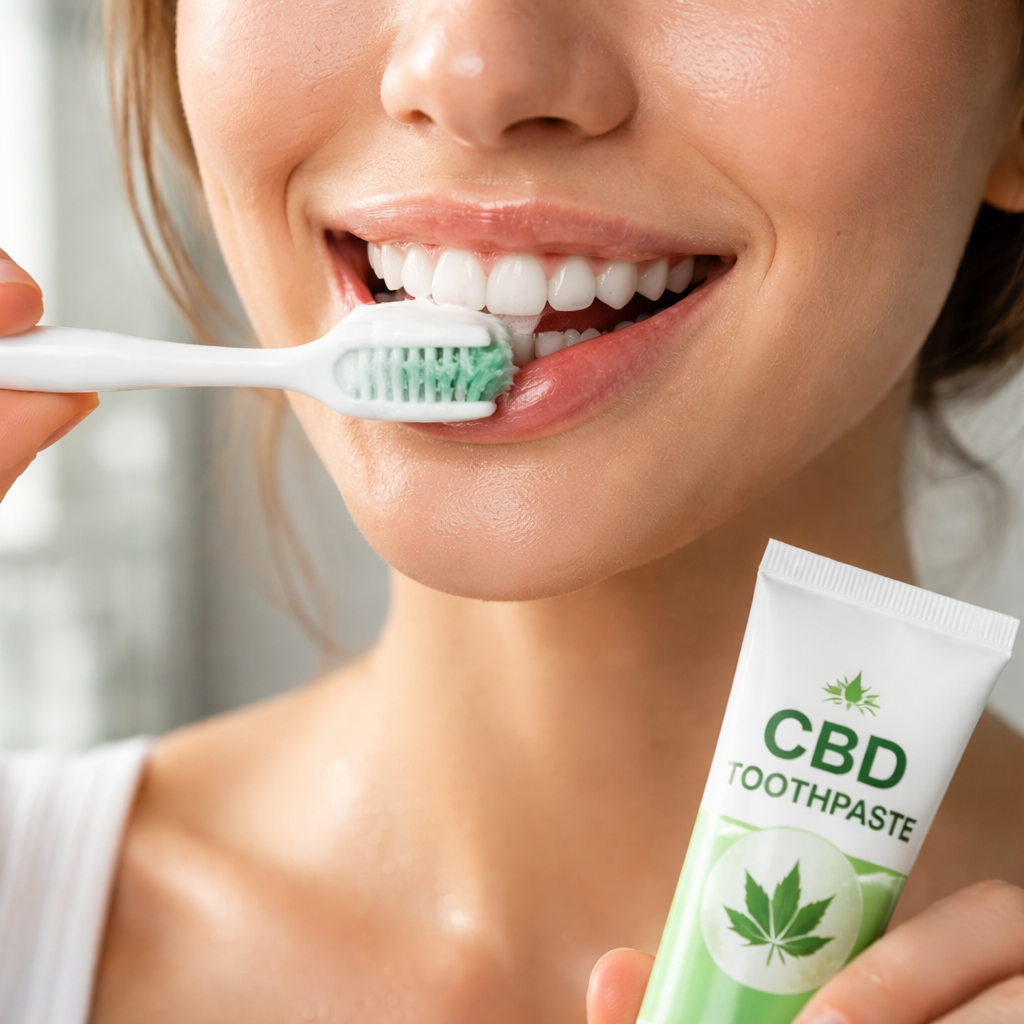
You can also pair CBD with a simple mouth rinse that contains marine algae. The algae help calm gums while the CBD keeps the moisture steady. Just swish for 30 seconds after brushing, then spit out. Most users say the combo leaves their mouth feeling fresh without the sticky after‑taste of traditional rinses.
The key is to treat CBD oral care like any other routine: use it consistently, note how your saliva reacts, and adjust the product or amount until you hit a balance that feels right.
Key Ingredients in CBD Oral Care That Influence Saliva
When you pick a CBD oral product, you’re not just getting a flavor boost. You’re also adding a mix of actives that can tip the balance of your mouth’s natural moisture.
First up, the CBD itself. It binds to the endocannabinoid receptors in gums and tongue. That calm‑down signal can ease inflammation, which often means the nerves that tell your brain “I’m dry” fire less often. The result? A steadier stream of saliva.
Next, Dead Sea minerals. They’re packed with magnesium, calcium, and potassium. Those ions help the cells that line your cheek and gums keep water moving. In a simple test, people notice a smoother feel after a few minutes of brushing with a mineral‑rich paste.
Marine algae extracts are another quiet hero. They contain natural polysaccharides that act like a light coating, holding a bit of moisture on the tongue without making you feel slimy. Think of it as a tiny sponge that lets your mouth stay hydrated longer.
Some formulas also add a touch of xylitol. It’s a sugar‑free sweetener that can boost the flow of saliva by encouraging the glands to work a bit harder. If you’ve ever used a sugar‑free gum and felt a fresh burst of wetness, that’s xylitol at work.
So, how do you tell which combo is right for you? Try a step‑by‑step test:
- Pick a product that lists CBD, Dead Sea minerals, and xylitol.
- Use it after a light breakfast. Note how your tongue feels after two minutes.
- If it feels too wet, choose a version with less algae extract. If it feels dry, look for a formula that adds a bit more mineral content.
And remember, you can always dive deeper into the science behind these blends. Check out Understanding CBD Oral Health: Benefits, Risks, and Practical Tips for a full rundown of how each ingredient works together.
Bottom line: CBD calms, minerals hydrate, algae hold moisture, and xylitol nudges the glands. Mix them right, and you’ll notice a smoother, less dry feel that lets you smile and speak with confidence.
Comparing Different CBD Oral Care Products: Effects on Saliva Production
Not all CBD products hit your mouth the same way. Some give a gentle boost, others feel like a splash of water. Knowing which one fits your routine helps you avoid the dry‑mouth trap and keeps your gums happy.
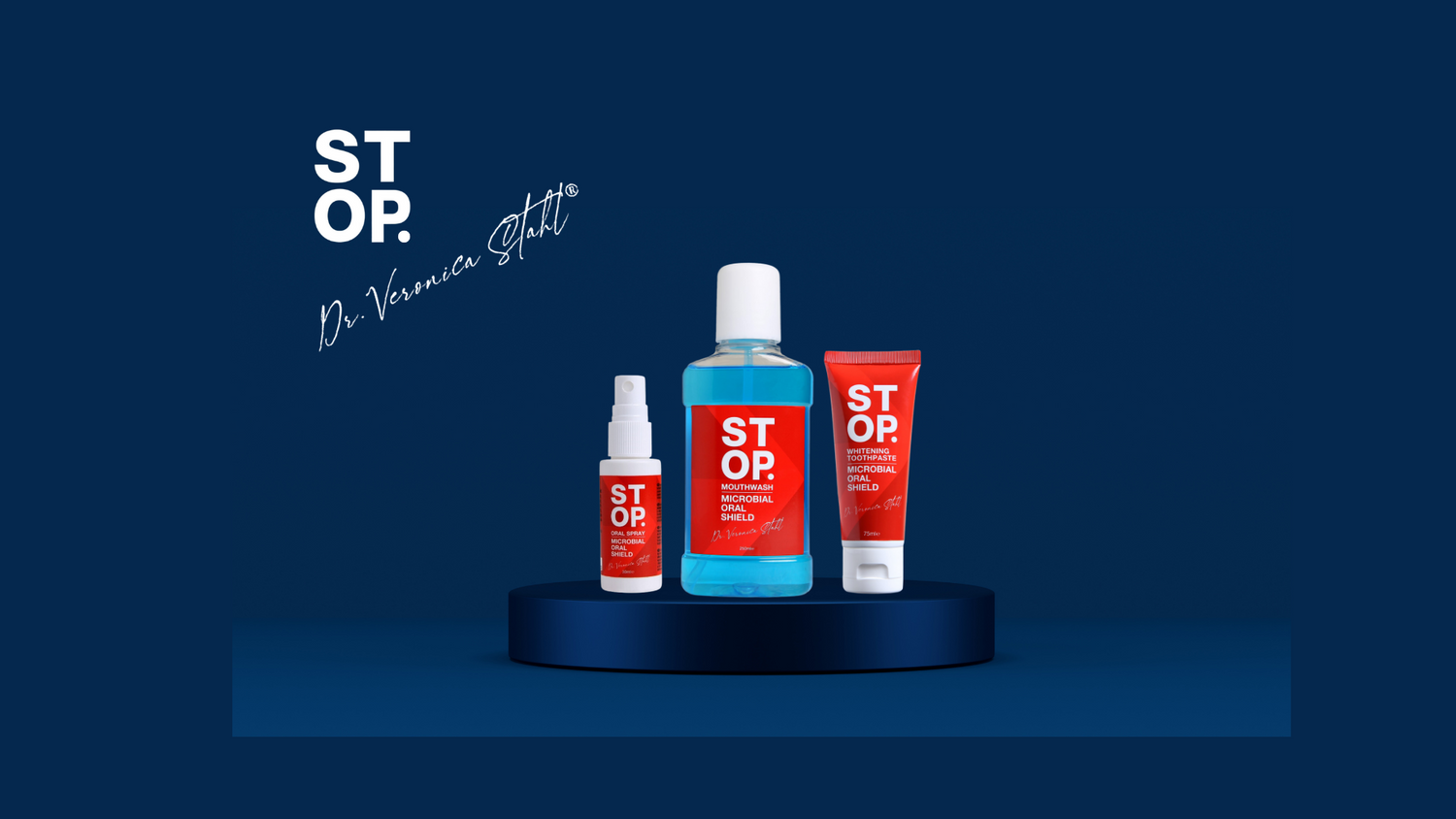
Here’s a quick way to picture the difference. Imagine you’re testing three STOP products after breakfast. You use each for a day, watch how your tongue feels after two minutes, and note any extra wetness. That simple test tells you if a product is too heavy, just right, or leaves you still thirsty.
Below is a handy table that breaks down the three main formats most folks try.
| Product | Saliva Impact | Key Note |
|---|---|---|
| STOP Protective & Whitening Toothpaste | Moderate – smooth feel | CBD + Dead Sea minerals balance moisture without slime. |
| STOP Protective Oral Spray | Low – light mist | Fine spray gives a quick lift; good if you hate anything too wet. |
| STOP Mouthwash | High – noticeable wetness | Full‑mouth rinse adds extra moisture; best for severe dry‑mouth cases. |
What does this mean for you? If you’ve tried a toothpaste and still feel dry, the spray might add just enough extra moisture without over‑doing it. If the spray feels too light, swap to the mouthwash for a stronger effect.
Practical tip: keep a tiny notebook or phone note. Write the product name, the time you used it, and a one‑word feeling – dry, slick, or normal. After a week you’ll see a pattern and can pick the right level.
And if you’re curious about why a spray feels different, check out cbd oral spray: A Complete Guide to Benefits, Usage, and Buying Tips. It explains the formulation and how it works with your mouth’s natural flow.
Practical Tips for Managing Saliva While Using CBD Oral Care
Your mouth can feel just right, neither bone‑dry nor overly slick, if you treat saliva like any other habit.
Start with a simple test: after you brush or spray, wait two minutes and ask yourself how the tongue feels. Is it a light film, a dry stretch, or a bit too wet?
Grab a tiny notebook or open a notes app. Jot down the product, the time of day, and a one‑word cue – dry, slick, or normal. Do this for a full week and patterns will pop up.
When the notes show you’re consistently dry, up the dose just a touch – maybe an extra spray puff or a pea‑size dab of toothpaste. If you see “slick” more than you like, cut back by half.
Keep a glass of water handy while you experiment. Sipping plain water gives you a baseline to compare the mouthfeel after each product.
A habit‑tracker app can turn these quick notes into a visual chart, so you spot the sweet spot without guessing.
If you need a deeper dive on why dry‑mouth happens and how to keep it in check, the STOP guide on dry‑mouth management guide walks you through the science and practical fixes.
Morning routines often need a boost because saliva naturally drops after you eat. A light spray right after breakfast can jump‑start flow without flooding the mouth. At night, you might prefer the milder toothpaste formula so you wake up feeling fresh, not drenched.
If you suffer from gum pain, keep the product away from any raw spots until the irritation eases. A soothing rinse with the mouthwash can coat the area, but limit use to once a day to avoid excess moisture that might irritate sensitive gums.
Remember, the goal isn’t to chase endless wetness. It’s to find that comfortable middle where your mouth feels hydrated enough to speak, chew, and smile without distraction.
Conclusion
Understanding how CBD oral care affects saliva production lets you fine‑tune your daily routine. You’ve seen that a light mist of spray can add just enough moisture, while a mineral‑rich toothpaste can keep things smooth without feeling soggy.
Here’s a quick plan: pick one STOP product, use it after breakfast, wait two minutes, and jot a one‑word feeling – dry, slick, or normal. If the note says dry, add a spray next time; if it says slick, cut the toothpaste dose in half. Keep the log for a week, then choose the combo that consistently lands on “normal.”
Remember, the goal isn’t to chase the most extreme wet feel but to reach a comfortable, steady flow that eases gum irritation. For deeper insight on dry‑mouth management, check How to Make an Effective CBD Mouthwash at Home.
Stick to the simple steps, listen to your mouth, and you’ll keep your smile fresh and hydrated.
FAQ
How does CBD in oral care change my saliva flow?
CBD works by binding to the endocannabinoid receptors in your gums and tongue. When those receptors get the signal, inflammation eases and nerve signals that tell your brain you're dry calm down. The result is a steadier stream of saliva rather than a sudden rush or a dry feel. Most users notice the shift within a few minutes of brushing or spraying.
Will a CBD toothpaste make my mouth too wet?
A CBD toothpaste can add a light coating that holds moisture on your tongue. If you use the full squeeze, you might feel a slick, almost glossy finish. To keep it comfortable, start with a pea‑size amount and spread it thin. If the mouth feels too wet, cut the dose in half next time. The goal is a normal, not soggy, feel.
Can a CBD oral spray help dry‑mouth symptoms?
A CBD oral spray delivers a fine mist that quickly contacts the palate. The mist adds a tiny burst of moisture, which can be enough to ease a dry‑mouth feeling without flooding the mouth. Try one or two pumps after you eat breakfast and wait two minutes. If you still feel dry, add another light spray. The key is to add just enough.
Is it safe to use CBD products every day for saliva balance?
Daily use of CBD oral care is generally safe for most adults. The CBD dose in each STOP product is low enough that it stays local in the mouth and isn’t absorbed in large amounts. Just follow the product’s directions and don’t exceed the recommended amount. If you have a medical condition or take medication, check with your dentist or doctor first.
How long does it take to notice changes in saliva after starting CBD oral care?
You’ll usually notice a change within the first few uses. The receptors react quickly, so after the first brush or spray you may feel a subtle shift in moisture. Most people report a stable feel after about three to five days of consistent use. Keep a short note each day; if the feeling stays steady, the product is working for you.
What should I do if I still feel dry after using STOP products?
If you still feel dry after trying a toothpaste, spray, or mouthwash, first check your water intake. Dehydration can mask any benefit. Next, try pairing a low‑dose spray with a mineral‑rich toothpaste to boost moisture gradually. Write down how your mouth feels after each try. When you spot a combo that leaves you with a ‘normal’ feel, stick with that routine.