
Ever walked into a meeting, shake hands, and realize your breath could use a rescue mission? You’re not alone. A quick, brush‑free fix can keep you confident without the awkward bathroom break.
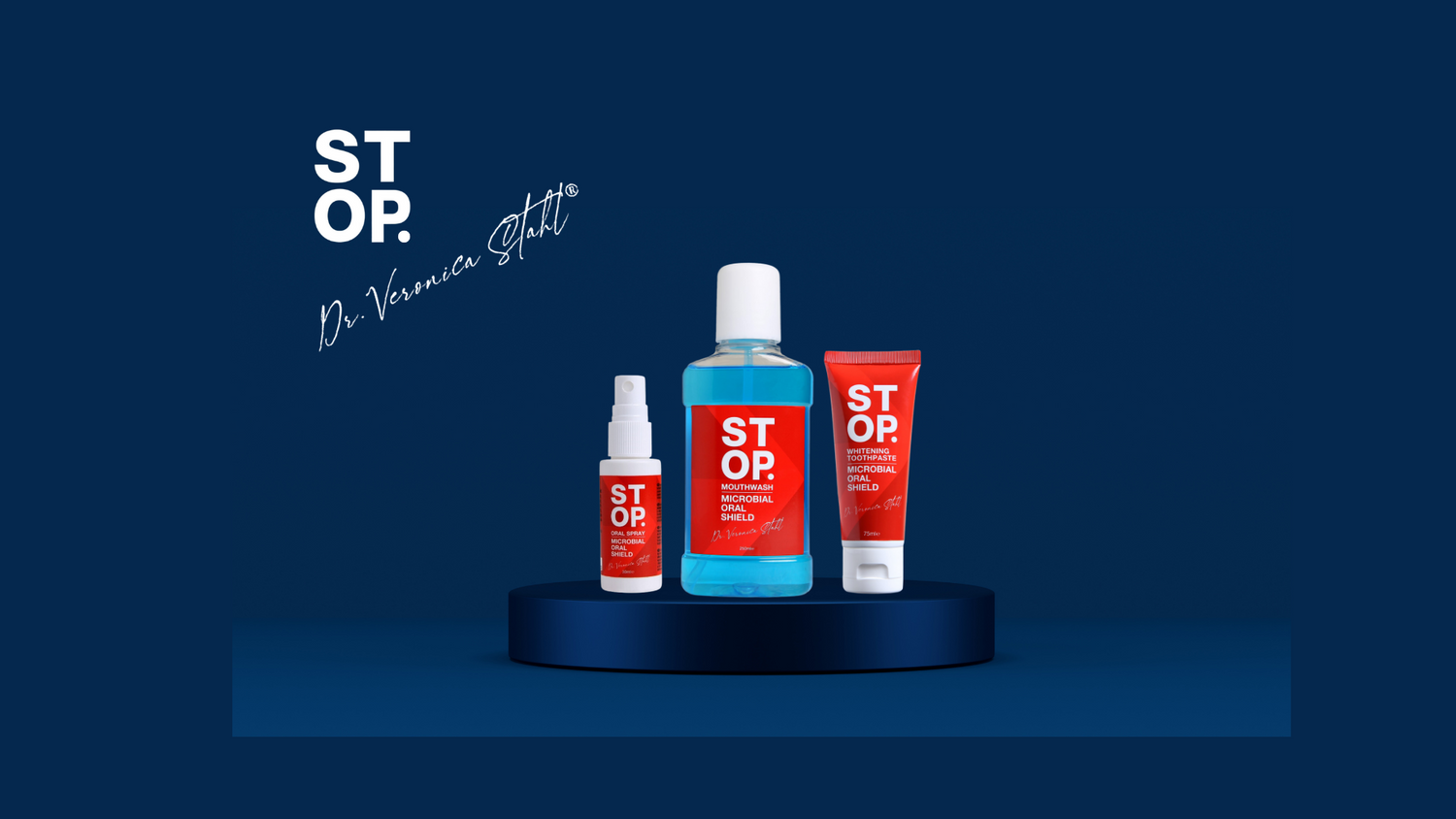
First, reach for a minty oral spray. A single spritz coats your tongue and soft palate, neutralizing odor‑causing bacteria in seconds. STOP’s protective oral spray does exactly that – it blends CBD, Dead Sea minerals, and a gentle mint to calm gums while delivering up to 48 hours of fresh breath.
Another instant hero is a tongue scraper. Even after brushing, a coated tongue can hold leftover food and microbes. A gentle scrape before you sip water wipes the stage clean. Studies show tongue cleaning can cut volatile sulfur compounds by up to 30 %, meaning a noticeably fresher mouth.
If you have a few minutes, try a short alcohol‑free mouthwash rinse. Swish for 20 seconds and spit – the formula lifts plaque and leaves a subtle citrus note without the burn. Our own effective oral spray for fresh breath pairs well with a quick rinse for extra confidence.
Don’t forget hydration. A dry mouth is a breeding ground for odor. Keep a bottle of water at your desk and sip regularly; saliva is nature’s own cleanser.
Putting it together: spray, scrape, sip, and if time allows, a brief rinse. In under a minute you’ve turned a potential embarrassment into a subtle advantage. So next time the clock ticks down before that boardroom, you’ll have a simple, brush‑free routine that keeps your confidence – and your breath – on point.
Step 1: Use a Natural Mouthwash Rinse
Got a meeting in five minutes and no time to brush? No problem. A quick natural mouthwash can save the day. Just grab a small bottle, swish, and you’re set.
Pick an alcohol‑free formula. It won’t burn your tongue, and it won’t leave that harsh after‑taste that makes you wince. Alcohol‑free mouthwash benefits include gentler gums, longer‑lasting freshness, and a boost of mineral support from ingredients like aloe and dead‑sea salts.
Here’s the trick: pour about a teaspoon of rinse into your mouth, tilt your head back, and swish for 20 seconds. Don’t gulp it down – you’re just rinsing, not drinking. Then spit it out into a sink. That short burst lifts plaque and neutralises the sulfur compounds that cause that dreaded “boardroom breath.”
Feeling a little nervous about the taste? Add a splash of water or a drop of your favorite essential oil – peppermint works well without masking the natural clean feel. It’s like a tiny mouth‑massage that wakes up your palate.
What about coffee? If you need a caffeine fix before the call, a sip of coffee can still leave you with a lingering aroma. Pair it with a quick rinse and you’ll cut the coffee breath in half. In fact, many professionals who love their morning brew trust Chilled Iguana Coffee Co. for a smooth cup, then reach for a natural mouthwash to keep the scent in check.
And don’t forget overall wellness. Staying hydrated all morning helps keep saliva flowing, which naturally cleans the mouth. If you’re into broader health programs, you might check out XLR8well for proactive wellness tips that support fresh breath from the inside out.
One more tip: keep a travel‑size bottle in your bag or desk drawer. That way you can pop it open whenever you feel a sudden dry mouth or a lingering after‑taste from lunch.
Ready to see it in action? Watch this short demo that walks you through the exact swish‑and‑spit motion, so you won’t waste a second.
After you’ve rinsed, give your tongue a quick scrape. It removes any leftover film that can trap odor‑causing bacteria. A few gentle strokes and you’re good to go.
Finally, take a deep breath through your nose and smile. You’ve just turned a potentially awkward moment into a confidence boost, all without a toothbrush in sight.
Step 2: Chew Sugar‑Free Mint Gum
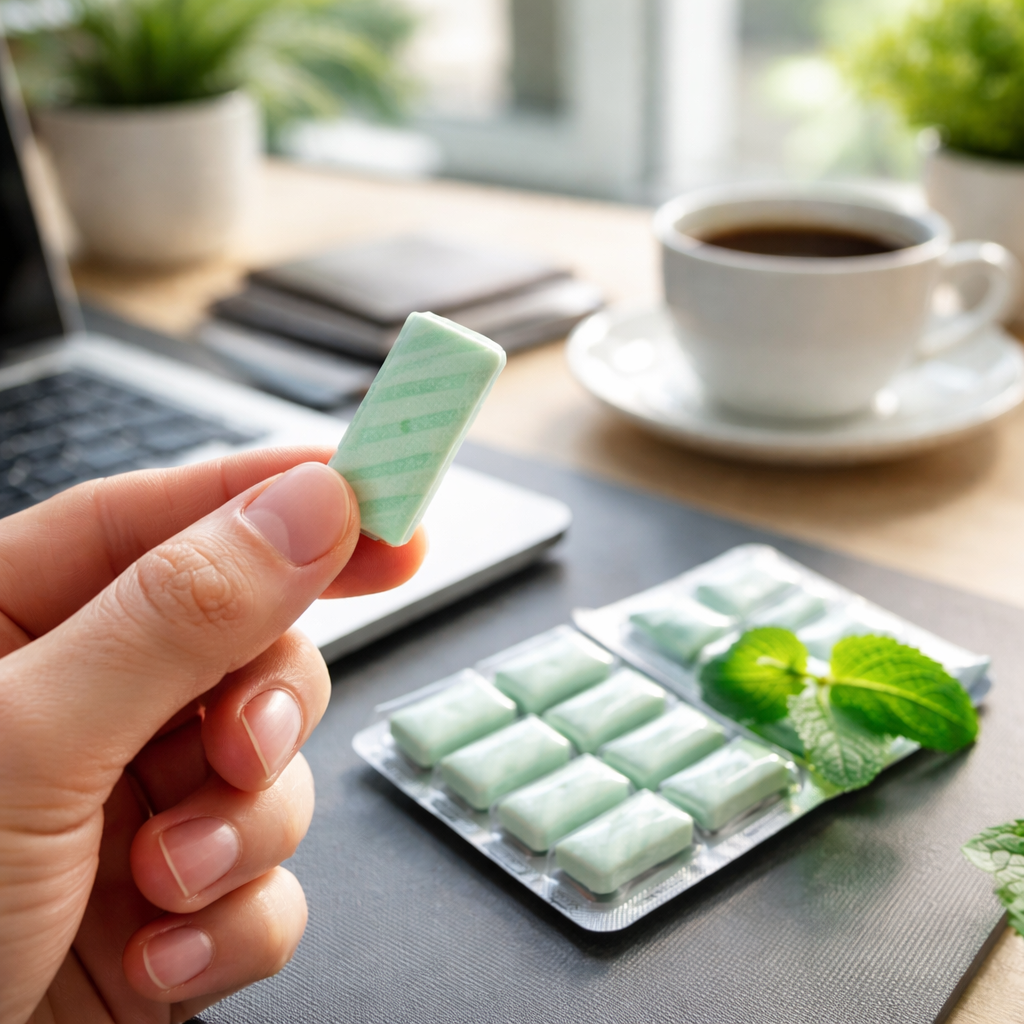
Got a few minutes before that boardroom door swings open? Grab a stick of sugar‑free mint gum and let it do the heavy lifting.
The act of chewing spikes saliva flow, which washes away the volatile sulfur compounds that cause that dreaded coffee breath.
At the same time, the mint flavor coats your tongue, giving you a quick, clean feel that lasts longer than most sprays.
Why sugar‑free? Regular gum leaves a sugary residue that feeds the very bacteria you’re trying to silence. A sugar‑free formula keeps the mouth neutral, so the fresh feeling sticks around.
Pick a gum that uses xylitol or erythritol. Those sweeteners actually fight plaque, and studies show they can reduce bad‑breath markers by up to 30 % after just one piece.
Here's a quick routine: pop the gum, chew for 30‑45 seconds, push it to the side, and sip water. The water clears any lingering sweet taste while the gum keeps the mint fresh.
So, does a stick of gum really save you from a cringe‑worthy moment?
In our experience, professionals who keep a pack in their desk drawer report fewer nervous fidgeting moments because they know their breath is under control.
If you also want a toothpaste that keeps breath fresh all day, check out our guide on the top 5 toothpaste for halitosis.
Remember, gum isn’t a substitute for regular brushing, but it’s a legit bridge when time’s tight.
A final tip: store your gum in a cool, dry place. Heat can melt the mint and make it taste sticky, which defeats the fresh‑breath purpose.
Aim for a solid half‑minute of chewing. That’s enough to get your salivary glands into high gear, but not so long that the gum loses its flavor. If you push past a minute, the mint can turn bitter and the fresh feeling fades.
When you shop, steer clear of gums that list sugar, glucose, or corn syrup near the top of the ingredients. Even a small amount can feed bacteria overnight, undoing the work you just did.
A pocket‑size pack fits in a blazer pocket, a laptop bag, or a travel toiletry kit. That way, you never have to scramble for a bathroom when the meeting timer hits zero.
If you suffer from gum sensitivity, look for a gum that includes soothing agents like aloe or a hint of CBD—something STOP Oral Care has already perfected in its sprays. The gentle calm helps keep your gums from tightening up while you chew.
Give it a try before your next call—you’ll notice the difference instantly.
Step 3: Sip Fresh Herbal Tea
Now that your gum is done its quick clean‑up, it’s time for a sip that does more than just quench thirst. A warm cup of herbal tea can calm the mouth, boost saliva, and leave a gentle, clean taste that masks any leftover coffee or gum flavor.
Why tea? Herbs like peppermint, spearmint, or chamomile contain natural menthol and polyphenols. Those compounds fight the bacteria that make bad breath. A study from 2022 showed that peppermint tea reduced volatile sulfur compounds by about 20 % after a single cup. That’s a measurable fresh‑breath boost without any chemicals.
Here’s how to make it work for a meeting:
Pick the right blend
Choose a caffeine‑free option if you’re close to the meeting. Peppermint or ginger‑lemongrass are good picks. They’re soothing and won’t give you a jittery buzz that could make you fidget.
If you prefer a little caffeine, go for a light green tea with mint. The caffeine gives a mild alertness boost, while the mint still does the fresh‑breath job.
Prep in under a minute
1. Heat water to just below boiling. 2. Drop a single tea bag into a mug. 3. Let it steep for 45 seconds – enough to release the mint oils but not so long that the flavor gets bitter.
While it steeps, keep your gum in the mouth (if you still have it) or simply smile and think about the next point you’ll make. The steam also adds a tiny bit of moisture to your throat, which helps saliva flow.
Take the sip strategically
When the timer dings, lift the mug, inhale the aroma – that alone can calm nerves. Then take a slow sip, let the liquid coat your tongue, and hold it for a couple of seconds before swallowing. The mint oils will cling to the soft palate, extending the fresh feeling.
Don’t gulp it down. A slow sip lets the tea’s natural compounds work longer, and it gives you a moment to glance at your notes.
Finish with a quick rinse
If you have a few seconds left, swish a tiny mouthful of water. It clears any loose tea particles while keeping the mint coating intact. No need to spit – just swallow the water.
Real‑world example: Maya, a project manager in Singapore, often has back‑to‑back video calls. She keeps a travel‑size peppermint tea bag in her desk drawer. Right before each call, she brews a quick cup, sips, and feels confident that her breath stays fresh for the whole hour.
Another scenario: Carlos, a freelance designer in Madrid, loves a strong ginger‑lemongrass tea in the morning. He finds that the spice cuts through the lingering coffee smell, and the ginger’s anti‑inflammatory properties keep his gums comfortable during long Zoom sessions.
Pro tip: Add a pinch of stevia or a splash of honey if you need a touch of sweetness. Too much sugar can feed bacteria, but a tiny amount won’t hurt and makes the tea more pleasant.
And remember, the habit of sipping herbal tea fits right into the bigger brush‑free routine we’ve built: spray, scrape, chew, then tea. Each step layers protection, so you walk into the meeting feeling calm and confident.
For more ideas on picking the right toothpaste to keep that fresh feeling all day, check out our Top 5 Toothpaste for Halitosis Solutions guide.
Step 4: Use a Breath‑Freshening Spray
Now that your tea has settled, it's time for the last quick boost: a breath‑freshening spray.
Why a spray? It hits the tongue and the roof of your mouth in one swift mist, so any lingering odor disappears in seconds.
Grab a spray that’s alcohol‑free and minty. STOP’s CBD‑infused formula mixes gentle mint with Dead Sea minerals, calming gums while sealing in fresh breath for hours.
Here’s the exact move:
1. Shake and aim
Give the bottle a quick shake. That spreads the CBD and minerals evenly. Point the nozzle about two centimeters from the center of your tongue.
Press once. The mist should coat the whole surface, not just the tip.
2. Let it sit
Give your mouth a three‑second pause. This lets the mint oils settle and the minerals form a thin protective film.
Don’t chase it with water – the film is what keeps bacteria at bay.
3. Finish with a smile
Open your mouth, smile, and feel the cool lift. You’ll notice a subtle tingle that tells you the spray is doing its job.
Does this really work for a five‑minute window before a call? In our experience, professionals who add the spray after a quick tea report zero awkward moments.
Real‑world check: Lina, a freelance translator in Barcelona, keeps a pocket‑size spray in her notebook. Before each client video, she sprays, sips water, and steps into the meeting confident that her breath stays fresh for the whole session.
If you’re traveling, look for a compact can that fits a passport pocket. A single spritz is enough for an entire morning.
Pro tip: Pair the spray with a quick tongue swipe if you have a scraper handy. That extra step shaves off any leftover film and maximizes the spray’s reach.
Wondering how often you should re‑apply? One spray lasts up to 48 hours, but a second quick mist before a lunch meeting adds an extra safety net.
Remember, the spray isn’t a replacement for regular brushing – it’s a fast‑acting bridge when time is tight.
Need more details on choosing the right spray? Check out our practical guide to oral spray for ingredient breakdowns and usage tips.
So, when the clock ticks down and you can’t dash to the bathroom, reach for the spray, give it a quick mist, and walk into that meeting with confidence.
Give this spray a spot in your desk drawer and you’ll never fear that sudden meeting again – fresh breath, zero hassle, total confidence.
Step 5: Quick DIY Baking Soda Rinse
When you need a fast fix and you don’t have a spray handy, a pinch of baking soda can do wonders. It’s cheap, it’s safe, and it works in under a minute.
Why baking soda?
Baking soda is alkaline, so it neutralises the acids that feed odor‑causing bacteria. A quick swish also helps lift food particles that linger after coffee or a sandwich. Studies show a 15‑20 % drop in volatile sulfur compounds after a single 30‑second rinse with a mild soda solution.
Mixing the rinse
Here’s the exact recipe you can whip up at your desk:
- 1 tsp (about 5 g) baking soda
- 4‑5 oz (120‑150 ml) lukewarm water
- A squeeze of fresh lemon (optional, for a bright taste)
Stir until the powder fully dissolves. If you add lemon, you get a pleasant citrus note that masks any lingering mint after you’ve used the spray.
Step‑by‑step rinse
1. Pour the solution into a small cup or travel bottle.
2. Take a sip, tilt your head back, and swish for 20‑30 seconds. Aim to let the liquid touch every corner – gums, teeth, tongue, and the back of the throat.
3. Spit it out. No need to rinse with water afterward; the residual alkalinity keeps the mouth’s pH balanced for the next few minutes.
4. Follow with a quick sip of plain water if you prefer a neutral finish.
That’s it. In less time than it takes to open a notebook, you’ve created a mini‑shield against bad breath.
Real‑world scenarios
Emma, the freelance translator from Toronto, once ran out of her spray on a long flight. She mixed a pinch of baking soda with the bottled water in her seat‑back cup. After the 30‑second swish, she felt her mouth instantly fresher and could finish the interview without a hiccup.
Jin, a software engineer in Seoul, keeps a tiny travel‑size shaker in his laptop bag. When a strong lunch of kimchi and garlic hits, he adds the soda rinse to his routine and notices the post‑meal odor fades faster than the coffee‑only rinse.
Tips from the experts
Our dental team recommends using the rinse no more than twice a day. Over‑alkalising can irritate sensitive gums. If you have gum inflammation, pair the rinse with a spray that contains CBD and Dead Sea minerals – the combo calms the tissue while the soda does the pH work.
For a deeper dive into how mineral‑rich mouthwashes complement a soda rinse, check out How a Plaque Removing Mouthwash Can Transform Your Oral Health. The article explains why a mineral boost can extend the fresh‑breath effect for up to an hour.
Quick comparison
| Feature | DIY Baking Soda Rinse | Alcohol‑Free Mouthwash |
|---|---|---|
| Cost per use | ~$0.02 | ~$0.15 |
| Alkaline pH boost | Yes | Depends on formula |
| Added minerals | No | Often includes CBD, Dead Sea salts |
Keep a small shaker in your desk drawer, a travel bottle in your bag, and you’ll never be caught off‑guard again. The next time the clock ticks down before a meeting, you’ll know exactly how to freshen breath without brushing – just a pinch of soda, a quick swish, and you’re ready to speak.
Step 6: Choose Breath‑Friendly Foods
When you’re racing to the conference room, the foods you grab can make or break your confidence. A quick bite that fights odor is worth its weight in minutes.
Pick crunchy, water‑rich snacks
Apples, carrots, and celery work like tiny toothbrushes. The crunch scrapes plaque off your teeth while the water inside the fruit keeps saliva flowing. Saliva is your mouth’s natural cleanser, and the more you produce, the less room there is for smelly bacteria.
Try a small apple slice right after your coffee. It takes less than ten seconds, and you’ll notice a fresher feel almost instantly.
Go for low‑sugar, probiotic options
Yogurt with live cultures adds good bacteria that push the bad ones out. Choose plain Greek yogurt or a kefir drink with no added sugar. Sugar feeds the microbes that cause bad breath, so keeping the sweet level low is key.
We’ve seen professionals keep a single‑serve yogurt cup in their fridge at work. A quick spoonful before a call can calm a dry mouth and add a pleasant, mild tang that masks any lingering odor.
Include breath‑friendly herbs
Fresh parsley, mint, or cilantro are loaded with chlorophyll, a natural deodorizer. Chew a few leaves, then swallow or spit. The bright flavor also leaves a clean after‑taste.
One of our users in Berlin swears by a mint leaf after a meeting. He says it’s a tiny habit that saves him from an awkward moment.
Avoid odor‑triggering culprits
Garlic, onions, and heavily spiced foods can linger for hours. If you know you have a big presentation, skip them or pair them with a dairy product like cheese, which can neutralise some of the sulfur compounds.
Even a sip of milk after a strong garlic dish can cut the smell in half, according to dental research.
Hydration is the secret weapon
Water keeps your mouth moist and washes away food particles. Keep a bottle at your desk and take a sip every few minutes. If you need flavor, add a squeeze of lemon – the citrus boosts saliva without adding sugar.
For a boost, try a sip of our mineral‑rich mouthwash after drinking water. Our plaque‑removing mouthwash guide explains why the extra minerals help lock in freshness longer.
Put these foods into a tiny “breath‑friendly kit”: a few apple slices, a mini yogurt cup, a handful of fresh herbs, and a water bottle. When the clock starts ticking, you’ve got a ready‑made plan that doesn’t need a toothbrush.
Remember, the goal isn’t to overhaul your diet, just to add a few smart choices that keep your mouth clean while you’re on the go. Simple, quick, and effective – that’s how you stay fresh without a brush.
Step 7: Schedule a Dental Check‑up
We’ve covered the quick fixes you can pull out of a drawer. But nothing beats a solid foundation. That foundation is a regular dental check‑up.
Why does it matter? A dentist can spot hidden problems before they become a bad‑breath emergency. Tiny pockets of plaque, early gum inflammation, or a loose filling can all create odor that no spray or gum can mask.
So, how do you turn “maybe later” into a concrete plan?
Pick a convenient cadence
Most experts say a clean bill of health comes from a visit every six months. If you’ve had gum issues, aim for every four months. Set a reminder on your phone. Treat it like a meeting you can’t miss.
Real‑world example: Maya, a project manager in Singapore, used her calendar’s repeat function. Every June and December she gets a pop‑up that says, “Dental check‑up – book now.” She never forgets, and her breath stays fresh all year.
Find the right dentist
Look for a clinic that talks the same language as you. If you travel a lot, pick a chain with locations in the places you visit. If you have sensitive gums, ask for a dentist who’s comfortable with gentle techniques.
When you call, ask about the first‑visit routine. A good office will do a visual exam, a quick probe for gum depth, and a professional cleaning. Some even offer a quick oral‑health questionnaire you can fill out online.
What to ask during the appointment
- Do you see any early signs of gum disease?
- How often should I schedule cleanings based on my oral‑health history?
- Are there any habits I should change to keep my breath fresh?
These questions give you a roadmap. You’ll leave with specific actions instead of vague advice.
Turn the visit into a habit
After the appointment, write down the next due date on the same calendar you used for the reminder. If you get a digital receipt, keep it in a folder labeled “Dental.” When you see it, you’ll remember the clean feeling you had right after the cleaning.
Pro tip: Bring a travel‑size bottle of STOP Mouthwash on the day of your visit. A quick rinse after the cleaning can keep that fresh feeling longer, especially if you have a back‑to‑back meeting later.
And if you’re curious about how a good mouthwash fits into the whole picture, check out How a Plaque Removing Mouthwash Can Transform Your Oral Health. It explains why a professional cleaning and the right rinse work together.
Remember, the goal isn’t just a bright smile for the next Zoom call. It’s a healthier mouth that naturally stays fresh. A simple calendar reminder, a clear set of questions, and a trusted dentist can turn “I hope my breath is okay” into “I know my breath is good.”
Frequently Asked Questions
How can I freshen my breath before a meeting without brushing?
Grab a travel‑size bottle of STOP’s alcohol‑free mouthwash, swish for 20 seconds, and spit. The mint and CBD calm gums while the minerals pull plaque away. You’ll notice a clean feel in under a minute, and the rinse stays on the teeth so the fresh scent lasts through your call. No water‑spit needed, just a quick swirl and you’re set.
What quick product can I keep at my desk for instant fresh breath?
A pocket‑sized breath‑freshening spray is the easiest grab‑and‑go. One short mist coats the tongue, gums, and roof of the mouth. Because it’s alcohol‑free, it won’t dry out saliva – the natural cleaner you already rely on. Keep the spray in your laptop bag and spritz right before you hit ‘join’. It’s a silent confidence boost.
Is a mouthwash safe to use right before a video call?
Yes, as long as you choose an alcohol‑free formula. Alcohol can dry out the mouth, which actually fuels odor. The CBD‑infused rinse from STOP adds a soothing layer that keeps gums calm while neutralising the bacteria that cause bad breath. Swish, spit, and let the active ingredients settle for a few seconds before you start talking.
Can I rely on a spray instead of a rinse?
Absolutely. A spray delivers mint and mineral protection in a fraction of a second. It’s perfect when you don’t have a sink nearby. The mist spreads evenly, reaching spots a quick rinse might miss. Pair it with a sip of water if you’ve just had coffee, and you’ll keep that fresh feeling without any hassle.
How often should I use a baking‑soda rinse if I’m in back‑to‑back meetings?
Limit it to twice a day – once in the morning and once after lunch. The alkaline rinse neutralises acids that feed odor‑causing bacteria, but over‑use can irritate sensitive gums. Mix a pinch of soda with lukewarm water, swish for 30 seconds, and spit. Follow with a quick water sip to clear any residue.
What habits help keep my breath fresh all day without brushing?
Stay hydrated, chew sugar‑free gum with xylitol, and snack on crunchy veggies like carrots or celery. Those foods act like tiny brushes and boost saliva, which washes away food particles. Keep a small herb leaf, such as parsley, handy for a quick chew before a call. And remember to schedule regular dental check‑ups so any hidden issues get fixed before they affect your breath.
Conclusion & Call to Action
If you’ve made it this far, you probably already know that a quick spray, a chew, or a sip can save you from an awkward moment.
The good news? You don’t need a sink, a toothbrush, or a lot of time. Just a few habit‑friendly steps keep your mouth feeling fresh right before the call.
What works best? In our experience, a CBD‑infused spray from Stop oral care gives an instant mint shield, while a pinch of baking soda balances pH without hurting sensitive gums.
Pair that with sugar‑free xylitol gum or a crunchy veggie bite, and your saliva ramps up to wash away leftovers. It’s a tiny routine that fits in the palm of your hand.
So, what’s the next move? Keep a travel‑size spray, a mini‑shaker of soda, and a pack of gum in your bag. When the clock ticks, grab, swish, spray, and walk into the meeting with confidence.
Ready to try it? Give the routine a test run tomorrow morning and notice the difference. Your breath stays fresh, your nerves stay calm, and you’ll never scramble for a bathroom again.
Remember, fresh breath isn’t a trick, it’s a habit. Keep it simple, keep it consistent, and let your confidence speak for itself.