

TL;DR:
- Hemp minerals, including calcium, magnesium, and zinc, support oral tissue health through remineralization and anti-inflammatory actions. Proper application protocols and contact time are essential for maximizing their benefits, and they serve as adjuncts alongside professional dental care. These products are most effective when integrated into a comprehensive oral hygiene routine, not as replacements for established dental treatments.
Hemp minerals for dental health refers to the application of mineral-rich hemp-derived compounds, including magnesium, calcium, zinc, phosphorus, and potassium, within topical oral care products to support gum integrity, enamel remineralization, and microbial balance. Products such as BioSource Botanicals’ Active-Spectrum Oral Care Gel and Hamppumaa’s CBD toothpaste represent the current clinical frontier of this approach. A 2025 systematic review summarized by the American Dental Association found that CBD-containing toothpastes and mouth rinses reduced gingival bleeding, plaque accumulation, and inflammation. This article covers the mineral composition of hemp, evidence-based application protocols, product comparisons, and the most common errors that reduce efficacy.
How to use hemp minerals for dental health: mechanisms and mineral profile
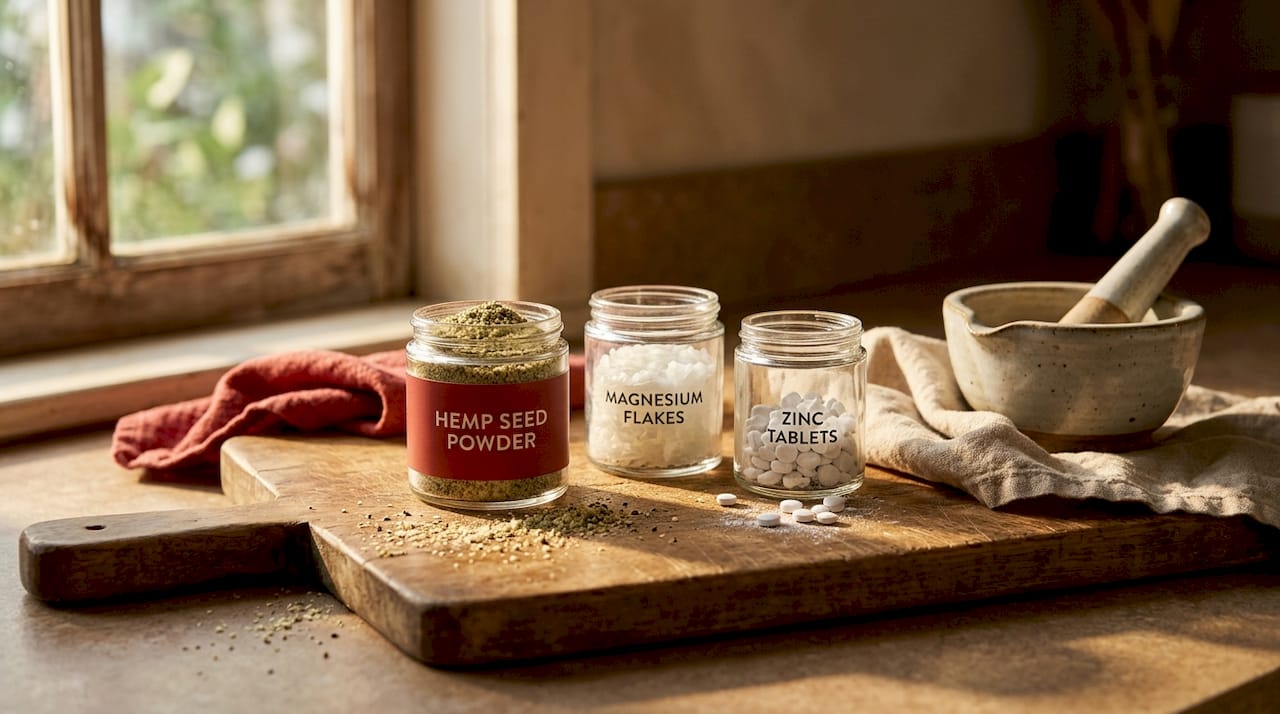
Hemp seeds are a documented source of nine dietary minerals: phosphorus, potassium, magnesium, calcium, sodium, iron, manganese, zinc, and copper. Each mineral contributes to oral tissue function through distinct physiological pathways, making hemp a nutritionally relevant substrate for oral care formulation.
The key minerals and their roles in oral health are as follows:
- Calcium and phosphorus are the primary structural components of hydroxyapatite, the crystalline mineral that constitutes tooth enamel. Adequate topical and dietary supply supports remineralization of early carious lesions.
- Magnesium modulates inflammatory cytokine activity and supports periodontal ligament integrity. Deficiency is associated with increased susceptibility to periodontal disease.
- Zinc inhibits the growth of Streptococcus mutans and other cariogenic bacteria, reduces volatile sulfur compound production responsible for halitosis, and supports wound healing in gingival tissue.
- Potassium contributes to cellular osmotic balance in oral epithelial cells and supports nerve signal regulation, which is relevant to dentinal hypersensitivity management.
- Iron and manganese function as cofactors for antioxidant enzymes, including superoxide dismutase, which neutralizes reactive oxygen species generated during periodontal inflammation.
Beyond the mineral profile, hemp contains phytochemicals including flavonoids, terpenes, and cannabinoids such as cannabidiol (CBD). Herbal compounds in hemp exhibit anti-inflammatory, antiseptic, analgesic, and wound-healing properties that act on oral microbiota and inflamed gingival tissue through multiple biochemical pathways. This multi-target activity distinguishes hemp from single-compound oral care agents.
One critical limitation requires acknowledgment: the benefits of hemp minerals for oral care are adjunctive. Hemp mineral products support symptom management and tissue health, but they do not replace professional dental examination, scaling, or restorative treatment. Readers seeking natural mineral solutions for oral care should understand this distinction before integrating hemp products into their routines.
Step-by-step application of hemp mineral dental products
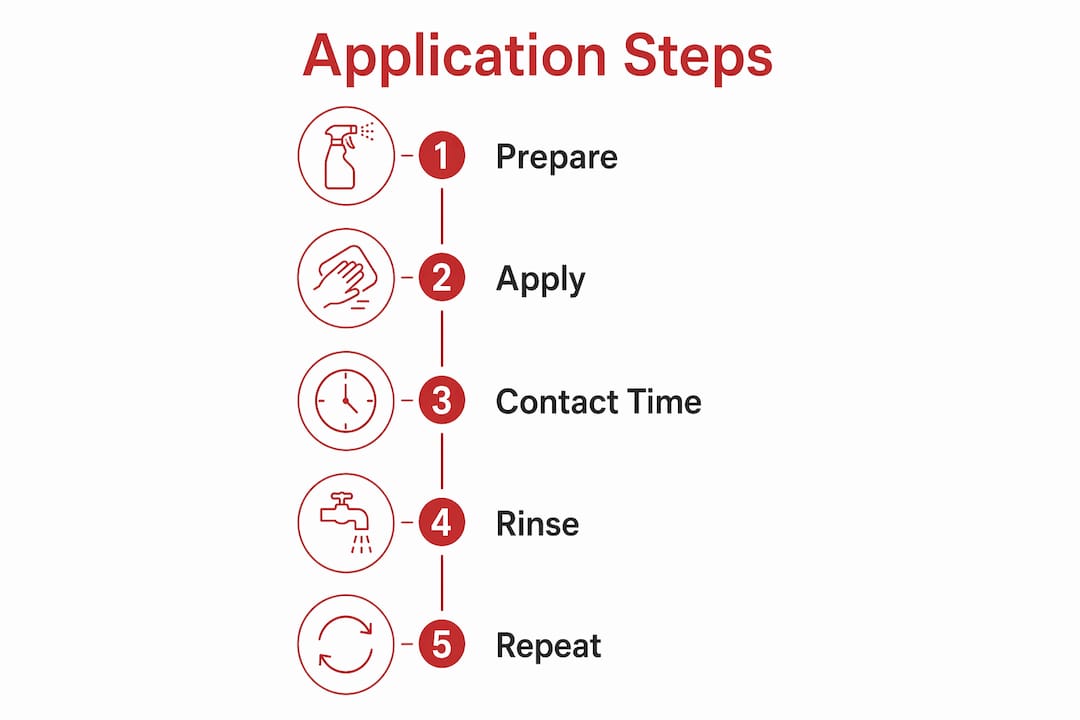
Correct application protocol determines whether hemp mineral products deliver their documented benefits or underperform. The following procedures are drawn from manufacturer guidelines and current product-specific evidence.
For hemp mineral gels (e.g., BioSource Botanicals Active-Spectrum Oral Care Gel):
- Complete standard brushing and flossing before gel application. The gel is not a substitute for mechanical plaque removal.
- Measure approximately ½ teaspoon of gel and distribute it evenly across all tooth surfaces and along the gingival margin using a fingertip or soft applicator.
- Do not rinse, eat, or drink for a minimum of 30 minutes following application. This contact time allows the active mineral and cannabinoid film to interact with enamel and gingival tissue.
- Apply nightly after the final brushing of the day to maximize uninterrupted contact time during sleep.
For hemp CBD toothpaste (e.g., Hamppumaa CBD toothpaste):
- Apply a pea-sized amount to an ultra-soft toothbrush. Ultra-soft bristles reduce gingival abrasion and preserve the active compound film on tooth surfaces.
- Brush twice daily for a full two minutes, covering all quadrants systematically.
- Rinse with water after brushing. Unlike gel formulations, toothpaste-based products are designed for standard rinse-and-spit protocols.
For hemp oil pulling (cold-pressed hemp seed oil):
- Measure one tablespoon of cold-pressed hemp seed oil.
- Swish thoroughly through interdental spaces for 10 to 15 minutes. This mechanical action, combined with the oil’s mineral and fatty acid content, disrupts biofilm formation.
- Expectorate into a waste bin rather than a sink drain. Rinse with warm water and brush normally.
Pro Tip: When transitioning from a conventional fluoride toothpaste to a hemp mineral formulation, alternate products for the first two weeks rather than switching abruptly. This gradual transition allows the oral microbiome to adjust and helps you accurately attribute any changes in sensitivity or gum condition to the new product.
Contact time is the single most critical variable in hemp mineral gel efficacy. Maintaining the prescribed contact period without rinsing preserves the active compound film on oral tissues and determines the degree of anti-inflammatory and antimicrobial benefit delivered. Skipping this step negates a significant portion of the product’s documented mechanism.
How do hemp mineral products compare with other natural oral care options?
Hemp mineral oral care products occupy a specific position within the broader category of plant-based oral hygiene agents. Understanding how they compare with other herbal and conventional options helps practitioners and patients make informed formulation choices.
| Feature | Hemp mineral products | Peppermint/thyme/rosemary products | Fluoride toothpaste | Xylitol-based products |
|---|---|---|---|---|
| Antimicrobial activity | Zinc, CBD inhibit S. mutans and biofilm | Essential oils disrupt bacterial membranes | Fluoride inhibits bacterial enzymes | Xylitol starves cariogenic bacteria |
| Anti-inflammatory effect | Cannabinoids and flavonoids reduce cytokine activity | Rosmarinic acid and thymol reduce gingival inflammation | Minimal direct anti-inflammatory action | Minimal direct anti-inflammatory action |
| Enamel remineralization | Calcium, phosphorus, magnesium support remineralization | No direct mineral contribution | Strong fluorapatite formation | No direct mineral contribution |
| Halitosis control | Zinc reduces volatile sulfur compounds | Peppermint masks odor; thymol reduces bacteria | Limited | Xylitol reduces bacterial acid production |
| Evidence level | Emerging clinical trials; ADA 2025 review | Established ethnobotanical and in vitro data | Extensive clinical evidence | Strong clinical evidence for caries prevention |
| Compatibility | Compatible with fluoride and xylitol products | Compatible with most formulations | Standard of care baseline | Recommended as adjunct |
Hemp mineral products demonstrate a broader mechanism of action than single-herb formulations because they combine mineral remineralization support with cannabinoid-mediated anti-inflammatory activity. Peppermint and thyme products deliver effective antimicrobial action through essential oil compounds but lack the mineral substrate that supports enamel integrity. Fluoride toothpaste remains the evidence-based standard for caries prevention, and hemp mineral products are most effective when used alongside rather than instead of fluoride-containing formulations. Xylitol and hemp mineral products are fully compatible and address complementary aspects of caries prevention and gingival health.
Common mistakes when using hemp minerals for oral care
Several application errors consistently reduce the effectiveness of hemp mineral dental products. Recognizing these patterns allows for immediate correction.
- Rinsing immediately after gel application. The 30-minute no-rinse window is not a suggestion. Rinsing removes the active mineral and cannabinoid film before it can interact with enamel or gingival tissue, eliminating the primary mechanism of the product.
- Confusing mineralization support with tartar removal. Hemp mineral products support enamel remineralization and gingival health, but calcified plaque hardens into calculus that no home-care product can remove. Professional scaling remains mandatory regardless of mineral supplementation.
- Replacing professional dental care entirely. The ADA position is clear: hemp and CBD products function as adjuncts for specific oral conditions such as gingivitis and pain management, not as replacements for preventive dentistry protocols.
- Applying gel before brushing. Gel application before mechanical plaque removal deposits active compounds onto a biofilm layer, reducing direct contact with enamel and gingival tissue. Always brush and floss first.
- Ignoring early signs of irritation. Hemp seed oil and CBD are generally well tolerated, but contact dermatitis or mucosal sensitivity can occur. Discontinue use and consult a dental professional if erythema, swelling, or persistent burning develops within the first week of use.
“Hemp mineral oral care products deliver measurable adjunctive benefits when applied correctly and consistently. Their efficacy depends entirely on adherence to contact time protocols, integration with mechanical oral hygiene, and realistic expectations regarding the scope of home-care intervention.”
Integrating hemp mineral products into an established oral routine requires sequencing rather than substitution. The correct order is mechanical cleaning first, then hemp mineral gel or oil application, then the prescribed contact period. This sequence preserves the integrity of the active compound delivery and maximizes tissue exposure.
Key takeaways
Hemp mineral dental products deliver their documented benefits only when applied with correct contact time, proper sequencing after mechanical cleaning, and consistent integration alongside professional dental care.
| Point | Details |
|---|---|
| Mineral composition | Hemp provides calcium, magnesium, zinc, phosphorus, and potassium, each supporting distinct oral tissue functions. |
| Contact time is critical | Gel formulations require a minimum 30-minute no-rinse period to allow active compounds to act on enamel and gingival tissue. |
| Adjunctive role only | The ADA classifies hemp and CBD oral products as adjuncts, not replacements, for standard preventive dental care. |
| Tartar requires professional removal | Hemp mineral products support remineralization but cannot remove calcified plaque; professional scaling remains necessary. |
| Compatibility with conventional products | Hemp mineral formulations are compatible with fluoride and xylitol products and are most effective when used alongside them. |
A practitioner’s perspective on hemp minerals in oral care
The clinical conversation around hemp minerals in dentistry has matured considerably since the early CBD-in-oral-care discussions of the late 2010s. What I observe consistently in practice is that patients who benefit most from hemp mineral products are those who already maintain adequate mechanical oral hygiene. The hemp mineral component amplifies an existing foundation; it does not compensate for deficient brushing or missed professional cleanings.
The most common misconception I encounter is the belief that a mineral-rich natural product will reverse established periodontal disease or dissolve tartar. This expectation sets patients up for disappointment and, more critically, delays necessary professional intervention. Hemp mineral products are genuinely effective for managing gingival inflammation, reducing bleeding on probing in mild gingivitis cases, and supporting enamel health in patients with early demineralization. These are meaningful clinical outcomes, but they operate within a defined scope.
What I find particularly promising in the 2025 ADA review data is the Streptococcus mutans suppression associated with CBD lozenges. This is a specific, measurable microbiological outcome that points toward a legitimate adjunctive role in caries-risk management, particularly for patients who are fluoride-averse. The evidence base is still developing, and I would not recommend hemp mineral products as a standalone caries prevention strategy. However, for patients seeking hemp dental products as part of a broader natural oral care commitment, the current evidence supports cautious, informed adoption.
Patient education on realistic expectations is the practitioner’s primary responsibility when recommending these products. Consistent, protocol-adherent use over a minimum of four to six weeks is required before any meaningful clinical assessment can be made.
— Veronica
Explore hemp mineral oral care from Stop-oralcare
Stop-oralcare formulates its fluoride-free oral care line with hemp and Dead Sea minerals, combining the mineral density of one of the world’s most mineral-rich natural sources with the anti-inflammatory and antimicrobial properties documented in current hemp research. The product range includes toothpaste, mouthwash, and oral sprays designed for daily integration into the application protocols described in this article.
For patients and practitioners seeking evidence-aligned, natural alternatives to conventional dental products, Stop-oralcare’s hemp-mineral oral care line provides a formulation grounded in the same scientific principles reviewed here. Each product is developed under the guidance of Dr. Veronica Stahl, with documented ingredient rationale and usage instructions aligned with current clinical evidence. Explore the full range and access supporting research at Stop-oralcare.
FAQ
What minerals does hemp provide for oral health?
Hemp seeds contain phosphorus, potassium, magnesium, calcium, zinc, iron, manganese, and copper. Each mineral supports a distinct oral health function, from enamel remineralization to gingival immune response and halitosis control.
Can hemp products replace fluoride toothpaste?
Hemp mineral products are adjuncts, not replacements, for fluoride toothpaste. The ADA recommends using hemp and CBD oral products alongside established preventive care, including fluoride-based formulations, rather than substituting them.
How long does it take to see results from hemp mineral oral care?
Clinical assessment of hemp mineral product efficacy requires consistent use over a minimum of four to six weeks. Gingival bleeding and inflammation are typically the first parameters to show measurable improvement with correct application protocol.
Is it safe to use hemp oral care products every day?
Hemp seed oil and CBD-containing oral products are generally well tolerated for daily use. Discontinue use and consult a dental professional if mucosal irritation, erythema, or persistent burning develops within the first week of application.
Do hemp mineral gels remove tartar?
Hemp mineral gels support enamel remineralization but cannot remove calcified plaque. Once plaque mineralizes into tartar, professional scaling is the only effective removal method, regardless of home-care mineral supplementation.