

TL;DR:
- Plant-based oral care uses natural ingredients to reduce plaque and support enamel health.
- It may be effective for low-caries-risk individuals but is less proven for cavity prevention than fluoride.
- Proper product selection, risk assessment, and professional guidance are essential for safe use.
The assumption that fluoride-based toothpaste represents the only scientifically valid approach to dental hygiene has been challenged by a growing body of evidence supporting plant-based alternatives. Plant-based oral care can significantly reduce plaque and deliver antimicrobial benefits, though its mechanisms differ from fluoride in caries prevention. Ingredients such as xylitol, hydroxyapatite, hemp oil, Dead Sea minerals, neem, and clove offer clinically studied effects on oral biofilm, gingival inflammation, and enamel integrity. This article examines the science behind these ingredients, compares plant-based and conventional approaches objectively, and identifies who stands to benefit most from making the switch.
Table of Contents
- Understanding plant-based oral hygiene
- How do plant-based oral care ingredients work?
- Comparing plant-based and conventional oral hygiene
- Who should use plant-based oral care—and how to do it safely
- Our take: When plant-based oral care works—and when to be cautious
- Discover natural oral care options designed for your needs
- Frequently asked questions
Key Takeaways
| Point | Details |
|---|---|
| Natural options explained | Plant-based oral hygiene uses ingredients like botanicals, xylitol, and minerals for a gentle, fluoride-free clean. |
| Science-backed results | Studies show herbal and mineral options can reduce plaque and gum inflammation, but fluoride remains superior for high-caries risk. |
| Best for low-risk users | Plant-based regimes suit adults with healthy mouths and good dental habits. |
| Smart, safe use matters | Verifying RDA and maintaining dental visits maximizes benefits and minimizes risks. |
Understanding plant-based oral hygiene
Plant-based oral hygiene refers to dental care regimens that substitute synthetic chemicals, artificial preservatives, and fluoride compounds with ingredients derived from botanical, mineral, or naturally occurring sources. This category is distinct from conventional fluoride-based dentistry and equally distinct from unverified home remedies such as charcoal scrubbing or oil pulling without scientific substantiation. Formulated plant-based products undergo development processes similar to conventional alternatives, incorporating standardized concentrations of active compounds and tested safety profiles.
Several motivations drive patient interest in this category. Concerns about fluoride accumulation in developing tissues, preferences for vegan and cruelty-free formulations, and demand for products free of sodium lauryl sulfate (SLS) and artificial sweeteners are among the most commonly cited. These motivations are valid, particularly for adults seeking to minimize exposure to synthetic compounds without sacrificing clinical outcomes.
A persistent misconception frames plant-based oral care as equivalent to unregulated DIY remedies. This is inaccurate. Modern formulated plant-based products use evidence-supported actives and are assessed for relative dentin abrasivity (RDA), a standardized measure of how much a paste may abrade tooth structure during brushing. Products with an RDA below 150 are considered safe for daily use.
Key qualifying characteristics of plant-based oral hygiene products include:
- Formulated with botanical extracts, mineral compounds, or plant-derived abrasives
- Free from synthetic fluoride, SLS, parabens, and artificial colors
- Cruelty-free, and frequently vegan-certified
- Manufactured to verifiable concentration standards for active ingredients
- Often paired with complementary formats such as mouthwash, oral sprays, and oil-based serums
“Plant-based products often use xylitol, hydroxyapatite, and herbal extracts like neem and clove for mechanical plaque removal and antimicrobial effects.” Understanding these mechanisms is essential before dismissing or uncritically accepting plant-based claims.
Addressing debunking plant-based oral care myths early in any clinical conversation helps patients make informed choices grounded in evidence rather than marketing.
How do plant-based oral care ingredients work?
Each active ingredient in a plant-based oral care formulation operates through a specific, measurable mechanism. Understanding these mechanisms allows for objective evaluation of product efficacy.
Xylitol is a five-carbon sugar alcohol that disrupts the metabolic activity of Streptococcus mutans, the primary cariogenic bacterium in the oral cavity. Unlike fermentable sugars, xylitol is not metabolized by these bacteria, reducing acid production and interrupting biofilm formation. Xylitol reduces caries by 30 to 85 percent, depending on dose and frequency of exposure, a range that positions it as a clinically significant anticaries agent.
Hydroxyapatite (HAp) is a calcium phosphate compound structurally identical to tooth enamel. When incorporated into toothpaste at concentrations between 10 and 20 percent, it deposits onto demineralized enamel surfaces, physically repairing micro-lesions. Hydroxyapatite remineralizes enamel and matches low-dose fluoride in clinical effectiveness for early caries management.
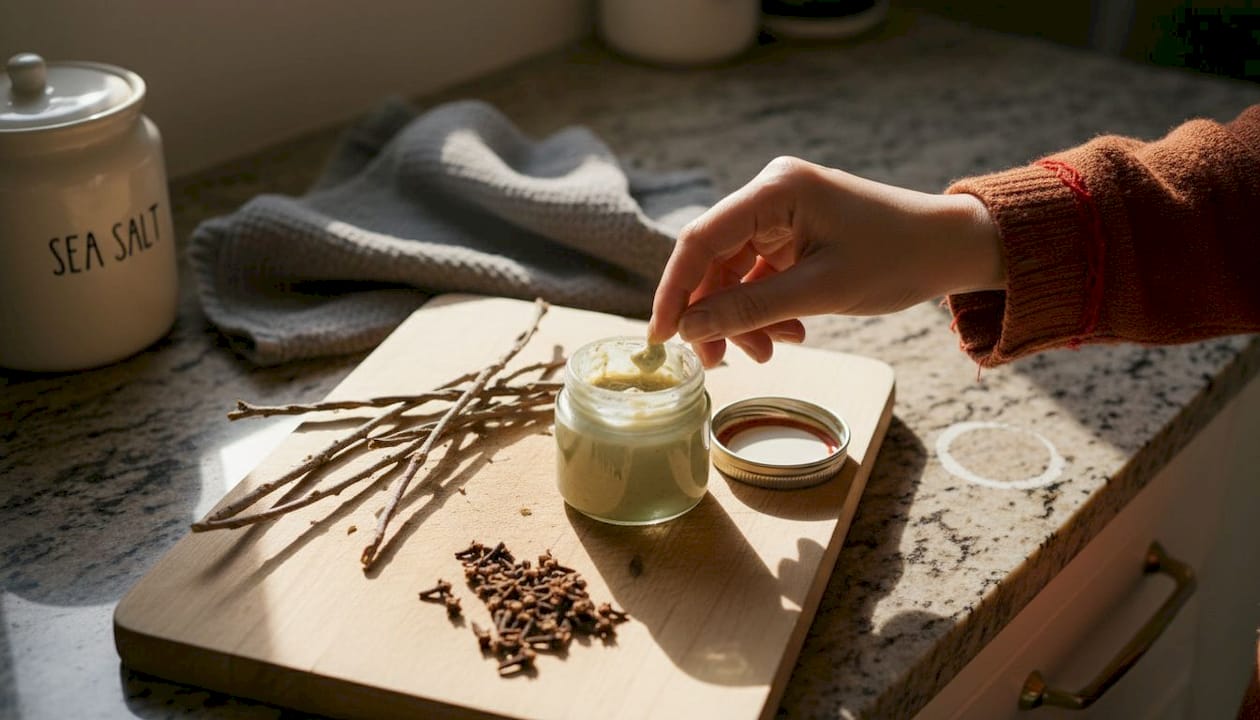
Neem and clove extracts contribute broad-spectrum antimicrobial effects. Eugenol, the primary active constituent of clove, inhibits a range of oral pathogens. Neem has demonstrated efficacy against periodontal bacteria in randomized controlled trials. These botanicals do not replace mechanical cleaning but meaningfully reduce pathogenic bacterial load.
Hemp oil contributes anti-inflammatory and antimicrobial properties relevant to gingival health. Hemp oil benefits include reduction of gingival inflammation and improved plaque control, with cannabinoids interacting with tissue receptors involved in the inflammatory response.
Dead Sea minerals, including magnesium chloride, potassium, and calcium salts, contribute to pH stabilization and surface remineralization. Their presence in oral care formulations supports microbial balance and tissue resilience.
| Ingredient | Primary mechanism | Clinical benefit |
|---|---|---|
| Xylitol | Disrupts S. mutans metabolism | Caries reduction, biofilm control |
| Hydroxyapatite | Enamel microrepair | Remineralization, sensitivity relief |
| Neem extract | Broad-spectrum antimicrobial | Plaque and periodontal control |
| Clove (eugenol) | Pathogen inhibition | Antimicrobial, analgesic |
| Hemp oil | Anti-inflammatory via cannabinoid receptors | Gingival health, plaque reduction |
| Dead Sea minerals | pH stabilization, ionic remineralization | Enamel balance, microbial control |
The sequence in which these ingredients contribute to a complete oral care routine matters:
- Brushing with a hydroxyapatite and xylitol formulation addresses biofilm disruption and remineralization simultaneously.
- Rinsing with a hemp or botanical mouthwash reduces residual pathogenic bacteria and supports gingival tissue.
- Applying a Dead Sea mineral oral spray or gel stabilizes pH between meals.
Pro Tip: Review the oral care ingredients guide for concentration thresholds and synergy data across these compounds before selecting a formulation. Ingredient interactions matter as much as individual efficacy profiles.
For those interested in how botanical compounds specifically enhance fluoride-free formulations, the science on botanicals in fluoride-free toothpaste provides further mechanistic detail.
Comparing plant-based and conventional oral hygiene
Objective comparison between fluoride-based and plant-based oral hygiene requires stratifying outcomes by clinical endpoint rather than applying a single superiority judgment.
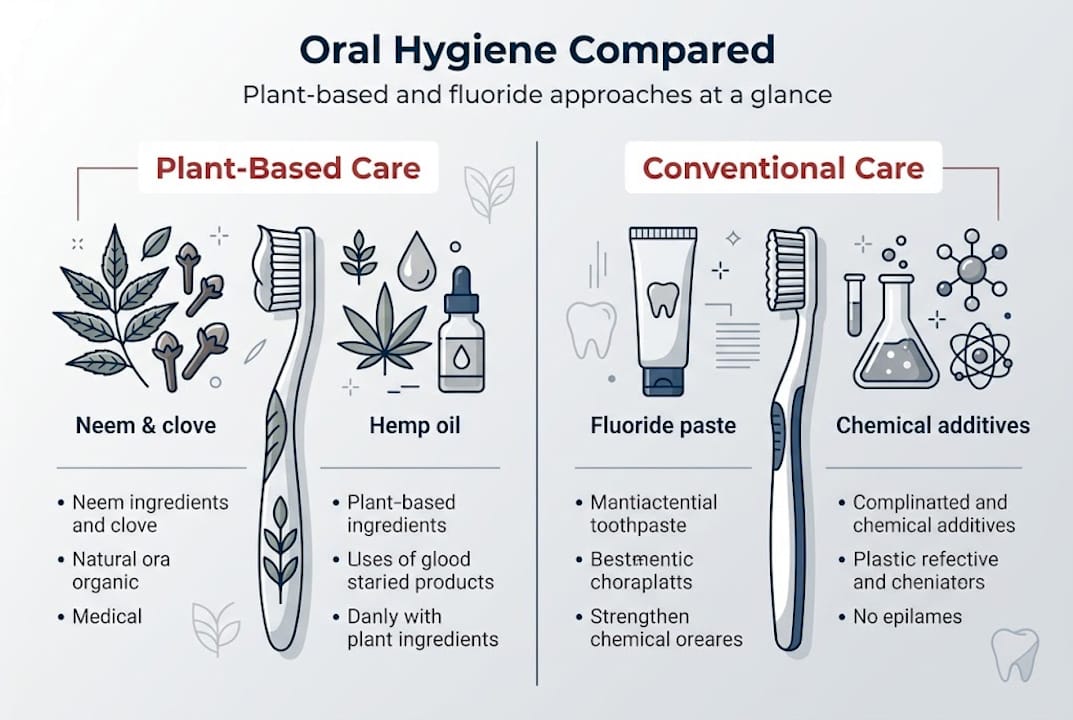
Caries prevention remains the strongest domain for fluoride. Fluoride-based pastes reduce caries by 55 to 70 percent, compared to 25 to 40 percent for fluoride-free plant-based alternatives, based on available randomized controlled trials and meta-analyses. For patients with active decay, high mutans streptococci counts, or compromised saliva flow, fluoride retains a meaningful clinical advantage.
Plaque and gingivitis outcomes present a more competitive picture. Multiple short-term clinical trials demonstrate that herbal pastes containing neem, clove, or tea tree extracts sometimes outperform fluoride-containing products in plaque index and gingival bleeding scores. The marketing versus evidence gap is significant, however: meta-reviews note that product marketing frequently overstates the gentleness or comprehensive superiority of plant-based formulations, and study quality varies considerably.
| Clinical endpoint | Fluoride-based products | Plant-based products |
|---|---|---|
| Caries reduction | 55 to 70% (meta-analytic average) | 25 to 40% (fluoride-free RCT data) |
| Plaque index improvement | Moderate to strong | Comparable to superior (herbal) |
| Gingivitis reduction | Moderate | Comparable to superior (herbal) |
| Enamel remineralization | Strong (fluoride ions) | Strong (hydroxyapatite at 10%+) |
| SLS/additive exposure | Higher | Lower |
| Suitability for high-risk | First-line recommendation | Not sufficient as sole therapy |
Key considerations for practical decision-making:
- Plant-based products are appropriate as primary care for low-caries-risk adults with consistent brushing habits
- High-caries-risk individuals, children with active decay, and patients with compromised dentition should not substitute fluoride without explicit clinician guidance
- Mechanical technique, brushing duration, and frequency remain outcome determinants for both categories
- Ingredient quality and concentration standards in plant-based products vary more widely than in regulated fluoride formulations
Statistic callout: Herbal toothpastes have demonstrated plaque reduction comparable or superior to fluoride products in short-term clinical trials, but study heterogeneity limits the strength of this conclusion. Reviewing benefits of choosing plant-based dental care provides context for interpreting this evidence in individual patient scenarios.
Who should use plant-based oral care—and how to do it safely
Clinical candidacy for plant-based oral care is not universal. Evidence supports its use most strongly in specific patient profiles, and safety depends on both product selection and monitoring practices.
Ideal candidates include adults and teenagers with a documented low caries risk, consistent twice-daily brushing, adequate saliva production, and access to regular professional dental care. Individuals who are vegan, have SLS sensitivity, or experience mucosal reactions to synthetic preservatives represent strong candidates for plant-based formulations. Plant-based regimes are best suited for those who combine proper brushing technique with regular dental checkups, as professional monitoring offsets the reduced caries protection compared to fluoride.
Contraindications and cautions apply to patients with active carious lesions, hyposalivation (dry mouth from medication or systemic disease), orthodontic appliances, or a history of frequent decay. For these individuals, plant-based products may supplement but should not replace fluoride-based therapy without explicit clinician direction.
A structured approach to safe use:
- Verify the RDA of any plant-based toothpaste before adoption. Products with an RDA below 150 are classified as safe for daily use; values above this threshold carry erosion risk.
- Confirm the presence of a clinically active compound (xylitol, hydroxyapatite, or verified herbal extract concentration) rather than accepting marketing claims at face value.
- Establish a baseline dental appointment before transitioning, then follow up at three to six months to assess plaque control and enamel integrity.
- Pair daily plant-based brushing with professional cleaning at recommended intervals.
- Monitor for early demineralization signs (white spot lesions, increased sensitivity) and report to a dental clinician promptly.
Pro Tip: Incorporating Dead Sea minerals oral care into a routine alongside a hydroxyapatite paste provides complementary remineralization support and pH stabilization, particularly useful between meals when salivary buffering is reduced.
For a thorough review of how Dead Sea minerals function in fluoride-free regimens, the clinical overview at natural fluoride-free Dead Sea care offers evidence-based context for product integration.
Our take: When plant-based oral care works—and when to be cautious
A clinically honest assessment of plant-based oral hygiene does not position it as a universal replacement for fluoride. Rather, it represents a scientifically supported alternative within a defined patient population. The evidence is sufficiently robust to support plant-based pastes as a safe alternative for low-caries-risk adults who maintain dental visits, provided product selection is rigorous.
The risk of oversimplification exists on both sides of this discussion. Dismissing plant-based care as ineffective ignores credible randomized trial data on xylitol, hydroxyapatite, and herbal extracts. Conversely, accepting marketing claims that plant-based products are universally superior or sufficient for all patients is equally unsupported. The data on caries prevention clearly indicates a gap that patients and clinicians must respect.
Dead Sea minerals and hemp oil contribute meaningful anti-inflammatory and antimicrobial properties, particularly for gingival health. These are not peripheral benefits. Chronic low-grade gingival inflammation is a risk factor for systemic conditions, and ingredients that demonstrably reduce this response carry genuine clinical value. However, these benefits operate most effectively within a structured routine that includes proper brushing, professional scaling, and individualized risk assessment. Reading debunking natural dental care myths supports more informed, evidence-grounded decision-making for patients navigating this space.
Discover natural oral care options designed for your needs
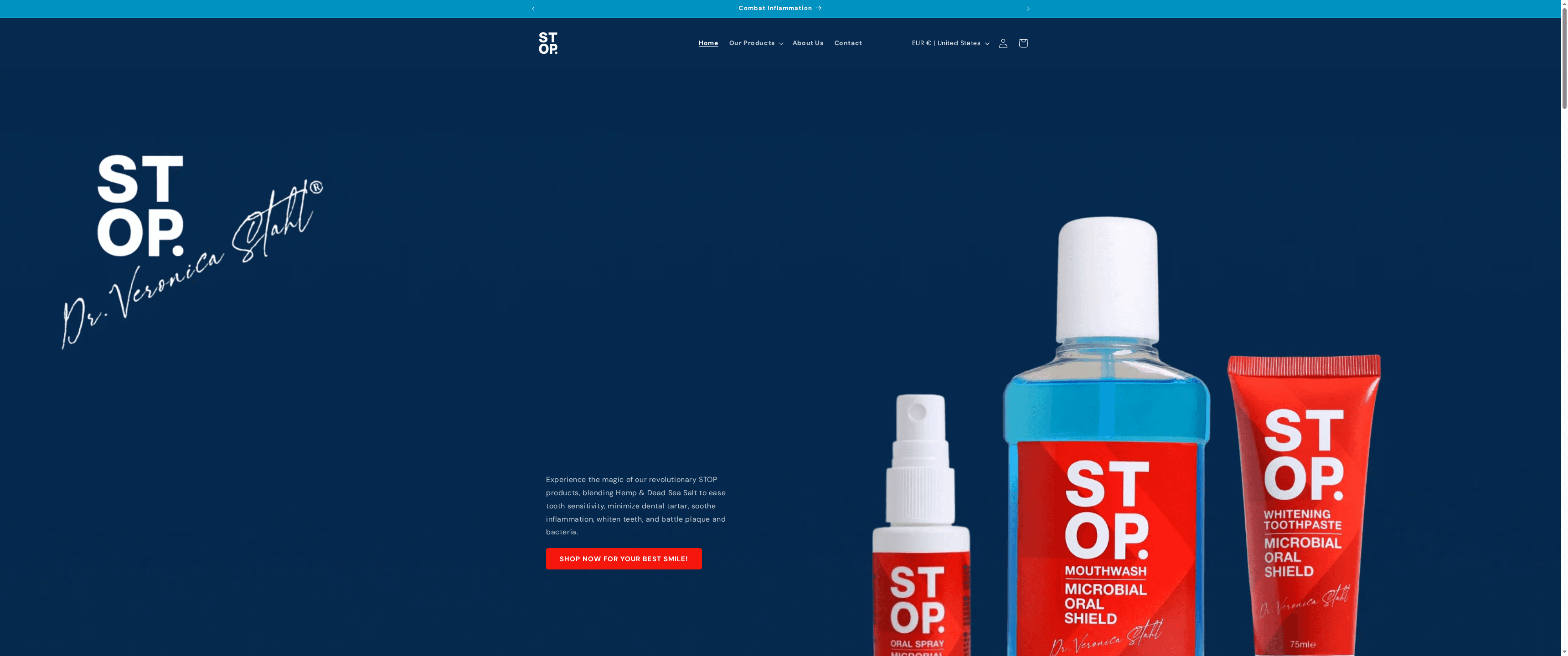
For those seeking formulated, evidence-informed alternatives to conventional oral hygiene products, Stop Oral Care offers a curated line of fluoride-free products developed with hemp oil, Dead Sea minerals, and standardized botanical extracts. Each formulation is designed to address specific clinical needs, including plaque control, gingival support, and enamel remineralization, without synthetic preservatives or fluoride compounds.
If you are considering transitioning to a plant-based oral care regimen or supplementing your current routine, reviewing more about plant-based oral products provides additional clinical context and product-specific guidance. The Stop Oral Care catalog supports individual customization based on risk profile, ingredient preference, and treatment goals.
Frequently asked questions
Does plant-based oral hygiene really prevent cavities?
Plant-based oral hygiene reduces cavity risk meaningfully for low-risk individuals and improves gingival outcomes, but fluoride achieves 55 to 70% caries reduction compared to 25 to 40 percent for fluoride-free plant-based products, making fluoride the preferred option in high-risk cases.
Are Dead Sea minerals safe and effective for teeth?
Dead Sea minerals are safe for oral use and demonstrate promising remineralizing effects and antimicrobial activity comparable to some conventional antibacterial agents, supporting enamel integrity and microbial balance.
Is plant-based toothpaste suitable for kids?
Most plant-based toothpastes are appropriate for older children under supervised use, but plant-based is best for low-risk users, and parents should consult a dentist for young children or those with elevated cavity risk.
Can I switch to plant-based oral care if I have sensitive teeth?
Formulations containing hydroxyapatite can physically repair enamel micro-lesions and reduce sensitivity, though hydroxyapatite remineralizes enamel outcomes vary by individual, making dental consultation advisable before switching.
What is the best way to use plant-based toothpaste for optimal effect?
Brush twice daily for two minutes using proper technique, pair brushing with dental visits at recommended intervals, and monitor enamel health to ensure the regimen provides sufficient protection for your individual risk profile.