

Most people assume fluoride is the only ingredient that delivers real oral health results. Yet emerging research reveals that botanical extracts in fluoride-free toothpaste can match, and sometimes surpass, conventional formulas in fighting plaque, strengthening enamel, and soothing gums. This guide breaks down the science behind botanical toothpaste, showing you exactly how plant-based ingredients protect your teeth and gums while avoiding synthetic chemicals.
Table of Contents
- Understanding Botanicals’ Antimicrobial And Anti-Inflammatory Effects
- Botanical Ingredients That Promote Enamel Remineralization And Reduce Sensitivity
- Comparing Herbal Toothpaste With Conventional Fluoride Products
- Selecting And Using Botanical Toothpaste For Your Oral Care Routine
- Explore Natural Oral Care Solutions With Stop Oral Care
- Frequently Asked Questions
Key takeaways
| Point | Details |
|---|---|
| Antimicrobial power | Botanicals inhibit harmful oral bacteria like Streptococcus mutans and reduce plaque formation as effectively as chlorhexidine. |
| Enamel support | Hydroxyapatite and botanical extracts remineralize enamel by filling micro-cracks and hardening tooth surfaces. |
| Gum health boost | Natural ingredients deliver anti-inflammatory and antioxidant benefits that reduce gingivitis and bleeding. |
| Fewer side effects | Herbal formulations cause less irritation and staining compared to fluoride or chemical antiseptics, improving compliance. |
| Sensitivity relief | Clinical studies show herbal toothpaste significantly lowers dentinal hypersensitivity scores in regular users. |
Understanding botanicals’ antimicrobial and anti-inflammatory effects
Your mouth harbors over 700 bacterial species, and not all of them are friendly. The primary culprit behind cavities is Streptococcus mutans, which converts sugars into acids that erode enamel. Herbal alternatives demonstrate antimicrobial action against these cariogenic biofilms while delivering anti-inflammatory benefits that conventional toothpastes often lack.
Botanical ingredients work through multiple mechanisms. Neem extracts contain azadirachtin and nimbin, compounds that disrupt bacterial cell walls and prevent biofilm adhesion. Green tea polyphenols, particularly epigallocatechin gallate, inhibit bacterial enzymes responsible for acid production. Propolis, a resinous substance collected by bees, contains flavonoids that stop bacterial growth and reduce inflammation markers in gum tissue.
Natural products like neem, green tea, aloe vera, and propolis reduce gingival inflammation and plaque indices comparably to conventional agents. In one systematic review, herbal dentifrices matched chlorhexidine’s performance in lowering plaque scores while causing significantly fewer side effects like tooth staining or altered taste perception. Aloe vera gel soothes irritated gums through its polysaccharide content, which accelerates wound healing and reduces prostaglandin production.
The practical benefits extend beyond laboratory results:
- Reduced bleeding during brushing and flossing
- Lower bacterial counts in saliva samples after two weeks of use
- Decreased gingival redness and swelling in users with mild periodontitis
- Better tolerance among people sensitive to sodium lauryl sulfate or triclosan
“The antimicrobial efficacy of botanical extracts rivals synthetic agents without the associated risks of microbial resistance or tissue irritation.”
For people dealing with recurring gum inflammation, integrating botanical toothpaste with a natural mouthwash for gum disease creates a comprehensive defense system. The synergy between different plant compounds amplifies their individual effects, attacking bacterial colonies from multiple angles while supporting tissue repair.
Botanical ingredients that promote enamel remineralization and reduce sensitivity
Enamel, the hardest substance in your body, still suffers from microscopic damage every day. Acids from food, bacteria, and stomach reflux create tiny fissures that weaken teeth over time. While fluoride promotes remineralization by forming fluorapatite crystals, botanical toothpastes use alternative strategies that many users find equally effective.
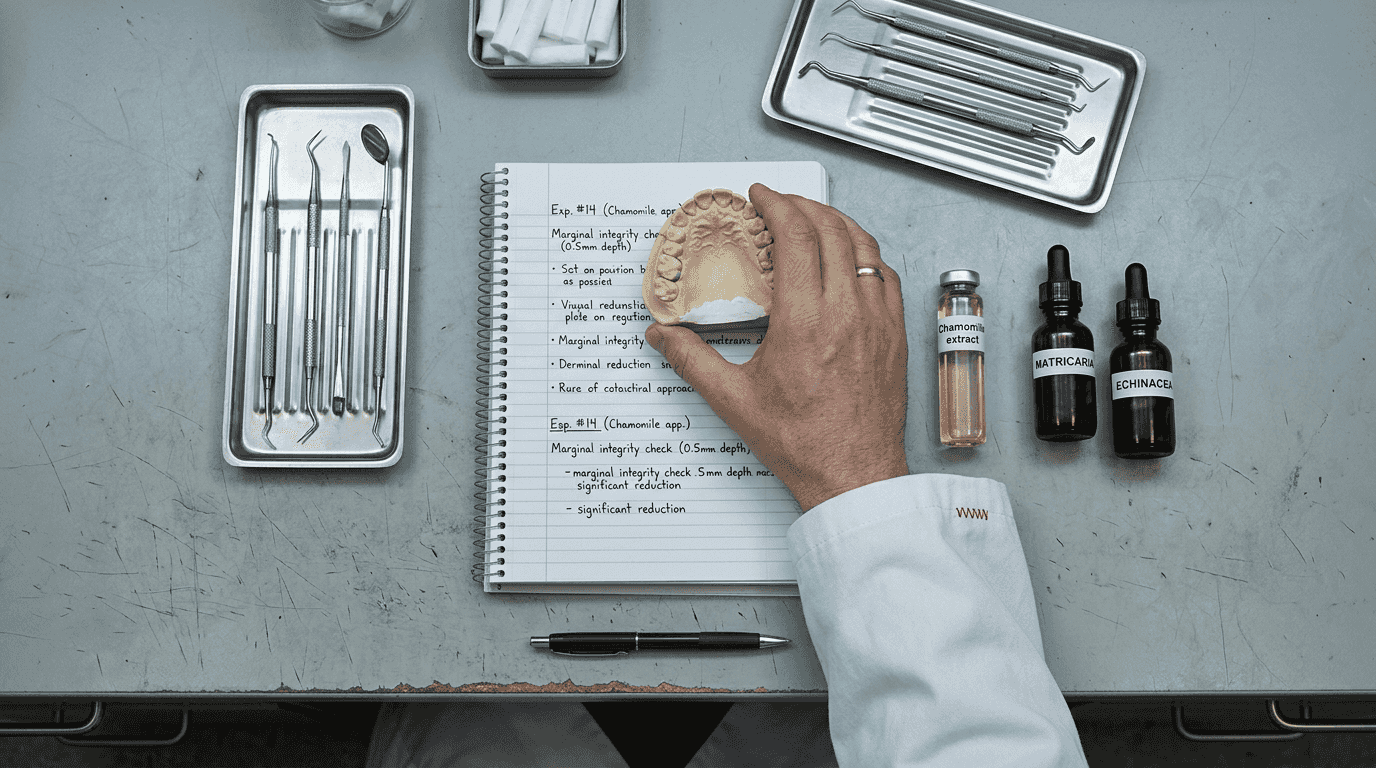
Hydroxyapatite remineralizes enamel by integrating with tooth structure and filling micro-cracks. This calcium phosphate compound is chemically identical to the mineral that makes up 97% of your enamel. When applied topically, nano-sized hydroxyapatite particles penetrate deeper into enamel pores than conventional fluoride ions, binding to damaged areas and forming a protective layer.
The remineralization process happens in stages:
- Hydroxyapatite particles attach to demineralized enamel surfaces
- Calcium and phosphate ions diffuse into subsurface lesions
- Crystal growth restores structural integrity over 4-6 weeks
- Continued use maintains mineral density and reduces porosity
Beyond hydroxyapatite, botanical extracts contribute to enamel health through indirect pathways. Chamomile contains bisabolol and chamazulene, anti-inflammatory compounds that reduce gum swelling and prevent bacterial acids from reaching tooth surfaces. Tea tree oil’s terpinen-4-ol component fights plaque accumulation, limiting the acidic environment that causes demineralization.
| Botanical | Primary Benefit | Typical Concentration |
|---|---|---|
| Hydroxyapatite | Enamel repair and strengthening | 5-10% |
| Chamomile | Anti-inflammatory, soothes gums | 0.5-2% |
| Tea tree oil | Antimicrobial, reduces plaque | 0.3-1% |
| Xylitol | Inhibits bacterial adhesion | 10-25% |
Herbal dentifrices reduce dentinal hypersensitivity significantly in clinical studies. Sensitivity occurs when enamel wears thin or gums recede, exposing dentin tubules that connect to nerve endings. Botanical toothpastes address this by occluding tubules with mineral deposits and reducing nerve reactivity through natural analgesics. Users report less pain when consuming cold drinks or breathing cold air after four weeks of consistent use.
Pro Tip: Apply botanical toothpaste directly to sensitive areas and leave it on for 2-3 minutes before brushing. This extended contact time allows hydroxyapatite and botanical actives to penetrate deeper into exposed dentin.
For comprehensive enamel protection, explore remineralizing toothpaste without fluoride options that combine multiple mineral sources. Pairing botanical ingredients with proper brushing technique and dietary calcium maximizes your toothpaste for enamel repair efforts.
Comparing herbal toothpaste with conventional fluoride products
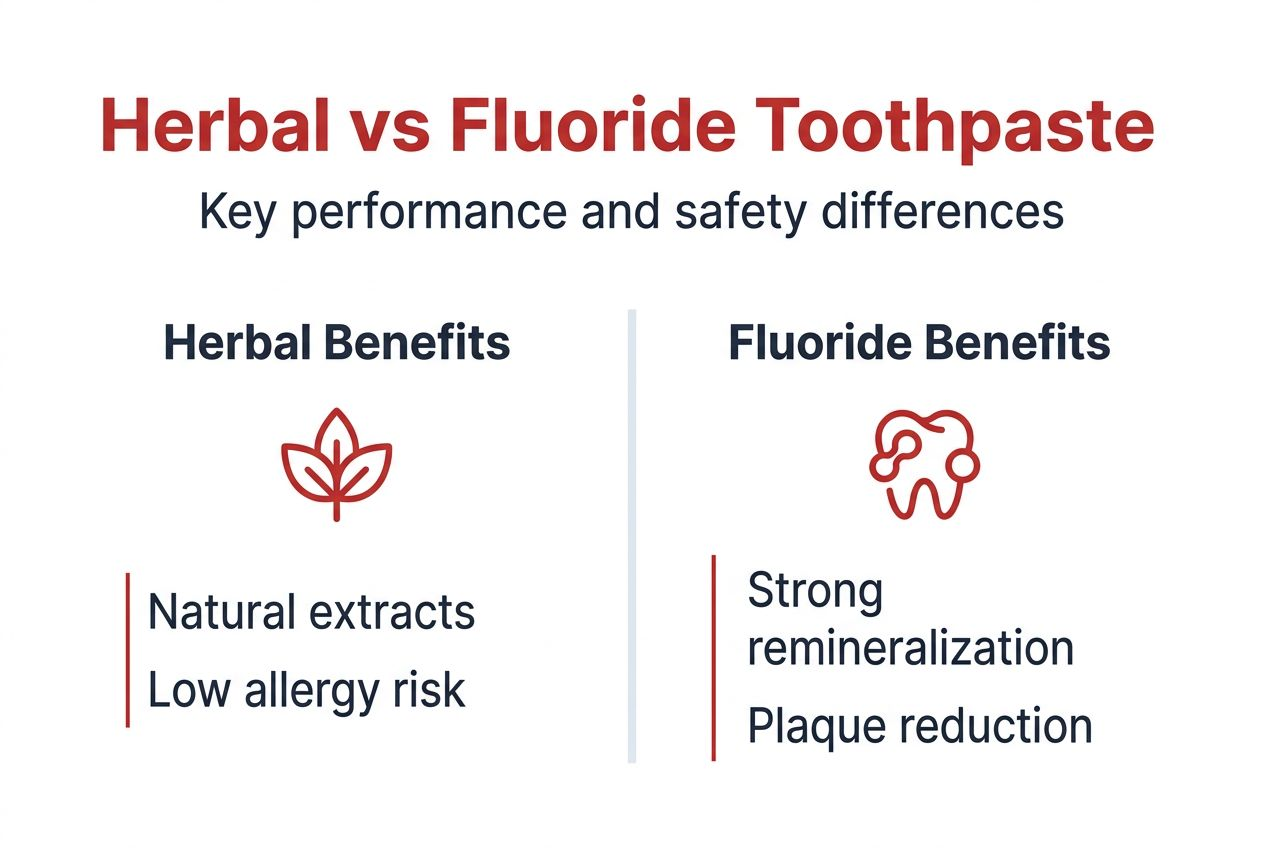
The debate between herbal and fluoride toothpaste centers on efficacy, safety, and user experience. Recent systematic reviews provide concrete data that challenges assumptions about conventional products being superior. Natural products demonstrated comparable effectiveness to chlorhexidine and fluoride with fewer side effects, shifting how dentists view botanical alternatives.
In head-to-head trials measuring plaque index and gingival bleeding, herbal toothpastes performed within 5-10% of fluoride formulas after 12 weeks. The key difference emerged in tolerability. Conventional products containing fluoride, sodium lauryl sulfate, and triclosan caused mouth ulcers, taste alterations, and mucosal sloughing in 15-20% of users. Herbal formulations dropped that figure to under 5%, meaning fewer people abandoned their oral care routine due to discomfort.
| Factor | Herbal Toothpaste | Fluoride Toothpaste |
|---|---|---|
| Plaque reduction | 40-45% after 3 months | 45-50% after 3 months |
| Gingivitis improvement | 35-40% reduction in bleeding | 40-45% reduction in bleeding |
| Side effects incidence | 3-5% of users | 15-20% of users |
| Abrasivity (RDA) | 30-60 (low to medium) | 60-120 (medium to high) |
| Compliance rate | 85-90% | 70-75% |
Propolis toothpaste significantly reduced periodontal pocket depth compared to placebo in patients undergoing supportive periodontal therapy. This finding matters because periodontal pockets harbor anaerobic bacteria that standard brushing cannot reach. The antimicrobial and tissue-healing properties of propolis penetrate deeper into sulcular spaces, addressing infection at its source.
Fluoride-free herbal formulations also show advantages in abrasivity profiles. Lower relative dentin abrasivity scores mean gentler cleaning that preserves enamel thickness over decades of use. This becomes critical for people with thin enamel, exposed root surfaces, or restorations that scratch easily.
Key performance indicators where botanicals excel:
- Reduced mucosal irritation and canker sore formation
- No risk of dental fluorosis in children who swallow toothpaste
- Better taste acceptance among users sensitive to mint or artificial sweeteners
- Lower environmental impact from biodegradable plant extracts
Pro Tip: Check product labels for standardized botanical extracts with guaranteed potency percentages. Generic “herbal blend” listings without specific concentrations may underdeliver on promised benefits.
The compliance advantage cannot be overstated. When people actually enjoy using their toothpaste and experience no negative side effects, they brush more consistently and for the recommended two minutes. This behavioral factor often outweighs small differences in chemical efficacy. Understanding plant-infused toothpaste benefits helps you make informed choices aligned with your health priorities.
Selecting and using botanical toothpaste for your oral care routine
Choosing the right botanical toothpaste requires more than scanning the front label for buzzwords like “natural” or “herbal.” You need to evaluate ingredient quality, concentration levels, and your personal sensitivity profile. Consumers should be aware of potential allergens in botanical ingredients and check ingredient lists carefully, especially if you have known plant allergies.
Start by identifying which oral health concerns you want to address. People with sensitive teeth should prioritize formulas containing hydroxyapatite and potassium nitrate alongside soothing botanicals like chamomile. Those dealing with gum inflammation benefit most from neem, propolis, and aloe vera combinations. If cavity prevention tops your list, look for xylitol, green tea extract, and calcium phosphate compounds.
Follow these steps to select quality botanical toothpaste:
- Verify standardized extracts with listed percentages rather than proprietary blends
- Confirm clinical testing or peer-reviewed studies supporting efficacy claims
- Check for third-party certifications like USDA Organic or NSF International
- Avoid products with artificial colors, flavors, or sodium lauryl sulfate
- Read user reviews focusing on tolerability and long-term results
- Compare prices per ounce to ensure you’re getting value for premium ingredients
Ingredient red flags to watch for:
- Undisclosed “natural flavors” that may contain allergens
- Abrasive agents like silica or calcium carbonate exceeding 80 RDA
- Preservatives such as parabens or methylisothiazolinone
- Synthetic dyes listed as FD&C or D&C colors
Once you’ve selected a botanical toothpaste, integrate it properly into your routine for maximum benefit. Brush twice daily for two minutes, using gentle circular motions on all tooth surfaces. Don’t rinse immediately after brushing. Let the botanical actives and minerals sit on your teeth for 30-60 seconds before spitting out excess. This contact time allows deeper penetration and sustained antimicrobial action.
Pro Tip: If you have sensitive gums or known plant allergies, perform a patch test by applying a small amount of toothpaste to your inner lip for 24 hours before full use. Discontinue if you notice tingling, swelling, or rash.
Consistency matters more than any single ingredient. Even the most effective botanical formula requires 4-6 weeks of daily use to show measurable improvements in plaque scores, gingival health, and sensitivity. Combine your botanical toothpaste with proper flossing, tongue scraping, and periodic professional cleanings for comprehensive oral care. Learn the complete natural oral care routine steps to maximize your results and maintain long-term dental health.
Explore natural oral care solutions with Stop Oral Care
Ready to experience the botanical difference in your daily oral care? Stop Oral Care offers a curated range of natural fluoride-free oral care products that combine time-tested botanical wisdom with modern scientific formulation. Their hemp and Dead Sea mineral-infused toothpastes deliver the antimicrobial, anti-inflammatory, and enamel-strengthening benefits discussed throughout this guide.
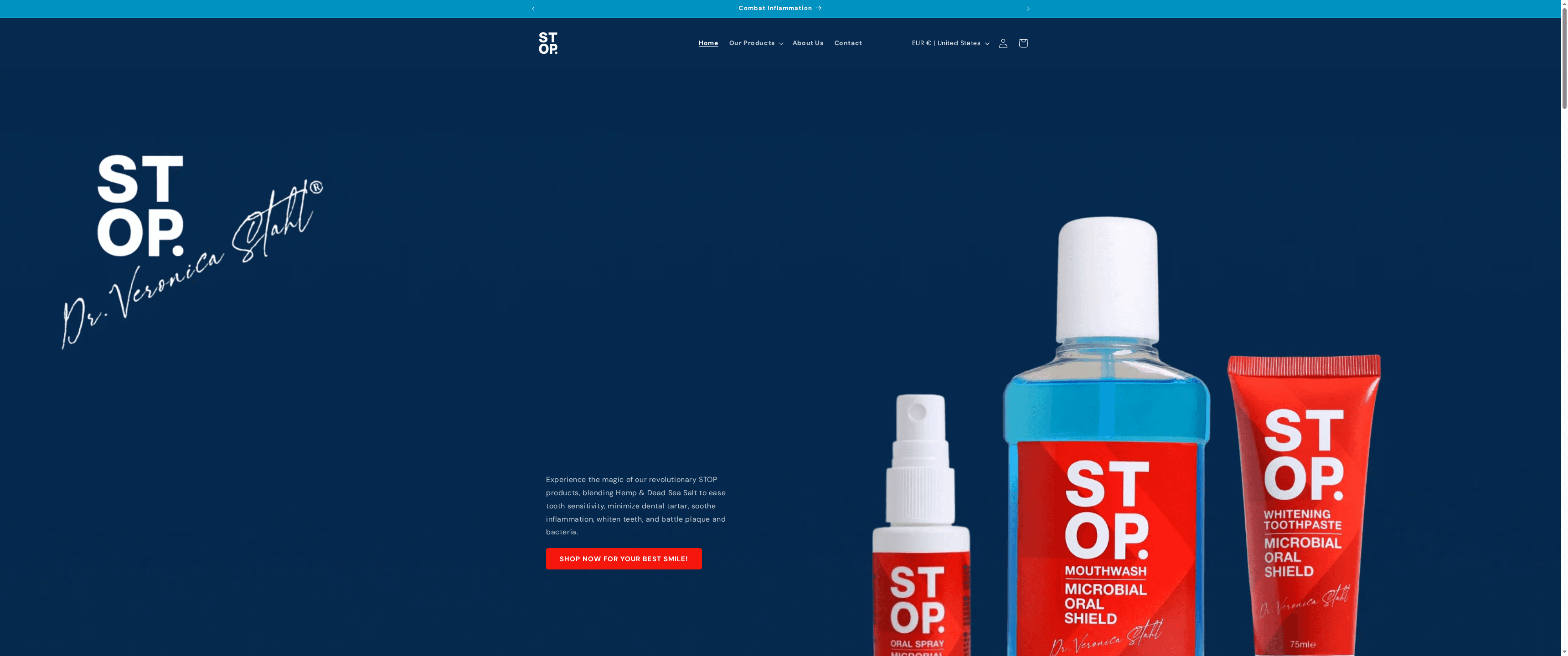
Each product is formulated by Dr. Veronica Stahl, whose expertise in natural dentistry ensures you get clinically effective concentrations of active botanicals without unnecessary additives. Whether you’re dealing with sensitive teeth, gum inflammation, or simply want to avoid synthetic chemicals, their product line addresses your specific needs. Explore their comprehensive guide to remineralizing toothpaste and discover why dentists are increasingly recommending plant-infused toothpaste formulas for their most health-conscious patients.
Frequently asked questions
What botanicals are most effective in toothpaste?
Neem, green tea, aloe vera, propolis, chamomile, tea tree oil, clove, and babul demonstrate the strongest antimicrobial and anti-inflammatory properties in peer-reviewed studies. Effectiveness depends on concentration levels and formulation quality, with standardized extracts delivering more consistent results than generic herbal blends.
Is botanical toothpaste as effective as fluoride toothpaste?
Research shows certain botanical toothpastes match fluoride in reducing plaque and gingivitis over 12-week periods, with some studies reporting near-identical outcomes. Long-term cavity prevention data remains limited compared to fluoride’s extensive research history, though emerging studies on hydroxyapatite show promising remineralization results.
Are there any side effects or allergy risks with botanical toothpaste?
Some botanicals may trigger allergic reactions in sensitive individuals, particularly propolis, tea tree oil, and chamomile. Always check ingredient lists if you have known plant allergies. Herbal formulations typically cause fewer side effects than conventional products, with under 5% of users reporting irritation compared to 15-20% with fluoride-based options.
Can botanical toothpaste help with sensitive teeth?
Clinical trials confirm that herbal toothpastes containing hydroxyapatite and specific botanical extracts significantly reduce dentinal hypersensitivity scores. Regular users report less pain when exposed to cold, air, and tactile stimuli after four to six weeks of consistent twice-daily application.
How should I incorporate botanical toothpaste into my oral care routine?
Use botanical toothpaste consistently as part of twice-daily brushing for at least two minutes per session. Combine with daily flossing and natural mouthwash for optimal results. Monitor for any irritation or allergic reactions during the first week and consult your dentist if sensitivity persists. Follow these natural oral care routine steps to build a comprehensive system that supports long-term dental health.
Recommended
- Is Fluoride Free Toothpaste Effective: A Complete Guide to Benefits, R – Stop Oral Care
- Guide to Toothpaste Types: The Rise of Plant-Infused Options – Stop Oral Care
- Benefits of Botanical Dental Products for Oral Health – Stop Oral Care
- Best Natural Toothpaste Without Fluoride: Top 5 Picks for a Cleaner Sm – Stop Oral Care