

Finding safe and effective alternatives to traditional toothpaste can feel overwhelming, especially for those with sensitive gums. More than 60 percent of European adults report gum sensitivity, yet most american products still rely on fluoride and artificial ingredients. This guide brings you the science and the latest natural solutions, helping you choose fluoride-free strategies developed for health-conscious people in France and Germany who want real results—not empty promises.
Table of Contents
- 1. Start With A Gentle, Natural Toothpaste
- 2. Brush Properly Without Fluoride
- 3. Incorporate Mineral-Rich Mouthwash
- 4. Try Hemp-Based Oral Sprays For Freshness
- 5. Use Soft-Bristled, Eco-Friendly Brushes
- 6. Clean Between Teeth With Natural Floss
- 7. Balance Your Diet For Optimal Oral Health
Quick Summary
| Key Insight | Explanation |
|---|---|
| 1. Choose Natural Toothpaste | Select a gentle, natural toothpaste to protect teeth without harsh chemicals. Look for organic ingredients and avoid artificial additives. |
| 2. Master Proper Brushing Technique | Use a soft-bristled brush at a 45-degree angle and brush for two minutes to maintain dental hygiene effectively. |
| 3. Use Mineral-Rich Mouthwash | Opt for a mineral mouthwash to strengthen enamel and support remineralization, avoiding harsh chemicals and alcohol. |
| 4. Incorporate Hemp-Based Oral Sprays | Explore hemp-based oral sprays for natural breath freshening and potential anti-inflammatory benefits without synthetic ingredients. |
| 5. Maintain a Balanced Diet | Prioritize calcium-rich foods and minimize sugar intake to support oral health and the resilience of teeth and gums. |
1. Start with a Gentle, Natural Toothpaste
Choosing a gentle, natural toothpaste is the foundational step in creating an effective oral care routine that supports long-term dental health. Natural toothpastes offer a holistic approach to cleaning and protecting your teeth without relying on harsh synthetic chemicals.
Traditional toothpastes often contain artificial ingredients that can disrupt the delicate balance of oral microbiome. In contrast, natural toothpaste formulations leverage plant-based extracts like neem, clove, and peppermint that provide powerful antibacterial and anti-inflammatory benefits.
These botanical ingredients work synergistically to combat harmful bacteria while promoting gum health. Neem, for instance, has centuries of traditional use in oral hygiene, offering potent antimicrobial properties that help prevent plaque formation. Green tea and aloe vera extracts further contribute antioxidant protection, reducing inflammation and supporting overall oral wellness.
When selecting a natural toothpaste, look for products that exclude fluoride, synthetic preservatives, and artificial colors. Prioritize formulations with organic, sustainably sourced ingredients that are gentle on sensitive oral tissues. Pay attention to the ingredient list and choose products that clearly communicate their botanical composition.
Key Considerations for Natural Toothpaste Selection: • Organic plant-based extracts • No artificial chemicals • Biodegradable packaging • Cruelty-free manufacturing
Pro tip: Transition gradually to natural toothpaste by mixing it with your current toothpaste, allowing your mouth to adjust to the new formula and botanical ingredients.
2. Brush Properly Without Fluoride
Mastering proper brushing technique is crucial for maintaining oral health, especially when using fluoride-free toothpaste. Your brushing method can significantly impact dental hygiene more than the specific toothpaste you choose.
Precise brushing involves more than just moving a toothbrush around your mouth. Oral hygiene techniques recommend using a soft-bristled brush at a 45-degree angle to your gums, employing gentle circular motions that effectively clean all tooth surfaces.
The duration of brushing matters as much as technique. Aim for a full two minutes during each brushing session, carefully covering every tooth surface including hard-to-reach back molars. Pay special attention to areas where plaque tends to accumulate, such as along the gumline and between teeth.
Optimal Brushing Technique Steps: • Use a soft-bristled toothbrush • Hold brush at 45-degree angle to gums • Use gentle circular motions • Brush for full two minutes • Clean all tooth surfaces thoroughly
Important Considerations: When using fluoride-free toothpaste, avoid rinsing immediately after brushing. This allows any protective ingredients like hydroxyapatite to remain in contact with tooth enamel, maximizing their potential protective benefits.
Pro tip: Invest in an electric toothbrush with a built-in timer to ensure you consistently brush for the recommended two minutes and maintain proper technique.
3. Incorporate Mineral-Rich Mouthwash
Choosing a mineral-rich mouthwash is a strategic approach to enhancing oral health beyond traditional brushing and flossing. These specialized rinses provide targeted nutritional support for your teeth and gums.
Mineral-based mouthwashes work by delivering essential nutrients directly to tooth surfaces, helping to strengthen enamel and prevent demineralization. Mineral delivery mechanisms involve topical application of minerals that can rebuild and protect tooth structure at a microscopic level.
While traditional mouthwashes often contain harsh chemicals, mineral-rich alternatives focus on natural ingredients that support oral microbiome balance. Ingredients like calcium, phosphorus, and trace minerals from sources such as Dead Sea salts can help remineralize tooth enamel and reduce sensitivity.
Key Benefits of Mineral-Rich Mouthwash: • Strengthens tooth enamel • Supports natural remineralization • Reduces oral sensitivity • Promotes balanced oral microbiome • Provides gentle antiseptic protection
When selecting a mineral mouthwash, prioritize products with transparent ingredient lists that highlight natural mineral sources. Look for rinses that avoid alcohol and artificial preservatives while offering a comprehensive approach to oral health.
Pro tip: Swish mineral mouthwash for at least 30 seconds and avoid eating or drinking for 15 minutes afterward to maximize mineral absorption and protective benefits.
4. Try Hemp-Based Oral Sprays for Freshness
Hemp-based oral sprays represent an innovative approach to natural breath management and oral health support. These specialized sprays leverage the potential therapeutic properties of hemp to provide a refreshing and potentially beneficial oral care experience.
Research suggests that cannabis-derived oral products may offer moderate improvements in managing oral inflammation and discomfort. Hemp oral sprays typically contain cannabidiol (CBD) and other natural compounds that could help reduce bacterial growth and support overall oral wellness.
Unlike traditional breath fresheners that mask odors with artificial chemicals, hemp-based sprays aim to address the root causes of bad breath. The natural antimicrobial properties of hemp can help neutralize odor-causing bacteria while potentially providing anti-inflammatory benefits to gum tissues.
Key Advantages of Hemp-Based Oral Sprays: • Natural breath freshening • Potential anti-inflammatory properties • Chemical-free formula • Supports oral microbiome balance • Convenient on-the-go solution
When selecting a hemp-based oral spray, prioritize products with transparent ingredient lists and third-party testing. Look for formulations that combine hemp extracts with other beneficial natural ingredients like essential oils or mineral complexes.
Pro tip: Store your hemp oral spray in a cool dark place and check the expiration date to maintain maximum potency and effectiveness.
5. Use Soft-Bristled, Eco-Friendly Brushes
Your toothbrush is more than a cleaning tool it is a critical component of your oral health strategy and environmental responsibility. Selecting the right brush can significantly impact both your dental hygiene and ecological footprint.
Eco-friendly dental tools represent a growing movement towards sustainable personal care. Soft-bristled brushes crafted from biodegradable materials offer a gentle approach to oral cleaning while minimizing environmental impact. These innovative designs prove that effective dental care and environmental consciousness can coexist seamlessly.
Soft bristles are scientifically recommended to protect tooth enamel and gum tissues. Unlike medium or hard bristles that can cause microscopic damage, soft bristles effectively remove plaque without abrading your teeth or irritating sensitive gum surfaces. The small brush head allows precise cleaning of hard to reach areas, ensuring comprehensive oral hygiene.
Key Features of Eco-Friendly Toothbrushes: • Biodegradable handle materials • Soft bristles for gentle cleaning • Reduced plastic waste • Sustainable manufacturing processes • Comparable cleaning effectiveness
When choosing an eco-friendly toothbrush, examine the materials carefully. Look for handles made from bamboo, recycled plastics, or other sustainable resources. Verify that the bristles are designed to be gentle yet effective in plaque removal.
Pro tip: Replace your toothbrush every three to four months or sooner if bristles become frayed to maintain optimal cleaning performance and oral hygiene.
6. Clean Between Teeth with Natural Floss
Flossing represents a critical yet often overlooked step in maintaining comprehensive oral hygiene. Natural floss offers an environmentally conscious method to remove plaque and food debris from areas your toothbrush cannot reach.
Dental floss is a medical device designed to clean the tight spaces between teeth where bacteria and food particles accumulate. Natural floss variants crafted from organic cotton or plant fibers provide an eco friendly alternative to traditional synthetic options.
By removing microscopic food particles and bacterial biofilms from between teeth, natural floss helps prevent tooth decay and gum inflammation. The gentle yet effective cleaning action disrupts potential infection sites and supports overall oral microbiome balance.
Key Benefits of Natural Floss: • Biodegradable materials • Chemical free composition • Reduces bacterial buildup • Supports gum health • Environmentally sustainable
When selecting natural floss, prioritize products made from organic cotton, silk, or plant based materials. Look for options coated with natural waxes to improve glide and comfort during use.
Pro tip: Floss before brushing to loosen debris and allow your toothpaste to reach previously blocked tooth surfaces more effectively.
7. Balance Your Diet for Optimal Oral Health
Your diet plays a pivotal role in maintaining healthy teeth and gums, serving as the foundation for long term oral wellness. What you consume directly impacts the strength, resilience, and overall health of your oral tissues.
Nutrition fundamentally supports oral health by providing essential nutrients that promote tissue repair, immune function, and protection against bacterial invasion. Certain foods can either strengthen or compromise your oral microbiome, making dietary choices critical for preventing dental diseases.
Vitamins and minerals serve as building blocks for strong teeth and healthy gum tissues. Specifically, vitamins A, C, and D along with calcium and phosphorus work synergistically to maintain tooth enamel integrity, support bone density, and enhance the body’s natural healing mechanisms.
Strategic Dietary Recommendations: • Consume calcium rich foods • Include vitamin D sources • Minimize added sugars • Prioritize whole foods • Stay hydrated with water • Eat antioxidant rich produce • Choose lean proteins
Reducing sugar intake is particularly crucial since added sugars create an acidic environment that promotes bacterial growth and accelerates tooth decay. Instead, focus on nutrient dense whole foods that support systemic and oral health.
Pro tip: Incorporate raw, crunchy vegetables like carrots and celery into your diet to naturally clean teeth and stimulate saliva production.
Below is a comprehensive table summarizing the key steps and considerations for optimizing oral health through natural products and practices as discussed in the article.
| Topic | Description | Key Considerations |
|---|---|---|
| Natural Toothpaste | Gentle toothpaste formulated with botanical ingredients like neem and peppermint, excluding synthetic chemicals. | Select organic and sustainably sourced options; confirm absence of fluoride and preservatives. |
| Proper Brushing Technique | Employ soft-bristled brushes with circular motions at a 45-degree angle for comprehensive cleaning of all tooth surfaces. | Brush twice daily for two minutes; avoid rinsing immediately after using fluoride-free toothpaste to maximize ingredient effects. |
| Mineral-Rich Mouthwash | Mouthwash that delivers minerals like calcium and phosphorus directly to teeth to strengthen enamel and promote microbiome balance. | Use alcohol-free options and swish for at least 30 seconds, refraining from eating or drinking afterward for optimal mineral absorption. |
| Hemp-Based Oral Sprays | Breath fresheners leveraging hemp extracts for anti-inflammatory and antimicrobial effects. | Choose tested products with transparent ingredients, incorporating essential oils and storing appropriately to maintain efficacy. |
| Eco-Friendly Brushes | Toothbrushes made from biodegradable materials like bamboo with soft bristles to protect tooth enamel and gum tissues. | Replace every three to four months, ensuring sustainable practices in manufacturing. |
| Natural Floss | Biodegradable floss crafted from organic materials, providing chemical-free plaque removal. | Use natural wax-coated variants and floss before brushing for effective cleaning of tight spaces. |
| Balanced Diet | Nutrition supporting oral health through vitamins A, C, D, calcium, and phosphorus, and minimizing sugar consumption. | Include antioxidant-rich vegetables, hydrate with water, and prioritize whole foods for systemic health. |
Discover a Truly Natural Oral Care Solution Today
If you are looking for a way to embrace the 7 Essential Steps for a Natural Oral Care Routine while avoiding harsh chemicals and fluoride, the challenge is real. Many people struggle with finding products that are gentle yet effective and that truly support long-term oral health. You want toothpaste, mouthwash, and oral sprays formulated with natural ingredients like hemp and Dead Sea minerals that promote healing and fresh breath without compromising safety.
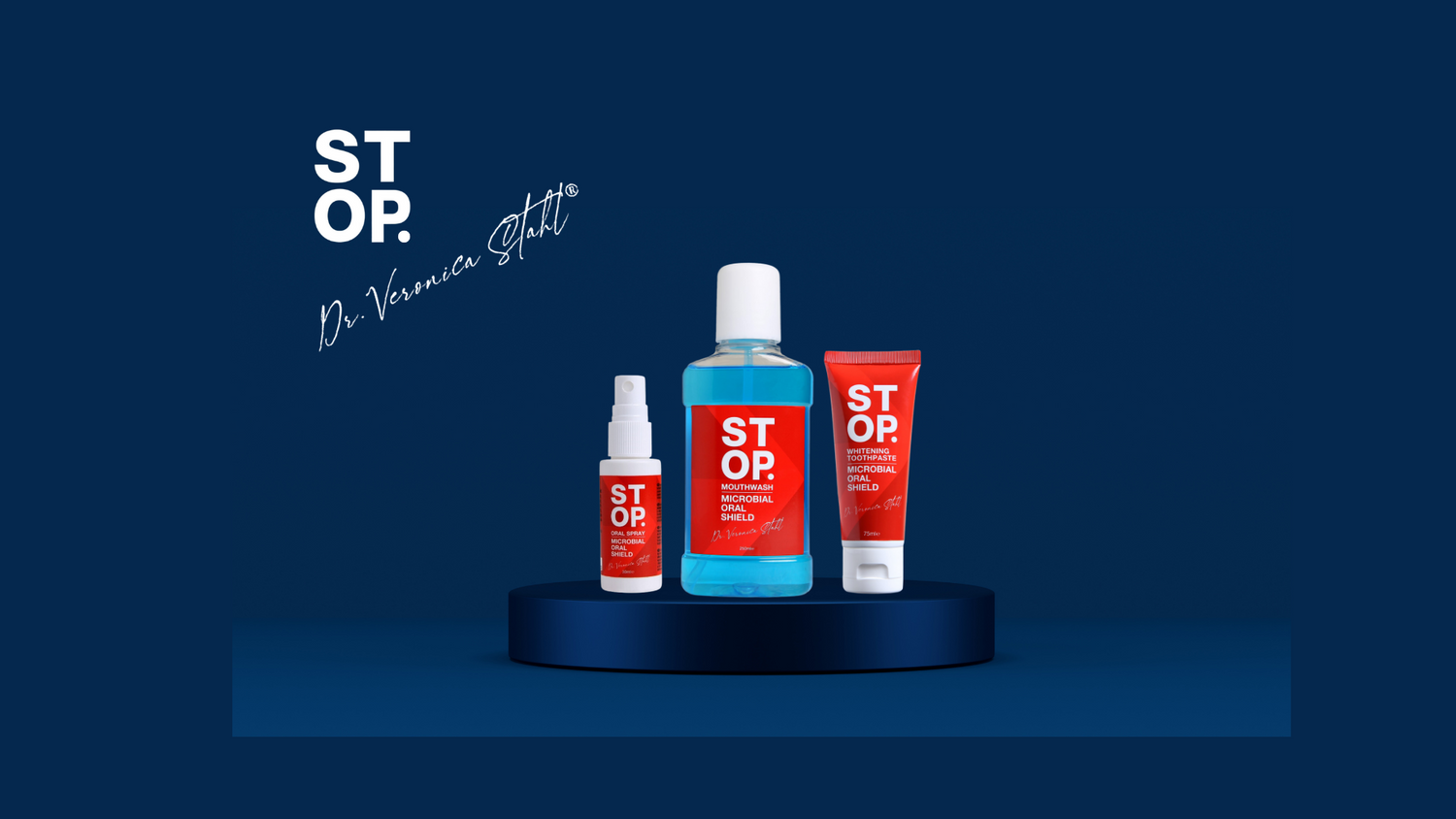
STOP Oral Care offers a revolutionary collection designed specifically to meet those needs. Backed by scientific research and crafted under the guidance of Dr. Veronica Stahl, this line prioritizes fluoride-free, mineral-rich, and hemp-infused formulas. These products are created to complement your brushing technique and natural oral care practices, helping to strengthen enamel, balance your oral microbiome, and reduce sensitivity.

Take control of your oral health by exploring the innovative options available at STOP Oral Care. Browse the complete selection on the Home Page and experience the benefits of a natural, scientifically supported approach that can transform your daily routine. Don’t wait to give your smile the care it deserves with products that work in harmony with your body and the environment.
Frequently Asked Questions
What are the essential steps for a natural oral care routine?
Start with selecting a gentle, natural toothpaste, and master proper brushing techniques without fluoride. Incorporate a mineral-rich mouthwash, try hemp-based oral sprays for freshness, use soft-bristled eco-friendly brushes, clean between teeth with natural floss, and balance your diet for optimal oral health.
How can I transition to a natural toothpaste effectively?
Gradually transition by mixing your current toothpaste with natural toothpaste to help your mouth adjust to the new formula. Aim to fully switch within a couple of weeks, allowing time for your taste and oral microbiome to adapt.
What brushing technique should I use with fluoride-free toothpaste?
Use a soft-bristled toothbrush angled at 45 degrees to your gums and brush gently in circular motions. Spend a full two minutes brushing, ensuring you cover all tooth surfaces, especially the areas where plaque accumulates.
Why is a mineral-rich mouthwash important in my routine?
A mineral-rich mouthwash helps strengthen tooth enamel and promotes natural remineralization. Swish the mouthwash for at least 30 seconds and avoid eating or drinking for 15 minutes afterwards to maximize its benefits.
What are the benefits of using natural floss over traditional floss?
Natural floss is biodegradable and chemical-free, providing an eco-friendly option to effectively remove plaque and debris from between your teeth. Use it daily to enhance your oral hygiene and contribute to a healthier, sustainable environment.
How can my diet influence my oral health?
A balanced diet rich in vitamins and minerals supports the integrity of your teeth and gums. Focus on including calcium-rich foods, minimizing added sugars, and drinking plenty of water to maintain oral health and overall well-being.