

Finding genuinely gentle oral care can feel overwhelming, especially when more than 60 percent of American adults report tooth sensitivity at some point. People in Belgium and Germany who want fluoride-free solutions face similar challenges. Carefully choosing products and daily habits supports natural healing and long-lasting comfort. This guide shares clear steps for assessing your current oral hygiene, selecting natural alternatives, and building an effective routine that fits your lifestyle and sensitivity needs.
Table of Contents
- Step 1: Assess Your Current Oral Care Routine
- Step 2: Select Natural Products For Daily Use
- Step 3: Introduce Effective Brushing And Flossing Techniques
- Step 4: Incorporate Supportive Oral Habits And Lifestyle Changes
- Step 5: Monitor Progress And Adjust Your Routine
Quick Summary
| Key Point | Explanation |
|---|---|
| 1. Assess Your Oral Care Routine | Track your daily dental habits for a week to identify areas needing improvement and ensure effective care practices. |
| 2. Choose Natural Oral Health Products | Opt for dental products with natural ingredients that support oral health, such as fluoride-free toothpastes and eco-friendly toothbrushes. |
| 3. Master Brushing and Flossing Techniques | Use correct brushing angles and flossing methods to effectively clean teeth and gums without damaging them. |
| 4. Incorporate Healthy Lifestyle Practices | Maintain a balanced diet, stay hydrated, and manage stress to promote overall oral health in addition to your care routine. |
| 5. Regularly Monitor Your Progress | Keep a journal of your oral health journey, noting improvements and scheduling professional evaluations to adapt your routine as needed. |
Step 1: Assess your current oral care routine
Building a natural oral health routine starts with understanding your existing habits. Knowing exactly how you currently care for your teeth provides a critical foundation for improvement. Dental health experts recommend systematically evaluating your brushing technique, frequency, and overall approach to oral hygiene.
To effectively assess your routine, track your daily oral care practices for one week. Document key details such as brushing duration, how often you clean between teeth, type of toothbrush and toothpaste used, and your typical daily schedule. Pay attention to areas where your current routine might fall short. Are you consistently brushing twice daily for two full minutes? Do you floss or use interdental cleaners regularly? Do you rush through your oral care or give it consistent attention?
Consider scheduling a professional dental consultation to get personalized insights. Professional dental assessment can reveal specific areas for improvement tailored to your individual oral health needs, helping you develop a more effective natural care strategy.
Pro tip: Keep a simple journal or digital note tracking your oral care habits to identify patterns and potential areas for natural improvement.
Step 2: Select natural products for daily use
Choosing the right natural oral care products is essential for maintaining a holistic approach to dental health. Natural dental care options require careful consideration of ingredients, effectiveness, and your specific oral health needs. Start by examining the composition of your current oral care products and identifying harsh chemicals or synthetic additives you want to eliminate.
When selecting natural oral hygiene products, focus on ingredients that support oral health without compromising effectiveness. Look for toothpastes with plant-based ingredients, fluoride-free options with mineral compounds, soft-bristled toothbrushes made from sustainable materials, and mouthwashes containing therapeutic botanical extracts. Prioritize products that help reduce plaque, strengthen enamel, and support gum health while avoiding artificial preservatives and aggressive chemicals.
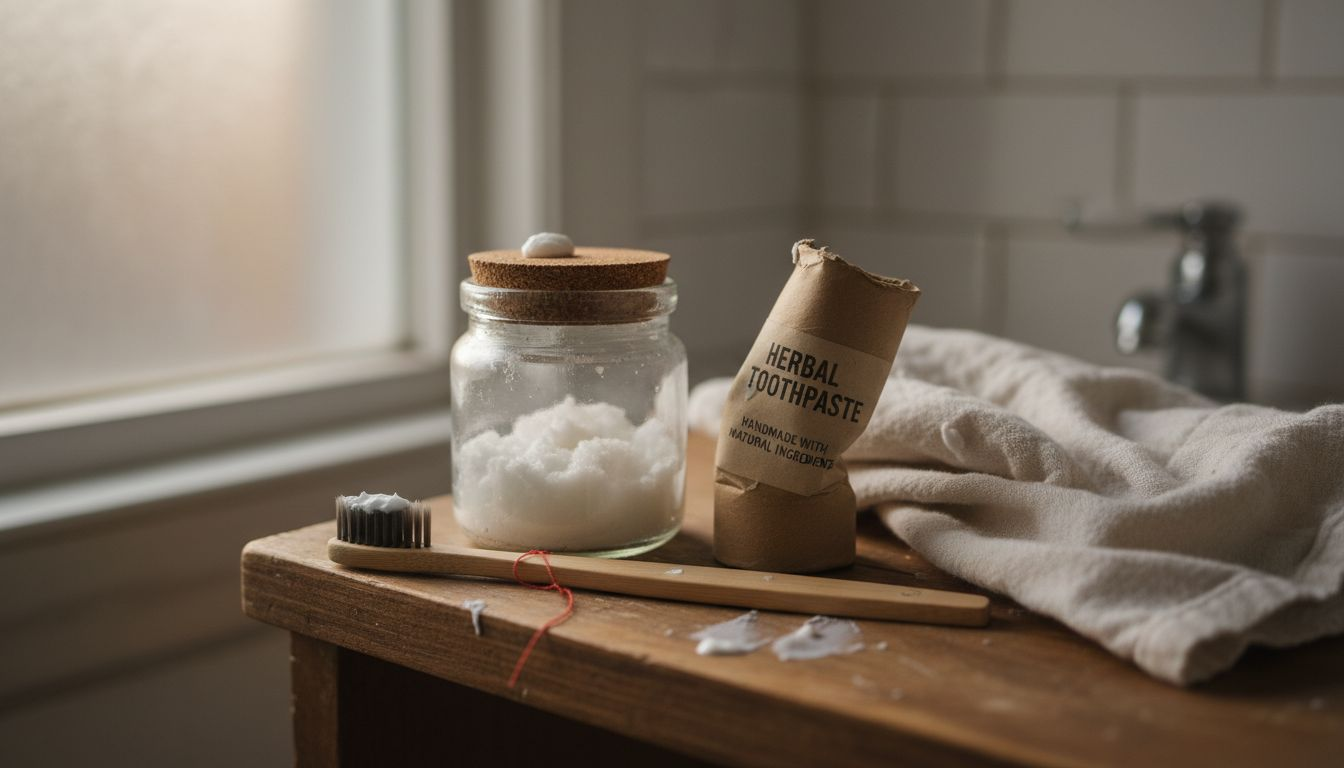
Consider your individual oral health requirements when making selections. Some people might need specialized formulations for sensitivity, while others might focus on natural whitening or gum protection. Research brands that transparently list their ingredients and provide scientific backing for their natural product claims.
Pro tip: Test new natural products gradually and observe how your mouth responds, allowing your oral microbiome time to adjust to more gentle, botanical-based formulations.
Here’s a summary of natural oral care product types and their benefits:
| Product Type | Common Natural Ingredients | Key Benefit | Suitable For |
|---|---|---|---|
| Toothpaste | Aloe vera, baking soda, xylitol | Strengthens enamel | Daily cleaning |
| Toothbrush | Bamboo, recyclable materials | Gentle plaque removal | Sensitive teeth/gums |
| Mouthwash | Essential oils, herbal extracts | Freshens breath, supports gums | Gum health support |
| Floss/Interdental | Silk, plant fibers | Removes interdental debris | Tight spaces, eco-friendly |
Step 3: Introduce effective brushing and flossing techniques
Mastering proper oral hygiene requires understanding the nuanced techniques of brushing and flossing. Effective brushing methods involve more than just moving a toothbrush around your mouth. Position your toothbrush at a 45-degree angle to the gumline and use gentle circular motions that clean each tooth surface thoroughly. Aim to brush twice daily for two full minutes, ensuring you reach every tooth surface including the often forgotten back molars and inner tooth surfaces.
Flossing demands equal attention and precision. Proper flossing technique requires gently sliding the floss between teeth and curving it into a C-shape around each tooth. Move the floss up and down below the gumline to effectively dislodge trapped food particles and plaque that brushing cannot reach. The goal is to clean the sides of each tooth without causing damage to your gums by using aggressive motions.
Consistent practice is key to developing muscle memory for these techniques. Consider using an electric toothbrush with built-in timers to help you maintain the recommended two-minute brushing duration, and experiment with different flossing tools like traditional string floss, water flossers, or interdental brushes to find what works best for your individual oral anatomy.
Pro tip: Practice your brushing and flossing techniques in front of a mirror to visually confirm you are reaching all tooth surfaces and maintaining the correct angle and motion.
Below is a helpful comparison of oral hygiene tools for effective cleaning:
| Tool | Main Use | Advantages | Best For |
|---|---|---|---|
| Manual Toothbrush | Daily brushing | Affordable, widely available | Simple routines |
| Electric Toothbrush | Timed, thorough brushing | Consistent cleaning, easy to use | Those needing reminders |
| String Floss | Between teeth cleaning | Effective for tight spaces | Precise flossing |
| Water Flosser | Interdental cleaning with water | Gentle on gums, easy use | Braces or sensitive gums |
| Interdental Brush | Wider gap cleaning | Quick plaque removal | Bridges, gaps, orthodontics |
Step 4: Incorporate supportive oral habits and lifestyle changes
Transforming your oral health requires more than just brushing and flossing. Oral health recommendations encompass a holistic approach that integrates daily habits and lifestyle choices. Your diet, hydration, and overall wellness play crucial roles in maintaining a healthy mouth and preventing potential dental issues.
Start by evaluating your daily nutrition and consumption patterns. Minimize sugary and acidic foods that can erode tooth enamel, and increase your intake of calcium-rich foods, fresh vegetables, and water. Drinking fluoridated water and avoiding tobacco products are significant steps toward protecting your oral microbiome. Manage stress levels through techniques like meditation or regular exercise, as chronic stress can negatively impact your immune system and oral health.
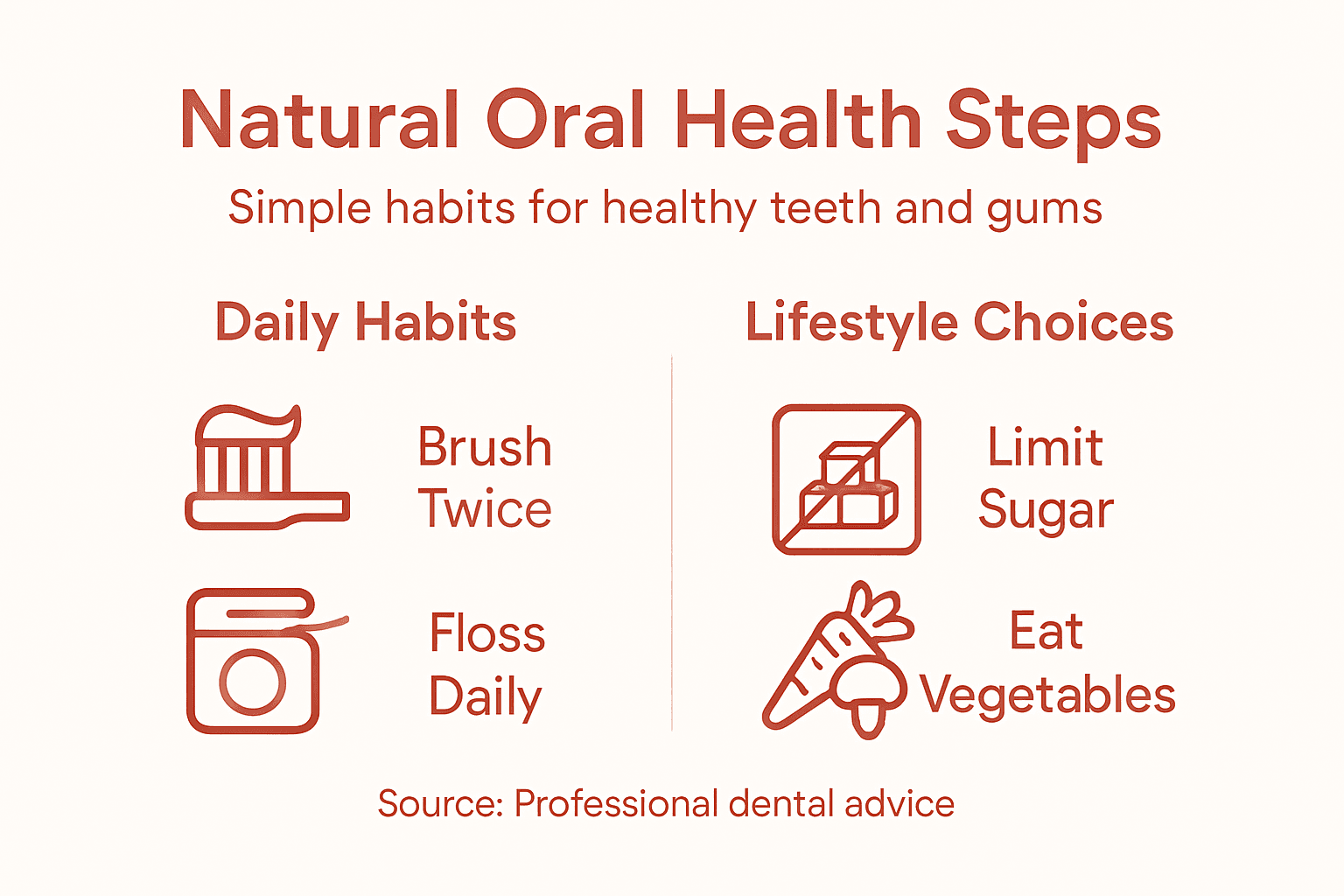
Make proactive healthcare a priority by scheduling regular dental check-ups and being transparent about your medical history with your dental professional. Lifestyle modifications from dental experts can provide personalized guidance tailored to your specific health needs. Consider tracking your oral care progress and adjusting your routine based on professional recommendations and your individual response to different strategies.
Pro tip: Keep a small journal documenting your oral health journey, noting changes in diet, lifestyle, and any improvements in your dental check-ups to maintain motivation and track progress.
Step 5: Monitor progress and adjust your routine
Tracking your oral health journey requires consistent evaluation and strategic adjustments. Oral health monitoring techniques help you understand how your new routine impacts your overall dental wellness. Start by establishing baseline measurements such as gum health, plaque levels, and any existing sensitivity or discomfort.
Create a structured system for tracking your oral care progress. Take periodic photographs of your teeth and gums to visually document changes, and maintain a digital or physical journal recording your daily oral care practices. Pay attention to subtle indicators like reduced tooth sensitivity, improved breath quality, or healthier gum appearance. Oral health tracking resources can help you systematically document your journey and identify areas requiring modifications.
Schedule regular professional dental evaluations every six months or as recommended by your dental professional. These checkups provide expert insights into the effectiveness of your natural oral care routine and allow for personalized guidance. Be open to adjusting your approach based on professional recommendations, understanding that oral health is a dynamic process requiring ongoing attention and adaptation.
Pro tip: Set calendar reminders for dental check-ups and create a simple spreadsheet to track your oral care routine consistency and any noticeable improvements.
Build a Truly Natural Oral Health Routine with STOP Oral Care
Struggling to find a natural oral care routine that is both effective and gentle on your teeth and gums is a common challenge. This article highlights the importance of choosing the right natural products and mastering proper brushing and flossing techniques to support lasting dental health. Many people also aim to eliminate harsh chemicals while maintaining strong enamel and healthy gums. If you want to overcome these pain points and embrace a science-backed, holistic approach, explore the innovative solutions in the STOP Oral Care – Stop Oral Care collection.

Discover how our fluoride-free dental care products, enriched with hemp and Dead Sea minerals, can transform your oral routine with natural healing power and proven safety. Stop rushing through your brushing and instead nourish your mouth with gentle, botanical-based formulas designed for sensitive teeth and gum support. Visit our Home Page – Stop Oral Care to learn more about how Dr. Veronica Stahl’s revolutionary line brings you closer to the healthiest smile possible. Act now by browsing https://stop-oralcare.com and take the first step toward a natural oral health routine that delivers real results.
Frequently Asked Questions
How can I assess my current oral care routine?
Start by tracking your oral care practices for one week. Document details such as brushing duration, frequency of flossing, and type of products used to identify areas for improvement.
What natural products should I use for oral care?
Choose natural oral care products that contain plant-based ingredients and avoid harsh chemicals. Look for items like fluoride-free toothpaste, soft-bristled toothbrushes, and mouthwashes with therapeutic extracts to enhance your oral health.
How do I master proper brushing and flossing techniques?
Position your toothbrush at a 45-degree angle to the gumline and use gentle circular motions for effective brushing. For flossing, slide the floss between teeth in a C-shape to clean below the gumline, ensuring you do this gently to avoid damaging your gums.
What lifestyle changes can support my oral health?
Incorporate healthy habits like eating a balanced diet, staying hydrated, and managing stress. Aim to consume more calcium-rich foods and minimize sugary or acidic snacks to promote strong teeth and gums.
How can I monitor my oral health progress?
Establish a system for tracking your oral care journey by taking photos of your teeth over time and maintaining a journal of your daily practices. Schedule regular dental check-ups to gain insights into your progress and make necessary adjustments to your routine.
Recommended
- 7 Essential Oral Hygiene Tips for Families Seeking Natural Care – Stop Oral Care
- How to Remove Plaque Naturally from Teeth: A Step-by-Step Guide – Stop Oral Care
- How to Get Rid of Plaque Naturally: A Practical Step-by-Step Guide – Stop Oral Care
- 7 Essential Steps for Your Dental Care Checklist – Stop Oral Care
- How to Create a Supplement Schedule for Optimal Results – Nutribliss Inc.