

Finding effective oral care that avoids harsh chemicals can feel challenging, especially for those in the UK and Germany managing gum sensitivity. Natural, fluoride-free solutions are gaining attention as more people look for gentle, scientifically-validated alternatives. With plant-based oral products harnessing the power of botanicals like neem, clove, and turmeric, you have access to multi-action benefits that support oral health while avoiding the irritation of synthetic ingredients.
Table of Contents
- What Are Plant-Based Oral Products?
- Types of Plant-Based Oral Care Solutions
- Key Benefits of Plant-Derived Ingredients
- Common Misconceptions and Scientific Evidence
- Safety and Efficacy Compared to Conventional Brands
- Fluoride-Free Alternatives: Hemp and Dead Sea Minerals
Key Takeaways
| Point | Details |
|---|---|
| Plant-Based Oral Products | These products utilize botanicals to support oral health through multiple biological mechanisms including antimicrobial, anti-inflammatory, and antioxidant effects. |
| Targeted Solutions for Sensitivity | Plant-based formulations are gentler on the gums, making them valuable for individuals with gum sensitivity compared to conventional chemical products. |
| Quality and Efficacy | Not all plant-based products are created equal; consumers should choose reputable brands with verified ingredient concentrations for optimal benefits. |
| Fluoride-Free Alternatives | Hemp and Dead Sea minerals provide viable fluoride-free options that deliver effective remineralization and support oral health without systemic absorption concerns. |
What Are Plant-Based Oral Products?
Plant-based oral products derive their formulations from botanicals—plants or plant parts that possess medicinal or therapeutic properties recognized for supporting oral health. Unlike synthetic alternatives, these products leverage bioactive compounds naturally present in plant materials to address dental concerns ranging from gum sensitivity to plaque formation. The ingredients found in plant-based formulations work through multiple biological mechanisms, including antibacterial action, anti-inflammatory effects, and antioxidant protection that target the underlying causes of common oral health issues.
The preparation of plant-based oral products involves several established methods that preserve the therapeutic value of botanical materials. These include:
- Fresh or dried plant materials harvested and formulated directly into topical applications
- Tinctures and extracts created through specialized extraction processes that concentrate bioactive compounds
- Isolated chemical compounds derived from plants and incorporated into formulations for targeted efficacy
- Infused formulas combining multiple botanical sources to create synergistic health benefits
These preparation techniques ensure that the plant compounds retain their potency and deliver measurable effects on oral tissues. The bioavailability of botanical compounds in oral products allows for direct contact with gums, teeth, and oral pathogens, maximizing therapeutic potential compared to systemic administration.
How Plant-Based Products Support Oral Health
Scientific evidence indicates that plant-based oral products contribute to oral health through multiple pathways. Products containing botanical ingredients support stronger gums and teeth while simultaneously reducing dental plaque accumulation and suppressing oral pathogens that contribute to disease. The antimicrobial properties of certain botanicals create an environment less favorable for pathogenic bacteria, while anti-inflammatory components reduce tissue irritation and bleeding associated with gum sensitivity.
Research demonstrates that plant-based dietary patterns are associated with reduced risk of periodontal disease and oral cancers, establishing the systemic benefits of botanical compounds. When integrated into targeted oral care products, these same botanicals address local oral conditions through direct application, concentration, and repeated exposure to affected tissues.
Plant-based oral products are particularly valuable for individuals experiencing gum sensitivity because botanical compounds typically exhibit gentler action compared to conventional chemical formulations. The natural composition reduces the likelihood of adverse tissue reactions while still delivering proven therapeutic effects. Additionally, those seeking plant-infused oral care solutions increasingly recognize that botanical ingredients offer a scientifically-supported alternative to fluoride-based products, particularly for managing sensitivity concerns.

Key Distinction: Plant-Based Versus Botanical Oral Care
While the terms plant-based and botanical are often used interchangeably in oral care marketing, they reflect slightly different emphasis. Plant-based oral products specifically reference the source material, whereas botanical oral products emphasize the therapeutic properties derived from those plant sources. Both categories represent products formulated with natural plant compounds rather than synthetic chemicals, though botanical products place greater emphasis on the specific medicinal properties of individual plant ingredients.
Understanding this distinction helps consumers make informed selections when choosing oral care products. A product labeled as plant-based may simply contain plant-derived ingredients without necessarily emphasizing their therapeutic mechanisms, while a botanical oral product explicitly highlights how specific plant compounds address oral health concerns through established mechanisms.
Plant-based oral products work through multiple biological pathways including antimicrobial action, anti-inflammatory effects, and antioxidant protection rather than relying on a single active ingredient.
Pro tip: When evaluating plant-based oral products, examine the ingredient list for specific botanical sources documented in scientific literature, as this indicates formulations backed by established research rather than marketing claims alone.
Types of Plant-Based Oral Care Solutions
Plant-based oral care encompasses a diverse range of products formulated to address specific oral health needs through natural botanical ingredients. The market now offers multiple categories beyond traditional toothpaste, each designed to target different aspects of oral hygiene and health. Understanding the distinctions between these product types helps you select solutions that align with your individual oral health concerns, whether managing gum sensitivity, reducing plaque buildup, or addressing bad breath.
The primary categories of plant-based oral care solutions include:
- Herbal dentifrices (toothpastes formulated with botanical compounds instead of synthetic abrasives)
- Plant-based mouthwashes containing essential oils and botanical extracts for antimicrobial action
- Oil pulling solutions derived from coconut, sesame, or other plant oils for mechanical plaque removal
- Natural toothpaste formulations substitute synthetic fluoride with plant-derived minerals and bioactive compounds
- Oral sprays and rinses featuring concentrated botanical extracts for targeted gum support
- Herbal gels and pastes combining multiple botanical sources for specialized applications
Each product type serves a distinct function within a comprehensive oral care routine. Some products focus on plaque management, others on gum inflammation reduction, and certain formulations address sensitivity directly through botanical compounds known to reduce nerve activity associated with pain transmission.
Core Botanical Ingredients Across Product Types
Regardless of product category, plant-based oral solutions rely on a consistent set of botanically-derived active compounds proven through traditional use and modern research. Common ingredients include neem, recognized for its powerful antimicrobial properties; clove, valued for its anesthetic and anti-inflammatory effects; turmeric, offering both antimicrobial and antioxidant benefits; and ginger, supporting gum health through anti-inflammatory mechanisms. These ingredients appear across different product formats because their therapeutic properties remain consistent whether formulated into pastes, liquids, or concentrated extracts.
Beyond these traditional botanicals, modern plant-based oral products incorporate plant proteins, essential oils, and bioactive extracts that substitute for synthetic and animal-derived components found in conventional products. This approach addresses environmental sustainability concerns while maintaining or improving efficacy compared to traditional formulations. Many individuals with gum sensitivity benefit from mouthwash formulations specifically designed with botanical ingredients that reduce irritation while supporting healing.
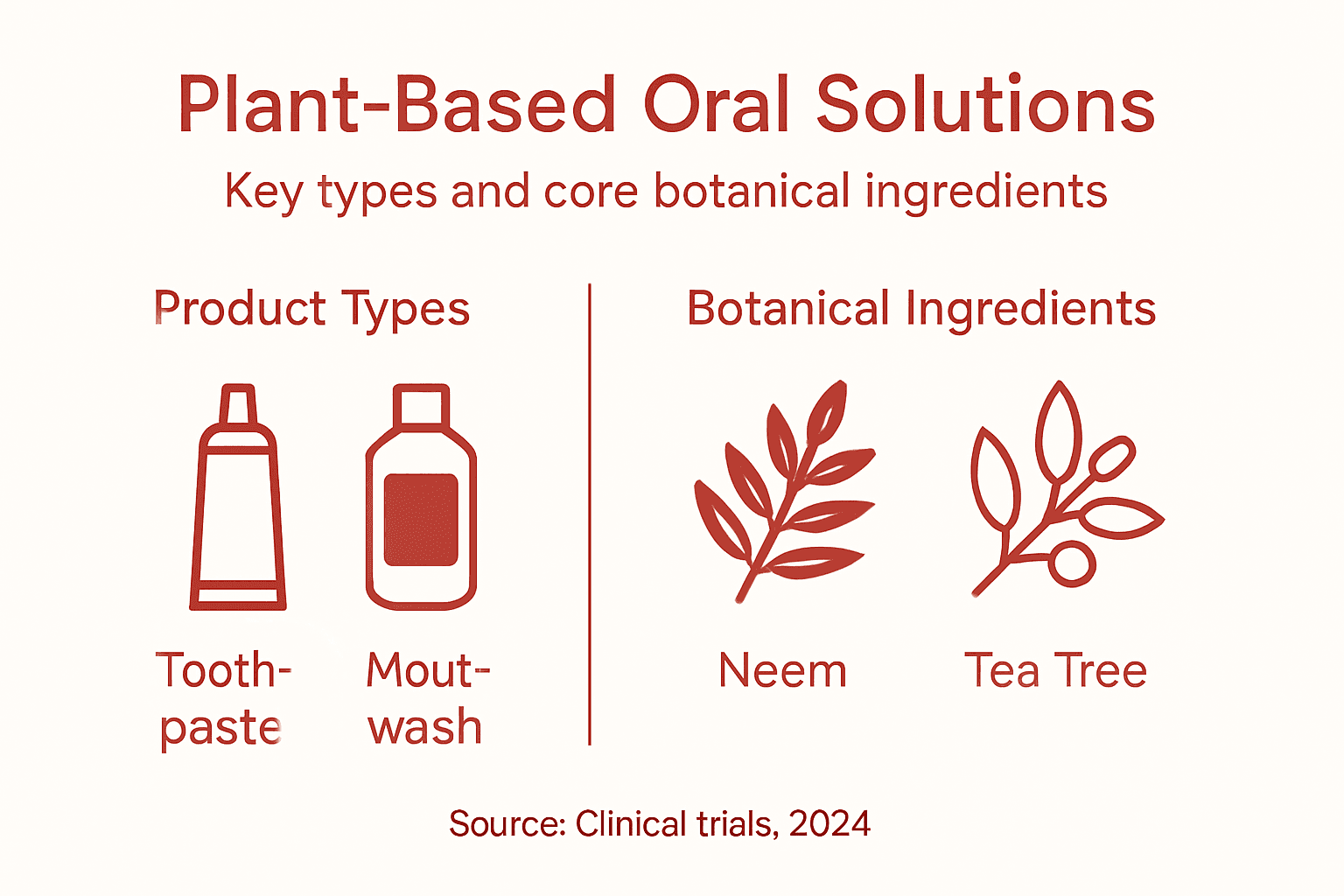
Here’s a comparison of common active botanical ingredients used in plant-based oral care and their main oral health benefits:
| Botanical Ingredient | Core Benefit | Primary Mechanism |
|---|---|---|
| Neem | Plaque reduction, gum health | Antimicrobial, anti-inflammatory |
| Clove | Sensitivity relief, pain reduction | Analgesic, antibacterial |
| Turmeric | Gum healing, redness reduction | Antioxidant, anti-inflammatory |
| Ginger | Gum support, inflammation control | Anti-inflammatory, antioxidant |
How Plant-Based Solutions Address Specific Oral Health Concerns
Different product types target distinct oral health challenges through their unique delivery mechanisms and ingredient concentrations. Herbal dentifrices work through direct contact with tooth surfaces and gums during brushing, allowing botanical compounds to accumulate and create sustained antimicrobial effects. Mouthwashes provide broader coverage throughout the oral cavity, reaching areas brushing may miss, while oil pulling relies on mechanical suspension and dissolution of bacterial biofilms. Natural toothpaste formulations with plant-derived alternatives manage dental plaque and malodor while strengthening tooth enamel without relying on synthetic chemicals or animal-derived ingredients.
Oral sprays represent a newer category, offering concentrated botanical benefits in a convenient format ideal for individuals experiencing acute sensitivity or inflammation. These products allow for targeted application to specific gum areas and provide rapid antimicrobial action through high concentrations of plant-derived compounds. The flexibility of product types means you can combine multiple solutions within a single daily routine, leveraging complementary mechanisms to address both prevention and active symptom management.
Selecting Products Based on Your Needs
Your choice of plant-based oral care products should align with your specific oral health concerns and daily routine preferences. Those with significant gum sensitivity may prioritize botanical mouthwashes and oral sprays that minimize mechanical irritation while delivering anti-inflammatory benefits. Individuals focused on plaque prevention might emphasize herbal dentifrices combined with oil pulling techniques. Those seeking comprehensive solutions often adopt multiple product types that work synergistically—a botanical toothpaste for daily maintenance, a plant-based mouthwash for broader antimicrobial coverage, and targeted oral sprays for specific sensitivity areas.
Plant-based oral care solutions manage dental plaque, reduce malodor, strengthen enamel, and promote gum health through botanical compounds rather than synthetic chemical formulations.
Pro tip: Introduce plant-based products one at a time over 1-2 week intervals, observing how your gums and teeth respond before adding additional botanical formulations to your routine.
Key Benefits of Plant-Derived Ingredients
Plant-derived ingredients deliver multiple biological benefits that directly address common oral health concerns, particularly for individuals managing gum sensitivity and seeking fluoride alternatives. The bioactive compounds found in botanicals work through distinct mechanisms that target the root causes of oral disease rather than simply masking symptoms. Understanding these specific benefits helps explain why plant-based products have gained scientific credibility and why they often outperform synthetic alternatives for certain applications.
Plant-derived ingredients provide four primary categories of therapeutic action:
- Antioxidant properties reduce oxidative stress within the oral cavity, protecting gum tissue from damage caused by free radicals and inflammatory compounds
- Anti-inflammatory effects decrease swelling, redness, and bleeding associated with gum sensitivity and periodontal concerns
- Antimicrobial activity directly suppress bacterial populations responsible for plaque formation, caries development, and malodor
- Analgesic and tissue repair functions reduce pain associated with sensitivity while promoting healing of damaged gum tissue
These benefits emerge from specific bioactive compounds within plant materials. Polyphenols, flavonoids, and terpenoids represent the primary active constituents responsible for these therapeutic effects. Rather than relying on a single chemical agent like fluoride, plant-based formulations leverage multiple compounds working synergistically, creating broader protective effects across different aspects of oral health.
How Plant-Derived Compounds Combat Oral Disease
Microbial colonization and inflammation represent the two primary pathways leading to caries, gingivitis, and periodontal disease. The antimicrobial and anti-inflammatory properties of plant-derived ingredients address both mechanisms simultaneously. Compounds such as those found in neem, clove, and turmeric reduce plaque accumulation by directly inhibiting bacterial growth while simultaneously suppressing the inflammatory response that damages gum tissue.
This dual-action approach differs fundamentally from conventional products that often focus on mechanical plaque removal or single-mechanism antimicrobial action. Plant-derived compounds create an oral environment less favorable for pathogenic bacteria while simultaneously supporting tissue healing and reducing pain. For individuals experiencing acute gum sensitivity, this means relief from discomfort while the underlying bacterial infection is being addressed—addressing both symptom and cause.
Gum Health and Tissue Regeneration
Beyond simply preventing disease, plant-derived compounds actively enhance tissue repair and healing. Medicinal plant compounds contribute to reducing plaque, preventing gingivitis, and enhancing tissue repair through mechanisms that promote cellular regeneration within gum tissue. Damaged gums from inflammation or sensitivity experience accelerated healing when treated with botanical formulations containing these bioactive compounds.
This regenerative capacity proves particularly valuable for individuals with chronic gum sensitivity, as damaged tissue requires more time to heal than intact tissue. Plant-based products support this healing process actively rather than simply preventing further damage. The result is progressive improvement in gum health over time, not just symptom suppression during the period of use.
Oxidative Stress Reduction and Long-Term Protection
Oxidative stress contributes significantly to accelerated aging of oral tissues and increased susceptibility to disease. The antioxidant compounds in plant-derived ingredients counteract this cellular damage, providing protective effects that extend beyond immediate antimicrobial or anti-inflammatory action. This long-term protective benefit accumulates with consistent use, meaning your oral tissues become progressively more resistant to disease and degeneration.
Unlike synthetic compounds that provide acute disease prevention, plant-derived ingredients offer cumulative protective effects. Regular use builds antioxidant capacity within oral tissues, reducing overall disease risk and supporting healthier aging of gums and teeth. This explains why individuals who switch to plant-based oral care often report not just symptom improvement but progressive enhancement of overall oral health status.
Plant-derived ingredients address oral disease through multiple simultaneous mechanisms—reducing bacterial colonization, suppressing inflammation, supporting tissue healing, and protecting against oxidative damage—rather than relying on single active agents.
Pro tip: Consistency matters more than product concentration—using plant-based oral products twice daily for 8-12 weeks allows bioactive compounds to accumulate in oral tissues, delivering maximum protective benefits.
Common Misconceptions and Scientific Evidence
Plant-based oral products have generated considerable discussion, with some skepticism rooted in outdated assumptions about the efficacy of natural approaches. The scientific landscape has shifted dramatically in recent years, with rigorous research demonstrating that many traditional botanical ingredients deliver measurable oral health benefits comparable to or exceeding conventional products. Distinguishing between legitimate scientific findings and marketing hype requires understanding both the evidence supporting plant-based solutions and the limitations that still exist in this emerging field.
Myth Versus Reality: Plant-Based Effectiveness
A persistent misconception suggests that traditional or natural oral hygiene practices are inherently less effective than modern synthetic approaches. This belief stems partly from the dominance of fluoride-based products over the past century and the institutional focus on single-active-ingredient formulations. However, traditional plant-based methods such as neem, clove, and turmeric possess antimicrobial properties and can effectively reduce plaque and gingival inflammation in ways sometimes comparable to conventional fluoridated products.
The key distinction lies in how these ingredients work. Plant-based formulations typically employ multiple bioactive compounds acting through different mechanisms, whereas conventional products rely on single active agents. This means plant-based products often address oral disease more comprehensively—simultaneously tackling bacterial colonization, inflammatory response, tissue damage, and oxidative stress.
Research demonstrates specific examples where plant ingredients match or exceed conventional products:
- Neem shows antimicrobial efficacy against oral pathogens comparable to chlorhexidine rinses
- Turmeric reduces gingival inflammation measurements similar to conventional anti-inflammatory treatments
- Clove extract provides analgesic and antimicrobial effects matching synthetic alternatives
- Combination formulations often outperform single-ingredient conventional products when multiple oral health concerns exist simultaneously
Understanding Mixed Research Results
Not all plant-based claims stand up to scientific scrutiny, and this honest assessment matters. Rigorous scientific studies often find limited or mixed results for some natural products, emphasizing the importance of evidence-based usage and consultation with healthcare providers. The natural products industry sometimes makes exaggerated claims that lack supporting research, and distinguishing between well-documented benefits and marketing assertions requires critical evaluation.
Mixed research results typically reflect three factors: variation in extract quality, differences in formulation concentrations, and study design limitations. A poorly standardized botanical extract may show minimal efficacy, while a well-prepared, clinically-dosed version of the same plant demonstrates clear benefits. This is why product quality matters enormously—not all plant-based oral products are created equal.
Some botanical ingredients have stronger evidence than others. Neem, for instance, has substantial clinical documentation. Turmeric demonstrates clear anti-inflammatory effects. Clove shows proven analgesic properties. Conversely, some ingredients marketed in plant-based products have limited human clinical data, relying instead on in vitro studies or traditional use rather than rigorous human trials.
Why Plant-Based Solutions Gain Scientific Credibility
The growing scientific acceptance of plant-based oral products reflects several converging factors. First, antimicrobial resistance to conventional agents has increased, making the multi-mechanism approach of botanical formulations increasingly valuable. Second, the side effect profiles of plant-derived compounds often prove more favorable than synthetic alternatives. Third, the cumulative effects of botanical compounds—working together rather than in isolation—create synergistic benefits that single-agent formulations cannot replicate.
For individuals with gum sensitivity, this matters profoundly. Synthetic treatments designed to suppress sensitivity sometimes trigger other tissue reactions. Plant-based formulations containing anti-inflammatory, healing-promoting, and antimicrobial compounds address sensitivity’s root causes while supporting overall gum health. The evidence increasingly supports this integrated approach.
Plant-based oral products deliver documented antimicrobial, anti-inflammatory, and analgesic benefits, but not all claims are equally supported by research—product quality and ingredient selection determine actual efficacy.
Pro tip: When evaluating plant-based oral products, look for those citing specific clinical studies on their ingredients rather than general wellness claims, and consider starting with products featuring well-researched botanicals like neem or turmeric before exploring less-documented ingredients.
Safety and Efficacy Compared to Conventional Brands
The comparison between plant-based and conventional oral care products reveals important distinctions in safety profiles, efficacy mechanisms, and long-term health outcomes. Many consumers assume conventional brands offer superior effectiveness simply because they dominate the market, yet scientific evidence suggests plant-based alternatives deliver comparable or superior results with fewer adverse effects. Understanding how these product categories differ helps you make informed decisions aligned with your oral health priorities and personal values regarding chemical exposure.
When properly formulated, plant-based oral care products demonstrate safety and efficacy comparable to conventional brands while addressing specific concerns that conventional products sometimes exacerbate. Studies indicate that plant-based oral care products can be safe and efficacious alternatives when formulated properly, often including natural antimicrobial and anti-inflammatory agents that manage dental caries and periodontal disease with fewer side effects. This matters particularly for individuals with gum sensitivity, as conventional products sometimes contain irritating abrasives or harsh chemical agents that worsen sensitivity despite addressing plaque.
Safety Profiles: Natural Versus Synthetic
Conventional oral care products typically rely on synthetic active ingredients like sodium fluoride, sodium lauryl sulfate, and chlorhexidine. These agents deliver proven efficacy but carry documented side effects including gum irritation, tissue sensitivity, allergic reactions, and systemic absorption concerns. Plant-based products feature different risk profiles—their natural composition generally produces fewer adverse effects, though quality variations between manufacturers can significantly impact safety outcomes.
The key safety advantage of plant-based formulations relates to their multi-target action mechanisms. Rather than depending on single chemical agents, botanical products work through multiple pathways simultaneously:
- Reduced microbial resistance development because pathogens cannot easily adapt to multi-component botanical formulations
- Lower incidence of allergic reactions compared to synthetic chemical sensitivizers
- Minimal systemic absorption when using topical plant-based products versus conventional ingredients that penetrate oral tissues
- Fewer documented contraindications with medications or health conditions
- Reduced long-term accumulation of chemical residues in oral tissues and body systems
Conventional products sometimes create dependency patterns where tissues become desensitized to treatment agents over extended use. Plant-based formulations with complex phytochemical compositions providing multi-target action mechanisms show reduced microbial resistance development and improved safety margins compared to single-mechanism chemical agents.
Efficacy Comparisons: What the Research Shows
Direct efficacy comparisons reveal nuanced results. Conventional fluoride-based products show superior performance specifically for cavity prevention in low-risk populations without gum sensitivity. However, for individuals managing gum sensitivity, inflammation, or periodontal concerns, plant-based formulations often match or exceed conventional product effectiveness while minimizing irritation.
The efficacy advantage of plant-based products emerges in specific scenarios:
- Gum sensitivity management where botanical anti-inflammatory compounds reduce pain while conventional desensitizers sometimes provide only temporary relief
- Gingivitis and bleeding gum treatment where antimicrobial and anti-inflammatory actions address root causes rather than masking symptoms
- Comprehensive oral health when multiple concerns exist simultaneously, as multi-target botanical compounds address plaque, inflammation, sensitivity, and tissue damage concurrently
- Long-term use scenarios where conventional products’ side effects become problematic but plant-based alternatives maintain efficacy without tissue damage accumulation
For your specific situation with gum sensitivity and interest in fluoride alternatives, plant-based products often deliver superior outcomes despite conventional brand dominance. The research increasingly supports this, particularly when comparing quality formulations rather than generic plant-based products lacking clinical validation.
Quality and Consistency Challenges
A critical distinction between plant-based and conventional brands involves standardization. Conventional products undergo strict regulatory oversight ensuring consistent active ingredient concentrations. Plant-based formulations sometimes lack this standardization, creating variability in efficacy between batches or brands. This means selecting a reputable plant-based manufacturer matters enormously—quality variations between brands can be substantial.
Look for plant-based brands providing third-party testing documentation, standardized botanical extract concentrations, and clinical studies supporting their specific formulations rather than general botanical ingredient claims. This quality focus ensures you receive the efficacy benefits documented in research rather than products relying on ingredient reputation without proper formulation concentration.
To clarify, here’s a summary of how plant-based and conventional oral care products differ across safety, efficacy, and formulation focus:
| Aspect | Plant-Based Products | Conventional Products |
|---|---|---|
| Safety Profile | Fewer adverse reactions, gentle on gums | Risk of irritation, allergies possible |
| Efficacy Focus | Multi-pathway action (antibacterial, healing) | Single-agent focus (e.g., fluoride) |
| Standardization | Quality varies by brand, check for certification | Highly regulated, consistent dosing |
| Sensitivity Suitability | Ideal for sensitive gums, mild action | May worsen sensitivity, harsh agents |
Plant-based oral products deliver comparable efficacy to conventional brands for most applications while providing superior safety profiles and fewer adverse effects, particularly for individuals with gum sensitivity.
Pro tip: When switching from conventional to plant-based products, compare the specific botanical concentrations and look for third-party testing certifications rather than relying solely on ingredient names, as formulation quality directly determines the efficacy you experience.
Fluoride-Free Alternatives: Hemp and Dead Sea Minerals
Fluoride-free oral care has emerged as a legitimate alternative for individuals concerned about systemic fluoride exposure or seeking natural approaches to dental health. Two particularly promising ingredients—hemp and Dead Sea minerals—offer distinct mechanisms for supporting oral health without relying on fluoride. Understanding how these alternatives work and what scientific evidence supports their use helps you evaluate whether they align with your oral health goals and preferences.
The shift toward fluoride-free options reflects both consumer demand and growing scientific recognition that multiple pathways exist for maintaining strong teeth and healthy gums. Rather than treating fluoride as the only effective approach, contemporary oral care research demonstrates that plant-derived and mineral-based alternatives can deliver comparable results, particularly when properly formulated and used consistently. For individuals in the UK and Germany seeking innovative natural solutions for gum sensitivity, these alternatives provide scientifically-backed options.
Hemp: Bioactive Compounds for Oral Health
Hemp contains bioactive compounds increasingly recognized for their potential in fluoride-free oral care formulations. The research into hemp’s applications in oral products examines how hemp contains bioactive compounds potentially useful in fluoride-free formulations while offering antimicrobial effects without fluoride-related concerns. These compounds work through multiple mechanisms relevant to oral health:
- Antimicrobial action suppresses bacterial colonization and plaque formation
- Anti-inflammatory properties reduce gum swelling and bleeding associated with sensitivity
- Antioxidant capacity protects oral tissues from oxidative damage
- Natural composition minimizes systemic absorption concerns compared to synthetic agents
Hemp-derived cannabinoids such as cannabidiol (CBD) demonstrate particular promise in research settings. These compounds interact with the endocannabinoid system present throughout oral tissues, potentially modulating inflammation and pain perception. For individuals experiencing chronic gum sensitivity, this mechanism offers both symptom relief and underlying tissue healing support simultaneously.
The environmental and health benefits of hemp extend beyond individual oral health outcomes. Hemp cultivation requires minimal pesticides, regenerates soil health, and represents a sustainable alternative to synthetic chemical production. This aligns with the values of health-conscious consumers seeking products that benefit both personal and environmental wellness.
Dead Sea Minerals: Remineralization and Tissue Support
Dead Sea minerals represent another powerful fluoride alternative, offering unique therapeutic properties derived from one of Earth’s most mineral-rich water sources. These minerals—including magnesium, potassium, calcium, and bromine—support oral health through distinct mechanisms. Research indicates that minerals from the Dead Sea contain therapeutic elements like magnesium and bromide supporting mucosal health, with fluoride-free oral products incorporating these minerals aiming to provide remineralization and anti-inflammatory benefits.
Dead Sea minerals deliver specific oral health benefits:
- Remineralization support strengthens tooth enamel without fluoride, using mineral compounds that integrate into tooth structure
- Anti-inflammatory effects reduce gum inflammation and bleeding through multiple mineral mechanisms
- Electrolyte balance supports healthy gum tissue function and healing
- Mineral absorption allows oral tissues to absorb therapeutic elements directly through mucosal membranes
For individuals concerned about fluoride accumulation in body systems, Dead Sea mineral-based formulations offer proven remineralization without systemic absorption concerns. The minerals work topically on tooth surfaces and gum tissues, providing localized benefits without entering systemic circulation at levels associated with fluoride.
Combining Hemp and Dead Sea Minerals
When combined in a single formulation, hemp and Dead Sea minerals create complementary oral health support. The hemp compounds address bacterial colonization, inflammation, and oxidative stress, while Dead Sea minerals provide structural tooth support and tissue mineralization. This combination approach addresses multiple aspects of oral disease simultaneously—preventing pathogenic colonization while supporting tissue repair and structural integrity.
This synergistic approach proves particularly valuable for individuals with multiple concurrent oral health concerns. Rather than addressing only plaque prevention (fluoride’s primary mechanism) or only sensitivity symptom relief, combined hemp and Dead Sea mineral formulations target disease prevention, symptom management, and tissue regeneration as integrated functions.
Hemp and Dead Sea mineral-based formulations deliver proven antimicrobial, anti-inflammatory, and remineralization benefits without fluoride, addressing multiple oral health mechanisms simultaneously through natural bioactive compounds.
Pro tip: When using fluoride-free products featuring hemp and Dead Sea minerals, consistency matters more than concentration—allow 4-6 weeks of twice-daily use for these mineral and botanical compounds to accumulate in oral tissues and deliver measurable improvements in sensitivity and gum health.
Discover Safe and Effective Plant-Based Oral Care Solutions Today
If you are concerned about gum sensitivity and seeking gentle yet scientifically supported oral products free from fluoride and harsh chemicals, our unique line of natural dental care items offers exactly what you need. Using innovative ingredients like hemp and Dead Sea minerals, these formulations deliver multi-pathway benefits such as antimicrobial action, anti-inflammatory effects, and tissue regeneration to support healthier gums and stronger teeth.

Explore the benefits of these plant-based oral care solutions by visiting our STOP Oral Care collection where quality and safety come first. Learn more about our revolutionary approach led by Dr. Veronica Stahl on our Home Page and start your journey to natural oral health by shopping the full range at stop-oralcare.com. Act now to experience relief from sensitivity and embrace effective, natural alternatives designed with your wellbeing in mind.
Frequently Asked Questions
What are the main benefits of using plant-based oral products?
Plant-based oral products provide multiple benefits including antimicrobial action, anti-inflammatory effects, and antioxidant protection. These benefits help support stronger gums and teeth while addressing issues like plaque accumulation and gum sensitivity through natural, botanical ingredients.
How do plant-based oral care solutions compare to traditional fluoride products?
Plant-based oral care solutions offer a multi-target approach to oral health by utilizing various bioactive compounds that address bacterial growth, inflammation, and tissue repair simultaneously. In contrast, traditional fluoride products often focus primarily on cavity prevention, which may not address other underlying oral health issues effectively.
Can plant-based oral products help with gum sensitivity?
Yes, plant-based oral products are particularly beneficial for individuals experiencing gum sensitivity. The gentler action of botanical compounds reduces irritation while still delivering therapeutic effects, making them a suitable alternative to conventional chemical formulations that can worsen sensitivity.
What should I look for in plant-based oral products?
When selecting plant-based oral products, review the ingredient list for specific botanical sources well-documented in scientific literature. Look for quality formulations with standardized concentrations of active compounds, as these are more likely to deliver effective results in managing oral health concerns.
Recommended
- Why Use Plant-Based Mouthwash for Oral Health – Stop Oral Care
- Safety of Natural Dental Products: What You Need to Know – Stop Oral Care
- Why Safety Matters in Oral Health Choices – Stop Oral Care
- Plant-Infused Oral Care: The Rise of Hemp & Dead Sea Salt – Stop Oral Care
- Top 6 Lion’s Mane Brands in 2026 for Cognitive Boosting – LongevityBotanicals