

Choosing oral care products when you have sensitive teeth can feel like navigating a maze of hidden chemicals and unclear labels. For health-conscious individuals in the United Kingdom and Germany who value safe, fluoride-free solutions, knowing how dental safety standards are set is vital. The World Health Organization’s global benchmarks highlight comprehensive safety guidelines designed to protect every patient. This article reveals how international standards safeguard your oral health and guides you toward natural, gentle alternatives for confident and informed decision making.
Table of Contents
- Defining Oral Health Safety Standards
- Hidden Dangers in Conventional Dental Products
- Benefits of Safe, Natural Oral Care Alternatives
- How to Identify Safe Oral Health Products
- Potential Risks of Ignoring Product Safety
Key Takeaways
| Point | Details |
|---|---|
| Oral Health Safety Standards | Established by WHO to ensure dental products and practices meet rigorous safety criteria for patient protection. |
| Hidden Dangers of Conventional Products | Many traditional dental products contain harmful ingredients that can compromise health; consumers should be cautious. |
| Benefits of Natural Alternatives | Natural oral care options are safer, environmentally friendly, and support overall wellness. |
| Importance of Safety Verification | Consumers should prioritize transparency, third-party certifications, and thorough research to identify safe oral health products. |
Defining Oral Health Safety Standards
Oral health safety standards are comprehensive guidelines that ensure dental products, practices, and treatments meet rigorous scientific criteria designed to protect patient well-being. These standards emerge from extensive research and regulatory frameworks developed by global health organizations to minimize potential risks associated with dental care interventions.
The World Health Organization (WHO) has established critical global benchmarks through its comprehensive oral health strategy, which outlines 100 specific actions targeting improved oral healthcare safety. These standards address multiple dimensions of dental safety, including:
- Product composition and ingredient safety
- Manufacturing quality control processes
- Professional training and certification requirements
- Patient protection protocols
- Environmental and sustainability considerations
Professional accreditation bodies like the Commission on Dental Accreditation play a crucial role in establishing and maintaining these safety standards. They develop detailed benchmarks that dental education programs and healthcare providers must meet, ensuring consistent quality and patient protection across different practice settings.
The following table summarizes the influence of international organizations and accreditation bodies on oral health safety standards:
| Organization/Body | Main Role in Dental Safety | Impact on Patient Protection |
|---|---|---|
| World Health Organization (WHO) | Sets global safety benchmarks and actions | Guides policy and best practices |
| Commission on Dental Accreditation | Accredits programs and develops benchmarks | Ensures provider and curriculum quality |
| National Regulatory Agencies | Enforces compliance with standards | Monitors product safety and recalls |
Pro tip: Always verify a dental product’s safety certifications and review independent research before incorporating new oral health treatments into your personal care routine.
Hidden Dangers in Conventional Dental Products
Conventional dental products often contain hidden ingredients that can potentially compromise oral and overall health. Toxicological risks in dental products represent a growing concern for health-conscious consumers seeking safer oral care alternatives.
Some of the most problematic ingredients found in traditional dental products include:
- Fluoride: Potential for overdose and neurotoxicity
- Triclosan: Hormone disruptor with potential antibacterial resistance
- Synthetic preservatives: Linked to allergic reactions and skin irritation
- Artificial colors: May contain petroleum-based compounds
- Synthetic abrasives: Can cause microscopic tooth enamel damage
The World Health Organization highlights that these chemical compounds can disrupt oral microbiota and potentially cause long-term health complications. Chemical formulations in conventional dental products often prioritize short-term effectiveness over comprehensive safety considerations, leaving consumers exposed to potential health risks.
Healthcare professionals increasingly recommend investigating the hidden chemical risks associated with everyday dental products. By understanding ingredient composition and potential side effects, consumers can make more informed choices about their oral health regimen.
Pro tip: Always read ingredient labels carefully and research unfamiliar chemical compounds before incorporating new dental products into your personal care routine.
Benefits of Safe, Natural Oral Care Alternatives
Natural oral care alternatives represent a transformative approach to dental health, offering scientifically validated solutions that prioritize both effectiveness and safety. Global oral health strategies increasingly emphasize the importance of natural ingredients that support holistic well-being while minimizing potential health risks.
The key advantages of safe, natural oral care products include:
- Biocompatibility: Ingredients that work harmoniously with the body’s natural systems
- Reduced chemical exposure: Minimizing potential long-term health complications
- Environmentally sustainable: Lower ecological impact compared to synthetic alternatives
- Gentle on sensitive tissues: Less irritation for gums and oral mucosa
- Supportive of natural oral microbiome: Preserving beneficial bacterial balance
Research from the World Health Organization demonstrates that natural oral health innovations can effectively address oral health concerns while maintaining high safety standards. These products leverage carefully selected natural compounds that provide therapeutic benefits without the potential drawbacks of harsh synthetic ingredients.
By choosing natural oral care alternatives, consumers can take a proactive approach to their dental health, supporting long-term wellness and reducing exposure to potentially harmful chemical compounds.
The table below compares conventional dental products with natural alternatives in terms of safety, environmental impact, and user concern:
| Product Type | Safety Considerations | Environmental Impact | Consumer Health Concerns |
|---|---|---|---|
| Conventional Dental Products | May contain harsh chemicals and additives | Often high ecological footprint | Potential for adverse reactions |
| Natural Oral Care Alternatives | Use biocompatible, safer ingredients | Lower environmental burden | Typically fewer side effects |
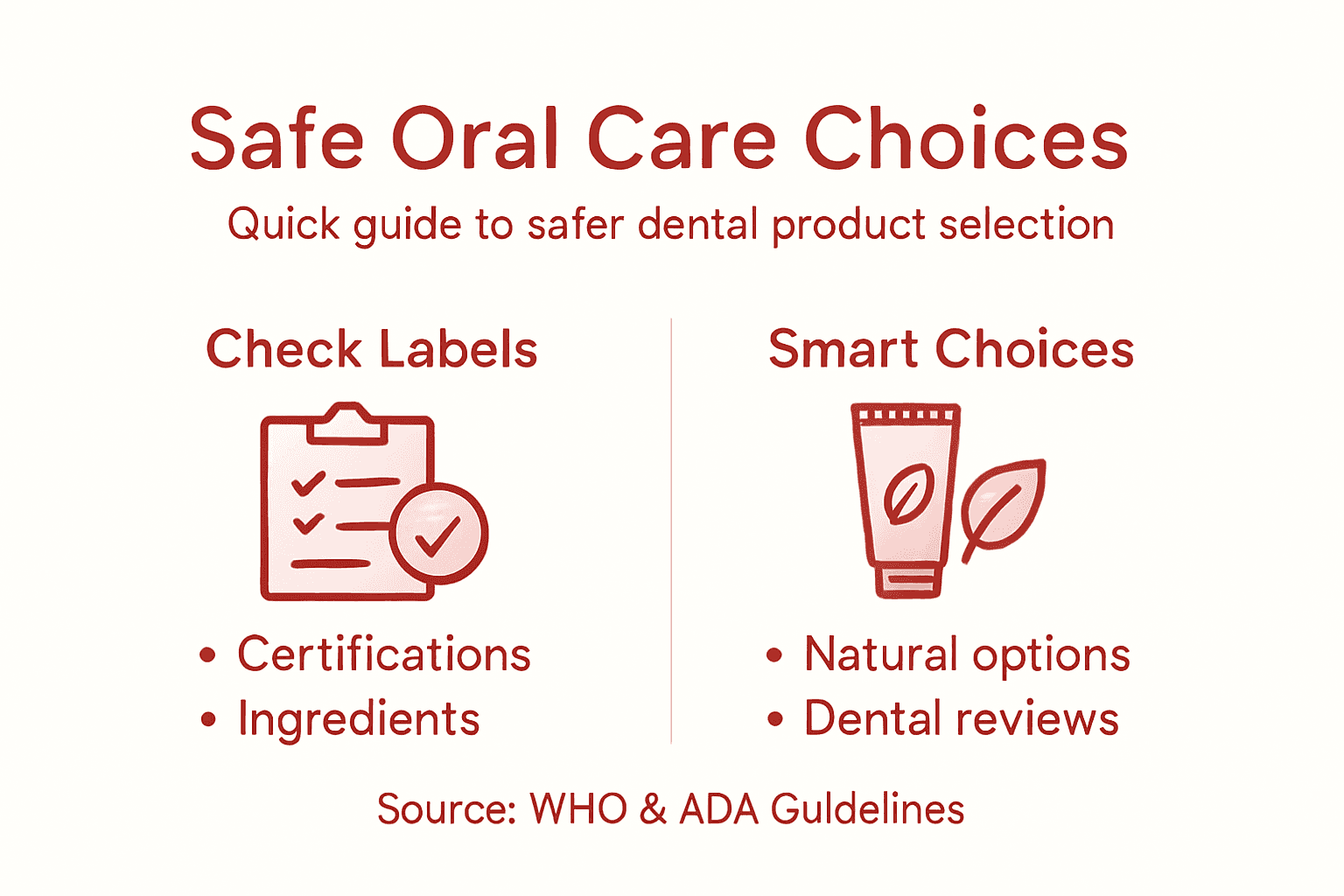
Pro tip: Consult with healthcare professionals and carefully research ingredient profiles to find natural oral care products that best match your specific dental health needs.
How to Identify Safe Oral Health Products
Identifying safe oral health products requires a comprehensive approach that goes beyond marketing claims and packaging. Global safety standards provide crucial guidance for consumers seeking scientifically validated dental care solutions that prioritize health and well-being.
Key strategies for evaluating oral health product safety include:
- Ingredient Transparency: Look for complete, clear ingredient lists
- Scientific Validation: Seek products with research-backed effectiveness
- Third-Party Certifications: Verify independent safety testing credentials
- Natural Ingredient Composition: Prioritize products with minimal synthetic components
- Absence of Harmful Chemicals: Check for exclusion of known toxic substances
Consumers should carefully examine product labels and look for specific indicators of safety. This involves understanding potential risks associated with common dental product ingredients and being vigilant about chemical compounds that might compromise long-term oral health.
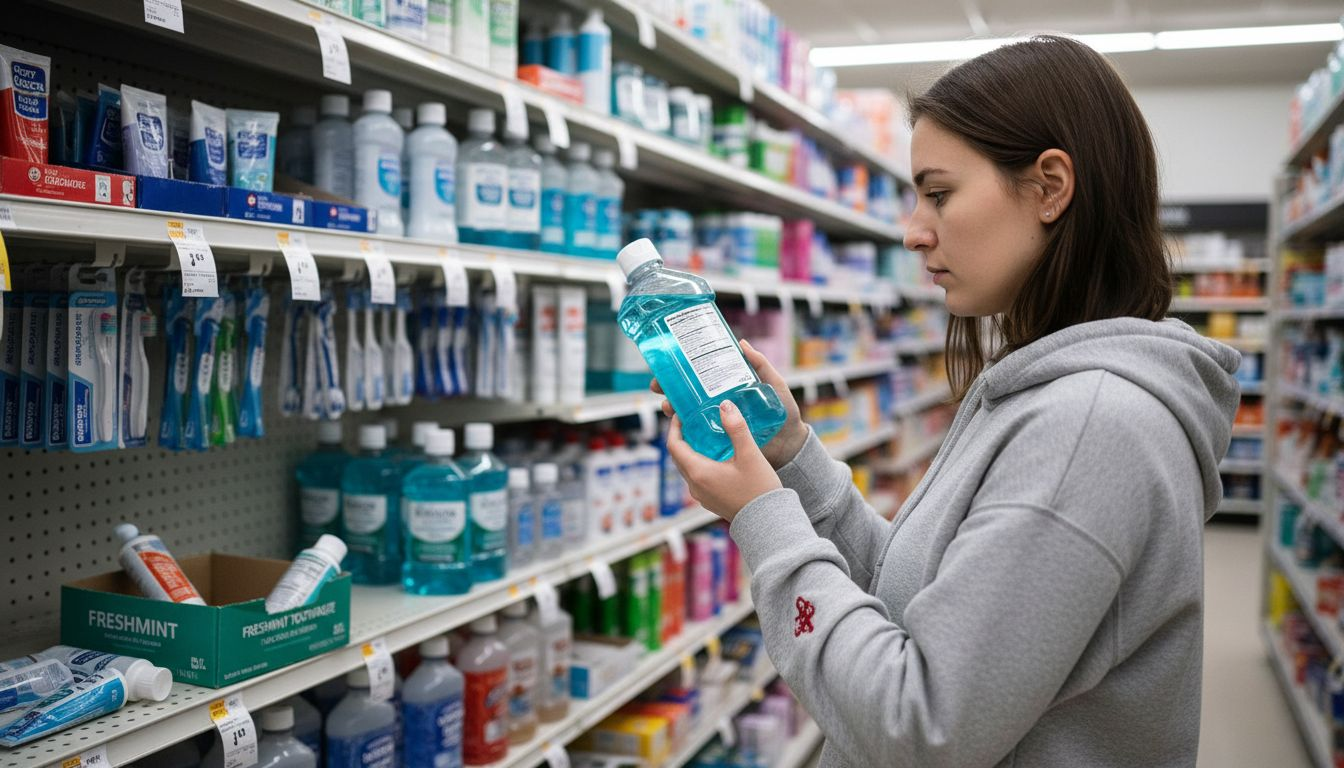
Most critically, research indicates that safe oral health products should demonstrate consistent performance without introducing unnecessary chemical risks to the body’s delicate oral ecosystem.
Pro tip: Always contact manufacturers directly to request detailed safety documentation and independent research supporting their product claims.
Potential Risks of Ignoring Product Safety
Ignoring safety standards in oral health products can lead to significant and potentially irreversible health complications. Global health data reveals that unchecked product use can trigger widespread oral and systemic health issues, disproportionately affecting vulnerable populations.
Key potential risks associated with unsafe oral health products include:
- Toxic Chemical Exposure: Long-term absorption of harmful substances
- Microbiome Disruption: Destruction of beneficial oral bacteria
- Allergic Reactions: Potential severe immune system responses
- Enamel Degradation: Permanent tooth surface damage
- Chronic Inflammation: Increased risk of periodontal diseases
The consequences extend beyond immediate oral health, potentially impacting overall systemic wellness. Comprehensive global research underscores how neglecting product safety can escalate healthcare costs and compromise patient well-being across demographic groups.
Medical experts emphasize that seemingly minor product safety oversights can accumulate into significant health challenges, making vigilant product selection a critical aspect of preventative healthcare.
Pro tip: Maintain a detailed record of any adverse reactions and consult healthcare professionals immediately if you experience unexpected symptoms after using oral health products.
Choose Safety and Naturally Effective Oral Care Today
Understanding the hidden dangers in conventional dental products is the first step toward protecting your oral and overall health. This article highlights critical challenges such as toxic chemical exposure, microbiome disruption, and long-term health risks that arise from ignoring safety standards in oral health choices. If you are seeking a proven, natural solution that respects your body’s delicate balance and prioritizes biocompatibility, look no further.
Discover the power of scientifically supported, fluoride-free care with hemp and Dead Sea minerals at STOP Oral Care. Our innovative product line adheres to the highest safety standards and offers gentle, effective alternatives to traditional dental treatments. Explore our carefully formulated Home Page – Stop Oral Care to learn how natural ingredients can revolutionize your oral health routine.
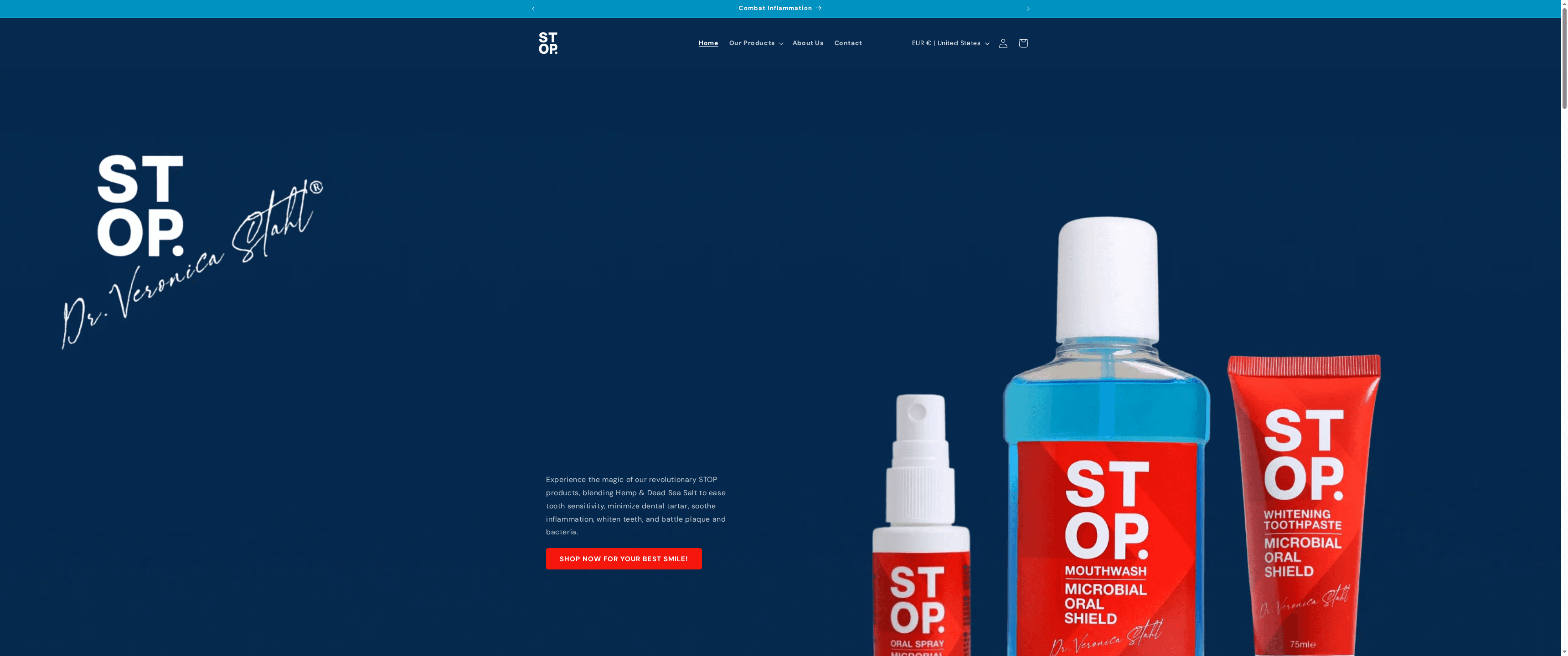
Take control of your oral wellness by choosing products designed with your safety in mind. Visit https://stop-oralcare.com now to browse our full collection and begin experiencing the benefits of natural, safe, and effective oral care products today.
Frequently Asked Questions
What are oral health safety standards?
Oral health safety standards are comprehensive guidelines established by organizations like the World Health Organization (WHO) to ensure that dental products and practices prioritize patient well-being through rigorous scientific criteria.
Why should I avoid conventional dental products?
Conventional dental products often contain harsh chemicals like fluoride and triclosan that can pose health risks such as neurotoxicity and hormone disruption. Natural alternatives are generally safer and more compatible with your body’s systems.
How can I identify safe oral health products?
To identify safe oral health products, look for complete ingredient transparency, scientific validation, third-party certifications, minimal synthetic components, and the absence of known toxic substances on the label.
What are the risks of ignoring product safety in oral health choices?
Ignoring product safety can lead to toxic chemical exposure, microbiome disruption, allergic reactions, enamel degradation, and chronic inflammation, which may have long-term effects on both oral and overall health.