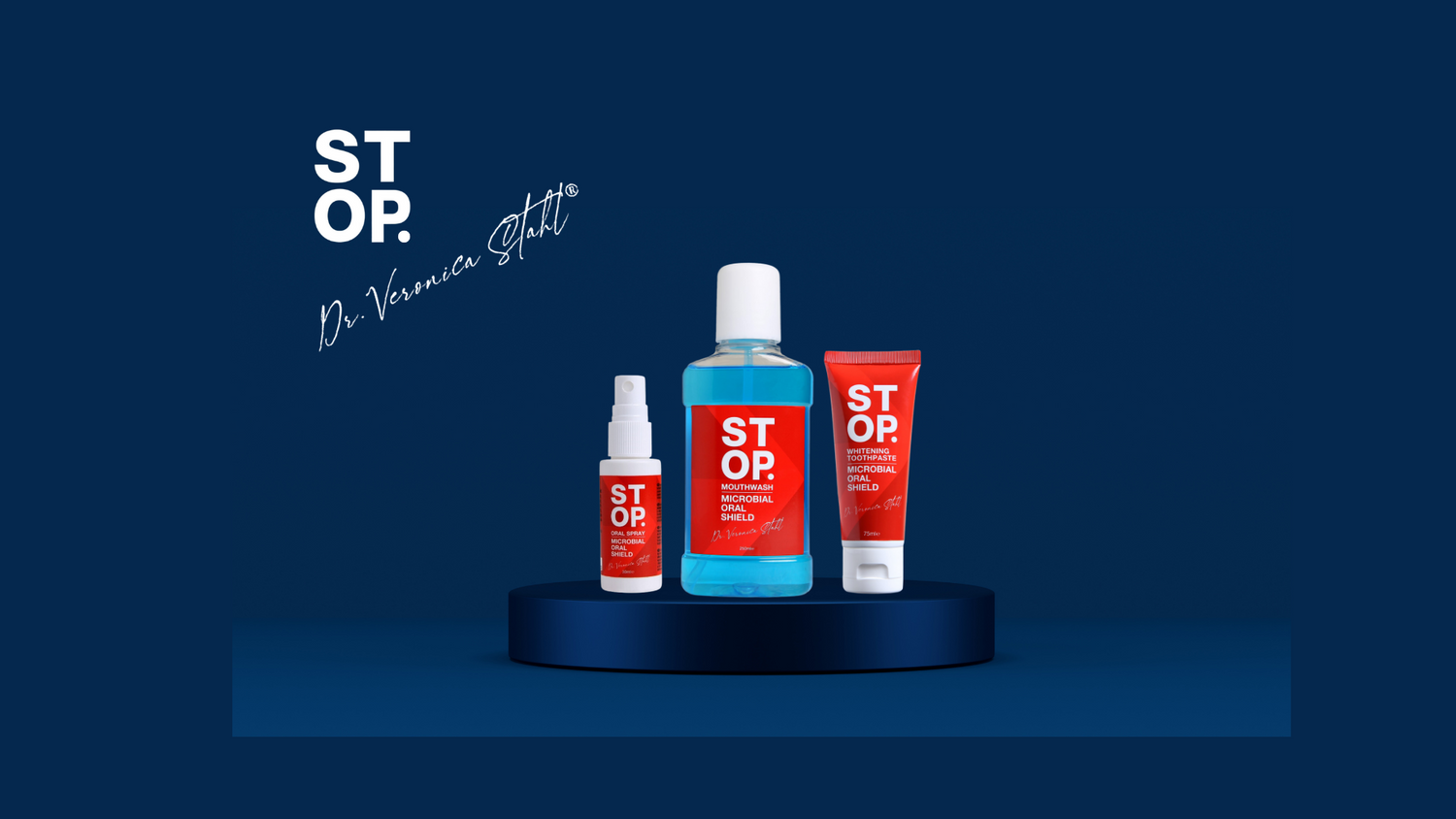


Finding gentle oral care that truly protects can be a challenge for European consumers with sensitive teeth. Concerns about chemical additives and harsh ingredients are pushing more people to seek fluoride-free dental solutions backed by scientific safety standards. This overview highlights how advanced natural formulations, especially hemp and mineral-based products, can deliver effective protection while meeting the strict regulatory demands set by trusted organizations like the American Dental Association and global certification bodies.
Table of Contents
- Defining Dental Product Safety Standards
- Types Of Dental Products And Variations
- Key Safety Features In Natural Formulations
- Regulatory Compliance For Oral Care Brands
- Common Risks And Ingredient Concerns
- Comparing Natural And Conventional Products
Key Takeaways
| Point | Details |
|---|---|
| Dental product safety standards | Voluntary guidelines developed by the ADA ensure products meet stringent safety measures through comprehensive testing and evaluations. |
| Role of regulations | Regulatory agencies, such as the FDA, rely on established standards to protect consumer health and validate product safety. |
| Natural vs. conventional products | Natural dental products often provide comparable effectiveness with potentially fewer adverse side effects, highlighting the importance of ingredient sourcing. |
| Consumer awareness | Individuals should consult dental professionals and review product ingredients thoroughly to select safe and suitable oral care products. |
Defining Dental Product Safety Standards
Dental product safety represents a complex system of scientific evaluation and rigorous standards designed to protect consumer health. The ADA Standards Program plays a crucial role in developing comprehensive guidelines that ensure dental products meet stringent safety and performance requirements.
Key components of dental product safety standards involve multiple layers of scientific assessment:
- Comprehensive materials testing
- Biocompatibility evaluations
- Performance and durability assessments
- Toxicological risk analysis
- Long-term health impact studies
The American Dental Association collaborates with over 400 volunteers from academia, government, and industry to create national and international dental standards. These standards aim to establish predictability, reliability, and quality across dental technologies and products. Specifically, dental product guidelines address critical factors such as:
- Mechanical device specifications
- Materials safety thresholds
- Diagnostic technology interoperability
- Communication protocol standards
Government regulatory agencies like the FDA utilize these established standards to evaluate and approve dental products, ensuring consumer protection through scientific rigor. The multi-stage review process involves extensive research, clinical trials, and continuous monitoring of product performance and safety.
Here is a summary of how regulatory bodies oversee dental product safety:
| Regulatory Body | Main Focus | Key Processes | Impact on Consumers |
|---|---|---|---|
| FDA | Public health protection | Approval, monitoring, labeling | Ensures product safety and reliability |
| ADA | Standards development | Guideline creation, volunteer collaboration | Improves product predictability, quality |
| ISO/CE | International compliance | Standardized certification, quality management | Enables global market access and trust |
Pro tip: Always verify a dental product’s compliance with recognized safety standards before incorporating it into your oral health routine.
Types Of Dental Products And Variations
Dental products represent a diverse ecosystem of oral health solutions designed to address multiple preventive and therapeutic needs. Dental materials encompass an extensive range of formulations tailored to specific clinical and personal care requirements, each serving unique protective or restorative functions.
The primary categories of dental products include:
-
Preventive Care Products
- Toothpastes
- Dental floss
- Mouthwashes
- Interdental cleaners
-
Restorative Products
- Dental crowns
- Filling materials
- Bonding agents
- Sealants
-
Cosmetic Dental Solutions
- Whitening treatments
- Breath fresheners
- Dental veneers
Modern dental product development focuses on creating sophisticated formulations that go beyond basic cleaning. Contemporary products often integrate advanced ingredients targeting specific oral health concerns, such as sensitivity reduction, enamel protection, and microbiome balance.

The composition of these products varies significantly, with manufacturers developing specialized solutions for different demographic groups. Dental product formulations typically include complex combinations of active ingredients like abrasives, anticaries agents, flavoring compounds, and therapeutic minerals designed to address specific dental health challenges.
Pro tip: Consult with dental professionals to select products precisely matched to your individual oral health profile and specific dental needs.
Key Safety Features In Natural Formulations
Natural dental formulations represent a sophisticated approach to oral healthcare, emphasizing safety and holistic wellness. Natural compounds in dental treatments offer promising therapeutic properties that address multiple oral health concerns while maintaining exceptional safety standards.
Key safety features of natural dental formulations include:
-
Biocompatibility
- Minimal allergenic potential
- Reduced chemical interactions
- Gentle on oral microbiome
-
Antimicrobial Properties
- Natural bacterial control
- Targeted pathogen reduction
- Balanced microorganism management
-
Anti-inflammatory Characteristics
- Reduced tissue irritation
- Natural healing support
- Inflammation mitigation
Research demonstrates that carefully formulated natural ingredients can provide robust protection without compromising dental material integrity. Natural antibacterial dental compounds have shown remarkable potential in creating safe, effective oral care solutions that balance antimicrobial effectiveness with minimal side effects.
Modern natural dental formulations leverage advanced scientific understanding to develop products that meet rigorous safety standards. By integrating botanical extracts, minerals, and carefully selected natural compounds, manufacturers can create oral care solutions that offer comprehensive protection while maintaining exceptional biocompatibility and minimal risk of adverse reactions.
Pro tip: Always verify the specific natural ingredients and their concentrations to ensure optimal safety and effectiveness in your dental care products.
Regulatory Compliance For Oral Care Brands
Navigating the complex landscape of regulatory requirements is crucial for oral care brands seeking to deliver safe and effective products. International oral care standards establish comprehensive guidelines that ensure product quality, safety, and market accessibility across different regions.
Key regulatory compliance requirements include:
-
Global Certification Standards
- ISO 13485 quality management
- CE marking for European markets
- FDA approval processes
- Rigorous ingredient safety assessments
-
Manufacturing Compliance
- Good Manufacturing Practices (GMP)
- Factory registration protocols
- Consistent quality control
- Transparent production documentation
-
Labeling and Documentation
- Accurate ingredient disclosure
- Clear usage instructions
- Safety warning requirements
- Comprehensive product information
FDA regulations for oral care products demonstrate the intricate process of ensuring consumer safety. These guidelines categorize products as medical devices or over-the-counter drugs, requiring manufacturers to adhere to stringent testing, documentation, and reporting standards that protect public health.
Comprehensive regulatory compliance involves more than meeting minimum legal requirements. Successful brands invest in proactive quality management, continuous research, and transparent communication to build consumer trust and demonstrate their commitment to safety and innovation.
Pro tip: Consult with regulatory experts and maintain updated documentation to ensure seamless compliance across different international markets.
Common Risks And Ingredient Concerns
Dental product ingredient safety represents a complex landscape of potential risks and patient sensitivities that demand careful scientific evaluation. Understanding these risks is crucial for consumers seeking informed oral health choices that protect both immediate and long-term wellness.
Key ingredient concerns include:
-
Allergenic Ingredients
- Tree nut-based resins
- Milk protein derivatives
- Artificial colorants
- Synthetic flavoring agents
-
Potential Toxicity Risks
- Fluoride concentration levels
- Chemical preservative interactions
- Heavy metal contamination
- Endocrine disrupting compounds
-
Sensitive Population Vulnerabilities
- Autoimmune condition triggers
- Asthma-related sensitivities
- Skin reaction potentials
- Respiratory irritants
Dental product ingredient assessments reveal that some components can pose significant health risks for individuals with specific medical conditions. Comprehensive evaluation requires understanding individual ingredient profiles, potential interaction mechanisms, and patient-specific health backgrounds.
Advanced risk management in dental product development involves continuous research, transparent ingredient disclosure, and proactive safety monitoring. By prioritizing scientific rigor and patient-centered approaches, manufacturers can develop products that minimize potential adverse reactions while maintaining effective oral care performance.
Pro tip: Always consult healthcare professionals and carefully review ingredient lists, especially if you have known allergies or sensitive medical conditions.
Comparing Natural And Conventional Products
Natural toothpaste ingredients have emerged as compelling alternatives to traditional dental care products, offering comparable clinical effectiveness with potentially fewer adverse side effects. The evolving landscape of oral care increasingly demonstrates that plant-based and herbal formulations can deliver robust oral health benefits.
Key comparative characteristics include:
-
Effectiveness Metrics
- Plaque reduction capabilities
- Gingivitis management
- Anti-inflammatory properties
- Bacterial control mechanisms
-
Active Ingredient Profiles
- Natural extracts (neem, green tea)
- Herbal antimicrobials
- Botanical anti-inflammatory agents
- Mineral-based protective compounds
-
Safety and Tolerance
- Reduced chemical exposure
- Lower allergenic potential
- Minimal synthetic interactions
- Enhanced biocompatibility
Herbal dentifrice clinical research indicates promising parallels between natural and conventional products in managing oral health challenges. While conventional products often rely on synthetic compounds, natural alternatives demonstrate significant potential in delivering comparable therapeutic outcomes.
The scientific community continues to investigate the nuanced benefits of natural oral care formulations, recognizing that individual ingredient effectiveness can vary. Ongoing research aims to develop comprehensive understanding of how botanical and mineral-based compounds interact with human oral microbiomes.
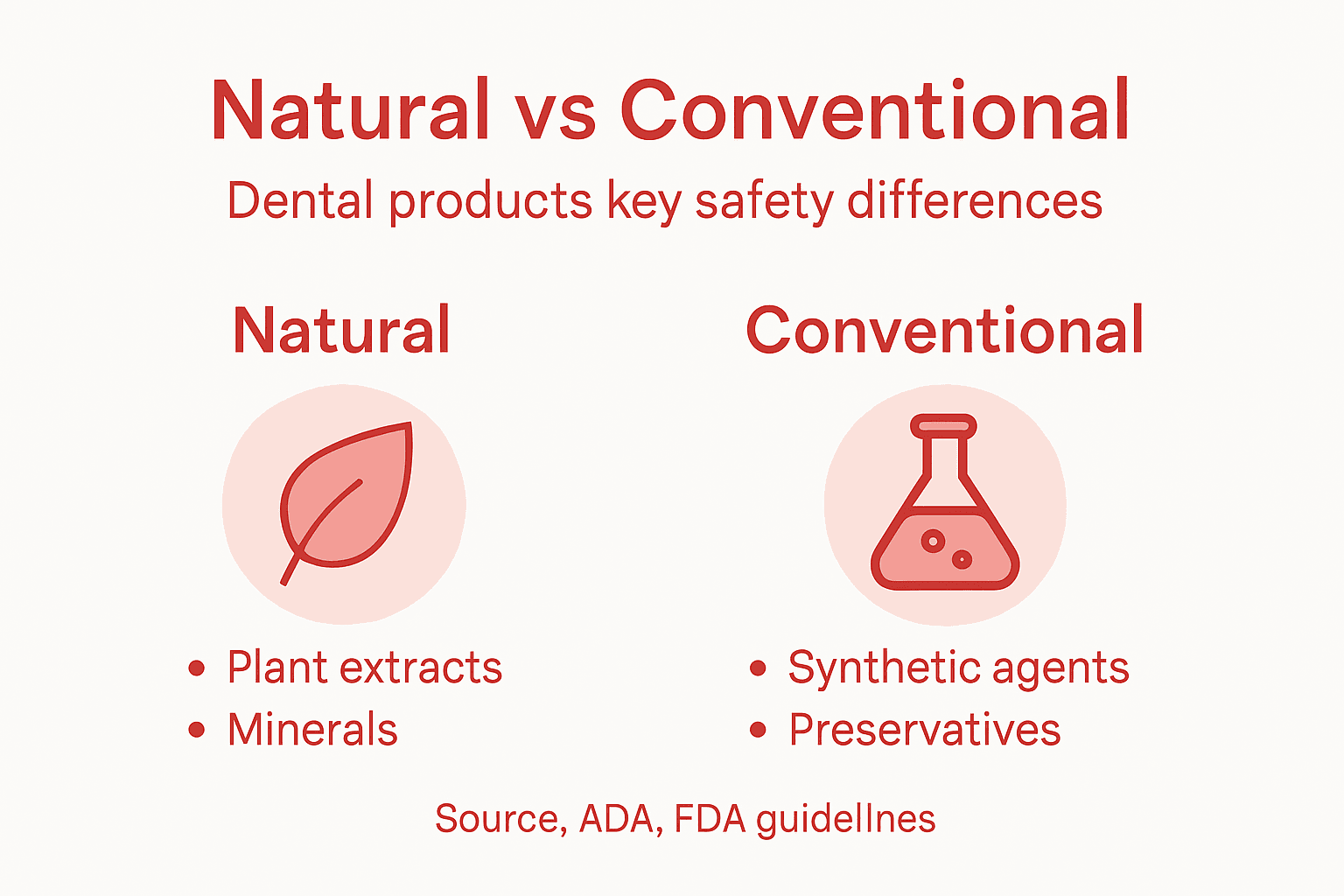
This table highlights the differences between natural and conventional dental products:
| Aspect | Natural Products | Conventional Products |
|---|---|---|
| Ingredient Source | Botanical extracts, minerals | Synthetic chemicals, additives |
| Typical Side Effects | Generally fewer, milder | Potential for irritation/allergies |
| Regulatory Demands | High for safety claims | Strict for medical classifications |
| User Preference | Increasing for holistic wellness | Widely used for proven efficacy |
Pro tip: Consult dental professionals and review independent research to select oral care products tailored to your specific health requirements and sensitivities.
Choose Science-Backed Natural Oral Care for True Safety and Wellness
Navigating the complexities of dental product safety can feel overwhelming with so many ingredients and regulatory standards to consider. This article highlights critical concerns such as biocompatibility, allergenic ingredients, and the need for rigorous scientific evaluation. At STOP Oral Care, we address these challenges head-on by offering fluoride-free oral care products formulated with hemp and Dead Sea minerals. Our commitment to natural, science-backed ingredients ensures you receive effective protection without exposing yourself to potentially harmful chemicals or allergens.
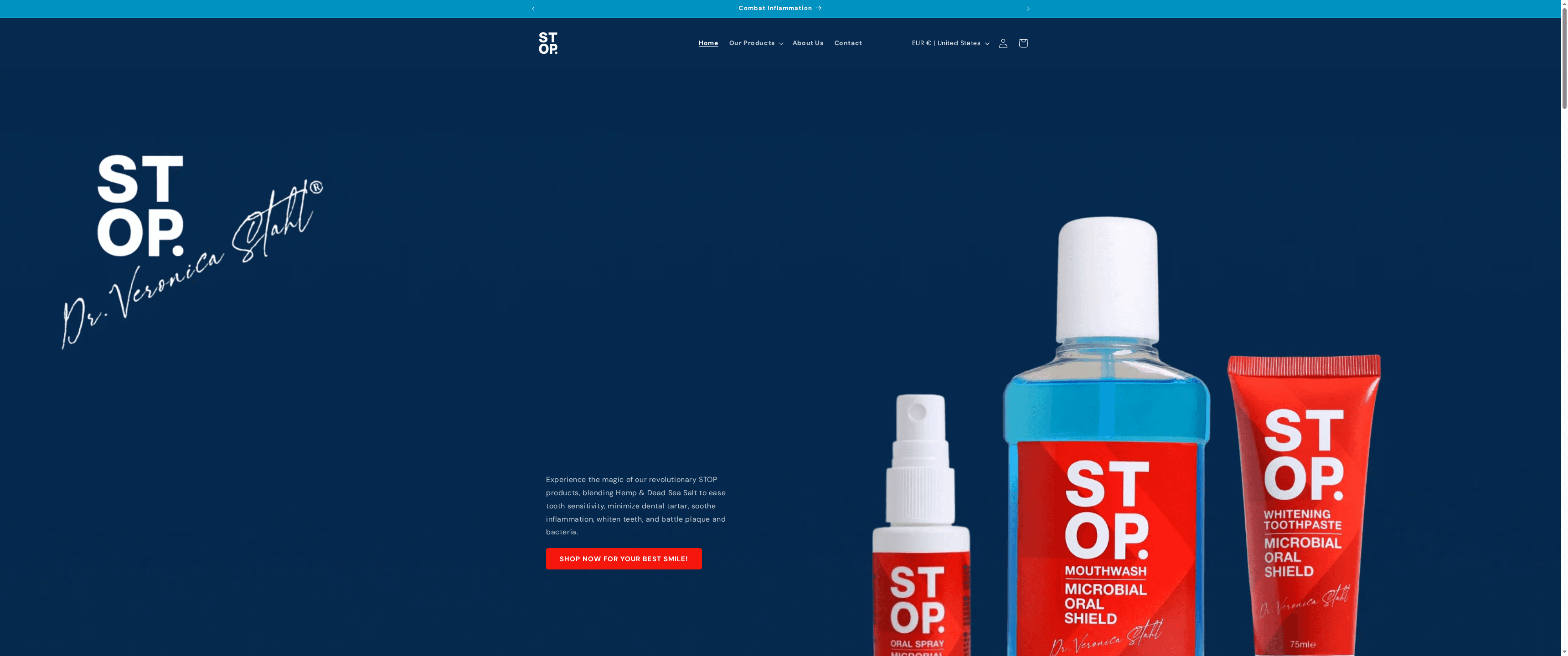
Discover your path to safer, healthier oral care by exploring our carefully crafted collection. Visit our Home Page – Stop Oral Care to learn more about the unique benefits of our formulas. Take control of your oral health today at https://stop-oralcare.com and experience a trusted, innovative alternative that blends natural healing with proven scientific standards.
Frequently Asked Questions
What are dental product safety standards?
Dental product safety standards are rigorous guidelines established to ensure that dental products meet specific safety and performance requirements, including materials testing, biocompatibility evaluations, and toxicological risk analysis.
How do I know if my dental products are safe?
To ensure your dental products are safe, verify their compliance with recognized safety standards such as those set by the ADA or FDA, and consult with dental professionals for product recommendations tailored to your specific needs.
What are the main differences between natural and conventional dental products?
Natural dental products typically consist of botanical extracts and minerals with fewer synthetic chemicals, resulting in reduced side effects, while conventional products may rely on synthetic ingredients that have proven efficacy but can pose potential allergenic responses.
How can natural dental formulations contribute to oral health?
Natural dental formulations can provide benefits such as biocompatibility, antimicrobial properties, and anti-inflammatory characteristics, offering effective oral care while minimizing the risk of adverse reactions associated with synthetic components.