

Finding truly safe dental products can be difficult if you are worried about what goes into your mouth each day. For those living in the United Kingdom or Germany who prioritize wellness, uncovering dental care that avoids harsh chemicals and questionable substances is essential. This article explores the facts and myths behind non-toxic dental care, showing how biocompatible and fluoride-free solutions deliver effective results for sensitive teeth while supporting your whole-body health.
Table of Contents
- Non-Toxic Dental Care Defined and Debunked
- Key Ingredients in Non-Toxic Products
- How Non-Toxic Options Support Oral Health
- Common Toxins Found in Conventional Care
- Comparing Non-Toxic and Traditional Dental Products
Key Takeaways
| Point | Details |
|---|---|
| Non-Toxic Dentistry Focuses on Safety | Non-toxic dental care prioritizes biocompatibility, opting for materials and methods that minimize harmful substances and promote patient well-being. |
| Natural Alternatives Can Be Effective | Non-toxic products can deliver comparable results to traditional options, focusing on natural ingredients that support oral health without systemic absorption risks. |
| Protecting Your Health Goes Beyond Teeth | Choosing non-toxic dental care reduces cumulative exposure to harmful toxins, contributing to overall health and wellness. |
| Evaluate Products Critically | Always check for scientifically validated claims and ingredient sources when selecting non-toxic dental products to ensure both safety and efficacy. |
Non-Toxic Dental Care Defined and Debunked
Non-toxic dental care represents a fundamental shift in how we approach oral health, moving away from practices that expose patients to potentially harmful substances and toward methods that prioritize biocompatibility and safety. At its core, biological dentistry (also known as holistic dental care) describes a philosophy that prioritizes the safest and least toxic methods to accomplish dental treatment goals. This approach seeks a more biocompatible approach by selecting materials and procedures that minimize adverse biological responses, with patient well-being as the highest priority. Rather than accepting chemicals and substances simply because they have been used for decades, non-toxic dental care asks a critical question: is there a safer alternative?
The distinction between conventional and non-toxic dental care often comes down to material selection and treatment protocols. Traditional dentistry has relied on substances like mercury in amalgam fillings, fluoride compounds in toothpaste, and synthetic chemicals in mouthwash products. Non-toxic alternatives eliminate these ingredients in favor of naturally derived compounds and mineral-based formulations. For instance, instead of fluoride, many non-toxic products utilize minerals like those from the Dead Sea or plant-based ingredients that support oral health without systemic absorption concerns. The World Health Organization has recognized the importance of safer dental care integration into health systems, emphasizing strategies that minimize exposure to harmful substances commonly found in dental environments. This global acknowledgment validates what health-conscious individuals have long understood: our dental choices affect not only our teeth but our overall wellness.
One common misconception is that non-toxic dental care means less effective care. This is simply false. Products formulated with natural ingredients can deliver measurable results for sensitive teeth, gum health, and plaque control when properly formulated with scientific backing. The confusion arises because effectiveness has historically been measured by ingredient strength rather than biological outcome. A fluoride-free toothpaste containing hemp extracts and mineral compounds can prevent decay and address sensitivity as effectively as conventional products, without the potential concerns associated with fluoride exposure. Understanding how to transition to natural oral care helps you evaluate which products genuinely deliver results versus those making empty claims.
Pro tip: When evaluating non-toxic dental products, verify they have scientific studies supporting their claims rather than relying solely on natural ingredient lists, as true safety combines both natural origin and clinical validation.
Key Ingredients in Non-Toxic Products
Non-toxic dental products work because of what they contain, not what they avoid. While eliminating harmful substances matters, the real power comes from selecting ingredients that actively support oral health while maintaining biocompatibility with your body. Biocompatible materials do not damage cells or trigger inflammatory or allergic responses, making them fundamentally safer for long-term use. The most effective non-toxic products combine carefully chosen natural ingredients with minerals that have been scientifically validated for dental health. Understanding what goes into your toothpaste, mouthwash, or oral spray empowers you to make decisions aligned with your health values.
Several key ingredient categories drive non-toxic dental care effectiveness. Dead Sea minerals provide a rich source of calcium, magnesium, and potassium that strengthen enamel and support gum health without synthetic additives. Hemp extracts offer natural antimicrobial and anti-inflammatory properties that address both plaque buildup and gum sensitivity. Plant-based antimicrobials derived from ingredients like tea tree oil or sage extract combat harmful bacteria without the broad-spectrum effects of chemical antiseptics that damage beneficial oral microbiota. Glass ionomers represent a category of biocompatible dental materials that can safely deliver minerals to teeth, making them valuable in restorative applications. Unlike traditional approaches that rely on single-function ingredients, non-toxic formulations create synergistic effects where multiple components work together to achieve superior results. For sensitive teeth specifically, combinations of mineral compounds and plant extracts reduce inflammation while gradually desensitizing nerve pathways without numbing agents.
The source and quality of ingredients matter considerably. Ingredients extracted through sustainable, chemical-free methods preserve their biological activity and minimize contamination from processing chemicals. Many non-toxic products prioritize ingredients that reduce toxic exposure while supporting both personal and planetary health. This means avoiding synthetic preservatives, artificial flavoring agents, and chemical stabilizers common in conventional dental products. When evaluating options, natural ingredients in dental care deserve scrutiny regarding both their origin and their clinical validation. A truly non-toxic product combines transparent sourcing with published research demonstrating safety and effectiveness.
Pro tip: Review the ingredient list for Dead Sea minerals, hemp extracts, and plant-based antimicrobials, then verify the product has clinical studies or third-party testing confirming both safety and effectiveness rather than relying solely on ingredient names.
The table below summarizes key ingredients in non-toxic dental products and their primary oral health benefits:
| Ingredient | Natural Source | Core Benefit |
|---|---|---|
| Dead Sea Minerals | Mineral deposits | Strengthens enamel, supports gums |
| Hemp Extracts | Cannabis sativa plant | Antimicrobial, anti-inflammatory effects |
| Plant-Based Antimicrobials | Tea tree oil, sage extract | Targets harmful bacteria safely |
| Glass Ionomers | Biocompatible glass powders | Safely delivers minerals to teeth |
How Non-Toxic Options Support Oral Health
Non-toxic dental products work at multiple levels to strengthen your oral health, not merely by avoiding harmful substances but by actively promoting healing and protection. When you eliminate exposure to chemicals that can trigger inflammation or allergic reactions, your mouth’s natural defense systems function more effectively. Your gums become less irritated, your teeth remain more resistant to decay, and your overall oral tissues maintain better integrity. This represents a fundamental shift from conventional dentistry’s reactive approach (treating problems after they develop) to a preventative model that supports your mouth’s inherent ability to stay healthy.
The most direct benefit of non-toxic options appears in gum health. Inflammation caused by conventional products often masks underlying issues, making problems harder to detect until they become serious. Non-toxic formulations reduce this inflammatory response while simultaneously addressing the root causes through natural antimicrobial compounds and healing minerals. When you switch to natural solutions that support gum health, you typically notice reduced bleeding, less sensitivity, and improved gum texture within weeks. Beyond gums, biological dentistry approaches protect oral and systemic health by eliminating exposure to harmful substances while fostering healing and avoiding chemicals that may worsen conditions. This systemic benefit matters because your mouth connects directly to your digestive system and bloodstream, making oral toxicity a whole-body concern.

Another critical advantage involves improved patient compliance with daily hygiene routines. When products stop causing sensitivity, irritation, or uncomfortable aftertastes, you naturally use them more consistently. Consistent use of safer products leads to better plaque control, reduced infection risk, and ultimately superior oral health outcomes. For those with sensitive teeth specifically, non-toxic products address the underlying inflammation rather than simply numbing sensation, resulting in genuine healing rather than temporary relief. Your teeth gradually become less sensitive as the underlying causes resolve, not merely masked during brushing sessions.
Safer dental products also eliminate the cumulative toxicity concern that many health-conscious individuals worry about. Over a lifetime, the chemicals absorbed through your mouth tissues accumulate in your body. By choosing non-toxic alternatives now, you actively reduce this burden while supporting your body’s natural detoxification processes. This long-term perspective represents what truly distinguishes non-toxic dental care from conventional approaches.
Pro tip: Track your gum health improvements over four to six weeks after switching to non-toxic products, noting changes in bleeding, sensitivity, and texture, as this personal baseline helps you recognize genuine healing versus temporary symptom relief.
Common Toxins Found in Conventional Care
Conventional dental products contain substances that health-conscious individuals increasingly question. These are not exotic chemicals but rather compounds that have been standard in dentistry for decades, often grandfathered into use without modern safety scrutiny. Understanding what actually sits in conventional toothpaste, fillings, and mouthwash empowers you to recognize why non-toxic alternatives exist. The toxins found in conventional dental care fall into several distinct categories, each presenting different concerns for your oral and systemic health.
Mercury in amalgam fillings represents one of the most contentious substances in conventional dentistry. Amalgam contains approximately 50 percent mercury mixed with other metals like silver and tin. While dental organizations argue that mercury in amalgam remains stable, the International Academy of Oral Medicine and Toxicology has documented mercury toxicity risks extensively and advocates for minimizing exposure through safer alternatives and protective protocols during removal. Over decades, trace amounts of mercury vapor can be released, particularly during chewing, and mercury is a neurotoxin that accumulates in body tissues. Fluoride in excessive amounts presents another concern. While fluoride supporters emphasize its cavity-prevention benefits, cumulative fluoride exposure through multiple sources (toothpaste, mouthwash, water) can exceed safe levels, particularly for young children whose developing bodies absorb fluoride more readily. Excessive fluoride exposure has been linked to dental fluorosis, thyroid dysfunction, and skeletal concerns.
Bisphenol-A (BPA) derivatives found in composite resins and dental sealants leach into your mouth during acid exposure or chewing. BPA mimics estrogen in your body, disrupting hormonal signaling and potentially contributing to reproductive and developmental problems. Many modern composites still contain BPA or similar compounds despite growing awareness of these risks. Chemical disinfectants and preservatives in conventional mouthwash products like chlorhexidine and triclosan disrupt your oral microbiome indiscriminately, killing beneficial bacteria alongside harmful ones. This disruption weakens your mouth’s natural defense system, ultimately increasing susceptibility to infections and inflammation. Healthcare settings face broader challenges from chemical toxins including mercury, plastics, and disinfectants that contribute to environmental pollution and human health risks.
The cumulative effect of these toxins matters more than any single exposure. Your mouth’s thin mucous membranes absorb substances efficiently, and your saliva carries these compounds throughout your body. Over years of using conventional products, these toxins accumulate in your tissues, potentially triggering chronic inflammation, immune dysfunction, and other systemic problems that conventional medicine struggles to connect back to your dental routine.
Pro tip: If you currently have amalgam fillings, request that your dentist use a rubber dam and proper ventilation during any removal procedures to minimize mercury vapor exposure, and ask about non-toxic replacement materials like ceramic or composite alternatives.
Comparing Non-Toxic and Traditional Dental Products
The differences between non-toxic and traditional dental products extend far beyond marketing claims. At the material level, traditional dentistry has relied on substances chosen primarily for their effectiveness and cost, with safety considerations often secondary. Traditional products use mercury amalgams for fillings, fluoride compounds in toothpaste, and synthetic chemical preservatives in mouthwash. Non-toxic alternatives approach material selection from the opposite direction, prioritizing biocompatibility first and ensuring effectiveness second. This fundamental difference in philosophy shapes everything about how these products function in your mouth.
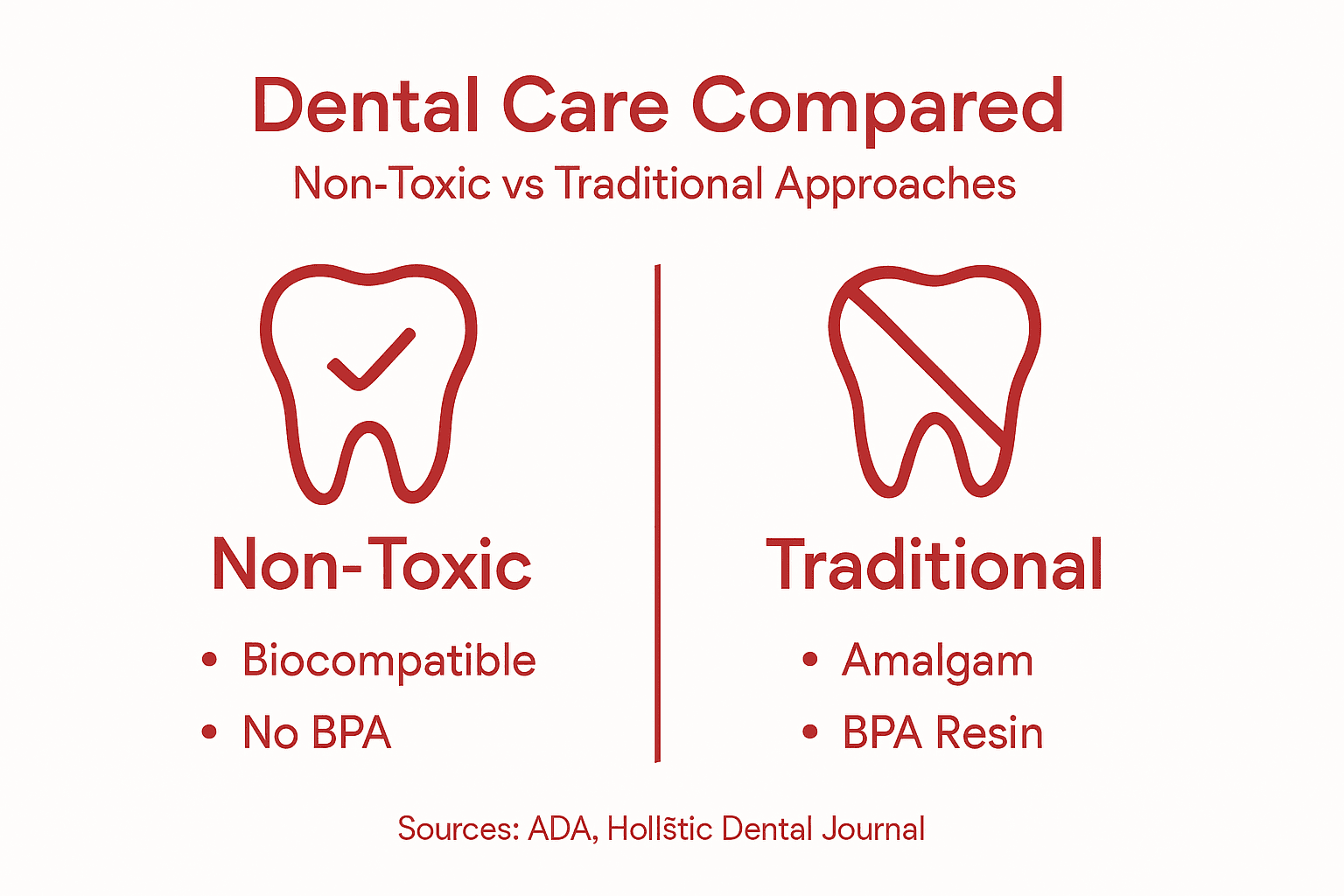
Traditional composite resins, while marketed as an improvement over amalgam, still contain bisphenol-A derivatives and other synthetic compounds that can leach into your mouth tissues. Traditional mouthwash relies on broad-spectrum antimicrobials like chlorhexidine that indiscriminately kill bacteria, disrupting your oral microbiome in the process. Meanwhile, non-toxic products use ceramics and glass ionomers that demonstrate biocompatibility without causing cytotoxicity or allergic reactions. Fluoride-free toothpastes substitute mineral-based compounds and plant extracts that support oral health through different mechanisms than fluoride, addressing sensitivity and decay prevention without systemic absorption concerns. The key distinction: traditional products treat your mouth as a battlefield requiring chemical dominance, while non-toxic products treat it as an ecosystem requiring balance.
Cost represents one area where traditional products appear advantageous initially. Traditional dental procedures and products cost less upfront because they use cheaper materials and simpler manufacturing processes. However, this calculation ignores long-term costs. When traditional products trigger sensitivity, inflammation, or allergic reactions, you end up visiting your dentist more frequently. When mercury or BPA accumulates in your tissues, you may face health problems requiring medical intervention. Non-toxic products often cost more per unit, but they typically reduce your overall dental expenses by preventing problems rather than treating them reactively. Additionally, safer alternatives maintain therapeutic efficacy while reducing risk of toxicity to patients and the environment.
Effectiveness comparisons often surprise people accustomed to traditional products. Non-toxic toothpastes can prevent decay as effectively as fluoride versions when formulated with proper mineral content. Non-toxic fillings and restorations last as long as traditional materials. The difference lies not in performance but in biological cost. You achieve the same dental outcomes without absorbing toxic substances or disrupting your oral ecosystem. For sensitive teeth specifically, non-toxic formulations address root causes through anti-inflammatory compounds rather than merely numbing sensation, resulting in genuine improvement rather than temporary masking.
Here’s a concise comparison of non-toxic vs. traditional dental care approaches:
| Key Aspect | Non-Toxic Dental Care | Traditional Dental Care |
|---|---|---|
| Material Selection | Prioritizes biocompatibility | Prioritizes effectiveness and cost |
| Common Ingredients | Dead Sea minerals, hemp extracts, ceramics | Mercury amalgam, fluoride, BPA derivatives |
| Microbiome Impact | Preserves balance of oral flora | Often disrupts beneficial bacteria |
| Long-Term Health Risk | Reduces cumulative toxicity | May accumulate toxins over time |
| Preventative Focus | Supports natural healing and prevention | Focuses on symptom management |
Pro tip: When comparing product labels, ignore marketing language and focus on the actual ingredient lists, looking for Dead Sea minerals, plant-based antimicrobials, and absence of fluoride, BPA, and mercury rather than trusting claims about “natural” or “safe” on packaging alone.
Embrace Safer Smiles with Non-Toxic Dental Care Solutions
If you are concerned about the toxins found in conventional dental products like mercury, fluoride, and BPA derivatives, you are not alone. Many health-conscious individuals struggle with sensitivity, inflammation, and the long-term effects of these substances on oral and overall health. The article explains how non-toxic dental care offers a biocompatible approach that supports natural healing and prevents toxic buildup in your body. It highlights the power of ingredients like Dead Sea minerals and hemp extracts, which work synergistically to protect your gums and teeth without harmful side effects.
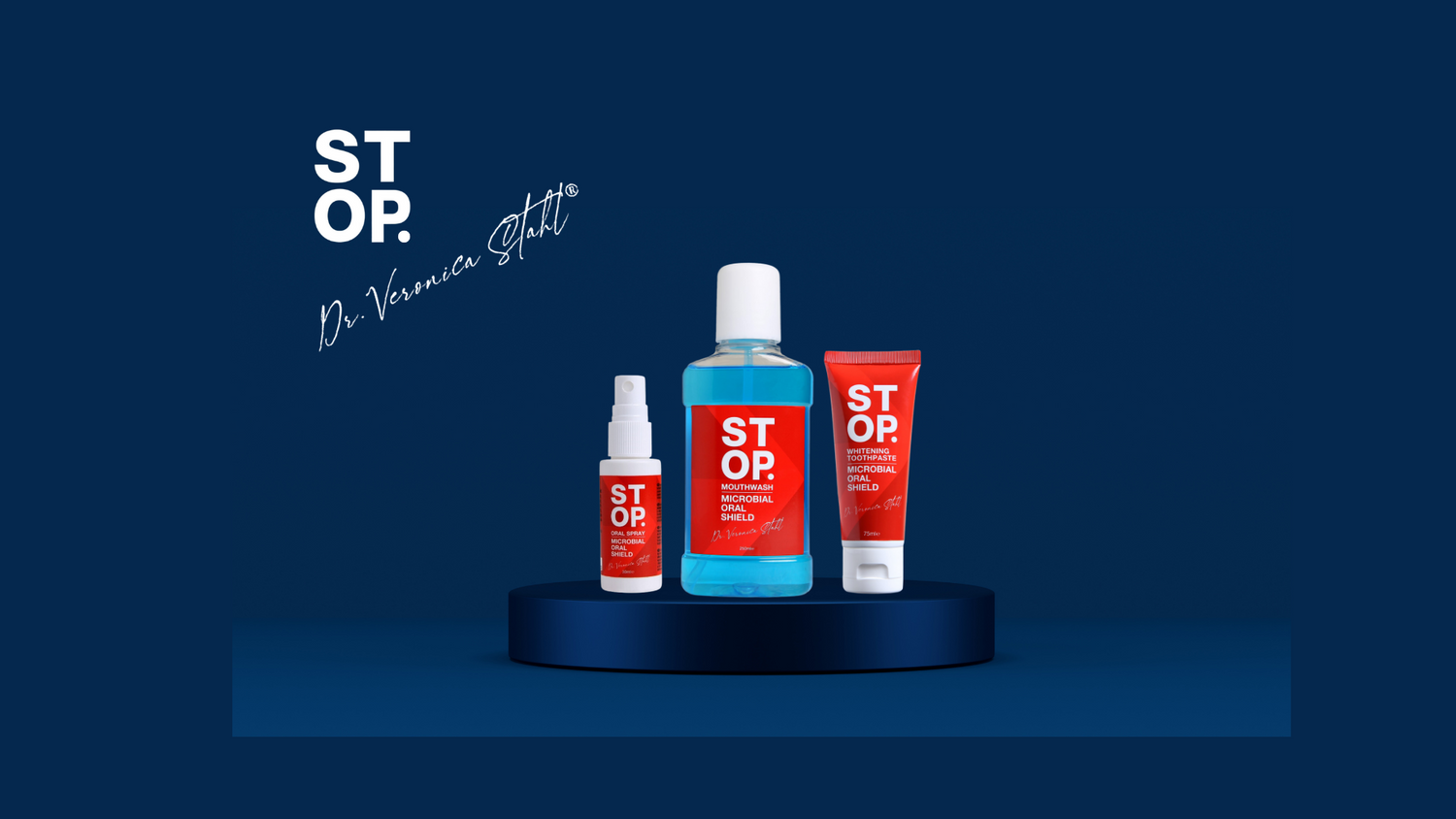
Discover how you can make the switch to safer, scientifically backed products through our exclusive STOP Oral Care Collection designed precisely to address these challenges.
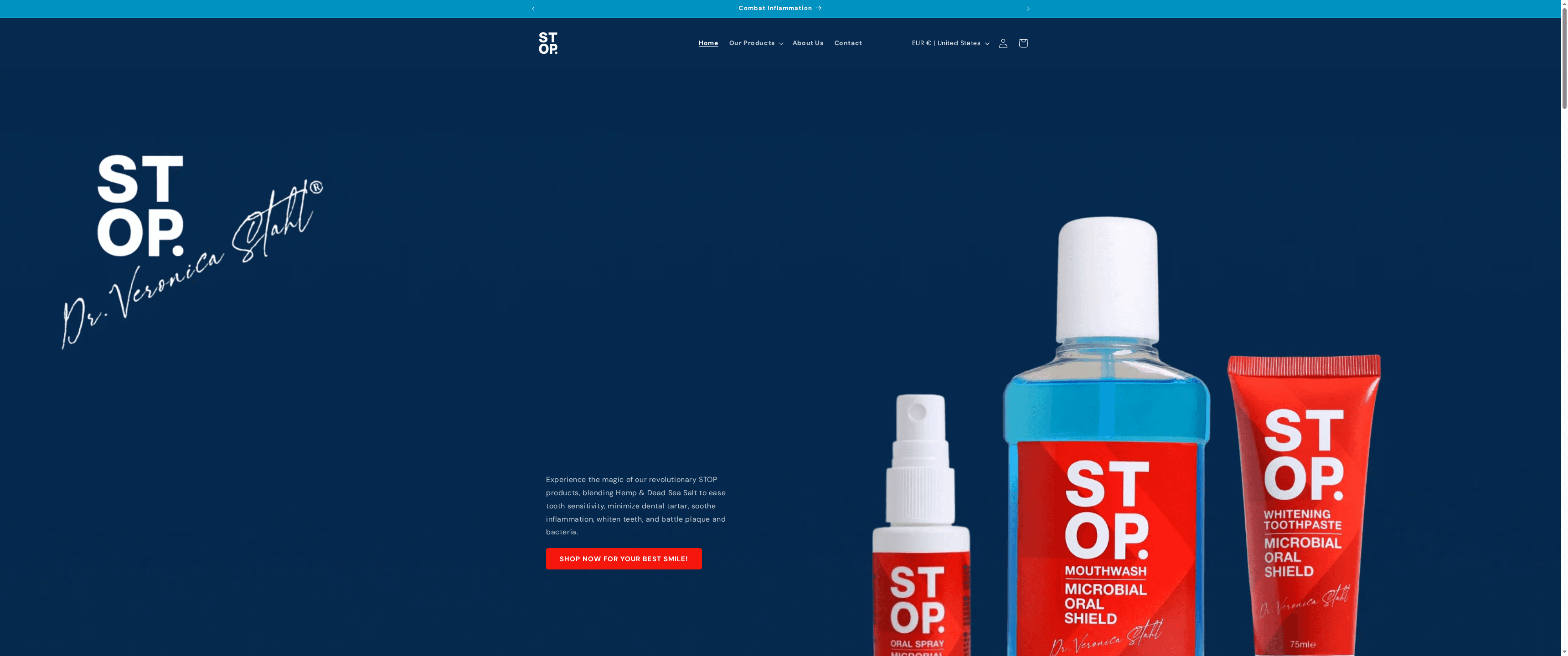
Take control of your oral health today by choosing natural, fluoride-free options that deliver proven results without compromising your wellbeing. Visit our Home Page to explore Dr. Veronica Stahl’s revolutionary dental care solutions and learn why thousands trust STOP Oral Care for safer smiles. Don’t wait for symptoms to worsen. Start your journey to healthier gums and teeth now with effective, non-toxic oral care.
Frequently Asked Questions
What is non-toxic dental care?
Non-toxic dental care focuses on using biocompatible materials and methods that minimize exposure to harmful substances, prioritizing patient safety and overall wellness.
How does non-toxic dental care differ from traditional dental care?
Non-toxic dental care emphasizes the use of natural and biocompatible ingredients, while traditional dental care often relies on synthetic chemicals and materials such as mercury and fluoride.
Are non-toxic dental products effective?
Yes, non-toxic dental products can be as effective as traditional products in preventing decay, managing sensitivity, and supporting gum health, often utilizing minerals and plant-derived compounds instead of harsh chemicals.
What common toxins should I avoid in conventional dental care products?
Common toxins in conventional dental care include mercury in amalgam fillings, fluoride in toothpaste, bisphenol-A (BPA) in resins, and synthetic preservatives in mouthwashes, which may pose health risks over time.