

Every parent faces tough decisions when it comes to protecting their children’s health, especially in choosing safe dental care options that avoid unnecessary chemical exposure. Many families in the United Kingdom and Germany are searching for trustworthy fluoride-free solutions to keep young smiles bright. This guide gives practical steps for evaluating dental habits, researching alternatives, and selecting proven products so you can confidently support your family’s oral health with natural dental care strategies.
Table of Contents
- Step 1: Assess Your Current Dental Care Routine
- Step 2: Research Proven Fluoride-Free Alternatives
- Step 3: Select Quality Fluoride-Free Dental Products
- Step 4: Transition Your Family to Natural Oral Care
- Step 5: Monitor Oral Health Improvements
Quick Summary
| Key Point | Explanation |
|---|---|
| 1. Assess your dental care routine | Evaluate current products and habits to understand areas needing improvement as you transition to fluoride-free methods. |
| 2. Research fluoride-free alternatives | Explore scientifically supported natural ingredients like Xylitol and Calcium Phosphate to effectively maintain dental health. |
| 3. Select quality fluoride-free products | Choose products based on beneficial ingredients and personal dental needs, consulting professionals for tailored advice. |
| 4. Involve your family in the transition | Engage family members in the selection process to create a supportive environment for adopting a fluoride-free routine. |
| 5. Monitor oral health progress | Track indicators of oral health to assess the effectiveness of your fluoride-free dental care routine and make necessary adjustments. |
Step 1: Assess your current dental care routine
Switching to a fluoride-free dental routine begins with an honest evaluation of your current oral health practices. Your existing routine contains valuable insights that will help you craft a personalized natural approach. Start by taking a comprehensive inventory of the products you currently use, examining their ingredients and understanding their potential impacts.
Carefully review each dental product in your bathroom cabinet, paying special attention to toothpaste, mouthwash, and dental floss. Check ingredient lists for fluoride and other synthetic chemicals. Dental health guidelines recommend examining not just the products themselves, but also your brushing technique, frequency of dental visits, and overall oral hygiene habits. Note how often you brush, the type of toothbrush you use, and your typical dental care schedule.
Consult with your dentist to understand your specific oral health needs. Some individuals may have unique dental conditions that require tailored recommendations. A professional can provide personalized guidance about transitioning to fluoride-free alternatives while maintaining optimal dental health.
Pro tip: Create a detailed spreadsheet tracking your current dental products, their ingredients, and your oral health observations to help guide your transition strategy.
Step 2: Research proven fluoride-free alternatives
Transitioning to a fluoride-free dental care routine requires comprehensive research into scientifically validated alternatives that can effectively protect your oral health. Natural oral health strategies offer promising approaches for maintaining dental wellness without traditional fluoride treatments. Understanding these alternatives involves examining natural ingredients and their specific mechanisms for preventing tooth decay and supporting enamel strength.
Xylitol emerges as a standout alternative, demonstrating significant potential in reducing bacterial acid production and promoting oral health. Other promising options include calcium phosphate compounds, essential oils with antimicrobial properties, and herbal extracts known for their protective dental benefits. Investigate ingredients like neem, tea tree oil, and licorice root extract which have demonstrated antibacterial and remineralization capabilities. Carefully review scientific literature and consult dental professionals to understand how these natural compounds can effectively replace traditional fluoride treatments.

When exploring alternatives, prioritize evidence based research and clinical studies that validate the effectiveness of fluoride free options. Look for peer reviewed publications, consult dental associations, and seek recommendations from holistic health practitioners who specialize in natural oral care approaches. Compare different natural ingredients based on their proven ability to prevent cavities, reduce plaque formation, and support overall dental health.
To help you compare popular fluoride-free dental ingredients, here is a summary of their mechanisms and scientific support:
| Ingredient | Oral Health Benefit | Scientific Evidence Level |
|---|---|---|
| Xylitol | Reduces cavity-causing bacteria | Strongly supported |
| Hydroxyapatite | Remineralizes tooth enamel | Growing research base |
| Neem | Antibacterial, supports gum health | Recent clinical studies |
| Tea Tree Oil | Antimicrobial action against plaque | Moderate scientific support |
| Calcium Phosphate | Strengthens teeth, prevents decay | Emerging evidence |
Pro tip: Create a comparison chart documenting the scientific evidence supporting different fluoride free ingredients to help you make an informed decision about your oral care strategy.
Step 3: Select quality fluoride-free dental products
Transitioning to fluoride-free dental care requires carefully selecting products that maintain oral health through scientifically validated natural ingredients. Fluoride-free dental product strategies offer comprehensive approaches for identifying safe and effective alternatives that support your dental wellness without traditional fluoride treatments.
When evaluating fluoride-free products, focus on key ingredients that provide robust dental protection. Hydroxyapatite stands out as a powerful natural mineral that effectively remineralizes tooth enamel and reduces sensitivity. Look for toothpastes containing xylitol, which naturally inhibits bacterial growth and prevents tooth decay. Essential oils like neem and tea tree offer additional antimicrobial benefits, while calcium phosphate compounds support enamel strength. Compare product labels carefully, examining the concentration and quality of active ingredients that contribute to oral health.
Beyond ingredient analysis, consider your specific dental needs when selecting fluoride-free products. Some formulations target sensitive teeth, while others focus on whitening or gum health. Consult with holistic dental practitioners who can provide personalized recommendations based on your oral health profile. Read independent research studies, consumer reviews, and professional recommendations to make an informed decision about the most suitable fluoride-free dental care products for your individual requirements.
Pro tip: Create a detailed spreadsheet tracking the specific ingredients, benefits, and potential drawbacks of different fluoride-free dental products to help you make the most informed selection.
Step 4: Transition your family to natural oral care
Switching your entire family to a natural oral care routine requires a thoughtful and gradual approach that ensures everyone feels comfortable and supportive of the change. Oral health resources for families provide essential guidance for creating a smooth transition that addresses each family member’s unique dental needs.
Begin by involving every family member in the process of selecting natural dental care products. For children, make the transition engaging by allowing them to choose their own fluoride-free toothbrush or toothpaste with appealing natural flavors. Demonstrate proper brushing techniques using natural products, emphasizing the importance of thorough cleaning and gentle oral care. Consider creating a visual chart that tracks each family member’s progress and provides gentle encouragement for adopting new oral hygiene habits.
Educate your family about the benefits of natural oral care by explaining the scientific reasoning behind fluoride-free alternatives. Share information about natural ingredients like xylitol, essential oils, and mineral compounds that support dental health. Schedule a family discussion where everyone can ask questions and express concerns, transforming the transition into a collaborative and supportive experience. Be patient and understanding, recognizing that some family members might take longer to adjust to new oral care practices.
Pro tip: Create a fun family oral care challenge with small rewards to motivate everyone and make the transition to natural products more exciting and engaging.
Step 5: Monitor oral health improvements
Tracking your oral health progress is crucial when transitioning to a fluoride-free dental care routine. National oral health surveillance methods provide comprehensive frameworks for evaluating dental wellness systematically and objectively.
Establish a baseline assessment by scheduling a comprehensive dental examination before starting your fluoride-free journey. Document current dental conditions including tooth sensitivity, plaque levels, gum health, and enamel strength. Take detailed photographs of your teeth and maintain a digital journal tracking changes in oral appearance and sensation. Consider using specialized dental health tracking apps or creating a spreadsheet to record key metrics such as tooth sensitivity, breath quality, gum inflammation, and overall oral comfort.
Schedule regular follow up appointments with your dental professional to conduct professional assessments. Clinical research demonstrates that carefully monitored fluoride-free approaches can be equally effective in maintaining dental health. Request specific tests that measure enamel remineralization, bacterial balance, and overall oral microbiome health. Pay attention to subtle changes in your mouth such as reduced sensitivity, improved gum texture, and enhanced breath quality which might indicate positive outcomes from your natural oral care transition.
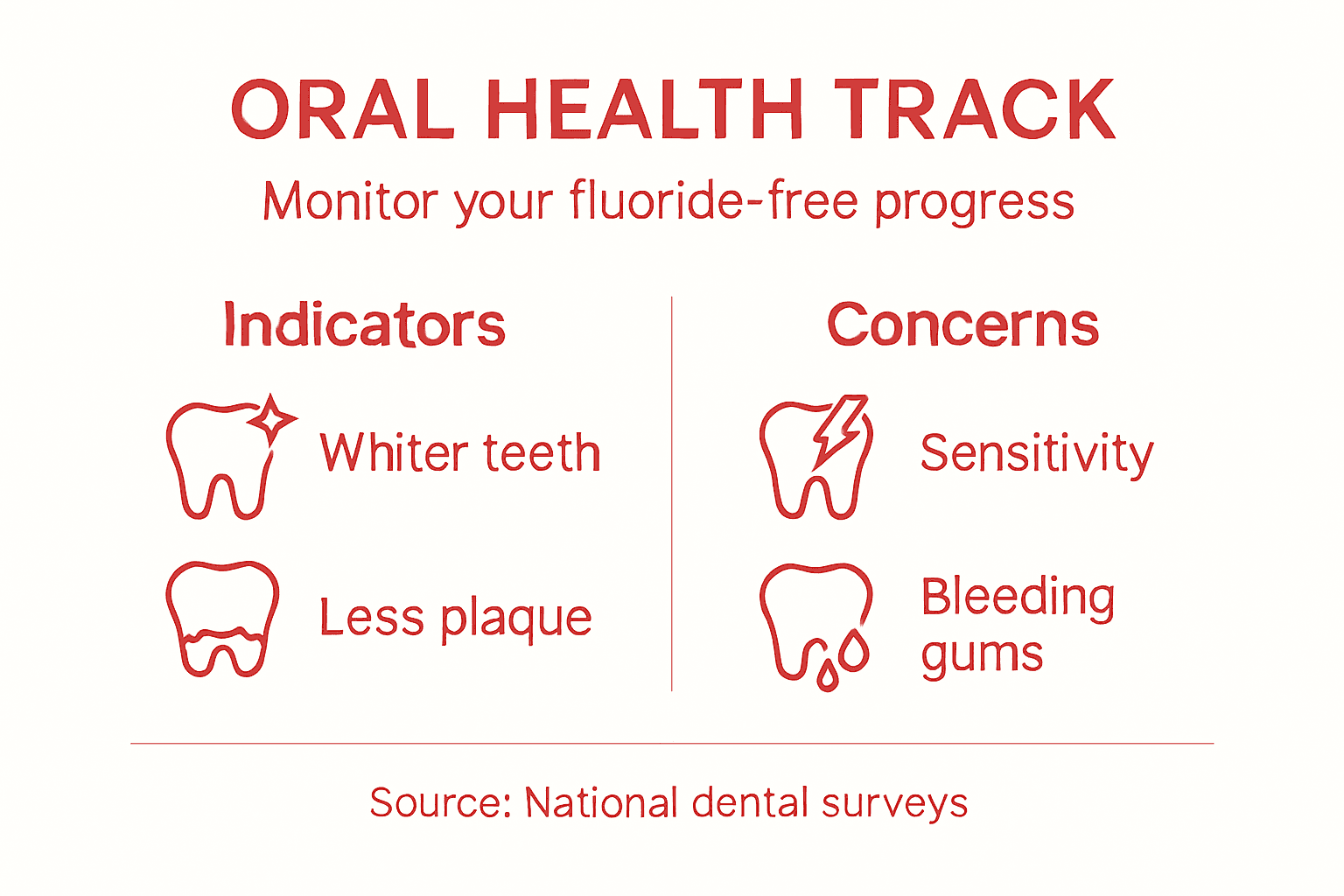
Here is a quick reference for monitoring common oral health indicators during your fluoride-free transition:
| Indicator | Improvement Sign | Concern Sign |
|---|---|---|
| Tooth Sensitivity | Less discomfort | Increased pain |
| Gum Health | Pink, firm tissues | Swelling or bleeding |
| Plaque Levels | Less visible buildup | Persistent deposits |
| Breath Quality | Fresher breath | Persistent odor |
Pro tip: Create a color coded tracking system with green for positive changes, yellow for neutral observations, and red for potential concerns to make monitoring your oral health more engaging and visual.
Discover Effective Fluoride-Free Dental Care Solutions That Support Your Natural Transition
Making the switch to fluoride-free dental care can feel overwhelming when navigating product choices and ingredient benefits. This article highlights key challenges such as finding scientifically backed natural ingredients like xylitol and mineral compounds that protect your teeth without fluoride. If your goal is to maintain healthy enamel and reduce tooth sensitivity naturally, you deserve easy access to quality products designed precisely for this purpose.
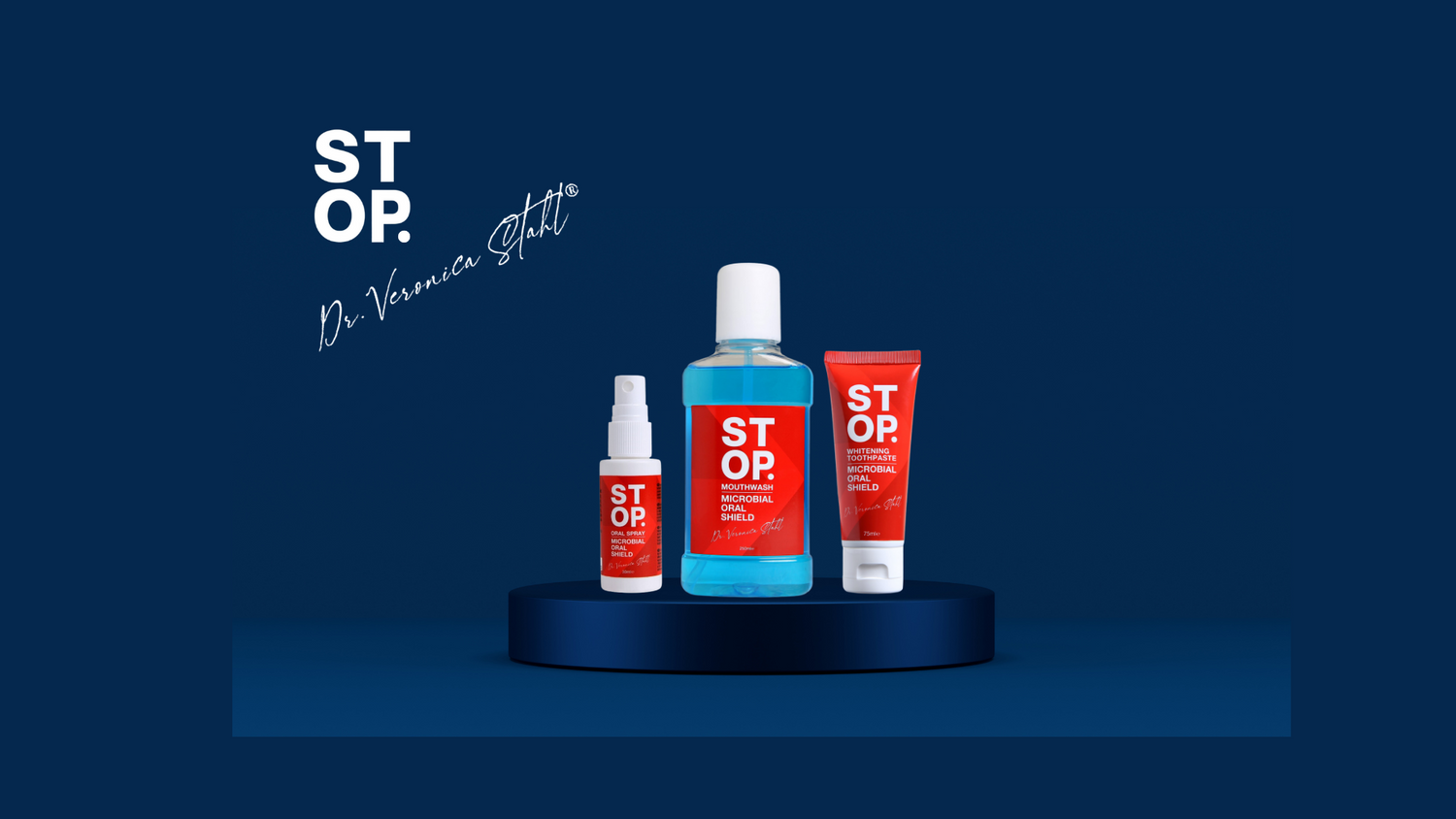
At STOP Oral Care we offer a unique line of fluoride-free dental care products infused with hemp and Dead Sea minerals formulated to promote healing and strengthen your smile safely. Each item is crafted with natural, scientifically supported ingredients inspired by leading experts including Dr. Veronica Stahl. Enhance your routine with toothpaste, mouthwash, and oral sprays created specifically to meet the needs discussed in this guide.

Take control of your oral health today by visiting the Home Page and explore how you can transition your family comfortably to natural care. Do not miss the chance to experience truly innovative fluoride-free options that align perfectly with your goals. Start your journey now at https://stop-oralcare.com.
Frequently Asked Questions
How can I evaluate my current dental care routine before switching to fluoride-free products?
Start by reviewing all dental products you currently use, such as toothpaste, mouthwash, and dental floss. Make a list of their ingredients, focusing on the presence of fluoride and other synthetic chemicals, and assess your brushing and flossing habits to identify potential improvements.
What are some effective fluoride-free alternatives for maintaining oral health?
Proven fluoride-free alternatives include ingredients like xylitol, hydroxyapatite, and neem. Research these natural options to understand how they can help prevent tooth decay and support enamel strength.
How do I select quality fluoride-free dental products for my family?
Focus on products that contain scientifically backed ingredients like hydroxyapatite and xylitol. Compare labels carefully, and consider your family’s specific dental needs, such as sensitivity or gum health, to ensure you choose the best options for everyone.
What steps can I take to transition my family smoothly to natural oral care?
Involve each family member in selecting their new fluoride-free products and educate them on the benefits of natural oral care. Create engaging visuals or charts to track progress and motivate everyone to adapt to new brushing and flossing routines.
How can I monitor my oral health improvements after switching to fluoride-free dental care?
Establish a baseline by noting your current dental condition, and keep a journal to document changes after transitioning. Schedule regular dental check-ups to assess indicators like tooth sensitivity and gum health, noting improvements or concerns over time.