

Finding the right fluoride-free toothpaste can be more confusing than ever for health-conscious people in the UK and Germany. Sensitivity issues, personal health philosophies, and concern about additives leave many searching for safer options, especially when even American dental advice is still debated. Nearly one in three adults report tooth sensitivity, making the search for natural healing products a priority. This guide helps you assess your unique needs and confidently choose effective fluoride-free oral care.
Table of Contents
- Step 1: Identify Your Oral Health Needs
- Step 2: Research Natural Ingredient Benefits
- Step 3: Evaluate Product Safety And Certifications
- Step 4: Compare Effectiveness Of Available Products
- Step 5: Test And Verify Your Chosen Toothpaste
Quick Summary
| Key Insight | Explanation |
|---|---|
| 1. Assess Your Oral Health Needs | Understand your unique dental profile to choose the right fluoride-free toothpaste. Consider sensitivity and risks before switching. |
| 2. Research Natural Ingredients | Investigate effective natural ingredients like hydroxyapatite and xylitol for tooth decay prevention and overall oral health. |
| 3. Evaluate Product Safety | Look for third-party certifications and detailed ingredient lists to ensure safety and quality of fluoride-free options. |
| 4. Compare Effectiveness of Products | Analyze scientific data and clinical trials to select fluoride-free toothpaste that offers comparable protection against cavities. |
| 5. Test and Monitor Your Selection | Conduct a 30-day trial of the chosen toothpaste and track oral health changes to verify its effectiveness and compatibility. |
Step 1: Identify your oral health needs
Choosing a fluoride free toothpaste starts with understanding your unique oral health profile. Your specific dental conditions, sensitivities, and risk factors will guide your selection process and help you find the most appropriate natural alternative.
Begin by conducting a comprehensive assessment of your current oral health status. Dental professionals recommend evaluating cavity risk through several key factors: your diet, lifestyle habits, existing dental work, and genetic predisposition to tooth decay. Individuals with low cavity risk might find fluoride free options more suitable, while those with higher decay potential should consult their dentist before switching.
Key considerations for selecting a fluoride free toothpaste include assessing tooth sensitivity, understanding your whitening preferences, and checking your tolerance for specific natural ingredients. Some people seek fluoride alternatives due to pregnancy concerns, young children’s dental care, or personal health philosophies. By carefully analyzing these factors, you can make an informed decision that supports your overall oral wellness.
Professional Recommendation: Schedule a dental consultation to receive personalized guidance on selecting the most appropriate fluoride free toothpaste for your specific oral health requirements.
Step 2: Research natural ingredient benefits
Diving into natural toothpaste ingredients requires a strategic approach to understanding their unique oral health properties. Your goal is to identify scientifically backed natural alternatives that can effectively support dental wellness without traditional fluoride.
Recent clinical trials demonstrate natural mineral effectiveness in preventing tooth decay. Hydroxyapatite, a natural calcium phosphate mineral, provides comparable protection to fluoride by promoting enamel remineralization. Additional powerful natural ingredients include xylitol, coconut oil, aloe vera, and essential oils, each offering specific antimicrobial and anti-inflammatory benefits that support comprehensive oral health.

As you research, focus on understanding the specific functions of each natural ingredient. Baking soda neutralizes acids, coconut oil provides antibacterial protection, bentonite clay supports detoxification, and sea salt acts as a natural antiseptic. These ingredients not only offer effective oral care but also provide environmentally friendly and sensitive skin alternatives to traditional commercial toothpastes.
Pro Tip: Compare scientific research from multiple reputable sources to validate the effectiveness of natural toothpaste ingredients before making your final selection.
Here’s a summary of common natural toothpaste ingredients and their oral health roles:
| Ingredient | Primary Benefit | Additional Properties |
|---|---|---|
| Hydroxyapatite | Remineralizes tooth enamel | Comparable cavity protection |
| Xylitol | Reduces cavity-causing bacteria | Promotes fresh breath |
| Coconut Oil | Antibacterial action | Supports gum health |
| Baking Soda | Neutralizes mouth acids | Gently whitens teeth |
| Aloe Vera | Soothes gum tissue | Anti-inflammatory effect |
| Bentonite Clay | Detoxifies mouth environment | Mild abrasive for cleaning |
| Sea Salt | Natural antiseptic | Balances oral pH |
Step 3: Evaluate product safety and certifications
Evaluating the safety and certifications of fluoride-free toothpaste requires careful research and understanding of industry standards. Your primary goal is to identify products that meet rigorous testing and quality assurance requirements while aligning with your personal health preferences.
The American Dental Association provides critical safety guidelines for oral care products, offering a reliable benchmark for consumer protection. While the ADA Seal of Acceptance traditionally focuses on fluoride toothpastes, it remains an important reference point for understanding comprehensive safety criteria. Look for third-party certifications that validate ingredient quality, test for potential allergens, and confirm minimal toxicity levels.
When examining product safety, consider multiple factors including ingredient sourcing, manufacturing processes, independent laboratory testing, and professional healthcare recommendations. Pay attention to detailed ingredient lists, verify claims about natural components, and research the specific qualifications of certifying organizations. Understanding these elements will help you make an informed decision about the safety and effectiveness of fluoride-free toothpaste options.
Pro Tip: Contact the manufacturer directly to request detailed safety documentation and third-party testing results for complete transparency about product ingredients.
This table highlights methods for evaluating fluoride-free toothpaste safety:
| Evaluation Method | What It Confirms | Why It Matters |
|---|---|---|
| Third-party Certification | Verifies ingredient quality | Enhances consumer confidence |
| Ingredient List Review | Identifies potential allergens | Prevents adverse reactions |
| Independent Lab Testing | Assesses product toxicity | Ensures safe formulation |
| Professional Recommendation | Confirms reputable standards | Adds expert validation |
Step 4: Compare effectiveness of available products
Comparing the effectiveness of fluoride-free toothpaste requires a systematic approach to evaluating scientific evidence and understanding the unique properties of alternative ingredients. Your goal is to find a product that provides comprehensive oral health protection without traditional fluoride.
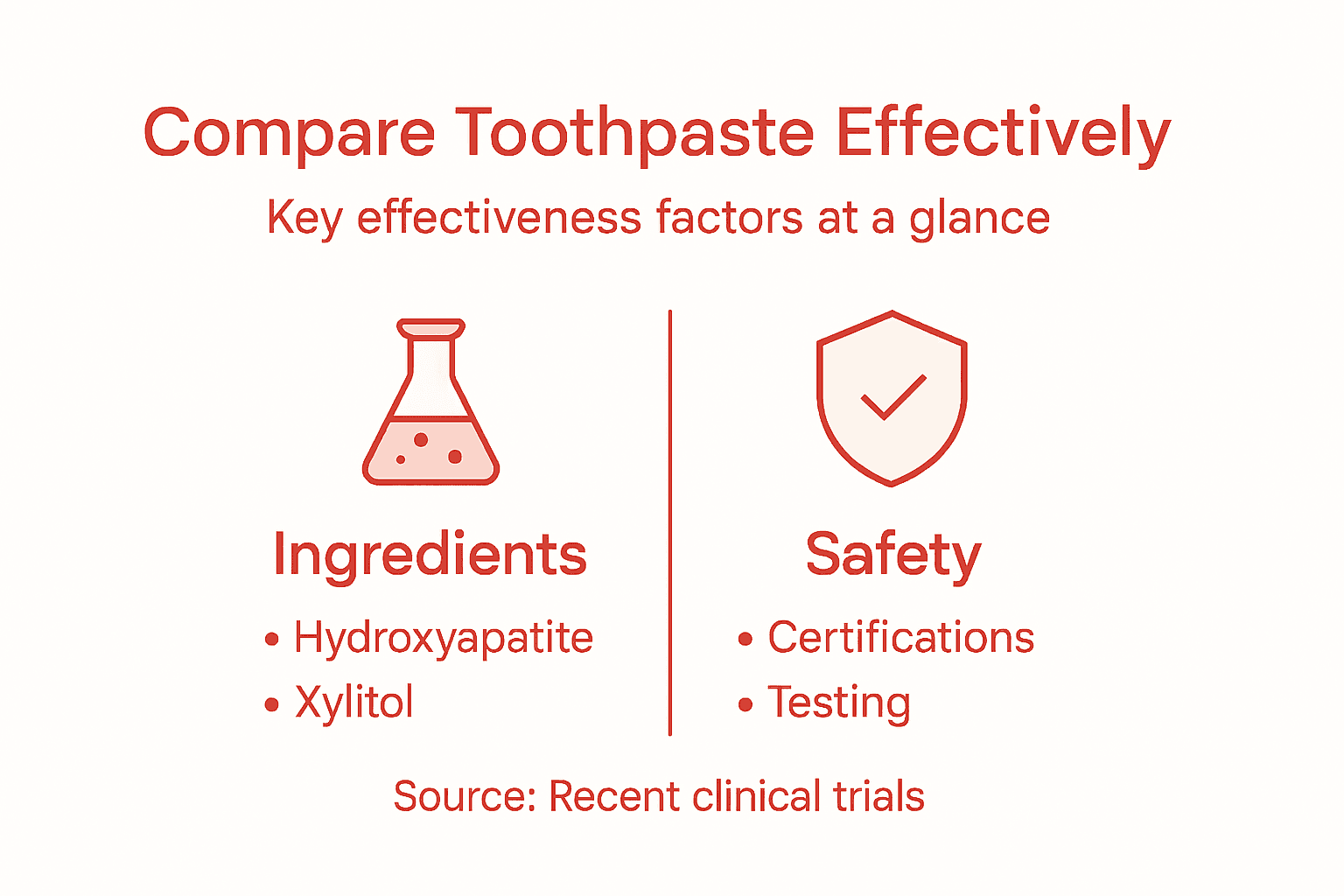
Clinical trials reveal promising alternative ingredient performance in preventing dental decay. An 18-month study demonstrated that hydroxyapatite toothpaste performed comparably to fluoride toothpaste in cavity prevention, offering a scientifically validated alternative for individuals seeking fluoride-free options. Focus on products containing bioactive ingredients like hydroxyapatite, which supports enamel remineralization through natural mineral mechanisms.
When comparing products, examine multiple factors including ingredient composition, scientific research backing, independent testing results, and professional dental recommendations. Pay close attention to the concentration of active ingredients, their specific oral health benefits, and long-term effectiveness documented in clinical studies. Consider consulting dental professionals who can provide personalized insights based on your individual oral health profile and specific wellness goals.
Pro Tip: Request sample sizes or travel versions of fluoride-free toothpastes to conduct personal effectiveness trials before committing to full-size products.
Step 5: Test and verify your chosen toothpaste
Testing and verifying your selected fluoride-free toothpaste requires a methodical approach to ensure its safety, effectiveness, and compatibility with your oral health needs. Your objective is to confirm the product performs as expected and delivers the promised benefits.
Product testing involves comprehensive scientific protocols that validate toothpaste performance and safety. Professional laboratories employ sophisticated techniques like Ion-Selective Electrode analysis to measure active ingredient concentrations and Relative Dentin Abrasivity testing to assess potential tooth surface impact. During your personal verification process, monitor key indicators such as tooth sensitivity, gum health, breath freshness, and overall oral comfort.
Establish a consistent 30-day trial period to accurately evaluate your chosen toothpaste. Document any changes in oral health including tooth color, plaque reduction, gum condition, and subjective sensations like mouth feel and taste. Consider consulting your dental professional midway through your trial to obtain an expert assessment of the toothpaste’s effectiveness and potential long-term benefits.
Pro Tip: Create a simple tracking journal to record daily observations about your new toothpaste, helping you objectively assess its performance over time.
Discover Safe, Natural Alternatives Tailored for Your Oral Health Journey
Choosing the right fluoride free toothpaste can feel overwhelming with so many options and concerns such as ingredient safety, effectiveness, and personal sensitivities. The article highlights how vital it is to evaluate your oral health needs and find scientifically supported natural ingredients that protect and nourish your teeth without fluoride. If you want to avoid harsh chemicals but still expect real results, addressing these challenges head on is crucial.
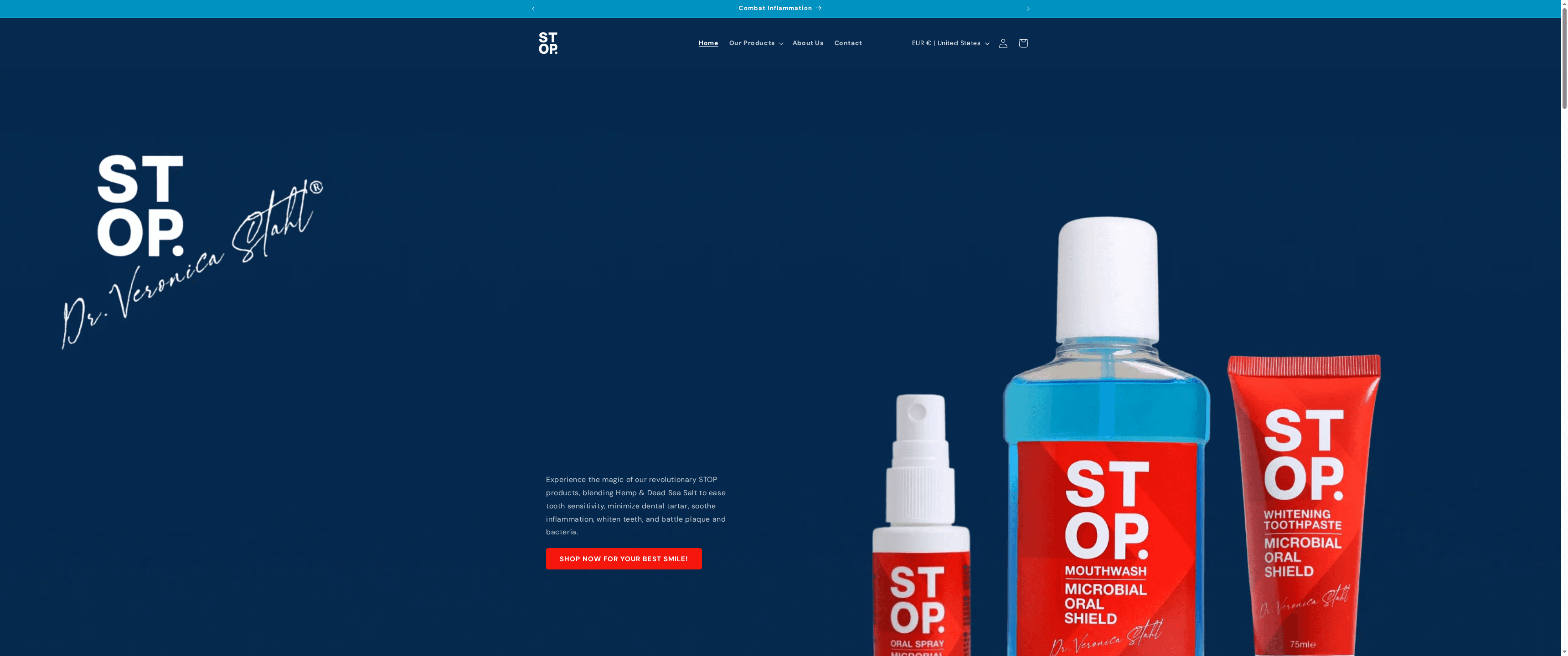
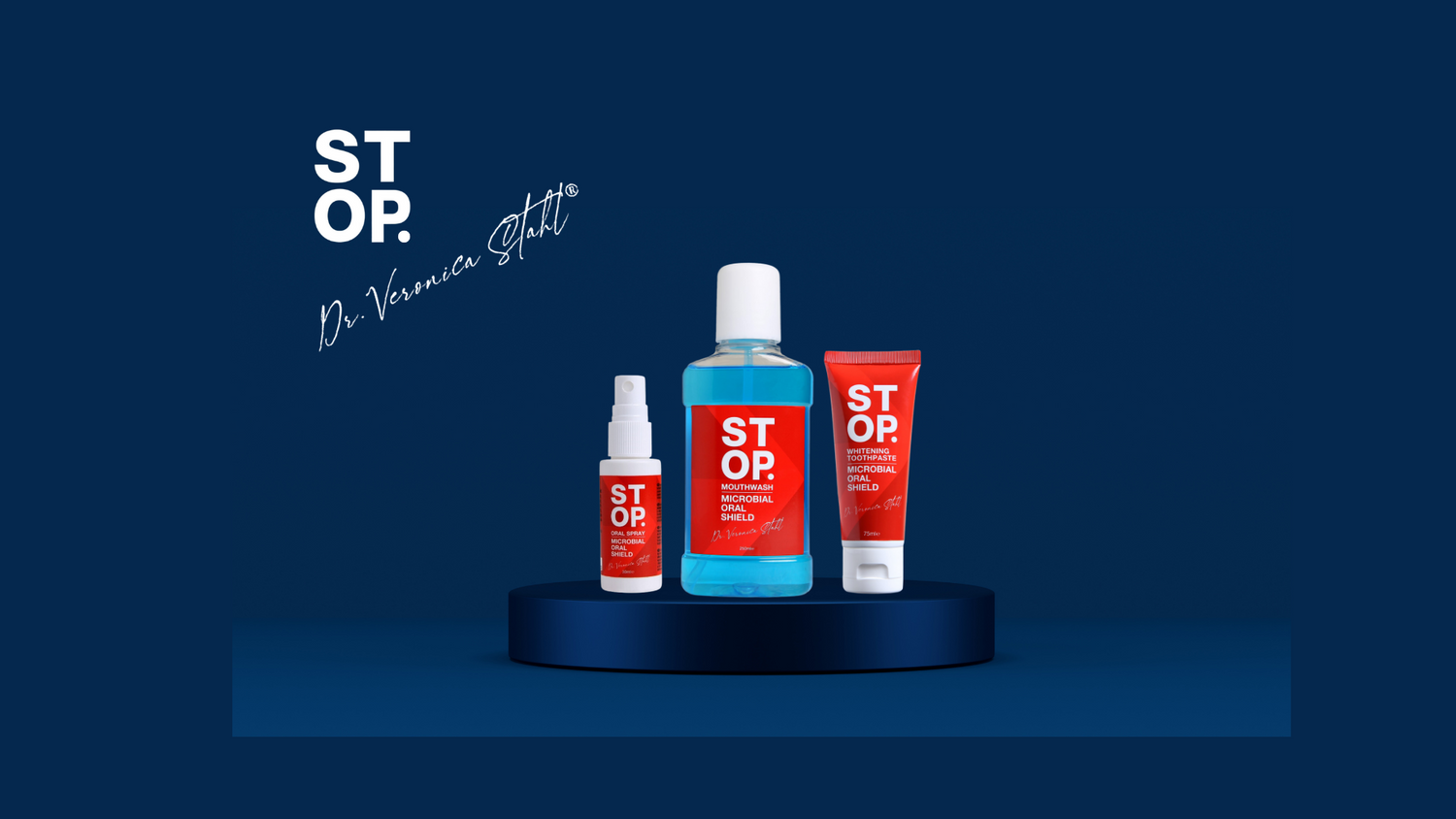
Explore the innovative range at STOP Oral Care where each product is carefully formulated with hemp and Dead Sea minerals backed by research. With expert insights from Dr. Veronica Stahl and a commitment to quality and safety, you can confidently make the switch to a fluoride free solution that supports remineralization, reduces sensitivity, and promotes overall oral wellness. Start your journey now at https://stop-oralcare.com and learn more about natural oral care benefits on our Home Page. Take that important step toward healthier teeth today.
Frequently Asked Questions
How do I identify my oral health needs before choosing fluoride-free toothpaste?
To identify your oral health needs, evaluate factors like your cavity risk, existing dental work, and any sensitivities you may have. Conduct a detailed self-assessment to understand what alternatives may work best for you, and consult a dentist for personalized advice.
What natural ingredients should I look for in fluoride-free toothpaste?
Look for natural ingredients like Hydroxyapatite, xylitol, and coconut oil. These ingredients offer various benefits, such as remineralizing enamel and providing antibacterial protection, which can effectively support your dental health without fluoride.
How can I ensure the fluoride-free toothpaste I choose is safe?
To ensure safety, evaluate products for third-party certifications and review detailed ingredient lists. Confirm the product meets rigorous testing standards and consider directly contacting the manufacturer for transparency regarding safety documentation.
What factors should I compare when evaluating the effectiveness of fluoride-free toothpaste?
Compare the ingredient composition, scientific research backing, and testing results of fluoride-free toothpastes. Focus on the proven benefits of active ingredients, such as their ability to prevent tooth decay, to choose a product that effectively meets your dental needs.
How long should I test my fluoride-free toothpaste before assessing its effectiveness?
Establish a consistent trial period of 30 days to accurately assess your chosen toothpaste’s performance. Document any changes in oral health, such as tooth sensitivity and breath freshness, during this time to evaluate its effectiveness effectively.
What should I monitor while testing and verifying my fluoride-free toothpaste?
Monitor key indicators such as tooth color, gum health, and overall mouth comfort during your testing period. Keep a daily tracking journal to note any changes and sensations, which will help you make an informed decision about the product’s effectiveness.
Recommended
- Is Fluoride Free Toothpaste Effective: A Complete Guide to Benefits, R – Stop Oral Care
- Choosing Toothpaste Without Fluoride for Sensitive Teeth: A Practical – Stop Oral Care
- Best Natural Toothpaste Without Fluoride: Top 5 Picks for a Cleaner Sm – Stop Oral Care
- Natural Toothpaste Reviews: A Comprehensive Guide to Choosing the Best – Stop Oral Care
- What Is Oral Detox and Why It Matters - Mahoney inter