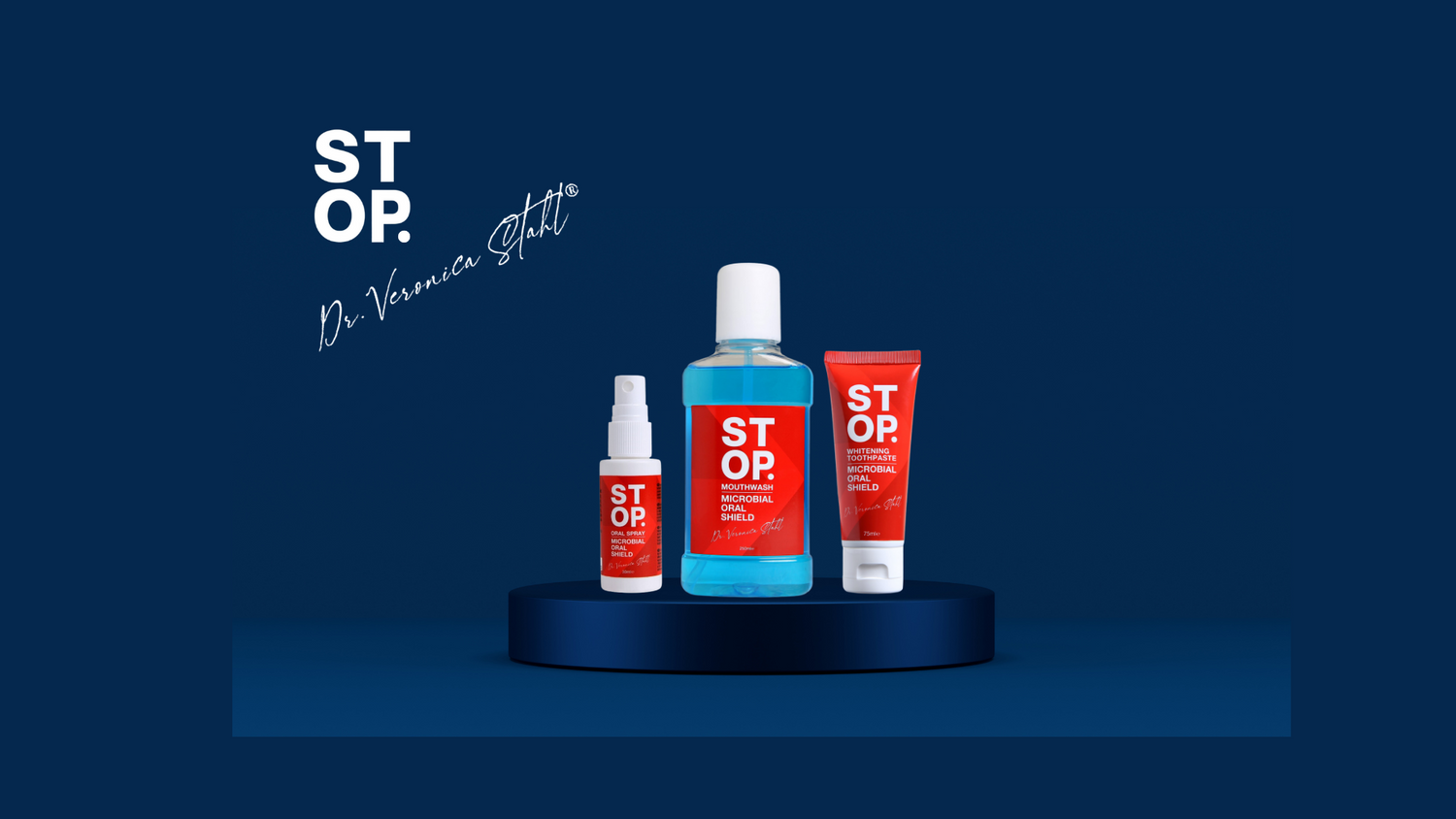


Many people wonder if switching to fluoride-free oral care means sacrificing cavity protection or settling for less effective dental hygiene. The truth is more nuanced: natural oral health products offer proven benefits for plaque control and gum health, though fluoride remains unmatched for preventing tooth decay. This guide clarifies what natural ingredients like xylitol and nanohydroxyapatite actually deliver, compares them to conventional fluoride care, and shows you how to adopt fluoride-free options safely while maintaining excellent oral health.
Table of Contents
- Key takeaways
- Understanding natural oral health benefits and fluoride-free options
- Examining xylitol: a natural sugar substitute with proven dental advantages
- Nanohydroxyapatite and botanical alternatives: promising fluoride-free solutions
- Practical steps to adopt natural oral care safely and effectively
- Explore natural oral care solutions at Stop Oral Care
- FAQ
Key Takeaways
| Point | Details |
|---|---|
| Fluoride best for cavities | Fluoride remains superior for preventing tooth decay due to its enamel remineralization properties. |
| Xylitol reduces plaque | Daily use disrupts harmful bacteria, lowers plaque accumulation, and reduces caries risk when dosed at 5 to 6 grams per day across multiple exposures. |
| nHAP fluoride alternative | Nanohydroxyapatite mimics enamel minerals and provides a fluoride free option for sensitive users, though cavity prevention is not as strong as fluoride. |
| Fluoride free hygiene possible | With consistent brushing and flossing and regular dental checkups, fluoride free products can support excellent oral health. |
| Combine fluoride and fluoride free | If you are cavity prone, discuss using fluoride treatments at dental visits alongside fluoride free daily care to gain benefits from both approaches. |
Understanding natural oral health benefits and fluoride-free options
Natural oral health benefits refer to improvements in dental hygiene achieved through ingredients derived from plants, minerals, and other non-synthetic sources rather than conventional chemicals like fluoride. Many health-conscious consumers seek these alternatives to avoid potential fluoride concerns, reduce chemical exposure, or align with holistic wellness values. The shift toward natural ingredients dental care has grown substantially as research validates certain botanical and mineral compounds.
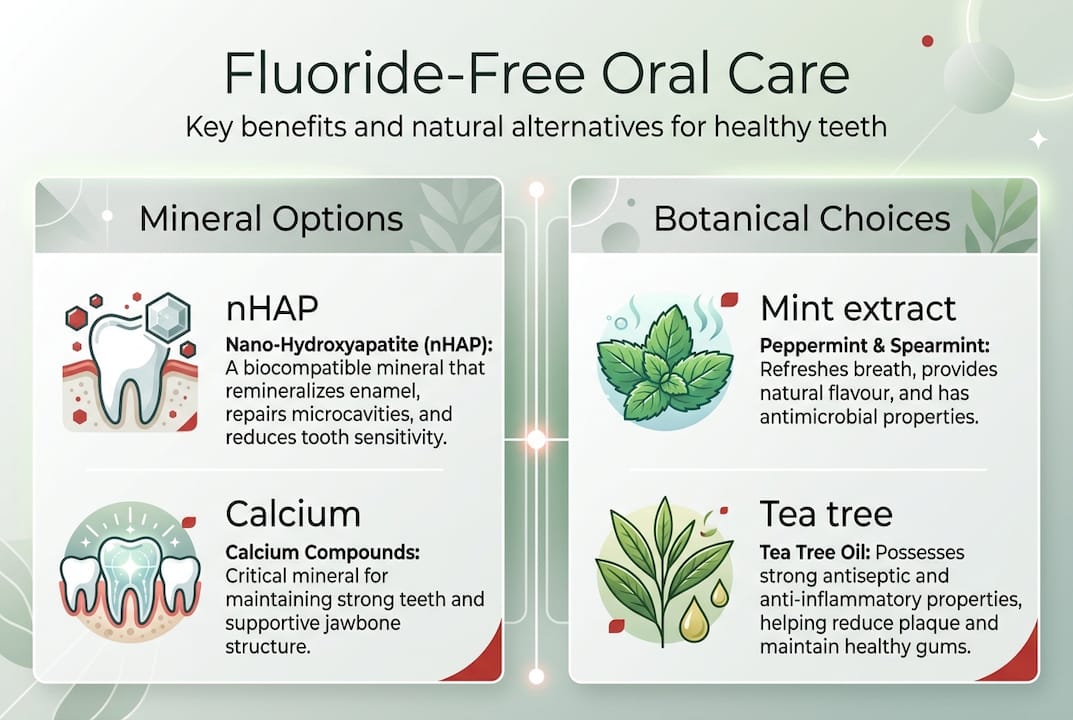
Key natural ingredients include xylitol, a sugar alcohol that disrupts harmful bacteria, nanohydroxyapatite (nHAP), which mimics tooth enamel’s mineral structure, and botanical extracts like tea tree oil, neem, and aloe vera. These components contribute meaningfully to plaque reduction and gum health. Studies confirm that fluoride-free natural products reduce plaque and gingivitis effectively, though fluoride remains superior specifically for preventing cavities through its unique remineralization mechanism.
Fluoride strengthens enamel by converting hydroxyapatite to fluorapatite, a more acid-resistant crystal structure that dramatically reduces decay risk. Natural alternatives excel in other areas:
- Reducing plaque accumulation through antimicrobial action
- Supporting gum tissue health and reducing inflammation
- Providing gentler care for sensitive mouths
- Offering chemical-free options for those with fluoride sensitivities
For individuals prioritizing cavity prevention, fluoride remains the gold standard. However, those seeking to switch to fluoride-free dental care can achieve excellent oral hygiene by combining multiple natural strategies, maintaining consistent brushing and flossing habits, and monitoring their dental health closely with professional guidance.
Pro Tip: If you’re cavity-prone, discuss combining fluoride treatments at dental visits with fluoride-free daily care products to get benefits from both approaches.
Examining xylitol: a natural sugar substitute with proven dental advantages
Xylitol is a five-carbon sugar alcohol naturally found in fruits and vegetables, commonly extracted from birch bark or corn cobs for commercial use. Unlike regular sugar, oral bacteria cannot metabolize xylitol effectively, disrupting their energy production and reducing their ability to adhere to teeth. This unique property makes xylitol one of the most researched and validated natural oral health ingredients available today.
Research demonstrates that xylitol chewing gum reduces mutans streptococci, plaque accumulation, and caries occurrence when used consistently at proper dosages. The recommended amount is 5-6 grams daily, divided across multiple exposures throughout the day. Xylitol works by starving harmful bacteria while promoting beneficial oral flora, creating a healthier mouth environment over time.
| Study outcome | Xylitol group | Control group | Improvement |
|---|---|---|---|
| Mutans streptococci reduction | 65% decrease | 12% decrease | 5.4x better |
| Plaque accumulation | 42% reduction | 18% reduction | 2.3x better |
| New cavity formation | 38% fewer | Baseline | 38% prevention |
| Gum inflammation scores | 31% improvement | 9% improvement | 3.4x better |
The antimicrobial effects become noticeable within weeks, though maximum benefits require consistent use over several months. Xylitol also stimulates saliva production, which naturally buffers acids and delivers minerals to tooth surfaces. This dual action makes it particularly valuable for people with dry mouth conditions or reduced saliva flow.
You can incorporate xylitol into your routine through multiple delivery methods:
- Sugar-free gum containing 100% xylitol as the sweetener
- Toothpaste formulated with xylitol as a primary active ingredient
- Mouthwash solutions with therapeutic xylitol concentrations
- Dissolvable mints or lozenges for between-meal protection
- Xylitol powder added to water as a simple oral rinse
For optimal results with xylitol mouthwash benefits, use products after meals when bacterial activity peaks. The key is frequency rather than concentration: five brief exposures daily outperform one large dose because xylitol’s effects depend on regular contact with oral bacteria.
Pro Tip: Start with 2-3 grams daily and gradually increase to 5-6 grams over two weeks to allow your digestive system to adapt, avoiding the temporary bloating some people experience with sudden high xylitol intake.
Nanohydroxyapatite and botanical alternatives: promising fluoride-free solutions
Nanohydroxyapatite (nHAP) represents an innovative fluoride alternative that works by mimicking the natural mineral composition of tooth enamel. This biocompatible compound consists of calcium and phosphate in the same crystalline structure as 97% of enamel, allowing it to integrate directly into tooth surfaces. When applied through toothpaste or mouthwash, nHAP particles fill microscopic defects and remineralize early decay spots without requiring the chemical conversion process that fluoride uses.
Research indicates that nHAP is a promising fluoride alternative, effective in reducing plaque and gingivitis but less proven long-term for caries prevention compared to decades of fluoride studies. The nano-sized particles (20-80 nanometers) penetrate enamel pores more effectively than larger hydroxyapatite crystals, delivering minerals precisely where demineralization occurs. This makes nHAP particularly valuable for sensitivity relief and early enamel repair.
Botanical ingredients complement mineral-based alternatives by providing antimicrobial, anti-inflammatory, and tissue-healing properties. Common botanical dental products benefits include tea tree oil’s antibacterial action, neem’s plaque-fighting compounds, aloe vera’s soothing effects on irritated gums, and myrrh’s astringent properties that tighten gum tissue. These plant extracts address oral health through multiple mechanisms rather than the single remineralization pathway that fluoride and nHAP provide.
| Feature | Nanohydroxyapatite | Botanical extracts | Fluoride |
|---|---|---|---|
| Remineralization | Excellent for early lesions | Minimal direct effect | Superior long-term |
| Plaque reduction | Moderate | Good with proper formulation | Good |
| Gum health support | Minimal | Excellent anti-inflammatory | Minimal |
| Sensitivity relief | Excellent | Moderate | Moderate |
| Chemical concerns | None, bioidentical | Rare allergies possible | Some avoid fluoride |
| Research depth | Growing, 20+ years | Centuries traditional use | Extensive, 70+ years |
The advantages for sensitive mouths are substantial. nHAP occludes dentinal tubules that transmit pain signals without the potential enamel fluorosis concerns some parents worry about for young children. Botanicals enhance fluoride-free toothpaste by adding antimicrobial protection that nHAP alone doesn’t provide, creating comprehensive care from multiple angles.
When selecting botanical products, prioritize those with:
- Standardized extract concentrations rather than vague “herbal blend” listings
- Clinical testing documentation showing plaque or gingivitis reduction
- Minimal artificial additives that could irritate sensitive tissues
- Complementary ingredient combinations that address different oral health aspects
Pro Tip: Rotate between nHAP-based and botanical-rich products weekly rather than using the same formulation daily, giving your mouth exposure to diverse beneficial compounds while preventing any single ingredient from becoming less effective through adaptation.
Practical steps to adopt natural oral care safely and effectively
Transitioning to fluoride-free natural oral care requires thoughtful planning to maintain dental health throughout the switch. Starting with a professional dental cleaning and examination establishes a baseline for monitoring changes. Your dentist can identify existing issues that need conventional treatment before you modify your routine, ensuring you’re not masking problems that require professional intervention.
Follow this transition process for the smoothest experience:
- Schedule a comprehensive dental exam and cleaning to address any existing decay or gum disease
- Discuss your fluoride-free goals with your dentist to get personalized guidance based on your cavity risk
- Begin with one product change at a time, starting with toothpaste while keeping other elements consistent
- Add xylitol gum or mints between meals to boost antimicrobial protection throughout the day
- Introduce a natural mouthwash after two weeks once you’ve adapted to the new toothpaste
- Monitor your teeth and gums daily for any sensitivity, bleeding, or texture changes
- Return for a follow-up cleaning in three months to assess how the transition is progressing
The fluoride-free dental hygiene guide emphasizes that fluoride-free products can reduce plaque and gingivitis but require proper use and adjunct strategies for caries prevention. Maintaining excellent oral hygiene habits becomes even more critical when removing fluoride’s protective effects.
Essential habits to maintain with natural products:
- Brush twice daily for two full minutes using proper technique
- Floss every evening to remove interdental plaque that brushing misses
- Limit sugary and acidic foods that feed harmful bacteria
- Drink water after meals to rinse away food particles
- Chew xylitol gum for 5 minutes after eating when brushing isn’t possible
- Use an electric toothbrush for more thorough plaque removal
Combining xylitol usage with botanical products creates synergistic benefits. Use xylitol toothpaste in the morning and a botanical formula at night, or alternate weekly between nHAP and herbal options. When choosing fluoride-free toothpaste for sensitive care, look for formulations that avoid sodium lauryl sulfate (SLS), which can irritate tissues and counteract the gentle benefits you’re seeking.
The safer oral hygiene workflow includes timing your routine for maximum effectiveness. Brush before breakfast to remove overnight bacterial buildup, use xylitol products throughout the day, and perform your most thorough cleaning before bed when saliva production drops and bacteria multiply faster.
Pro Tip: Common mistakes include expecting instant results (natural products take 4-6 weeks to show full benefits), skipping professional cleanings (you need them more frequently during transition), and ignoring early warning signs like increased sensitivity or bleeding gums that signal the need to adjust your approach or add fluoride back temporarily.
Explore natural oral care solutions at Stop Oral Care
Stop Oral Care offers a carefully curated range of fluoride-free products formulated with hemp extracts, Dead Sea minerals, and other natural ingredients that align with health-conscious values. Each product receives expert backing from Dr. Veronica Stahl, combining traditional botanical wisdom with modern scientific validation. The formulations address multiple oral health needs simultaneously, from plaque control to gum support to sensitivity relief, giving you comprehensive care without compromising on effectiveness.
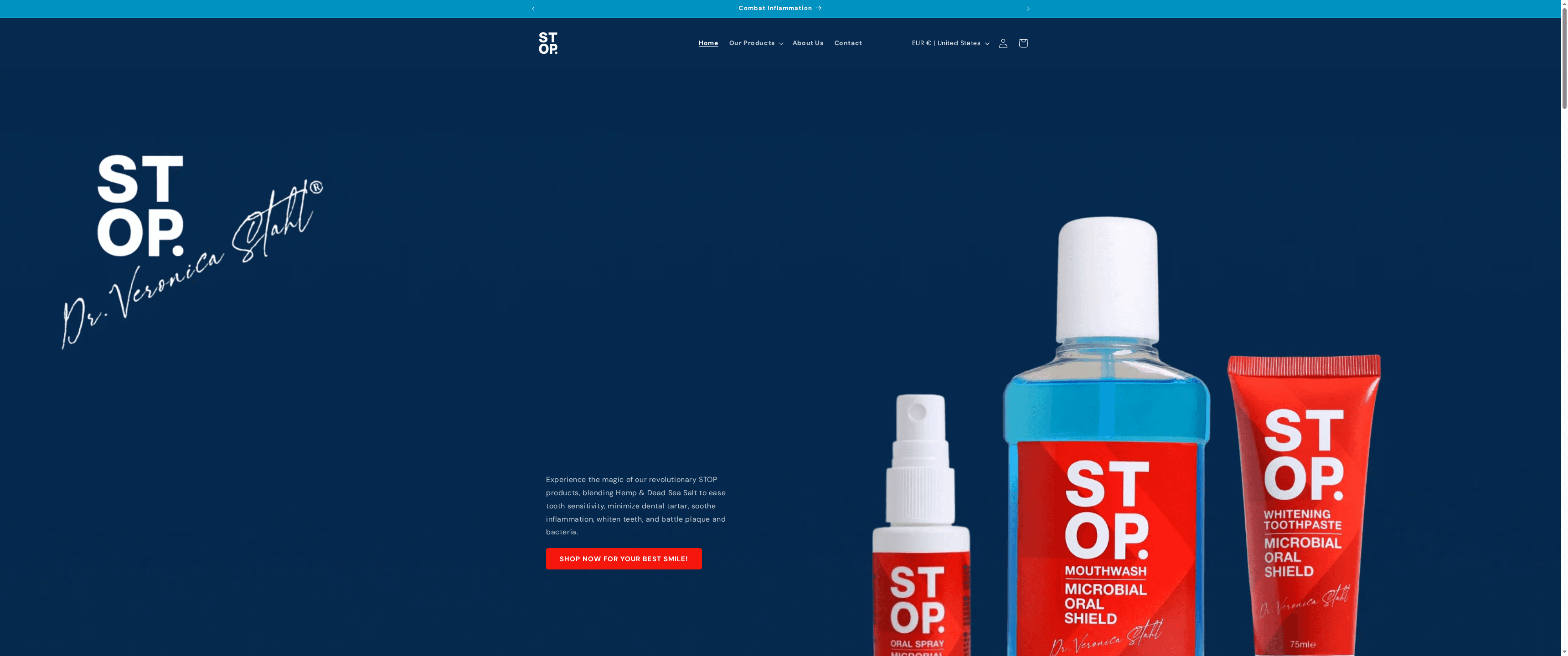
Whether you’re seeking xylitol-rich mouthwash, nanohydroxyapatite toothpaste, or botanical oral sprays, the Stop Oral Care product line provides options for every preference and sensitivity level. Browse the collection to discover how natural ingredients can support your dental health journey while avoiding the chemicals and synthetic compounds you prefer to eliminate from your routine.
Pro Tip: When integrating new Stop Oral Care products, introduce them one at a time over two-week intervals so you can identify which specific formulations work best for your unique oral chemistry and sensitivity patterns.
FAQ
What are the main benefits of fluoride-free oral care products?
Fluoride-free products excel at reducing plaque and gingivitis through natural antimicrobial and anti-inflammatory ingredients. They offer excellent options for people with fluoride sensitivities, those seeking chemical-free care, or individuals prioritizing gentle formulations for sensitive mouths. However, they typically provide less cavity prevention than fluoride toothpaste, making them better suited for low-risk individuals who maintain excellent oral hygiene habits and regular dental visits.
How much xylitol should I use daily for oral health benefits?
Consume approximately 5-6 grams of xylitol daily divided across multiple exposures throughout the day for optimal results. This amount significantly reduces harmful bacteria and plaque accumulation when used consistently. You can achieve this through xylitol gum, toothpaste, mouthwash, or mints, with frequency mattering more than concentration since xylitol works through repeated contact with oral bacteria.
Are natural botanical dental products as effective as fluoride toothpaste?
Botanical dental products offer excellent plaque control and gum tissue support through antimicrobial and anti-inflammatory plant compounds. Botanical products reduce plaque and support gum health effectively, but fluoride remains more effective for long-term cavity prevention due to its unique enamel-strengthening mechanism. The best choice depends on your specific oral health priorities and cavity risk level.
Can I use nanohydroxyapatite if I have sensitive teeth?
Yes, nanohydroxyapatite works exceptionally well for sensitive teeth by occluding the microscopic tubules that transmit pain signals. The nano-sized particles integrate directly into enamel structure, providing both sensitivity relief and remineralization without the chemical concerns some people associate with fluoride. Many users notice reduced sensitivity within two to four weeks of consistent use.
Do I need to see my dentist more often when using fluoride-free products?
Yes, schedule professional cleanings every four to six months initially when transitioning to fluoride-free care, rather than the typical six-month interval. This allows your dentist to monitor how your teeth and gums respond to the change and catch any early decay before it progresses. Once you establish that natural products maintain your oral health effectively, you may return to standard intervals based on your individual risk factors.