

Finding gentle and natural dental care can feel tough for parents juggling children’s sensitive teeth in the United Kingdom and Germany. Many families want safer options that skip traditional fluoride and still offer everyday protection. Choosing the right fluoride-free products means looking out for ingredients like hydroxyapatite, which is known for its ability to remineralize tooth enamel. Discover which natural solutions stand out for families aiming for a healthy smile without compromise.
Table of Contents
- Step 1: Select Natural Fluoride-Free Dental Products
- Step 2: Prepare Your Daily Oral Hygiene Routine
- Step 3: Apply Proper Brushing And Flossing Techniques
- Step 4: Incorporate Mineral-Rich Mouthwash And Sprays
- Step 5: Evaluate Your Oral Health Progress
Quick Summary
| Key Point | Explanation |
|---|---|
| 1. Select natural fluoride-free products | Research ingredients like hydroxyapatite and xylitol to find effective alternatives for dental care. |
| 2. Establish a consistent routine | Brush twice daily, use gentle techniques, and incorporate natural floss and mouthwash for optimal hygiene. |
| 3. Master proper brushing and flossing | Hold the toothbrush at a 45-degree angle and use gentle motions while flossing to effectively remove plaque. |
| 4. Add mineral-rich mouthwash and sprays | Choose products with beneficial minerals to improve oral health and support your microbiome without chemicals. |
| 5. Track your oral health progress | Maintain a journal or use apps to log oral changes and schedule professional assessments for better insights. |
Step 1: Select natural fluoride-free dental products
Choosing the right natural fluoride-free dental products requires careful research and understanding of alternative ingredients that can support oral health. Your goal is to identify products with scientifically backed natural components that protect teeth without using traditional fluoride compounds.
When selecting fluoride-free dental products, focus on ingredients proven to strengthen tooth enamel and combat harmful bacteria. Natural alternatives like hydroxyapatite offer remarkable remineralization properties that can help protect tooth surfaces. Look for toothpastes containing ingredients such as xylitol, essential oils, and mineral complexes that support oral microbiome balance and provide antimicrobial protection.
Start by examining product labels carefully and prioritizing brands that transparently list their natural ingredients. Research the specific benefits of each component and how they contribute to dental health. Pay special attention to products that include minerals like calcium phosphate, natural antibacterial agents, and plant-based extracts known for supporting gum and tooth wellness.
Here’s a quick comparison of popular natural ingredients commonly found in fluoride-free dental products:
| Ingredient | Oral Health Benefit | Typical Source |
|---|---|---|
| Hydroxyapatite | Remineralizes tooth enamel | Synthetic or natural minerals |
| Xylitol | Reduces harmful bacteria | Birch trees, corn cobs |
| Calcium phosphate | Strengthens teeth and enamel | Dairy, mineral complexes |
| Essential oils | Provides antimicrobial effects | Peppermint, tea tree, clove |
| Plant extracts | Supports gum health | Aloe vera, chamomile |
Pro Tip: Always consult with a dental professional before making significant changes to your oral care routine to ensure the products you choose align with your specific dental health needs.
Step 2: Prepare your daily oral hygiene routine
Creating a comprehensive fluoride-free oral hygiene routine requires strategic planning and understanding of natural dental care techniques. Your ultimate goal is to develop a consistent approach that protects and supports your dental health without relying on traditional fluoride products.
Begin by establishing a consistent oral care routine that includes thorough brushing techniques and comprehensive cleaning methods. Focus on selecting natural toothbrushes with soft bristles that effectively remove plaque without causing enamel damage. Choose brushes made from sustainable materials like bamboo and opt for techniques that maximize cleaning while minimizing tooth and gum stress. Incorporate gentle circular motions when brushing, ensuring you clean all tooth surfaces including hard-to-reach areas behind molars and along the gumline.

Next, develop a systematic approach to your daily routine by creating a structured timeline. Aim to brush your teeth at least twice daily typically after breakfast and before bedtime. Integrate natural flossing alternatives like silk or plant-based floss to remove interdental debris and support gum health. Consider adding an alcohol-free natural mouthwash containing ingredients like xylitol or essential oils to provide additional antimicrobial protection and support overall oral microbiome balance.
Pro Tip: Keep a dedicated oral care kit with your natural dental products in an easily accessible location to ensure you maintain your routine consistently and effortlessly.
Step 3: Apply proper brushing and flossing techniques
Mastering effective brushing and flossing techniques is crucial for maintaining optimal oral health without relying on traditional fluoride products. Your goal is to develop a comprehensive cleaning approach that removes plaque and supports your natural dental care strategy.
When brushing, adopt proper tooth brushing techniques by holding your toothbrush at a 45-degree angle to the gumline. Use gentle circular motions to clean all tooth surfaces systematically. Start with the outer surfaces of your teeth, then move to inner surfaces and chewing surfaces, ensuring you reach every tooth thoroughly. Pay special attention to the back molars and areas around dental work where plaque tends to accumulate. Choose a soft bristled toothbrush made from sustainable materials like bamboo or recycled plastics to minimize environmental impact while protecting your tooth enamel.
Flossing requires equal precision and care. Gently slide the floss between teeth using a careful back and forth motion, curving the floss around each tooth to remove interdental plaque and food particles. For those with sensitive gums or tight spaces, consider using silk or plant based floss alternatives that provide gentle yet effective cleaning. Move systematically through your mouth, using a clean section of floss for each tooth to prevent bacteria transfer. Incorporate this technique into your routine at least once daily, preferably before bedtime to remove accumulated debris and support overall oral microbiome health.
Pro Tip: Invest in an electric toothbrush with a built-in timer to ensure you consistently brush for the recommended two minutes and maintain proper technique.
Step 4: Incorporate mineral-rich mouthwash and sprays
Adding mineral-rich mouthwash and oral sprays to your fluoride-free dental hygiene routine can significantly enhance overall oral health and provide targeted support for your mouth’s natural defense mechanisms. Your primary objective is to select and integrate products that nourish and protect your oral microbiome without harsh synthetic chemicals.
When choosing mineral-rich mouthwash, focus on natural mouthwash options that contain beneficial ingredients like Dead Sea minerals, essential oils, and plant-based extracts. These specialized formulations can help reduce bacteria, support gum health, and provide natural antimicrobial protection without disrupting your mouth’s delicate ecosystem. Look for alcohol-free solutions that include ingredients such as xylitol, which can help neutralize harmful bacteria and support remineralization of tooth surfaces.
Oral sprays offer an additional layer of protection and can be particularly useful for maintaining oral hygiene between brushing sessions. Select sprays containing natural minerals and essential oils that support saliva production and help balance oral pH levels. Use these sprays strategically throughout the day especially after meals or when you cannot immediately brush your teeth. Pay attention to the spray’s ingredients ensuring they align with your natural oral care approach and do not contain artificial preservatives or synthetic compounds.
Pro Tip: Store your mineral-rich mouthwash and oral sprays in a cool dark place to preserve their natural active ingredients and maintain their effectiveness.
Step 5: Evaluate your oral health progress
Tracking your oral health progress is essential for understanding the effectiveness of your fluoride-free dental hygiene approach and making informed adjustments to your routine. Your goal is to develop a systematic method for assessing your dental wellness and identifying areas that require additional attention or modification.
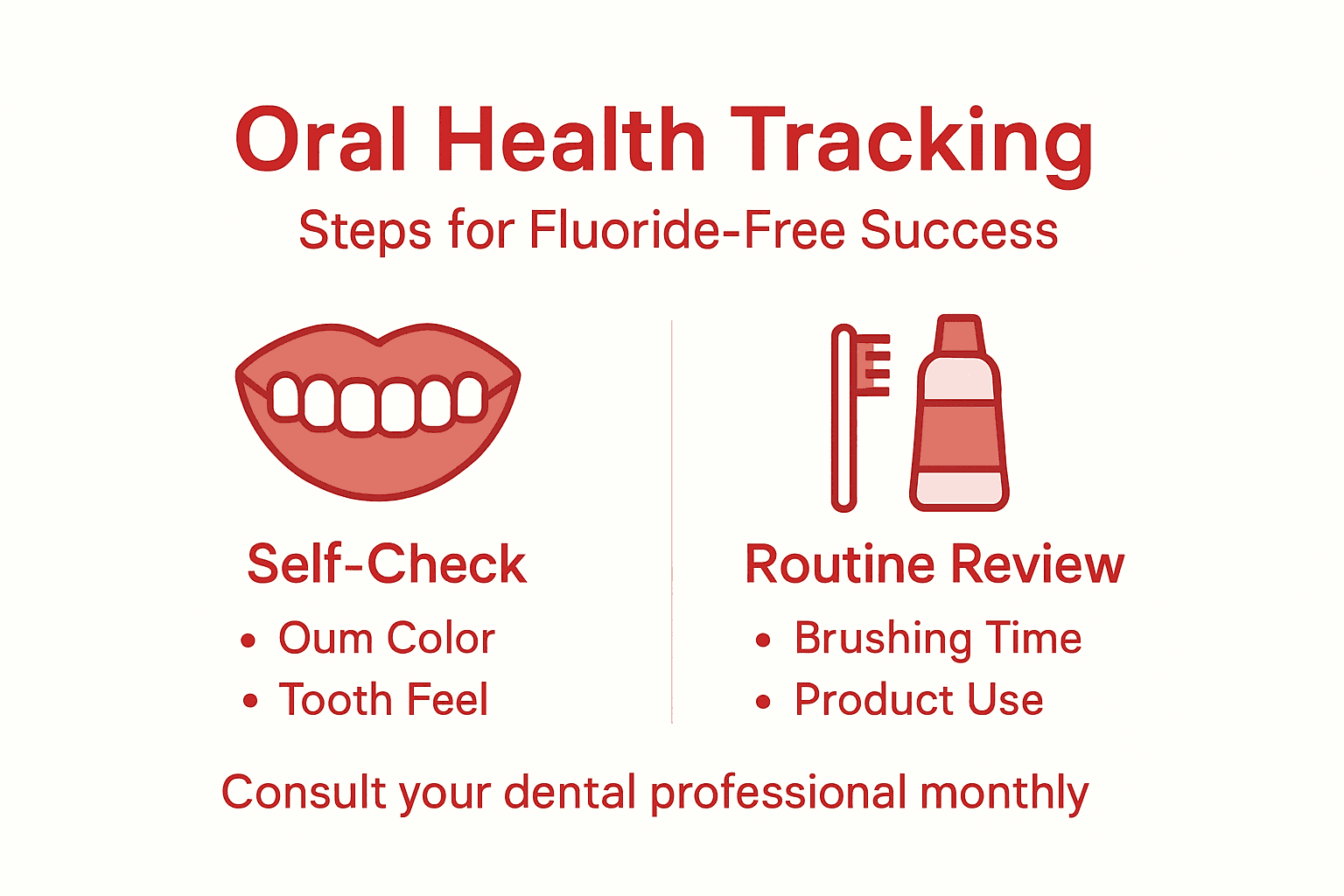
Oral health tracking methods provide valuable insights into your dental wellness journey. Begin by establishing a baseline assessment through a comprehensive dental examination with a professional who understands your natural oral care approach. During this evaluation, request a detailed report on your current dental status including gum health, tooth sensitivity, plaque levels, and overall oral microbiome condition. Take detailed notes and photographs to document your starting point and create a reference for future comparisons.
Implement a personal tracking system that allows you to monitor changes consistently. Consider maintaining a digital or physical journal where you record observations about your oral health such as tooth sensitivity, gum appearance, breath quality, and any improvements or challenges you experience. Pay attention to subtle changes like reduced inflammation, improved gum color, decreased sensitivity, and overall mouth comfort. Schedule regular check-ins with your dental professional every six months to conduct professional assessments and validate your personal observations.
Below is a summary of key steps to maximize results in a fluoride-free oral hygiene routine:
| Step | Focus Area | Best Practice |
|---|---|---|
| Choose right products | Ingredient transparency | Review labels and research components |
| Brushing technique | Avoiding enamel damage | Use gentle, circular motions |
| Flossing approach | Gum health and plaque removal | Use silk or plant-based floss |
| Supplementing with rinses | Microbiome balance | Select mineral-rich, alcohol-free mouthwashes |
| Track progress | Monitoring improvements | Record changes and schedule check-ups |
Pro Tip: Create a simple spreadsheet or use a dedicated health tracking app to log your oral health progress systematically and identify trends over time.
Discover a Natural Path to Fluoride-Free Dental Care Success
Struggling to find dental products that truly support your oral health without fluoride Discover the power of scientifically backed natural ingredients like hemp and Dead Sea minerals that align perfectly with your goal of safe effective oral hygiene. This article highlights the importance of choosing transparent mineral-rich products and mastering gentle brushing and flossing techniques that protect and nourish your teeth and gums. Now you can take the next step toward a healthier smile with solutions designed specifically for people seeking natural alternatives.

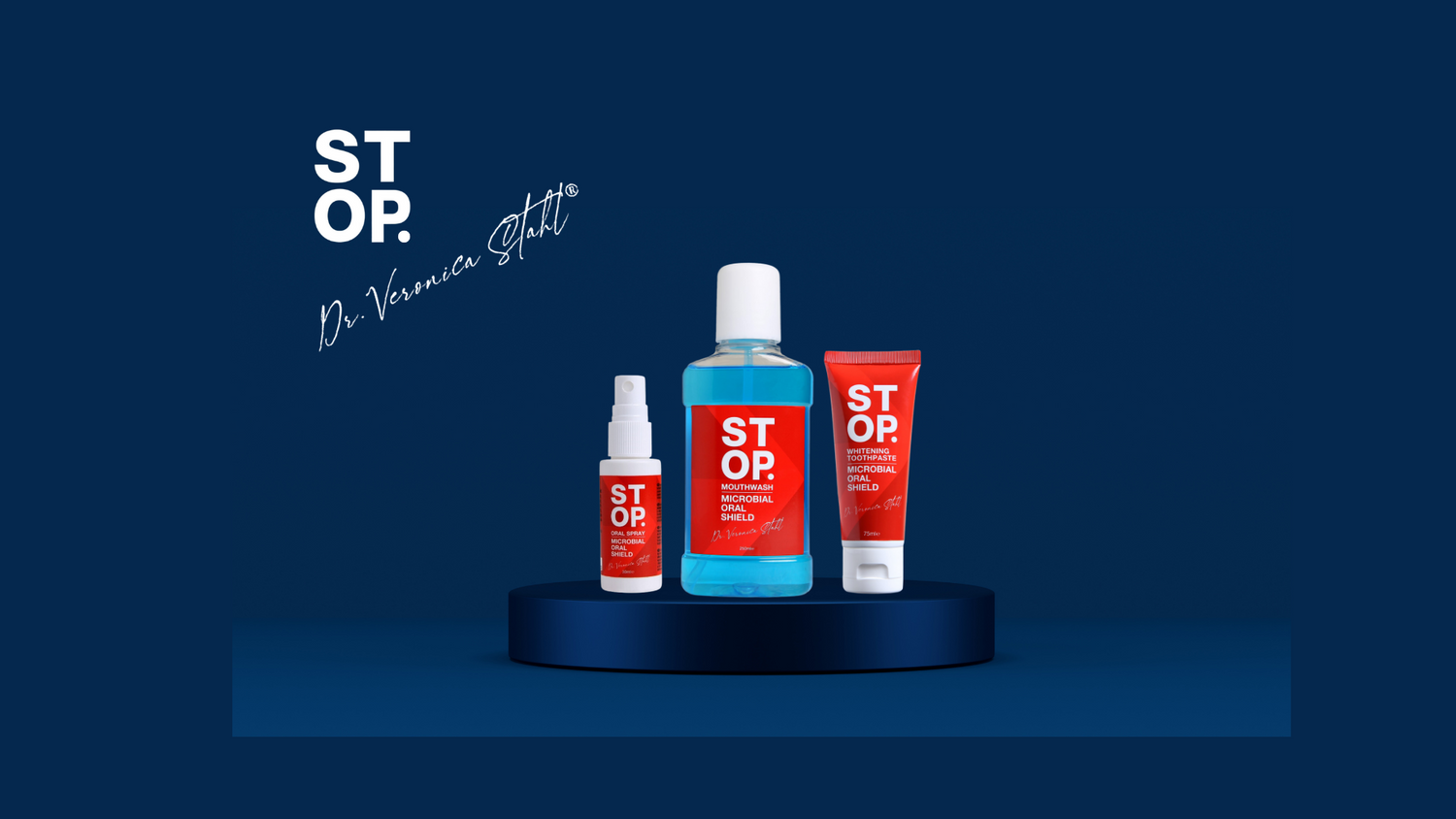
Explore the innovative STOP Oral Care – Stop Oral Care collection crafted under the guidance of Dr Veronica Stahl. These products combine natural healing components with cutting-edge research to help you maintain your fluoride-free routine effortlessly. Learn more about our revolutionary approach on the Home Page – Stop Oral Care and make a confident choice today. Visit https://stop-oralcare.com now to access exclusive formulas and begin your journey toward lasting oral wellness.
Frequently Asked Questions
How can I choose effective natural fluoride-free dental products?
Selecting effective natural fluoride-free dental products involves researching ingredients that support oral health. Focus on substances like hydroxyapatite and xylitol to enhance enamel strength and combat bacteria. Check product labels for these ingredients and aim for brands that are transparent about their natural components.
What should my daily fluoride-free oral hygiene routine include?
Your daily fluoride-free oral hygiene routine should consist of brushing twice a day, using gentle techniques, and incorporating natural flossing alternatives. Aim to brush after meals and use plant-based floss to effectively clean between teeth. A consistent routine will help maintain optimal dental health.
How do I properly brush and floss my teeth without fluoride?
To properly brush without fluoride, hold your toothbrush at a 45-degree angle and use gentle circular motions to clean all surfaces. When flossing, gently curve the floss around each tooth, using a fresh section for each area to prevent bacteria transfer. Aim to do this at least twice daily for effective plaque removal.
What types of mouthwash and sprays should I use for fluoride-free dental hygiene?
Select mineral-rich mouthwash and sprays that contain ingredients like essential oils and plant-based extracts for fluoride-free dental hygiene. Look for alcohol-free options that provide antimicrobial protection and support your mouth’s natural balance. Use these products after meals or between brushing to maintain freshness and oral health.
How can I track my oral health progress with a fluoride-free routine?
You can track your oral health progress by maintaining a journal or digital log to note changes in gum health, tooth sensitivity, and comfort levels. Schedule regular check-ups with your dental professional every six months to review your progress and make any necessary adjustments to your routine for better results.
What are the key steps for successful fluoride-free dental hygiene?
The key steps for successful fluoride-free dental hygiene include choosing the right products, establishing a daily routine, mastering brushing and flossing techniques, incorporating mouthwash, and regularly evaluating your oral health. Following these steps will help ensure your dental care is effective and supports your overall oral wellness.