

Finding oral care that truly respects both your health and the environment can feel like a balancing act. Many products today still rely on harsh chemicals or unnecessary plastics, leaving health-conscious people in Germany and the United Kingdom searching for better solutions. This guide explores sustainable oral care methods that go beyond trendy labels, focusing on fluoride-free innovations that ease sensitivity and encourage the mouth’s natural healing, all rooted in scientific insight.
Table of Contents
- Defining Sustainable Oral Care Methods
- Natural Ingredients Versus Synthetic Alternatives
- Eco-Friendly Packaging and Waste Reduction
- Health Effects of Fluoride-Free Formulas
- Choosing Safe and Effective Oral Care Products
Key Takeaways
| Point | Details |
|---|---|
| Sustainable Oral Care | Focuses on environmentally friendly practices that enhance health and reduce waste through biodegradable products and natural ingredients. |
| Natural vs. Synthetic Ingredients | Natural ingredients generally offer better compatibility with the body’s systems and pose fewer environmental risks compared to synthetic alternatives. |
| Eco-Friendly Packaging | Implementing biodegradable and recyclable materials in oral care packaging significantly reduces plastic waste and environmental impact. |
| Fluoride-Free Formulas | These alternatives emphasize holistic health perspectives, using natural ingredients to support dental resilience while minimizing chemical exposure. |
Defining Sustainable Oral Care Methods
Sustainable oral care represents a holistic approach to dental health that prioritizes environmental responsibility, personal wellness, and long-term planetary considerations. Global oral health initiatives emphasize an integrated strategy that goes beyond traditional dental practices.
At its core, sustainable oral care encompasses several critical dimensions:
- Environmental Impact: Reducing waste from dental products
- Health Preservation: Minimizing chemical exposures
- Preventative Focus: Addressing root causes of dental issues
- Resource Conservation: Using renewable and biodegradable materials
The approach requires a multifaceted strategy that considers both personal and planetary health. Integrative global oral health research demonstrates that sustainable practices can simultaneously improve individual outcomes and reduce ecological footprints.
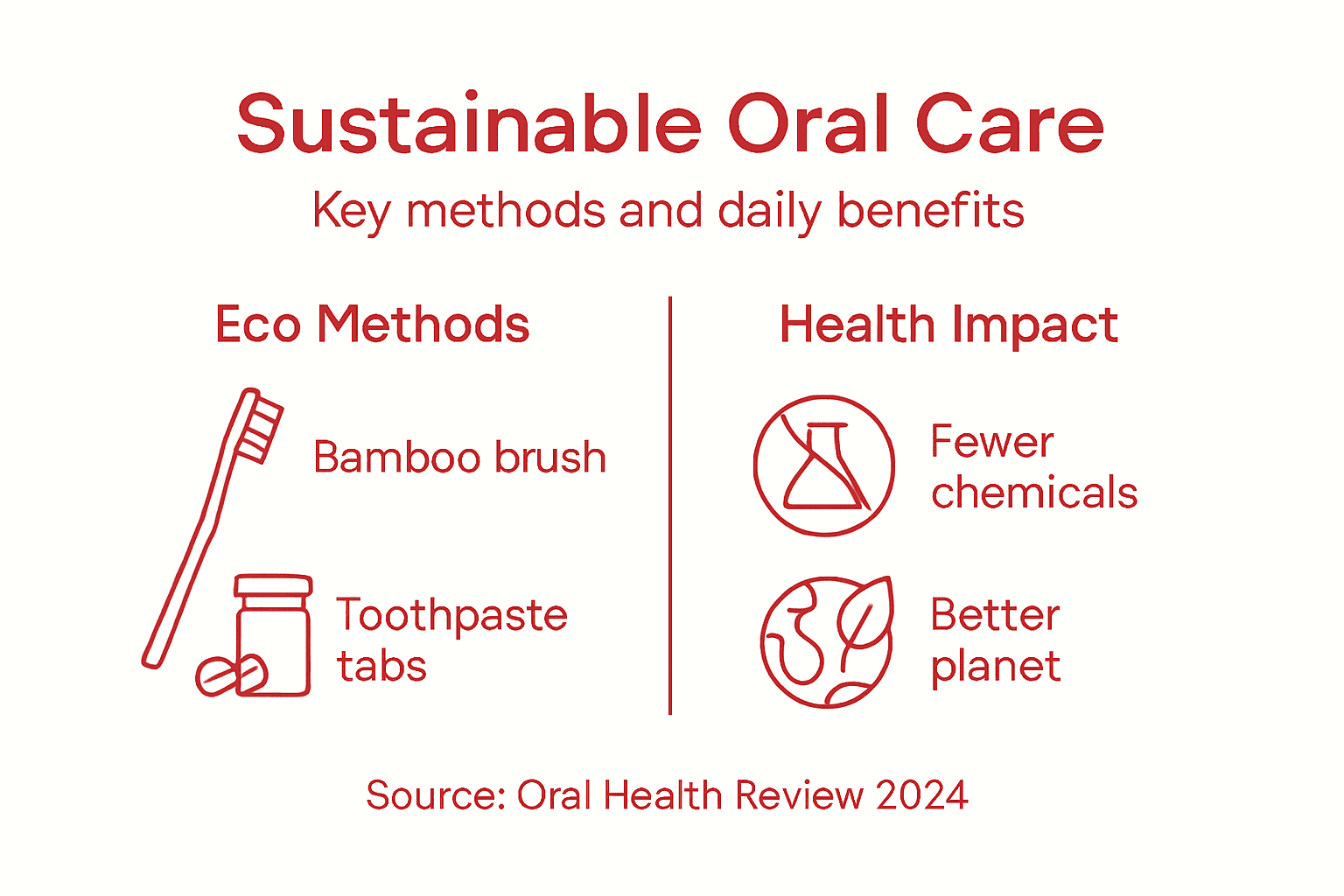
Key sustainable oral care methods include selecting biodegradable products, minimizing plastic consumption, choosing natural ingredients, and adopting preventative dental hygiene techniques that reduce long-term medical interventions. This comprehensive perspective transforms oral care from a purely personal health practice into a broader environmental responsibility.
Pro tip: Transition to sustainable oral care gradually by replacing one conventional product with an eco-friendly alternative each month, allowing you to make meaningful changes without overwhelming yourself.
Natural Ingredients Versus Synthetic Alternatives
The ongoing debate between natural and synthetic ingredients in oral care centers on effectiveness, safety, and environmental impact. Natural oral microbiota interactions reveal critical insights into how different ingredients interact with our complex oral ecosystem.
Key differences between natural and synthetic oral care ingredients include:
- Biocompatibility: Natural ingredients typically integrate more harmoniously with biological systems
- Environmental Sustainability: Plant-based components offer lower ecological footprints
- Chemical Complexity: Natural ingredients contain complex molecular structures
- Potential Side Effects: Synthetic alternatives often carry higher risks of disrupting oral microbiome
Natural excipients derived from plants demonstrate remarkable advantages in oral care formulations. These botanical ingredients provide enhanced biocompatibility, reduced toxicity, and support sustainable product development strategies that prioritize human and environmental health.

While synthetic ingredients offer consistent manufacturing and standardized performance, natural alternatives increasingly prove their efficacy through scientific research. The trend toward natural oral care reflects a growing understanding that holistic health approaches consider both immediate effectiveness and long-term wellness implications.
Here’s how natural and synthetic oral care ingredients differ across multiple factors:
| Factor | Natural Ingredients | Synthetic Ingredients |
|---|---|---|
| Origin | Plant-derived extracts | Petroleum-based chemicals |
| Impact on Microbiome | Maintains microbial balance | May disrupt oral microbiota |
| Allergen Potential | Lower risk, fewer additives | Higher risk, more artificial agents |
| Breakdown in Environment | Biodegradable, eco-friendly | Long-lasting, less biodegradable |
| Consumer Preference Trend | Increasing demand | Declining in sustainable markets |
Pro tip: Research ingredient lists carefully and prioritize products with transparent, minimal ingredient compositions that balance natural effectiveness with scientific validation.
Eco-Friendly Packaging and Waste Reduction
Sustainable oral care extends far beyond product ingredients, encompassing critical packaging strategies that minimize environmental impact. Sustainable packaging innovations are revolutionizing how dental care products approach waste reduction and ecological responsibility.
Key strategies for eco-friendly oral care packaging include:
- Material Selection: Prioritizing biodegradable and recyclable materials
- Minimalist Design: Reducing overall packaging volume and complexity
- Reusable Packaging: Creating containers that can be repurposed or refilled
- Circular Economy Approach: Designing products with end-of-life recyclability in mind
Life cycle assessment methods provide critical frameworks for evaluating packaging sustainability. These scientific approaches help manufacturers balance product protection, environmental considerations, and waste reduction objectives, ensuring that ecological impact is comprehensively evaluated throughout a product’s entire lifecycle.
The evolution of oral care packaging represents a significant opportunity for environmental stewardship. By reimagining traditional packaging models, brands can dramatically reduce plastic waste, minimize carbon footprints, and create more responsible consumer experiences that align with growing environmental consciousness.
This table highlights key steps for adopting eco-friendly oral care routines:
| Step | Personal Benefit | Environmental Benefit |
|---|---|---|
| Switch to bamboo toothbrush | Reduces chemical exposure | Lowers plastic pollution |
| Use refillable toothpaste | Cuts costs over time | Minimizes packaging waste |
| Select natural floss | Gentle on gums | Compostable alternative |
| Buy in bulk | Saves money, less shopping | Fewer transport emissions |
Pro tip: When purchasing oral care products, prioritize brands with transparent packaging sustainability practices and actively seek out options with minimal, recyclable, or biodegradable packaging materials.
Health Effects of Fluoride-Free Formulas
The debate surrounding fluoride in oral care products continues to challenge traditional dental health assumptions. FDA safety evaluations highlight ongoing concerns about fluoride exposure, particularly for vulnerable populations like children and individuals with specific health sensitivities.
Key considerations in fluoride-free oral care include:
- Sensitivity Management: Reducing potential irritation for individuals with dental sensitivity
- Chemical Exposure: Minimizing potential long-term chemical interactions
- Personalized Health Approaches: Tailoring oral care to individual physiological needs
- Alternative Mineral Strategies: Exploring natural remineralization techniques
Fluoride’s complex role in dental health reveals nuanced considerations beyond simple cavity prevention. While traditional recommendations emphasize fluoride’s protective qualities, emerging research suggests a more sophisticated understanding of oral microbiome interactions and individual health responses.
Fluoride-free formulas represent an evolving approach to oral care that prioritizes holistic health perspectives. These alternative products focus on supporting natural tooth resilience through botanical ingredients, mineral complexes, and advanced oral microbiome technologies that work harmoniously with the body’s inherent protective mechanisms.
Pro tip: Consult with a dental professional to develop a personalized oral care strategy that considers your unique health profile and sensitivity requirements.
Choosing Safe and Effective Oral Care Products
Selecting appropriate oral care products requires careful consideration of individual health needs, scientific evidence, and long-term wellness objectives. Dental health recommendations emphasize the importance of choosing products that balance efficacy, safety, and personal physiological requirements.
Key criteria for selecting safe and effective oral care products include:
- Ingredient Transparency: Understanding complete ingredient compositions
- Scientific Validation: Seeking products with clinical research support
- Individual Health Needs: Matching products to specific oral health conditions
- Minimal Chemical Exposure: Prioritizing natural and non-toxic formulations
- Certifications: Verifying professional endorsements and quality standards
ADA product evaluation standards provide crucial guidance for consumers seeking reliable oral care solutions. These rigorous assessments help individuals navigate the complex landscape of dental products by highlighting scientifically validated options that meet stringent safety and effectiveness criteria.
Modern oral care product selection goes beyond traditional metrics, incorporating holistic approaches that consider environmental impact, personal sensitivity, and long-term health implications. Consumers are increasingly demanding products that not only protect dental health but also align with broader wellness and sustainability principles.
Pro tip: Conduct a thorough ingredient review and consult with dental professionals to create a personalized oral care strategy tailored to your unique health profile and sensitivity requirements.
Embrace Sustainable Oral Care with Proven Natural Solutions
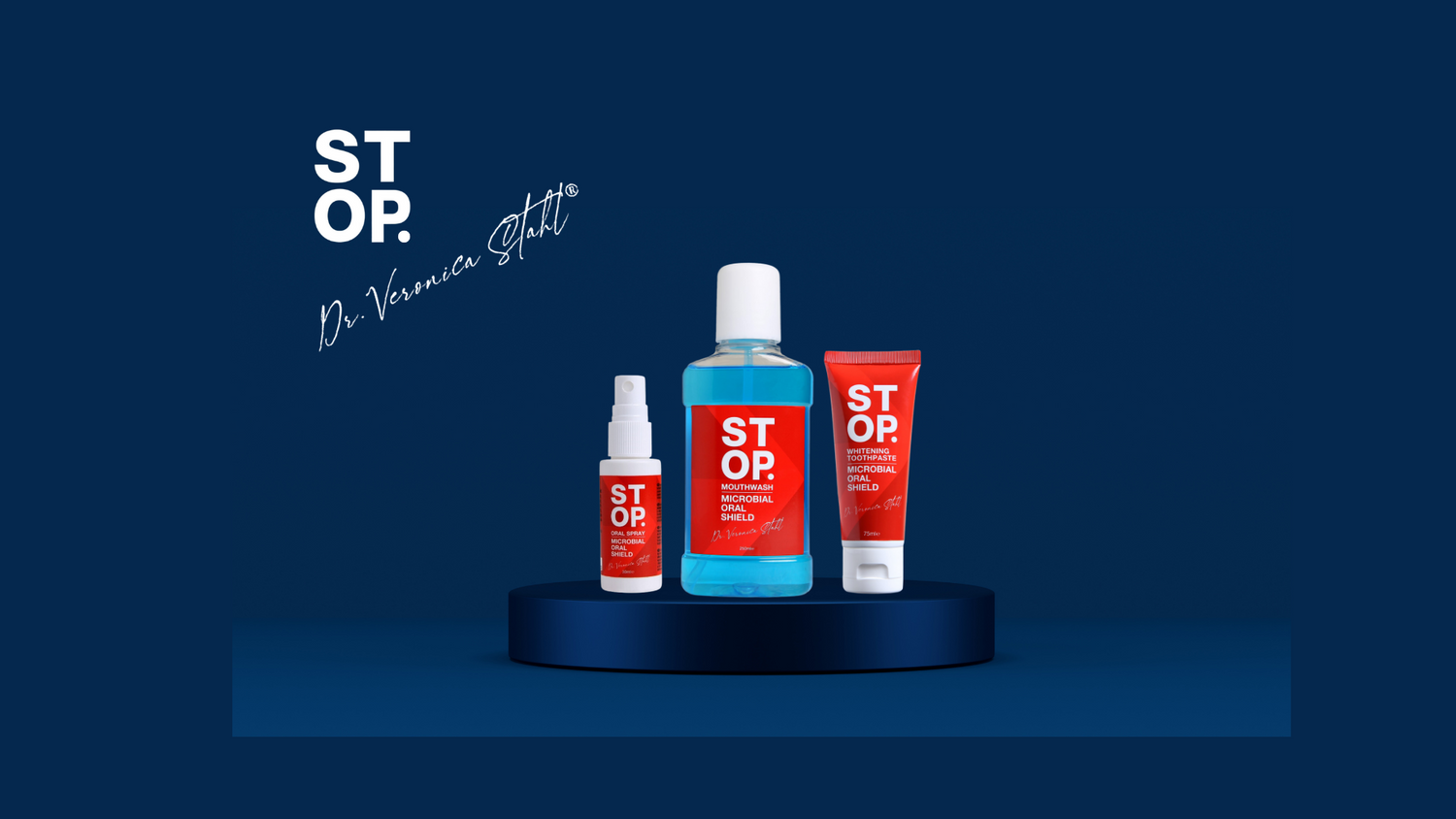
Struggling to find oral care products that align with your health values and environmental concerns is common. This article highlights the need for natural ingredients, eco-friendly packaging, and fluoride-free formulas that respect both your oral microbiome and our planet. At STOP Oral Care, we offer a unique collection of fluoride-free products infused with hemp and Dead Sea minerals designed to support natural healing while minimizing chemical exposure and plastic waste.
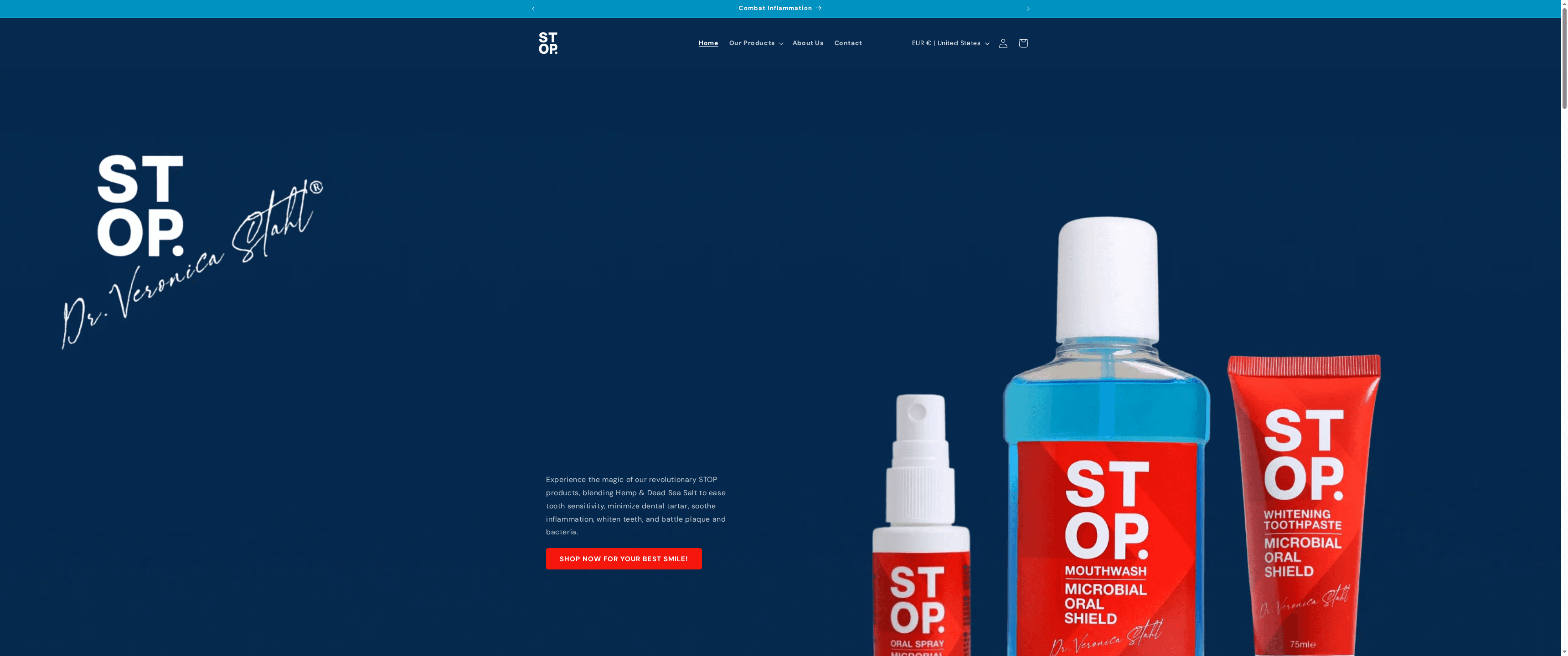
Explore our scientifically backed oral care range today and join the movement toward safer, more effective, and environmentally responsible dental health. Visit our Home Page to learn more about our philosophy and shop innovative products crafted by Dr. Veronica Stahl. Make the switch now at stop-oralcare.com to experience how natural oral care can transform your daily routine while protecting the planet.
Frequently Asked Questions
What are the key benefits of sustainable oral care?
Sustainable oral care offers benefits such as reduced environmental impact, minimized chemical exposure, a focus on preventative health measures, and the use of renewable materials. These practices improve personal wellness while contributing to planetary health.
How can I gradually transition to sustainable oral care products?
You can gradually transition by replacing one conventional oral care product with an eco-friendly alternative each month. This manageable approach allows you to make meaningful changes without feeling overwhelmed.
What is the difference between natural and synthetic oral care ingredients?
Natural ingredients are typically plant-derived and generally safer for oral microbiome balance, whereas synthetic ingredients are petroleum-based and may disrupt this balance. Natural options often have lower allergen potential and are more environmentally friendly.
Why consider fluoride-free oral care products?
Fluoride-free oral care products may reduce the risk of chemical exposure, cater to individuals with dental sensitivities, and promote natural remineralization strategies. This approach can be adapted to meet personalized health needs and comfort levels.