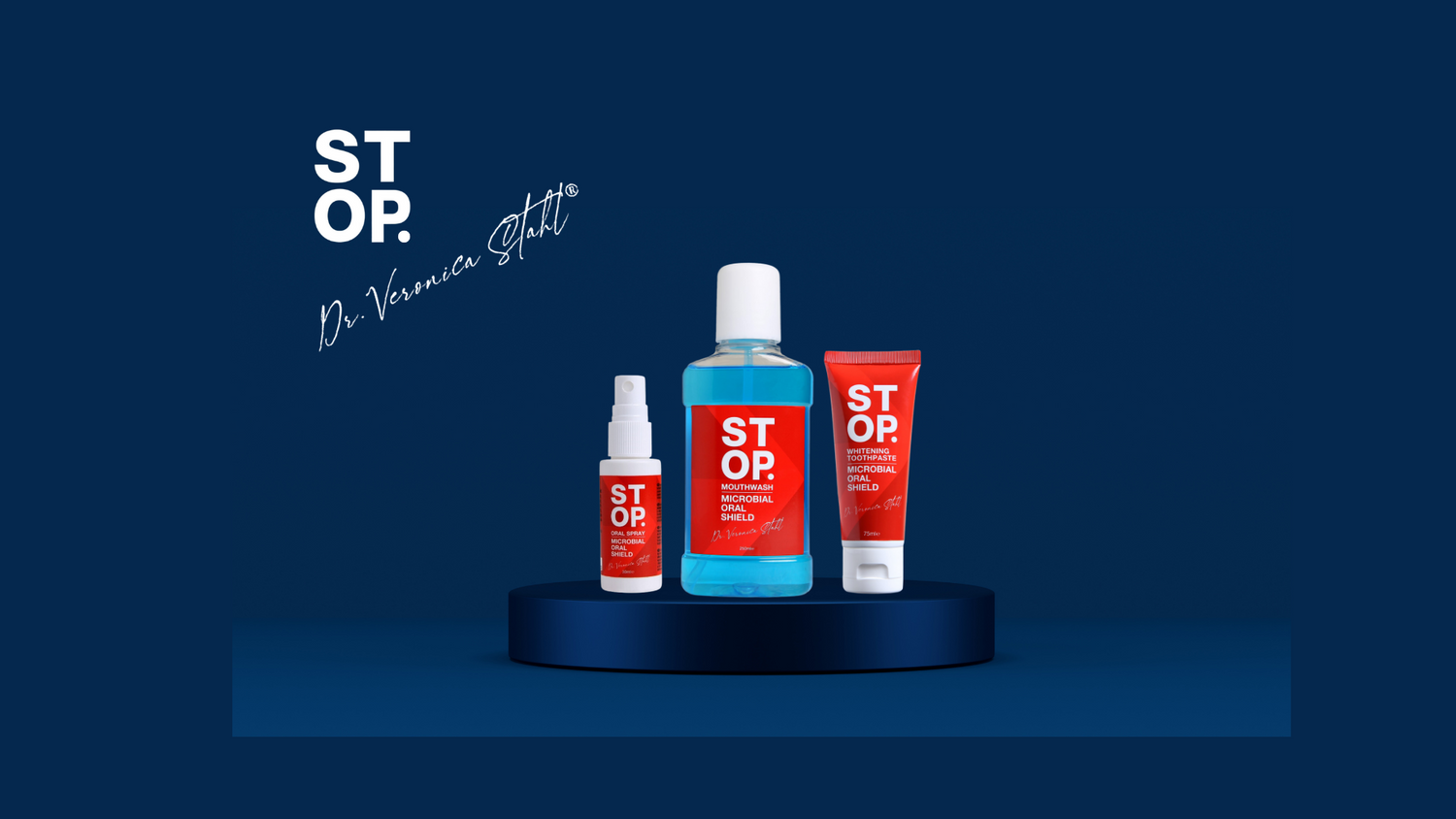


Finding eco-friendly oral care options can feel challenging when you want natural solutions that actually work. For health-minded millennials in cities like London and Berlin, the search for fluoride-free, plant-powered products is about more than just clean teeth. Every choice you make in your routine shapes both your wellness and the world around you. Discover how sustainable oral hygiene brings transparency, innovation, and real sensitivity relief—without compromising your values or the environment.
Table of Contents
- Eco-Friendly Oral Hygiene Explained
- Key Principles Of Sustainable Oral Care
- Popular Eco-Friendly Products And Ingredients
- How Hemp And Dead Sea Minerals Support Health
- Fluoride-Free Options Versus Conventional Choices
- Mistakes To Avoid When Going Green
Key Takeaways
| Point | Details |
|---|---|
| Eco-Friendly Practices | Eco-friendly oral hygiene minimizes environmental impact through sustainable sourcing and non-toxic ingredients. |
| Preventive Focus | Prioritizing disease prevention and regular maintenance reduces the ecological burden tied to invasive dental treatments. |
| Transparency Matters | Choosing brands that disclose ingredient sourcing and environmental certifications fosters healthier consumer options and industry standards. |
| Smart Transitioning | Gradually replacing products allows for adjustment to new formulations while building sustainable habits effectively. |
Eco-Friendly Oral Hygiene Explained
Eco-friendly oral hygiene refers to dental care practices and products designed to minimize environmental impact while maintaining oral health. This approach extends beyond your toothbrush and toothpaste. It encompasses reducing plastic waste, eliminating harmful chemicals that leach into waterways, and selecting ingredients that align with sustainable sourcing practices. The connection between your oral health and planetary health is direct: products you rinse down your sink eventually reach ecosystems, making ingredient selection genuinely consequential. Non-toxic dental care prioritizes formulations free from harsh chemicals while supporting biodegradable and responsibly sourced components.
The core principles of eco-friendly oral hygiene rest on three pillars: sustainable sourcing, reduced environmental footprint, and health-conscious formulations. Sustainable sourcing means selecting ingredients harvested responsibly without depleting natural resources or destroying habitats. Dead Sea minerals and botanical extracts like hemp represent examples of ingredients sourced from renewable sources when managed properly. The reduced environmental footprint addresses packaging (choosing recyclable or refillable containers rather than single-use plastics) and product composition (ensuring nothing toxic persists in the environment after use). Health-conscious formulations eliminate fluoride and synthetic additives, replacing them with naturally derived compounds that support oral health through different mechanisms. Proper oral health maintenance involves regular brushing, flossing, and healthy dietary choices—practices that remain essential regardless of which products you select.
What distinguishes eco-friendly oral hygiene from conventional approaches is the intentional commitment to transparency and accountability. Urban professionals in the United Kingdom and Germany increasingly demand products backed by scientific research demonstrating efficacy without compromise. This means selecting brands that disclose ingredient sources, manufacturing processes, and environmental certifications. Your choices matter beyond personal benefit. When you select products formulated with plant-derived minerals and hemp rather than synthetic chemicals, you reduce the toxic load entering water systems globally. This creates measurable environmental impact: fewer microplastics in oceans, reduced pharmaceutical contamination in freshwater systems, and decreased soil degradation from synthetic runoff. The holistic perspective recognizes that your mouth exists within a body that exists within an ecosystem, making the wellness connection undeniable.
Pro tip: Start by replacing one product at a time rather than overhauling your entire routine simultaneously, allowing your mouth to adjust to new formulations while building sustainable habits without overwhelming yourself.
Key Principles of Sustainable Oral Care
Sustainable oral care operates on a straightforward foundation: prevention reduces environmental burden far more effectively than treatment. When you prioritize disease prevention through proper hygiene, dietary choices, and regular maintenance, you decrease the need for invasive dental procedures that generate medical waste, consume resources, and create ecological impact. This prevention-centric approach represents the first pillar of sustainability in oral health. Rather than waiting for problems to develop, you’re actively reducing the downstream environmental costs associated with treating advanced decay, infection, or gum disease. The WHO’s emphasis on disease prevention integration into healthcare systems reflects this recognition that prevention strategies create lasting benefits for both human and planetary health.
The second principle centers on ingredient and material responsibility. Sustainable oral care demands intentional selection of products formulated with renewable, responsibly sourced components while eliminating toxic chemicals that persist in ecosystems after use. This means choosing formulations with Dead Sea minerals and plant-derived botanicals rather than synthetic fluoride compounds and microplastics that accumulate in waterways. Material selection extends to packaging: sustainable practices prioritize recyclable, compostable, or refillable containers over single-use plastics that contribute to landfill overflow. The third principle involves environmental sustainability embedded throughout practice, from clinical education to patient engagement strategies. This requires healthcare providers, manufacturers, and consumers to work collaboratively, ensuring sustainable practices become standard rather than exceptional.
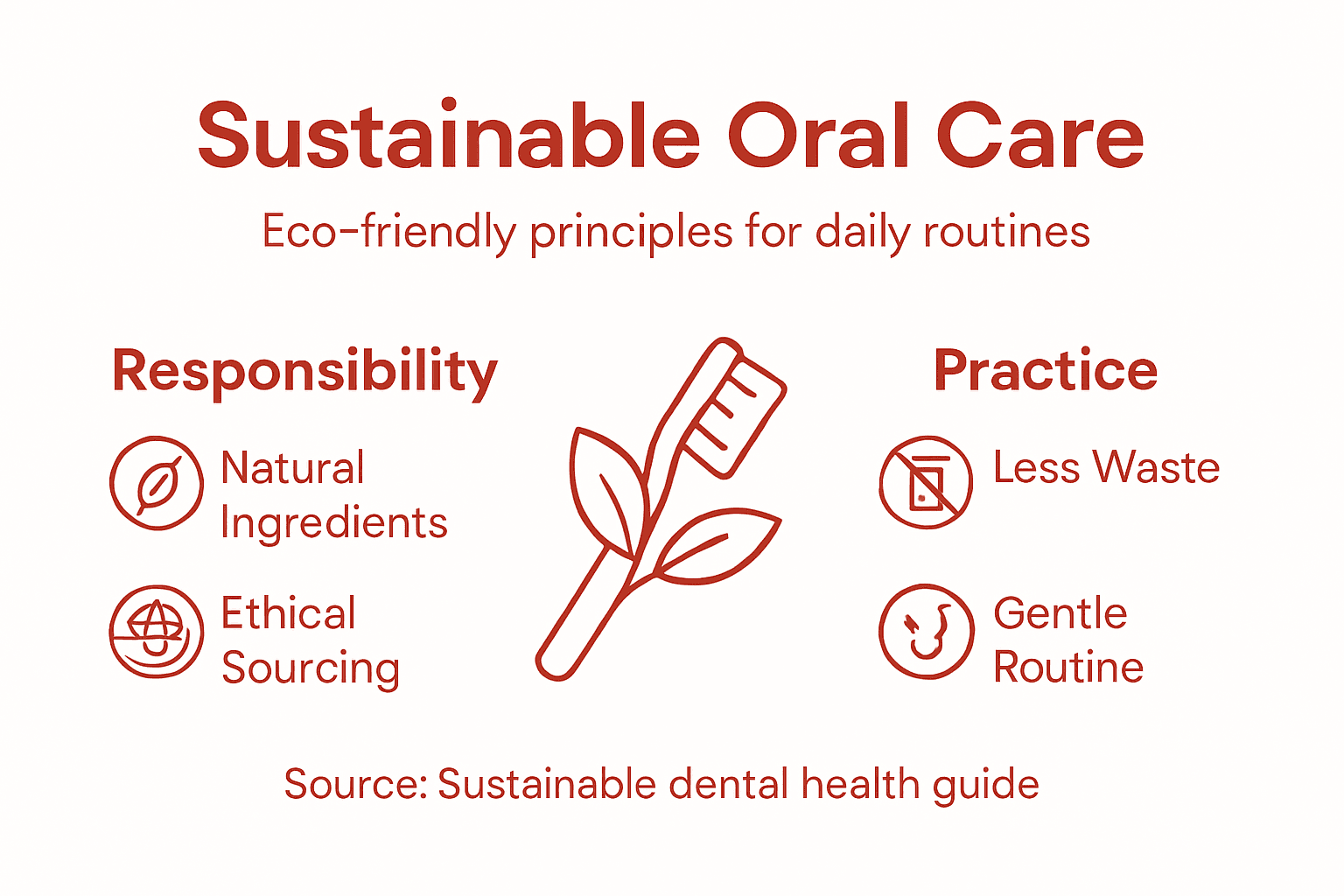
Implementing these principles in your personal routine means making deliberate choices aligned with these broader sustainability goals. Start by examining your current products and identifying which contain synthetic additives, unnecessary packaging, or ingredients sourced through environmentally damaging practices. Transition toward brands that maintain transparent supply chains, provide scientific evidence supporting their formulations, and demonstrate commitment to reducing their environmental footprint. Consider how your choices ripple outward: when you select naturally derived oral care products, you signal market demand for sustainable alternatives, encouraging manufacturers to invest in greener formulations and responsible sourcing. Your individual decisions aggregate into collective market pressure that transforms industry standards. Holistic oral care approaches recognize this interconnection between personal wellness, product integrity, and environmental stewardship as unified rather than separate concerns.
Pro tip: Audit your oral care cabinet quarterly, replacing items with sustainable alternatives gradually rather than discarding everything at once, which reduces waste while allowing your mouth to adjust to new formulations.
Popular Eco-Friendly Products and Ingredients
Eco-friendly oral care products fall into several categories, each designed to reduce environmental impact while maintaining effectiveness. Bamboo toothbrushes represent the most visible shift toward sustainability, replacing plastic handles with biodegradable alternatives that decompose naturally rather than persisting in landfills for decades. Natural toothpastes formulated without synthetic dyes, artificial flavors, or harsh chemical abrasives offer comparable cleaning power to conventional products while eliminating toxic compounds that leach into waterways. Biodegradable floss made from silk or plant fibers dissolves naturally, contrasting sharply with traditional nylon floss that accumulates in ocean ecosystems. Beyond individual products, sustainable toothpaste innovations now include compressed tablets, refillable containers, and glass jars that fundamentally reduce plastic consumption throughout your oral care routine.
The ingredient profile distinguishes truly sustainable products from greenwashed alternatives. Quality eco-friendly formulations leverage Dead Sea minerals, which contain naturally occurring calcium, magnesium, and potassium that strengthen enamel and support gum health without requiring synthetic fluoride. Hemp-derived botanicals provide antimicrobial properties and reduce inflammation through cannabinoid compounds, offering an alternative mechanism for oral health maintenance that differs fundamentally from conventional toothpaste chemistry. Essential oils from eucalyptus, peppermint, and tea tree deliver natural antimicrobial action while eliminating the need for synthetic preservatives. Baking soda and activated charcoal serve as gentle abrasives that effectively remove surface stains and buildup without damaging enamel. These ingredients work synergistically within formulations designed by specialists who understand both oral biology and environmental impact, ensuring products deliver measurable health benefits without ecological compromise.
What sets truly sustainable products apart from conventional alternatives is ingredient transparency and sourcing verification. Urban health professionals in the United Kingdom and Germany increasingly demand access to complete ingredient lists, manufacturing origins, and third-party testing documentation demonstrating efficacy claims. When you select products formulated with responsibly sourced Dead Sea minerals and plant-derived cannabinoids, you’re supporting supply chains that prioritize environmental stewardship alongside human wellness. This means verifying that botanical ingredients come from sustainable agricultural practices rather than habitat-destructive harvesting. Packaging matters equally: products delivered in recyclable aluminum tubes, glass containers, or compostable materials demonstrate genuine commitment to reducing waste. Look for certifications indicating environmental compliance and sustainable sourcing rather than relying on marketing language alone. Plant-infused oral care formulations represent the current frontier of sustainable dentistry, combining traditional botanical knowledge with modern scientific validation to create products that serve both personal and planetary health.
Pro tip: Start with a single eco-friendly product (perhaps a natural toothpaste) to assess compatibility with your mouth and budget, then gradually expand to other sustainable alternatives like bamboo toothbrushes and refillable containers as you find options that work.
Here’s a comparison of popular eco-friendly oral hygiene products and the unique benefits each offers:
| Product Type | Primary Materials | Environmental Benefit | Unique Oral Health Impact |
|---|---|---|---|
| Bamboo Toothbrush | Bamboo handle, nylon bristles | Biodegradable handle cuts landfill waste | Gentle cleaning, non-toxic |
| Natural Toothpaste | Plant extracts, minerals | Avoids synthetic chemicals, recyclable packaging | Supports enamel, soothes gums |
| Biodegradable Floss | Silk, plant fiber | Breaks down in oceans and soil | Reduces gum disease risk |
| Toothpaste Tablets | Compressed powder, glass jar | No plastic tube, refillable | Portable, mess-free application |
How Hemp and Dead Sea Minerals Support Health
Hemp and Dead Sea minerals represent two distinct yet complementary approaches to oral health support, each working through different biological mechanisms. Hemp-derived cannabinoids, particularly cannabidiol (CBD), interact with your mouth’s endocannabinoid system to reduce inflammation, modulate immune response, and promote tissue healing. This differs fundamentally from conventional toothpaste chemistry because cannabinoids don’t kill bacteria through harsh abrasive action but instead support your body’s natural ability to manage oral inflammation and resist infection. The antimicrobial properties occur through indirect pathways: cannabinoids strengthen cellular barriers, enhance saliva production (which carries natural antimicrobial proteins), and reduce the inflammatory cascade that allows harmful bacteria to establish biofilm. Dead Sea minerals work through a separate mechanism based on elemental composition. These minerals contain bioavailable magnesium, calcium, potassium, and trace elements that directly support tooth mineralization and gum tissue health by promoting collagen production and strengthening the structural matrix of your teeth and gums.

For individuals managing sensitivity, this mineral profile offers measurable benefit. Sensitivity occurs when exposed dentin tubules allow external stimuli to reach the nerve, causing sharp pain during eating or drinking. Dead Sea minerals fill these tubules through remineralization, effectively sealing the pathway to nerve irritation. Simultaneously, the magnesium content reduces nerve excitability itself, creating a dual-action approach to sensitivity relief. Hemp cannabinoids support this process by calming the inflammatory response around sensitive areas and promoting healing of microscopic tissue damage. Unlike fluoride, which creates a surface barrier through chemical bonding, minerals work by restoring the tooth’s natural mineral content, creating a biological restoration rather than a synthetic coating. This distinction matters significantly for individuals seeking fluoride-free alternatives without sacrificing sensitivity management.
When formulated together in oral care products, hemp and Dead Sea minerals create synergistic effects that neither ingredient achieves independently. The minerals provide the structural support your teeth and gums require, while cannabinoids manage the inflammatory environment that either accelerates or prevents oral disease progression. Sensitivity-prone individuals in urban environments often experience constant irritation from temperature fluctuations, acidic beverages, and stress-related teeth grinding. This combination addresses all three mechanisms: minerals strengthen vulnerable areas, cannabinoids reduce inflammation, and together they support your mouth’s resilience. Research validation matters equally. Natural ingredients in dental care increasingly undergo rigorous scientific testing to establish efficacy claims, ensuring that eco-friendly products deliver measurable results rather than relying on marketing language alone. When you select formulations combining these ingredients, you’re choosing products backed by both traditional botanical knowledge and contemporary clinical research.
Pro tip: Use hemp and Dead Sea mineral products consistently for at least two weeks before assessing sensitivity improvement, as tissue remineralization and inflammation reduction develop gradually rather than immediately.
Fluoride-Free Options Versus Conventional Choices
The fluoride debate in oral care centers on a fundamental tradeoff between proven clinical efficacy and personal health philosophy. Conventional fluoride toothpastes deliver measurable enamel protection through a well-established mechanism: fluoride ions penetrate demineralized enamel and form fluorapatite, a crystalline structure more resistant to acid attack than hydroxyapatite alone. This process has been validated through decades of clinical research, resulting in significant reductions in cavity incidence across populations that adopted fluoride routines. Fluoride-containing products remain the gold standard for caries prevention and periodontal health according to governmental health guidance. However, fluoride operates through a single pathway: strengthening mineral crystal structure. This approach offers no anti-inflammatory benefit, no sensitivity relief through mineral replacement, and relies entirely on maintaining adequate fluoride exposure throughout life.
Fluoride-free alternatives operate through fundamentally different mechanisms that address oral health from multiple angles simultaneously. Hydroxyapatite-based formulations mirror your teeth’s natural mineral composition, allowing biological remineralization rather than chemical modification. Your mouth recognizes hydroxyapatite as native material and incorporates it into damaged enamel through natural processes, creating restoration that feels genuinely biological rather than applied. Dead Sea minerals and hemp cannabinoids add dimensions fluoride cannot match: mineral-based sensitivity relief, anti-inflammatory support, and immune modulation that strengthens your mouth’s natural defenses. Clinical evidence shows fluoride-free products containing biomimetic calcium-phosphate compounds effectively prevent caries, reduce sensitivity, and promote periodontal health through distinct mechanisms. The tradeoff exists because fluoride excels at one specific outcome (preventing decay through enamel hardening) while fluoride-free alternatives distribute benefits across multiple oral health domains.
For health-conscious individuals in urban environments managing sensitivity or seeking fluoride avoidance, the decision involves personal priorities rather than absolute superiority. If your primary concern is cavity prevention and you have access to regular professional dental care, conventional fluoride offers measurable advantage supported by established guidelines. If you experience sensitivity, desire multiple health benefits from a single product, or hold philosophical objections to fluoride, natural alternatives deliver clinically validated results through alternative pathways. The critical distinction separates marketing claims from scientific validation. Many products labeled “natural” lack rigorous efficacy testing, while proven fluoride-free options undergo the same clinical scrutiny as conventional products. Choosing fluoride-free toothpaste requires evaluating ingredient quality, manufacturing transparency, and clinical evidence rather than relying on marketing language alone.
Pro tip: If transitioning from fluoride, maintain your current cavity prevention practices (flossing, dietary awareness, professional cleanings) while allowing 4 to 6 weeks for your mouth to adjust to alternative formulations before assessing effectiveness.
This table summarizes the differences between conventional fluoride oral care and fluoride-free alternatives:
| Approach | Main Active Ingredient | Mechanism of Action | Key Advantages |
|---|---|---|---|
| Conventional Fluoride | Fluoride | Forms strong crystal structure | Proven cavity prevention |
| Fluoride-Free Alternative | Hydroxyapatite, minerals | Mimics natural mineralization | Sensitivity relief, anti-inflammatory |
| Hemp-Mineral Blend | Hemp, Dead Sea minerals | Immune support and remineralization | Synergistic gum and enamel health |
Mistakes to Avoid When Going Green
Transitioning to eco-friendly oral hygiene presents genuine pitfalls that undermine your sustainability goals if overlooked. The most common error involves purchasing eco-friendly products while maintaining wasteful practices elsewhere in your routine. You might select a bamboo toothbrush and natural toothpaste, yet continue running water continuously while brushing, generating unnecessary consumption that cancels environmental benefits gained through product selection. Similarly, choosing biodegradable packaging means nothing if you discard it without recycling or composting. Water conservation during oral care creates measurable impact: turning off the tap between rinses reduces household water usage by approximately 8 gallons daily per person, equivalent to 2,920 gallons annually. Sustainable oral hygiene requires balancing product choices with resource conservation rather than treating them as separate concerns. You must examine your entire routine holistically, not just individual products.
Another significant mistake involves assuming all products labeled “natural” or “eco-friendly” deliver genuine environmental or health benefits. Marketing language frequently exploits consumer desire for sustainability without backing claims with scientific evidence or transparent ingredient sourcing. A toothpaste claiming natural status while containing synthetic preservatives, artificial colorants, or ingredients harvested through habitat destruction fundamentally contradicts sustainability principles. Greenwashing presents deceptively in eco-friendly spaces: packaging printed on recycled paper containing ingredients processed through environmentally damaging methods, or products using naturally derived compounds extracted through unsustainable agricultural practices. Authenticity of natural products requires verification through transparent manufacturers disclosing sourcing methods, manufacturing locations, and third-party testing results. Urban consumers increasingly demand supply chain transparency, yet many fail to investigate whether their chosen brands actually provide this information.
A third critical mistake involves sacrificing oral health effectiveness in pursuit of sustainability. Switching to an eco-friendly toothpaste that fails to address your specific oral needs represents false economy. If you experience sensitivity, selecting a sustainable product lacking sensitivity-relieving minerals like Dead Sea minerals creates frustration and tempts return to conventional products. If you struggle with gum disease, choosing purely environmental credentials over proven anti-inflammatory ingredients like hemp cannabinoids undermines your health priorities. Sustainable practices should enhance rather than compromise your oral wellness. The integration of these goals requires selecting products combining both genuine environmental responsibility and clinical efficacy. Your mouth exists within an ecosystem, but it also requires functional support for eating, speaking, and comfort. Balancing these priorities means rejecting false choices between wellness and environmental stewardship.
Pro tip: Document your baseline water usage and product waste for one week before making changes, then reassess monthly to identify which sustainability actions deliver measurable reduction rather than assuming all eco-friendly swaps create equal impact.
Elevate Your Eco-Friendly Oral Hygiene Routine Today
If you are ready to transform your dental care with natural, science-backed solutions that truly respect both your health and the environment this is your moment. The article highlights the challenge of finding effective fluoride-free alternatives that combine mineral support and anti-inflammatory benefits without harmful chemicals or excessive waste. Many individuals seek safe, transparent products that harness the power of hemp and Dead Sea minerals to reduce sensitivity and support oral wellness sustainably. At STOP Oral Care we offer a unique selection of carefully formulated dental care products that align perfectly with these goals.
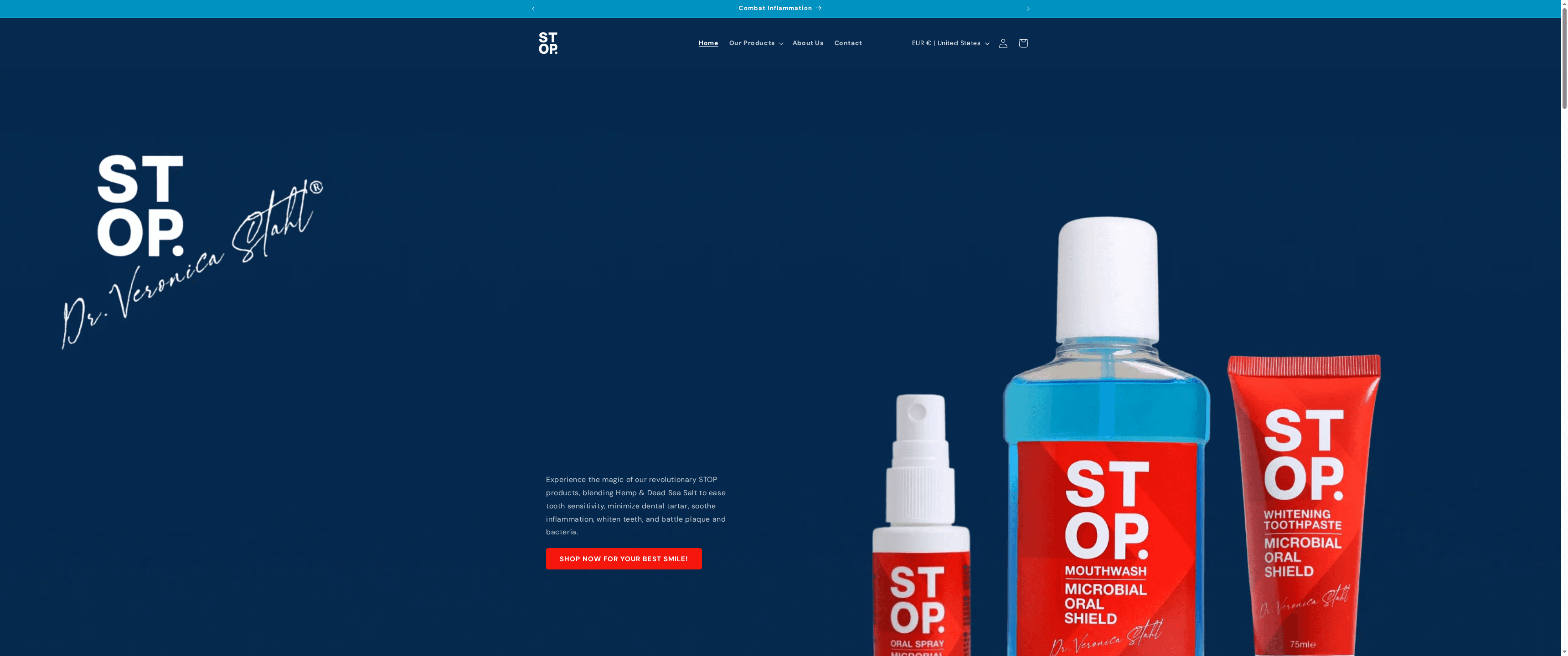
Discover the powerful synergy of plant-derived cannabinoids and mineral-rich formulas that go beyond conventional toothpaste. Start your journey by exploring our exclusive collection of fluoride-free toothpastes, mouthwashes, and oral sprays designed by Dr. Veronica Stahl for natural healing and safety. Embrace an eco-conscious routine without compromise today by visiting our Home Page Stop Oral Care and selecting your first sustainable oral health product. With every purchase through https://stop-oralcare.com you make a positive impact on your personal wellness and the planet. Take control now and join the growing community committed to real, measurable eco-friendly oral care.
Frequently Asked Questions
What are eco-friendly oral hygiene practices?
Eco-friendly oral hygiene practices involve using dental care products and routines that minimize environmental impact through sustainable sourcing, reducing plastic waste, and utilizing non-toxic ingredients.
How do Dead Sea minerals benefit oral health?
Dead Sea minerals provide essential nutrients like calcium and magnesium that strengthen tooth enamel and support gum health, promoting natural remineralization without relying on harsh chemicals.
What are the advantages of using bamboo toothbrushes over traditional plastic ones?
Bamboo toothbrushes are biodegradable and break down naturally, reducing plastic waste in landfills, while still offering effective cleaning without toxic components found in some conventional toothbrushes.
Are fluoride-free toothpaste options effective for cavity prevention?
Yes, fluoride-free toothpaste can be effective for cavity prevention if they contain alternative active ingredients like hydroxyapatite that mimic natural tooth mineralization, offering additional benefits such as sensitivity relief and anti-inflammatory properties.