

Finding the right oral care routine can feel challenging when you want safe, effective options for sensitive teeth or prefer fluoride-free products. Many people in Europe and Florida aim for healthier smiles without relying on synthetic ingredients. This guide highlights practical, research-backed methods like fluoride-free mineral-based solutions and personalized self-assessment techniques, helping you make informed decisions for your unique dental needs.
Table of Contents
- Step 1: Assess Your Current Oral Health Needs
- Step 2: Select Natural, Fluoride-Free Oral Care Products
- Step 3: Establish A Consistent Oral Hygiene Routine
- Step 4: Monitor Your Oral Health Progress
- Step 5: Adjust Your Care Routine For Optimal Results
Quick Summary
| Key Point | Explanation |
|---|---|
| 1. Assess Your Oral Health Regularly | Conduct a thorough self-evaluation to identify specific dental needs and monitor changes in oral health. |
| 2. Choose Fluoride-Free Products | Look for natural alternatives, such as those containing hydroxyapatite, that support dental health without harmful ingredients. |
| 3. Establish a Consistent Oral Care Routine | Implement a structured daily hygiene routine incorporating brushing, flossing, and mouthwash to maintain optimal oral health. |
| 4. Track Changes in Oral Health | Keep a detailed log of symptoms and observations to recognize emerging issues early and communicate effectively with your dentist. |
| 5. Adapt Your Care as Needed | Regularly modify your oral care routine based on personal health changes and professional recommendations for optimal effectiveness. |
Step 1: Assess your current oral health needs
Understanding your unique oral health landscape begins with a comprehensive self-evaluation. By carefully examining your current dental condition, you can develop a targeted approach to maintaining optimal oral wellness. The goal is to create a personalized strategy that addresses your specific dental requirements.
Start by conducting a thorough assessment using these key evaluation methods:
- Visual mouth inspection: Check for signs of inflammation, discoloration, or unusual patches
- Sensitivity tracking: Note areas of tooth or gum sensitivity when eating or drinking
- Bleeding gum evaluation: Monitor gum bleeding during brushing or flossing
- Breath quality assessment: Evaluate persistent bad breath as a potential health indicator
According to the CDC’s oral health guidelines, certain systemic conditions and lifestyle factors significantly impact dental health. This means your assessment should extend beyond surface-level observations and consider broader health contexts.
Here’s a quick overview of common oral health influencers:
| Factor | Impact on Oral Health | Suggested Action |
|---|---|---|
| Systemic illness | May increase risk of gum issues | Consult with healthcare provider |
| Dietary habits | Affects enamel strength | Choose balanced, low-sugar diet |
| Tobacco use | Raises risk for oral disease | Seek support for quitting |
| Medications | Can cause dry mouth | Stay hydrated, talk to your dentist |
Consider scheduling a professional dental examination to complement your self-assessment. A dentist can provide detailed insights into potential risk factors and recommend targeted interventions based on your unique oral health profile.
Early detection and proactive management are the cornerstones of maintaining long-term oral wellness.
Pro tip: Keep a digital or physical journal documenting your oral health observations, including dates, symptoms, and changes to track patterns over time.
Step 2: Select natural, fluoride-free oral care products
Choosing the right natural oral care products requires a strategic approach that prioritizes both effectiveness and safety. Your goal is to find fluoride-free alternatives that provide comprehensive dental protection while supporting your overall health and wellness.
When selecting fluoride-free oral care products, focus on these critical elements:
- Ingredient analysis: Look for natural mineral-based ingredients like hydroxyapatite
- Scientific validation: Seek products with clinical research backing
- Holistic ingredient profile: Prioritize products with minimal synthetic additives
- Specific oral health needs: Match products to your individual dental concerns
Clinical research on hydroxyapatite demonstrates that fluoride-free toothpastes can be highly effective in preventing dental caries. This means you can confidently explore natural alternatives without compromising oral health protection.
Consider consulting with a holistic dentist or natural health practitioner who can provide personalized recommendations based on your specific oral health profile. They can help you navigate the expanding market of fluoride-free oral care products and identify formulations that best suit your needs.
Use this table to compare natural and conventional oral care products:
| Product Type | Key Ingredient | Safety Considerations | Oral Health Benefit |
|---|---|---|---|
| Conventional toothpaste | Fluoride | Possible toxicity if swallowed | Strong cavity prevention |
| Natural toothpaste | Hydroxyapatite | Biocompatible, low risk | Remineralizes and protects teeth |
| Herbal mouthwash | Essential oils | Allergy risk for some users | Freshens breath, mild antimicrobial effect |
| Synthetic mouthwash | Chlorhexidine | May stain teeth, disrupt oral flora | Potent bacteria reduction |
Natural oral care is not just about avoiding harmful ingredients but actively supporting your body’s innate healing mechanisms.
Pro tip: Always request product ingredient lists and third-party testing documentation to ensure the quality and effectiveness of your chosen fluoride-free oral care products.
Step 3: Establish a consistent oral hygiene routine
Creating a reliable oral hygiene routine is fundamental to maintaining long-term dental health and preventing potential complications. Your goal is to develop a systematic approach that becomes second nature and supports your overall wellness.
Best practices for oral hygiene emphasize the importance of a comprehensive daily strategy. Implement these core elements to build a robust oral care routine:
- Morning protocol: Brush thoroughly for 2 minutes after breakfast
- Evening routine: Clean teeth before bedtime, removing daily accumulated bacteria
- Flossing technique: Use proper flossing methods to remove interdental debris
- Supplemental care: Consider natural mouthwash or oral rinses
Consistent oral hygiene requires more than just occasional brushing. Develop a structured approach that integrates multiple elements of dental care, creating a holistic routine that addresses comprehensive oral health needs.
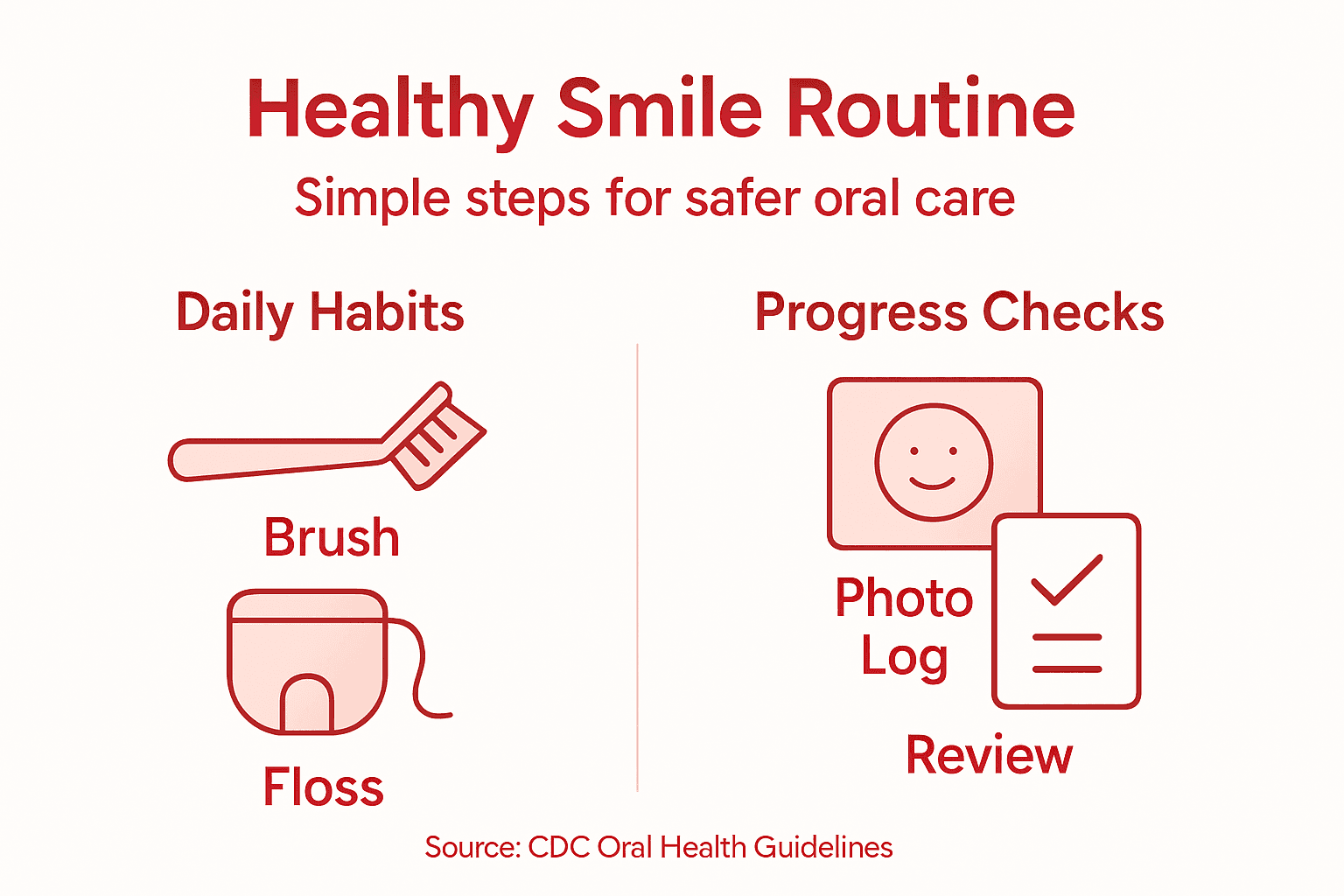
Track your progress by maintaining a simple log or using a dental care app to monitor your consistency. This accountability can help reinforce positive habits and ensure you’re maintaining your commitment to optimal oral wellness.
Consistency transforms oral care from a chore into a natural, effortless part of your daily self-care routine.
Pro tip: Keep your oral care tools visible and easily accessible in your bathroom to reduce friction and make your routine more automatic.

Step 4: Monitor your oral health progress
Tracking your oral health is a critical component of maintaining long-term dental wellness and preventing potential complications. By systematically observing and documenting changes in your oral condition, you can proactively address emerging issues before they become serious problems.
Evidence-based screening methods reveal the importance of comprehensive oral health monitoring. Implement these strategic tracking techniques:
- Visual self-examination: Check for signs of inflammation or discoloration
- Sensitivity tracking: Record tooth and gum sensitivity occurrences
- Symptom documentation: Note any unusual changes in oral condition
- Digital tracking: Use apps or journals to log oral health observations
Consistent monitoring allows you to detect subtle changes and communicate effectively with dental professionals. Consider creating a monthly oral health assessment routine that captures detailed information about your dental wellness.
Engaging in regular self-assessments empowers you to take control of your oral health journey. By maintaining a proactive approach, you can identify potential issues early and collaborate more effectively with healthcare providers.
Your oral health is a dynamic system that requires ongoing attention and strategic monitoring.
Pro tip: Take clear, well-lit photographs of your teeth and gums monthly to create a visual record for tracking changes and discussing concerns with your dentist.
Step 5: Adjust your care routine for optimal results
Creating a dynamic oral care strategy requires continuous adaptation and personalization based on your evolving health needs. Your ability to modify your approach ensures that your oral hygiene routine remains effective and responsive to changing conditions.
Personalized oral health recommendations highlight the importance of tailoring your dental care approach. Consider these key strategies for routine optimization:
- Age-related adjustments: Modify techniques as your oral health changes
- Health condition monitoring: Adapt routine for systemic health impacts
- Sensitivity management: Update products and techniques for comfort
- Professional guidance integration: Incorporate dentist recommendations
Professional dental consultations provide critical insights for fine-tuning your oral care approach. Regular check-ups allow healthcare providers to assess your current oral health status and recommend specific adjustments that address emerging needs.
Remember that oral health is not static. Your routine should be as flexible and dynamic as your overall wellness journey, responding to changes in your body, lifestyle, and environmental factors.
Successful oral care is about continuous learning and adaptive strategies, not rigid adherence to a single approach.
Pro tip: Schedule a comprehensive dental review annually to get professional insights on optimizing your oral care routine for maximum effectiveness.
Discover Natural Fluoride-Free Solutions for a Safer Smile
If you are committed to taking control of your oral health and seeking effective, natural alternatives to conventional dental products the challenges of finding safe and scientifically backed fluoride-free options can feel overwhelming. This guide highlights the importance of consistent oral hygiene routines and monitoring your progress while embracing gentle and healing ingredients like hydroxyapatite and natural minerals.

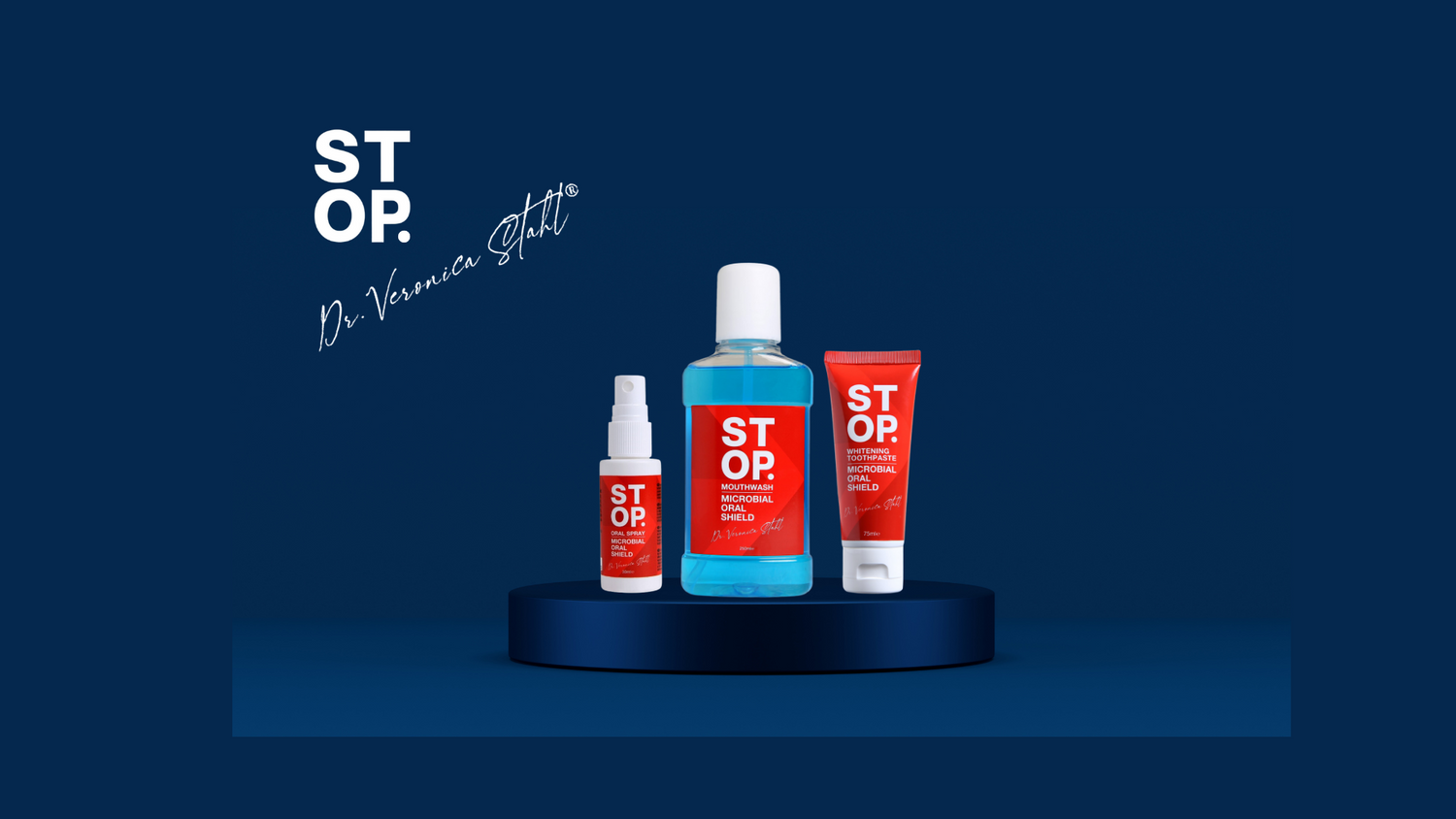
Experience the transformative power of our unique oral care line at STOP Oral Care. Formulated with hemp and Dead Sea minerals and led by Dr. Veronica Stahl our products deliver safe and innovative solutions designed to support your personalized oral wellness journey. Take the next step toward healthier teeth by exploring our full collection and find your perfect natural toothpaste, mouthwash, or oral spray. Don’t wait to enhance your daily routine because your smile deserves the best care available. Visit our homepage to learn more and shop now at https://stop-oralcare.com.
Frequently Asked Questions
How can I assess my current oral health needs?
To assess your oral health needs, start with a visual inspection of your mouth for inflammation, discoloration, or unusual patches. Track tooth sensitivity and gum bleeding while maintaining a journal of your observations for review during your next dental visit.
What ingredients should I look for in natural, fluoride-free oral care products?
When choosing natural, fluoride-free oral care products, prioritize ingredients like hydroxyapatite that are known for their remineralizing properties. Always analyze the product’s ingredient list to ensure it contains minimal synthetic additives and aligns with your specific oral health needs.
What should my daily oral hygiene routine include?
A comprehensive daily oral hygiene routine should include brushing your teeth for two minutes after meals, flossing daily, and using a natural mouthwash if desired. Establish a structured protocol to ensure you maintain consistency and optimal oral health.
How can I monitor my oral health progress effectively?
To monitor your oral health progress, perform regular visual examinations and document any sensitivity or changes in your mouth. Consider tracking your observations using a journal or app, so you can identify patterns and discuss them with your dentist.
What steps can I take to adjust my oral care routine over time?
To adjust your oral care routine, regularly assess your oral health status and be open to changing products and techniques based on your current needs. Consider scheduling annual dental reviews to gain insights and recommendations for optimizing your dental care approach.
How can I maintain consistency in my oral hygiene practices?
To maintain consistency in your oral hygiene practices, keep your dental care tools easily accessible and visible in your bathroom. Set specific reminders or integrate your oral care routine into your daily schedule to establish it as a natural part of your self-care.
Recommended
- 7 Essential Steps for Your Dental Care Checklist – Stop Oral Care
- 7-Step Oral Hygiene Checklist for Adults Seeking Natural Care – Stop Oral Care
- 7 Essential Oral Hygiene Tips for Families Seeking Natural Care – Stop Oral Care
- Why Safety Matters in Oral Health Choices – Stop Oral Care
- 7 Examples of Ear Safety Protocols Every Parent Should Know
- The Essential Guide to Safe Drinking Water - Coway Water Purifier