

Keeping your teeth and gums healthy can seem overwhelming with so many oral care choices on the market. You may wonder if natural products actually work or if switching to a fluoride-free routine is a risk for your dental health. The good news is that recent research shows smart alternatives—like hydroxyapatite toothpaste and mineral-based mouthwash—can be effective and gentle for your teeth.
This list will give you simple steps that go beyond old habits, helping you make informed decisions about brushing, flossing, and choosing the right natural products. Each tip is backed by evidence or expert guidance, so you can feel confident and protected. Get ready to discover practical ways to upgrade your oral care routine for stronger teeth and healthier gums without sacrificing your wellness values.
Table of Contents
- 1. Brush Teeth Twice Daily With Fluoride-Free Toothpaste
- 2. Floss Carefully To Remove Hidden Plaque
- 3. Use Mineral-Infused Mouthwash Regularly
- 4. Clean Your Tongue To Reduce Bacteria
- 5. Switch To Gentle, Natural Oral Sprays
- 6. Monitor Gum Health And Sensitivity
- 7. Schedule Routine Dental Checkups
Quick Summary
| Key Message | Explanation |
|---|---|
| 1. Brush Teeth Twice Daily | Consistent brushing with fluoride-free toothpaste protects against tooth decay and gum disease. Focus on proper technique and timing for best results. |
| 2. Floss Regularly to Remove Plaque | Effective interdental cleaning prevents plaque buildup and supports oral health. Traditional flossing and water flossers both offer benefits depending on personal needs. |
| 3. Use Natural Mineral-Infused Mouthwash | Regular use of mineral-based mouthwash can reduce harmful bacteria and aid in the remineralization of tooth enamel without harsh chemicals. |
| 4. Clean Your Tongue | Tongue cleaning reduces bacteria and improves breath. Regular maintenance of tongue hygiene is essential for overall oral health. |
| 5. Schedule Regular Dental Checkups | Routine visits help detect dental issues early and provide personalized preventative care, ensuring long-term oral wellness. |
1. Brush Teeth Twice Daily With Fluoride-Free Toothpaste
Maintaining optimal oral hygiene starts with consistent brushing using a natural, fluoride-free toothpaste. While traditional dental advice recommends fluoride, emerging research suggests that effective alternatives exist for adults seeking holistic dental care.
Brushing twice daily remains the cornerstone of excellent oral health. The Oral Health Foundation emphasizes that thorough cleaning prevents tooth decay and gum disease. Here are key considerations for effective brushing:
- Use a soft-bristled toothbrush to protect tooth enamel
- Brush for a full two minutes each time
- Cover all tooth surfaces: outer, inner, and chewing surfaces
- Use gentle, circular motions
- Brush before breakfast to protect enamel from acidic foods
Consistent, gentle brushing with a fluoride-free toothpaste can effectively maintain oral health.
When selecting a fluoride-free toothpaste, look for natural ingredients that support remineralization. Hydroxyapatite-based formulas have shown promising results in preventing tooth decay, offering a scientifically-backed alternative to traditional fluoride products.
Pro tip: Replace your toothbrush every three to four months to ensure optimal cleaning effectiveness and prevent bacterial buildup.
2. Floss Carefully To Remove Hidden Plaque
Dental hygiene extends far beyond brushing, with interdental cleaning playing a crucial role in preventing plaque buildup and maintaining oral health. Water flossers offer a promising alternative to traditional flossing techniques, particularly for individuals with limited manual dexterity.
Traditional dental floss can effectively clean between teeth, but research suggests its limitations in comprehensive plaque removal. Understanding proper flossing technique is essential for maximizing oral hygiene benefits:
- Use approximately 18 inches of floss per cleaning session
- Gently slide floss between teeth using a zigzag motion
- Curve floss around each tooth’s base
- Use a fresh section of floss for each tooth
- Clean both sides of each tooth interdental space
Effective interdental cleaning reduces gingival inflammation and prevents potential oral health complications.
While traditional flossing remains valuable, modern alternatives like water flossers provide enhanced plaque removal, especially in hard-to-reach areas. These devices use pressurized water to dislodge food particles and disrupt bacterial biofilms more comprehensively than string floss.
Pro tip: Floss before brushing to loosen interdental debris and allow fluoride-free toothpaste better access to tooth surfaces.
3. Use Mineral-Infused Mouthwash Regularly
Mouthwash plays a critical role in comprehensive oral hygiene, extending protection beyond brushing and flossing. Natural mineral-based mouthwashes offer promising alternatives to conventional chemical formulations, providing effective oral care without harsh synthetic ingredients.
Mineral-infused mouthwashes leverage the power of natural compounds to support oral health. These innovative solutions combine scientific research with holistic approaches to dental wellness. Key benefits include:
- Reduction of harmful bacterial populations
- Support for natural oral microbiome balance
- Anti-inflammatory properties
- Gentle remineralization of tooth enamel
- Protection against plaque formation
Natural mineral compounds can effectively support oral health without compromising the body’s delicate biological systems.
Research demonstrates that plant-derived compounds like neem, green tea, and essential oils can provide robust antimicrobial protection. By choosing mineral-infused mouthwashes, you introduce a powerful yet gentle approach to maintaining oral hygiene. The presence of Dead Sea minerals and plant extracts can help soothe sensitive tissues while providing comprehensive cleaning.
Pro tip: Swish mineral-infused mouthwash for at least 30 seconds, focusing on areas between teeth and along the gumline for maximum effectiveness.
4. Clean Your Tongue to Reduce Bacteria
Your tongue is more than just a taste receptor. It serves as a complex ecosystem harboring millions of bacteria that can significantly impact overall oral health. Mechanical tongue cleaning effectively reduces bacterial load and prevents potential oral health complications.
The tongue’s surface contains numerous microscopic crevices that trap bacteria, food particles, and dead cells, creating an ideal environment for microbial growth. Understanding proper tongue hygiene can transform your oral care routine:
- Removes harmful bacterial biofilms
- Improves breath freshness
- Reduces risk of tooth decay
- Prevents potential gum inflammation
- Enhances overall oral microbiome balance
Consistent tongue cleaning is a critical yet often overlooked component of comprehensive oral hygiene.
Clinical research confirms that various tongue cleaning aids like scrapers and specialized brushes can dramatically reduce tongue coating and microbial populations. Different tools offer unique advantages, but the primary goal remains consistent: disrupting and removing the bacterial layer that accumulates on the tongue’s surface.
Pro tip: Clean your tongue gently from back to front using a soft-bristled tongue scraper or brush, rinsing the tool thoroughly after each use to prevent bacterial redeposition.
5. Switch to Gentle, Natural Oral Sprays
Oral sprays represent a revolutionary approach to targeted oral care, offering precise and convenient protection beyond traditional methods. Natural plant-based oral sprays demonstrate remarkable antimicrobial properties that support comprehensive oral health without harsh chemical interventions.
Modern research highlights the potential of botanical extracts in oral care, revealing how natural compounds can effectively manage oral microbiome balance. These innovative sprays provide several distinctive advantages:
- Targeted application of healing compounds
- Selective elimination of pathogenic bacteria
- Preservation of beneficial oral microbes
- Reduced risk of chemical sensitivities
- Enhanced natural healing mechanisms
Gentle, natural oral sprays offer a sophisticated alternative to traditional chemical-based oral care products.
Essential oils like clove and other plant-derived extracts can provide powerful antimicrobial protection while maintaining the delicate ecological balance of the oral cavity. These sprays work by selectively targeting harmful microorganisms without disrupting the protective bacterial communities essential for oral health.
Pro tip: Store your natural oral spray in a cool, dark place and shake well before each use to ensure optimal distribution of active botanical ingredients.
6. Monitor Gum Health and Sensitivity
Healthy gums are the foundation of overall oral wellness, serving as a critical indicator of your body’s systemic health. Innovations in oral hygiene tools have transformed our ability to detect and manage gum sensitivity early.
Understanding the nuanced signs of gum health requires attention to subtle changes and proactive monitoring. Gum sensitivity can signal underlying issues that demand immediate care and intervention:
- Early warning signs of inflammation
- Bleeding during brushing or flossing
- Persistent bad breath
- Gum recession or color changes
- Tenderness or swelling
Consistent monitoring empowers you to take preventive action before minor issues become serious oral health challenges.
Natural oral care products containing botanical extracts like neem, green tea, and aloe vera offer gentle yet effective solutions for managing gum sensitivity. These plant-based compounds provide anti-inflammatory and healing properties that support gum tissue regeneration and reduce microbial stress.
Pro tip: Perform a weekly self-examination of your gums, using good lighting and a mirror to track any changes in color, texture, or sensitivity.
7. Schedule Routine Dental Checkups
Routine dental checkups are far more than simple teeth cleaning. They represent a critical preventative strategy for maintaining comprehensive oral health and detecting potential issues before they escalate. Regular dental visits significantly reduce long-term health risks by providing professional assessment and personalized guidance.
These professional examinations offer multiple layers of protection and insight into your oral wellness:
- Early detection of dental problems
- Professional deep cleaning
- Comprehensive oral health assessment
- Personalized preventative recommendations
- Fluoride treatments and dental sealants
- X-ray imaging for hidden issues
Professional dental checkups transform reactive treatment into proactive health management.
Beyond surface-level cleaning, dental professionals can identify subtle signs of potential systemic health issues that might first manifest in oral symptoms. These comprehensive examinations provide insights that extend well beyond traditional tooth and gum maintenance, offering a holistic approach to your overall wellness.
Pro tip: Schedule your dental checkup every six months, or more frequently if recommended by your dental professional, and maintain a detailed record of your oral health history.
Below is a comprehensive table summarizing the key recommendations and practices for optimizing oral hygiene discussed in the article.
| Oral Hygiene Practice | Description | Key Recommendations |
|---|---|---|
| Brush Teeth Twice Daily | Maintain oral hygiene by using a fluoride-free toothpaste. | Brush for two minutes, use gentle motions, and employ a soft-bristled toothbrush. Replace your toothbrush regularly. |
| Floss Carefully | Remove plaque in interdental spaces effectively. | Use traditional floss with proper technique or consider using a water flosser for enhanced cleaning. |
| Use Mineral-Infused Mouthwash | Extend oral hygiene through remineralization and microbial balance. | Swish for at least 30 seconds daily to reduce bacteria and strengthen enamel. |
| Clean Your Tongue | Eliminate bacteria and debris on the tongue for improved oral health. | Use a soft-bristled tongue scraper or similar tool, cleaning from back to front. |
| Switch to Gentle Oral Sprays | Utilize natural plant-based sprays for focused antimicrobial care. | Store sprays properly and shake before use for optimal effectiveness. |
| Monitor Gum Health | Maintain awareness of gum condition to prevent issues. | Regularly examine for signs such as inflammation or bleeding. Use botanical extracts for gum care. |
| Schedule Routine Dental Checkups | Ensure comprehensive monitoring and treatment of oral health. | Visit your dentist biannually for professional assessments and cleanings. |
Transform Your Natural Oral Care Routine Today
If you are committed to following the 7-step oral hygiene checklist and seeking natural, fluoride-free solutions that truly nurture your teeth and gums, the right products make all the difference. Many adults face challenges like gum sensitivity, plaque buildup, and the need for gentle yet effective minerals in their daily regimen. This is where science-backed, plant and mineral-infused options designed by experts like Dr. Veronica Stahl become essential.
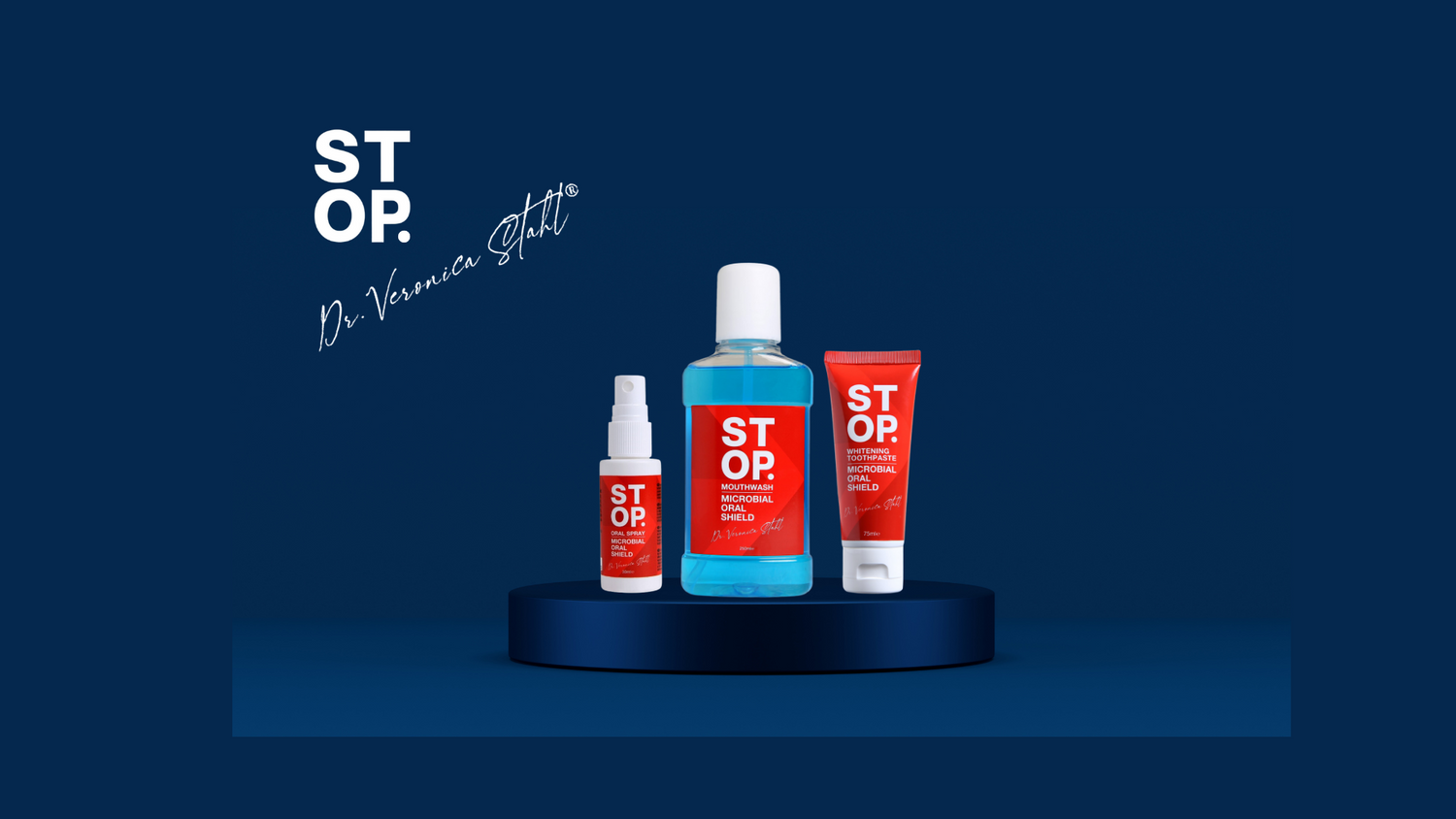
Discover the power of hemp and Dead Sea minerals formulated into a unique line of natural oral care products at STOP Oral Care. These carefully crafted toothpastes, mouthwashes, and oral sprays align perfectly with your goal of maintaining strong enamel, reducing harmful bacteria, and supporting gum health without harsh chemicals or fluoride.

Take control of your oral wellness now by exploring these innovative alternatives. Visit the Home Page to learn more about how natural ingredients promote lasting oral health. Embrace a safer, cleaner approach with STOP Oral Care where your journey to balanced, gentle, and effective dental care begins. Act today to experience the difference that natural science-backed oral health solutions can provide.
Frequently Asked Questions
How often should I brush my teeth with fluoride-free toothpaste?
Brushing your teeth twice daily with fluoride-free toothpaste is recommended for optimal oral health. Make a habit of brushing every morning and night for at least two minutes each time to effectively prevent tooth decay and gum disease.
What is the proper technique for flossing?
To floss properly, use about 18 inches of dental floss, gently sliding it between your teeth using a zigzag motion. Ensure to curve the floss around each tooth’s base and use a fresh section of floss for each tooth to maximize plaque removal.
Why should I use mineral-infused mouthwash?
Mineral-infused mouthwash helps support oral health through natural compounds that reduce harmful bacteria and promote enamel remineralization. Incorporate swishing a small amount for at least 30 seconds after brushing and flossing to enhance your oral hygiene routine.
How can I maintain gum health and monitor sensitivity?
Regularly check your gums for signs of inflammation, such as bleeding or tenderness, to catch potential issues early. Conduct a weekly self-examination using good lighting and take note of any changes in your gum color or texture to ensure ongoing gum health.
What types of tools can help clean my tongue?
Tongue scrapers and specialized brushes are effective tools for cleaning your tongue and reducing bacteria. Use a tongue scraper gently from back to front, rinsing it thoroughly after each use to keep your mouth fresh and improve your overall oral hygiene.
How frequently should I schedule dental checkups?
It’s advisable to schedule routine dental checkups every six months. Use these visits to benefit from professional assessments, deep cleaning, and personalized oral care recommendations to maintain long-term dental health.
Recommended
- 7 Essential Steps for Your Dental Care Checklist – Stop Oral Care
- 7 Essential Steps for a Natural Oral Care Routine List – Stop Oral Care
- Oral Health Habits How To Build A Natural Routine – Stop Oral Care
- 7 Essentials for a Complete Dental Care Checklist 2025 – Stop Oral Care
- How to Clean Hearing Aids Naturally for Best Performance – Audora
- How to Create a Supplement Schedule for Optimal Results – Nutribliss Inc.