

Brushing harder might feel productive, but excessive brushing force increases enamel wear by up to 30% and accelerates gum recession. Myths about natural and fluoride-free dental care flood the internet, making it hard to know what truly protects your teeth. This article debunks common misconceptions with science-based facts, helping you make informed choices for safe, effective oral health in 2026.
Table of Contents
- Selection Criteria: How To Evaluate Natural Dental Care Claims
- Myth 1: Brushing Harder Cleans Better
- Myth 2: Natural Means Safer And Better
- Myth 3: Fluoride Is Harmful And Unnecessary
- Myth 4: Natural Ingredients Always Work Effectively
- Myth 5: Diet And Gum Health Myths
- Summary Comparison And Final Recommendations
- Discover Safe Natural Oral Care Solutions At Stop Oral Care
- FAQ
Key takeaways
| Point | Details | |-------|---------|| | Brushing harder damages enamel | Excessive force increases wear and sensitivity instead of improving cleaning. | | Natural doesn’t mean safer | Some natural ingredients lack regulation and can cause harm. | | Fluoride at recommended levels is safe | It effectively prevents cavities when used as directed. | | Some natural ingredients reduce sensitivity | Dead Sea minerals and hemp show clinical support for relief. | | Professional check-ups remain essential | Even natural or fluoride-free care requires regular dental visits. |
Selection criteria: how to evaluate natural dental care claims
Before diving into specific myths, you need a framework to assess natural dental care products. Not all natural claims deserve your trust.
Efficacy depends on active ingredient concentration and delivery method. A product might contain beneficial compounds, but if concentrations fall below therapeutic levels, it won’t work. Safety is equally critical because some natural dental ingredients lack safety testing and can cause harm.
Consider how products affect tooth sensitivity and overall oral health. Some ingredients reduce sensitivity while others worsen it. Environmental sustainability matters to many consumers, but it shouldn’t override safety and effectiveness.
Key evaluation criteria include:
- Active ingredient concentration meeting clinical thresholds
- Third-party safety testing and certification
- Scientific research supporting health claims
- Impact on sensitivity and enamel protection
- Regulatory compliance and quality assurance
Pro Tip: Always check if natural dental product safety claims include peer-reviewed research or just marketing language.
Regular dental visits remain necessary regardless of product choice. No toothpaste replaces professional cleaning and examination. Understanding science-backed dental safety standards helps you separate legitimate products from questionable ones.
Myth 1: brushing harder cleans better
Many people believe applying more pressure removes more plaque. This widespread misconception causes serious damage.
Excessive brushing force increases enamel wear by up to 30% and accelerates gum recession. Your enamel can’t regenerate once worn away. Hard brushing also pushes gums back from teeth, exposing sensitive root surfaces.
Correct technique uses gentle pressure with soft toothbrushes. Think of brushing like massaging your teeth rather than scrubbing a floor. Gentle brushing with fluoride can reduce sensitivity by up to 25%, whereas harsh brushing can increase it by 15%.
Overbrushing worsens tooth sensitivity and creates long-term health problems. Exposed roots become vulnerable to decay. Receded gums rarely grow back without surgical intervention.
Proper brushing habits include:
- Using soft or extra-soft bristled toothbrushes
- Holding the brush at a 45-degree angle to gums
- Making small circular motions instead of aggressive back-and-forth scrubbing
- Brushing for two minutes twice daily
- Replacing toothbrushes every three months
Pro Tip: Pressure-sensing electric toothbrushes alert you when you’re brushing too hard, helping you develop fluoride-free brushing technique habits that protect enamel.
If you already experience sensitivity from overbrushing, switching to gentler methods and sensitivity-reducing products can help. Recovery takes time, but your teeth and gums will thank you.
Myth 2: natural means safer and better
The natural label carries powerful marketing appeal, but it doesn’t guarantee safety or superiority.
Natural products are not necessarily safer than synthetic ones because some natural substances can cause serious side effects. Poison ivy is natural. So is arsenic. The source matters less than the substance itself.
Regulatory oversight often lags in natural oral care products. Unlike pharmaceutical drugs, many natural dental products face minimal testing requirements before reaching store shelves. This creates gaps where unsafe products slip through.
Natural substances can include toxins causing adverse effects. Some herbal supplements have been linked to liver damage, heart problems, and dangerous drug interactions. Without proper testing and dosage control, natural ingredients pose real risks.
Consumers must verify natural product risks and scientific backing before purchase. Look for:
- Third-party testing certifications
- Published clinical research on ingredients
- Clear ingredient lists with concentrations
- Manufacturing quality standards
- Professional endorsements from dental experts
Just because a product appears in health food stores doesn’t mean it’s been vetted for safety. You need to research ingredients individually and assess whether evidence supports marketing claims.
The best natural dental products combine traditional natural ingredients with modern scientific validation. This approach offers natural benefits without sacrificing safety or effectiveness.
Myth 3: fluoride is harmful and unnecessary
Fluoride fears persist online despite overwhelming scientific consensus on its safety and effectiveness.
Fluoride in recommended concentrations reduces tooth decay significantly by remineralizing enamel. It works by strengthening tooth structure and reversing early decay before cavities form.
Epidemiological studies show significant community dental health benefits from water fluoridation. Populations with fluoridated water experience 20-40% fewer cavities than those without it. These benefits span all age groups and socioeconomic levels.
Claims of harmful effects lack strong scientific support at recommended levels. Concerns about fluorosis (tooth discoloration) only occur with excessive fluoride during tooth development. Consumer dental products contain safe concentrations.
Safe usage and dosage are key to benefits outweighing risks. The difference between helpful and harmful lies in amount, not the substance itself. Recommended fluoride levels in toothpaste and water have been studied extensively for decades.
Key fluoride facts:
- Topical fluoride (toothpaste, mouthwash) strengthens enamel
- Water fluoridation is one of the most cost-effective public health measures
- Fluoride works best when applied consistently over time
- Overuse risks are minimal with proper product use
- Children should use age-appropriate fluoride amounts
“Water fluoridation and fluoride toothpaste have prevented more cavities and saved more teeth than any other public health measure in dental history. The evidence supporting fluoride’s safety and effectiveness is among the strongest in all of medicine.”
If you choose fluoride-free dental care, understand you’re accepting higher cavity risk unless you compensate with other preventive measures. This doesn’t make fluoride-free choices wrong, but they require extra diligence.
Myth 4: natural ingredients always work effectively
Natural ingredients sound appealing, but effectiveness requires more than good intentions.
Some natural products have ingredient concentrations 50-70% below clinically effective levels. A product might list beneficial ingredients but include too little to produce results. This creates a placebo effect where consumers think they’re getting benefits they’re not.
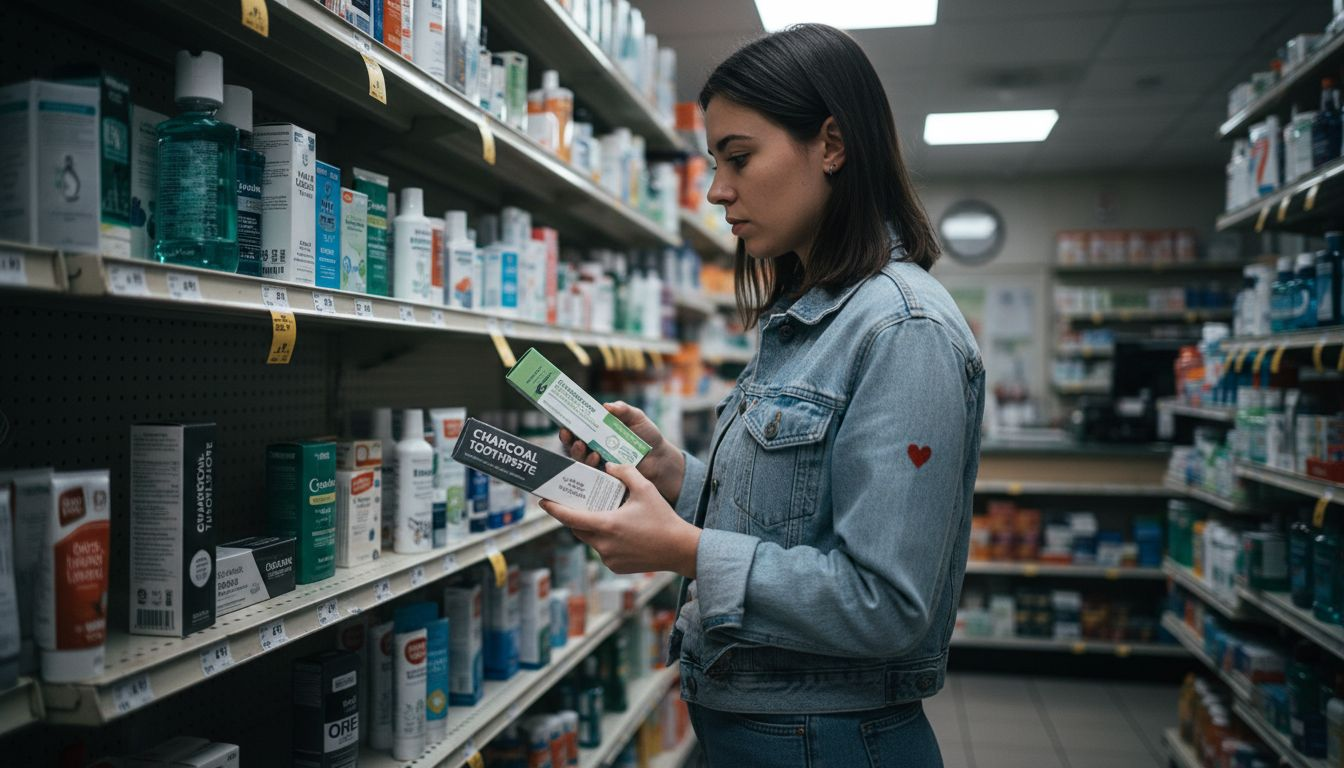
Charcoal-based products are abrasive and risk enamel damage. While charcoal toothpastes have surged in popularity, research shows they scratch enamel and provide no whitening benefits beyond what regular toothpaste offers. The abrasiveness wears down protective enamel over time.
Fluoride-free natural dental products containing Dead Sea minerals and hemp show promising results for sensitivity reduction with scientific backing. These represent natural ingredients that have undergone proper testing and demonstrate real benefits.
Consumers must balance natural appeal with scientific efficacy. The best approach combines your preference for natural products with evidence-based ingredient selection.
| Ingredient Type | Efficacy Evidence | Safety Profile | Best Use Case |
|---|---|---|---|
| Activated Charcoal | Low, no clinical support for whitening | Moderate risk, abrasive to enamel | Avoid for daily use |
| Dead Sea Minerals | High, clinical studies show sensitivity reduction | High, well-tolerated | Sensitivity relief, remineralization |
| Hemp Extracts | Moderate to high, anti-inflammatory properties | High, minimal side effects | Gum health, sensitivity |
| Essential Oils | Variable, depends on specific oil and concentration | Moderate, some may irritate | Freshness, mild antibacterial |
| Baking Soda | Moderate, mild abrasive and pH balance | High when used properly | Gentle whitening, neutralizing acids |
Pro Tip: Dead Sea mineral oral care benefits come from minerals like magnesium and calcium that actually strengthen enamel, unlike trendy but ineffective ingredients.
Effective natural dental care requires:
- Ingredients at therapeutic concentrations
- Clinical research supporting claimed benefits
- Low abrasiveness to protect enamel
- Proper pH balance
- Quality manufacturing standards
When evaluating botanical dental ingredient efficacy, look for products that specify active ingredient percentages and cite research. Vague claims like “natural cleansing power” mean nothing without data.
Myth 5: diet and gum health myths
Misconceptions about diet and dental health lead people to focus on the wrong prevention strategies.
Sugar is not the only cause of cavities because starches like bread and pasta also contribute by feeding decay-causing bacteria. Any carbohydrate breaks down into sugars in your mouth. Frequency matters more than total amount.
Gum inflammation signals the need for consistent oral hygiene. Bleeding gums aren’t normal, despite what some people believe. They indicate gingivitis or early periodontal disease requiring intervention.
Natural care does not replace routine dental check-ups. Even perfect home care misses areas only professionals can access. Over 50% of dental problems progress without pain, meaning early detection cuts severe treatment needs by 40%.
Early professional detection prevents severe dental problems. Small cavities get filled quickly. Caught late, they require root canals or extractions. Gum disease caught early reverses with improved hygiene. Advanced cases need surgery.
Diet and prevention essentials:
- Limit snacking frequency to reduce acid exposure
- Rinse with water after eating carbohydrates
- Choose tooth-friendly snacks like cheese and vegetables
- Address bleeding gums immediately
- Schedule dental check-ups every six months
- Don’t skip professional cleanings
The relationship between diet and oral health goes beyond avoiding sweets. Acidic foods and drinks erode enamel. Timing matters because your mouth needs recovery time between acid exposures.
Maintaining importance of professional dental care alongside home hygiene creates the best outcomes. Think of dental visits as preventive maintenance, not just emergency response.
Summary comparison and final recommendations
Let’s synthesize everything into clear, actionable guidance for your dental care choices in 2026.
| Myth | Evidence-Based Reality | Recommended Action |
|---|---|---|
| Brushing harder cleans better | Hard brushing damages enamel and gums | Use gentle pressure with soft bristles |
| Natural means safer | Natural substances can be harmful without testing | Verify safety certifications and research |
| Fluoride is harmful | Fluoride safely prevents cavities at recommended levels | Use fluoride unless you have specific reasons to avoid it |
| Natural ingredients always work | Many natural products lack effective concentrations | Choose products with clinical backing |
| Sugar is the only cavity cause | Starches and frequency matter equally | Limit carbohydrate frequency and practice good hygiene |
| Gum bleeding is normal | Bleeding indicates inflammation requiring treatment | Address gum problems immediately |
| Natural care replaces dentist visits | Professional detection prevents 40% of severe treatments | Maintain six-month check-up schedule |
Dead Sea mineral and hemp toothpastes best suit sensitivity without fluoride. These ingredients have demonstrated clinical effectiveness for reducing sensitivity while supporting enamel remineralization.
Fluoride toothpaste remains recommended for cavity prevention unless you’re specifically avoiding fluoride. The evidence supporting its safety and effectiveness is overwhelming.
Avoid highly abrasive natural options like charcoal for enamel safety. The marketing appeal doesn’t justify the damage risk.
Maintain regular dental visits despite product choices. Your product selection affects daily care, but professionals catch problems you can’t see or feel.
Practical recommendations for 2026:
- Choose products based on evidence, not marketing trends
- Start with choosing fluoride-free toothpaste that includes proven ingredients
- Master gentle brushing technique before worrying about product details
- Keep a six-month dental check-up schedule
- Research ingredients individually rather than trusting “natural” labels
- Monitor your sensitivity levels and adjust products accordingly
Your oral health deserves choices based on science, not myths. Understanding what works and why empowers you to build an effective routine.
Discover safe natural oral care solutions at Stop Oral Care
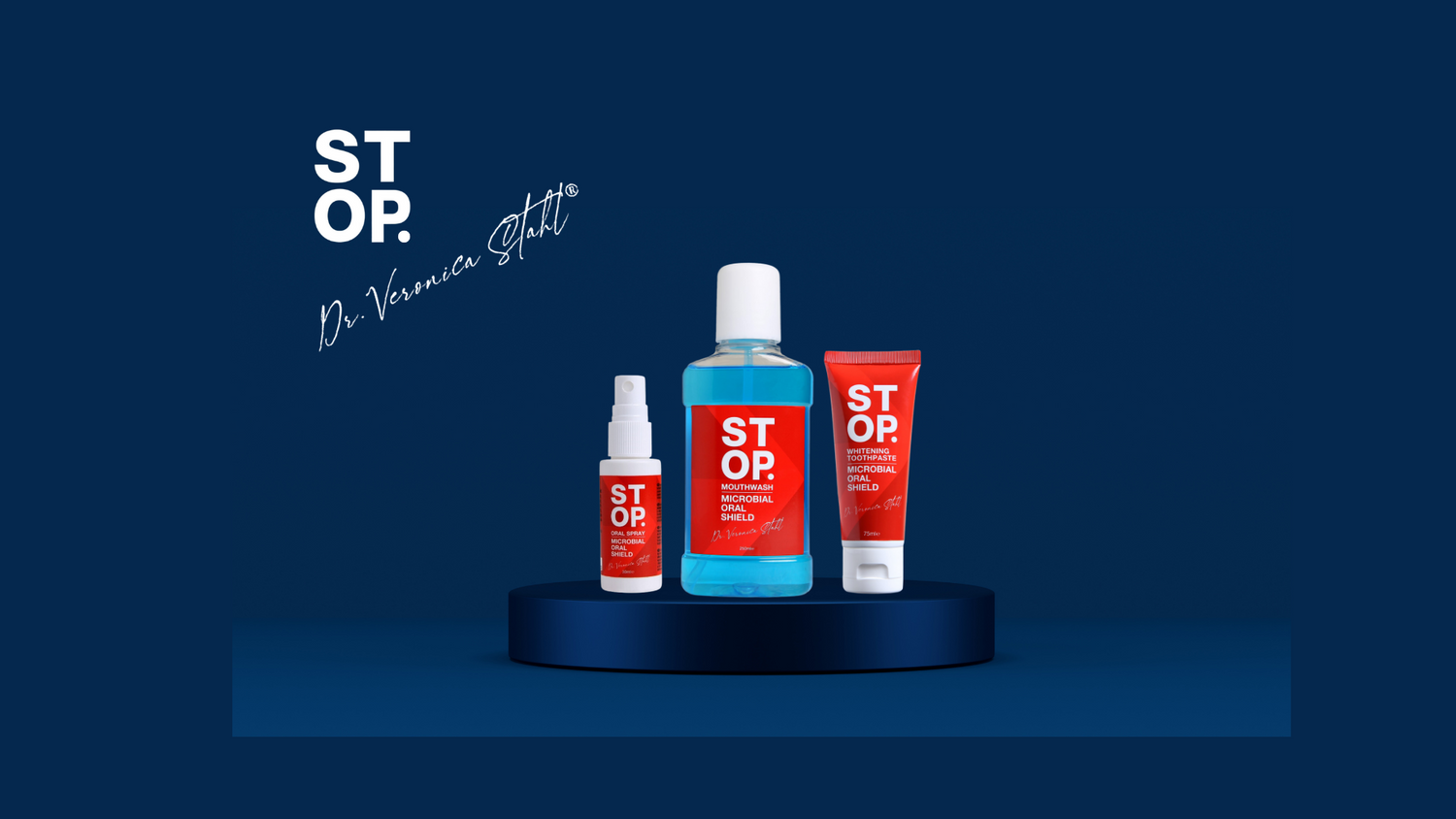
Now that you understand how to separate dental care myths from facts, explore products that combine natural ingredients with scientific validation. Stop Oral Care offers formulations featuring Dead Sea minerals, hemp, and botanical ingredients that have demonstrated real benefits.
Whether you’re managing sensitivity, seeking fluoride-free options, or simply want natural products backed by research, we provide guidance to help you transition safely. Our commitment to quality means every product meets rigorous standards for both safety and effectiveness.

Explore how to choose safe oral products naturally and discover botanical dental products benefits that align with your health goals. Ready to make the change? Learn how to switch to fluoride-free dental care with confidence and support your healthy, natural smile in 2026.
FAQ
Are natural dental products always safer than conventional toothpaste?
No, natural doesn’t guarantee safety. Some natural substances can cause serious side effects despite being labeled natural. Always evaluate product ingredients, look for third-party certifications, and consult scientific sources before switching from conventional products.
How can I prevent tooth sensitivity when using natural dental care products?
Use gentle brushing technique with soft bristles to avoid damaging enamel. Choose products with proven sensitivity reduction like Dead Sea minerals and hemp. Maintain regular professional dental check-ups to address underlying sensitivity causes.
Is fluoride safe to use in dental products in 2026?
Yes, fluoride remains safe and effective when used as directed. Water fluoridation at recommended levels reduces tooth decay by up to 40% without harmful health effects. High-dose fluoride risks don’t apply to consumer dental products at standard concentrations.
Why are regular dental check-ups important if I use natural fluoride-free products?
Natural or fluoride-free care doesn’t prevent all dental issues. Over 50% of dental problems progress without pain, and early detection reduces severe treatment needs by 40%. Professional exams catch asymptomatic problems before they become serious, making regular dental check-ups vital for maintaining oral health regardless of your product choices.