

Choosing the safest oral care products can quickly turn confusing, especially for health-conscious Europeans with sensitive teeth. Many struggle to find fluoride-free solutions that actually fit their needs and values, instead of relying on generic advice. Focusing on your unique concerns and selecting natural, non-irritating ingredients helps create a gentle, effective routine tailored to your mouth, putting your safety and comfort first.
Table of Contents
- Step 1: Assess Your Oral Health Needs
- Step 2: Identify Essential Safety Criteria
- Step 3: Compare Natural Ingredients and Formulations
- Step 4: Verify Scientific Backing and Certifications
- Step 5: Test and Monitor Product Effectiveness
Quick Summary
| Key Point | Explanation |
|---|---|
| 1. Assess Your Oral Health Needs | Identify your specific oral concerns to choose effective products tailored to your needs. Understand risks from your diet and existing symptoms. |
| 2. Prioritize Safety in Product Selection | Ensure products are safe by checking ingredient transparency and avoiding irritants. Look for third-party testing and clear usage guidance. |
| 3. Compare Ingredients and Formulations | Evaluate the active ingredients and their concentrations, ensuring they target your specific oral health needs effectively. |
| 4. Verify Scientific Evidence and Certifications | Research products for clinical studies and recognized certifications to confirm their safety and efficacy. |
| 5. Monitor Effectiveness Through Consistency | Track changes and consult a professional after a trial period to assess whether products are delivering desired results. |
Step 1: Assess Your Oral Health Needs
Assessing your oral health needs is the foundation of choosing safe, effective products that work for your specific situation. Before selecting any oral care product, you need to understand what your mouth actually requires rather than following generic recommendations.
Start by identifying your primary oral health concerns. Common issues include sensitivity, gum inflammation, plaque buildup, or enamel erosion. Your specific concerns will guide which products deserve your attention and which features matter most.
Consider your dietary habits and how they affect your teeth. Sugar consumption and acidic foods directly impact your oral health risk profile. If you consume frequent sugary snacks or acidic beverages, your teeth need different protection than someone with minimal dietary risk factors.
Evaluate your current symptoms by asking yourself these questions:
- Do your teeth react to hot, cold, or pressure?
- Do your gums bleed when you brush or floss?
- Have you noticed visible plaque buildup or discoloration?
- Do you experience persistent bad breath despite regular brushing?
- Have you had previous cavities or gum disease?
Understanding your gum health is equally important as tooth health. Gum inflammation and bleeding often indicate that your current products aren’t meeting your needs, or that bacterial buildup requires targeted intervention. Healthy gums form the foundation for healthy teeth.
Consider how risk assessments guide preventive oral care decisions. When you identify your specific risks, you can select products formulated to address them directly. Someone prone to sensitivity needs different ingredients than someone fighting bacterial overgrowth.
Think about your lifestyle and product preferences. Do you prefer natural ingredients over synthetic chemicals? Are you sensitive to common additives like fluoride? Your personal values matter when selecting products you’ll use consistently.
Your assessment should also include building awareness of proper oral hygiene habits to understand what behavioral changes might complement new products. Sometimes the right product combined with improved technique creates dramatic results.
Here’s how common oral health concerns influence product selection:
| Oral Health Concern | Key Product Features Needed | Ingredient Focus |
|---|---|---|
| Sensitivity | Gentle, desensitizing formulas | Potassium nitrate, arginine |
| Gum Inflammation | Anti-inflammatory action | Aloe vera, chamomile |
| Plaque Buildup | Plaque-removal and antibacterial | Zinc citrate, xylitol |
| Enamel Erosion | Enamel-strengthening, low abrasion | Calcium, fluoride, nano-HAP |
| Bad Breath | Odor neutralization and freshness | Chlorine dioxide, mint oils |
Identifying your specific oral health needs prevents wasted money on products designed for problems you don’t have, and ensures you select solutions addressing your actual concerns.
Pro tip: Write down your three main oral health concerns and note when symptoms appear most—after specific foods, during stress, or at particular times of day. This journal helps you recognize patterns that guide which products will deliver the best results for your unique situation.
Step 2: Identify Essential Safety Criteria
Identifying essential safety criteria ensures that the products you choose protect your oral tissues rather than irritate or harm them. This step separates genuinely safe products from those making empty claims about natural ingredients.
Start by examining the ingredient list on any product you’re considering. Look for transparency in labeling that clearly identifies every component, not vague terms like “natural flavoring” or “botanical extracts.” You deserve to know exactly what you’re putting in your mouth.

Understand that natural doesn’t automatically mean safe. Some natural substances irritate sensitive oral tissues, while certain synthetic ingredients have strong safety records. The source matters less than the actual scientific evidence supporting each component.
Key safety criteria include:
- Absence of harsh chemical irritants that cause inflammation or sensitivity
- Formulations designed to protect rather than damage enamel
- Products free from additives you personally want to avoid
- Clear guidance on proper use and frequency
- Verifiable safety testing or clinical evidence
When evaluating mouthwash or other liquid products, safety considerations for oral rinses should guide your selection. Safe formulations won’t leave your mouth feeling burned or create excessive dryness. Quality products work with your mouth’s natural biology, not against it.
Consider your personal sensitivities when assessing safety. Some people react to alcohol in rinses, while others tolerate it fine. Some find mint flavoring soothing, while others find it irritating. Your individual response matters more than general recommendations.
Examine whether products avoid known harmful chemicals entirely. Appropriate product selection based on ingredient safety ensures you won’t inadvertently damage the tissues you’re trying to protect. Fluoride-free formulations with Dead Sea minerals and hemp offer alternatives for those seeking chemical-free options.
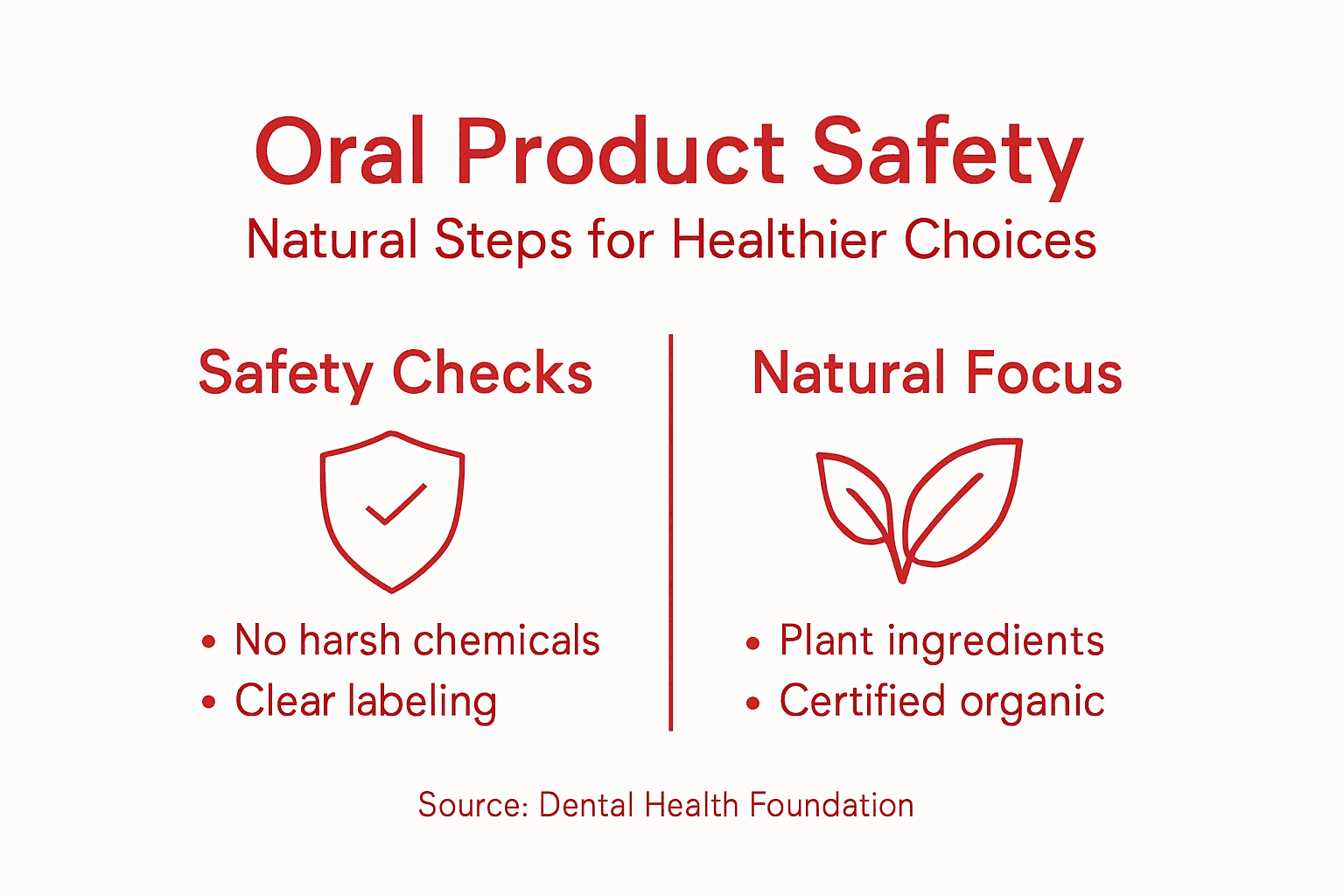
Look for products with third-party testing or certifications from recognized organizations. These validate safety claims beyond what manufacturers state on packaging. Independent verification provides confidence that safety claims are genuine.
The safest oral product is one formulated without irritants, tested for safety, and aligned with your personal values about ingredients.
Pro tip: Patch test any new oral product by applying a small amount to the inside of your cheek and waiting 24 hours before using it as directed. This simple step catches potential allergic reactions or sensitivities before they affect your entire mouth.
Step 3: Compare Natural Ingredients and Formulations
Comparing natural ingredients and formulations helps you understand which products deliver real benefits versus which ones rely on marketing hype. Not all natural ingredients work equally, and the formulation structure matters as much as individual components.
Start by identifying the active ingredients in products you’re evaluating. These are the components doing the actual work to protect your teeth or support gum health. Supporting ingredients fill out the formula but don’t provide therapeutic effects.
Understand that nutrient-rich ingredients support oral health in specific ways. Calcium strengthens enamel, phosphorus rebuilds mineral structure, and vitamins support gum tissue. When you recognize which nutrients address your specific needs, you can evaluate formulations more intelligently.
Compare how different products use similar ingredients. Two formulations containing Dead Sea minerals, for example, might concentrate them differently or combine them with other components that enhance or reduce their effectiveness. Concentration and combination matter significantly.
Look for these indicators when evaluating natural formulations:
- Specific ingredient names rather than vague “proprietary blends”
- Listed percentages showing ingredient concentration
- Explanation of what each ingredient accomplishes
- Evidence that ingredients work together synergistically
- Absence of unnecessary fillers or binding agents
Evaluate whether formulations maintain ingredient integrity through the manufacturing process. Some natural compounds degrade during production or storage, becoming less effective. Quality brands invest in preservation methods that maintain potency without synthetic preservatives.
Consider how natural versus synthetic ingredients compare in effectiveness and safety profiles. Natural doesn’t automatically mean more effective, but it does mean you’re avoiding certain chemical irritants. The formulation approach matters more than whether ingredients come from plants or laboratories.
When comparing products, look at the complete ingredient list. A formulation featuring hemp and Dead Sea minerals but also containing harsh abrasives or irritating additives won’t deliver the gentle, natural experience you’re seeking. The entire formula determines your actual experience.
The best formulation combines proven natural ingredients at effective concentrations without unnecessary additives that might undermine their benefits.
Pro tip: Create a comparison chart listing your top three product candidates with their key ingredients, concentrations, and stated benefits. This visual comparison makes it immediately obvious which formulation aligns best with your oral health needs and values.
Step 4: Verify Scientific Backing and Certifications
Verifying scientific backing and certifications separates products with genuine evidence from those making unsupported claims. Real research takes time and money, so brands invested in verification demonstrate serious commitment to safety and efficacy.
Look for products backed by clinical studies or research publications. These should be peer-reviewed studies conducted by independent researchers, not marketing materials written by the company. Published research means the findings have been scrutinized by scientific experts.
Understand what different certifications actually represent. Some certifications verify organic sourcing, others confirm manufacturing standards, and still others validate specific health claims. Each certification tells a different story about what has been tested and verified.
Recognized certifications to look for include:
- Organic certifications confirming ingredient sourcing standards
- Manufacturing certifications ensuring quality control processes
- Third-party testing verifications from independent laboratories
- Natural product certifications from established organizations
- Clinical trial certifications confirming human testing
When evaluating scientific claims, distinguish between research on individual ingredients versus research on the complete formulation. A study showing that hemp has beneficial properties doesn’t automatically validate a specific toothpaste containing hemp. The dose, concentration, and combination with other ingredients matter significantly.
Check whether the brand provides access to actual research or only marketing claims. Legitimate companies link to published studies, share research summaries, or provide documentation supporting their safety and efficacy statements. Vague references to “clinical research” without specifics should raise questions.
Verify certifications by visiting the certifying organization’s website directly. Don’t rely on the product packaging alone. Genuine certifications remain registered with their issuing organizations, so you can confirm their legitimacy independently.
Consider the credentials of any experts or doctors cited on product materials. Dr. Veronica Stahl’s expertise in dentistry and natural medicine, for example, demonstrates professional backing. Expert endorsements mean more when the expert has established credentials and independent reputation.
Look beyond marketing to see if a brand conducts safety monitoring after products reach consumers. Companies genuinely committed to safety collect feedback and reports about how products perform in real conditions.
This table summarizes how to verify scientific safety before using an oral care product:
| Verification Method | What It Confirms | Where to Check |
|---|---|---|
| Clinical Studies | Proven effectiveness | PubMed, medical journals |
| Third-Party Certifications | Product quality and claims | Certifier’s website |
| Expert Endorsements | Reputable professional support | Professional bios, credentials |
| Post-Market Safety Monitoring | Ongoing safety in real use | Brand’s feedback channels |
Scientific backing means research, third-party verification, and transparent documentation, not just marketing language claiming naturalness or safety.
Pro tip: Before purchasing, search the product name plus “clinical study” or “research” in your browser to see what independent evidence exists. Legitimate brands appear in scientific databases and published articles, while unsupported products generate only marketing content.
Step 5: Test and Monitor Product Effectiveness
Testing and monitoring product effectiveness ensures your choices are actually delivering results rather than simply feeling pleasant to use. Real effectiveness takes time to evaluate, so patience and documentation are essential during this phase.
Give new products adequate time before deciding whether they work. Most oral care products require at least two to four weeks of consistent use before noticeable improvements appear. Switching products every few days prevents you from ever determining what actually works.
Start with a single new product while keeping other elements of your routine constant. This approach isolates the variable so you can accurately assess what’s causing any changes you notice. Introducing multiple new products simultaneously makes it impossible to identify which one created improvements or problems.
Track specific metrics to document changes objectively:
- Sensitivity levels during eating or drinking
- Gum appearance and whether bleeding occurs
- Visible plaque buildup or discoloration
- Overall mouth comfort and any irritation
- Bad breath frequency or intensity
Maintain a simple log noting when you use products and what you observe. Writing observations down prevents memory bias and helps identify patterns. Over weeks, your notes reveal whether products are working or whether you need to try alternatives.
Understand that monitoring results regularly guides product effectiveness assessment and helps determine if adjustments are needed. Your mouth provides constant feedback through how it feels and looks. Pay attention to subtle changes that indicate improvement or decline.
Consult your dentist for professional assessment after using products for four to six weeks. Professionals can detect changes in gum health, enamel condition, and plaque levels that you might miss. Their expertise provides objective feedback beyond what you can observe yourself.
Recognize that some products work better for certain issues than others. A formulation excellent for sensitivity might not address gum inflammation equally well. Routine assessments help ensure products meet your needs over time, allowing you to adjust your approach based on actual results.
If products aren’t showing improvement after a reasonable trial period, discontinue use and try alternatives. Not every natural formulation works for every person. Effectiveness varies based on your specific oral environment and health status.
Documented monitoring transforms subjective “feels better” into objective evidence of whether products are genuinely improving your oral health.
Pro tip: Take photos of your gums and teeth under consistent lighting every two weeks to document visible changes that daily observation might miss. This visual record reveals improvements in color, swelling, or overall appearance more clearly than memory alone.
Discover Natural Solutions That Truly Support Your Oral Health Needs
Choosing safe oral care products that are both natural and effective can feel overwhelming when faced with confusing labels and unproven claims. This article highlights the importance of understanding your specific oral health concerns, confirming product safety, and selecting proven natural ingredients like hemp and Dead Sea minerals that promote healing without harsh chemicals. If you want to avoid wasting money on products that do not deliver real results or may irritate your gums and enamel, you need carefully formulated solutions grounded in science and quality.

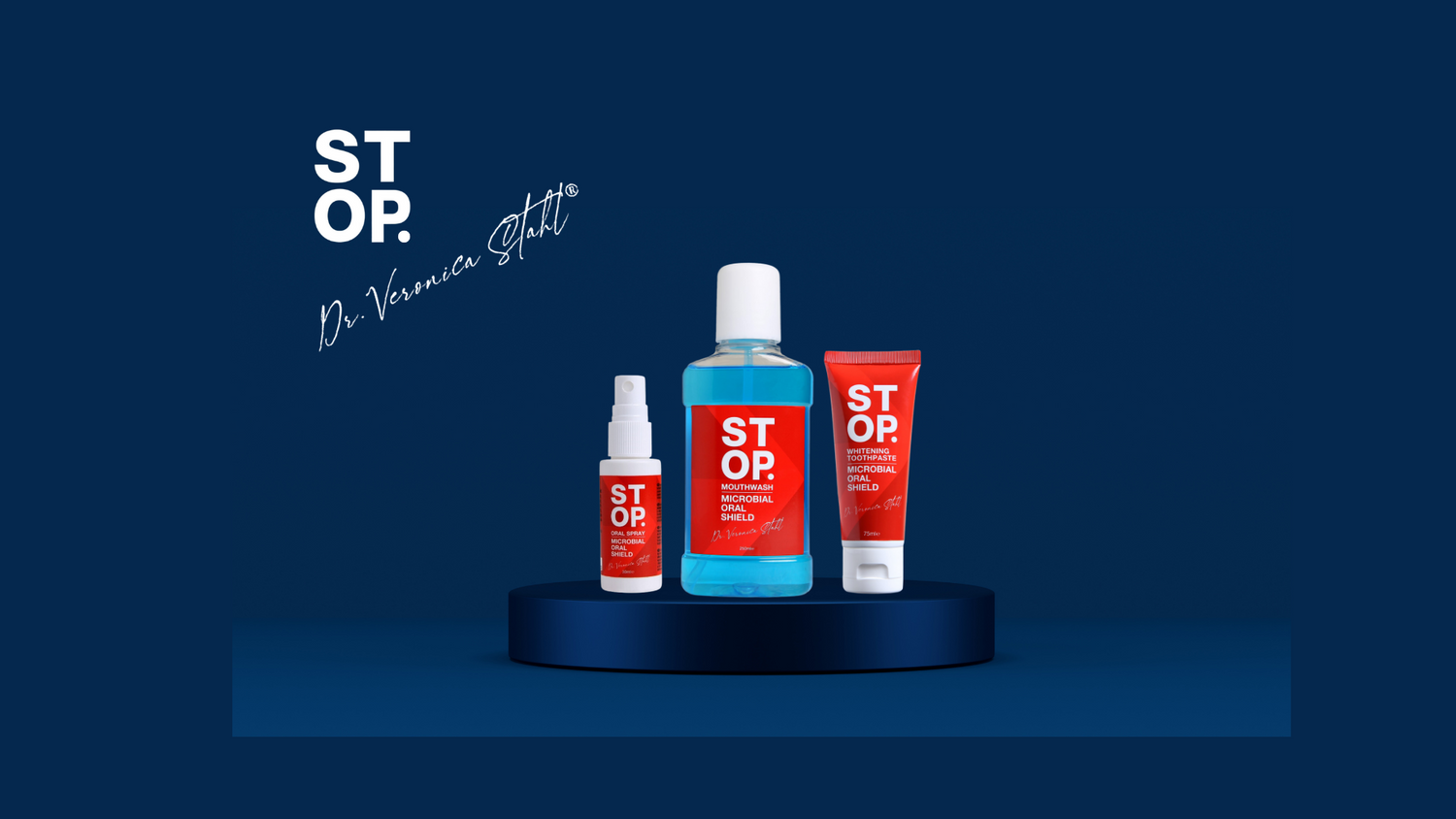
Explore the STOP Oral Care collection for a unique line of fluoride-free dental products expertly crafted to address sensitivity, gum inflammation, plaque buildup, and more. Each product is backed by scientific research and designed with safety and natural healing in mind. Visit our Home Page to start your journey with trusted formulations led by expert Dr. Veronica Stahl. Don’t wait to transform your oral care routine—visit https://stop-oralcare.com now and experience the difference of genuinely safe and effective natural oral products.
Frequently Asked Questions
How can I assess my oral health needs before choosing products?
Assess your oral health by identifying specific concerns such as sensitivity, gum inflammation, or plaque buildup. Write down your key issues and monitor when symptoms occur to guide product selection.
What safety criteria should I consider when selecting oral care products?
Focus on products that avoid harsh chemical irritants, protect enamel, and come with clear usage instructions. Check ingredient lists for transparency, and ensure they align with your personal sensitivities or preferences.
How can I compare natural ingredients in oral products?
Compare active ingredients across different products by checking for their efficacy and concentration. Use a chart to visually assess how various formulations address your specific oral health needs.
What certifications should I look for in oral care products?
Seek out products that have third-party testing certifications, organic or natural product certifications, and evidence of clinical studies. Verify these certifications independently to ensure they’re legitimate and meaningful.
How long should I test a new oral product before determining its effectiveness?
Test each new oral product for at least two to four weeks to accurately assess its impact on your oral health. Keep your overall routine consistent and document any changes to identify what works best for you.
How can I monitor the effectiveness of my oral care products?
Track changes in sensitivity, gum health, and overall mouth comfort by maintaining a simple log of your observations. Share your findings with your dentist after six weeks to get professional insight into any improvements or areas needing adjustment.
Recommended
- Why Safety Matters in Oral Health Choices – Stop Oral Care
- Safety of Natural Dental Products: What You Need to Know – Stop Oral Care
- Dental Product Safety: Ensuring Science-Backed Choices – Stop Oral Care
- Workflow for Safer Oral Hygiene Using Natural Products – Stop Oral Care
- Natural toothpastes: how to choose the right one? – Y-Brush USA