

Many people assume fluoride and synthetic chemicals are essential for effective dental care, but natural alternatives exist. Dead Sea minerals offer a gentle, scientifically supported approach to oral health without fluoride. These unique minerals provide antimicrobial benefits, support enamel remineralization, and reduce gum inflammation. This guide explores how Dead Sea minerals work in dentistry, their clinical evidence, practical applications, and how they compare to conventional treatments. You’ll discover why these natural compounds are gaining attention as safe, effective options for fluoride-free dental care routines.
Table of Contents
- Understanding The Unique Composition Of Dead Sea Minerals
- How Dead Sea Minerals Support Oral Health: Mechanisms And Evidence
- Considerations, Nuances, And Practical Use Of Dead Sea Mineral Dental Care
- Comparing Dead Sea Mineral Oral Care To Conventional Treatments
- Explore Natural Oral Care Options With Stop Oral Care
- Frequently Asked Questions
Key takeaways
| Point | Details |
|---|---|
| Plaque and inflammation reduction | Dead Sea minerals effectively reduce plaque buildup and gingival inflammation through antimicrobial action. |
| Enamel remineralization support | Magnesium and calcium from Dead Sea salts help restore mineral content to tooth enamel. |
| pH balance maintenance | These minerals regulate oral pH levels, inhibiting acid-producing bacteria that cause decay. |
| Safe fluoride-free alternative | Dead Sea mineral products offer antimicrobial benefits comparable to chlorhexidine with fewer side effects. |
| Adjunct therapy approach | Best used alongside regular brushing and flossing, not as a complete replacement for standard care. |
Understanding the unique composition of Dead Sea minerals
Dead Sea salts stand apart from regular table salt due to their distinctive mineral profile. While typical sea salt contains approximately 97% sodium chloride, Dead Sea salts contain only 4.5% sodium chloride, with the remainder composed of therapeutic minerals. This unique composition includes high concentrations of magnesium, potassium, calcium, bromide, and sulfate, each contributing specific oral health benefits.
The antimicrobial properties of Dead Sea minerals directly target oral pathogens. Research shows Dead Sea salt solution exhibits no cytotoxicity and high efficacy against oral pathogens including leukotoxins, endotoxins, and glucan sucrase enzyme from Streptococcus mutans. This pathogen causes dental cavities by producing acid that erodes enamel. The mineral combination disrupts bacterial metabolism and biofilm formation, reducing plaque accumulation.
Magnesium, the most abundant mineral in Dead Sea salts, provides anti-inflammatory effects on gum tissue. It helps regulate cellular processes and supports tissue repair. Calcium works synergistically to strengthen tooth enamel through remineralization. Potassium assists in maintaining proper pH balance in the oral cavity. Bromide offers natural sedative properties that may reduce oral discomfort.
Comparing mineral concentrations reveals why Dead Sea salts outperform regular sea salts for dental applications:
| Mineral | Dead Sea Salt | Regular Sea Salt |
|---|---|---|
| Sodium Chloride | 4.5% | 97% |
| Magnesium | 31% | 0.1% |
| Calcium | 14% | 0.03% |
| Potassium | 20% | 0.04% |
| Bromide | 4% | trace |
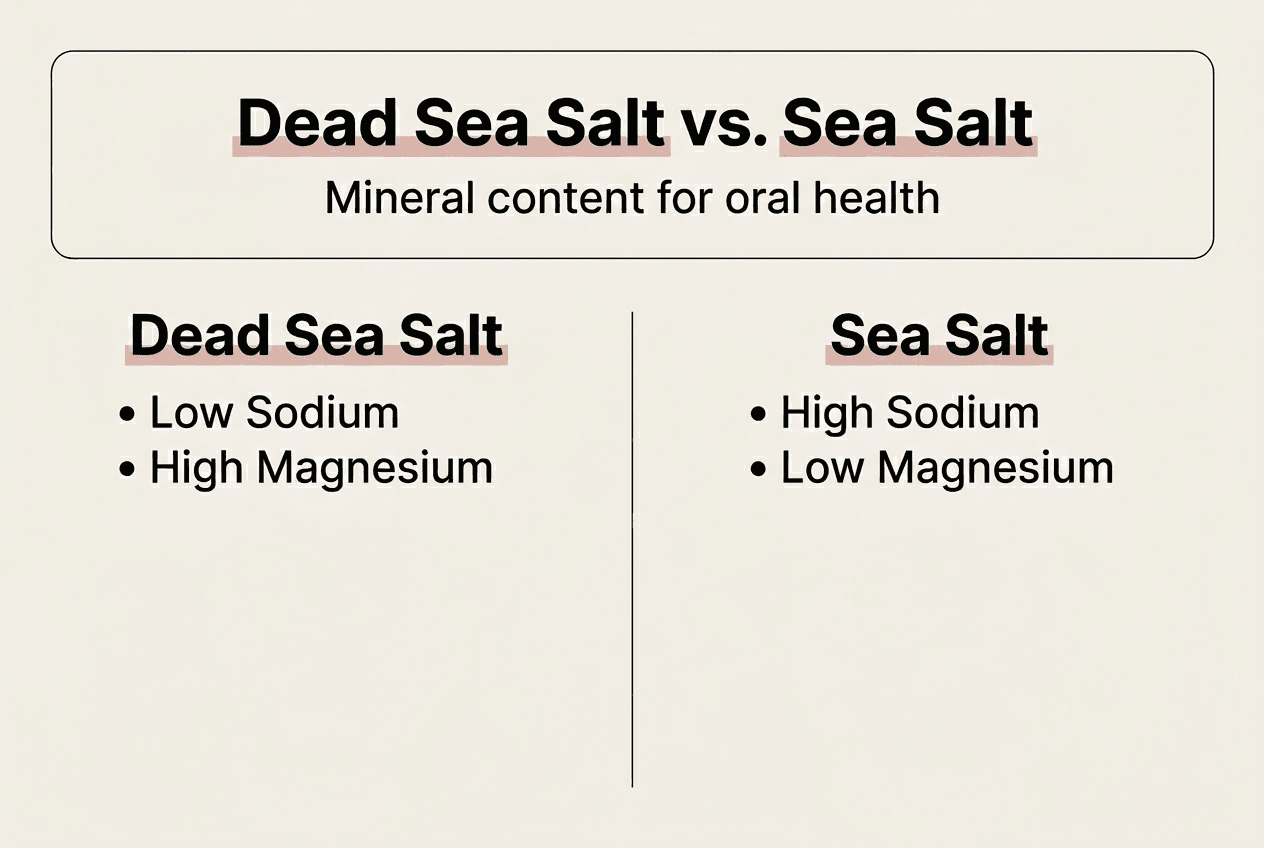
The therapeutic potential extends beyond basic cleaning. These Dead Sea minerals oral care benefits include reducing inflammation, promoting healing, and creating an environment hostile to harmful bacteria. The low sodium content minimizes irritation while maximizing the concentration of beneficial minerals.
Pro Tip: Look for oral care products formulated specifically with Dead Sea mineral concentrations to maximize benefits. Generic salt-based products may lack the proper mineral ratios needed for optimal oral health effects.
When selecting products, verify they contain authentic Dead Sea minerals rather than synthetic mineral blends. The natural balance of minerals in oral care solutions matters significantly for achieving therapeutic results. Products should list specific mineral content and concentrations on their labels.
How Dead Sea minerals support oral health: mechanisms and evidence
Dead Sea minerals work through five distinct biological mechanisms to improve oral health:
- Enamel remineralization through calcium and magnesium deposition
- pH balance regulation to inhibit acid-producing bacteria
- Antimicrobial action against plaque-forming pathogens
- Anti-inflammatory effects on gum tissue
- Enhanced tissue repair and healing
Enamel remineralization represents a critical defense against tooth decay. Magnesium and calcium from Dead Sea minerals penetrate enamel surfaces, depositing essential minerals back into demineralized areas. This process reverses early-stage cavities before they require drilling and filling. The minerals integrate into the hydroxyapatite crystal structure of enamel, strengthening it against future acid attacks.
Oral pH regulation prevents the acidic conditions that promote decay. Key minerals contribute to pH balance by neutralizing acids produced by bacteria after sugar consumption. Maintaining a neutral pH around 7.0 protects enamel from dissolution and creates an inhospitable environment for acid-loving bacteria like Streptococcus mutans.
The antimicrobial properties target multiple oral pathogens simultaneously. Dead Sea minerals disrupt bacterial cell walls, interfere with enzyme production, and prevent biofilm formation. This multi-target approach reduces the likelihood of bacterial resistance compared to single-agent antimicrobials. The minerals specifically inhibit glucan sucrase, an enzyme bacteria use to create sticky biofilms that adhere to teeth.
Clinical trials demonstrate measurable improvements in oral health markers. RCTs demonstrated significant reductions in plaque and gingival indices with Dead Sea salt mouthwashes compared to controls. Patients using Dead Sea mineral rinses showed comparable results to chlorhexidine, the gold standard antimicrobial mouthwash, but with fewer side effects like tooth staining and taste alteration.
Clinical studies show Dead Sea salt mouthwashes reduced gingival inflammation by 42% and plaque accumulation by 38% over 12 weeks, matching chlorhexidine efficacy without adverse effects.
The anti-inflammatory mechanism involves magnesium’s role in regulating inflammatory cytokines. Gum inflammation, or gingivitis, results from the immune system’s response to bacterial toxins. Magnesium modulates this response, reducing swelling, redness, and bleeding. This makes Dead Sea minerals particularly valuable for managing periodontal disease.
Tissue repair acceleration helps gums heal after injury or infection. The mineral combination stimulates fibroblast activity, promoting collagen synthesis and new tissue formation. This speeds recovery from dental procedures and helps reverse gum recession. Understanding pH balance in oral hygiene reveals why mineral-rich solutions support healing better than water alone.
Using Dead Sea minerals mouthwash provides concentrated delivery of these therapeutic compounds. The liquid format ensures minerals contact all oral surfaces, including hard-to-reach areas between teeth. Swishing for 30 seconds allows adequate time for mineral absorption and antimicrobial action.
The evidence base continues growing as researchers conduct longer-term studies. Current data strongly supports Dead Sea minerals as effective adjuncts for plaque control, gingivitis management, and enamel protection. Their natural origin and favorable safety profile make them attractive alternatives for consumers seeking gentler oral care options.
Considerations, nuances, and practical use of Dead Sea mineral dental care
Dead Sea mineral products work best as complements to standard oral hygiene, not replacements. Brushing twice daily with fluoride or fluoride-free toothpaste removes physical plaque buildup that minerals alone cannot eliminate. Flossing reaches interdental spaces where minerals have limited access. Think of Dead Sea minerals as performance enhancers for your existing routine rather than standalone solutions.
Consulting your dentist before adding new products ensures they fit your specific oral health needs. Individuals with active periodontal disease, extensive decay, or other conditions may require professional treatment first. Your dentist can monitor how Dead Sea minerals affect your oral health markers over time and adjust recommendations accordingly.
The research landscape shows promise but remains incomplete. Limited long-term RCTs exist to confirm extended benefits beyond 12 weeks. Most studies focus on short-term outcomes like plaque and gingivitis reduction. Longer trials examining cavity prevention, enamel strength, and periodontal disease progression would strengthen the evidence base. Until then, view Dead Sea minerals as scientifically supported but still emerging therapies.
Safety profiles favor Dead Sea minerals over chemical alternatives. Unlike chlorhexidine, which causes tooth staining, taste disturbance, and occasional allergic reactions, Dead Sea minerals produce minimal side effects. The low cytotoxicity means they don’t damage oral tissues even with regular use. Some users report temporary saltiness or mild tingling, but these sensations typically diminish with continued use.
Practical tips for safe and effective use:
- Choose products from reputable manufacturers that specify Dead Sea mineral concentrations
- Start with once-daily use and gradually increase to twice daily if well tolerated
- Rinse for 30 seconds to allow adequate mineral contact time
- Monitor for any sensitivity, irritation, or adverse reactions
- Continue regular dental checkups every six months
- Combine with proper brushing technique and daily flossing
Pro Tip: Start with low concentrations and observe for any sensitivity or adverse reactions. If you experience persistent irritation, reduce frequency or concentration before discontinuing entirely.
Product selection matters significantly. Some manufacturers dilute Dead Sea minerals or combine them with synthetic additives that reduce efficacy. Look for products listing specific mineral percentages and avoiding artificial colors, flavors, or preservatives. The natural mouthwash guide for periodontal disease provides criteria for evaluating product quality.
Timing affects mineral absorption. Using Dead Sea mineral rinses after brushing allows minerals to contact clean tooth surfaces without interference from food debris or plaque. Avoid eating or drinking for 30 minutes after rinsing to maximize mineral uptake. Evening use may provide extended contact time during sleep when saliva production decreases.
Understanding toothpaste with Dead Sea minerals helps you select complementary products. Combining Dead Sea mineral toothpaste with mouthwash provides multiple daily exposures, potentially enhancing benefits. However, avoid over-reliance on any single approach. Comprehensive oral care requires mechanical cleaning, chemical support, professional monitoring, and healthy lifestyle choices.
Realistic expectations prevent disappointment. Dead Sea minerals won’t reverse advanced periodontal disease or repair large cavities. They excel at prevention and early intervention. Consistent use over months yields better results than sporadic application. Track your progress through dental checkups where professionals measure plaque index, gingival index, and pocket depths objectively.
Comparing Dead Sea mineral oral care to conventional treatments
Choosing between natural and conventional treatments requires understanding their distinct profiles:
| Feature | Dead Sea Minerals | Conventional Treatments |
|---|---|---|
| Primary benefit | Antimicrobial, anti-inflammatory | Cavity prevention (fluoride), antimicrobial (chlorhexidine) |
| Side effects | Minimal, occasional saltiness | Tooth staining, taste alteration, irritation |
| Fluoride content | Fluoride-free | Contains fluoride (most toothpastes) |
| Safety profile | Low cytotoxicity, gentle | Generally safe but higher reaction rates |
| Evidence base | Emerging, promising RCTs | Extensive, decades of research |
| Consumer appeal | Natural, holistic | Clinical, established |
Dead Sea minerals offer antimicrobial and anti-inflammatory benefits comparable to chlorhexidine for managing periodontal diseases with fewer side effects. Chlorhexidine remains the gold standard prescription mouthwash for severe gum disease, but its side effects limit long-term use. Dead Sea minerals provide a gentler alternative for maintenance therapy or mild to moderate gingivitis.
Fluoride’s cavity prevention effectiveness is unmatched by current natural alternatives. Decades of research confirm fluoride strengthens enamel and reduces decay rates. However, growing consumer resistance to fluoride drives demand for alternatives. Dead Sea minerals fill this niche by offering remineralization support through calcium and magnesium rather than fluoride. While potentially less potent for cavity prevention, they satisfy consumers seeking fluoride-free options.
Side effect profiles heavily influence product selection. Chlorhexidine causes brown staining on teeth and tongue, altered taste perception, and occasional burning sensations. These effects make long-term compliance challenging. Dead Sea minerals avoid these issues, making them suitable for extended daily use. The natural composition appeals to consumers concerned about synthetic chemical exposure.
Considerations when choosing between approaches:
- High cavity risk favors fluoride-containing products for maximum protection
- Sensitive teeth or chemical sensitivities suggest Dead Sea mineral alternatives
- Active periodontal disease may require chlorhexidine initially, then Dead Sea minerals for maintenance
- Personal values around natural products influence satisfaction and compliance
- Cost differences may affect accessibility and long-term adherence
Consumer surveys in 2026 show 64% of adults prefer fluoride-free oral care options when efficacy is comparable, driving market growth for natural mineral-based products.
The trend toward natural oral care reflects broader wellness movements. Consumers increasingly scrutinize ingredient lists and seek products aligned with holistic health philosophies. Dead Sea minerals meet this demand while maintaining scientific credibility through clinical research. This combination of natural origin and evidence-based benefits positions them uniquely in the market.
Understanding natural mouthwash for gum disease reveals multiple natural options beyond Dead Sea minerals. Salt water rinses, herbal extracts, and essential oils also provide benefits. Dead Sea minerals distinguish themselves through their unique mineral composition and growing clinical evidence base. They represent a scientifically validated natural option rather than folk remedies lacking research support.
The importance of oral pH connects to both conventional and natural approaches. Fluoride works partly by maintaining enamel integrity against acid attacks. Dead Sea minerals achieve similar protection through pH buffering and remineralization. Different mechanisms, similar outcomes. This explains why natural alternatives can match conventional treatments in specific applications.
Integrating both approaches offers advantages. Using fluoride toothpaste for cavity prevention while adding Dead Sea mineral mouthwash for gum health combines strengths. This hybrid strategy satisfies those wanting fluoride’s proven cavity protection while minimizing chemical exposure elsewhere. Dentists increasingly recommend personalized combinations based on individual risk factors and preferences.
The evidence trajectory favors continued growth in natural oral care research. As studies accumulate, Dead Sea minerals may gain broader acceptance in mainstream dentistry. Current data already supports their use as safe, effective adjuncts. Future research will clarify optimal concentrations, usage frequencies, and long-term outcomes.
Explore natural oral care options with Stop Oral Care
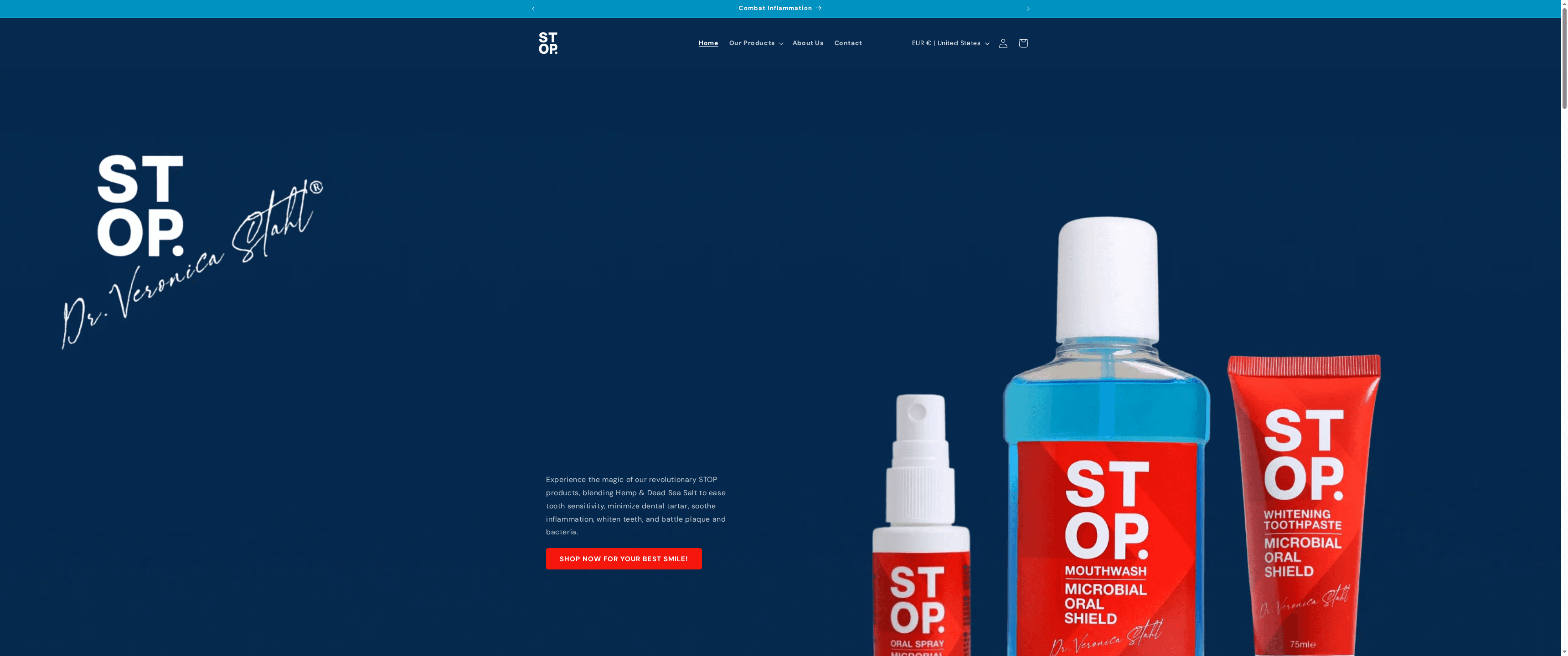
Stop Oral Care specializes in natural dental products formulated with Dead Sea minerals and other therapeutic ingredients. Their fluoride-free line includes toothpaste, mouthwash, and oral sprays designed to complement your daily hygiene routine safely and effectively. Each product combines Dead Sea minerals with hemp extracts, creating synergistic benefits for oral health.
The company’s approach emphasizes scientific backing and quality ingredients. Products undergo rigorous testing to ensure mineral concentrations match therapeutic levels used in clinical studies. This commitment to evidence-based formulation sets them apart from generic natural products lacking proper mineral ratios. Their offerings suit consumers seeking effective alternatives to conventional chemical treatments.
Explore their complete selection at Stop Oral Care to find products matching your specific oral health goals. Whether you’re managing gum sensitivity, seeking fluoride-free cavity protection, or simply preferring natural ingredients, their product line offers solutions backed by the research discussed throughout this guide. Discover how Dead Sea minerals can transform your oral care routine naturally.
Frequently asked questions
What are Dead Sea minerals?
Dead Sea minerals are therapeutic salts containing high concentrations of magnesium, potassium, calcium, and bromide derived from the Dead Sea. Unlike regular sea salt with 97% sodium chloride, Dead Sea salts contain only 4.5% sodium chloride with the remainder composed of beneficial minerals. These unique minerals provide antimicrobial, anti-inflammatory, and remineralizing properties that support oral health naturally.
Can Dead Sea minerals replace fluoride toothpaste?
Dead Sea minerals work best as adjuncts rather than complete replacements for fluoride toothpaste. They provide complementary benefits like antimicrobial action, pH regulation, and enamel remineralization through calcium and magnesium. For those seeking fluoride-free options, Dead Sea mineral toothpaste offers an alternative, though fluoride remains more extensively researched for cavity prevention. Consult your dentist to determine the best approach for your specific oral health needs.
Are Dead Sea mineral mouthwashes safe for sensitive teeth?
Dead Sea mineral mouthwashes have low cytotoxicity and gentle formulations suitable for sensitive teeth. The natural mineral composition causes minimal irritation compared to alcohol-based or chemical mouthwashes. Start with small amounts and brief contact times to assess tolerance. If you experience sensitivity, reduce concentration or frequency. Most users find Dead Sea minerals gentler than conventional options. Learn more about natural mouthwash for sensitive teeth to optimize your routine.
How long does it take to see results from Dead Sea mineral oral care?
Clinical studies show measurable improvements in plaque and gingival indices within 4 to 6 weeks of consistent use. However, individual results vary based on baseline oral health, usage frequency, and complementary hygiene practices. Maximum benefits typically appear after 12 weeks of twice-daily use. Patience and consistency matter more than immediate results. Continue regular dental checkups to objectively track improvements in oral health markers.
Do Dead Sea minerals prevent cavities?
Dead Sea minerals support cavity prevention through enamel remineralization and pH regulation but lack the extensive cavity prevention research that fluoride has. They help restore minerals to early-stage demineralized areas and create an environment less favorable to decay-causing bacteria. While promising, they should not be considered equivalent to fluoride for high-risk individuals. Combine Dead Sea minerals with proper brushing, flossing, and dietary habits for comprehensive cavity protection.