

Finding the best fluoride-free mouthwash can be a genuine challenge for health-conscious adults across Belgium, Germany, the UK, and France. Sensitive teeth and gum issues affect millions, with studies showing that up to one in three adults experience dental sensitivity regularly. Addressing these concerns requires more than just switching products. This guide breaks down practical steps to help you build a natural, american-inspired mouthwash routine that truly supports your unique oral health needs.
Table of Contents
- Step 1: Assess Your Oral Health Needs
- Step 2: Choose The Ideal Natural Mouthwash
- Step 3: Prepare Your Mouthwash For Optimal Use
- Step 4: Apply And Rinse Thoroughly
- Step 5: Monitor Improvements And Adjust Routine
Quick Summary
| Key Insight | Explanation |
|---|---|
| 1. Assess your oral health needs | Identify specific causes of tooth sensitivity to customize care. Document symptoms and consult a dentist for tailored treatment. |
| 2. Choose the right natural mouthwash | Select alcohol-free mouthwash with beneficial herbal ingredients for sensitive teeth, ensuring it meets safety standards. |
| 3. Prepare mouthwash carefully | Use high-quality ingredients and proper measurements when creating your mouthwash, focusing on pH balance and purity. |
| 4. Apply mouthwash correctly | Swish the mouthwash for 30 seconds and avoid rinsing with water afterward to maximize sensitivity relief. |
| 5. Monitor progress and adjust | Keep a journal of oral health changes and consult your dentist regularly to adapt your mouthwash routine as needed. |
Step 1: Assess your oral health needs
Identifying your specific oral health requirements is the foundational step in developing an effective natural mouthwash routine for sensitive teeth. Understanding the underlying causes of tooth sensitivity allows you to create a personalized approach that addresses your unique dental challenges.
Begin by carefully examining your teeth and gums, paying close attention to areas of discomfort or signs of potential issues. Dental professionals recommend evaluating several key indicators such as enamel wear, root exposure, gum recession, and potential cavities. These factors significantly influence tooth sensitivity and determine the most appropriate care strategy. Consider scheduling a comprehensive dental examination to get a professional assessment of your specific oral health status. During this consultation, your dentist can identify precise reasons for sensitivity and help you understand whether your symptoms stem from worn enamel, exposed tooth roots, recent dental work, or underlying gum conditions.
Documenting your symptoms and discussing them with a healthcare professional helps create a targeted approach to managing tooth sensitivity. A personalized home care routine tailored to your specific needs will provide the most effective protection and relief. Keep track of when sensitivity occurs, what triggers the discomfort, and any patterns you notice in your oral health.
Pro tip: Create a simple oral health journal to track sensitivity triggers, helping you and your dentist develop a more precise treatment strategy.
Step 2: Choose the ideal natural mouthwash
Selecting the perfect natural mouthwash for sensitive teeth requires careful consideration of specific ingredients and formulation characteristics that support oral health and minimize discomfort. Your goal is to find a product that effectively addresses sensitivity while providing comprehensive protection.
Natural mouthwash options should prioritize alcohol-free formulations with active herbal ingredients that offer antibacterial and anti-inflammatory benefits. Look for products containing therapeutic ingredients such as neem, tulsi, chamomile, and aloe vera, which can soothe sensitive gum tissues and support overall oral health. These botanical extracts work gently to reduce inflammation and protect your teeth without harsh chemical additives. Pay special attention to the product’s pH balance and ensure it is specifically designed for individuals with sensitive dental conditions.
When evaluating potential mouthwash options, seek products with professional endorsements such as the American Dental Association Seal of Acceptance. This certification guarantees the product meets rigorous safety and effectiveness standards. Avoid cosmetic mouthwashes that merely freshen breath and instead choose therapeutic formulations that actively support gum health and reduce plaque buildup. Consider your specific oral health needs, such as sensitivity levels, potential gum inflammation, and any existing dental conditions when making your selection.
Pro tip: Test a small amount of the natural mouthwash on a sensitive area first to ensure compatibility and minimize potential irritation.
Here’s a quick comparison of popular natural mouthwash ingredients and their benefits for sensitive teeth:
| Ingredient | Key Benefit | How It Supports Sensitivity | Additional Property |
|---|---|---|---|
| Neem | Antibacterial action | Reduces gum irritation | Supports plaque prevention |
| Aloe Vera | Soothes soft tissues | Eases pain and soreness | Promotes tissue healing |
| Chamomile | Anti-inflammatory | Calms inflamed gums | Gentle for daily use |
| Tulsi | Antimicrobial effect | Protects exposed roots | Bolsters overall oral health |
Step 3: Prepare your mouthwash for optimal use
Preparing your natural mouthwash requires precision and attention to detail to ensure maximum effectiveness and safety for sensitive teeth. Your goal is to create a balanced solution that supports oral health without causing additional irritation.
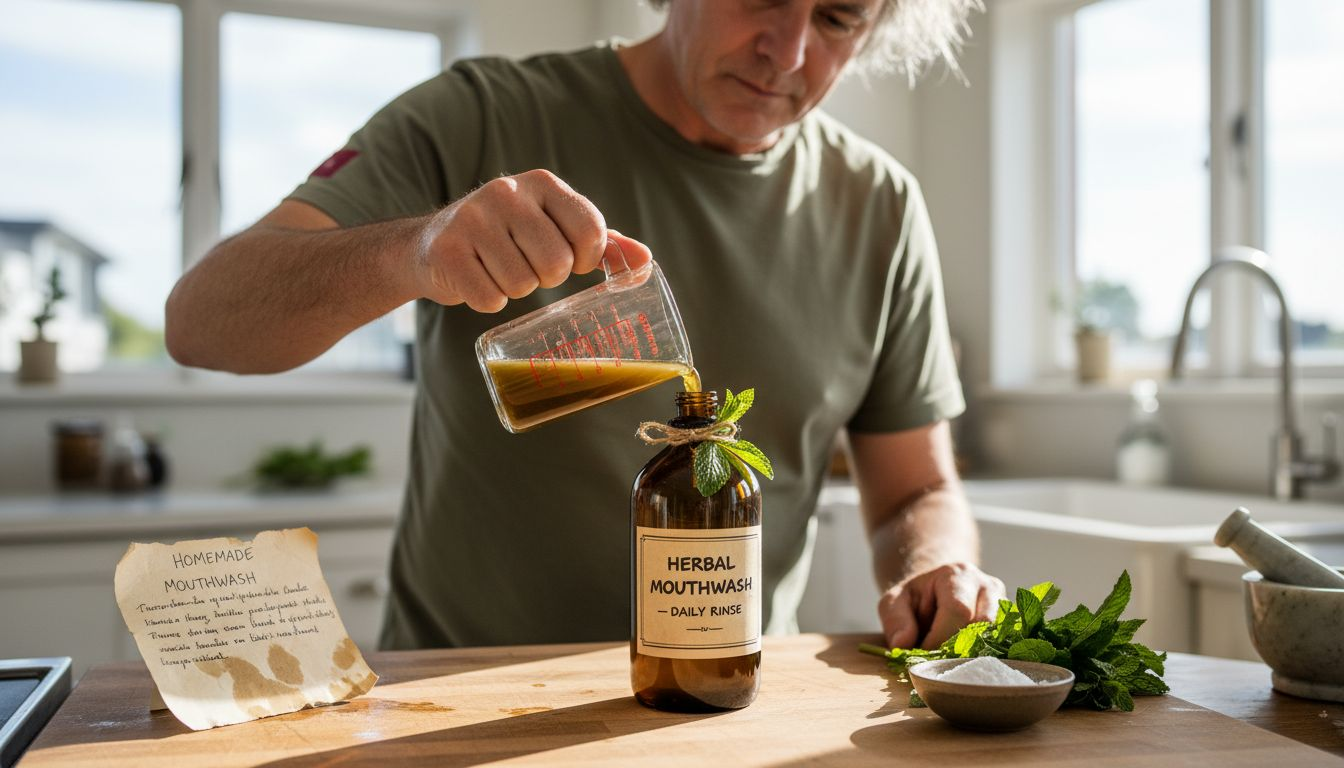
Herbal mouthwash preparation involves carefully selecting and mixing plant-based ingredients that offer antimicrobial and anti-inflammatory benefits. Start by identifying high-quality botanical extracts like neem, tulsi, aloe vera, and chamomile that are known for their gentle yet powerful oral health properties. When mixing your solution, pay close attention to the pH balance and dilution ratios to prevent potential sensitivity or adverse reactions. Use purified or distilled water as your base to ensure maximum purity and minimize potential contaminants that could trigger dental discomfort.
Homemade mouthwash techniques require careful measurement and storage to maintain effectiveness. Always use clean, sterilized containers and measure ingredients precisely to create a consistent mixture. Consider using small batches to ensure freshness and potency, typically preparing enough for a weeks worth of use. Store your mouthwash in a cool, dark place to preserve the natural ingredients integrity and prevent bacterial growth. If you notice any changes in color, smell, or consistency, discard the mixture and prepare a fresh batch.
Pro tip: Label your homemade mouthwash with the preparation date and ingredients to track its freshness and monitor any potential sensitivities.
Step 4: Apply and rinse thoroughly
Mastering the correct technique for applying and rinsing with natural mouthwash is crucial for maximizing its therapeutic benefits and protecting sensitive teeth. Your goal is to ensure comprehensive oral coverage while minimizing potential irritation.
Proper mouthwash rinsing techniques require careful attention to detail and precise execution. Begin by measuring the recommended amount of mouthwash into a clean cup, typically about 20 milliliters or as specified by the product instructions. Tilt your head back slightly and take the liquid into your mouth, creating a gentle swishing motion that reaches all oral surfaces including the back molars, under the tongue, and along the gum line. Maintain this swirling action for a full 30 seconds to ensure maximum contact with sensitive areas and allow the natural ingredients to work effectively.
While rinsing, focus on creating a consistent circular motion that distributes the mouthwash evenly across your entire mouth. Natural mouthwash application requires careful technique to prevent swallowing and maximize therapeutic benefits. Avoid vigorous gargling that might cause additional sensitivity. After 30 seconds, carefully spit out the entire contents without rinsing with water afterward. This allows the active botanical ingredients to continue working and provides prolonged protection for your sensitive teeth and gums. Wait at least 30 minutes before eating or drinking to allow the mouthwash to complete its protective action.
Pro tip: Use a small mirror during rinsing to ensure you are reaching all oral surfaces and maintaining proper technique.
Step 5: Monitor improvements and adjust routine
Tracking your oral health progress after implementing a natural mouthwash routine is essential for ensuring long-term success with sensitive teeth. Your primary objective is to systematically evaluate the effectiveness of your new oral care approach and make informed adjustments as needed.
Ongoing oral health assessment requires careful observation and documentation of your symptoms and sensations. Create a simple tracking journal to record key indicators such as tooth sensitivity levels, gum condition, overall comfort, and any changes in oral discomfort. Note the frequency and intensity of sensitivity episodes, paying attention to triggers like temperature changes, specific foods, or brushing. Look for gradual improvements in symptoms like reduced pain when consuming hot or cold beverages, decreased gum inflammation, and enhanced overall oral comfort.
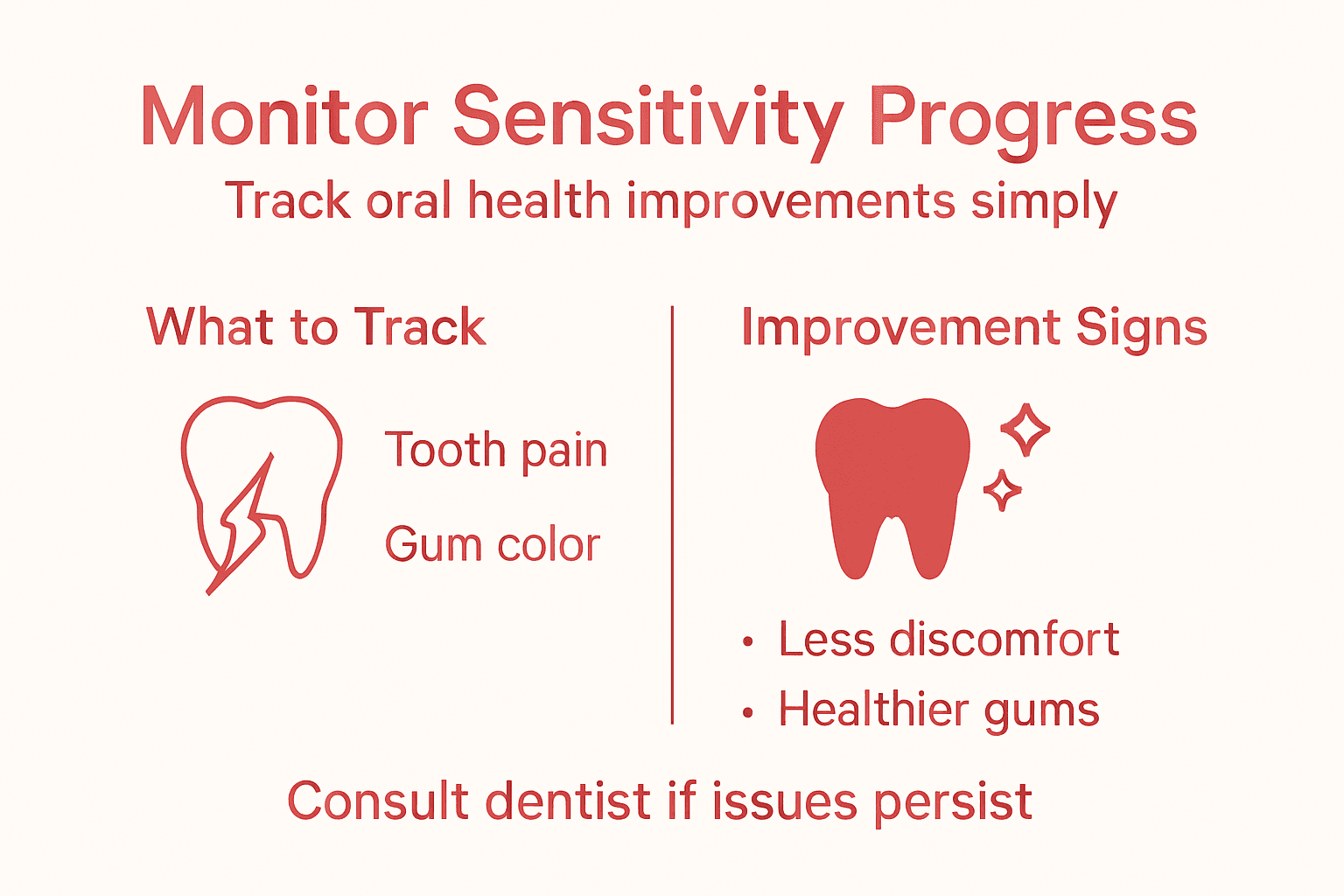
Oral hygiene routine management involves periodic professional consultation and self evaluation. Schedule regular dental checkups to discuss your natural mouthwash routine and receive expert guidance on potential modifications. Be prepared to adjust your approach based on professional recommendations or changes in your oral health status. If sensitivity persists or worsens despite consistent use of natural mouthwash, consult your dentist to investigate underlying causes and develop a more targeted treatment strategy.
Pro tip: Take photographs of your teeth and gums every two weeks to visually track subtle changes that might be difficult to remember or describe.
Here are key oral health indicators you should monitor when adjusting your mouthwash routine:
| Indicator | What to Track | Sign of Improvement |
|---|---|---|
| Tooth Sensitivity Level | Frequency and intensity | Fewer painful episodes after meals |
| Gum Condition | Swelling, color, recession | Reduced inflammation and healthier appearance |
| Oral Comfort | Discomfort when eating/drinking | Greater ability to enjoy foods without irritation |
| Plaque Buildup | Visible deposits on teeth | Cleaner tooth surfaces and easier brushing |
Discover Gentle and Effective Solutions for Sensitive Teeth
If you struggle with tooth sensitivity or gum discomfort, finding the right natural oral care routine is essential for relief and lasting oral health. This guide emphasizes choosing gentle, herbal ingredients and proper care techniques to soothe sensitive gum tissues and protect enamel. At STOP Oral Care, we offer an exclusive range of innovative, fluoride-free products enriched with hemp and Dead Sea minerals specifically formulated to address these challenges.

Take control of your oral health with scientifically backed, natural solutions designed by Dr. Veronica Stahl. Explore the full collection at STOP Oral Care, and start your journey toward a comfortable, healthier smile today at https://stop-oralcare.com. Visit our Home Page to learn more about our revolutionary approach and find the ideal product for your sensitive teeth now.
Frequently Asked Questions
How do I assess my oral health needs for using natural mouthwash?
Begin by examining your teeth and gums for discomfort, enamel wear, or gum recession. Schedule a dental examination to identify the specific causes of tooth sensitivity and discuss your symptoms with your dentist.
What should I look for when choosing a natural mouthwash for sensitive teeth?
Select an alcohol-free mouthwash that contains herbal ingredients like neem, aloe vera, and chamomile, which provide soothing and antibacterial benefits. Check for professional endorsements to ensure the product meets safety and effectiveness standards.
How do I properly prepare my natural mouthwash for use?
Mix high-quality botanical extracts with purified water, ensuring the right pH balance and dilution. Use clean, sterilized containers and store the mouthwash in a cool, dark place to maintain its effectiveness.
What is the correct technique for applying and rinsing with natural mouthwash?
Measure the recommended amount of mouthwash, swish it in your mouth for about 30 seconds, and avoid rinsing with water afterwards. This allows the beneficial ingredients to remain effective for longer.
How can I monitor improvements in my oral health after using natural mouthwash?
Track indicators like tooth sensitivity levels and gum condition in a simple journal. Note any changes in discomfort, and schedule regular dental checkups to discuss your progress with your dentist.
What should I do if my sensitivity persists despite using natural mouthwash?
If sensitivity continues, consult your dentist to explore potential underlying causes and adjust your treatment strategy. Ensure you are documenting your symptoms and any changes in your oral health for a more targeted approach.
Recommended
- Best Natural Mouthwash for Gum Disease: 5 Effective Options Reviewed – Stop Oral Care
- 7 Essential Oral Health Tips 2025 for Sensitive Teeth – Stop Oral Care
- Natural Mouthwash for Dry Mouth: How to Make and Choose the Best Optio – Stop Oral Care
- Effective Natural Mouthwash for Gum Disease: 5 Home Remedies Backed by – Stop Oral Care
- What Is Oral Detox and Why It Matters - Mahoney inter