

Most American oral care trends emphasize whitening and fluoride, yet many health-conscious Europeans in Belgium and Germany are searching for safer alternatives that truly support sensitive teeth. Research shows that even a small drop in mouth pH can lead to a higher risk of enamel erosion and cavities. By understanding how natural ingredients like hemp help maintain pH balance, you can make smarter choices that protect your smile and support your oral wellness without harsh chemicals.
Table of Contents
- What Is pH Balance in Oral Hygiene?
- How Oral pH Affects Enamel and Decay
- Influence of Microbiome and Saliva on pH
- Factors That Disrupt Oral pH Balance
- Natural Solutions for Optimal Oral pH
Key Takeaways
| Point | Details |
|---|---|
| Oral pH Balance is Crucial | A balanced oral pH (6.2–7.6) prevents tooth decay and promotes oral health. Monitoring pH is vital for early detection of dental issues. |
| Acidity Leads to Enamel Erosion | pH levels below 5.5 initiate enamel demineralization, increasing cavity risk and harming tooth structure. |
| Microbiome and Saliva are Key Factors | A healthy oral microbiome and adequate saliva production are essential for maintaining a neutral pH and preventing acid-related damage. |
| Diet and Lifestyle Influence pH | Consuming alkaline-rich foods and staying hydrated can help regulate oral pH, while sugary and acidic foods pose significant risks. |
What Is pH Balance in Oral Hygiene?
Oral pH balance represents the delicate equilibrium of acidity and alkalinity within the mouth, directly influencing overall dental health and microbial ecosystem stability. Understanding this complex biochemical environment becomes crucial for preventing dental diseases and maintaining optimal oral wellness.
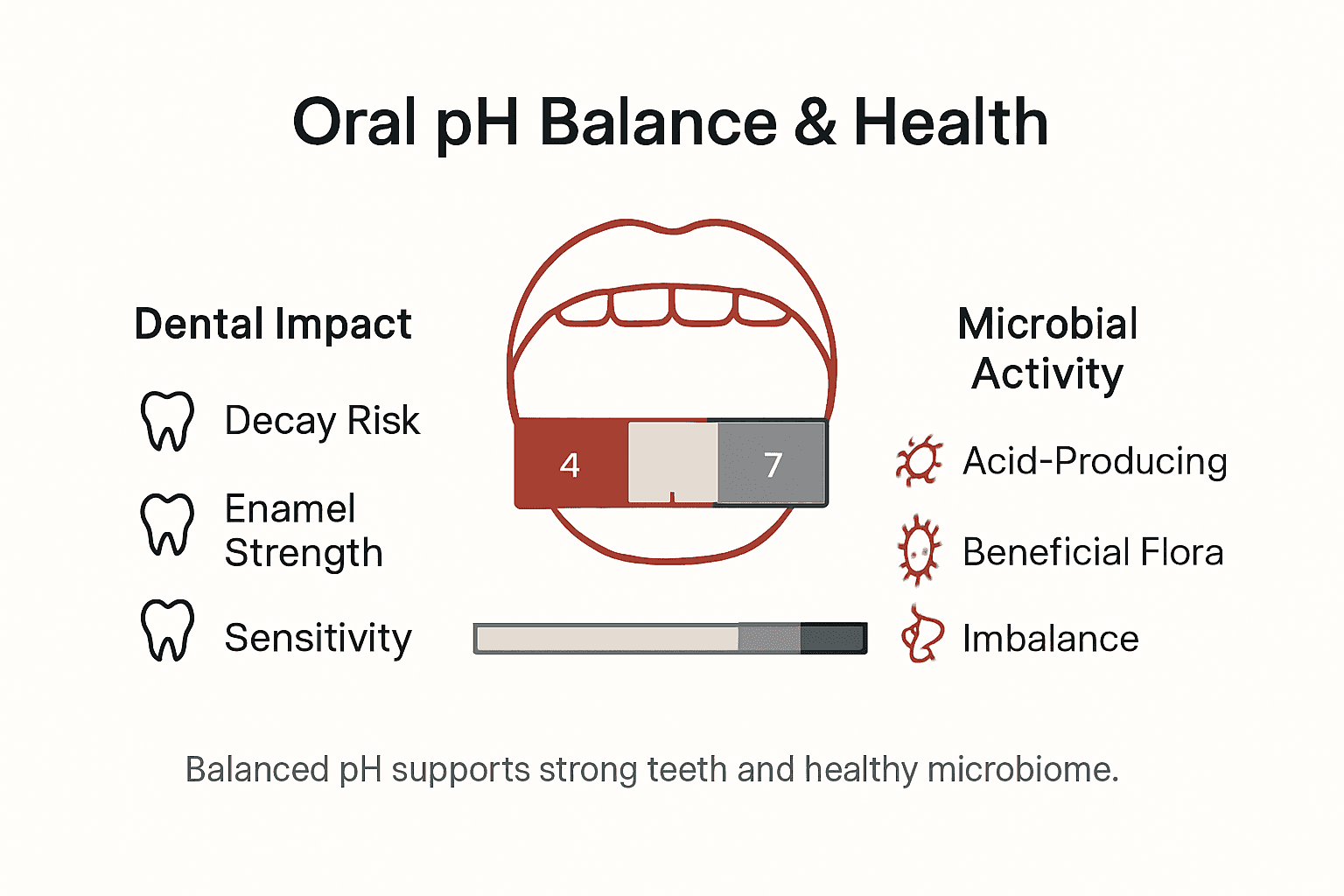
At its core, pH balance refers to the measurement of hydrogen ion concentration, which determines whether an environment is acidic or alkaline. In oral hygiene, this balance typically ranges between 6.2 and 7.6, with neutral pH being 7.0. Digital salivary pH meters provide critical diagnostic tools for monitoring oral health conditions, enabling early detection of potential dental complications.
The mouth’s pH level significantly impacts multiple aspects of oral health. When pH becomes too acidic (below 5.5), tooth enamel begins to demineralize, creating an environment conducive to bacterial growth and potential tooth decay. Conversely, a balanced pH promotes remineralization, strengthens tooth structure, and supports a healthy oral microbiome. Factors like diet, stress, hydration, and oral bacteria can dramatically influence this delicate equilibrium.
Here is a quick reference on how oral pH levels impact dental outcomes:
| Oral pH Range | Dental Impact | Microbial Activity |
|---|---|---|
| Above 7.0 (Alkaline) | Supports remineralization | Inhibits harmful bacteria |
| 6.2–7.0 (Neutral) | Maintains enamel health | Balanced microbiome |
| Below 5.5 (Acidic) | Triggers enamel erosion | Promotes cavity-causing bacteria |
Pro Tip: Monitor your oral pH using at-home testing strips and adjust your diet to include alkaline-forming foods like leafy greens and raw vegetables to maintain optimal mouth chemistry.
How Oral pH Affects Enamel and Decay
Tooth decay is a complex process fundamentally driven by the delicate pH balance in the mouth, with significant implications for dental health. Tooth enamel demineralization occurs when oral pH drops below the critical threshold of 5.5, creating an environment that progressively weakens tooth structure and promotes bacterial proliferation.
The mechanism of enamel degradation is intrinsically linked to acid exposure. When oral pH becomes acidic, hydroxyapatite crystals in tooth enamel begin to dissolve, releasing essential minerals like calcium and phosphate. This process leaves teeth vulnerable to structural breakdown and increases susceptibility to cavities. Saliva plays a crucial buffering role in counteracting these acidic conditions, helping to neutralize harmful acids and facilitate remineralization of tooth surfaces.
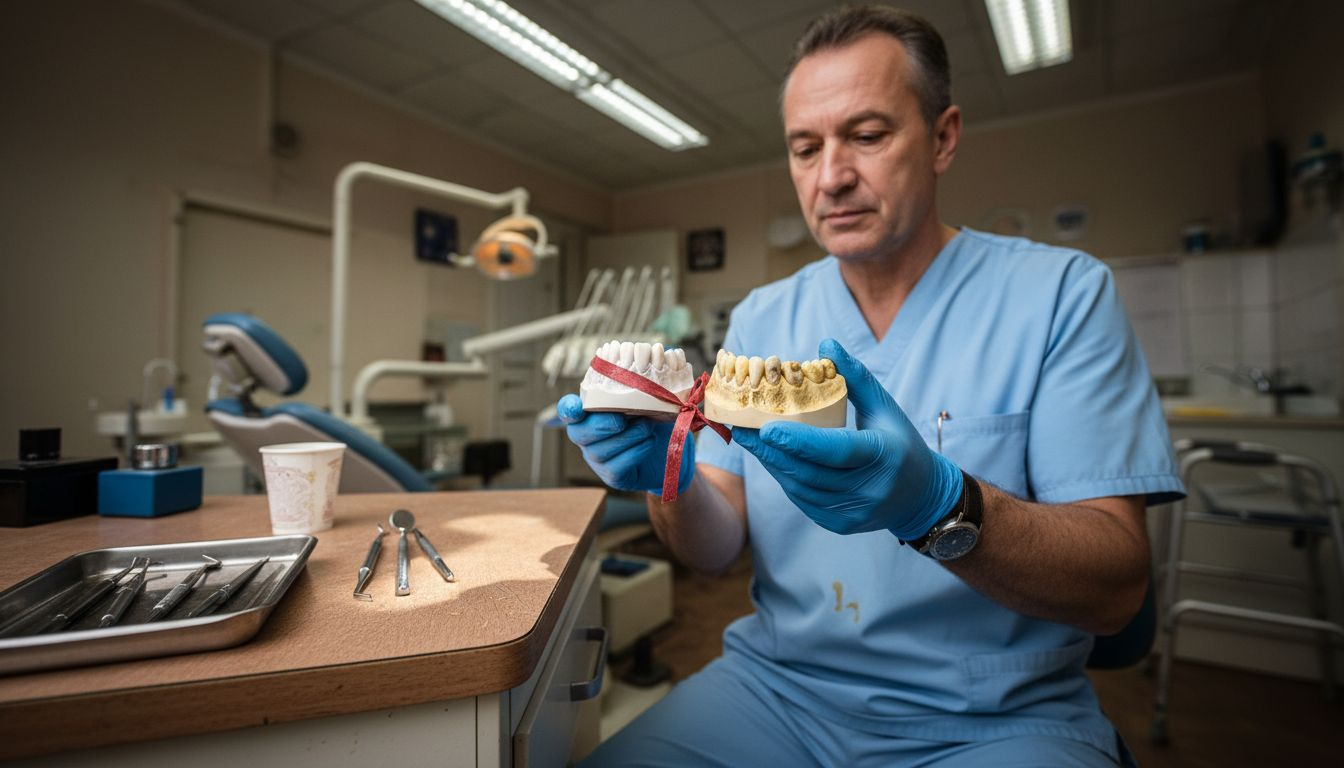
Multiple factors contribute to pH-related enamel erosion, including dietary choices, bacterial metabolism, and individual oral microbiome composition. Frequent consumption of acidic foods and beverages, combined with poor oral hygiene, can create a persistent low-pH environment that accelerates enamel deterioration. Certain bacteria metabolize sugars and produce acid as a byproduct, further lowering oral pH and exacerbating the demineralization process.
Pro Tip: Rinse your mouth with water after consuming acidic foods and wait at least 30 minutes before brushing to allow natural saliva remineralization and prevent enamel damage.
Influence of Microbiome and Saliva on pH
The oral microbiome represents a complex ecosystem of microorganisms that plays a critical role in maintaining optimal pH balance and overall oral health. Beneficial microbial communities contribute significantly to maintaining a neutral pH environment by carefully metabolizing substrates without producing excessive acidic byproducts.
Saliva functions as a sophisticated natural defense mechanism, providing multiple protective strategies for oral pH regulation. Its buffering capacity allows it to neutralize acids rapidly, while simultaneously supplying essential minerals that support enamel remineralization. The intricate interaction between salivary components and microbial populations creates a dynamic system that continuously adjusts to maintain biochemical equilibrium, preventing potential pathological conditions.
Microbiome composition directly influences oral pH through complex metabolic interactions. Different bacterial species produce varying metabolic products, some of which can increase acidity, while others help maintain a more alkaline environment. Factors such as diet, oral hygiene practices, genetic predisposition, and overall health status can dramatically alter microbiome diversity and, consequently, impact the mouth’s pH balance. Certain beneficial bacteria actually produce compounds that help counteract acid production, demonstrating the sophisticated self-regulatory mechanisms within the oral ecosystem.
Pro Tip: Consume probiotic-rich foods like kefir and yogurt to support a balanced oral microbiome and help maintain a healthy pH environment.
Factors That Disrupt Oral pH Balance
Dietary habits significantly impact oral pH balance, with frequent consumption of acidic foods and beverages creating a persistent low-pH environment that threatens dental health. Citrus fruits, carbonated drinks, coffee, and processed foods can rapidly lower mouth pH, initiating a cascade of detrimental chemical reactions that compromise enamel integrity and promote bacterial growth.
Medical conditions and lifestyle factors also play crucial roles in disrupting oral pH equilibrium. Dry mouth syndrome, often caused by medications, medical treatments, or systemic health issues, dramatically reduces saliva’s natural buffering capacity. Without adequate saliva production, the mouth loses its primary mechanism for neutralizing acids and maintaining a stable pH, creating an environment conducive to acidogenic bacteria and increased cavity risk.
Other significant pH disruptors include chronic stress, hormonal changes, smoking, and poor oral hygiene practices. Prolonged mouth breathing, inadequate hydration, and frequent sugar consumption can further destabilize the delicate microbial ecosystem. Each of these factors incrementally shifts the oral environment toward increased acidity, gradually eroding enamel and compromising the mouth’s natural defensive mechanisms.
Compare common factors that disrupt oral pH balance and their consequences below:
| Disruptive Factor | How It Affects pH | Resulting Risk |
|---|---|---|
| Sugary beverages | Lowers pH quickly | Increases cavity risk |
| Dry mouth | Reduces buffering | Raises enamel erosion chance |
| Stress | Alters saliva flow | Promotes acidic conditions |
| Smoking | Alters microbiome | Weakens oral defenses |
Pro Tip: Rinse your mouth with water after consuming acidic foods and wait 30 minutes before brushing to allow natural saliva remineralization and prevent enamel damage.
Natural Solutions for Optimal Oral pH
Maintaining a balanced oral pH naturally requires strategic dietary and lifestyle interventions, designed to support the mouth’s delicate biochemical environment. Consuming alkaline-rich foods like leafy greens, root vegetables, and nuts can help counteract acidic conditions, while systematically reducing intake of processed sugars and acidic beverages creates a more stable oral ecosystem.
Hydration plays a critical role in supporting natural pH regulation. Drinking water consistently throughout the day stimulates saliva production, which serves as the mouth’s primary buffering mechanism. Lifestyle practices such as balanced nutrition and consistent oral hygiene contribute significantly to maintaining neutral pH levels, helping prevent enamel demineralization and supporting long-term dental health.
Natural remineralization techniques offer additional strategies for oral pH management. Incorporating mineral-rich foods, using natural tooth powders with calcium and phosphate compounds, and practicing mindful eating habits can help restore and protect tooth enamel. Herbal rinses containing alkaline ingredients like chamomile or green tea can also provide gentle pH balancing effects without disrupting the oral microbiome.
Pro Tip: Chew sugar-free xylitol gum after meals to stimulate saliva production and naturally neutralize acidic oral environments.
Maintain Your Oral pH Balance with Natural Care Solutions
Achieving and preserving the delicate oral pH balance is essential for protecting your enamel and supporting a healthy oral microbiome. If you are concerned about acidic environments damaging your teeth and want to avoid harsh chemicals, embracing natural oral care products can make all the difference. The article highlights key challenges such as enamel erosion caused by acidic pH levels and how saliva and microbiome imbalances worsen this issue.

Experience a new approach to oral health by exploring the unique formulations at STOP Oral Care. Our fluoride-free products, enriched with hemp and Dead Sea minerals, are scientifically designed to stabilize mouth chemistry and promote natural remineralization. Start protecting your smile naturally today by visiting https://stop-oralcare.com and discover how simple lifestyle changes combined with our innovative care line can restore your oral pH balance for lasting wellness.
Learn more about our holistic solutions on our Home Page and take the first step toward healthier teeth and gums now.
Frequently Asked Questions
What is the importance of pH balance in oral hygiene?
The pH balance in oral hygiene influences tooth enamel health, microbial activity, and the overall stability of the oral ecosystem. A balanced pH prevents tooth decay and promotes healthy remineralization.
How can I monitor my oral pH levels?
You can monitor your oral pH levels using at-home testing strips or digital salivary pH meters, which provide insights into your oral health and help detect potential issues early.
What dietary changes can help maintain optimal oral pH?
Incorporating alkaline-rich foods, such as leafy greens and nuts, while reducing acidic food intake—like sugary drinks and processed foods—can help stabilize oral pH levels and protect enamel.
What lifestyle habits influence oral pH balance?
Lifestyle habits such as hydration, oral hygiene practices, managing stress, and avoiding smoking play crucial roles in maintaining a stable oral pH and preventing enamel erosion.
Recommended
- How to Remove Plaque Naturally from Teeth: A Step-by-Step Guide – Stop Oral Care
- How to Get Rid of Plaque Naturally: A Practical Step-by-Step Guide – Stop Oral Care
- How to Whiten Teeth Naturally at Home: Simple Steps for a Brighter Smi – Stop Oral Care
- How to Use a Natural Plaque Remover for Teeth – Step‑by‑Step Guide – Stop Oral Care
- What is Prebiotic Supplement? Understanding Its Benefits – MyGymSupplements