

Finding gentle oral care options can be challenging, especially if you want to avoid fluoride and protect sensitive gums. The balance of acidity and alkalinity inside your mouth plays a crucial role in your dental health. Understanding oral pH and how it is measured helps you choose natural products that truly support enamel and gum wellness. This article explains the science behind pH levels so you can make informed decisions about keeping your mouth healthy in Germany and France.
Table of Contents
- What Is Oral pH And How Is It Measured
- How Oral pH Impacts Teeth And Gums
- Key Causes Of Acidic Mouth Environments
- Maintaining Healthy Oral pH Naturally
Key Takeaways
| Point | Details |
|---|---|
| Understanding Oral pH | Oral pH influences tooth health, with optimal levels ranging from 6.5 to 7.8 to prevent decay and sensitivity. |
| Measurement Methods | Oral pH can be measured using electronic pH meters for precision or indicator strips for accessibility. |
| Protective Dietary Choices | Minimizing acidic foods and beverages helps maintain a healthy oral pH and supports enamel strength. |
| Role of Saliva | Saliva acts as a natural buffer; stimulating its production through chewing gum and hydration enhances oral health. |
What Is Oral pH and How Is It Measured
Oral pH refers to the acidity or alkalinity level in your mouth. This measurement is expressed on a logarithmic scale that quantifies hydrogen ion concentration in your saliva and on tooth surfaces.
Understanding your mouth’s pH environment is critical because it directly influences whether your teeth are protected or vulnerable to decay, sensitivity, and gum problems. For health-conscious individuals seeking natural oral care solutions, especially those avoiding fluoride, knowing your oral pH provides essential insight into your mouth’s bacterial balance and enamel integrity.
The pH Scale and Oral Ranges
The pH scale runs from 0 (highly acidic) to 14 (highly alkaline), with 7 being neutral. Your mouth’s optimal pH typically ranges from about 6.5 to 7.8 according to current dental science standards.
Here’s what the ranges mean for your teeth:
- Acidic range (below 6.5): Bacteria thrive, enamel demineralizes, cavities develop
- Neutral to slightly alkaline (6.5-7.8): Protective zone where your mouth self-repairs
- Alkaline range (above 7.8): Less common, but indicates mineral deposition potential
Most people maintain a slightly acidic oral pH around 6.8, which is within the safe protective zone. However, dietary choices and oral hygiene practices can shift this balance quickly.
Your saliva acts as your mouth’s primary pH buffer, containing ions, enzymes, and protective proteins that work continuously to maintain this delicate equilibrium and prevent demineralization.
Where Oral pH Is Measured
Oral pH varies across different areas of your mouth because each location has distinct environmental conditions. According to research on pH in home oral care products, measurements are taken from multiple oral locations for accuracy.
Common measurement sites include:
- Tooth surfaces (where cavities typically form)
- Gingival fluid (the fluid around your gum line)
- Saliva samples (both stimulated and unstimulated)
- Mucosa tissue (your cheeks and mouth lining)
Saliva pH readings are particularly important because your saliva serves as your mouth’s first line of defense, buffering acids from food and bacteria.
How Oral pH Is Actually Measured
Two primary methods are used to assess your oral pH accurately. Both provide reliable data, though they work differently.
pH meters use specialized electrodes that directly measure hydrogen ion concentration in saliva samples. This method offers precise, numerical readings and is the gold standard in clinical settings.
Indicator strips (pH paper) change color when exposed to saliva, revealing your approximate pH level. These are more accessible for home use but less precise than electronic meters.
Dentists typically prefer electronic pH meters for professional assessments because they provide exact measurements rather than estimates. However, quality indicator strips work well for tracking trends over time.
Here is a useful summary comparing methods to measure oral pH:
| Method | Precision | Usability | Typical Setting |
|---|---|---|---|
| Electronic pH Meter | Highly accurate | Requires training | Dental office, research |
| Indicator Strip | Moderate estimate | Easy, at-home use | Home, basic screening |
Why This Matters for Natural Oral Care
If you’re choosing pH-balanced oral care products, understanding how pH is measured helps you select products that genuinely support your mouth’s natural ecosystem.
Fluoride-free and natural formulations—especially those containing hemp and Dead Sea minerals—work by maintaining your mouth’s optimal pH rather than artificially suppressing it. Your saliva’s buffering capacity is your body’s actual defense mechanism.
Pro tip: Ask your dentist to measure your oral pH during your next checkup. If you’re transitioning to natural oral care products, establishing your baseline pH helps you track whether your new routine is maintaining a healthy, protective environment.
How Oral pH Impacts Teeth and Gums
Your mouth’s pH level is the difference between a smile that lasts decades and teeth that deteriorate prematurely. The pH environment you maintain directly controls whether your enamel strengthens or dissolves, and whether your gums stay healthy or become inflamed.

When oral pH drops too low, it triggers a destructive cascade that affects every part of your mouth. Understanding this mechanism is crucial for anyone pursuing natural, fluoride-free oral care in Germany and France, where many people prioritize working with their body’s natural defenses rather than against them.
The Critical pH Threshold
The critical threshold for tooth protection is pH 5.5 or above. Once your mouth dips below this level, demineralization begins immediately. Minerals start leaching from your tooth structure, weakening enamel at the microscopic level.
This is not a slow process. Each acidic episode causes mineral loss that accumulates over time. If you consume acidic foods or drinks frequently, your teeth never get the chance to remineralize between attacks.
Here’s what happens at different pH levels:
- Above 7.0: Alkaline environment; minerals deposit into teeth
- 6.5 to 7.0: Neutral zone; saliva can buffer and protect
- 5.5 to 6.5: Transitional zone; enamel begins vulnerability
- Below 5.5: Demineralization zone; active enamel erosion occurs
Enamel Demineralization and Decay
Enamel demineralization is the first stage of cavity formation. When acidic conditions dissolve mineral content from your teeth, the structure weakens and becomes porous.
Once enamel is compromised, bacteria penetrate deeper into dentin and eventually the pulp. This is why pH balance prevents decay before it starts—remineralization through saliva’s mineral content works continuously when your mouth remains neutral.
Sensitivity and pain follow because exposed dentin contains microscopic tubules connecting directly to your nerve. Prevention through pH management is far simpler than treating cavities later.
Gum Disease and Bacterial Growth
Low pH doesn’t just damage teeth—it creates the perfect environment for gum disease. Pathogenic bacteria thrive in acidic conditions, accelerating plaque buildup and inflammation around your gum line.
When pH remains low:
- Harmful bacteria multiply faster
- Your immune response weakens
- Gingival inflammation increases
- Periodontal disease develops
- Gum recession accelerates
This is particularly important for people with sensitive gums. Low pH amplifies inflammation and makes your gums more vulnerable to bleeding and recession.
Saliva’s Protective Role
Your saliva is your mouth’s actual defense system. It buffers acids, provides minerals for remineralization, and contains antimicrobial proteins that suppress harmful bacteria. When pH remains balanced, saliva can perform these functions effectively.
People following natural oral care approaches benefit most from understanding saliva’s role in maintaining pH and supporting it through proper hydration and gentle oral care practices.
Maintaining neutral or slightly alkaline pH protects both hard tissues (teeth) and soft tissues (gums) by allowing your body’s natural defense mechanisms to function optimally.
Practical Impact on Daily Life
Frequent snacking, sipping acidic beverages, and poor oral hygiene create constant pH fluctuations. Each time pH drops, your teeth begin losing minerals. Without adequate time for recovery between acid exposures, cumulative damage accelerates.
This is why natural, pH-balanced formulations matter. They support your saliva’s buffering capacity rather than introducing harsh chemicals that further destabilize your mouth’s environment.
Pro tip: Wait 30 minutes after consuming acidic foods before brushing your teeth, as brushing immediately can damage softened enamel; meanwhile, rinse with water and allow saliva to naturally restore pH balance.
Key Causes of Acidic Mouth Environments
An acidic mouth doesn’t happen by accident. Specific dietary and medical factors create the conditions that overwhelm your saliva’s natural buffering capacity, leaving your teeth vulnerable to decay and your gums inflamed.
For health-conscious individuals in Germany and France seeking fluoride-free solutions, identifying what causes acidity in your mouth is the first step toward protecting your teeth naturally. Most cases stem from controllable lifestyle factors, though some involve medical conditions requiring professional attention.
Dietary Acids: The Primary Culprit
Frequent consumption of acidic foods and drinks is the leading cause of acidic mouth environments. These substances directly lower your oral pH, allowing enamel erosion to begin almost immediately.
The worst offenders include:
- Carbonated beverages (soft drinks, sparkling water, energy drinks)
- Citrus fruits and juices (lemons, limes, oranges, grapefruits)
- Sports drinks and flavored water bottles
- Sour candies and acidic snacks
- Wine and fermented beverages
- Yogurt and other naturally acidic foods
The frequency matters more than the quantity. Sipping a soft drink throughout the day causes more damage than drinking it all at once, because your mouth never gets time to recover between acid exposures.
Intrinsic Acids: Medical Conditions
Not all oral acidity comes from what you eat. Intrinsic acids originate from inside your body through medical conditions that are beyond diet control.
Acid reflux and gastroesophageal reflux disease (GERD) regularly expose your mouth to stomach acid. Vomiting—whether from illness, eating disorders, or pregnancy—introduces strong hydrochloric acid directly onto your teeth. Even occasional acid reflux episodes accumulate damage over time.
Unlike dietary acids you can control, intrinsic acids require medical management. If you experience frequent reflux or vomiting, addressing the underlying condition protects your teeth more effectively than any topical product.
How Saliva Gets Overwhelmed
Your saliva naturally buffers acids and remineralizes enamel, but it has limits. When acid exposure becomes continuous or frequent, your buffering capacity gets exceeded before recovery can happen.
Continuous acid contact overwhelms saliva’s defenses, leading to permanent enamel damage and tooth sensitivity. This is why frequent snacking and sipping—even healthy foods like apple slices or lemon water—can damage teeth over time.
The duration and frequency of acid exposure matter more than the acid strength. Constant low-level acidity causes more cumulative damage than occasional strong acid exposure.
Behavioral and Lifestyle Factors
Beyond diet and medical conditions, your habits amplify oral acidity. Dry mouth from dehydration, certain medications, or breathing through your mouth reduces saliva flow, weakening your natural pH buffer.
Stress also impacts salivary flow and composition. Smoking and alcohol consumption further destabilize your mouth’s pH environment. Even swishing acidic drinks around your mouth longer than necessary increases contact time and damage.
Identifying Your Specific Causes
Dental erosion diagnosis focuses on understanding your individual acid sources. Some people face primarily dietary causes, while others deal with medical conditions, or a combination of both.
Mitigating acid exposure requires lifestyle changes tailored to your situation. If you have reflux, managing that condition protects your teeth more than any special toothpaste. If your acidity stems from diet, adjusting consumption patterns and timing makes the biggest difference.
Pro tip: Rinse your mouth with water immediately after consuming acidic foods or drinks, and wait 30 minutes before brushing to allow saliva to naturally neutralize and protect your softened enamel.
Maintaining Healthy Oral pH Naturally
Maintaining a healthy oral pH doesn’t require expensive treatments or synthetic compounds. Your mouth has powerful natural mechanisms for self-regulation, and supporting these mechanisms through simple lifestyle choices protects your teeth more effectively than most interventions.
For people in Germany and France pursuing fluoride-free, natural oral care, the goal is straightforward: work with your body’s defenses rather than against them. This means understanding how to support saliva, reduce acid exposure, and nourish your teeth from the inside out.
Dietary Strategies for pH Balance
What you consume directly shapes your mouth’s chemical environment. A balanced diet rich in minerals like calcium and phosphorus supports enamel strength and helps your mouth maintain protective pH levels naturally.
Focus on these dietary priorities:
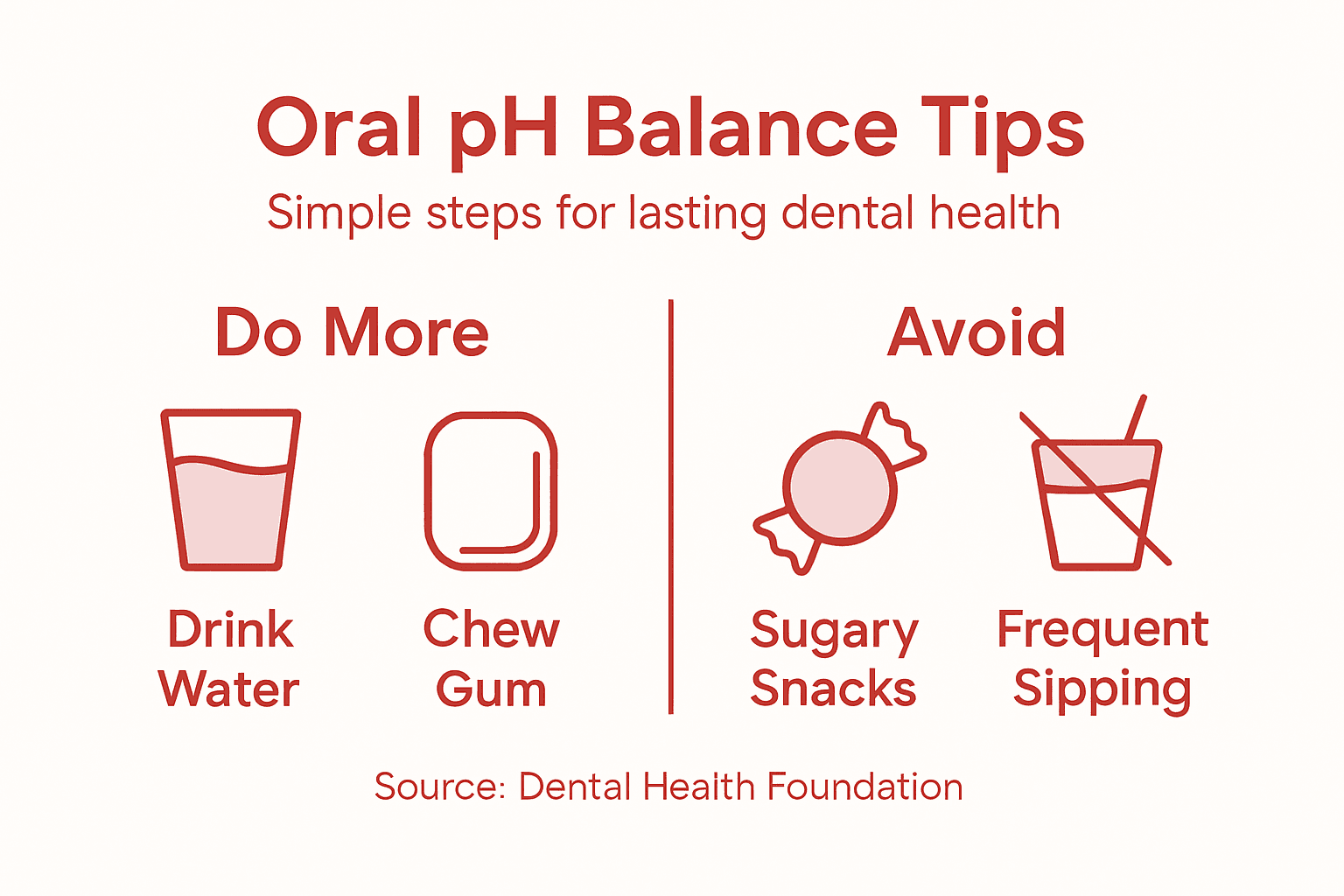
- Minimize acidic beverages and frequent snacking between meals
- Prioritize calcium-rich foods (cheese, leafy greens, nuts, seeds)
- Include phosphorus sources (fish, eggs, legumes, whole grains)
- Reduce added sugars that feed harmful bacteria
- Limit alcohol and carbonated drinks that destabilize pH
- Drink plenty of water throughout the day
Timing matters as much as content. Eating meals together rather than constant snacking gives your saliva time to buffer acids between exposures. One acidic drink consumed with lunch causes less damage than sipping it over three hours.
Stimulating Natural Saliva Production
Your saliva is your mouth’s most powerful pH regulator. Chewing sugar-free gum after meals stimulates saliva production, which neutralizes acids and returns your pH to protective levels.
This simple action works because saliva contains bicarbonate and phosphate ions that naturally buffer acids. More saliva means faster acid neutralization and stronger remineralization of early enamel damage.
Adequate hydration also supports saliva flow. Drinking sufficient water throughout the day keeps your mouth moist and functional, enhancing your body’s natural pH regulation.
Stimulating saliva production through chewing or hydration is one of the most effective natural strategies because you’re activating your body’s built-in defense system.
Oral Hygiene That Supports pH Balance
Proper oral hygiene reduces bacteria that produce acids, directly supporting your mouth’s pH environment. Brushing and flossing remove plaque before harmful bacteria can metabolize sugars and generate acidic byproducts.
Following a consistent oral hygiene routine tailored to sensitive teeth and gums ensures you’re supporting pH balance without harsh treatments. Natural formulations work with your mouth’s chemistry rather than disrupting it.
Rinsing your mouth with water after acidic foods or drinks neutralizes remaining acid and helps saliva restore pH faster.
Lifestyle Factors That Protect pH
Beyond diet and hygiene, your daily habits significantly impact oral pH. Avoiding tobacco and limiting alcohol preserves your saliva’s buffering capacity and antimicrobial properties.
Stress management matters too, since stress reduces saliva flow and composition quality. Getting adequate sleep supports overall immune function, including your mouth’s ability to maintain healthy bacterial balance.
These interconnected factors compound over time. Someone managing stress, staying hydrated, following good hygiene, and eating well maintains superior oral pH compared to someone neglecting even one of these areas.
Below is a quick overview of practical strategies to maintain a healthy oral pH:
| Strategy | How It Helps | Daily Action Example |
|---|---|---|
| Avoid frequent sugar | Reduces acid spikes | Limit snacks, sugary drinks |
| Hydrate regularly | Boosts saliva flow | Drink water throughout day |
| Chew sugar-free gum | Stimulates saliva | Chew for 10 min after meals |
| Eat mineral-rich foods | Supports enamel | Add cheese, nuts to meals |
Regular Professional Monitoring
While natural strategies prevent most pH problems, regular dental visits complement these efforts. Your dentist can identify early signs of erosion or demineralization before they become serious, and can assess whether your current approach is maintaining healthy pH.
Pro tip: After consuming acidic foods or drinks, wait 30 minutes before brushing, but rinse immediately with water; this allows saliva to neutralize acid and protect your softened enamel from brush damage.
Support Your Oral pH for Lasting Dental Health with Natural Care
Maintaining a balanced oral pH is essential to protect your teeth and gums from erosion, sensitivity, and decay. If you have struggled with acidic mouth environments or want to enhance your natural defenses without harsh chemicals, our fluoride-free, mineral-rich products are designed to work in harmony with your saliva’s buffering power. Experience oral care that respects your body’s natural ecosystem and helps restore long-term protection.

Discover our specially formulated range featuring hemp and Dead Sea minerals by exploring the STOP Oral Care collection. Empower yourself today with products developed by Dr. Veronica Stahl to promote natural healing and optimal pH balance. Start your journey at the Home Page or visit https://stop-oralcare.com to learn more and take control of your oral health naturally.
Frequently Asked Questions
What is oral pH and why is it important for dental health?
Oral pH refers to the acidity or alkalinity level in your mouth, impacting enamel health, decay prevention, and gum condition. Maintaining a slightly acidic to neutral pH helps protect teeth from demineralization and promotes overall oral health.
How can I measure my oral pH at home?
You can measure your oral pH using pH indicator strips, which change color when exposed to saliva, or by using an electronic pH meter for more accurate results. Indicator strips are more accessible for home use, while pH meters are typically used in clinical settings.
What dietary choices can help maintain a healthy oral pH?
To maintain a healthy oral pH, minimize acidic foods and beverages, such as carbonated drinks and citrus fruits. Instead, focus on consuming calcium-rich foods (like cheese and leafy greens) and phosphorus sources (like fish and legumes) to support enamel health.
How does low oral pH affect gum health?
Low oral pH creates an environment conducive to harmful bacteria growth, leading to increased plaque buildup and gum inflammation. This can accelerate the onset of gum disease and worsen existing gum issues, making pH balance crucial for maintaining healthy gums.
Recommended
- Role of pH Balance in Oral Hygiene: Protecting Enamel and Microbiome – Stop Oral Care
- Calcium Phosphate Mouthwash: A Complete Guide to Benefits, Selection, – Stop Oral Care
- Role of Minerals in Oral Care: Natural Solutions – Stop Oral Care
- 7 Essentials for a Complete Dental Care Checklist 2025 – Stop Oral Care
- 7 beneficii ale implantologiei orale pentru zâmbet sănătos | Lucilla Dental Clinic | cabinet stomatologic Bucuresti sector 4 | stomatologie Bucuresti