

Sensitive teeth and gums can make even your daily routine feel uncomfortable. Brushing and flossing sometimes lead to more irritation, and store-bought solutions rarely fix the problem for good. You want simple routines and natural remedies that truly help, without harsh chemicals or unwanted side effects.
The right oral care habits and product choices can reduce discomfort and help your mouth heal. This guide reveals practical steps backed by trusted research—so you can enjoy a stronger smile and real relief. Get ready to discover actionable techniques and specific natural ingredients that support oral health and long-term comfort.
Table of Contents
- Brush Twice Daily With Gentle, Natural Toothpaste
- Use Hemp And Dead Sea Mineral Products For Healing
- Floss Carefully To Target Hard-To-Reach Areas
- Rinse With Fluoride-Free, Natural Mouthwash
- Choose Soft-Bristle Brushes To Reduce Sensitivity
- Limit Sugar And Acidic Foods For Stronger Enamel
- Visit Your Dentist For Regular, Preventive Checkups
Quick Summary
| Takeaway | Explanation |
|---|---|
| 1. Brush Twice Daily with Natural Toothpaste | Consistent brushing with gentle, natural toothpaste protects teeth and gums from decay and reduces sensitivity. |
| 2. Integrate Hemp and Dead Sea Minerals | Products with hemp and Dead Sea minerals promote tissue healing and mitigate sensitivity through their natural properties. |
| 3. Floss Daily with Care | Gentle flossing cleans hard-to-reach areas and improves gum health, reducing inflammation and sensitivity significantly over time. |
| 4. Use Fluoride-Free Natural Mouthwash | Natural mouthwash provides therapeutic benefits without harmful chemicals, maintaining moisture and supporting oral health. |
| 5. Limit Sugar and Acidic Foods | Reducing sugar and acidic foods strengthens enamel, decreasing sensitivity and supporting overall oral health. |
1. Brush Twice Daily with Gentle, Natural Toothpaste
Twice-daily brushing forms the foundation of any effective oral hygiene routine. This simple habit removes food debris and plaque buildup that accumulates throughout the day and night, directly protecting your teeth and gums from decay and disease.
The frequency matters, but technique and product selection matter equally. Many people assume that aggressive brushing with harsh toothpaste produces better results, but the opposite is true. Brushing your teeth should be gentle and deliberate, using a soft-bristled brush that won’t damage sensitive gum tissue. When you brush aggressively, you risk wearing away enamel and causing gum recession, which actually increases sensitivity and reduces protection.
For those with sensitive teeth, selecting a natural toothpaste becomes particularly important. Conventional fluoride-based pastes can sometimes irritate sensitive gums or contain abrasive ingredients that amplify discomfort. Natural toothpaste formulations, particularly those incorporating Dead Sea minerals and plant-based ingredients, offer effective cleaning without the harshness. These alternatives can reduce sensitivity while still addressing your core brushing goals of removing plaque and preventing cavities.
Your morning routine should target plaque buildup from overnight, while your evening brush removes debris from the day’s meals and drinks. The key is consistency. Skipping your second brushing or rushing through the process undermines the entire system. Aim for at least two minutes each time, paying attention to all surfaces: the outer faces of your teeth, the inner surfaces, and your chewing surfaces. Don’t forget the back molars and the gum line, where plaque loves to hide.
When selecting a toothpaste, consider products that combine effective cleaning with sensitivity care. Natural toothpaste reviews can help you understand which formulations genuinely deliver results while treating your mouth gently. The right natural toothpaste won’t leave you compromising between effectiveness and comfort.
Replacing your toothbrush every three to four months ensures the bristles remain effective. Worn or frayed bristles cannot clean properly and may actually damage your gums. If your bristles start showing signs of wear sooner, replace it without waiting. This small investment directly impacts the success of your twice-daily routine.
Pro tip: Set reminders on your phone for morning and evening brushing if you struggle with consistency, and keep a quality soft-bristled brush in your bathroom to eliminate excuses for skipping this essential step.
2. Use Hemp and Dead Sea Mineral Products for Healing
Hemp and Dead Sea minerals represent two powerful natural ingredients that work synergistically to address sensitivity and promote oral healing. While conventional oral care products rely on synthetic compounds, these plant-based and mineral-rich alternatives offer targeted therapeutic benefits backed by emerging scientific research.
Hemp contains bioactive compounds with proven anti-inflammatory and antimicrobial properties that directly support oral tissue repair. When your gums are inflamed or sensitive, these compounds help reduce swelling and protect against harmful bacteria without the irritation caused by harsh chemical additives. Dead Sea minerals, rich in magnesium, potassium, and calcium, work differently by mineralizing tooth structure and strengthening enamel while soothing irritated tissues. Together, they create an environment where healing can occur naturally.
Sensitive teeth and gums often signal underlying inflammation or mineral deficiency in your mouth. When you use products formulated with hemp and Dead Sea minerals, you address both problems simultaneously. The minerals replenish what your teeth and gums need, while the hemp’s antimicrobial action prevents the bacterial activity that perpetuates sensitivity and discomfort. This dual-action approach means you’re not just masking symptoms but actually supporting your mouth’s ability to heal itself.
The key to experiencing benefits is consistent use over time. Hemp and mineral products work gradually, building protective layers on your teeth and allowing inflamed tissues to recover. Unlike numbing agents that provide temporary relief, these natural ingredients create lasting improvements in sensitivity and gum health. You might notice reduced sensitivity within two to three weeks of regular use, with continued improvement over the following months as your oral tissues strengthen and regenerate.
When selecting products, look for formulations that specify hemp content and clearly identify the Dead Sea minerals included. Quality matters significantly here. Products that combine these ingredients thoughtfully will deliver measurable results, while poorly formulated options may disappoint. Plant-infused oral care represents a significant shift toward genuinely therapeutic dentistry that respects your body’s natural healing processes.
Integrating hemp and Dead Sea mineral products into your routine couldn’t be simpler. Use them exactly as you would conventional products, whether as toothpaste, mouthwash, or targeted treatments. The natural composition means there are no special instructions or precautions. Your mouth will simply begin receiving concentrated doses of healing compounds with every application. This consistency compounds the benefits over time, creating visible improvements in gum health, reduced sensitivity, and a stronger, more resilient oral environment.
Pro tip: Combine hemp and Dead Sea mineral toothpaste with a rinse containing the same ingredients for enhanced healing, allowing the minerals and hemp compounds to remain in contact with your tissues longer and amplify their therapeutic effects.
3. Floss Carefully to Target Hard-to-Reach Areas
Flossing reaches spaces between your teeth that your toothbrush cannot access, making it absolutely critical for preventing decay and gum disease. While brushing removes surface plaque, the tight spaces between teeth and below the gumline harbor bacteria and food particles that accumulate throughout the day. Without flossing, you are leaving roughly 35 percent of your tooth surfaces uncleaned.
The technique matters significantly. Many people assume that aggressive flossing helps remove more debris, but this approach damages sensitive gum tissue and can cause bleeding or recession. Proper flossing technique involves using approximately 18 inches of floss, wrapping it gently around your fingers, and curving it into a C-shape against each tooth as you slide it below the gumline. The motion should be slow and deliberate, moving gently up and down rather than sawing back and forth. This careful approach removes trapped debris while protecting the delicate tissues that hold your teeth in place.
For individuals with sensitive teeth or gums, gentle flossing becomes even more important. Your gum tissue is already compromised, and harsh flossing can trigger pain and further inflammation. Start with light pressure and focus on smooth, controlled movements. If your gums bleed during flossing, that is actually a sign that you need to floss more regularly, not less. Consistent gentle flossing over several weeks typically stops the bleeding as your gums strengthen and inflammation decreases.
The timing of flossing matters too. Many people floss immediately after brushing when their gums may be more sensitive from the toothbrush. Consider flossing before brushing, which allows time for any minor irritation to settle. Floss at least once daily, though many dentists recommend flossing twice daily for optimal results. Consistency trumps frequency, so if daily flossing is challenging, commit to that schedule before attempting twice daily.
Different situations require different floss types. Standard dental floss works well for most people, but if you have tight contacts between teeth, waxed floss slides through more easily. For wide gaps, a floss pick or water flosser may be more effective. The best floss is the one you will actually use consistently. When removing plaque naturally, combining multiple cleaning methods ensures comprehensive coverage of all tooth surfaces and interdental spaces.
Your gums will likely respond positively within two to three weeks of proper daily flossing. You will notice reduced bleeding, less inflammation, and improved fresh breath as bacteria and food debris stop accumulating between your teeth. This improvement directly reflects your gums healing and your overall oral health strengthening. The investment of two to three minutes daily pays substantial dividends in preventing expensive dental problems down the road.
Pro tip: Keep floss in multiple locations (bathroom, bedroom, car, desk) so convenience stops being an excuse to skip this step, making daily flossing as automatic as brushing your teeth.
4. Rinse with Fluoride-Free, Natural Mouthwash
Mouthwash serves as a final protective step in your oral hygiene routine, reaching areas that brushing and flossing may miss while delivering therapeutic compounds directly to your entire mouth. However, conventional mouthwashes often contain fluoride, alcohol, and synthetic chemicals that can irritate sensitive tissues and disrupt your mouth’s natural bacterial balance. A fluoride-free, natural mouthwash provides the benefits you need without these problematic ingredients.
Fluoride-free formulations work differently than their conventional counterparts. Instead of relying on fluoride’s mechanism, natural mouthwashes harness the power of essential oils, herbal extracts, and minerals to combat bacteria and inflammation. Ingredients like tea tree oil, peppermint, and aloe vera deliver proven antimicrobial and anti-inflammatory benefits that reduce plaque buildup and freshen breath while remaining gentle on sensitive gums. These plant-based compounds work synergistically to create an inhospitable environment for harmful bacteria without the harshness of alcohol or artificial additives.
Alcohol-free formulations are particularly important if you have sensitive teeth or gums. Alcohol dries out mouth tissues, which actually increases sensitivity and creates conditions where harmful bacteria thrive. Natural mouthwashes that skip alcohol maintain your mouth’s natural moisture while delivering healing compounds. This approach supports your mouth’s own defenses rather than stripping away protective barriers. You will notice immediate differences in comfort and long-term improvements in gum health and sensitivity reduction.
Incorporating natural mouthwash into your routine is straightforward. Use it after brushing and flossing, swishing for approximately 30 seconds to ensure thorough coverage of all oral tissues. Daily use amplifies the benefits, though even a few times weekly provides noticeable improvements in breath freshness and gum health. Unlike conventional mouthwashes that merely mask odors, natural formulations address the underlying bacterial causes of bad breath, providing longer lasting freshness.
For individuals concerned about specific oral issues like gum disease or periodontal problems, selecting a natural mouthwash for sensitive teeth formulated with therapeutic minerals and botanical extracts ensures you are addressing both sensitivity and underlying inflammation simultaneously. The combination of gentle ingredients with proven antimicrobial action creates optimal conditions for healing while protecting vulnerable tissues. Over several weeks of consistent use, you will observe reduced bleeding, decreased swelling, and improved comfort during your daily oral care routine.
Consider which specific benefits matter most to you when selecting a natural mouthwash. Some formulations emphasize sensitivity relief, while others focus on gum health or breath freshness. Your ideal product addresses your primary concerns while maintaining the natural, alcohol-free composition that protects rather than damages your oral tissues. This customization ensures your mouthwash supports your unique oral health needs rather than providing a one-size-fits-all solution that may not align with your specific situation.
Pro tip: Rinse with natural mouthwash in the evening after brushing and flossing to allow the therapeutic compounds to work throughout the night when saliva production decreases and bacterial growth accelerates, maximizing protection during your sleep hours.
5. Choose Soft-Bristle Brushes to Reduce Sensitivity
Your toothbrush is the primary tool you use to clean your teeth, making its design fundamentally important to your oral health outcomes. Many people assume that firmer bristles clean more effectively, but this misconception leads to enamel erosion and gum damage that directly increases tooth sensitivity. The right brush makes all the difference between improving your oral health and inadvertently harming it.
Soft bristles are specifically designed to remove plaque and debris effectively while protecting your teeth and gums from unnecessary damage. When you brush with firm or medium bristles, you subject your enamel to constant microabrasion, gradually wearing away the protective layer that insulates your tooth interior from temperature and pressure stimuli. Once enamel erodes, sensitivity typically follows. Soft bristles accomplish the same cleaning goal without this destructive side effect. The bristles still reach beneath the gumline and remove trapped food particles and plaque, but they do so gently enough that your gums and enamel remain protected.
The bristle structure matters as much as the firmness. Soft-bristled toothbrushes should feature nylon bristles with rounded tips rather than sharp or flat ends. Rounded tips glide smoothly along your gum tissue instead of poking or abrading it. When bristles are sharp or flattened from use, they become miniature weapons against your gums, causing inflammation and recession that exposes sensitive root surfaces. This is why replacing your toothbrush every three to four months matters so much. As bristles wear and fray, they lose their rounded shape and become progressively more damaging.
For individuals with existing sensitivity, switching to a soft-bristled brush often provides immediate relief. You will notice reduced discomfort during brushing within your first week of use. Over several weeks, as you continue using the gentler brush with your natural toothpaste and careful technique, your gum tissue will begin to heal and your sensitivity will continue declining. This improvement reflects actual healing rather than mere symptom masking. Your gums strengthen, inflammation reduces, and exposed root surfaces gradually become less reactive to stimuli.
Both manual and powered soft-bristled toothbrushes deliver excellent results. Many people find powered brushes easier to use with proper technique, as the brush handles much of the motion for you. This removes the temptation to brush aggressively, which is particularly helpful if you have a tendency to scrub your teeth. Choose whichever type you will use consistently and comfortably. Non-abrasive toothpaste combined with soft-bristled brushes creates an optimal environment for sensitivity reduction and long-term oral health protection.
The size and shape of your brush head also influence effectiveness. Smaller brush heads access back molars and hard-to-reach areas more easily than oversized heads. Look for brushes with rounded heads rather than flat rectangular shapes, as the contoured design allows better access to all tooth surfaces. Your toothbrush should fit comfortably in your mouth without forcing your jaw wide open or creating awkward angles that encourage aggressive brushing.
Pro tip: Mark the purchase date on your toothbrush with a permanent marker and set a phone reminder for three months later to ensure you replace it before the bristles wear down enough to cause damage, maintaining consistent protection for your sensitive teeth.
6. Limit Sugar and Acidic Foods for Stronger Enamel
What you eat directly impacts your tooth strength and sensitivity levels. While brushing and flossing remove debris and bacteria, your diet determines whether your teeth remain resilient or gradually weaken. Sugar and acidic foods actively attack your enamel through two distinct mechanisms, making dietary awareness as important as your daily brushing routine.
Sugar feeds harmful bacteria in your mouth that produce enamel-eroding acids as a metabolic byproduct. When you consume sugary foods or drinks, you essentially provide fuel for the bacteria that destroy your teeth. The damage occurs not just during the snack itself but continues for hours afterward as bacteria process the sugar and release acids. Even small amounts of sugar consumed frequently throughout the day create a continuous acidic environment in your mouth. Reducing sugar intake to less than 5 to 10 percent of your daily calories significantly lowers your cavity risk and protects enamel integrity. This is not about complete elimination but rather conscious moderation and strategic timing.
Acidic foods and beverages attack enamel directly through chemical erosion rather than bacterial action. Citrus fruits, sodas, energy drinks, wine, and even some natural juices soften your enamel through their acidity. Unlike sugar damage that develops over hours, acidic erosion happens immediately upon contact. When you drink acidic beverages throughout the day or sip them slowly over extended periods, you subject your enamel to constant chemical assault. The enamel softens temporarily, becoming more susceptible to wear from brushing. This is why pH balance in oral care matters so much for protecting your enamel and maintaining a healthy oral environment.
Timing your consumption strategically minimizes damage. Rather than sipping sugary or acidic drinks throughout the day, consume them during meals when saliva production is highest and buffering capacity is strongest. After consuming acidic items, wait approximately 30 minutes before brushing your teeth. Brushing immediately after acid exposure actually accelerates enamel damage because the softened surface is more vulnerable to abrasion from the toothbrush. Rinsing your mouth with water after acidic foods helps neutralize remaining acid without the damaging mechanical action of brushing.
Practical dietary modifications provide substantial protective benefits without requiring dramatic lifestyle changes. Replace constant snacking with designated eating times. Drink acidic beverages with meals rather than sipping throughout the day. Switch from regular sodas to sugar-free alternatives when you do consume carbonated drinks. Increase your intake of foods that strengthen enamel like dairy products, leafy greens, and foods rich in calcium and phosphorus. These simple adjustments compound over time, resulting in noticeably stronger enamel and reduced sensitivity within several weeks.
Your sensitivity directly correlates with enamel thickness and integrity. People who consistently limit sugar and acidic foods experience less sensitivity because their enamel remains thicker and more resilient. You will notice improved comfort when consuming temperature sensitive foods and beverages. Over time, reduced enamel erosion allows your natural protective mechanisms to work effectively, potentially reversing some existing sensitivity rather than merely preventing future damage.
Consider keeping a food diary for one week to identify your major sources of sugar and acid. You might discover that beverages contribute more harm than solid foods, or that certain eating patterns create unnecessary exposure. Once you understand your personal patterns, targeted adjustments become easier to implement. You are not restricting your diet but rather making conscious choices that protect your long-term oral health.
Pro tip: After consuming acidic or sugary foods, rinse your mouth with water or milk and wait at least 30 minutes before brushing to allow your enamel to reharden, then use your soft-bristled brush gently to avoid abrading the temporarily vulnerable surface.
7. Visit Your Dentist for Regular, Preventive Checkups
No home care routine, regardless of how diligent, replaces professional dental evaluation and treatment. Your dentist possesses specialized training, diagnostic tools, and clinical experience that allow detection of problems long before they become visible or symptomatic. Regular preventive checkups function as an early warning system that catches issues when they are easiest and least expensive to address.
Professional cleanings remove tartar buildup that your toothbrush cannot eliminate. Even with perfect brushing and flossing technique, calcified plaque accumulates along your gumline and between teeth over time. This hardened buildup irritates gum tissue, triggering inflammation and creating an environment where harmful bacteria thrive. Your dentist removes this accumulation, giving your gums a fresh start. For individuals with sensitivity, this cleaning often brings noticeable relief as inflammation decreases and gum tissue begins to heal. The professional fluoride treatment available during cleanings provides additional protection, though natural alternatives exist for those preferring fluoride-free options.
Early detection prevents costly and painful interventions. A small cavity caught during a routine checkup requires a simple filling. That same cavity left undetected eventually reaches the tooth pulp, necessitating root canal therapy or extraction. A minor gum inflammation addressed through professional cleaning might otherwise progress to periodontal disease requiring surgical intervention. The financial and health differences between prevention and advanced treatment are substantial. Visiting your dentist twice yearly represents a remarkable investment in your long-term oral and overall health.
Your dentist monitors changes in your oral health over time. Previous X-rays, photographs, and clinical notes create a baseline for comparison. When something changes, your dentist recognizes it immediately. This continuity of care catches developing problems that might escape notice during isolated visits. Your dentist also identifies patterns in your oral health that reveal underlying causes of sensitivity or decay, allowing targeted interventions that address root problems rather than symptoms.
Communicate openly with your dentist about sensitivity, discomfort, or concerns. Describe what triggers your sensitivity, how severe it is, and how it impacts your daily life. This information guides your dentist in recommending appropriate treatments and products. Discuss your preference for natural, fluoride-free products so your dentist can accommodate your goals while ensuring you receive adequate protection. Your dentist becomes a partner in your oral health rather than simply a provider of reactive treatment.
Many dental problems develop silently without early warning signs. Gum disease often progresses without pain or obvious symptoms until significant damage occurs. Early tooth decay shows no symptoms until the cavity is well-established. Bone loss around teeth happens gradually and invisibly. Regular dental care checkups allow professionals to detect these sneaky problems through visual inspection, X-rays, and clinical measurements that reveal what you cannot see or feel yourself.
Establish a routine schedule and commit to it. Most people benefit from visits every six months, though those with existing sensitivities or gum problems may benefit from more frequent visits. Mark your calendar and schedule your next appointment before leaving your current appointment. This eliminates the task of remembering to book and ensures you maintain consistency. Your future self will appreciate the protection your current commitment provides.
Pro tip: Schedule your dental appointments at times you are most likely to keep them, and set a recurring phone reminder one week before each appointment to ensure you do not miss visits that are critical to catching problems early and maintaining your natural tooth strength.
The following table succinctly encapsulates the essential practices, methods, and insights outlined within the detailed article on effective oral care routines.
| Aspect | Key Recommendations | Benefits |
|---|---|---|
| Brushing Teeth | Brush gently twice daily with a soft-bristled brush and natural toothpaste containing minerals. | Removes plaque, protects enamel, and reduces sensitivity. |
| Utilizing Natural Products | Incorporate hemp and Dead Sea mineral-based oral care products. | Addresses sensitivity and promotes gum healing. |
| Flossing Routine | Floss daily using proper techniques to remove debris between teeth. | Prevents decay and gum disease, promotes oral health. |
| Mouthwash Selection | Opt for alcohol-free, fluoride-free natural mouthwashes with essential oils. | Freshens breath and reduces bacterial growth gently. |
| Toothbrush Type | Choose soft-bristle brushes and replace them every three to four months. | Protects gums, prevents enamel wear, and reduces sensitivity. |
| Dietary Considerations | Limit sugary and acidic foods and drinks while timing consumption appropriately. | Maintains enamel integrity and reduces sensitivity. |
| Dental Visits | Schedule preventive checkups with your dentist twice a year. | Catches minor issues early, ensures overall dental health. |
Discover Gentle and Effective Solutions for Sensitive Oral Care
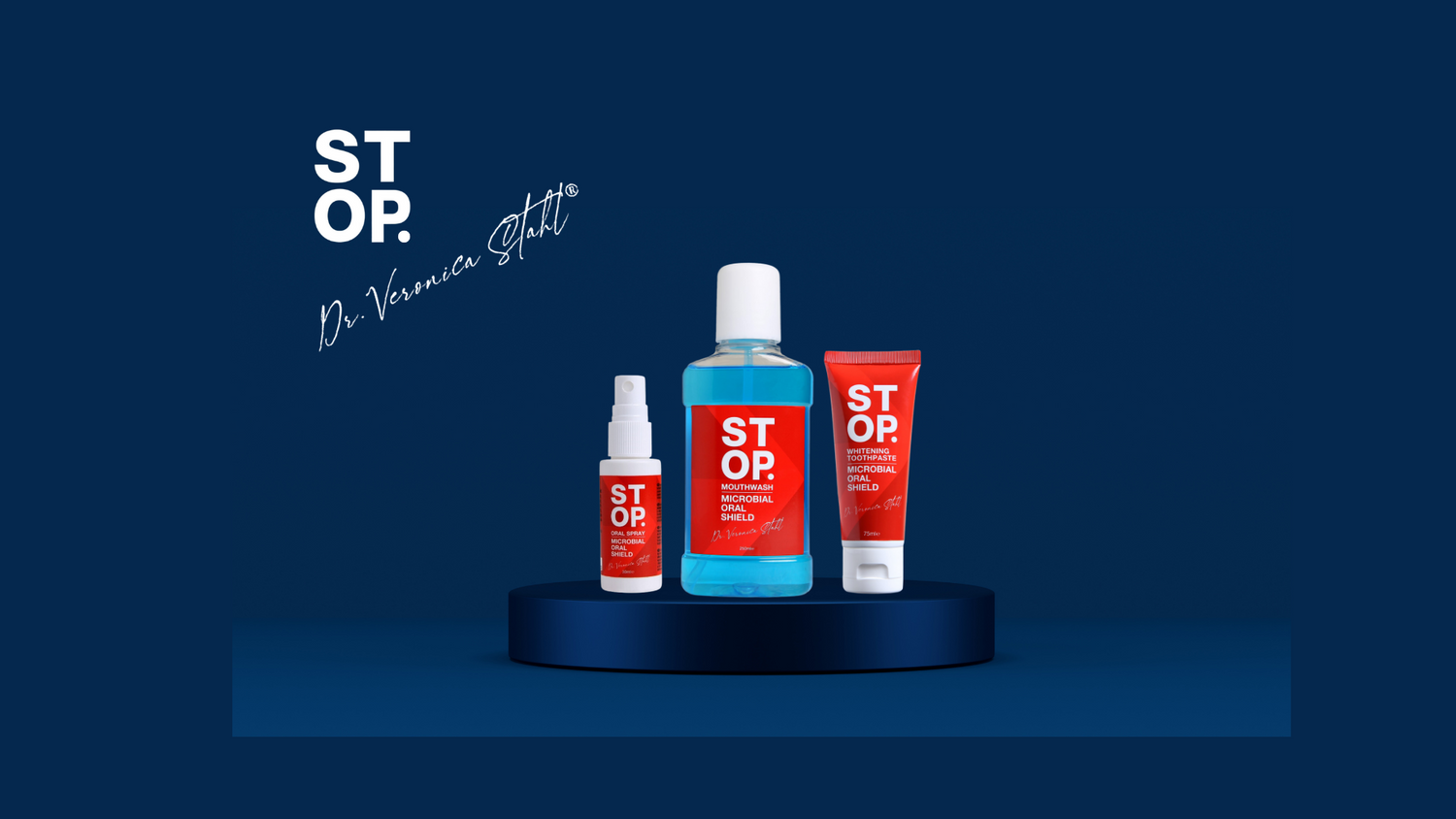
Struggling with sensitive teeth and gums means you need more than just good habits. You deserve natural, scientifically backed products that support healing without causing irritation. Our unique collection at STOP Oral Care harnesses the power of hemp and Dead Sea minerals to soothe inflammation, strengthen enamel, and protect your smile naturally. These formulations align perfectly with the article’s emphasis on gentle brushing, mineral replenishment, and avoiding harsh chemicals.

Experience the future of oral care with products designed for your sensitive needs. Visit Stop Oral Care today to explore toothpaste, mouthwash, and sprays that respect your mouth’s natural balance. Start your journey to healthier gums and reduced sensitivity now by choosing natural, effective care. Don’t wait because comfort and confidence in your smile should begin today.
Frequently Asked Questions
How often should I brush my teeth for sensitive care?
Brushing your teeth twice daily is essential for maintaining oral hygiene, especially for sensitive care. Use a soft-bristled brush and gentle technique to protect your gums and enamel while effectively removing plaque.
What type of toothpaste is ideal for sensitive teeth?
Choose natural toothpaste that minimizes irritation and is free from harsh chemicals. Look for formulations that include plant-based ingredients and minerals to address sensitivity while effectively cleaning your teeth.
How can I effectively floss without causing gum irritation?
Floss gently and carefully, using a technique that forms a C-shape around each tooth. Aim to floss daily, focusing on smooth, controlled movements to prevent gum damage while ensuring all areas are cleaned.
What should I consider when choosing a natural mouthwash?
Select a fluoride-free, alcohol-free natural mouthwash that contains essential oils and herbal extracts for antibacterial properties. Use it after brushing and flossing to enhance gum health and freshen breath effectively.
How can my diet affect my tooth sensitivity?
Limit sugar and acidic foods that erode enamel and exacerbate sensitivity. Aim to keep sugar intake below 5 to 10 percent of your daily calories and consume acidic foods only during meals to minimize their impact on your teeth.
Why is it important to visit my dentist regularly?
Regular dental checkups are crucial for early detection of potential issues that may cause sensitivity. Schedule visits every six months to catch problems early and maintain optimal oral health.