

Most American and British dental products still rely on abrasive formulas that can silently contribute to tooth sensitivity. For health-conscious individuals in the UK, seeking gentle, fluoride-free, non-abrasive toothpaste is more than a trend—it’s about preserving delicate enamel and embracing natural personal care. With over 40 percent of sensitive teeth cases linked to abrasive brushing and harsh pastes, discovering safer, kinder alternatives can make daily oral care both effective and aligned with your values.
Table of Contents
- What Is Non-Abrasive Toothpaste? Core Definition
- Types Of Non-Abrasive Toothpaste Explained
- Key Ingredients And How They Work
- Benefits For Sensitive And Delicate Enamel
- Comparing Non-Abrasive And Abrasive Toothpaste
Key Takeaways
| Point | Details |
|---|---|
| Non-Abrasive Toothpaste Definition | Non-abrasive toothpaste is designed to protect sensitive teeth while providing effective cleaning, minimizing friction to reduce enamel wear. |
| Types of Formulations | Includes nano-hydroxyapatite, herbal, and biomimetic toothpastes, each targeting specific dental concerns without causing damage. |
| Key Ingredients’ Functionality | Ingredients like potassium nitrate and nano-hydroxyapatite provide targeted relief for sensitivity while aiding in enamel repair. |
| Comparison with Abrasive Toothpaste | Non-abrasive toothpastes prioritize long-term dental health and preservation of enamel over immediate stain removal results. |
What Is Non-Abrasive Toothpaste? Core Definition
Non-abrasive toothpaste represents a specialized dental care solution designed to protect sensitive teeth while providing gentle yet effective cleaning. Unlike standard toothpastes that can cause microscopic damage, low-abrasivity formulations minimize friction during brushing, reducing potential wear on tooth enamel and underlying dentin.
At its core, non-abrasive toothpaste is scientifically measured using the Relative Dentin Abrasivity (RDA) scale, which categorizes products based on their potential for tooth surface interaction. Products scoring between 0 and 70 are considered low-abrasive, making them ideal for individuals with sensitive dental conditions. These specialized toothpastes focus on balancing thorough cleaning with minimal mechanical stress, particularly beneficial for people experiencing tooth sensitivity or those with dental restorations.
The primary goal of non-abrasive toothpaste is protecting exposed tooth surfaces while still effectively removing plaque and preventing bacterial buildup. By utilizing gentler cleaning agents and lower concentrations of abrasive materials, these formulations ensure comprehensive oral hygiene without compromising tooth structure. Dental professionals often recommend such toothpastes for patients with receding gums, recent dental work, or inherently sensitive teeth.
Pro tip: When selecting a non-abrasive toothpaste, always check the RDA rating and look for products specifically marketed for sensitive teeth to ensure maximum protection and comfort.
Types Of Non-Abrasive Toothpaste Explained
Non-abrasive toothpaste encompasses several specialized formulations designed to protect sensitive teeth while maintaining optimal oral hygiene. Modern toothpaste technologies have evolved to include innovative ingredients that address specific dental concerns without causing mechanical damage to tooth surfaces.
These formulations typically fall into distinct categories based on their primary protective mechanisms. Nano-hydroxyapatite toothpastes represent one advanced category, utilizing microscopic mineral particles that help remineralize tooth enamel and reduce sensitivity. Herbal and plant-based non-abrasive toothpastes offer another approach, incorporating natural ingredients like aloe vera, chamomile, and green tea extracts that provide gentle cleaning and anti-inflammatory properties without harsh abrasive agents.
Another significant category includes biomimetic toothpastes engineered to mimic natural tooth protection processes. These specialized formulations often contain calcium phosphates and advanced antibacterial agents that support tooth structure while preventing plaque buildup. Sensitive tooth formulations typically use potassium nitrate or strontium chloride to block pain signals and protect exposed dental nerves, making them ideal for individuals experiencing heightened tooth sensitivity.
Pro tip: Carefully read ingredient labels and look for toothpastes with RDA ratings below 70 to ensure you’re selecting a truly non-abrasive dental care product.
Key Ingredients And How They Work
Non-abrasive toothpastes utilize a sophisticated blend of ingredients designed to protect and nurture dental health without causing mechanical damage. Toothpaste composition involves carefully selected components that balance cleaning effectiveness with tooth surface preservation, addressing multiple oral care needs simultaneously.
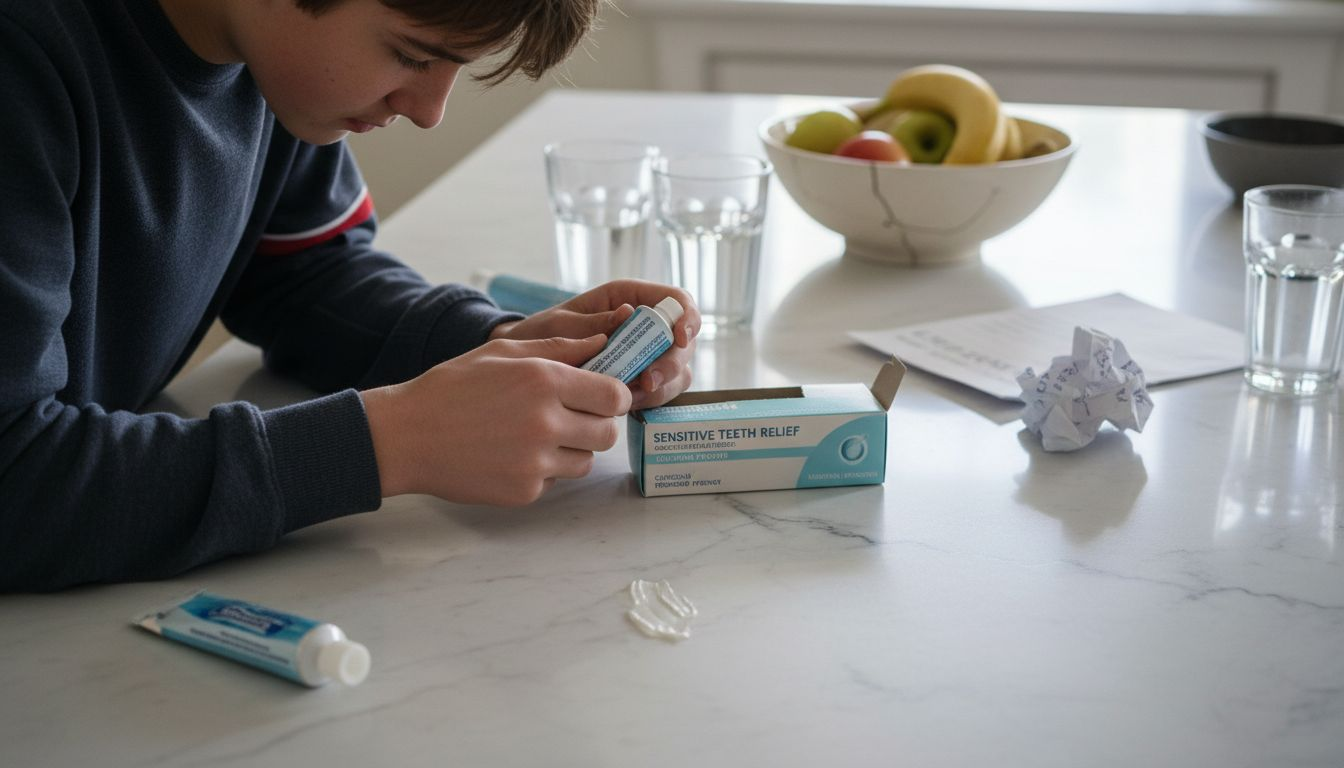
Key active ingredients in non-abrasive formulations typically include potassium nitrate, which helps block pain signals in sensitive teeth, and nano-hydroxyapatite, a microscopic mineral that aids in remineralization and enamel repair. Natural binding agents like xanthan gum provide texture and stability without introducing harsh abrasive elements. Herbal extracts such as chamomile and aloe vera contribute additional soothing properties, helping to reduce inflammation and support overall gum health.
Sensitivity-reducing ingredients play a crucial role in these specialized toothpastes. Advanced dental formulations often incorporate stannous fluoride or calcium phosphate compounds that effectively seal dentinal tubules, preventing external stimuli from triggering pain responses. These ingredients work by creating a protective barrier over exposed nerve endings, allowing individuals with sensitive teeth to enjoy food and beverages without discomfort.
Pro tip: Look for toothpastes containing potassium nitrate or nano-hydroxyapatite if you experience tooth sensitivity, as these ingredients provide targeted relief and protection.
Here’s a summary of core ingredients found in non-abrasive toothpastes and their specific dental benefits:
| Ingredient | Primary Function | Benefit for Sensitive Teeth |
|---|---|---|
| Potassium nitrate | Blocks pain signals | Reduces sensitivity instantly |
| Nano-hydroxyapatite | Remineralizes enamel | Repairs and strengthens tooth surface |
| Calcium phosphate | Creates protective barrier | Prevents discomfort from stimuli |
| Aloe vera extract | Soothes gum tissue | Eases inflammation and irritation |
| Xanthan gum | Maintains paste texture | Prevents abrasive friction |
Benefits For Sensitive And Delicate Enamel
Non-abrasive toothpastes offer a revolutionary approach to protecting sensitive and delicate tooth enamel, addressing the unique challenges faced by individuals with heightened dental sensitivity. Gentle cleaning techniques provide a critical defense mechanism against enamel erosion, ensuring long-term dental health while minimizing potential damage caused by traditional abrasive formulations.
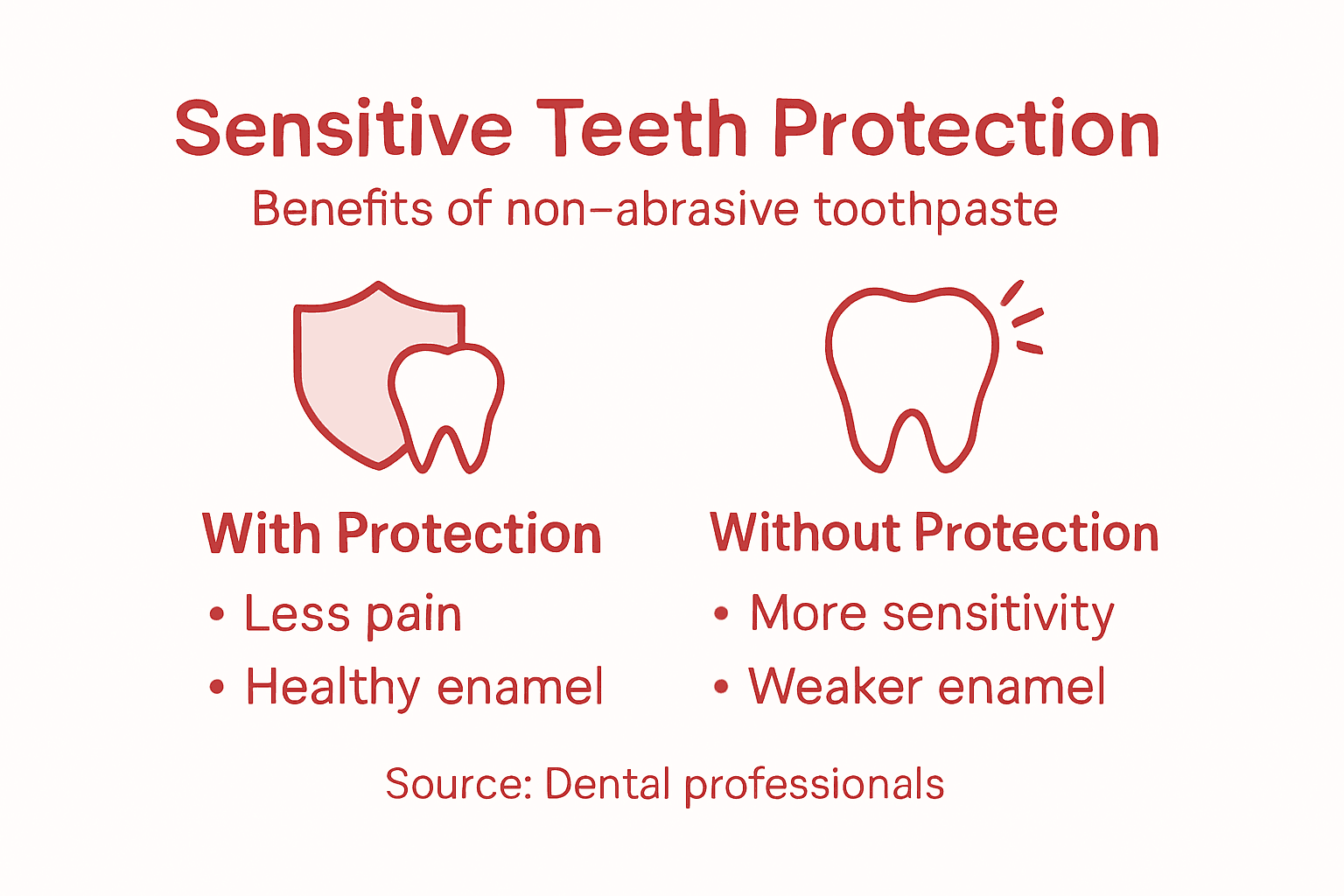
These specialized toothpastes work by creating a protective barrier over exposed dental surfaces, effectively reducing the pain and discomfort associated with sensitive teeth. The microscopic particles in non-abrasive formulations help seal dentinal tubules, preventing external stimuli like temperature changes and acidic foods from triggering sharp, uncomfortable sensations. By utilizing advanced mineral compounds and gentle cleaning agents, these toothpastes can actually help repair and strengthen enamel surfaces that have been weakened by previous aggressive brushing techniques.
Clinical research demonstrates remarkable benefits for individuals with compromised dental structures. Bioactive toothpaste technologies have shown significant potential in reducing dentin hypersensitivity, with some studies indicating substantial improvements in patients experiencing chronic tooth sensitivity. The key advantage lies in their ability to promote natural enamel repair while providing effective cleaning without mechanical abrasion, making them an ideal solution for people with receding gums, recent dental work, or inherently sensitive tooth structures.
Pro tip: Choose toothpastes with nano-hydroxyapatite or potassium nitrate to provide maximum protection and relief for sensitive dental surfaces.
Comparing Non-Abrasive And Abrasive Toothpaste
The fundamental difference between non-abrasive and abrasive toothpastes lies in their potential impact on dental health and tooth structure. Profilometric analysis reveals that toothpaste abrasivity directly correlates with the concentration of abrasive particles like hydrated silica, which determines the cleaning efficacy and potential for enamel damage.
Abrasive toothpastes excel at removing surface stains and tartar, utilizing harder particles that mechanically scrub tooth surfaces. However, this aggressive approach comes with significant drawbacks. Comparative dental research demonstrates that abrasive formulations cause greater enamel surface roughness and microhardness reduction, potentially increasing tooth sensitivity and vulnerability to future damage. In contrast, non-abrasive toothpastes prioritize tooth preservation, using gentler cleaning mechanisms that protect enamel integrity while still maintaining effective oral hygiene.
The trade-offs between these two toothpaste types are nuanced. Abrasive toothpastes provide more immediate visual results like stain removal, making them attractive for those seeking quick cosmetic improvements. Non-abrasive alternatives focus on long-term dental health, employing advanced mineral compounds and gentle cleaning agents that support natural tooth remineralization and protect sensitive dental surfaces without causing mechanical wear.
Pro tip: Select toothpastes with RDA (Relative Dentin Abrasivity) ratings below 70 to minimize potential enamel damage while maintaining effective cleaning.
This table compares non-abrasive and abrasive toothpastes across key features and long-term impact:
| Feature | Non-Abrasive Toothpaste | Abrasive Toothpaste |
|---|---|---|
| Cleaning mechanism | Gentle chemical agents | Mechanical scrubbing particles |
| Effect on enamel | Preserves and repairs | May cause surface roughness |
| Target user | Sensitive or restored teeth | Stain removal, cosmetic use |
| Long-term dental impact | Supports overall tooth health | Potential enamel wear over time |
Protect Your Sensitive Teeth with Natural, Non-Abrasive Care
If you struggle with tooth sensitivity or worry about enamel erosion from abrasive toothpastes, it is time to explore gentle yet effective dental care solutions. The article highlights how non-abrasive toothpaste protects delicate enamel and blocks painful stimuli with ingredients like potassium nitrate and nano-hydroxyapatite. Understanding these benefits is key to maintaining your oral health without causing harm.
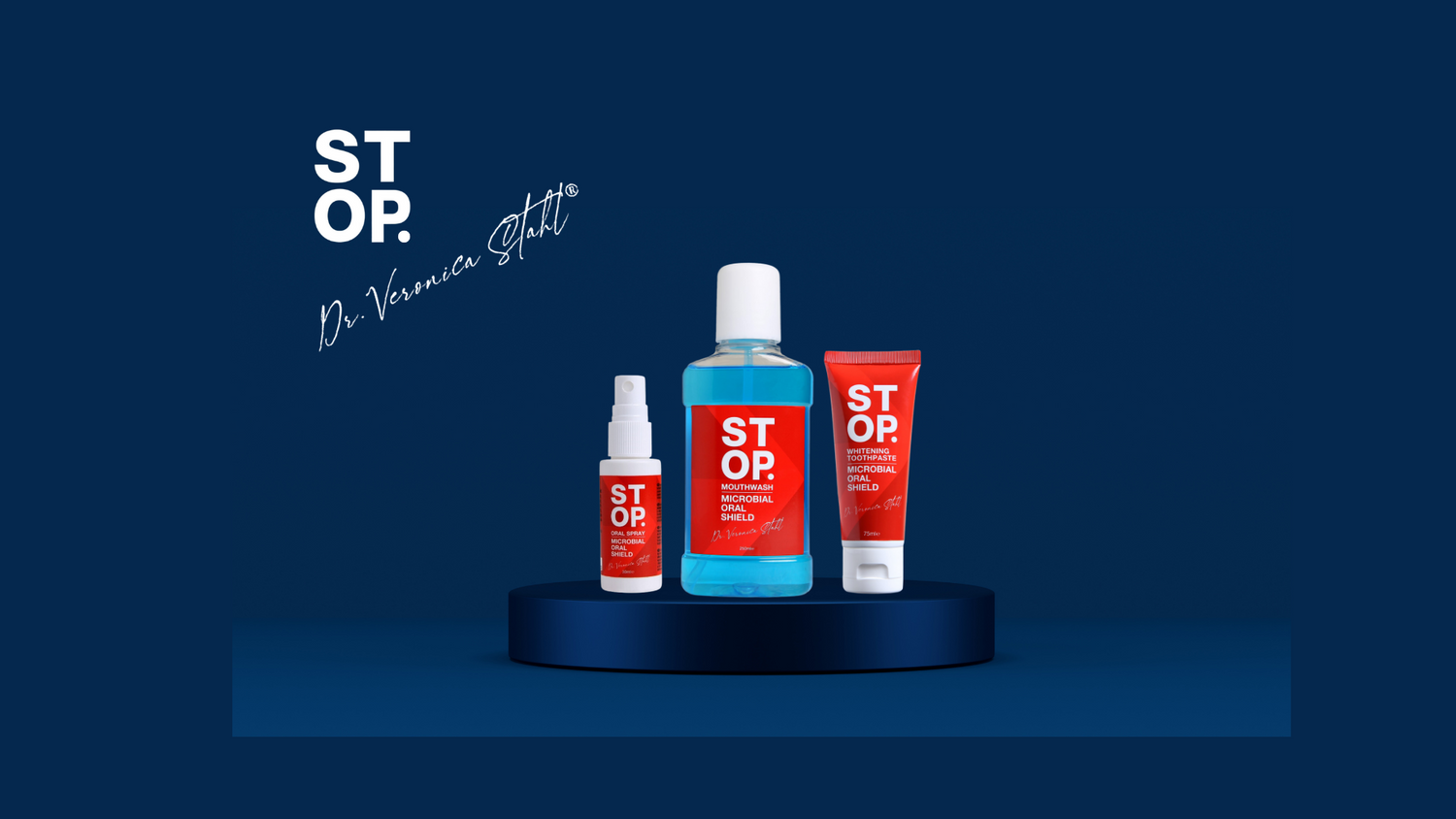
At STOP Oral Care, we offer a unique line of fluoride-free, natural oral care products infused with hemp and Dead Sea minerals specifically designed to soothe sensitive teeth and support enamel repair. Our formulations align perfectly with the article’s emphasis on protecting sensitive dental surfaces and minimizing mechanical wear through scientifically backed ingredients.
Experience the difference of non-abrasive toothpaste that works naturally for your sensitive teeth. Visit our Home Page now to browse innovative products grounded in trusted science and nature. Don’t wait to protect your smile—start your gentle oral care routine today at STOP Oral Care.
Frequently Asked Questions
What is non-abrasive toothpaste?
Non-abrasive toothpaste is a specialized dental product designed to clean teeth gently without causing damage to tooth enamel. It minimizes friction during brushing and focuses on protecting sensitive teeth while removing plaque.
How do I choose a non-abrasive toothpaste?
When selecting a non-abrasive toothpaste, check the Relative Dentin Abrasivity (RDA) rating; products below 70 are typically considered low-abrasive. Look for formulations specifically marketed for sensitive teeth to ensure maximum comfort and protection.
What are the benefits of using non-abrasive toothpaste for sensitive teeth?
Non-abrasive toothpaste creates a protective barrier over exposed dental surfaces, reducing pain and discomfort associated with sensitivity. It also helps remineralize the enamel, repair damage, and support overall dental health without mechanical abrasion.
How does non-abrasive toothpaste differ from abrasive toothpaste?
Non-abrasive toothpaste uses gentler cleaning agents that preserve tooth enamel and prevent sensitivity, while abrasive toothpaste contains harder particles that can remove stains but may lead to enamel wear and increased sensitivity over time.
Recommended
- Choosing Toothpaste Without Fluoride for Sensitive Teeth: A Practical – Stop Oral Care
- 7 Essential Oral Health Tips 2025 for Sensitive Teeth – Stop Oral Care
- Best Natural Toothpaste Without Fluoride: Top 5 Picks for a Cleaner Sm – Stop Oral Care
- 7 Essentials for a Complete Dental Care Checklist 2025 – Stop Oral Care
- Why Dairy Free Supplements Matter for Health