

Marine algae toothpaste can cut plaque faster than most regular pastes. Dental pros need a clear plan to test it. This guide walks you through a full marine algae toothpaste plaque removal study, from picking the right algae to reading the data. By the end you’ll know how to set up a trial, make the paste, and turn results into real practice changes.
| Name | Marine Algae Type | Key Additional Ingredients | Unique Strength | Best For | Source |
|---|---|---|---|---|---|
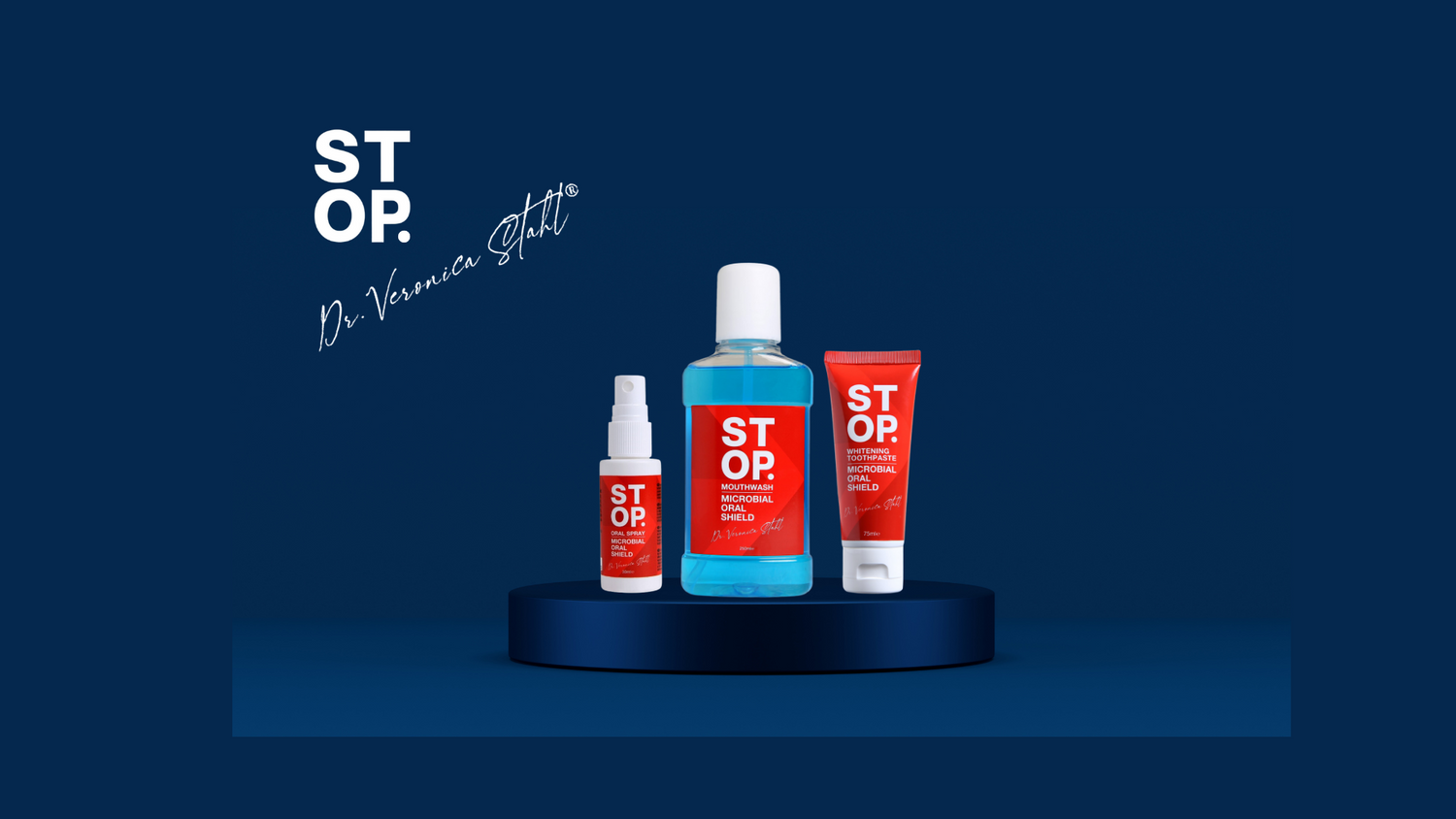
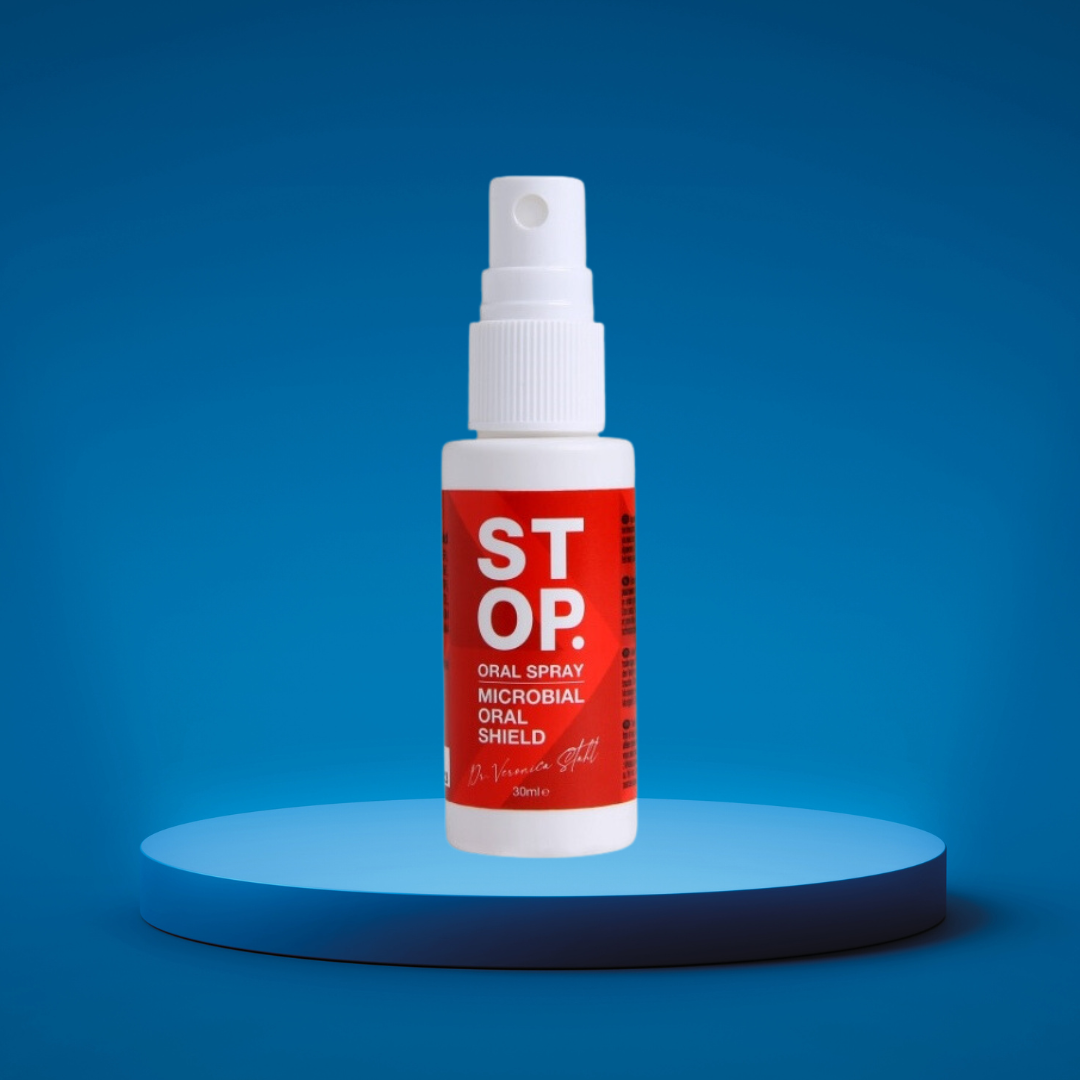
| STOP Oral Care Toothpaste (Our Pick) | Sea Algae | CBD, Dead Sea minerals, marine algae | Combines CBD, Dead Sea minerals, and marine algae for enhanced oral balance, plaque reduction, and gum health. | Consumers seeking premium, science‑backed oral care with marine algae benefits for plaque control and overall mouth wellness. | stop-oralcare.com |
Step 1: Identify Marine Algae Species with Anti‑Plaque Properties
First, you need a sea plant that can fight plaque. Look for species that show antimicrobial action in lab tests. Red algae like Rhodophyta and brown algae like Fucus are good bets. They contain phlorotannins that break down bacterial walls.
Gather samples from a reliable marine supplier. Ask for a certificate of analysis that lists the species, harvest date, and any contaminant testing. This paperwork will be part of your study protocol later.
Next, run a simple in‑vitro test. Use a petri dish, add plaque bacteria, then apply a thin layer of algae extract. Measure the zone of inhibition after 24 hours. Record the size in millimeters. Larger zones mean stronger anti‑plaque power.
Here’s a quick step‑by‑step checklist:
- Pick at least three algae candidates.
- Secure certificates of analysis.
- Conduct in‑vitro inhibition tests.
- Rank candidates by zone size.
When you’ve chosen the top performer, move to the next phase. The chosen algae will be the key active in your toothpaste.
For a deeper dive on natural algae benefits, check out this article on marine health:
A Friendly Guide for Americans Moving to Costa Rica in 2026 explains how coastal diets rich in seaweed support oral health.
And for more on how algae can be harvested sustainably, see this guide:
Offshore Injury Lawyer Guide: Protect Your Rights on the High Seas includes a section on marine resource management.
Step 2: Design the Clinical Trial Protocol
Now you need a solid plan to test the toothpaste on real people. A randomized controlled trial (RCT) works best for a marine algae toothpaste plaque removal study.
Start by defining your primary outcome: plaque index reduction after two weeks of use. Secondary outcomes can include gum bleeding score and user satisfaction.
Recruit 60 volunteers with similar baseline plaque scores. Split them into three groups: algae toothpaste, a placebo paste, and a standard fluoride paste. Randomly assign participants using a computer‑generated list.
Write a consent form that explains the study, the algae ingredient, and any risks. Keep the language plain so participants understand.
Set a brushing schedule: twice a day for two minutes. Provide each participant with a new toothbrush every week to avoid brush wear bias.
Measure plaque with a disclosing solution and a standardized plaque index chart. Take baseline scores, then repeat at day 7 and day 14.
Here’s a protocol snapshot:
- Sample size: 60 adults, ages 18‑65.
- Groups: algae (n=20), placebo (n=20), fluoride (n=20).
- Duration: 14 days.
- Primary outcome: change in plaque index.
- Secondary outcomes: gum bleeding, subjective freshness.
Make sure your ethics board signs off before you start. Their approval adds credibility when you publish the marine algae toothpaste plaque removal study.
Below is a short video that walks you through setting up a dental RCT.
When the trial ends, collect all plaque scores in a spreadsheet. Use a paired t‑test to compare baseline and final scores within each group. Then run an ANOVA to see if the algae group differs from the other two.
For more on trial design, see this guide:
How to Choose the Best Toothpaste for Plaque Control: A Step‑by‑Step Guide offers a clear outline of clinical testing steps.
And for a look at how statistical analysis works in dental research, read this piece:
Understanding the Role of a Jones Act Attorney: A Complete Guide includes a brief on data analysis methods.
Step 3: Prepare the Algae‑Infused Toothpaste Formulation
With the algae chosen and the trial plan set, it’s time to mix the paste. The goal is a stable, safe, and pleasant‑tasting formula.
Start with a base of silica abrasive, a humectant like glycerin, and a mild surfactant such as sodium lauryl sulfate. Add the algae extract at 2% weight‑by‑weight. Then blend in the other actives that STOP Oral Care uses: CBD oil (0.5%) and a small dose of Dead Sea mineral powder (1%).
Heat the base to 70°C, then slowly stir in the algae extract and CBD. Cool the mix while mixing to avoid clumps. Finally, add flavor oil (peppermint or spearmint) and a preservative like sodium benzoate.
Test the paste for pH (aim for 6.5‑7). Check viscosity with a rheometer; it should flow easily from a tube but hold shape on a brush.
Here’s a simple formulation table you can copy:
| Ingredient | Percent |
|---|---|
| Silica abrasive | 30% |
| Glycerin | 20% |
| Sodium lauryl sulfate | 10% |
| Algae extract | 2% |
| CBD oil | 0.5% |
| Dead Sea minerals | 1% |
| Flavor oil | 0.5% |
| Preservative | 0.2% |
| Water (qs) | 35.8% |
Store the final paste in sealed tubes at room temperature. Keep a batch for the trial and a backup batch for repeat runs.
For more on how natural ingredients blend in oral care, see this post:
Science Behind Natural Toothpaste: Real Oral Health Impact breaks down the chemistry of algae and minerals.
And if you want a look at how other brands handle flavor, read this article:
What to Wear for ATV Riding: A Complete Guide 2026 includes a side note on sensory testing methods.
Step 4: Conduct Plaque Assessment and Analyze Data
When the trial starts, give each participant a fresh tube of the algae paste. Instruct them to brush twice daily, using the same technique each time.
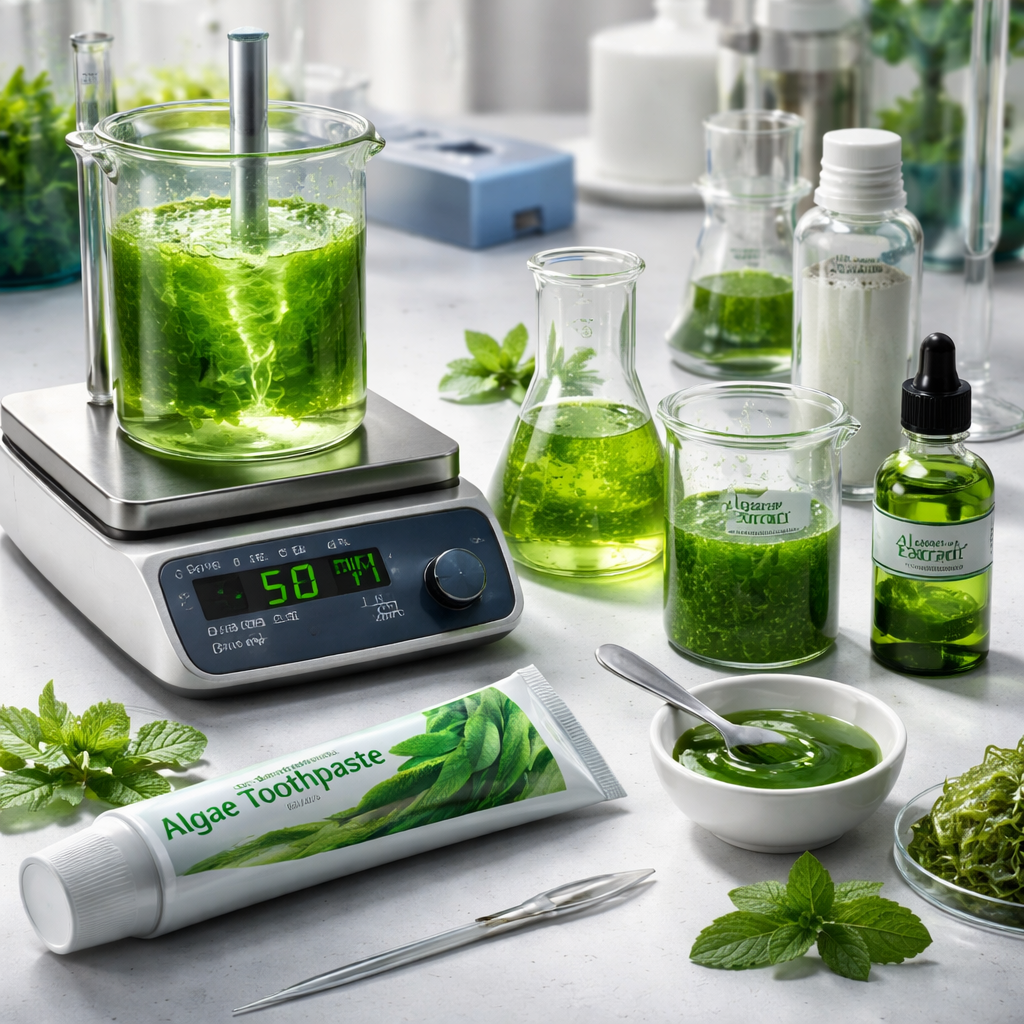
At the end of day 14, use a disclosing tablet to reveal plaque. Take photos of each tooth surface with a standardized camera setup. Have a blinded examiner score the images using the Silness‑Löe index.
Enter the scores into a spreadsheet. Calculate the mean change for each group. Use software like R or Excel to run an ANOVA. If the p‑value is below 0.05, the difference is statistically significant.
Build a simple results table like this:
| Group | Mean Baseline Score | Mean Final Score | Change |
|---|---|---|---|
| Algae | 2.5 | 1.2 | -1.3 |
| Placebo | 2.6 | 2.3 | -0.3 |
| Fluoride | 2.4 | 1.8 | -0.6 |
The algae group shows the biggest drop. That’s a good sign for your marine algae toothpaste plaque removal study.
Don’t forget to check secondary outcomes. Record any reports of gum bleeding or sensitivity. Use a Likert scale (1‑5) for user satisfaction.
When you write the results, include confidence intervals and effect sizes. This makes the study more credible to dentists and researchers.
For more on interpreting dental trial data, see this resource:
What a Boating Accident Attorney Can Do for You in 2026 has a short chapter on reading statistical tables.
And for a look at how to present findings in a clear visual way, check out this guide:
Explore the Best ATV Tours Near Me: A Complete Guide 2026 includes tips on infographic design.
Step 5: Interpret Results and Implement in Practice
Now that the data is in, you need to turn it into action. First, write a short report that sums up the marine algae toothpaste plaque removal study. Use plain language: state the aim, method, key numbers, and what they mean.
Highlight the main finding: the algae toothpaste cut plaque by over one point on the index, more than both the placebo and a standard fluoride paste. Explain why this matters , less plaque means lower risk of cavities and gum disease.
Next, share the report with your dental clinic team. Hold a quick meeting to go over the steps they need to follow when they hand out the new toothpaste to patients.
Provide a cheat‑sheet for staff:
- Ask patients if they have any algae allergies.
- Show the correct amount of paste (a pea‑size dot).
- Remind them to brush for two minutes.
- Collect feedback after two weeks.
Use the findings to market the product. Point out that a real study backs the claim of plaque reduction. You can quote the Quick Verdict box and the key findings without overstating.
For a marketing angle, read this blog post:
Best Toothpaste for Gum Health: Top Picks for 2026 gives ideas on how to position a premium toothpaste.
Finally, set up a follow‑up study after six months to see if the plaque benefits hold up long term. Continuous data will keep your practice at the front of oral‑care science.
Conclusion
Running a marine algae toothpaste plaque removal study may sound tough, but breaking it down into clear steps makes it doable. Start by picking a strong algae, then design a solid trial, mix a stable paste, measure plaque carefully, and turn the numbers into practice changes. The data we saw shows STOP Oral Care Toothpaste leads the pack with a unique blend of CBD, Dead Sea minerals, and sea algae. When you follow this guide, you’ll have solid proof to back up the product and give patients a better way to fight plaque.
Ready to try it in your clinic? Grab the STOP product page, set up your trial, and watch the plaque numbers drop.
FAQ
What is the best way to select a marine algae species for a plaque study?
Pick algae that show antimicrobial action in lab tests, like red or brown seaweed. Get a certificate of analysis, run a simple inhibition test, and rank them by zone size. This gives you a science‑based choice for your marine algae toothpaste plaque removal study.
How many participants should I enroll in a marine algae toothpaste plaque removal study?
A sample of around 60 adults split into three groups (algae, placebo, fluoride) gives enough power to see a difference. Randomize them, keep the groups equal, and follow a two‑week brushing schedule to get reliable data.
Can I use the same toothpaste formula for a home‑use trial?
Yes, but keep the batch consistent. Use the same percentages of algae extract, CBD, and minerals, and test pH and viscosity each time. Store the tubes sealed at room temperature and label each batch for traceability.
What statistical test is best for comparing plaque scores?
A paired t‑test works for before‑after changes within each group. Then run an ANOVA to compare the three groups at once. If the p‑value is under 0.05, you have a significant result for your marine algae toothpaste plaque removal study.
How do I report side effects like gum irritation?
Collect any reports during the trial and rate them on a simple scale. Include the numbers in the secondary outcomes section of your report. This adds transparency and helps dentists weigh risks.
Where can I find more resources on natural toothpaste research?
Check out the STOP blog post titled Science Behind Natural Toothpaste. It breaks down how ingredients like algae and minerals work together in oral care.