

Choosing the right toothpaste often means sorting through confusing labels and bold marketing promises that leave European shoppers guessing about what’s truly natural and effective. The line between genuine oral care and clever branding gets blurry, especially when fluoride-free and synthetic-free claims catch your attention. This guide clears up misconceptions, highlights the science behind plant and mineral ingredients, and shows you what matters most in a truly natural toothpaste formula.
Table of Contents
- Defining Natural Toothpaste And Key Misconceptions
- How Plant And Mineral Ingredients Work
- Types Of Natural Toothpaste Formulations
- Benefits Of Hemp And Dead Sea Minerals
- Comparing Natural Vs Conventional Toothpaste
- Risks, Safety, And What To Avoid
Key Takeaways
| Point | Details |
|---|---|
| Natural Toothpaste Definition | Natural toothpaste lacks strict regulation, often substituting synthetic ingredients with plant-derived compounds and minerals. |
| Common Misconceptions | Many believe natural means safer and more effective, yet not all natural ingredients guarantee safety or efficacy. |
| Ingredient Benefits | The combination of plant extracts and mineral abrasives can provide effective plaque removal and oral health benefits without harsh chemicals. |
| Consumer Vigilance | Transparency in ingredient sourcing and clinical support is crucial for consumers to differentiate genuine natural products from marketing claims. |
Defining Natural Toothpaste and Key Misconceptions
Natural toothpaste represents a fundamentally different approach to oral care, yet the term itself carries no strict regulatory definition. Manufacturers typically avoid synthetic ingredients like sodium lauryl sulfate (SLS), artificial sweeteners, synthetic colors, and antimicrobial agents such as triclosan. Instead, formulations rely on plant-derived compounds and mineral ingredients to clean teeth and promote oral health.
The regulatory vacuum creates both opportunity and confusion. Unlike pharmaceuticals or approved fluoride products, natural toothpastes operate in a space with minimal oversight, meaning ingredient quality and efficacy can vary dramatically between brands. Understanding what actually qualifies as “natural” becomes critical for consumers seeking genuine alternatives rather than marketing claims.
Common Misconceptions About Natural Toothpaste
One widespread misconception assumes all natural toothpastes lack fluoride because they avoid synthetic ingredients. Reality proves more nuanced. While many natural formulations exclude fluoride, alternatives like nano-hydroxyapatite and xylitol show promise for cavity prevention and enamel remineralization, offering fluoride-free options with emerging clinical support.
Consumers often believe natural ingredients automatically mean superior safety. However, organic toothpastes contain around 156 different ingredients classified as active or inactive components, with some linked to adverse effects. Natural origin does not automatically guarantee biocompatibility or safety for all users.
Another misconception suggests natural toothpastes cannot effectively clean teeth without harsh chemical agents. The evidence contradicts this. Plant-derived abrasives and mineral compounds successfully remove plaque and surface stains when properly formulated. The key difference lies in mechanism rather than effectiveness.
Many consumers also assume the environmental impact difference is substantial. While natural toothpastes typically feature more degradable ingredients, claims about environmental superiority require careful scrutiny. Understanding why synthetic ingredients exist in conventional toothpaste provides context for evaluating these differences.
What separates credible natural toothpaste from marketing hype is transparent ingredient sourcing, published clinical data, and honest acknowledgment of limitations. The absence of regulatory definition demands consumer vigilance.
Pro tip: Check ingredient lists for specific active compounds like hydroxyapatite, calcium carbonate, or xylitol rather than relying on vague “natural formula” claims, as these components offer measurable oral health benefits.
How Plant and Mineral Ingredients Work
Natural toothpaste derives its cleaning power from two distinct ingredient categories that work through different mechanisms. Plant-based compounds tackle bacteria and inflammation, while mineral abrasives handle the physical removal of plaque and stains. Understanding how each category functions reveals why natural formulations can deliver genuine oral health benefits without synthetic chemicals.
Plant extracts bring antimicrobial and anti-inflammatory action to your mouth. Herbal ingredients like neem, clove, aloe vera, and tea tree oil provide antibacterial properties that reduce bacterial biofilms responsible for plaque formation. These compounds simultaneously soothe irritated gum tissue and combat inflammation, addressing problems at their source rather than masking symptoms. Antioxidant properties in these plants protect oral tissues from oxidative stress.
How Mineral Abrasives Clean Teeth
Mineral components handle mechanical cleaning through gentle abrasion. Calcium carbonate and hydrated silica particles work like tiny brushes, dislodging food debris and surface stains without damaging enamel. The abrasivity level matters significantly for safety, which is why clinical evaluation ensures these formulations maintain appropriate pH levels and particle size to prevent tissue irritation.
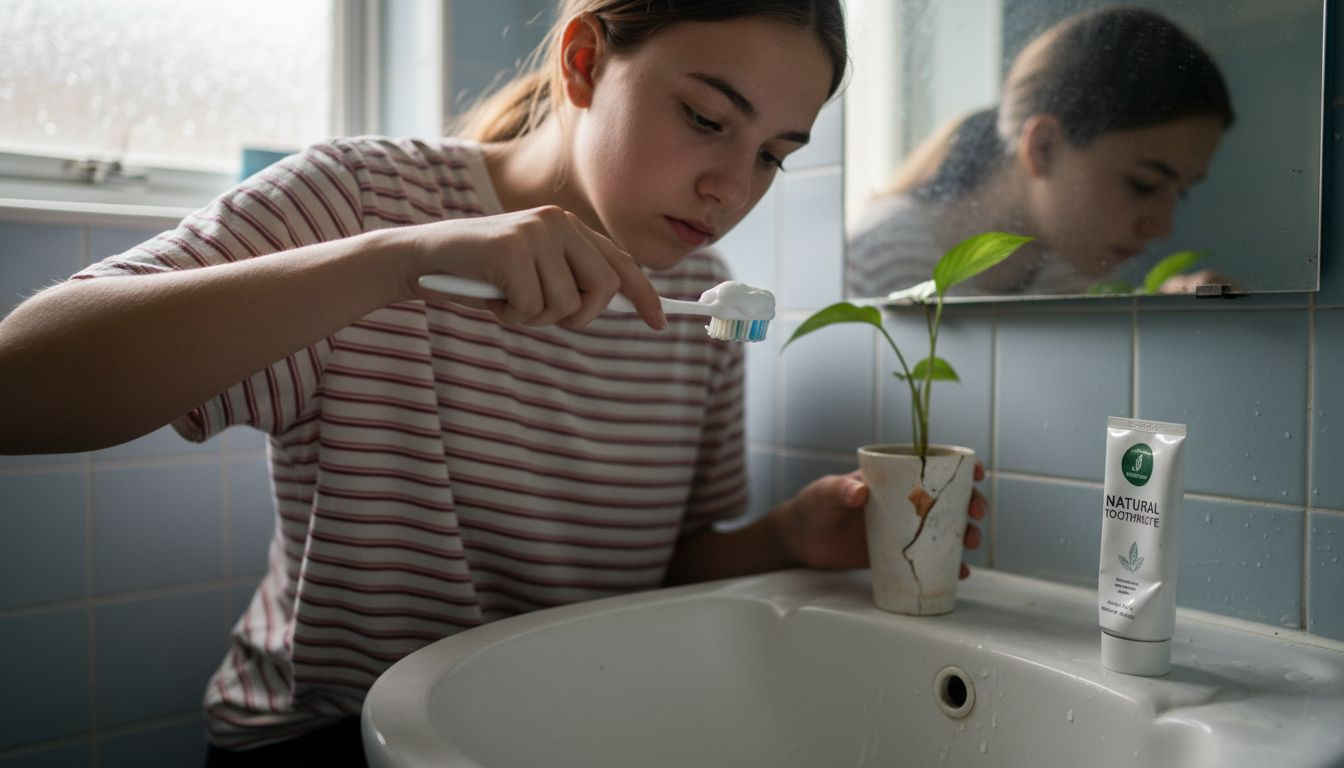
Baking soda, mineral clays, and nano-hydroxyapatite represent mineral ingredients with specific benefits. Baking soda neutralizes acids that weaken enamel. Mineral clays provide trace minerals while adding gentle polish. Nano-hydroxyapatite functions as a biomimetic material, literally mimicking your tooth’s natural structure and enabling genuine enamel remineralization rather than just surface cleaning.
The real power emerges when plant and mineral ingredients work together synergistically. Plant-derived antimicrobials reduce bacterial populations while minerals physically remove them. Anti-inflammatory plant compounds support healing while abrasive minerals clean away irritants. This cooperative approach explains why natural formulations with proper ingredient selection match or exceed conventional toothpaste effectiveness in clinical evaluations.
Binders and thickeners complete the formula by stabilizing the paste, ensuring ingredients remain uniformly distributed. The combination of antimicrobial activity, anti-inflammatory support, and mechanical cleaning power creates a comprehensive oral care system operating entirely through natural mechanisms.
Here’s how common natural toothpaste ingredients differ in their primary oral health roles:
| Ingredient Type | Main Function | Key Example | Oral Health Benefit |
|---|---|---|---|
| Mineral Abrasives | Physical plaque removal | Calcium carbonate | Cleans enamel, removes stains |
| Plant Extracts | Antimicrobial action | Neem, tea tree | Reduces bacterial biofilm |
| Enamel Builders | Remineralization | Nano-hydroxyapatite | Repairs and strengthens enamel |
| Hydrators/Soothers | Gum tissue support | Aloe vera | Soothes inflammation, hydrates |
Pro tip: Look for toothpastes containing both plant extracts and nano-hydroxyapatite or calcium carbonate, as this combination delivers antimicrobial protection plus enamel-strengthening benefits in a single product.
Types of Natural Toothpaste Formulations
Natural toothpaste comes in several distinct formulations, each designed to address specific oral health needs and consumer preferences. The variety reflects ongoing research into plant-based alternatives and mineral compounds that can deliver results comparable to conventional products. Understanding these categories helps you select the formulation that matches your individual requirements.
Herbal Formulations
Herbal toothpastes feature plant extracts such as neem, clove, aloe vera, peppermint, and tea tree oil for their medicinal properties. These formulations leverage antibacterial and anti-inflammatory effects to address plaque and gum health simultaneously. They appeal to consumers seeking traditional remedies combined with modern oral care science.
Fluoride-Free Remineralization Options
Many natural formulations replace synthetic fluoride with alternative remineralization agents. Nano-hydroxyapatite and baking soda serve as primary substitutes, offering fluoride-free protection without sacrificing enamel-strengthening capability. These options particularly appeal to European consumers concerned about fluoride exposure while maintaining cavity prevention.
Charcoal and Baking Soda Formulas
Charcoal-based formulations gained popularity for whitening claims, while baking soda formulas emphasize natural alkalinity. Research shows these types provide some plaque reduction benefits, though with less pronounced effects compared to herbal alternatives. They work well for surface cleaning and mild stain removal.
Comparative Effectiveness
Comparative studies categorizing different toothpaste types reveal important distinctions in clinical efficacy. Herbal formulations significantly reduce plaque and gingival inflammation, demonstrating that natural does not mean sacrificing effectiveness. The active ingredients present determine actual clinical results, not the marketing label.
Natural binders and flavorings complete these formulations, maintaining consistency and user acceptability without synthetic additives. Each type incorporates natural abrasives calibrated to clean effectively while respecting enamel integrity. The diversity of options means you can match formulation type to your specific oral health priorities.
This table highlights key differences between herbal, fluoride-free, and charcoal natural toothpaste types:
| Toothpaste Type | Star Ingredient | Main Benefit | Ideal For |
|---|---|---|---|
| Herbal Formulation | Neem, clove | Reduces gum inflammation | Sensitive gums, natural remedies |
| Fluoride-Free Remin. | Nano-hydroxyapatite | Strengthens enamel | Fluoride-averse, cavity prevention |
| Charcoal/Baking Soda | Activated charcoal | Surface stain removal | Teeth whitening, mild abrasivity |
Pro tip: Select herbal formulations with nano-hydroxyapatite if you prioritize both cavity prevention and gum health, as this combination demonstrates superior clinical results in reducing both plaque and inflammation.
Benefits of Hemp and Dead Sea Minerals
Hemp and Dead Sea minerals represent two of the most scientifically validated natural ingredients available for oral health. These components address multiple oral health challenges simultaneously through distinct yet complementary mechanisms. Understanding their benefits explains why European health-conscious consumers increasingly seek products combining these powerful natural substances.
Dead Sea Minerals for Oral Health
Dead Sea mineral components demonstrate antimicrobial and anti-inflammatory properties that directly address oral disease. Clinical trials show their efficacy in reducing plaque, gingival inflammation, and oral mucositis severity. Dead Sea salt formulations have achieved results comparable to conventional antiseptics like chlorhexidine while offering superior comfort and safety profiles.
These minerals actively maintain oral microbiome balance, a critical factor in periodontal disease management. Rather than decimating all bacteria indiscriminately, Dead Sea minerals support healthy microbial populations while suppressing pathogenic species. This targeted approach promotes natural oral tissue healing without the side effects associated with synthetic antimicrobials.
Hemp Seed Oil for Gum and Tooth Protection
Hemp seed oil provides anti-inflammatory, antibacterial, and antioxidant properties supporting gum health and reducing sensitivity. Rich in omega fatty acids and gamma-linolenic acid, hemp oil soothes inflamed gums while combating bacteria responsible for tooth decay. Its antioxidant power protects oral tissues from oxidative stress and supports natural whitening.
Hemp oil enhances oral hydration at the cellular level, a benefit particularly valuable for those experiencing dry mouth or sensitivity. The oil aids plaque prevention through multiple pathways simultaneously. Unlike single-action ingredients, hemp provides gentle yet effective maintenance of oral tissues throughout the day.
Synergistic Combined Benefits
When formulated together, hemp and Dead Sea minerals create a comprehensive oral care system. Dead Sea minerals handle antimicrobial and anti-inflammatory defense while hemp oil provides cellular nourishment and sensitivity relief. This combination addresses decay prevention, gum health, tissue healing, and comfort in a single natural formulation.
European consumers benefit from products featuring both ingredients because they align with preferences for scientifically supported natural solutions. The clinical evidence supporting each component provides confidence that you are using ingredients backed by research rather than marketing claims alone.
Pro tip: Use products containing both hemp seed oil and Dead Sea minerals twice daily for optimal results, as this combination targets both acute gum inflammation and long-term tissue health maintenance.
Comparing Natural vs Conventional Toothpaste
The choice between natural and conventional toothpaste involves understanding real differences in composition, efficacy, and safety profiles. Both categories deliver oral health benefits, but through distinct mechanisms and ingredient sources. Making an informed decision requires examining what research actually shows rather than relying on marketing claims.
Efficacy Comparison
Conventional toothpastes contain fluoride and chlorhexidine, proven ingredients with robust clinical evidence for cavity prevention and plaque reduction. Natural formulations exclude these synthetic compounds, instead relying on plant extracts like neem, green tea, aloe vera, and propolis that offer comparable efficacy in managing plaque-induced gingivitis. Systematic reviews demonstrate that natural alternatives achieve similar inflammation control outcomes without the same side effect profiles.
Cleaning power remains comparable between categories. Both natural and conventional products effectively remove plaque and surface stains when formulations are properly calibrated. The mechanical action of abrasives and bristles matters more than ingredient origin for basic cleaning.
Ingredient Composition Differences
Conventional toothpastes rely on synthetic chemicals like fluoride and sodium lauryl sulfate. Natural toothpastes exclude these synthetics, instead using baking soda, mineral silicas, and essential oils as core components. This fundamental difference appeals to consumers seeking fewer additives in their oral care products.
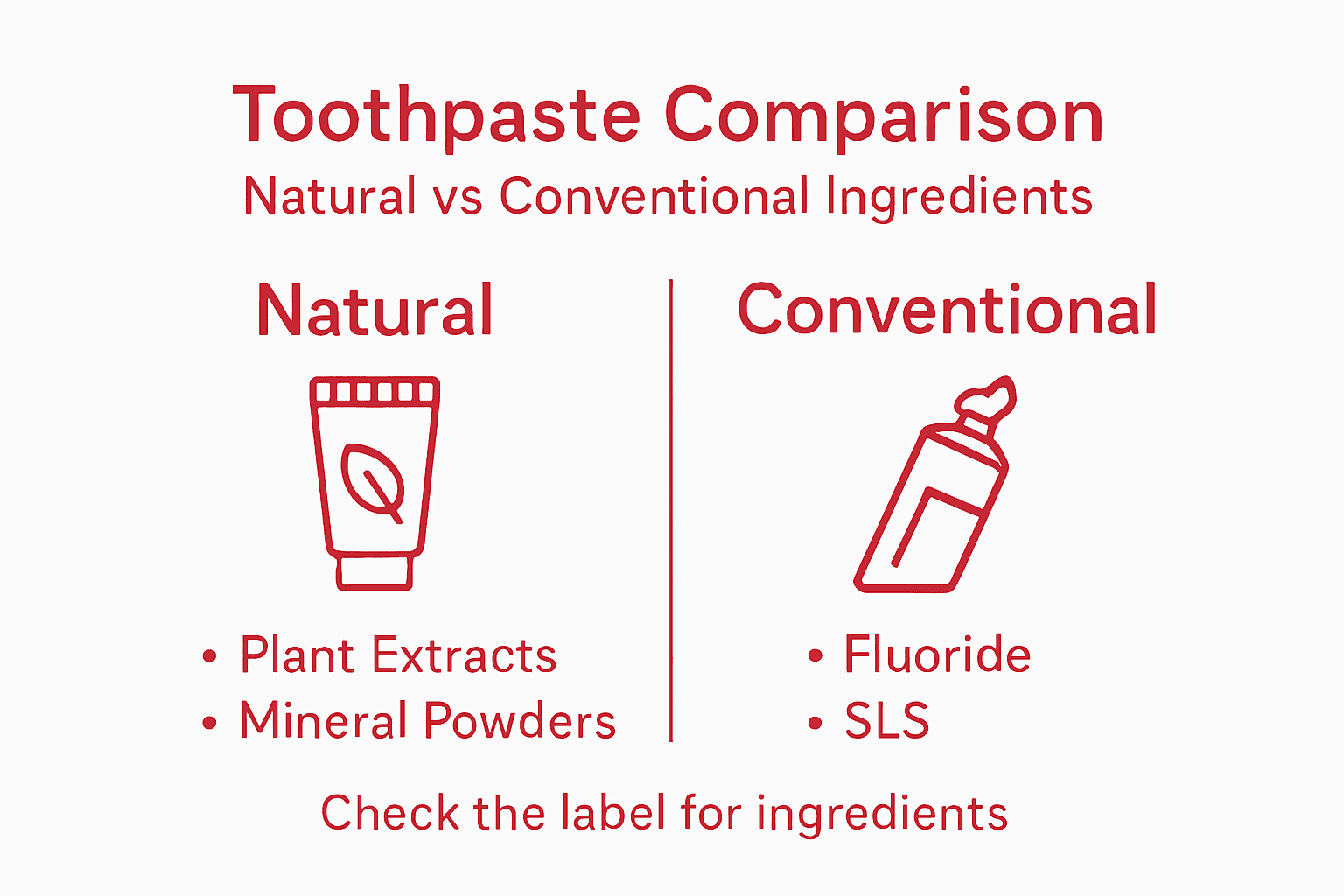
Fluoride remains the gold standard for decay prevention through enamel remineralization. Natural alternatives like nano-hydroxyapatite and xylitol show promise in emerging research, though clinical backing remains less extensive than fluoride’s decades of evidence. This distinction matters if cavity prevention represents your primary oral health concern.
Side Effects and Tolerability
Conventional products may cause staining or tissue irritation in sensitive individuals. Natural formulations provide gentler alternatives with fewer adverse effects while maintaining oral health benefits. Users experiencing sensitivity or adverse reactions to conventional products often find natural options more comfortable for daily use.
European consumers increasingly prioritize gentler formulations aligned with preferences for minimalist ingredient lists. Natural toothpastes accommodate this perspective without sacrificing effectiveness for routine cleaning and inflammation management.
Making Your Selection
Your choice depends on personal priorities. Choose conventional toothpaste if maximizing cavity prevention takes precedence. Select natural formulations if you prefer fewer synthetic ingredients, have sensitive tissues, or prioritize comfort with comparable cleaning efficacy. Comprehensive reviews of natural toothpaste options help evaluate specific products against your individual needs.
Pro tip: If you choose fluoride-free formulations, verify that your product contains nano-hydroxyapatite or xylitol rather than relying on basic abrasives alone, as these alternatives provide meaningful cavity protection without synthetic fluoride.
Risks, Safety, and What to Avoid
Natural toothpaste carries fewer risks than conventional products, but understanding potential hazards ensures you use any oral care product safely. Both natural and synthetic formulations require careful evaluation of ingredients, proper usage, and awareness of vulnerable populations. Knowledge about what to genuinely avoid protects your family from preventable harm.
Toothpaste Ingestion and Children
Toothpaste ingestion poses safety concerns, particularly for young children who may swallow rather than spit. Fluoride toxicity and dental fluorosis result from excessive ingestion, though systematic reviews show low overall systemic toxicity when toothpaste is used appropriately. Supervising children during brushing and using age-appropriate fluoride amounts prevents these risks entirely. Natural toothpastes without fluoride eliminate this specific concern, though supervision remains important.
Using a pea-sized amount for children under three years old and a rice-sized amount for ages three to six provides safe fluoride exposure while maintaining cleaning benefits. Teaching children to spit rather than swallow reduces ingestion risk significantly.
Chemicals to Avoid in Toothpaste
Certain synthetic chemicals raise legitimate safety concerns. Triclosan, parabens, and titanium dioxide trigger safety debates due to potential endocrine disruption and genotoxicity concerns. These ingredients appear more frequently in conventional formulations than natural products. Checking ingredient lists for these compounds helps you avoid them entirely.
Natural Ingredient Safety Considerations
Natural and organic toothpaste ingredients, while perceived as safer, require rigorous safety and regulatory evaluation for efficacy, potential allergenicity, and contaminants. Plant-derived components are not automatically safe simply because they originate from nature. Microbial contamination, ingredient interactions, and misleading marketing claims present real concerns requiring consumer vigilance.
Regulatory frameworks vary significantly by region, with no universal definition for “natural.” This inconsistency means products labeled natural in one country may not meet the same standards elsewhere. European regulations provide stricter oversight than some other markets, but verification through label reading remains essential.
What to Verify Before Purchase
Transparent sourcing and standardized testing distinguish trustworthy products from those making empty claims. Look for manufacturers adhering to cosmetic and health regulations with documented safety testing. Third-party certifications provide additional assurance that products meet stated standards.
Avoid products making exaggerated health claims without supporting evidence. Reputable manufacturers clearly disclose ingredient sourcing, manufacturing processes, and any relevant certifications. Reading labels carefully reveals whether companies prioritize safety or simply capitalize on natural product trends.
Pro tip: Verify that natural toothpaste products carry regulatory compliance certifications specific to your country and check the ingredient list against known allergens or substances you want to avoid, rather than assuming natural origin guarantees safety.
Discover Truly Effective Natural Oral Care Solutions
If you are looking for natural toothpaste that goes beyond vague marketing claims to deliver real oral health benefits based on scientific research, you are not alone. This article highlights the challenges of navigating natural toothpaste options and understanding key ingredients like hemp seed oil, Dead Sea minerals, and nano-hydroxyapatite that provide proven antimicrobial, anti-inflammatory, and remineralizing effects. Achieving a healthier mouth without synthetic additives requires carefully formulated products designed to work synergistically for plaque control, gum health, and enamel repair.
Explore the unique range of scientifically backed fluoride-free dental care products at STOP Oral Care. Each item features natural ingredients proven to support gum health and tooth protection safely and effectively. Ready to experience natural oral care crafted by experts like Dr. Veronica Stahl with transparent ingredient sourcing and clinical validation? Visit our Home Page 6 Stop Oral Care to browse innovative toothpastes, mouthwashes, and sprays designed for people seeking powerful, gentle, and eco-friendly oral health solutions. Take control of your dental wellbeing today at https://stop-oralcare.com.
Frequently Asked Questions
What are the main ingredients in natural toothpaste?
Natural toothpaste typically features plant-derived compounds and mineral ingredients, avoiding synthetic additives like fluoride and sodium lauryl sulfate. Common ingredients include calcium carbonate, nano-hydroxyapatite, and various herbal extracts such as neem and tea tree oil.
How does natural toothpaste effectively clean teeth without harsh chemicals?
Natural toothpaste uses gentle mineral abrasives for physical cleaning and plant-derived antimicrobials to reduce bacterial growth. These formulations provide effective plaque removal and promote oral health without using harsh synthetic chemicals.
Can natural toothpaste provide the same cavity protection as conventional toothpaste?
While traditional toothpaste often contains fluoride, natural alternatives like nano-hydroxyapatite have shown promise in cavity prevention and enamel remineralization. Though research is ongoing, many natural formulations can effectively help maintain oral health without synthetic ingredients.
Are there any safety concerns associated with using natural toothpaste?
While natural toothpaste generally carries fewer risks than conventional products, it’s important to read ingredient labels for potential allergens and contaminants. Not all natural ingredients are safe for everyone, so consumer vigilance is necessary to ensure you’re using a product that suits your needs.
Recommended
- Benefits of Natural Toothpaste for Sensitive Teeth – Stop Oral Care
- Natural Toothpaste Reviews: A Comprehensive Guide to Choosing the Best – Stop Oral Care
- Step-by-Step Guide to Choosing Fluoride-Free Toothpaste – Stop Oral Care
- Best Natural Toothpaste Without Fluoride: Top 5 Picks for a Cleaner Sm – Stop Oral Care