

Most advice about natural toothpaste gets it wrong. While many British and German consumers believe that fluoride-free options are less effective, scientific studies show that natural formulations—often inspired by American innovations—can provide powerful oral health benefits. For those with sensitive teeth or concerns about harsh chemicals, understanding the true potential and common myths of natural toothpaste is crucial. Discover which ingredients genuinely support healthy teeth and gums while sidestepping the hype.
Table of Contents
- Natural Toothpaste Explained And Common Myths
- Types And Ingredients Of Natural Toothpaste
- How Natural Toothpaste Supports Oral Health
- Safety And Effectiveness For Sensitive Teeth
- Comparing Natural With Conventional Toothpaste
Key Takeaways
| Point | Details |
|---|---|
| Natural Ingredients Matter | Natural toothpastes utilize plant-based and minimally processed ingredients known for their therapeutic benefits. |
| Scientific Validation | Research supports the effectiveness of natural toothpastes in managing oral health without harmful synthetic chemicals. |
| Gentle on Sensitivity | Formulated with botanical extracts, natural toothpastes provide a gentler solution for individuals with sensitive teeth. |
| Holistic Approach | These products not only clean teeth but also support overall oral microbiome health and address multiple dental issues. |
Natural toothpaste explained and common myths
Natural toothpaste represents an innovative approach to oral hygiene, designed to provide dental care using predominantly plant-derived and minimally processed ingredients. Unlike conventional toothpastes that rely heavily on synthetic compounds, these formulations emphasize botanical extracts, essential oils, and naturally occurring minerals that support tooth and gum health.
Contrary to popular misconceptions, natural toothpastes are not simply marketing gimmicks. Comprehensive research indicates that organic toothpaste formulations contain both active and inactive ingredients with potential medicinal benefits. These products undergo rigorous ingredient selection to ensure biocompatibility with oral tissues, addressing consumer concerns about synthetic chemical exposure while maintaining high safety standards.
Some common myths surrounding natural toothpaste require careful examination. Many consumers mistakenly believe that “natural” automatically means “more effective” or “completely chemical-free,” which is scientifically inaccurate. All toothpastes, whether synthetic or natural, contain chemical compounds. The key difference lies in the origin and processing of these ingredients. Natural toothpastes prioritize ingredients derived from plants, minerals, and other organic sources, focusing on minimizing artificial additives and potentially harmful synthetic substances.
Pro Tip: When selecting a natural toothpaste, carefully review the ingredient list and look for scientifically validated botanical compounds that offer genuine oral health benefits.
Types and ingredients of natural toothpaste
Natural toothpaste represents a sophisticated approach to oral care, characterized by its diverse range of herbal and botanical ingredients carefully selected for their therapeutic properties. Herbal extracts like neem, clove, aloe vera, tea tree oil, and peppermint offer potent antibacterial, anti-inflammatory, and antioxidant benefits, creating a comprehensive oral health solution that goes beyond traditional cleaning mechanisms.
The composition of natural toothpastes typically includes several key ingredient categories. Natural abrasives such as calcium carbonate and silica provide gentle cleaning action, while plant-based binders ensure proper consistency. Research highlights an extensive range of herbal ingredients including clove, aloe, fenugreek, turmeric, cinnamon, and liquorice, each delivering specific therapeutic effects like antimicrobial protection, inflammation reduction, and pain relief. These ingredients are meticulously processed to maintain their inherent therapeutic qualities while creating an effective dental hygiene product.
Beyond individual ingredients, natural toothpastes are distinguished by their comprehensive approach to oral health. Unlike conventional options that rely primarily on synthetic compounds, these formulations prioritize holistic ingredient selection. They address multiple dental concerns simultaneously, targeting issues like plaque formation, gum inflammation, and bacterial growth through carefully balanced botanical extracts. The goal is not just cleaning teeth, but supporting overall oral microbiome health through naturally derived compounds.
Pro Tip: Always examine the full ingredient list of natural toothpaste, focusing on scientifically validated botanical extracts and their specific therapeutic concentrations.
The following table summarizes therapeutic actions of key botanical ingredients often found in natural toothpaste:
| Botanical Ingredient | Oral Health Benefit | Typical Function |
|---|---|---|
| Neem | Controls bacteria | Antimicrobial agent |
| Clove | Reduces inflammation | Pain relief, soothing |
| Aloe Vera | Promotes healing | Tissue repair |
| Peppermint | Freshens breath | Cooling, antibacterial |
How natural toothpaste supports oral health
Natural toothpastes offer a sophisticated approach to maintaining oral health by leveraging the powerful therapeutic properties of plant-based ingredients. Scientific research demonstrates their effectiveness in managing oral microbiome balance through targeted antibacterial and anti-inflammatory mechanisms, providing a holistic alternative to conventional dental care products. These formulations work at the cellular level to combat harmful bacteria while simultaneously supporting the body’s natural healing processes.
Bioactive compounds from natural extracts like neem, clove, aloe vera, and peppermint play a critical role in oral health maintenance. These ingredients offer multiple benefits beyond traditional cleaning, including reducing plaque formation, preventing gingivitis, and promoting enamel remineralization. Unlike synthetic alternatives, natural toothpastes support the oral microbiome by gently inhibiting harmful pathogens without disrupting the delicate balance of beneficial bacteria.

The comprehensive approach of natural toothpastes extends beyond surface-level cleaning. By incorporating anti-inflammatory and antioxidant properties, these formulations address underlying oral health challenges. They help strengthen gum tissues, reduce sensitivity, and provide a protective barrier against environmental stressors. The gentle yet effective nature of these products makes them particularly suitable for individuals with sensitive teeth and those seeking a more holistic approach to dental care.
Pro Tip: Rotate between different natural toothpaste formulations to maximize the diverse therapeutic benefits of various botanical extracts.
Safety and effectiveness for sensitive teeth
Emerging research demonstrates the promising potential of herbal toothpastes in managing dental sensitivity through targeted natural ingredients. Unlike conventional treatments that often rely on synthetic compounds, natural formulations offer a gentler approach to addressing tooth sensitivity. Randomized controlled trials have shown significant reductions in dentin hypersensitivity using herbal extracts, providing scientific validation for those seeking alternative oral care solutions.
Natural toothpastes specifically designed for sensitive teeth incorporate carefully selected botanical ingredients that address underlying causes of dental discomfort. Innovative formulations utilizing ingredients like clove oil have demonstrated exceptional anti-inflammatory and antimicrobial properties, effectively treating sensitivity without the harsh side effects associated with traditional desensitizing agents. These natural compounds work by creating a protective barrier, reducing nerve exposure, and supporting overall gum health.
The safety profile of natural toothpastes for sensitive teeth is particularly noteworthy. By eliminating synthetic chemicals, artificial preservatives, and potentially irritating compounds, these formulations minimize the risk of adverse reactions. The carefully balanced pH and gentle botanical extracts ensure effective cleaning and sensitivity relief without compromising oral microbiome health. This approach is especially beneficial for individuals with chronic sensitivity, allergies, or those seeking a more holistic approach to dental care.
Pro Tip: Consult with a dental professional to identify the specific type of tooth sensitivity you experience and select a natural toothpaste with targeted botanical ingredients addressing your unique oral health needs.
Comparing natural with conventional toothpaste
Systematic research reveals significant parallels between natural and conventional toothpastes in managing oral health challenges, challenging long-held assumptions about the efficacy of herbal formulations. While conventional toothpastes have traditionally dominated the market with fluoride and synthetic compounds, natural alternatives demonstrate comparable performance in critical areas like plaque control and gingivitis prevention.
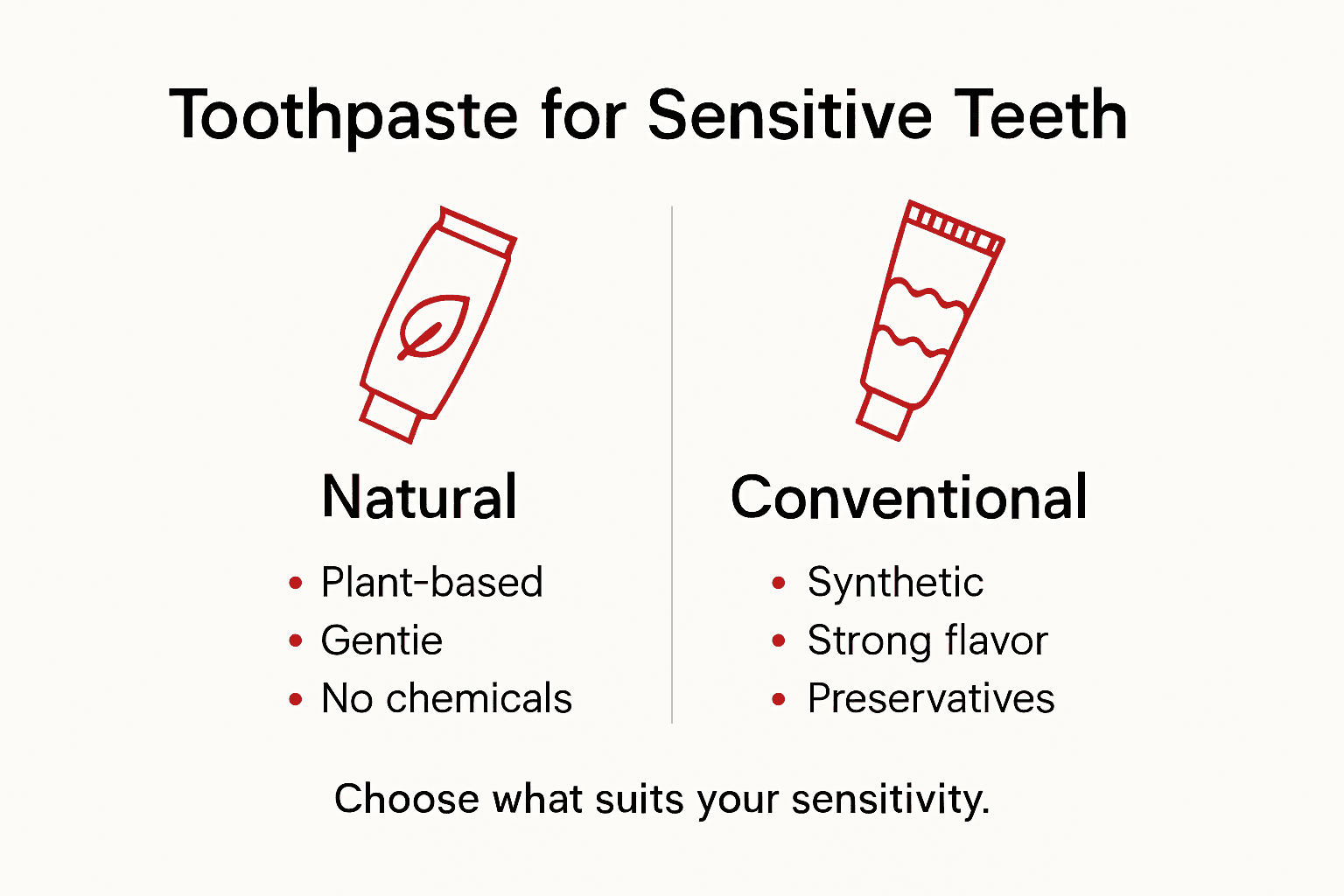
The key differences emerge in ingredient composition and potential side effects. Conventional toothpastes typically rely on synthetic chemicals like sodium fluoride, artificial preservatives, and chemical abrasives, whereas natural toothpastes leverage botanical ingredients such as neem, green tea, aloe vera, and propolis to achieve similar therapeutic outcomes. These herbal components not only clean teeth but also provide additional anti-inflammatory and antimicrobial benefits, with the significant advantage of fewer adverse reactions and greater biocompatibility.
Patient acceptance and long-term oral health represent critical considerations in this comparison. Natural toothpastes often demonstrate superior patient comfort, reduced mucosal irritation, and gentler interactions with oral tissues. Their holistic approach addresses not just surface-level cleaning but supports the entire oral microbiome. While conventional toothpastes have established efficacy, the emerging research suggests natural alternatives are not merely alternative options but legitimate, scientifically validated oral care solutions.
Here’s a concise comparison of natural vs. conventional toothpaste features and benefits:
| Feature | Natural Toothpaste | Conventional Toothpaste |
|---|---|---|
| Main Ingredients | Plant extracts, minerals | Synthetic compounds, fluoride |
| Oral Microbiome Impact | Supports beneficial bacteria | May disrupt microbiome |
| Sensitivity Relief | Gentle botanical agents | Chemical desensitizers |
| Common Side Effects | Minimal irritation | Possible mucosal reactions |
| Patient Preference | Preferred by those with allergies | Widely accepted |
Pro Tip: Consider alternating between natural and conventional toothpastes to leverage the unique benefits of both formulation approaches while maintaining comprehensive oral health protection.
Experience Gentle Relief with Natural Toothpaste for Sensitive Teeth
Struggling with tooth sensitivity can make daily oral care uncomfortable and frustrating. The article highlights how natural toothpaste with carefully selected botanical ingredients offers a gentle yet effective solution to reduce sensitivity and support overall gum health. If you want to avoid harsh synthetic chemicals while still getting proven relief, discovering targeted natural dental care is key.

Explore the innovative formulations at STOP Oral Care – Stop Oral Care where products combine hemp and Dead Sea minerals to create fluoride-free toothpaste designed for sensitive teeth. These products prioritize natural healing backed by science, helping you protect your smile without irritation. Visit our Home Page – Stop Oral Care now and take the first step toward soothing your sensitivity with safe and effective botanical oral care solutions. Learn more and shop today at https://stop-oralcare.com. Make lasting oral comfort your priority now.
Frequently Asked Questions
What are the benefits of using natural toothpaste for sensitive teeth?
Natural toothpaste can provide targeted relief for sensitivity by utilizing gentle, plant-based ingredients that address the underlying causes of dental discomfort without harsh additives. They help create a protective barrier around nerves while also supporting overall gum health.
How do natural toothpaste ingredients help reduce tooth sensitivity?
Natural toothpastes often contain ingredients like clove oil and aloe vera, which have anti-inflammatory and antimicrobial properties. These ingredients help soothe irritation, reduce inflammation, and promote healing, which can significantly decrease sensitivity in teeth.
Are natural toothpastes safer than conventional toothpastes for sensitive teeth?
Yes, natural toothpastes eliminate synthetic chemicals and artificial preservatives that can cause irritation. Their balanced pH and gentle botanical extracts ensure effective cleaning and sensitivity relief with minimal risk of adverse reactions, making them a safer alternative for those with sensitive teeth.
Can natural toothpaste effectively replace conventional toothpaste?
Emerging research suggests that natural toothpastes can effectively manage oral health challenges similar to conventional toothpaste. They provide comparable benefits in plaque control and gingivitis prevention while being gentler on the oral microbiome and overall health.
Recommended
- Choosing Toothpaste Without Fluoride for Sensitive Teeth: A Practical – Stop Oral Care
- 7 Essential Oral Health Tips 2025 for Sensitive Teeth – Stop Oral Care
- Best Natural Toothpaste Without Fluoride: Top 5 Picks for a Cleaner Sm – Stop Oral Care
- Natural Toothpaste Reviews: A Comprehensive Guide to Choosing the Best – Stop Oral Care
- Dental Coverage Abroad: Pain Relief and More for Expats