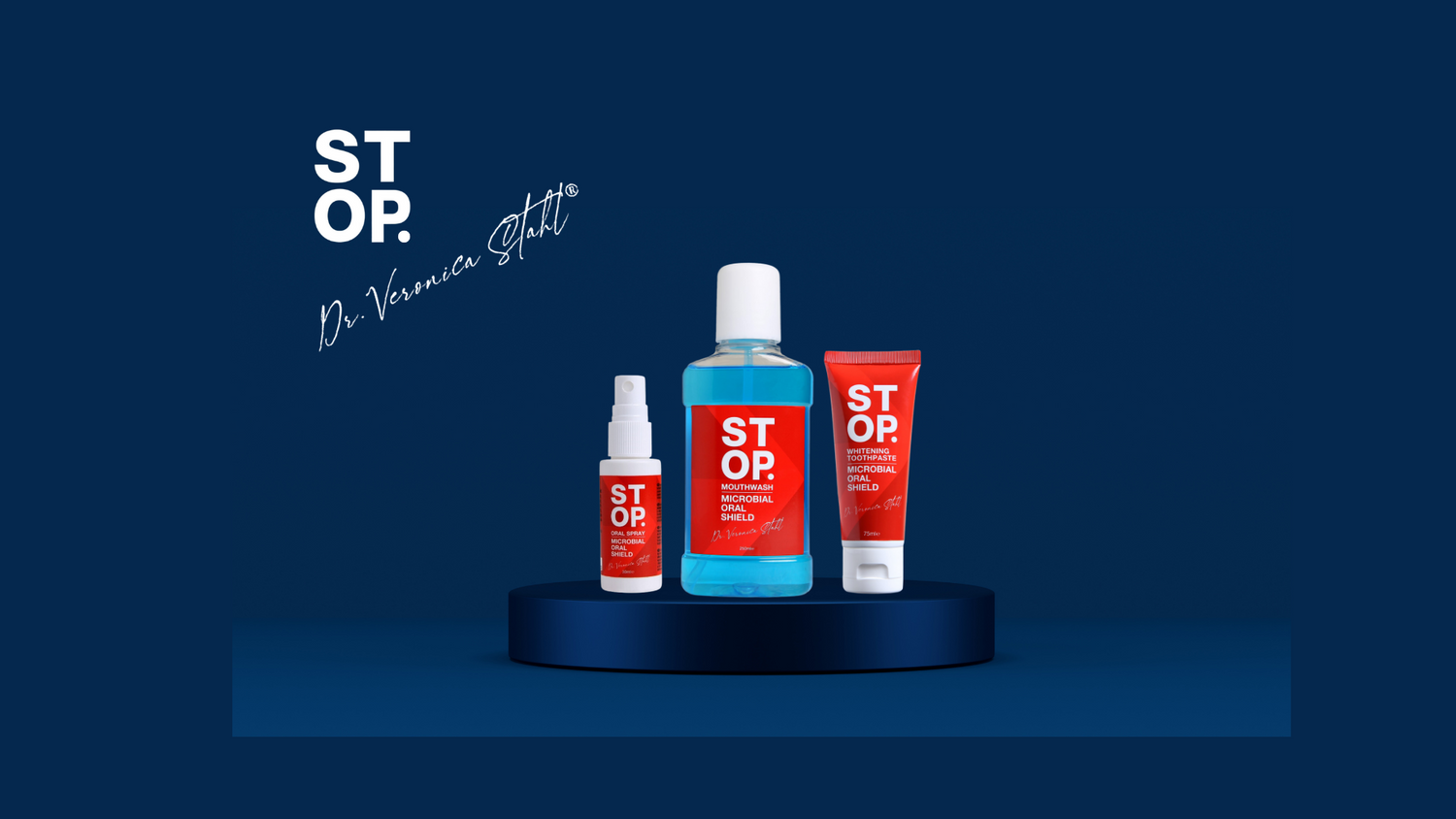


Finding gentle oral care can feel like a challenge for those in Western Europe dealing with sensitive teeth and gums. Common toothpaste additives, such as Sodium Lauryl Sulfate, are known to trigger irritation for sensitive individuals, prompting a growing search for safer alternatives. Understanding the real differences between synthetic and natural toothpaste ingredients empowers you to choose science-backed solutions that align with your health values and reduce daily chemical exposure.
Table of Contents
- Synthetic Ingredients In Toothpaste Explained
- Common Synthetics And Their Health Concerns
- How Synthetic Compounds Affect Oral Health
- Benefits Of Natural, Science-Backed Alternatives
- Comparing Natural Toothpaste Versus Conventional Brands
Key Takeaways
| Point | Details |
|---|---|
| Ingredient Awareness | Understanding ingredients in toothpaste, particularly synthetic versus natural, can help consumers make informed choices that align with their health needs. |
| Health Risks of Synthetics | Common synthetic ingredients like Sodium Lauryl Sulfate and Titanium Dioxide may pose risks such as irritation and potential accumulation in the body. |
| Benefits of Natural Ingredients | Natural toothpaste often uses safer, plant-derived ingredients that reduce sensitivity and inflammation while delivering effective cleaning. |
| Cost Considerations | While conventional toothpaste is more affordable due to mass production, natural alternatives may provide better health outcomes for sensitive individuals despite higher costs. |
Synthetic Ingredients in Toothpaste Explained
Toothpaste is far more complex than most people realize. Modern formulations contain approximately 20 distinct ingredients, each serving a specific purpose. These include active ingredients that deliver therapeutic benefits, abrasives that mechanically clean tooth surfaces, surfactants that create foam and distribute active compounds throughout your mouth, gelling agents that provide texture and consistency, buffers that maintain pH balance, flavoring agents, sweeteners, colorants, and preservatives. Understanding what these components are and why they exist helps you make informed decisions about what you’re putting in your mouth daily.
Synthetic surfactants represent one of the most common categories of chemical additives in conventional toothpaste formulations. Sodium Lauryl Sulfate (SLS) serves as the primary foaming agent in many commercial products, creating the lather that makes brushing feel effective. While manufacturers include SLS specifically because it efficiently distributes cleaning ingredients and creates the familiar foam texture consumers expect, synthetic surfactants can trigger irritation in individuals with sensitive gums or oral tissue. This is particularly problematic for people in Western Europe where oral sensitivities have become increasingly common, prompting a documented shift toward gentler, naturally derived alternatives. Beyond surfactants, synthetic preservatives like sodium benzoate and methylisothiazolinone extend shelf life but may accumulate in your system over time through repeated daily exposure. Artificial sweeteners such as saccharin add sweetness without calories, yet their long-term effects on oral microbiota remain subjects of ongoing research.
The distinction between synthetic and natural ingredient categories matters because toothpaste composition fundamentally determines effectiveness while influencing tolerability for sensitive individuals. Natural formulations typically rely on plant-derived surfactants, essential oils for flavor, and mineral-based abrasives instead of synthetic alternatives. When you choose products formulated with ingredients like hemp and Dead Sea minerals, you’re selecting compounds that have established safety profiles and work harmoniously with your oral tissue rather than potentially irritating it.
Pro tip: Read the ingredient list in order of concentration—ingredients listed first make up the largest portion of the formula, so prioritize identifying and understanding those components before evaluating less abundant additives.
Common Synthetics and Their Health Concerns
When you brush your teeth with conventional toothpaste, you’re exposing your oral tissues to chemical compounds that manufacturers never originally designed for daily contact with your mouth. The most problematic synthetic ingredients have become so normalized that most people don’t question their presence. Two substances appear repeatedly across commercial formulations: sodium lauryl sulfate (SLS) and titanium dioxide. Research investigating synthetic ingredient concentrations in toothpastes reveals these substances reach surprisingly high percentages in standard products, raising important questions about cumulative exposure effects.

Sodium lauryl sulfate creates the satisfying foam that makes brushing feel thorough, but the price of that sensation can be significant. This surfactant disrupts the protective mucus layer in your mouth, potentially triggering inflammation, mouth ulcers, and tissue sensitivity with regular use. Some people develop canker sores specifically from SLS exposure, though the connection rarely gets discussed at the pharmacy counter. Titanium dioxide serves as a whitening and opacifying agent, yet concerns about nanoparticle absorption have prompted regulatory scrutiny in several European nations. When you use a product containing titanium dioxide daily for years, questions about whether these particles accumulate in your body’s tissues become difficult to ignore. Beyond these two, synthetic preservatives like methylisothiazolinone work to prevent bacterial growth but can themselves trigger allergic contact dermatitis, particularly in individuals with sensitive skin conditions.
The cumulative effect of repeated daily exposure to multiple synthetic compounds creates what medical researchers describe as a “cocktail effect.” Your mouth absorbs substances directly into your bloodstream through its highly permeable tissues, meaning what you put in your toothpaste doesn’t simply rinse away. This matters especially for people in Western Europe experiencing rising rates of oral sensitivities and gum inflammation. Systemic toxicity concerns associated with common synthetics underscore why switching to formulations based on proven natural ingredients like hemp and Dead Sea minerals offers more than just marketing appeal. It represents a measurable reduction in your daily chemical exposure and a return to ingredients your oral tissues recognize and tolerate.
Here’s a summary of common synthetic toothpaste ingredients and their related health concerns:
| Ingredient | Main Purpose | Potential Risk | Notable Regions Affected |
|---|---|---|---|
| Sodium Lauryl Sulfate | Foaming, cleaning | Irritation, canker sores | Western Europe |
| Titanium Dioxide | Whitening, opacifying | Nanoparticle absorption risk | Europe |
| Methylisothiazolinone | Preservation | Allergic dermatitis | Global |
| Sodium Benzoate | Shelf life extension | Bioaccumulation over time | Global |
| Saccharin | Artificial sweetener | Oral microbiome disruption | Global |
Pro tip: If you experience persistent mouth ulcers, burning sensations, or gum inflammation, try switching to an SLS-free formulation for two weeks and document any changes, as many people see dramatic improvement within this timeframe.
How Synthetic Compounds Affect Oral Health
Synthetic toothpaste ingredients work through specific mechanisms that directly impact your oral tissues. Abrasives mechanically remove plaque and surface stains by creating friction against tooth surfaces. Fluorides strengthen enamel and reduce cavity formation by remineralizing weakened areas. Detergents like sodium lauryl sulfate disperse other active ingredients throughout your mouth while creating foam. Sweeteners improve taste and encourage regular brushing habits. On the surface, this sounds beneficial, and manufacturers designed these components specifically to deliver measurable oral health benefits. The problem emerges when you examine what happens to susceptible individuals exposed to these compounds daily for years.
Synthetic detergents represent the most immediate concern for people with sensitive oral tissues. Synthetic detergents can trigger irritation or allergic reactions in individuals with compromised oral mucosa, causing inflammation that extends beyond the immediate brushing experience. This sensitivity doesn’t always appear immediately. Many people spend months or years using products that quietly irritate their gums before they connect the persistent inflammation to their toothpaste choice. The repeated exposure damages your mouth’s protective barrier, making it more susceptible to infections and further irritation. Beyond detergents, excessive ingestion of synthetic compounds from conventional toothpaste raises documented risks including dental fluorosis, which causes white spots or brown discoloration on tooth surfaces that cannot be reversed.
The dose and cumulative exposure matter far more than marketing language suggests. Most adults don’t spit out all their toothpaste, meaning small quantities enter your system daily through oral absorption and inadvertent swallowing. Over months and years, this accumulation affects not just your mouth but your overall health. Natural ingredients in dental care offer alternatives that deliver similar cleaning benefits without triggering inflammatory responses or accumulating in your tissues. When you switch to formulations containing hemp and Dead Sea minerals, you’re selecting compounds your body recognizes and processes safely. Your oral tissues respond with reduced inflammation, improved healing capacity, and normalized sensitivity levels that often resolve within weeks of switching products.
Pro tip: Track your gum bleeding and oral sensitivity for one week before switching products, then monitor the same indicators for two weeks afterward to quantify the real-world impact of changing your toothpaste.
Benefits of Natural, Science-Backed Alternatives
Natural toothpaste formulations backed by scientific research offer measurable advantages that go beyond marketing claims. Unlike synthetic ingredients that evolved through laboratory chemical synthesis, natural alternatives derive from compounds your oral tissues have encountered throughout human history. Hydroxyapatite represents a prime example of this approach. This mineral compound matches the exact composition of your tooth structure, allowing it to integrate directly with damaged enamel and dentin. Hydroxyapatite has demonstrated efficacy in remineralizing weakened dentin and reducing dentinal hypersensitivity by creating a mineral blockage that protects exposed tubules. This mechanism works identically to how your body naturally repairs teeth, meaning your oral tissues recognize and cooperate with the process rather than mounting an inflammatory response.
When you switch to formulations that avoid synthetic preservatives and detergents, your mouth undergoes a measurable reset. The protective mucus layer that conventional toothpaste continuously damages begins healing within days. Gum inflammation typically decreases noticeably within one to two weeks as your tissues recover from repeated synthetic detergent exposure. Natural antimicrobial agents derived from plant sources like hemp provide plaque control without triggering allergic reactions. Organic and natural toothpaste formulations have been evaluated scientifically and consistently demonstrate lower risks of adverse effects compared to conventional products. Literature reviews indicate these formulations work through the same cleaning mechanisms as synthetic alternatives but accomplish this using ingredients your body processes safely through normal metabolic pathways.
Dead Sea minerals add another dimension to natural alternatives. These minerals contain calcium, magnesium, potassium, and bromide in concentrations that match what your oral tissues evolved to tolerate. When you use products containing these minerals daily, you’re providing your mouth with compounds it actively needs rather than substances it must work to eliminate. What is natural dental care extends beyond avoiding harmful chemicals. It means selecting formulations that actively support your mouth’s inherent healing capacity. People in Western Europe with long histories of synthetic product sensitivity frequently report that their sensitivity resolves completely within weeks of switching to science-backed natural alternatives. This isn’t because the natural products are weaker but because they work with your body’s biology rather than against it.
Pro tip: Calculate your daily synthetic compound exposure by multiplying the amount of toothpaste you use daily by 365 days, then research the specific half-life and accumulation patterns of synthetic preservatives and detergents to understand how much material builds up in your tissues annually.
Comparing Natural Toothpaste Versus Conventional Brands
The differences between natural and conventional toothpaste go far deeper than packaging design or marketing language. Conventional brands prioritize shelf stability and cost efficiency, formulating products around synthetic preservatives, detergents, and stabilizers that allow mass production and extended warehousing. This manufacturing approach creates products that remain chemically identical for years, regardless of temperature fluctuations or storage conditions. Natural toothpaste operates under different constraints. These formulations rely on plant extracts, essential oils, and mineral compounds that require careful balancing to maintain stability without synthetic preservatives. The result is a fundamentally different product category with distinct advantages and tradeoffs that matter for specific consumer needs.
Comparative research demonstrates that natural formulas deliver equivalent effectiveness to conventional alternatives while introducing significantly fewer side effects. Plant extracts and herbal ingredients provide antimicrobial and anti-inflammatory benefits that work through biological mechanisms your oral tissues recognize and support. Conventional toothpastes achieve similar cleaning outcomes but often rely on higher concentrations of synthetic compounds to accomplish the same results. When investigators analyzed various brands, conventional toothpastes consistently contained elevated levels of sodium lauryl sulfate and parabens, chemical preservatives absent from natural formulations. These synthetic ingredients deliver measurable cleaning power but simultaneously trigger inflammatory responses in susceptible individuals. The clinical evidence indicates that for people with sensitive gums, oral inflammation, or known chemical sensitivities, natural alternatives provide superior outcomes not because they work differently but because they eliminate the irritating compounds conventional brands use.
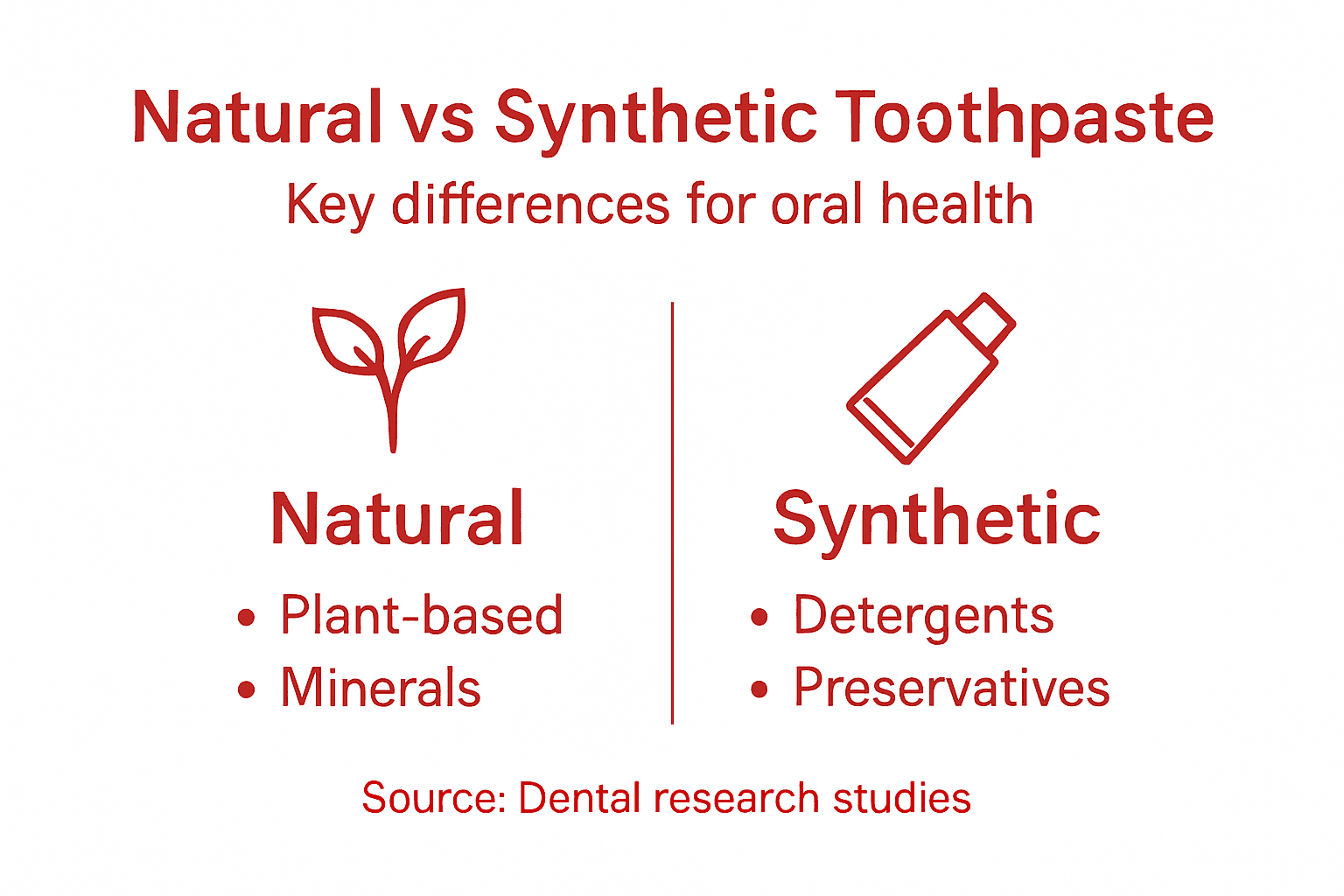
Cost represents the primary practical difference between these categories. Conventional toothpaste benefits from decades of manufacturing optimization and synthetic ingredient economies of scale that keep prices extremely low. Natural alternatives require more expensive sourcing, shorter shelf lives necessitating faster turnover, and less aggressive synthetic stabilization. For consumers prioritizing cost above all else, conventional products remain the logical choice. For health-conscious individuals in Western Europe experiencing oral sensitivities or concerned about cumulative synthetic exposure, the value proposition shifts dramatically. Benefits of natural toothpaste for sensitive teeth extend beyond symptom relief into fundamental shifts in oral tissue health, inflammation markers, and long-term sensitivity resolution. People frequently report that switching to natural formulations eliminates issues they endured for years with conventional brands.
This table offers a practical comparison of natural versus conventional toothpaste features and outcomes:
| Aspect | Conventional Toothpaste | Natural Toothpaste |
|---|---|---|
| Preservatives | Synthetic chemicals | Plant-derived, mineral-based |
| Oral Sensitivity Risk | High for sensitive users | Rare, minimal irritation |
| Ingredient Recognition | Often unfamiliar to tissues | Biologically compatible |
| Cost | Lower, mass-produced | Premium, specialty sourced |
Key Differences at a Glance
- Preservative systems Conventional uses synthetic chemicals; natural uses plant-derived alternatives
- Detergent chemistry Conventional relies on harsh surfactants; natural uses gentler plant-based options
- Shelf stability Conventional formulas remain unchanged for extended periods; natural formulas require fresher stock rotation
- Side effect profile Conventional causes sensitivity and irritation in many users; natural shows minimal adverse reactions
- Price point Conventional costs significantly less; natural requires premium pricing
Pro tip: Request samples from natural toothpaste brands before committing to full-size purchases, as individual tolerance to specific plant extracts varies and a formulation perfect for one person may not suit another.
Discover Gentle, Effective Oral Care Without Synthetic Ingredients
The article highlights the significant challenges many people face with synthetic additives like sodium lauryl sulfate and titanium dioxide in conventional toothpaste. These compounds can cause irritation, inflammation, and long-term sensitivity in the mouth. If you are tired of persistent gum discomfort or mouth ulcers caused by harsh chemicals, it is time to choose an oral care solution that respects your body’s natural biology. Embracing formulations with hemp and Dead Sea minerals offers a scientifically supported way to reduce chemical exposure while promoting healing and comfort.
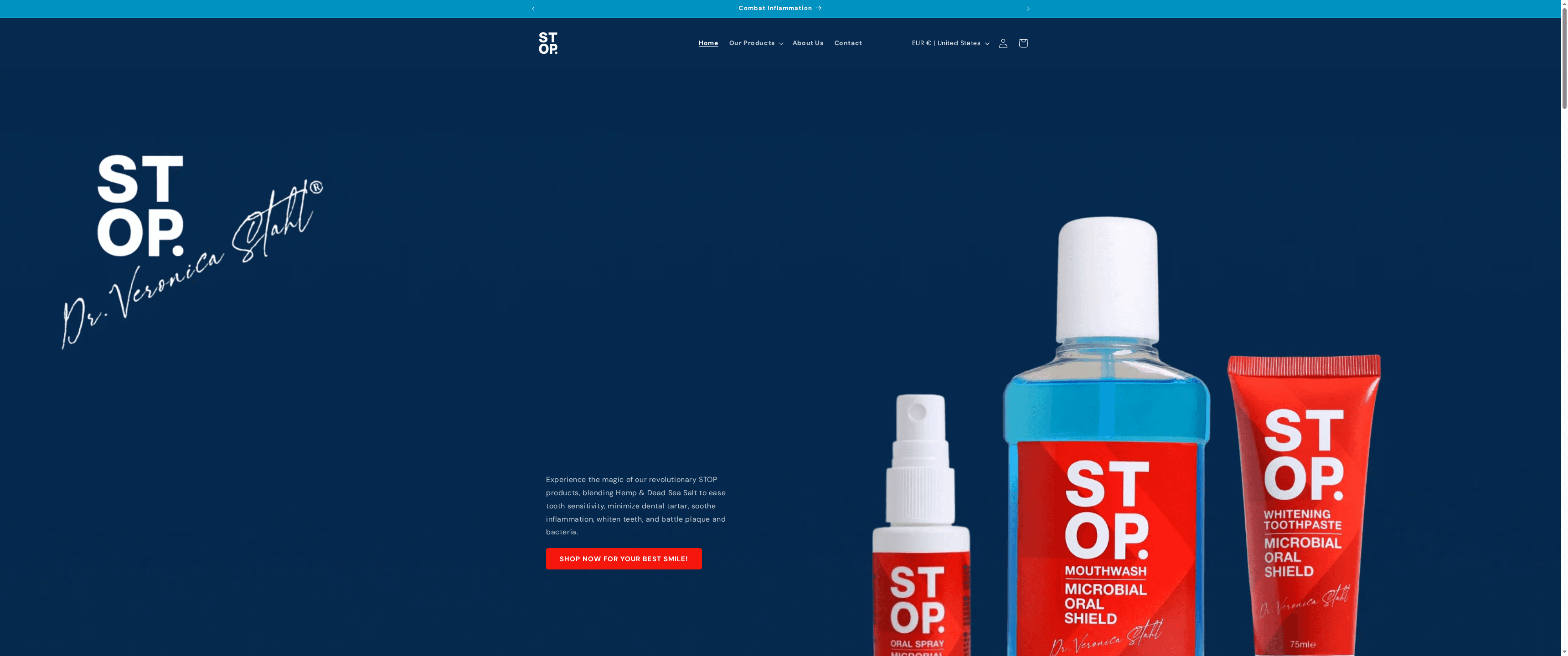
Take control of your oral health today by exploring the unique, fluoride-free products in the STOP Oral Care line. Each product is carefully crafted to avoid synthetic preservatives and detergents while delivering powerful cleaning benefits. Visit our Home Page to learn more about this innovative approach led by Dr. Veronica Stahl or shop directly at https://stop-oralcare.com. Say goodbye to irritation and hello to a naturally healthy smile with products designed for sensitive mouths like yours.
Frequently Asked Questions
What are the most common synthetic ingredients found in toothpaste?
Common synthetic ingredients in toothpaste include Sodium Lauryl Sulfate (SLS), titanium dioxide, methylisothiazolinone, sodium benzoate, and artificial sweeteners like saccharin. These ingredients serve various purposes, such as foaming, whitening, and preservation, but they can also pose health risks.
How do synthetic ingredients in toothpaste affect oral health?
Synthetic ingredients can cause irritation, allergic reactions, and inflammation in oral tissues, particularly for individuals with sensitive gums. Prolonged use may also contribute to systemic toxicity and oral health issues like canker sores and dental fluorosis.
Why is natural toothpaste considered a better alternative?
Natural toothpaste often contains plant-derived ingredients and minerals that are biologically compatible with oral tissues, reducing the likelihood of irritation and promoting healing. They provide cleaning power without the harmful side effects commonly associated with synthetic compounds.
How can I identify if my toothpaste contains synthetic ingredients?
You can identify synthetic ingredients by reading the ingredient list on the toothpaste packaging. Ingredients are listed in order of concentration, so prioritize understanding the first few components, as they make up the largest portion of the formula. Look out for terms like Sodium Lauryl Sulfate, artificial preservatives, and sweeteners.
Recommended
- Benefits of Natural Toothpaste for Sensitive Teeth – Stop Oral Care
- Non-Abrasive Toothpaste: Protecting Sensitive Teeth Naturally – Stop Oral Care
- Choosing Toothpaste Without Fluoride for Sensitive Teeth: A Practical – Stop Oral Care
- Choosing Toothpaste Without Sodium Lauryl Sulfate and Fluoride for Sen – Stop Oral Care