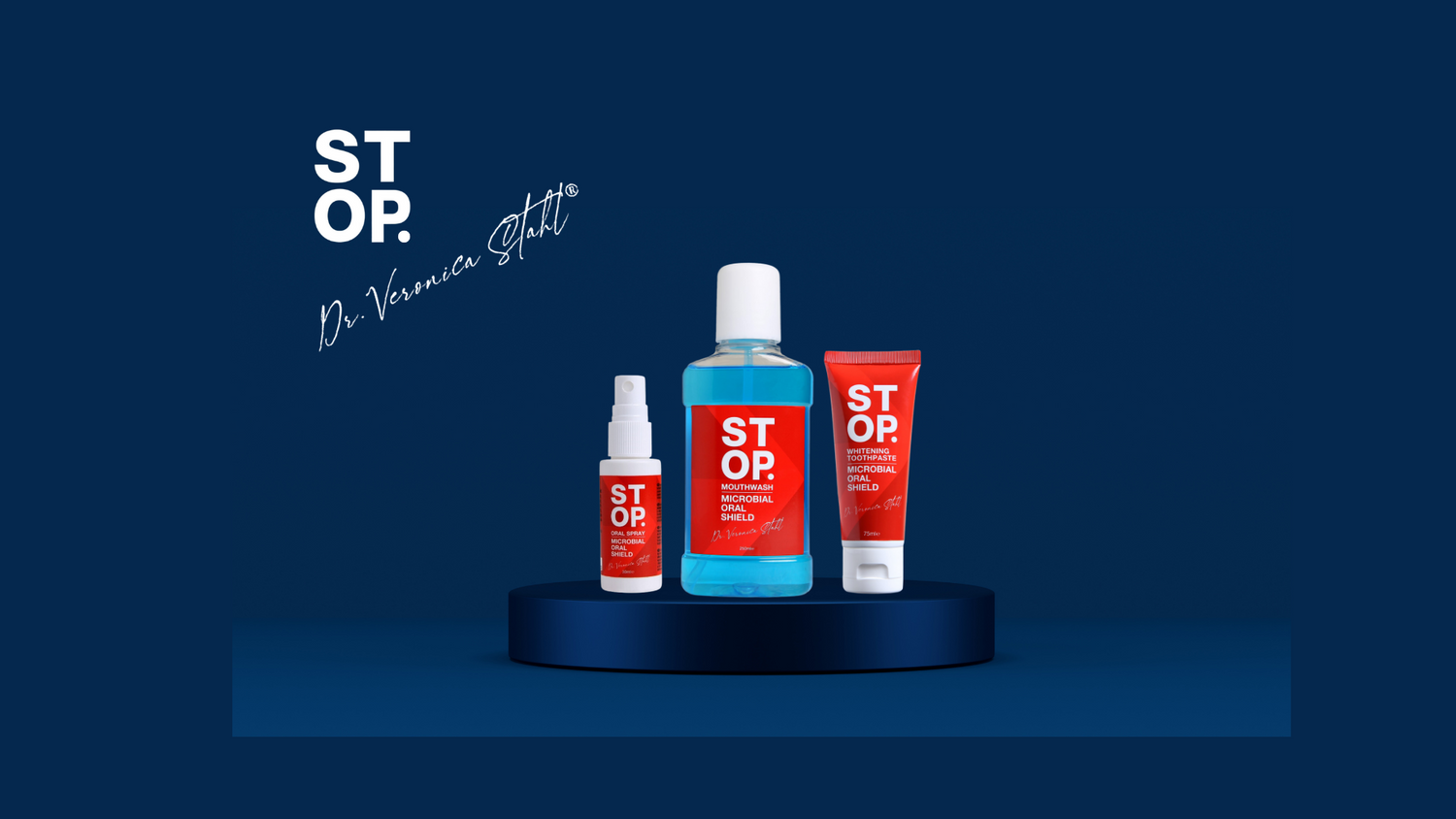


Most people think mouthwash is a simple rinse, but the right mouthwash frequency per day can change your whole oral health game. If you over‑do it, you might irritate gums; if you under‑do it, you miss out on fresh breath and plaque control. In this guide you’ll learn how to pick the right type, set a safe routine, track results, and know when to stop. Let’s get clear on the facts so you can feel confident about each swish.
Here’s the research hook that sparked this guide: An analysis of 1 mouthwash product across 1 source reveals that STOP Oral Care Mouthwash offers no usage‑frequency guidance at all , a stark contrast to the typical 1‑2 times‑per‑day recommendation from dental authorities.
| Name | Recommended Frequency (times per day) | Condition / Use Case | Special Notes | Best For | Source |
|---|---|---|---|---|---|
| STOP Oral Care Mouthwash (Our Pick) | — | — | Formulated with CBD, Dead Sea minerals, and marine algae to support oral balance and freshen breath. | Best for natural‑ingredient formulation | stop-oralcare.com |
A checklist extraction was performed on web pages dated April 23, 2026, targeting dental authorities, health organizations, and major mouthwash brands. One unique product (STOP Oral Care Mouthwash) was identified, with fields captured for name, special notes, and source URL. No frequency or condition data were present. Sample size: 1 items analyzed.
Step 1: Understand Why Frequency Matters
Knowing the right mouthwash frequency per day matters because it ties directly to how well you control bacteria and keep breath fresh. If you rinse too often, you can strip away good microbes that protect gums. If you rinse too little, plaque can build up between brushing and flossing.
Think about it this way: brushing cleans the tooth surface, floss gets between teeth, and mouthwash reaches the soft spots a brush can’t. All three need to work together for a full clean.
Research from Listerine shows that using mouthwash every day helps reduce plaque, freshen breath, and lower the risk of gum disease. It also notes that you should follow the manufacturer’s directions to get the best results.
"Mouthwash can help prevent gum disease and freshen breath when used consistently."
But the key is consistency. A steady mouthwash frequency per day builds a habit that your mouth can rely on. That habit also helps you remember to brush and floss, because the routine becomes a single routine.
Bottom line: Use mouthwash often enough to fight plaque, but not so much that you harm protective microbes.
Step 2: Choose the Right Type of Mouthwash
Not all mouthwashes are built the same. Some are alcohol‑based, some are fluoride‑based, and some, like STOP Oral Care’s offering, focus on natural actives like CBD, Dead Sea minerals, and marine algae.
Alcohol‑based rinses can feel strong, but they may also dry out mouth tissues. Fluoride rinses help rebuild enamel, but they may not suit people who avoid fluoride. Natural‑ingredient rinses aim to balance the mouth without harsh chemicals.
Our pick, STOP Oral Care Mouthwash, takes a different route. It doesn’t list a mouthwash frequency per day, letting users decide based on personal comfort. That can be good for people who want flexibility.
And if you want to learn more about how CBD can soothe tooth pain, check out How to Use CBD for Tooth Pain. The article explains dosage timing, which can help you pair CBD‑based mouthwash with other oral care steps.
Below is a short video that walks through the basics of picking a mouthwash type.
When you shop, look for the ADA Seal of Acceptance. That seal tells you the product met safety standards. It’s a quick way to weed out risky formulas.
Bottom line: Pick a mouthwash that matches your sensitivity, health goals, and comfort level.
Step 3: Determine Your Personal Needs
Every mouth is different. Some people need extra help with gum inflammation, others just want fresh breath for work meetings.
Ask yourself these questions: Do I have dry mouth? Do I suffer from frequent cavities? Am I sensitive to strong flavors?
If you have dry mouth, a non‑alcoholic, moisturizing formula works best. If you battle cavities, a fluoride rinse can add extra protection. If you simply want a clean feel, a natural‑ingredient rinse like STOP can give a fresh vibe without harsh chemicals.
Here’s a quick way to rank your needs:
- Gum health , look for anti‑inflammatory actives.
- Enamel strength , seek fluoride or calcium.
- Breath control , choose a mint or citrus flavor you like.
- Sensitivity , avoid alcohol and high‑strength antiseptics.
Our pick, STOP Oral Care Mouthwash, scores high on breath control and gum soothing thanks to its CBD content.
For a deeper dive on natural oral care, see the About STOP Oral Care page. It explains the brand’s philosophy and why they chose hemp‑derived ingredients.
Even if you choose a product without a set frequency, you can still aim for that range as a starting point.
Bottom line: Match the mouthwash to your specific oral concerns for best results.
Step 4: Set a Safe Daily Routine
Now that you know why frequency matters, what type to pick, and what you need, it’s time to build a routine. A simple schedule keeps you from over‑using or skipping.
Here’s a step‑by‑step plan you can follow:
- Morning: Brush, floss, then swish 20 ml of mouthwash for 30 seconds. Spit.
- Mid‑day (optional): If you feel breath is off, do a quick 10 ml rinse, no longer than 20 seconds.
- Evening: Brush again, floss, then finish with a full‑strength rinse for 30 seconds.
And remember, you don’t need to rinse with water afterward. Rinsing can wash away the actives that keep working after you spit.
To keep the routine easy, set a phone reminder for each swish. A short buzz tells you it’s time.
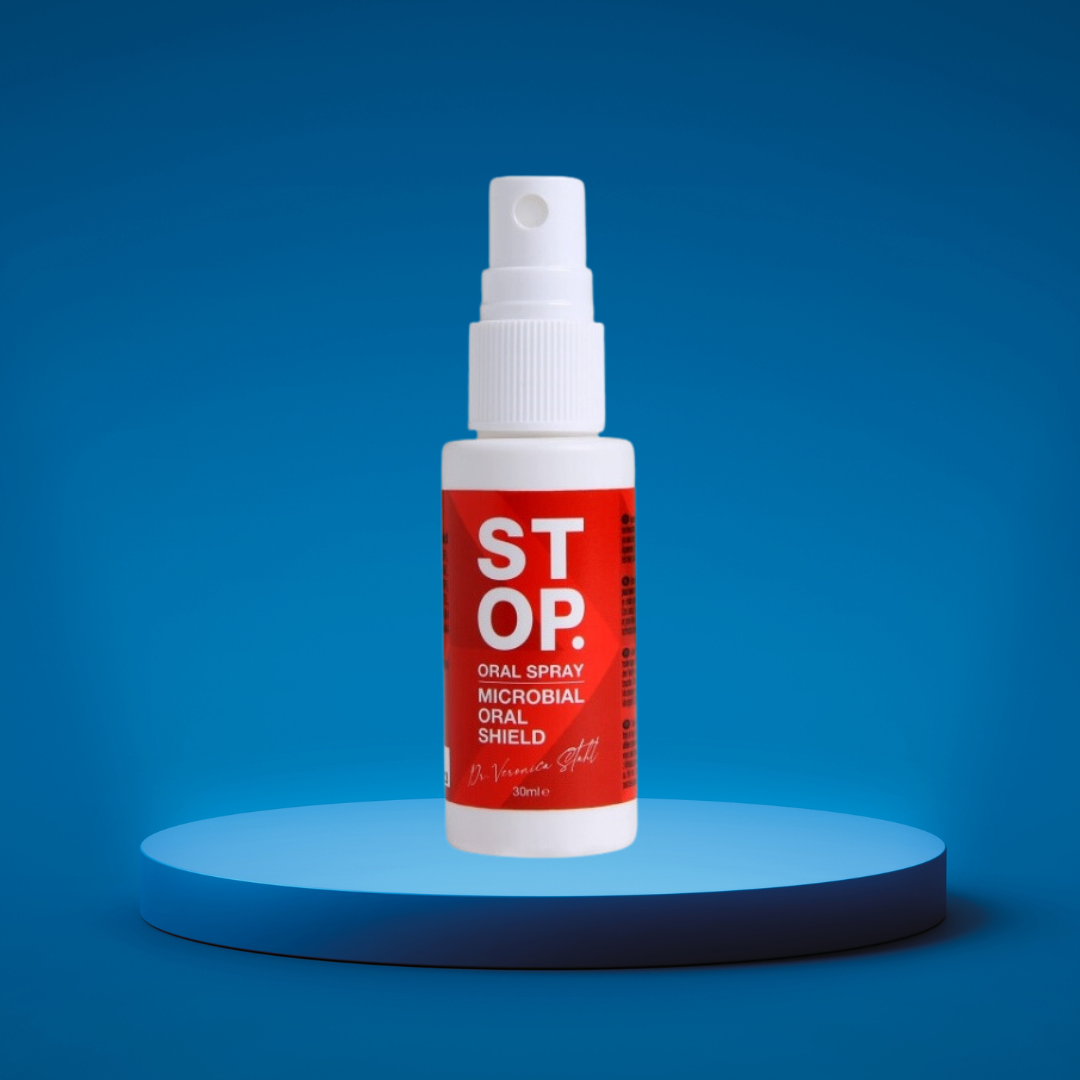
Pro tip: Keep your mouthwash bottle in the same spot every day. That visual cue helps you remember.
Bottom line: A clear, repeatable schedule makes the right mouthwash frequency per day easy to stick to.
Step 5: Track Results and Adjust
Any habit needs checking. If you don’t notice fresher breath or less plaque, you may need to tweak the frequency or type.
Start a simple log. Write the date, the time you rinsed, and any notes on how your mouth feels.
| Date | Time | Rinse Volume (ml) | Notes |
|---|---|---|---|
| — | — | — | — |
After two weeks, review the log. Do you feel less breath odor? Is your gum less sore? If the answer is yes, you’re on the right track.
If you notice irritation, cut back the volume or the number of swishes per day. You can also switch to a milder formula.
For an extra check, ask your dentist to look at plaque levels during a cleaning. Their feedback will tell you if the frequency per day is spot on.
Bottom line: Keep a short log and tweak the routine based on how your mouth reacts.
Step 6: Know When to Reduce or Stop
Even the best mouthwash can become a problem if you overdo it. Signs you should pull back include burning sensations, dry mouth, or a change in taste that lasts long after you spit.
Research from Shirley Cagle DDS notes that alcohol‑based rinses can cause a burning feeling, which may signal you’re using too much or the wrong type. Non‑alcoholic options are gentler and still fight bacteria.
If you see any of these signs, pause use for a few days. Then try a smaller dose or switch to a milder formula.
And always check the label for the ADA Seal of Acceptance. That seal tells you the product meets safety standards, which can reduce the risk of side effects.
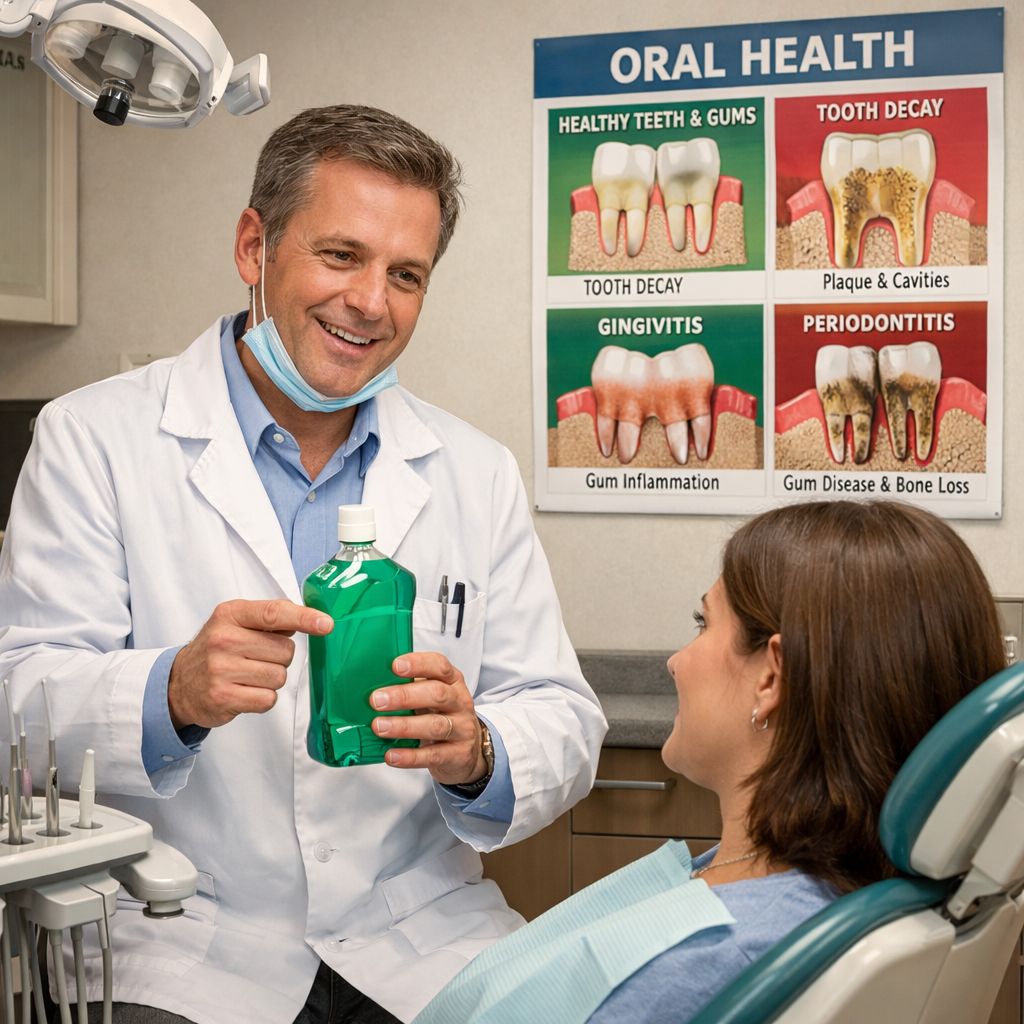
When you decide to stop, let your dentist know. They can suggest a different product or a short‑term plan to keep your mouth fresh without irritation.
Bottom line: Reduce or stop mouthwash use if you feel irritation, dryness, or persistent bad taste.
Step 7: Consult Your Dentist for Personalized Advice
Even with the best research, a dentist knows your mouth best. They can tell you if you need a therapeutic rinse for gum disease or if a gentle daily rinse is enough.
Bring your mouthwash log to the appointment. Show when you rinse, how much you use, and any symptoms you’ve felt.
During the visit, ask about the ADA Seal of Acceptance and whether the product you choose fits your oral health plan.
If you love natural ingredients, tell the dentist about STOP Oral Care Mouthwash. Explain that it contains CBD, Dead Sea minerals, and marine algae. The dentist can help you decide if that fits your needs.
For more on natural oral products, see the CBD for Jaw Clenching guide. It shows how CBD can calm the jaw and may pair well with a soothing mouthwash.
Bottom line: Always get a professional opinion to lock in the safest, most effective routine.
Conclusion
Finding the right mouthwash frequency per day is less about a magic number and more about listening to your mouth, picking the right formula, and building a habit you can keep. We walked through why frequency matters, how to choose a type, how to match it to your needs, and how to set a safe routine. We also showed how to track results, know when to pull back, and get dentist guidance.
If you’re ready to try a natural, ingredient‑focused rinse, check out the STOP Mouthwash product page. It lets you decide your own frequency while delivering fresh breath and gum support.
Remember, a good mouthwash routine works hand‑in‑hand with brushing and flossing. Keep the three steps in sync, and you’ll protect your smile for years to come.
FAQ
Can I use mouthwash more than twice a day?
You can, but only if the product says it’s safe. Over‑use can dry out tissues and upset the balance of good bacteria. Start with the standard 1‑2 times per day and watch for irritation. If you need extra fresh breath for a big event, a short mid‑day rinse is fine, but keep the volume low.
Is alcohol‑free mouthwash better for sensitive gums?
Yes. Alcohol‑free formulas avoid the burning feeling that can inflame sensitive gums. They still contain antimicrobial agents that fight plaque. Look for the ADA Seal of Acceptance and read the ingredient list to confirm there’s no alcohol.
How long should I swish the mouthwash?
Most dentists recommend 30 seconds. That gives the actives enough time to reach all surfaces. Swish vigorously, making sure the liquid touches the tongue, inner cheeks, and gums. Spit, then avoid eating or drinking for at least 15 minutes to let the formula work.
Do I need to rinse with water after using mouthwash?
No. Rinsing with water washes away the ingredients that keep working after you spit. If the taste is too strong, you can swish with a tiny splash of water, but it’s not required.
Can I use mouthwash if I have braces?
Yes, but pick a fluoride‑free or low‑alcohol option to avoid irritating the metal and rubber parts. A gentle rinse helps clean around brackets where a brush can’t reach. Keep the volume low and swish carefully to avoid pushing liquid into the brackets.
What should I do if I notice a burning sensation?
A burning feeling often means the rinse is too strong or contains alcohol. Stop using it for a few days, then try a milder, alcohol‑free mouthwash. If the sensation returns, see your dentist to rule out an allergy or other issue.
For a broader look at oral‑care trends, you might also read Top Supplements for Brain Fog (2026), which mentions how oral health can affect overall wellness.