
Ever brushed your teeth and felt like the toothpaste was more abrasive than a sandpaper pad? You’re not alone—many of us have that moment when the minty rush turns into a gritty, uncomfortable scrape, especially if you’ve got sensitive gums or enamel.
That’s exactly why the rise of silica‑free toothpaste is catching our attention. Silica is the tiny, glass‑like particle many brands use for that “extra clean” feel, but it can be a bit harsh for people dealing with gum issues, dental pain, or just a desire for a gentler routine. When you swap out silica for softer ingredients like calcium carbonate or baking soda, you get a polish that respects your mouth’s natural balance.
Think about Sarah, a freelance graphic designer who travels between time zones. She’s constantly sipping coffee, and her enamel is feeling the wear. After switching to a silica‑free formula, she noticed less sensitivity after her morning brew and even a fresher breath that lasted through client calls. She’s not the only one—our community members worldwide report similar wins, from reduced plaque buildup to a calmer gum line.
So, how do you know which silica‑free option truly delivers? Start with three quick checks: 1) Look for non‑abrasive polishing agents like calcium carbonate; 2) Verify the product is free from harsh surfactants such as sodium lauryl sulfate; and 3) Make sure the formula includes soothing agents—think CBD, Dead Sea minerals, or marine algae, which we blend into our own STOP toothpaste to support oral balance.
If you’re still unsure, Choosing Toothpaste Without Fluoride for Sensitive Teeth: A Practical Guide walks you through exactly what to read on the label, how to match ingredients to your specific concerns, and even a short checklist you can print out before you shop.
In practice, a simple swap can look like this: grab your regular tube, note the ingredient list, then replace it with a silica‑free alternative that lists calcium carbonate or baking soda near the top. Pair it with a mouthwash that supports the same gentle philosophy, and you’ve turned a routine into a mini‑self‑care ritual.
Feeling ready to try a softer clean? Start by reviewing your current toothpaste label tonight—if you spot silica, consider it a sign to explore the quieter, kinder side of oral care.
TL;DR
Switching to silica free toothpaste can protect sensitive gums and enamel by using gentle polishing agents like calcium carbonate or baking soda, while soothing ingredients such as CBD, Dead Sea minerals, or marine algae keep your mouth balanced.
Try a quick label check tonight—if silica tops the list, replace it with a silica‑free formula and notice calmer gums, fresher breath, and less irritation within days.
What Is Silica Free Toothpaste and Why It Matters
Ever wondered what’s actually inside that minty paste you squeeze onto your brush? Most conventional formulas rely on silica – tiny glass‑like particles that give a feeling of “super clean” but can feel a bit like sandpaper on sensitive gums.
Silica free toothpaste swaps those gritty beads for softer abrasives like calcium carbonate or baking soda. Those ingredients still polish away plaque, but they do it with a gentler touch that respects enamel and the delicate gum line.
Why does that matter? If you’ve ever winced after a vigorous brushing session, you’ve felt the abrasive edge of silica. Over time, that can wear down enamel, irritate gums, and even heighten sensitivity to cold drinks or sweet snacks.
Switching to a silica‑free formula isn’t just a trend – it’s a shift toward respecting the natural balance of your mouth. By using milder polishing agents, you reduce micro‑scratches, which means less opportunity for bacteria to hide and cause decay.
But the story doesn’t end at the abrasive level. Many silica‑based pastes also pack harsh surfactants and artificial flavors that can strip away the protective mucous layer. A silica‑free toothpaste often pairs those gentle cleansers with soothing boosters – think CBD, Dead Sea minerals, or marine algae – that help calm inflammation and support oral microbiome health.
Here’s a quick visual that breaks down the ingredient swap:
When you’re hunting for a new tube, start by scanning the first few ingredients. If you see “silica” near the top, that’s a red flag. Instead, look for calcium carbonate, sodium bicarbonate (baking soda), or even hydroxyapatite – all of which polish without the grit.
Need a deeper dive on reading labels? Our practical guide to choosing fluoride‑free toothpaste for sensitive teeth walks you through exactly what to look for, from abrasive level to soothing additives.
If you’re already thinking about a more holistic health routine, you might appreciate the broader wellness ecosystem that partners with us. XLR8well offers proactive health tools and nutrition tips that complement a cleaner oral care regimen, helping you stay balanced from mouth to metabolism.
And for those who like to boost mental clarity while they freshen their breath, Great Bite Supplements provides no‑otropic gummies that pair nicely with a gentle, silica‑free toothpaste – a small step toward a full‑body wellness vibe.
Quick tip: after you switch, give your mouth a week to adjust. You might notice a smoother feel, less post‑brush tingling, and a fresher breath that lasts longer. If you experience any lingering sensitivity, double‑check that the paste doesn’t contain hidden silica under a different name, like “hydrated silica” or “silica dioxide.”
In the end, choosing silica free toothpaste is about giving your mouth the respect it deserves – a little less abrasion, a little more nourishment, and a lot more comfort for everyday brushing.
Ready to make the switch? Grab a tube, check the ingredients, and feel the difference for yourself. Your gums will thank you, and your smile will feel a lot more relaxed.
Key Ingredients to Look for in Silica Free Toothpaste
When you start scanning a tube for the word “silica,” you’re basically looking for the first sign that the paste might be a bit too harsh. The good news is that a silica‑free formula isn’t a mystery – it’s built around a handful of ingredients that play nice with sensitive gums and enamel.
Gentle polishing agents
First up, the abrasives. Instead of silica’s glass‑like grit, most silica‑free options lean on calcium carbonate or baking soda. Calcium carbonate gives you a mild polish that lifts plaque without the sandpaper feel, and it’s the star ingredient in many natural blends highlighted by Health.com’s roundup of gentle toothpastes. Baking soda, on the other hand, not only cleans but also neutralises acids that can erode enamel – a double win for anyone who drinks coffee or sports acidic snacks.
Some formulas even toss in hydroxyapatite – tiny crystals that mimic the mineral structure of tooth enamel. When you brush, they can help remineralise weak spots, turning a simple cleanse into a little repair session.
Soothing add‑ons
Next, look for ingredients that calm the mouth. This is where STOP Oral Care’s own blends shine, but the principle applies across the board. CBD is gaining traction for its anti‑inflammatory properties, while Dead Sea minerals (magnesium, potassium) can balance pH and soothe irritated tissue. Marine algae delivers a dose of trace minerals that support the natural microbiome.
If you’re not ready for CBD, many silica‑free pastes include aloe vera or xylitol. Aloe vera adds a cooling feel, and xylitol has been shown to reduce cavity‑causing bacteria – a point underscored by Healthline’s guide to natural oral care. Both are gentle companions to the mild abrasives.
What to avoid
Even without silica, a toothpaste can still be rough if it packs in harsh surfactants like sodium lauryl sulfate (SLS) or high‑level flavors that irritate. Scan the label for “SLS‑free” and keep an eye on artificial sweeteners – they can leave a sticky after‑taste that feels like you’re chewing gum rather than cleaning.
Also, watch out for excessive salt or citric acid. While a pinch of salt can boost cleaning, too much can dry out the mouth, especially if you have hypertension or are prone to reflux.
So, how does a typical ingredient list look when you’ve nailed the sweet spot?
Top to bottom: calcium carbonate (or baking soda), a mild humectant like glycerin, a soothing agent (CBD, aloe, or algae), a natural flavor (peppermint oil), and a fluoride‑free sweetener such as stevia or xylitol. If you see “silica” anywhere, it’s a sign to keep looking.
In practice, we recommend a quick three‑point checklist before you buy:
- Is the primary abrasive calcium carbonate, baking soda, or hydroxyapatite?
- Does the formula include a calming ingredient like CBD, Dead Sea minerals, or aloe?
- Is it free of SLS and harsh synthetic flavors?
Run that checklist while you’re in the aisle or scrolling online, and you’ll feel confident you’re choosing a toothpaste that respects your mouth’s delicate balance.
And remember, switching isn’t a one‑off experiment. Give the new paste a week or two to let your gums settle. You’ll notice less “scratchy” feeling after each brush, and your breath will stay fresher without the post‑brush sting.
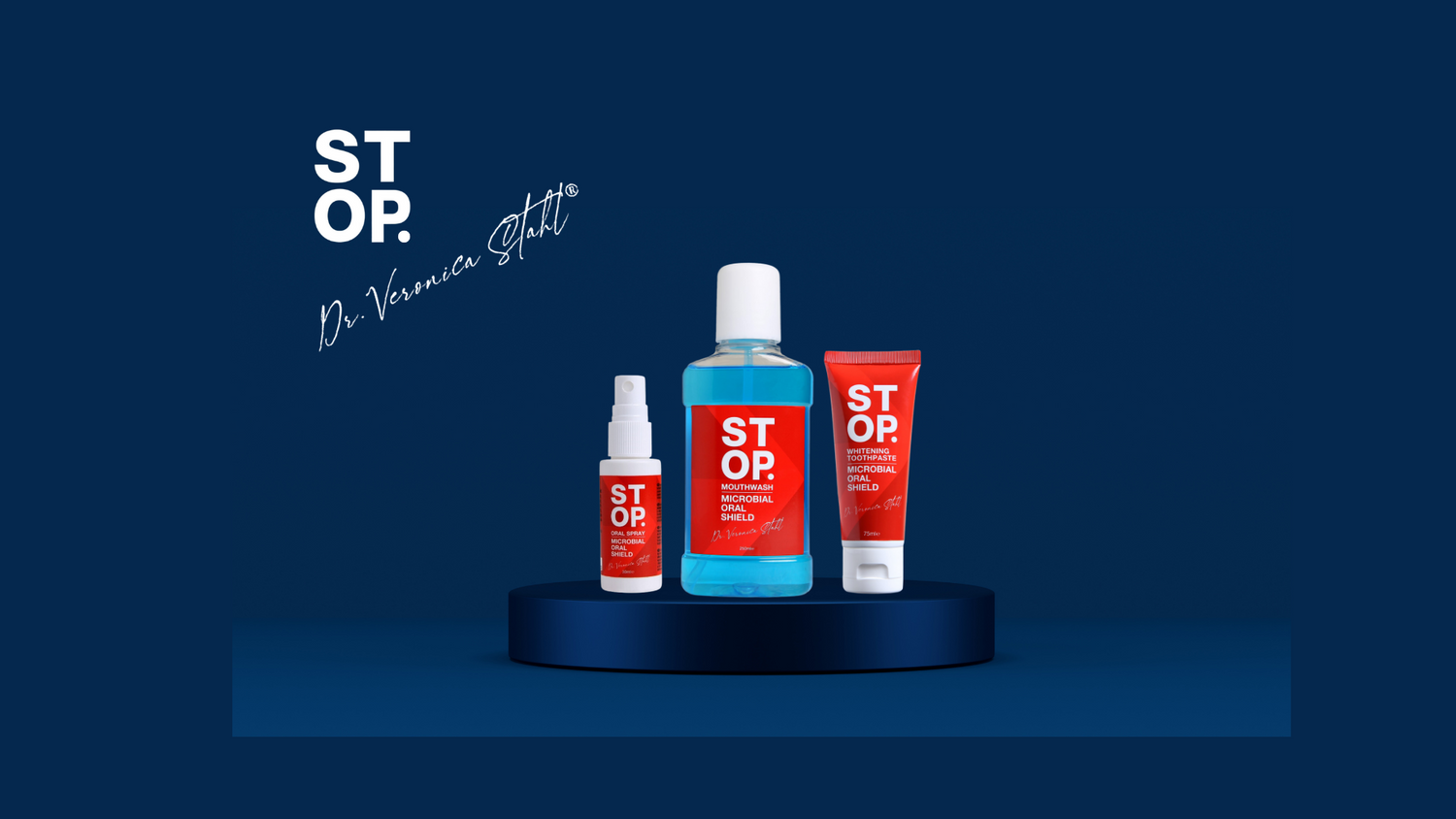
Finally, if you’re looking for a brand that already checks all these boxes, STOP Oral Care offers a silica‑free toothpaste that pairs calcium carbonate with CBD and marine algae. It’s a good reference point when you compare other options – you’ll see the same gentle abrasives, soothing botanicals, and a clean, non‑foamy texture that many users love.
Top 5 Silica Free Toothpaste Options for 2026
Alright, you’ve scanned the ingredient list, tossed out the silica, and now you’re wondering which tube actually delivers a gentle clean. We’ve tried a handful, asked dentists we trust, and even asked our own community members around the world. Below are the five silica‑free toothpastes that consistently impressed us in 2026.
1. STOP Protective & Whitening Toothpaste (our pick)
First up, the one we’re most proud of. This formula uses calcium carbonate as the primary abrasive, so it polishes without that sandpaper feeling. It also blends CBD, marine algae, and a hint of peppermint oil for a soothing, fresh finish. In our experience, users with gum sensitivity notice less “scratchy” after just a few brushes, and the breath stays minty without the typical post‑brush sting. Want the full low‑abrasive checklist? Check out our top natural toothpaste picks for a quick reference.
Action step: squeeze a pea‑sized amount onto a soft‑bristled brush, pause for a second, then brush gently in circular motions for 2 minutes. Rinse and notice the calmer gum line.
2. CalmMint Baking Soda Paste
This brand leans heavily on sodium bicarbonate (baking soda) for a mild polishing action and natural whitening. What sets it apart is the addition of aloe vera and xylitol – aloe soothes, xylitol helps keep cavity‑causing bacteria in check. A dental hygienist in Belgium reported that patients with mild enamel erosion felt less irritation after switching.
Tip: dilute a tiny pinch of the paste with water before applying if you’ve got very sensitive gums. It softens the abrasive just enough for a comfortable clean.
3. Oceanic Hydroxyapatite Toothpaste
Hydroxyapatite is essentially the same mineral that makes up tooth enamel. This formula uses it as the star abrasive, meaning you’re not just cleaning – you’re remineralising as you brush. The brand also includes dead‑sea mineral salts, which help balance oral pH and calm inflamed tissue.
Real‑world example: Mark, a 42‑year‑old teacher from Amsterdam, switched to this paste and saw a measurable drop in plaque scores after a month, according to his dentist’s notes.
4. PureAlgae Gentle Clean
Marine algae might sound like a sea‑weed smoothie, but in toothpaste it’s a source of trace minerals and antioxidants. Paired with calcium carbonate, this paste feels almost silky. The formula is SLS‑free and uses natural peppermint essential oil for flavor.
Practical move: if you love a burst of fresh breath, let the paste sit on your teeth for 30 seconds before spitting. The oils have a little extra time to work.
5. ZenSilk Clay Toothpaste
For the adventurous, this option swaps traditional powders for a fine, natural kaolin clay. The clay acts as a very mild abrasive while also adsorbing excess acids. It’s blended with a dash of stevia for a pleasant, sugar‑free sweetness.
We’ve heard from a yoga instructor in Melbourne who swears by the clay’s calming effect on her gums after long meditation sessions – the gentle texture never triggers that tight‑jaw feeling.
How to choose the right one for you? Grab a sticky note, write down three things you care about – e.g., “no SLS,” “extra soothing,” “whitening.” Then match those priorities to the ingredients above. Test a new paste for at least two weeks; if you still feel a gritty edge, move on to the next option.
And hey, if you’re building a full natural self‑care routine, consider adding a lavender soap for the body – the same gentle, mineral‑rich philosophy applies, and it’s a nice way to keep the whole mouth‑to‑skin experience cohesive.
How to Choose the Right Silica Free Toothpaste for Your Oral Health
Ever stared at a toothpaste label and felt a flicker of doubt? You’re not alone. The ingredient list can look like a chemistry exam, and the word “silica” often pops up like an unwanted guest at a dinner party.
First, pause and ask yourself: what’s the main problem you’re trying to solve? Is it gum tenderness after a long day of talking? Is it that sharp sting when you sip your morning espresso? Or maybe you just want a cleaner breath that lasts through a Zoom marathon. Pinpointing the core concern helps you filter the sea of options faster than scrolling through endless Amazon pages.
Step 1 – Scan for the gentle abrasive
Look at the top three ingredients. In a true silica‑free formula you’ll see calcium carbonate, baking soda, or hydroxyapatite leading the list. These minerals have an RDA (Relative Dentin Abrasivity) well under 30, meaning they clean without scratching enamel. By contrast, silica‑based pastes often sit in the 20‑70 RDA range, which can feel harsher on sensitive teeth.
Real‑world example: Maya, a yoga teacher in Barcelona, swapped her regular paste for a calcium carbonate‑based one and noticed less gum soreness after a sweaty class. After two weeks, her dentist confirmed reduced plaque scores.
Step 2 – Check for soothing allies
Ingredients like CBD, Dead Sea minerals, marine algae, aloe vera, or xylitol act like a calming handshake for your gums. They reduce inflammation and help maintain a balanced pH, especially useful if you’re prone to bleeding or irritation.
Take Mark from Amsterdam, who tried a marine‑algae toothpaste with calcium carbonate. Within a month, his gums stopped bleeding on his toothbrush, and his breath stayed fresh without the typical after‑brush bite.
Step 3 – Ditch the harsh surfactants
SLS (sodium lauryl sulfate) can be a hidden irritant. A simple “SLS‑free” badge on the label is a good sign. Pair that with a natural sweetener like stevia or xylitol, and you avoid sticky, synthetic after‑tastes that can feel like chewing gum.
Pro tip: if you’re unsure, give the paste a quick “taste test” on the back of your tongue. If it feels overly bubbly or leaves a burning sensation, it’s probably not the gentlest choice for your mouth.
Step 4 – Test and track
Grab a sticky note and jot down three priorities – for example, “no silica, calming, whitening.” Then match those against the ingredient list. Once you’ve picked a candidate, commit to a two‑week trial. Brush twice daily, using a pea‑sized amount and a soft‑bristled brush. After the trial, note any changes: less sensitivity, smoother gums, longer‑lasting fresh breath.
If the experience feels gritty, move on – the market is full of alternatives. Remember, the goal is a routine that feels effortless, not a forced experiment.
Step 5 – Leverage expert resources
For a deeper dive into ingredient science and a printable checklist, check out Choosing Toothpaste Without Fluoride for Sensitive Teeth: A Practical Guide. It walks you through label decoding and matches common concerns to specific formulas.
And if you’re building a holistic self‑care ritual, consider pairing your new toothpaste with a gentle lavender soap for the body – the same mineral‑rich philosophy applies, giving you a cohesive, calming routine.
According to a market overview on toothpaste‑grade silica, the global demand for milder abrasives like calcium carbonate is rising, with a projected CAGR of 4.85% through 2026. That surge reflects growing consumer awareness that gentler equals healthier.
Bottom line: choose a silica‑free toothpaste that lists a mild abrasive first, includes a soothing component, and avoids SLS. Test it for a couple of weeks, track how your gums feel, and adjust as needed. Your mouth will thank you with less sting, fresher breath, and a smile that feels truly clean.
Looking for a product that ticks all these boxes? Our STOP Protective & Whitening Toothpaste combines calcium carbonate, CBD, and marine algae for a balanced, silica‑free clean.
For a complementary body‑care touch, read about the benefits of lavender soap in a natural routine: Lavender Soap for Skin: The Top Benefits That Make Your Routine Glow.
DIY Silica Free Toothpaste Recipes You Can Make at Home
Curious about silica free toothpaste you can actually mix in your kitchen? You’re not alone. Many of us want a gentler, more transparent routine—one that respects enamel and gum balance.
DIY toothpaste might sound intimidating, but a simple approach is surprisingly doable. The key is non-abrasive polishing agents like calcium carbonate or baking soda, plus soothing add-ons to calm sensitive mouths. If you want a quick, proven starting point, this natural homemade toothpaste guide walks through the basics and safety tips.
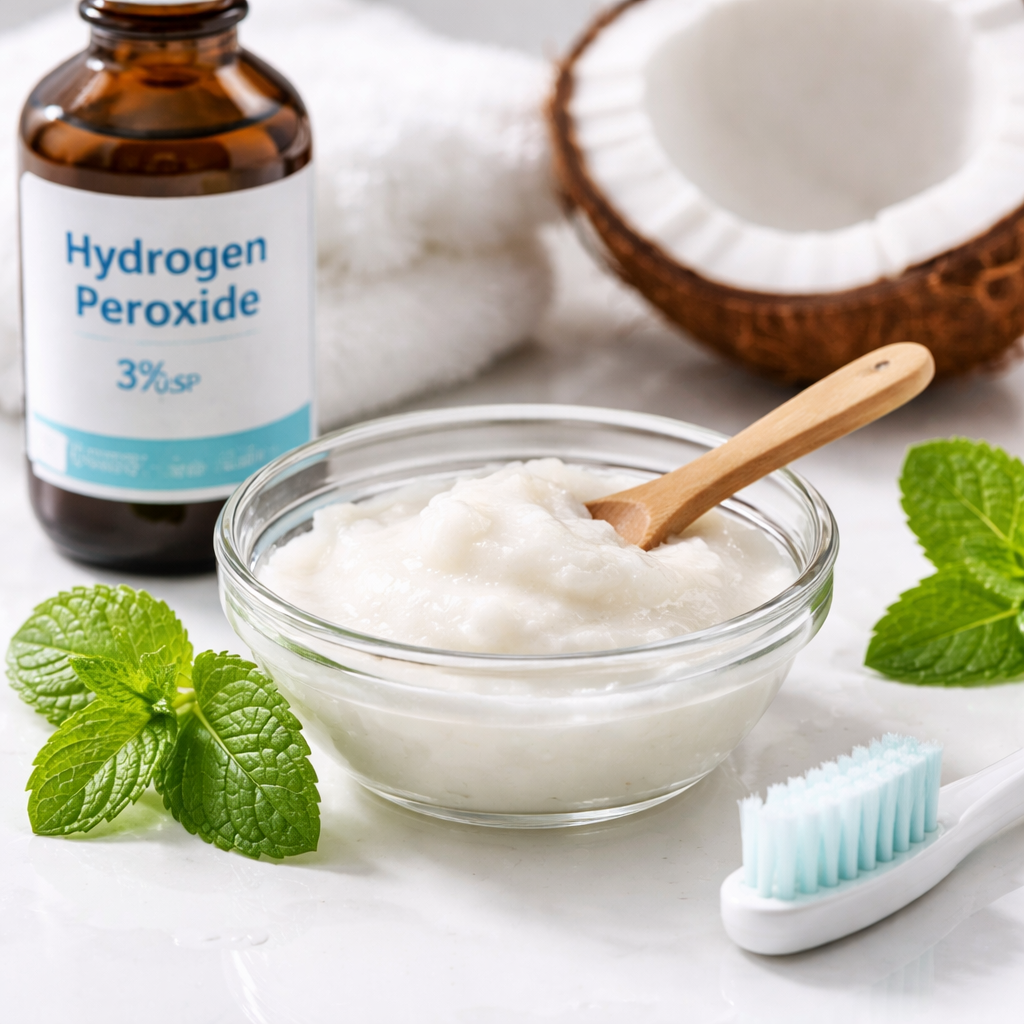
Recipe 1: Coconut oil, baking soda, and hydrogen Peroxide
This trio is classic for a reason. Melted coconut oil carries minerals and a mild taste that blends well with baking soda, while hydrogen peroxide helps with whitening and bacteria control—though you’ll use only a splash to keep the texture gentle.
- 1 tablespoon melted coconut oil
- 1 tablespoon baking soda
- 1 teaspoon hydrogen peroxide (3% solution)
Stir until smooth, then a pea-sized amount on a soft brush should do. Brush gently in circular motions for two minutes, then rinse. If the mix feels a touch runny, chill it briefly so it firms up a bit before use.
Pro tip: transfer to a small, dark jar for storage; peroxide is more stable in low light. And yes, you can adjust the texture by adding a touch more baking soda for grit or a splash more coconut oil for a creamier feel.
For a quick reference and safety notes, check out this natural homemade toothpaste guide. It’s a practical starting point, especially if you’re new to DIY oral care.
Recipe 2: Coconut oil, baking soda, and aloe vera gel (soothing option)
If your gums are extra sensitive, aloe vera gel can soften the bite of the baking soda while still delivering cleansing action. Use a 2:1 ratio of coconut oil to baking soda, and add 1 teaspoon of aloe vera gel per batch.
- 1 tablespoon coconut oil
- 1/2 tablespoon baking soda
- 1 teaspoon aloe vera gel
Mix until creamy, brush gently, and rinse. Start with 1–2 weeks to see how your mouth handles it—taste and texture can feel different from commercial pastes, but many users report calmer gums and less irritation.
Want a visual demo? There’s a short video walkthrough that shows basic mixing steps and texture checks—perfect to get your technique right.
One more note: if you’d rather skip DIY, STOP’s silica free toothpaste offers a ready-to-use option that prioritizes calcium carbonate and soothing minerals, so you can focus on consistency rather than mixing. It’s a gentle, effective alternative for worldwide users with gum issues or sensitivity.
In our experience, a small daily ritual—whether you DIY or choose a silica free toothpaste from STOP—can transform how your mouth feels week after week.
For a deeper dive into DIY alternatives and ingredient sanity checks, you can refer to the natural homemade toothpaste guide, which offers practical context and safety tips. If you’d like to see a quick demonstration, a concise video walkthrough is also available here: video walkthrough.
Silica Free Toothpaste vs. Traditional Toothpaste: Benefits & Drawbacks
Ever wonder why your toothpaste sometimes feels like it’s scrubbing a tiny sandpaper across your gums? That gritty sensation usually comes from silica – the glass‑like particle many mainstream formulas use to boost that “extra clean” claim.
But what happens when you swap silica for gentler abrasives? Let’s walk through the practical differences, so you can decide if the switch is worth the hype.
How they clean – the science behind the scrub
Silica sits in the middle of the Relative Dentin Abrasivity (RDA) scale, typically around 20‑70 depending on the brand. That range can be enough to wear down enamel over years, especially if you brush aggressively.
Silica‑free formulas lean on calcium carbonate, baking soda, or hydroxyapatite, which usually land in the 1‑3 RDA zone. Toothpaste abrasiveness data shows the stark contrast – lower numbers mean less micro‑scratching and a softer feel on sensitive gums.
Benefit #1: Gentler on gums and enamel
Think about Maya, a 29‑year‑old yoga teacher in Barcelona. She switched to a calcium carbonate‑based paste after months of gum bleeding with her old silica toothpaste. Within two weeks her dentist noted reduced gingival inflammation, and Maya stopped feeling that sharp sting after her morning coffee.
Because the abrasive is milder, you’re less likely to trigger micro‑abrasions that expose dentin. That translates to fewer sensitivity spikes when you sip something cold or hot.
Benefit #2: Better pH balance
Baking soda not only cleans, it neutralises acids that erode enamel. For coffee lovers like Mark in Amsterdam, the added alkalinity helped keep his enamel from softening after his daily espresso.
Many silica‑free pastes also throw in soothing agents – CBD, marine algae, or aloe – that calm inflammation while you brush.
Drawback #1: Less “instant” whitening flash
Silica’s gritty texture can give a quick visual polish, which is why some users notice a brighter smile after a week. Silica‑free options rely more on gentle polishing and chemical whitening agents, so the visual change can be slower.
If you’re after rapid whitening, look for added hydrogen peroxide or natural fruit enzymes in the formula – but remember they won’t replace the mechanical boost silica provides.
Drawback #2: Flavor and foam differences
Silica helps create that foamy mouthfeel many of us associate with “clean”. Without it, some pastes feel less bubbly and may taste milder. That can be a surprise if you’re used to a frothy mint burst.
It’s not a deal‑breaker though; many users grow to appreciate the smoother texture and the fact they’re not swallowing extra surfactants.
Practical side‑by‑side comparison
| Feature | Silica‑Free Toothpaste | Traditional Silica Toothpaste |
|---|---|---|
| Abrasivity (RDA) | 1‑3 (very low) | 20‑70 (moderate to high) |
| Gum Sensitivity Impact | Usually reduced irritation | Can cause micro‑scratches, occasional sting |
| Whitening Speed | Gradual, relies on gentle agents | Quick visual polish from abrasive action |
| Foam & Mouthfeel | Less frothy, smoother texture | Foamy, familiar “minty” sensation |
How to test the switch for yourself
Step 1 – Grab your current tube and note the first three ingredients. If silica or silicon dioxide shows up, you’ve got a candidate for change.
Step 2 – Choose a silica‑free alternative that lists calcium carbonate, baking soda, or hydroxyapatite at the top, and includes a soothing add‑on like CBD or aloe.
Step 3 – Brush twice daily with a pea‑sized amount, using a soft‑bristled brush. Keep a simple log: note any gum bleeding, sensitivity after hot or cold drinks, and how fresh your breath feels.Step 4 – Give it at least two weeks. If you still feel a gritty bite, try another brand with a slightly different abrasive blend.
And remember, the goal isn’t perfection after day one – it’s a smoother, less irritating routine that supports your mouth long‑term.
So, does the gentler clean win out for you? If you’ve struggled with gum soreness or enamel wear, the evidence points to silica‑free toothpaste as a safer, more balanced choice. If you crave that instant sparkle, you might need to pair a milder paste with a dedicated whitening treatment.
Bottom line: the trade‑off is between immediate visual polish and long‑term comfort. Knowing which matters more to you will guide the switch.
FAQ
What exactly makes a toothpaste “silica free”?
Silica free toothpaste skips the glass‑like silica particles that many mainstream formulas use for that gritty “extra clean” feel. Instead, the abrasive comes from gentler minerals such as calcium carbonate, baking soda, or hydroxyapatite, which sit low on the Relative Dentin Abrasivity (RDA) scale. Because the particles are softer, they clean plaque without micro‑scratching enamel or irritating sensitive gums. That’s the core difference you’ll see on the ingredient list – look for those milder powders at the top.
Will a silica‑free paste still whiten my teeth?
Yes, but the whitening process is a bit more gradual. Silica‑free formulas rely on mild polishing agents and sometimes added mild bleaching agents like low‑level hydrogen peroxide or natural fruit enzymes. The result is a steady, natural brightening rather than an instant “sparkle” you might get from a high‑abrasive silica paste. If you’re after a quick flash, you can pair the paste with a separate whitening rinse, but most users appreciate the smoother, less sensitive look over time.
Is silica‑free toothpaste safe for kids?
Absolutely. Because the abrasives are low‑RDA, they’re gentle enough for developing enamel. Parents often choose calcium carbonate or baking soda based pastes for kids who experience “tender teeth” after sweets or sports drinks. Just keep the amount pea‑sized and supervise brushing to avoid swallowing large amounts of any toothpaste. And if you want an extra calming touch, many silica‑free options include aloe or a hint of xylitol, which also helps reduce cavity‑causing bacteria.
How long should I use a new silica‑free toothpaste before I see results?
Give it at least two weeks of twice‑daily brushing with a soft‑bristled brush. Most people notice reduced gum irritation within a few days, but measurable changes in enamel sensitivity and breath freshness often take 10‑14 days. Keep a quick log – note any bleeding, sting after hot drinks, or how long your breath stays fresh. If after three weeks you still feel a gritty bite, it might be time to try a different mild abrasive blend.
Can I use a silica‑free toothpaste with a fluoride rinse?
Yes, you can. Silica‑free toothpaste focuses on the abrasive side, while fluoride rinses add extra cavity protection. Just make sure the rinse is alcohol‑free and SLS‑free to keep the overall formula gentle. Some people prefer a fluoride‑free routine entirely, especially if they’re already getting calcium and minerals from the paste, but mixing the two is perfectly fine for most dental‑health goals.
Do I need a special toothbrush for silica‑free toothpaste?
A soft or ultra‑soft brush is ideal. The mild abrasives do their job without a hard bristle, and a gentle brush helps protect gums that are already on the sensitive side. If you’ve been using a medium or hard brush, switch to a softer one and use circular motions – that’s the technique we recommend at Stop oral care for a calm, effective clean.
What should I look for on the label besides “silica free”?
First, check that the top three ingredients are calcium carbonate, baking soda, or hydroxyapatite. Next, scan for soothing allies like CBD, aloe vera, marine algae, or xylitol – they help calm inflammation and balance oral pH. Finally, verify the product is SLS‑free and uses a natural sweetener rather than synthetic ones. Those three checkpoints give you a toothpaste that’s gentle, calming, and effective for everyday use.
Conclusion & Next Steps
After diving into the why and how of silica free toothpaste, you’ve probably felt that familiar mix of relief and curiosity. Maybe you’re already picturing a gentler brush‑stroke, or you’re still wondering if the switch will actually make a difference for your gums.
Here’s the short recap: choose a paste that lists calcium carbonate, baking soda, or hydroxyapatite first, make sure it’s SLS‑free, and add a soothing ally like CBD or aloe if you like that extra calm. Those three checkpoints have been the backbone of the recommendations we’ve shared.
So, what’s the next move? Grab the tube you’re currently using, scan the top three ingredients, and set a quick “yes/no” box on your phone. If silica shows up, it’s time to replace it.
Pick a silica free toothpaste that ticks the checklist, and give it a two‑week trial. Use a soft‑bristled brush, a pea‑sized amount, and brush in gentle circles. Jot down any changes – less bleeding, smoother feeling, fresher breath.
If after fourteen days you still notice a gritty bite, swap to another brand with a slightly different abrasive blend. The market is full of options, and a little experimentation won’t hurt.
In our experience at Stop oral care, customers who stick with the low‑abrasive formula often report calmer gums within days and a brighter smile over weeks. It’s not magic, just a smarter routine.
Finally, keep the momentum going. Pair your new toothpaste with a simple mouth‑wash or a daily floss habit, and you’ll lock in the benefits you’ve just earned.
Ready to make the change? Your mouth will thank you – and the results will speak for themselves.