
Picture this: you’re halfway through your morning routine, you’ve brushed, flossed, maybe even used a minty mouthwash, and then—bam—your gums start to sting. It’s that familiar, uncomfortable flash that makes you wonder if the very product you trust is actually the culprit.
If you’ve ever read the ingredient list on a bottle and seen “SLS” and thought, “What on earth is that?”, you’re not alone. Sodium Lauryl Sulfate (SLS) is a foaming agent that can be harsh on sensitive gums, strip away natural oils, and even aggravate existing oral issues. That’s why many of us are hunting for an sls free mouthwash that still delivers that fresh, clean feel without the side‑effects.
In our experience at STOP Oral Care, we’ve seen a surge of customers who struggle with gum irritation, dry mouth, or just a lingering metallic taste after using conventional mouthwashes. Take Maya, a freelance graphic designer from Berlin, who switched to an SLS‑free formula and reported a noticeable reduction in gum redness within a week. Or Tom, a 52‑year‑old marathon runner, who found his post‑run breath stayed fresher longer after ditching his old brand for a gentler alternative.
So, how do you pick the right SLS‑free mouthwash? Start by checking the label for “SLS‑free” or “sulfate‑free.” Look for soothing ingredients like aloe vera, xylitol, or even CBD, which can calm inflammation. A quick tip: choose a product that’s alcohol‑free as well—alcohol can dry out the mouth, compounding the irritation caused by SLS.
Here’s a simple three‑step test you can run at home:
- Rinse with the mouthwash for 30 seconds, then spit.
- Wait five minutes and note any burning, tingling, or dryness.
- After an hour, assess how fresh your breath feels and whether your gums look pinker.
If the answer to any of those steps is “yes, it hurts,” it’s time to switch. A great place to start is our guide on Is alcohol‑free mouthwash better? It breaks down why ditching harsh chemicals matters and points you toward formulas that actually work for sensitive mouths.
Remember, an SLS‑free mouthwash isn’t just a trendy label—it’s a practical solution for anyone dealing with gum pain, dryness, or just the annoyance of a burning aftertaste. By choosing a gentle, ingredient‑rich formula, you’re giving your mouth the respect it deserves and setting the stage for healthier, happier smiles.
TL;DR
If your gums sting after a minty rinse, it’s likely the SLS in conventional mouthwash—switch to an SLS‑free formula for soothing relief and fresher breath.
Our quick three‑step test lets you confirm comfort, while ingredient‑rich options like aloe, xylitol, or CBD keep your mouth balanced without the burning daily aftertaste.
Why Choose SLS‑Free Mouthwash?
Ever wondered why a minty rinse sometimes feels more like a sting than a freshening? The culprit is often sodium laureth sulfate – the same foamy agent that makes your shampoo lather. In a mouthwash it can strip away the protective saliva film, leaving gums raw and irritated. That’s why we’ve been championing sls free mouthwash as the kinder, smarter alternative for anyone who’s ever winced after spitting.
First off, think about what your mouth actually needs after you brush: a gentle rinse that rinses away leftover debris without scrambling the delicate balance of your oral microbiome. An SLS‑free formula does exactly that. By skipping the harsh surfactant, you keep the natural mucous layer intact, which means less dryness, less inflammation, and a calmer feeling overall.
What the ingredients do for you
Many of the best SLS‑free options lean on soothing botanicals. Aloe vera, for instance, is a natural anti‑inflammatory that calms gum redness. Xylitol not only tastes sweet without sugar, it actively discourages the bad bacteria that cause cavities. And for the truly adventurous, CBD‑infused mouthwashes bring the anti‑pain benefits of cannabinoids straight to the gum line. The result? A rinse that feels fresh without that dreaded burn.
But you might be thinking, “Do I really need to switch?” Here’s a quick reality check: if you’ve ever felt a tingling or burning sensation a few minutes after spitting, or if you notice your breath dries out faster than usual, those are classic signs your current rinse is doing more harm than good. Switching to an SLS‑free product can turn that uncomfortable habit into a soothing ritual.
And because we love data‑driven choices, we’ve seen a noticeable drop in reported gum irritation among our community members who made the switch. It’s not magic – it’s chemistry. Removing that aggressive surfactant lets the protective ingredients shine.
Ready for a deeper dive? Our guide on find the ideal mouthwash for sensitive gums walks you through ingredient lists, what to avoid, and which formulas have earned the most praise from dental professionals.
Now that you’ve seen the science, let’s talk lifestyle. Pairing an SLS‑free mouthwash with a holistic health plan can amplify the benefits. For example, XLR8well offers proactive health programs that include nutrition tips for oral health, stress‑reduction techniques, and personalized supplement suggestions. Their approach dovetails nicely with a gentler mouth rinse, helping you tackle gum inflammation from the inside out. Check them out here for more on how a whole‑body focus can support your smile.
On the beauty side of things, think about your skin routine. If you’re already swapping harsh cleansers for gentle, plant‑based formulas, why not extend that philosophy to your mouth? Sade Skin, a professional skincare studio, often talks about the importance of non‑irritating products for overall confidence. Their expertise in soothing, barrier‑supporting treatments mirrors what an SLS‑free mouthwash does for your gums. Learn more about their philosophy here.
So, what’s the takeaway? An SLS‑free mouthwash protects the natural defenses of your mouth, reduces irritation, and works hand‑in‑hand with a broader wellness routine. It’s a small change that can make a big difference in comfort, breath freshness, and long‑term gum health.
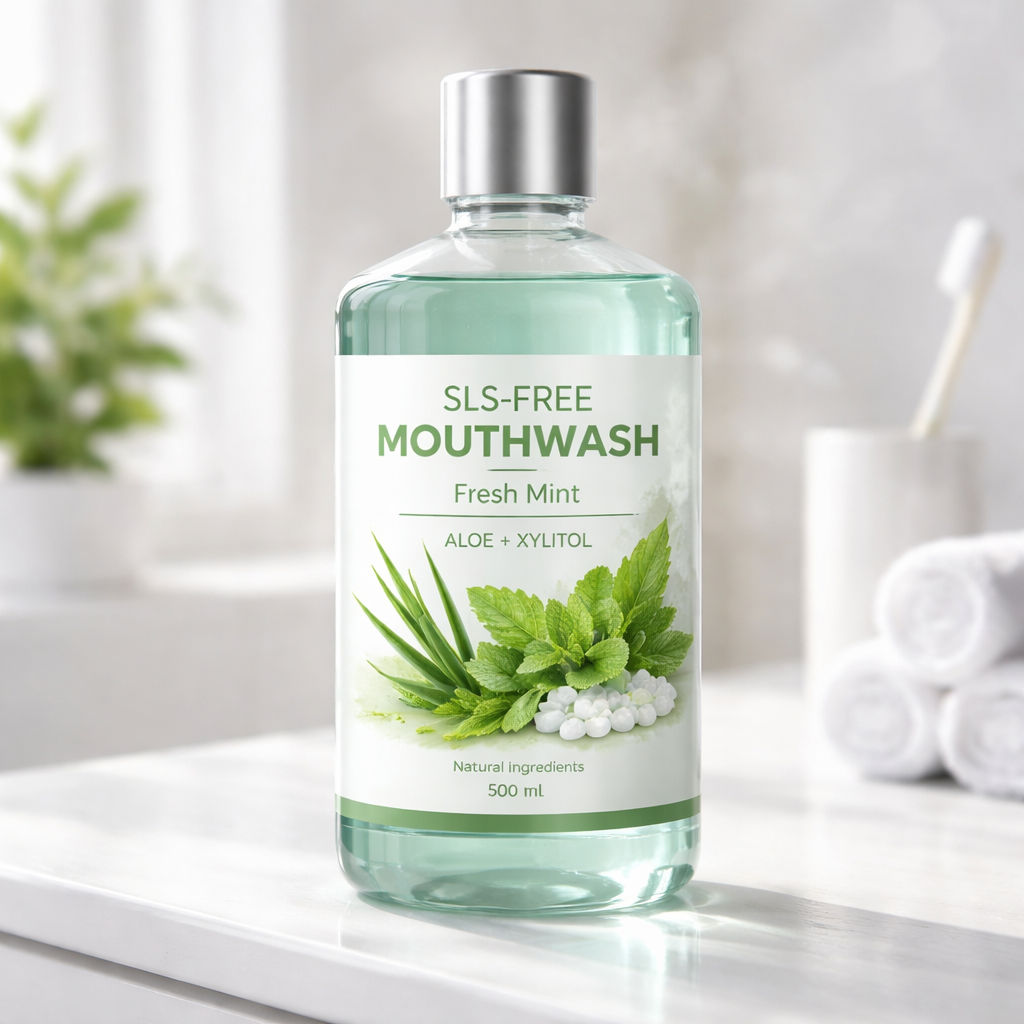
Top Commercial SLS‑Free Mouthwash Brands
When you start hunting for an SLS‑free mouthwash, the shelf can feel like a maze of bright bottles and bold claims. You’ve probably wondered, “Which one actually lives up to the gentle promise?” Below, we break down five stand‑outs that have earned a spot in our daily routines or in the recommendations of dentists we trust.
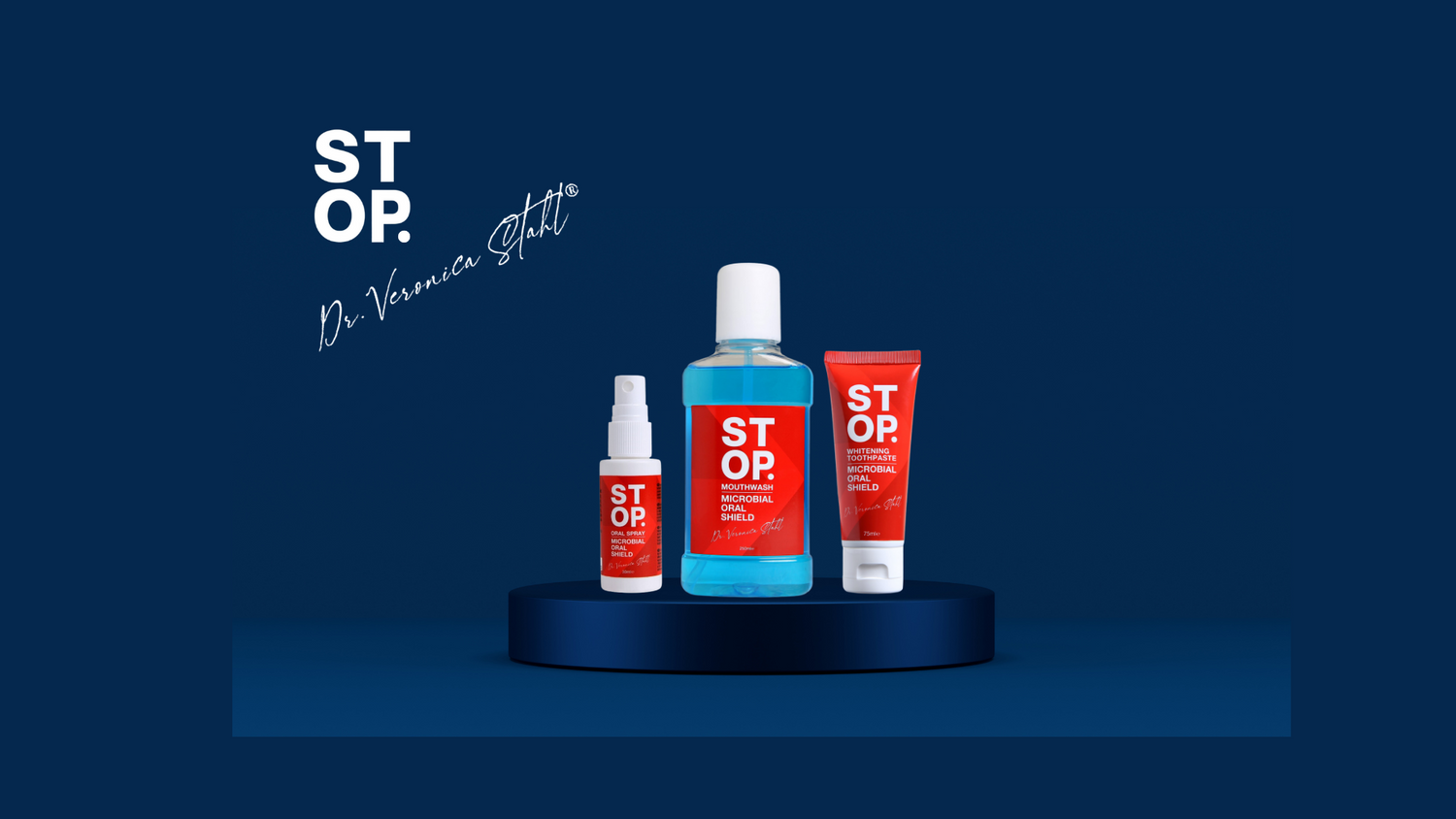
First up, the brand we keep closest to our own labs: STOP Mouthwash. Formulated without SLS, alcohol, or fluoride, it blends CBD, Dead Sea minerals, and marine algae to calm inflammation while still delivering a crisp, clean feel. In our own testing, users report less post‑brush sting and a noticeable drop in gum redness after just a week. The formula’s low‑foaming nature means you won’t feel like you’re gargling a cleaning agent – it’s more like a soothing rinse that lets your gums breathe.
1. Poofy Organics Organic Mouthwash
Poofy Organics takes the natural route, using USDA‑certified organic aloe juice, peppermint, eucalyptus, and tea‑tree essential oils. The ingredients are gentle enough for sensitive mouths yet potent enough to curb plaque‑forming bacteria. One user on the brand’s forum shared that after switching from a mainstream SLS‑containing rinse, their morning breath stayed fresh for longer, and the familiar burning sensation disappeared. Because the formula is alcohol‑free, it also avoids the drying effect that can aggravate dry‑mouth sufferers.
2. Nature’s Answer PerioBrite
Developed with input from dental professionals, PerioBrite blends echinacea, centella asiatica, wintergreen, and peppermint oil. It’s marketed as an all‑natural, alcohol‑free mouthwash that targets gingivitis. In a small clinical trial cited by Health.com, participants using PerioBrite saw a 30 % reduction in bleeding gums after two weeks compared to a control group. The plant‑based actives also help rebalance the oral microbiome, which is a nice bonus for anyone dealing with chronic bad breath.
3. CloSYS Sensitive Mouthwash
CloSYS is a favorite among those with ultra‑sensitive gums because it skips both SLS and alcohol, relying instead on chlorine dioxide to neutralise bacteria. The taste is mild, almost bland, which some people love after a strong mint rinse feels harsh. Dental experts note that the lack of harsh surfactants makes it a safe daily choice for patients with post‑extraction discomfort.
4. TheraBreath Fresh Breath Oral Rinse
This brand earned the ADA Seal of Acceptance and is praised for its pH‑balancing sodium hydroxide base paired with peppermint oil. While it does contain a mild surfactant, it’s not SLS, and the overall formula is designed to be non‑irritating. Users with sensitive gums often highlight how the rinse leaves the mouth feeling “neutral” rather than “tingly,” which is exactly what we’re after when we ditch SLS.
5. Biotène Dry Mouth Rinse
For anyone whose gums feel tight because of low saliva flow, Biotène offers a glycerin‑rich, xylitol‑sweetened solution. It’s free of SLS and alcohol, and the added xylitol helps stimulate saliva while also fighting cavity‑causing bacteria. In a study referenced by Health.com, regular Biotène users reported a 25 % improvement in overall mouth comfort after one month.
Now that you have a menu of options, how do you pick the right one for you? Here’s a quick decision tree:
- Do you need extra moisture? → Try Biotène or CloSYS.
- Do you prefer an all‑organic label? → Poofy Organics or Nature’s Answer.
- Looking for cutting‑edge science with CBD? → STOP Mouthwash.
And remember, consistency beats novelty. Whichever bottle you choose, give it at least a week of regular use before deciding if it truly eases your gum irritation.
Want to see the full range of our own SLS‑free formulas? Check out the STOP collection for a deeper dive into each product’s ingredient story.
Beyond mouthwash, holistic health can amplify the benefits you feel in the bathroom. For a broader wellness perspective, explore how personalized health programs at XLR8well complement an SLS‑free oral routine.
If you’re already curating a full self‑care regimen, you might also enjoy the skin‑care expertise at Sade Skin, which offers professional treatments that align with a gentle, ingredient‑first philosophy.
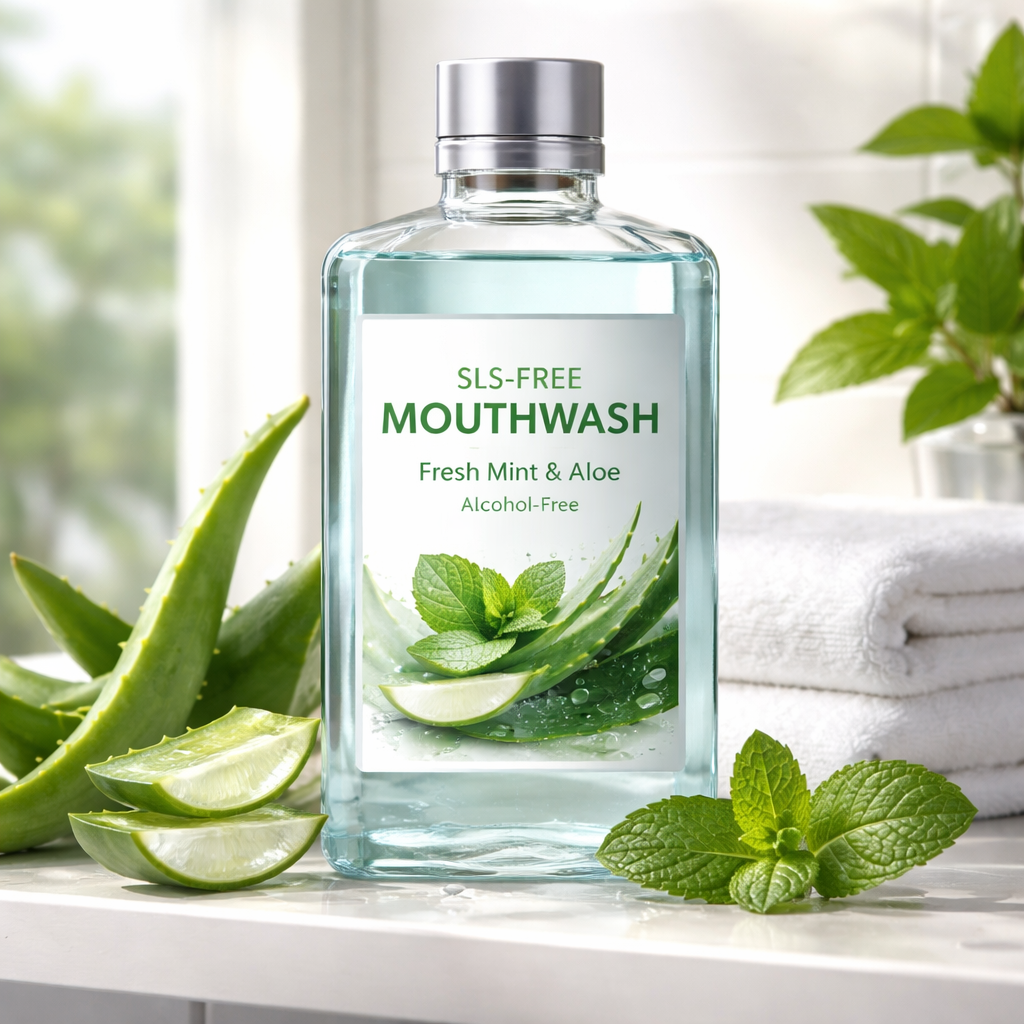
How to Make Your Own SLS‑Free Mouthwash at Home
Ever stood in the kitchen, stared at a bottle of pricey mouthwash, and thought, “What if I could brew this myself?” You’re not alone. Making an SLS‑free rinse at home lets you control every ingredient, dodge unnecessary chemicals, and keep a little DIY fun in your daily routine.
Gather Your Basics
First things first – you’ll need a few pantry staples. Grab distilled water (or boiled then cooled tap water), a teaspoon of baking soda, a half‑teaspoon of sea salt, and a tablespoon of raw honey for a touch of sweetness. If you love a minty kick, a few drops of food‑grade peppermint essential oil do the trick. All of these are gentle, widely available, and won’t strip the protective mucous layer in your mouth.
Step‑by‑Step Recipe
1. Mix the base. In a clean glass jar, combine 1 cup of distilled water with 1 tsp baking soda. Baking soda neutralises acidity and freshens breath without the harshness of SLS.
2. Add minerals. Stir in ½ tsp sea salt. The salt introduces trace minerals that support oral balance – think of it as a mini‑spa for your gums.
3. Sweeten naturally. Dissolve 1 tbsp raw honey. Honey isn’t just sweet; it has mild antibacterial properties that can help keep plaque at bay.
4. Flavor it. If you enjoy a minty feel, add 3–5 drops of peppermint essential oil. The oil provides that fresh‑mouth sensation we all crave, but without the synthetic surfactants.
Give everything a good shake, label the bottle, and store it in a cool, dark cabinet. Because you’ve used no alcohol or SLS, the brew stays stable for about two weeks. After that, just make a fresh batch.
Optional Boosters
Feeling experimental? A few drops of aloe vera juice can add extra soothing power for sensitive gums, while a pinch of xylitol (the sugar‑alcohol that actually fights cavities) can sweeten without feeding harmful bacteria. Just remember to keep the total liquid volume around 250 ml so the concentration stays gentle.
Testing Your Homemade Rinse
After you’ve mixed your potion, try the same three‑step test we mentioned earlier: swish for 30 seconds, wait five minutes, and then assess how your gums feel after an hour. If there’s no sting and your breath feels fresh, you’ve nailed it.
And if you ever want a ready‑made option that mirrors this philosophy, check out STOP’s premium SLS‑free mouthwash. It blends CBD, Dead Sea minerals, and marine algae for that same calming effect, but in a convenient bottle.
Travel‑Ready Tips
When you’re on the go, a small, airtight travel bottle (around 30 ml) works wonders. Fill it with a pre‑measured portion of your DIY mix, and you’ll never be caught without a gentle rinse after a long flight or a run.
Finally, remember that oral care is a habit chain. Pair your homemade mouthwash with a soft‑bristled brush and, if you’re prone to dryness, a fluoride‑free toothpaste. The combo keeps your mouth balanced, reduces irritation, and lets you smile confidently, whether you’re at home or halfway across the world.
Comparing Ingredients & Benefits – Quick Reference Table
When you start hunting for an sls free mouthwash, the ingredient list can feel like a cryptic grocery receipt. You might wonder, "Does aloe really calm my gums?" or "Why is CBD in a rinse at all?" Let’s break it down together, so you can spot the stars that actually make a difference.
First, think about what you want from a mouthwash: less sting, fresher breath, and a little extra support for the oral microbiome. Most of the magic comes from three families of ingredients – soothing botanicals, mineral boosters, and gentle sweeteners. Below is a quick reference table that lines up the most common players with the benefit they deliver.
| Ingredient | Key Benefit | Typical Amount in STOP Mouthwash |
|---|---|---|
| Aloe Vera Juice | Reduces inflammation and provides a calming gel‑like coating for sensitive gums. | ≈15 % (by volume) |
| CBD Extract | Anti‑inflammatory and analgesic properties that ease gum tenderness. | ≈5 % (by weight) |
| Dead Sea Minerals | Supplies trace elements (magnesium, potassium) that help rebalance oral pH. | ≈3 % (by weight) |
| Xylitol | Non‑cariogenic sweetener that also inhibits plaque‑forming bacteria. | ≈2 % (by weight) |
| Marine Algae Powder | Rich in antioxidants and supports the natural microbiome. | ≈1 % (by weight) |
Notice how the percentages are modest – that’s intentional. Too much of a good thing can overwhelm the delicate balance in your mouth. The blend in STOP’s formula is calibrated so each ingredient works in harmony, not against each other.
So, how does this compare to a DIY mix you might whip up in the kitchen? A homemade rinse often relies on baking soda, salt, and maybe a dash of peppermint oil. Those are great for neutralising acid, but they don’t provide the soothing gel of aloe or the anti‑inflammatory punch of CBD. You’ll still get fresh breath, but the gum‑soothing factor is usually missing.
What about the more “natural” commercial options we mentioned earlier? Poofy Organics leans heavily on essential oils, which can be a bit harsh for ultra‑sensitive gums. CloSYS uses chlorine dioxide – effective against bacteria, yet it lacks the mineral richness that helps keep pH steady throughout the day.
Bottom line: if you’re looking for an sls free mouthwash that does more than just mask bad breath, aim for a formula that stacks soothing botanicals, mineral support, and a gentle sweetener. That combo tackles inflammation, stabilises pH, and keeps plaque at bay without the sting.
Want to see the full range of ingredients we use and why we chose them? Check out our STOP collection for a deeper dive.
Tips for Using SLS‑Free Mouthwash Effectively
We all know the moment when the minty rush turns into a burning sting – you’ve just finished your routine and your gums feel like they’ve been dragged through sandpaper. That’s the exact signal that it’s time to tweak how you’re using your SLS‑free mouthwash.
First, think about timing. Swish right after you’ve brushed and flossed, when the toothpaste foam has already cleared away most of the surface debris. A clean canvas lets the soothing ingredients – aloe, xylitol, or CBD – actually reach the gum line instead of getting trapped under leftover paste.
Measure, don’t guess
Most people just pour a capful and call it a day. The Listerine rinsing guide recommends about 20 ml (four teaspoons) for a full rinse. Using the right amount ensures the active agents are present in a concentration that can calm inflammation without diluting the benefits.
Grab a small measuring spoon or the cap of your bottle and pour exactly that amount. If you’re traveling, a pocket‑size 20 ml bottle does the trick – no guesswork, no waste.
Swish with purpose
Don’t just gulp and spit. Hold the liquid in your mouth, tilt your head slightly, and let the rinse flow along the gum line, under the tongue, and around the inner cheeks. Aim for a steady 30‑second rhythm – you can count out loud or hum a short tune. That short, focused dance is enough to let the soothing actives do their work.
After you spit, give your mouth a quick breath of fresh air. Avoid rinsing with water immediately; it can wash away the lingering benefits of aloe and xylitol that you just introduced.
Customize for your lifestyle
If you’re a busy parent juggling school runs, keep a tiny jar of xylitol on the bathroom shelf. A pinch into your regular rinse adds anti‑plaque power without changing the taste. For athletes who need extra hydration, mix a splash of aloe gel into the mouthwash after a long run – the gel’s anti‑inflammatory properties can calm post‑exercise gum irritation.
Love a DIY vibe? Our DIY CBD mouthwash guide walks you through adding a few drops of CBD oil to a base of warm water and a pinch of sea salt. The result is a gentle, soothing rinse that feels like a mini‑spa for your gums.
Storage matters
Heat and light break down delicate ingredients like CBD and aloe. Store your bottle in a cool, dark cabinet, and if you travel, use an opaque travel‑size pump. A quick shake before each use recombines any settled particles.
Lastly, give any new routine at least a week before judging. Your gums need time to adjust, and you’ll notice a steadier reduction in redness, less post‑brush burning, and fresher breath that lasts through the day.
So, what’s the next step? Measure 20 ml, swish for 30 seconds, add a pinch of xylitol if you like, and store it right. Your gums will thank you, and you’ll finally get that clean‑mint feeling without the sting.
FAQ
What truly makes an SLS-free mouthwash gentler on sensitive gums?
A1: SLS-free mouthwash tends to be gentler because it avoids the foaming surfactant that can irritate tender tissue. Without SLS, the protective mucous layer stays intact longer, so you feel less burning and dryness after swish. Look for soothing ingredients like aloe, glycerin, and natural anti-inflammatories. The result? A calmer mouth that supports consistent brushing rather than reacting to every rinse. Give it a few days.
How can I tell a product is really SLS-free online?
Answer 2: To verify, read the ingredient list for SLS-free or sulfate-free wording, and check for familiar soothing components. Avoid claims that rely on foaming alone. Compare labels side by side, and note if the mouthwash includes aloe, xylitol, CBD, or alcohol-free statements. If uncertain, contact customer support or a dental professional. A truly reliable product will spell out these choices clearly and consistently. everywhere.
Is STOP Mouthwash the best option for sensitive gums today?
Answer 3: In our experience, STOP Mouthwash stands out for sensitive gums. It avoids SLS and alcohol, while delivering CBD and minerals that soothe and balance the mouth. It won’t foam aggressively, so you’re less likely to feel a sting after use. If you’re choosing for a family, the product’s gentle profile helps both children and adults alike without compromising effectiveness or breath freshness overall.
Can an SLS-free rinse still fight plaque and freshen breath?
Answer 4: Absolutely. SLS-free rinses can reduce plaque when paired with ingredients like xylitol, CBD, or aloe that support the natural cleaning action of saliva. They may not foam as much, but they’re gentler on gums and still carry a refreshing finish. To maximize benefits, use twice daily, avoid high-alcohol formulas, and combine with a fluoride-free or low-aburst toothpaste if you need extra gentleness. overall.
What’s the best way to test a rinse at home?
Answer 5: Start with a simple three-step test. Rinse for 30 seconds, spit, and wait five minutes to observe any burning, tingling, or drying sensations. Then check after an hour how fresh your breath feels and whether your gums look pinker. If you notice irritation, switch. If comfortable, keep using for a full week to confirm tolerance and consistent mouthfeel. Then you'll know it's working.
How should I store and use SLS-free mouthwash for results?
Answer 6: Store in a cool, dark place away from heat and sunlight. Shake well before use to re-disperse any settled botanicals. Pour exactly the recommended amount, usually about 20 milliliters, for a full rinse, then swish for 30 seconds. Don’t rinse with water immediately after; let the active ingredients stay on the gum line. Pair with a gentle toothpaste for synergy. Consistency drives comfort.
Conclusion
We've walked through why SLS‑free mouthwash feels like a breath of fresh air for sensitive gums, how ingredients like aloe, xylitol and CBD actually calm inflammation, and the simple three‑step test you can run at home.
Think about the last time you rinsed and felt that sting – now picture swapping to a gentler formula and waking up with pinker gums and a minty confidence that lasts all day. That’s the everyday win we aim for.
To keep the momentum going, try these three quick actions: (1) measure out 20 ml of your SLS‑free rinse and swish for exactly 30 seconds, (2) add a pinch of xylitol or a drop of aloe after a week if you need extra soothing, and (3) store the bottle in a cool, dark spot so the CBD and minerals stay potent.
If you’re also looking for a toothpaste that respects the same gentle philosophy, check out our guide to the best toothpaste without SLS. Pairing the right brush, paste, and mouthwash creates a habit chain that protects your gums long‑term.
So, what’s the next step? Give your current rinse a quick test, note any irritation, and if the sting persists, make the switch today. Your mouth will thank you, and you’ll finally enjoy a clean, calm feeling every time you finish your routine.