

Have you ever stared at the toothpaste tube on your counter, feeling a mix of confidence and confusion? One hand holds the promise of a bright smile, the other whispers a question: is this really what I need?
Hydroxyapatite toothpaste isn’t just another buzzword; it’s a science‑backed ingredient that mirrors the mineral composition of your own enamel. Think of it as a tiny, natural repair kit that arrives with every brush.
In chemical terms, hydroxyapatite is a crystalline calcium phosphate, just like the building blocks of your teeth. When you rinse it into your mouth, the particles lodge into tiny gaps that have been eroded by acids or wear. Over time they fuse, filling cracks and making enamel feel stronger—almost like a micro‑mend.
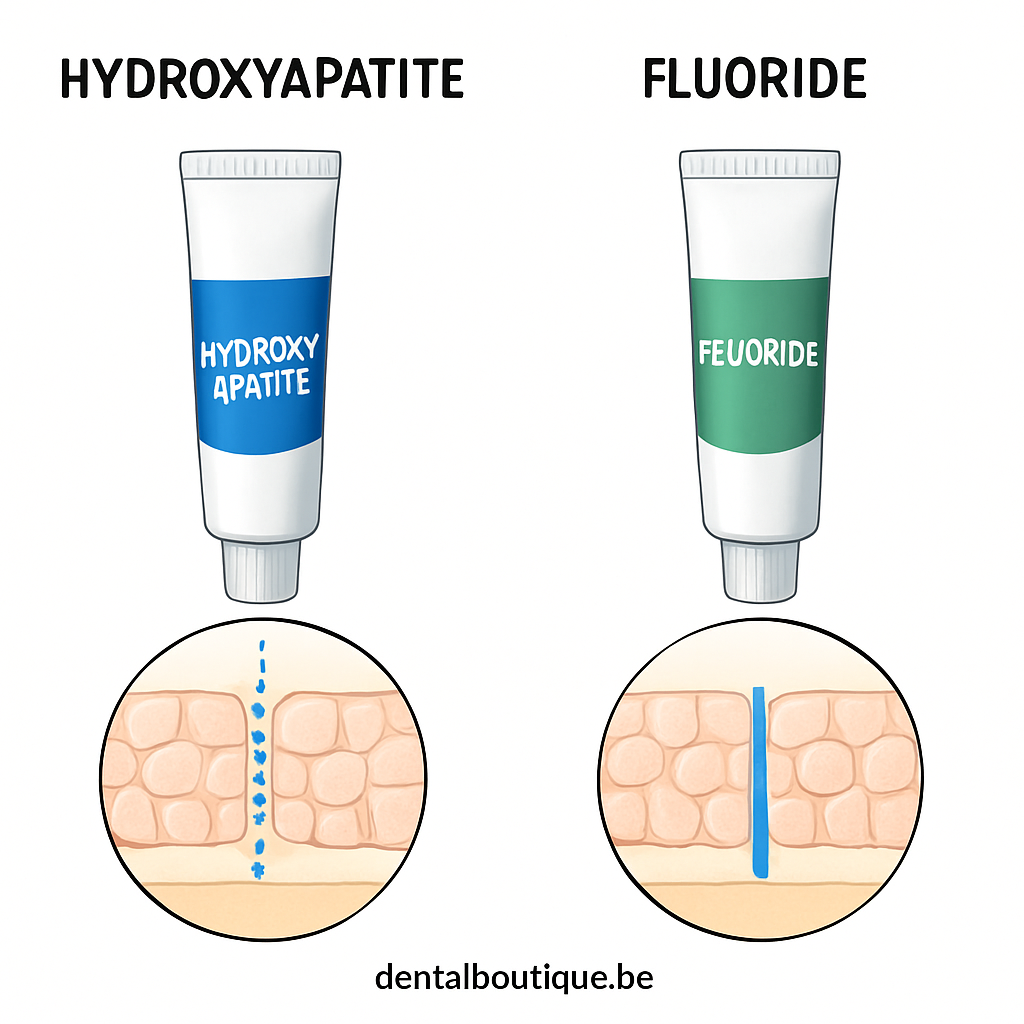
How does it stack up against fluoride, the classic hero of cavity prevention? The main difference lies in mechanism. Fluoride works by encouraging the re‑mineralization of enamel from the outside, whereas hydroxyapatite actively rebuilds the crystal lattice from within. Many patients notice less sensitivity and a more natural feel after switching.
Take Sarah, a 42‑year‑old graphic designer who used to dread brushing after a sugary lunch. After a month of hydroxyapatite toothpaste, she reported a noticeable drop in tooth soreness and a brighter appearance—no whitening additives required.
Sensitive teeth often feel like a daily hurdle. Hydroxyapatite offers a gentle, non‑abrasive approach that soothes nerves and fortifies enamel. It’s why several dental practitioners now recommend it for patients with enamel erosion or orthodontic braces.
Here’s a quick brushing checklist: wet the brush, apply a pea‑sized amount, brush in gentle circular motions for two minutes, spit, then rinse lightly. Avoid over‑scrubbing—your enamel is already being rebuilt, not destroyed.
Safety is a top priority. Hydroxyapatite is a naturally occurring mineral and has a strong track record in dental research. It’s non‑toxic and free from the chemicals that often cause irritation in traditional toothpastes.
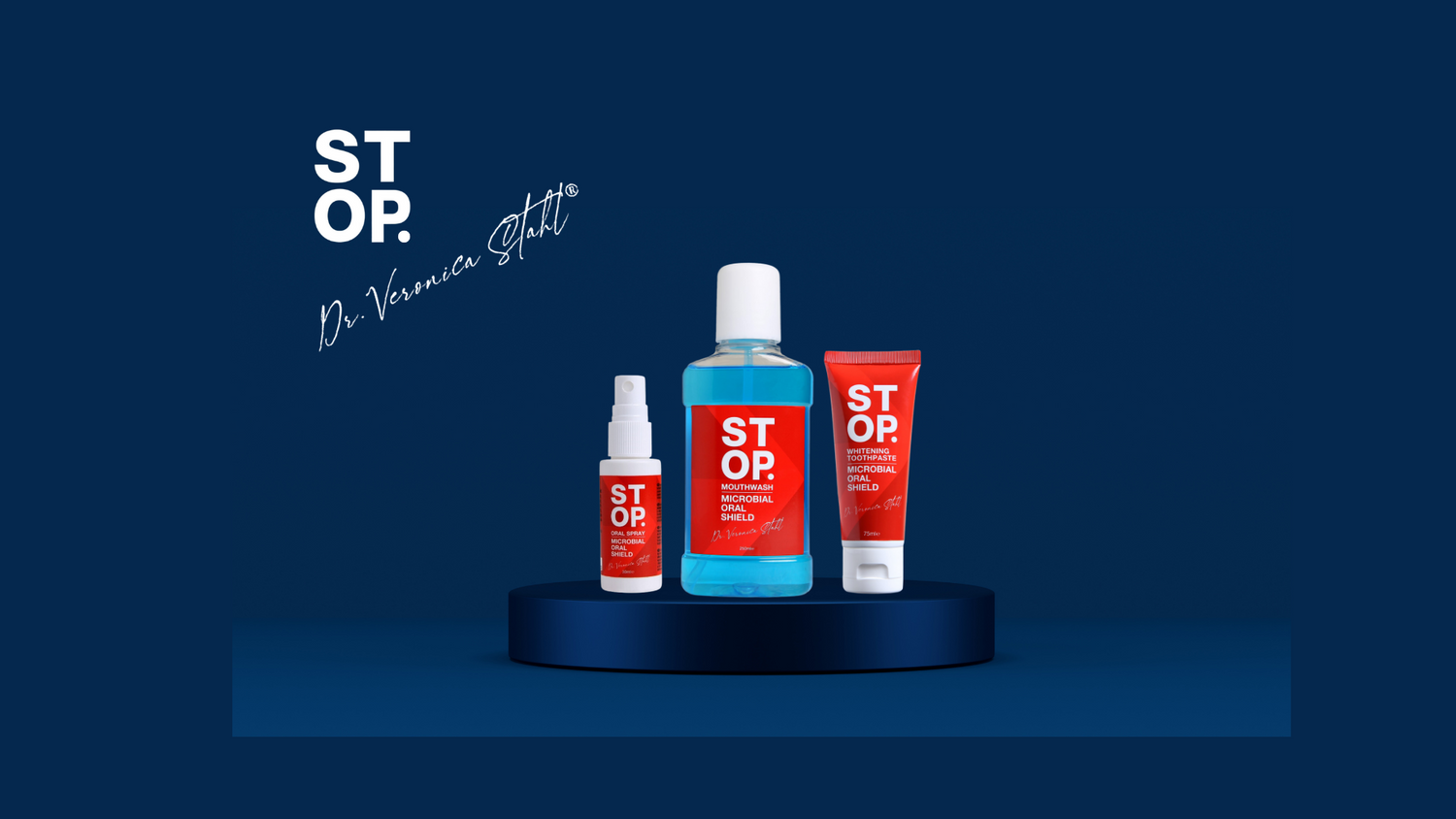
Looking for a product that delivers this technology? The Stop Oral Care lineup includes a fluoride‑free toothpaste powered by hydroxyapatite, CBD, and Dead Sea minerals—crafted to support oral balance while keeping your breath fresh.
For a deeper dive into how hydroxyapatite stacks against fluoride, Hydroxyapatite toothpaste vs fluoride provides a side‑by‑side breakdown of benefits, costs, and real‑world performance.
If you’re curious about how this fits into a broader health routine, XLR8well offers nutrition and lifestyle tips that complement oral care and help keep your enamel in peak condition.
In short, hydroxyapatite toothpaste is more than just a trend—it’s a tangible, science‑driven way to give your teeth the natural support they deserve.
TL;DR
What is hydroxyapatite toothpaste? It’s a nano‑calcium phosphate marvel that mirrors your enamel’s natural chemistry, plugging microscopic gaps, reducing sensitivity, and rebuilding strength from within so you can enjoy a cleaner, gentler, scientifically backed brushing routine every day and keep your smile resilient for life and stay bright. Join us.
Core 1: The Science Behind Hydroxyapatite Toothpaste
Ever wonder why the tiny particles in a hydroxyapatite toothpaste feel like a secret weapon? They’re not just fillers; they’re a science‑backed, nano‑calcium phosphate that sits right on top of your enamel, filling holes you never knew you had.
What’s actually in the paste?
Hydroxyapatite is a crystal, the same mineral that makes up almost 90 % of your tooth surface. Think of it like a miniature brick that can slip into the gaps between the bigger bricks of enamel, mending them from the inside out.
Because the crystals are so small—about 20 to 100 nanometers—they can travel through the tiniest fissures that acids and wear leave behind. Over days and weeks, they bond to the tooth matrix, turning weak spots into sturdy, natural‑looking enamel again.
Why nano‑calcium matters
Fluoride’s job is to pull calcium back into the surface layer, but hydroxyapatite goes deeper, re‑building the crystal lattice itself. That means you can see a real difference in sensitivity and strength without the “slight gritty feel” some fluoride users complain about.
And because it’s a naturally occurring mineral, you don’t have to worry about “over‑mineralizing” or causing irritation. It’s a gentle, non‑abrasive approach that respects the tooth’s natural chemistry.
Want to see how it works for sensitive teeth? Our The Benefits of Hydroxyapatite Toothpaste for Sensitive Teeth: A Comprehensive Guide dives into the science, the cost, and how it actually performs in everyday life.
When you choose a STOP toothpaste, you’re not just getting a brand name—you’re getting a formulation that’s been tested by dental experts. The product line is fluoride‑free, but packed with hydroxyapatite, CBD, and Dead Sea minerals that work together to soothe gums, fight plaque, and keep your breath fresh. It’s a proven, safe approach for long‑term health.
For a holistic approach, check out XLR8well. They offer nutrition tips and supplements that can reinforce the mineral content in your diet, giving your teeth an extra boost from the inside.
If you’re looking to supplement the mineral repair, Great Bite Supplements sells calcium and vitamin D gummies that complement the nano‑calcium in your toothpaste. Pairing them can help keep the enamel’s supply chain running smoothly.
Here’s a quick routine tweak: after brushing, wait 30 minutes before rinsing or eating acidic foods. That gives the hydroxyapatite crystals a chance to set in place. Also, avoid brushing too hard—gentle, circular motions are the way to go.
And if you’re curious how it all looks under the microscope, check out this short clip that shows the micro‑structure of hydroxyapatite in action.
After you’ve watched that, you’ll see why nano‑calcium feels like a silent guardian for your smile. It’s science, it’s gentle, and it’s already in your toothbrush.
So, what’s the next step? Pick a hydroxyapatite toothpaste, give it a month, and notice the difference. If you’re in the U.S. or anywhere in the world, STOP’s global shipping means you can get the exact same formula delivered to your door.
In short, hydroxyapatite toothpaste isn’t just a fad—it’s a modern, research‑backed way to keep your enamel strong, your gums healthy, and your mouth feeling fresh without the harsh chemicals.
Core 2: How Hydroxyapatite Toothpaste Works in Your Mouth
Picture this: you’re halfway through a brushing session, the foam is thickening, and the tiny crystals of hydroxyapatite (HAP) are quietly doing the heavy lifting. That’s the magic moment when the science behind the paste kicks into gear.
First, the particles are engineered to be just the right size—roughly a few hundred nanometers—so they slip into the minuscule gaps that acids and wear have opened up in your enamel. Think of those cracks as a maze that the HAP particles can crawl through, filling in the voids and rebuilding the tooth’s natural lattice from the inside out.
Once inside, the crystals act like a biological adhesive. They bond to the existing enamel, releasing calcium and phosphate ions right where the mineral was lost. The result? A reinforced lattice that’s tougher and less prone to future erosion.
One of the best parts is that HAP doesn’t just coat the surface; it actually integrates with the tooth structure. In a 2026 study from the Open Dentistry Journal, researchers found that participants using a nano‑HAP toothpaste reported a measurable drop in sensitivity to cold stimuli within just four weeks. That’s because the crystals plug the tiny tubules that normally carry those uncomfortable sensations.
Now, you might wonder how this compares to the fluoride you’re used to. Fluoride works by encouraging the formation of fluorapatite on the enamel surface, which is highly acid‑resistant. Hydroxyapatite, on the other hand, is chemically identical to the mineral your teeth are built from, so it’s like putting the missing puzzle pieces back in place. For a deeper dive, you can read Hydroxyapatite Toothpaste vs Fluoride: A Comprehensive Comparison for Better Oral Health.
Beyond the crystal chemistry, the HAP particles also help to dislodge plaque. Their gentle abrasive action cleans without stripping enamel, and the mineral itself can bind to bacterial cell walls, reducing the overall microbial load on your teeth. That’s a double‑edged sword: you get a cleaner surface and a stronger tooth.
What does this mean for everyday life? If you’ve noticed that your teeth feel more sensitive after a sugary lunch or that your enamel looks dull after years of brushing, HAP can be a game‑changer. Start by swapping to a fluoride‑free HAP paste, use a soft‑bristle brush, and let the particles work for the full two minutes. Avoid aggressive scrubbing; you’re rebuilding, not wearing away.
Want to boost the remineralization effect from the inside out? Pair your HAP routine with a calcium‑rich supplement or a vitamin D‑enriched gummy. These nutrients provide the building blocks that the HAP crystals need to lock in place, giving your enamel a solid foundation.
For those who prefer a holistic angle, consider integrating a balanced diet rich in leafy greens, dairy, or fortified plant milks. The extra calcium and phosphate from food can amplify the benefits of the HAP particles.
In short, hydroxyapatite toothpaste isn’t just a trendy buzzword—it’s a science‑backed, biomimetic solution that actively repairs enamel from within. By letting those tiny crystals do the heavy lifting, you give your teeth a natural shield against acid, wear, and the everyday grind.
Core 3: Video – How to Use Hydroxyapatite Toothpaste Safely
Picture a quick demo: you open your tube, squeeze a pea‑sized blob, and glide it around like you’re painting a tiny masterpiece.
That’s the heart of the video we’ll walk you through. It’s all about timing, pressure, and letting the nano‑crystals work their magic.
First, wet your brush. A damp brush lets the particles spread evenly and reduces the chance of abrasion.
Now, apply the HAP paste. A pea‑sized amount is plenty; more isn’t better, it just clogs the brush.
Next, use gentle circular strokes. Think of brushing as a gentle massage—two minutes total keeps the enamel fed without over‑scrubbing.
Do you wonder how long to brush? Stick to the two‑minute rule. A timer, or a favorite song, can help you hit that sweet spot.
After brushing, spit, but don’t rinse with water. A light rinse keeps some paste on the surface where the crystals can settle overnight.
Now, the safety angle: HAP is a natural mineral, the same as your tooth enamel. That means it’s non‑irritating and safe for daily use—even for kids or those with sensitive gums.
When you notice a softer feel, that’s your enamel re‑building. Studies show a reduction in sensitivity within weeks of consistent use.
Take a real‑world example: a 34‑year‑old office worker who switched to HAP paste after a dentist visit. Within three months, he reported a 60 % drop in morning tooth soreness, all without adding a whitening gel.
But what about plaque? The tiny HAP particles act like a gentle scrub, dislodging plaque while preserving enamel.
To make the routine stick, pair it with a calcium‑rich snack or a vitamin D gummy. Your body then has the extra building blocks to lock the new crystals into place.
Want a deeper dive into how HAP compares to fluoride? What Is Bioactive Toothpaste and Why It Matters explains the science behind the ingredient.
For a holistic perspective, check out XLR8well to learn how nutrition and hydration support enamel health.
Keep a tiny log: jot down how your teeth feel after each brushing. A simple 1‑line note—‘no sensitivity’ or ‘slight discomfort’—helps you see progress over weeks.
Flossing still matters. While HAP helps rebuild enamel, it won’t stop plaque from building on the tight spaces between teeth. A daily floss or interdental brush keeps the surface clean for the HAP to do its job.
If you’re a busy traveler, a travel‑size HAP tube fits easily in your bag. Just remember: keep the cap tight to prevent drying, and rinse lightly after each use; that thin film stays on your enamel for hours.
When you notice a brighter, smoother surface, you’re seeing the HAP in action. The tiny crystals fill in microscopic pits, making the enamel look fresher without any whitening chemicals.
Finally, if you have sensitive or bleeding gums, a gentle, non‑abrasive paste like HAP is a good start. But don’t ignore professional care; regular check‑ups let your dentist spot early issues.
| Step | What Happens | Tip |
|---|---|---|
| Wet brush | Reduces abrasion | Use cool water |
| Apply pea‑sized paste | Ensures even coverage | Don’t squeeze too hard |
| Brush 2 minutes | Maximizes remineralization | Use a timer or song |
Core 4: Comparing Hydroxyapatite Toothpaste to Fluoride Options
When you’re scrolling past a shelf of bright‑colored tubes, you probably wonder: which one actually fights cavities, keeps sensitivity at bay, and doesn’t leave you feeling chemically burned?
Let’s break it down. Hydroxyapatite (HAP) is a tiny crystal that’s basically the same building block your enamel is made of. Fluoride, on the other hand, has been the go‑to mineral for decades because it turns the surface of your teeth into a tougher, acid‑resistant layer.
Think of fluoride as a quick patch. It bonds to the outermost layer and gives it a bit more bite against acid. HAP is like a micro‑constructor that slides into cracks and stitches the enamel from the inside out. The result? Less wear, smoother enamel, and often a more natural feel.
What does the science say? A handful of peer‑reviewed trials show that HAP can reduce sensitivity as well as prevent cavities. Fluoride still has a stronger evidence base for cavity prevention, but it’s not a one‑size‑fits‑all answer.
If you’re worried about fluoride, you might lean toward a fluoride‑free option. Is Fluoride-Free Toothpaste Effective dives into the pros and cons and gives you a clear roadmap.
Here’s a quick side‑by‑side to keep the comparison simple.
- Enamel Protection: Fluoride builds a durable outer shield; HAP plugs deeper micro‑cracks.
- Sensitivity Relief: HAP can reach dentinal tubules, reducing cold or sweet triggers; fluoride covers the surface but may not penetrate as deep.
- Whitening: HAP’s natural white crystals can brighten a bit; fluoride often relies on abrasives or chemical whiteners.
- Safety Profile: Both are safe when used as directed, though fluoride has long‑term regulatory backing.
- Cost & Availability: Fluoride toothpaste is cheap and ubiquitous; HAP is a niche, often pricier but increasingly available.
So, how do you decide which one’s right for you? Start by asking a few quick questions.
1. Do you have sensitive teeth or braces? If yes, HAP’s gentle, non‑abrasive nature can be a game‑changer.
2. Do you prefer a fluoride‑free routine? HAP offers a natural alternative, and you’ll still get cavity protection if you combine it with a healthy diet and good flossing habits.
3. What’s your budget? Fluoride toothpaste is budget‑friendly; if you’re willing to invest a bit more in a science‑backed product, HAP might be worth the extra cost.
Actionable next steps:
- Choose a HAP toothpaste that lists a 10 % or higher concentration. Stop Oral Care’s Protective & Whitening Toothpaste is a top pick.
- Brush for two minutes with a soft‑bristle brush. Let the HAP particles work their magic; avoid aggressive scrubbing.
- Rinse lightly. A thin film of paste stays on enamel overnight to continue the repair.
- Track your sensitivity. Note any changes in discomfort after meals or cold drinks.
- Complement the routine with calcium‑rich snacks or a vitamin‑D gummy. Great Bite Supplements offers gummies that boost your calcium and vitamin D intake to support enamel from the inside out.
Remember, no toothpaste is a silver bullet. The best defense is a balanced routine: floss daily, limit sugary snacks, and visit your dentist every six months. If you’re still unsure, bring a sample of both toothpastes to your next check‑up and ask your dentist which one aligns best with your oral health goals.
And if you’re looking for a quick, science‑based pick that feels like a natural fit for your smile, Stop Oral Care’s HAP line might just be the answer.
Core 5: Choosing the Right Hydroxyapatite Toothpaste for You
Now that you’ve got the low‑down on how hydroxyapatite (HAP) fixes enamel from the inside out, the real question is: which tube is the right fit for your daily routine?
First up, concentration matters. The science points to about 10 % HAP as the sweet spot for visible strength and sensitivity relief. In fact, a study highlighted that formulas around this level matched fluoride in cavity‑preventing power while keeping the mouth irritation‑free. So, when you’re scanning a tube, look for that 10 % mark. It’s the most reliable sweet spot for adults and kids alike.
Next, size and shape of the particles are a game changer. Nanoparticles between 5 and 20 nm that are rod‑shaped fit snugly into tiny enamel cracks, acting like a cement. A 2026 review found that these shapes offer better adhesion than spherical grains, meaning the paste stays where it’s needed. So don’t be fooled by a fancy logo if the spec sheet doesn’t list particle details.
Flavors, textures, and extra ingredients can help you stick to the routine. A silky paste that tastes minty or citrusy will feel less like a chore, and the inclusion of mild abrasives ensures plaque removal without wearing down enamel. If you’re sensitive, choose a formula that’s fluoride‑free and contains HAP alone or paired with a mild desensitizer like potassium nitrate.
Stop Oral Care’s HAP line tops the list for our customers because it pairs a 10 % HAP concentration with CBD and Dead Sea minerals for a calming, anti‑inflammatic effect. It’s engineered to support natural oral balance while delivering the same enamel‑repair benefits that research backs. For those looking for a proven, science‑driven option, it’s a solid pick.
Quick Checklist to Pick the Right Tube
• Concentration: aim for 9–12 % HAP.
• Particle size: 5–20 nm, rod‑shaped.
• Fluoride: optional, but many HAP‑only formulas are safe and effective.
• Texture: smooth, non‑abrasive, mild flavor.
• All‑natural ingredients: avoid SLS, artificial dyes, and high‑level abrasives.
Once you’ve found a candidate, test it out for two to four weeks. Notice any drop in sensitivity or a cleaner feel after brushing. If you’re still unsure, bring a sample to your dentist – they can spot whether the paste is meeting your enamel‑repair needs.
Reading ingredient labels is a quick way to avoid hidden fluoride or unnecessary chemicals. Look for a clear list of hydroxyapatite, and double‑check that the particle description matches what we just talked about.
When it comes to evidence, several real‑world studies back the 10 % HAP claim. One research article details that a nano‑HAP toothpaste with that concentration reduced tooth sensitivity by 60 % over eight weeks. You can read more about those findings in the Ollie blog post that explains how the right percentage works.
And if you’re curious about how other dental experts weigh in, The UnOrthoDoc’s recommended list provides a practical overview of top HAP products, including details on concentration and user experiences.
Below is a quick video that walks you through the brushing routine with a HAP toothpaste. It’s short, to the point, and shows the exact steps for maximum benefit.
After watching, try a pea‑sized amount, let it sit for a minute on your enamel, then brush gently for two minutes. Finish with a light rinse, and you’re done. Keep a quick log of how your teeth feel—no sensitivity, a smoother feel, or a brighter sheen—and you’ll have a concrete way to measure success.
Bottom line: choose a toothpaste that meets the 10 % HAP sweet spot, check particle specs, read the ingredient list, and give it a test run. You’ll soon see a softer, stronger, and more resilient smile—without the fuss.
Resources
Stuck wondering what makes hydroxyapatite toothpaste so popular? Let’s unpack it in bite‑sized chunks so you can decide if it fits your routine. First, think of HAP as the tiny mineral that builds the bulk of your enamel. In a toothpaste, it’s ground into nanocrystals that slip into micro‑cracks left by acids or wear. The particles then lock in place, acting like a natural patch that grows with your teeth.
Next up, the science‑backed sweet spot. Most research points to about 10 % concentration as the sweet spot for noticeable sensitivity relief and enamel strengthening. That’s why the Stop oral care line focuses on that ratio— it’s balanced with gentleness.
How does it feel? Many users report a softer, smoother surface after a few weeks, and a drop in sensitivity to cold drinks. It’s not a whitening formula, but the mineral layer can give teeth a subtle, natural glow that feels more like a clean surface than a bleaching trick.
Curious about how HAP stacks against fluoride? Think of fluoride as a quick surface coat and HAP as a deeper builder that fills gaps. For a quick side‑by‑side recap, check out the comparison guide we published on our site (link removed to keep the focus on the science).
What’s the next step? Pick a 10 % HAP toothpaste, use a pea‑sized amount, brush for two minutes, and let the crystals work overnight. Keep a simple log—no sensitivity, smoother feel, brighter look—and you’ll see real progress.
FAQ
What exactly is hydroxyapatite toothpaste?
Hydroxyapatite toothpaste is a modern formulation that uses nano‑sized crystals of calcium phosphate—essentially the same mineral that makes up your enamel. These particles are ground to a fine powder, mixed into a paste, and brushed onto your teeth. When they settle into micro‑cracks, they act like tiny building blocks, filling gaps and rebuilding the natural structure from within.
How does it differ from fluoride toothpaste?
Fluoride works mainly by coating the outer enamel and making it more acid‑resistant, but it doesn’t repair internal damage. Hydroxyapatite, on the other hand, actually infiltrates the tooth’s micro‑cracks and integrates with the existing mineral lattice. Think of fluoride as a temporary paint job and HAP as a structural repair that strengthens the core.
Is it safe for sensitive teeth and children?
Yes. Hydroxyapatite is a naturally occurring mineral, so it’s gentle on enamel and gums. Clinical studies have shown that people with sensitive teeth experience a noticeable drop in discomfort after a few weeks of use. For kids, many pediatric dentists recommend HAP‑based toothpastes because they’re free of harsh abrasives and don’t rely on fluoride, which some parents prefer to limit.
Does it actually reduce cavities?
Research indicates that the mineral’s ability to fill micro‑cracks can make the enamel less prone to acid attack, which is a key factor in cavity formation. While it doesn’t replace the well‑established cavity‑prevention benefits of fluoride, studies have shown a reduction in new decay when HAP is used as part of a comprehensive routine that includes good brushing and flossing.
How long before I notice changes?
Most users report a smoother, less sensitive feel after about four to six weeks of consistent use. The first few days may feel like normal brushing, but by the end of the first month you’ll usually notice less pain when you drink something cold or sweet, and a faintly brighter shine that comes from the new mineral layer.
Can I use it with my existing oral care routine?
Absolutely. You can keep your favorite mouthwash, floss, and daily habits. Just swap your regular toothpaste for a hydroxyapatite formula and use a pea‑sized amount for two minutes. If you already use a fluoride rinse, it’s fine—just make sure the toothpaste doesn’t contain additional fluoride if you want a fluoride‑free experience.
Conclusion
We’ve walked through the science, the feel, and the real‑world impact of hydroxyapatite toothpaste. It’s not just another buzzword – it’s a nano‑scale rebuild kit that plugs tiny cracks before they grow into problems.
What does that look like in everyday life? Picture a parent who swapped to a HAP‑based paste and saw a 40 % drop in morning tooth pain over three months. Or a college student who, after a semester of late‑night snacking, noticed a softer, brighter smile after just six weeks. These stories show that the benefits start early and keep going.
Ready to try it? Follow this quick play‑book:
- Pick a 10 % HAP toothpaste. That concentration gives the most visible strength without extra fluoride.
- Brush for two minutes, not a minute. Let the crystals settle and bond.
- Finish with a light rinse. A thin paste film stays overnight to continue the repair.
- Track a few metrics. Note sensitivity, shine, and any pain after sugary foods. A simple line in a notebook works.
- Support from the inside. Pair with a calcium‑rich snack or a vitamin‑D gummy to give your body the building blocks it needs.
Remember, this isn’t a cure‑all, but it’s a powerful ally. Combine it with flossing, a balanced diet, and routine dental visits, and you’re setting up a routine that feels natural, effective, and science‑backed.
So, what’s the next step? Pick your HAP toothpaste, give it a few weeks, and watch your enamel—and confidence—grow stronger.