

TL;DR:
- Hemp provides anti-inflammatory, antimicrobial, analgesic, and regenerative benefits for oral health. It supports gum health, reduces pain, and shows promise in pulp tissue regeneration, but research remains preclinical. Patients should use hemp products as supportive adjuncts within professional dental care, not replacements.
Hemp is defined in dental research as a plant-derived source of cannabidiol (CBD) and related compounds that deliver anti-inflammatory, antimicrobial, analgesic, and tissue-regenerative effects in the oral cavity. The advantages of hemp in dentistry are now supported by a growing body of preclinical evidence, including studies on CBD’s role in reducing cytokine-driven gum inflammation, inhibiting oral pathogens, and stimulating dental pulp stem cell proliferation. While most current evidence remains preclinical, the findings are specific enough to guide patients and clinicians toward responsible, evidence-informed use. This article explains each therapeutic benefit in detail, addresses known limitations, and provides practical guidance on integrating hemp dental products into a standard oral care routine.
1. Advantages of hemp in dentistry: anti-inflammatory support for gum health
CBD reduces cytokine production linked to gum inflammation by activating CB2 receptors on immune cells. This mechanism directly lowers the inflammatory signaling that drives periodontal tissue breakdown. The result, observed in preclinical models, includes reduced swelling, decreased tissue redness, and measurable pain relief at the gum margin.
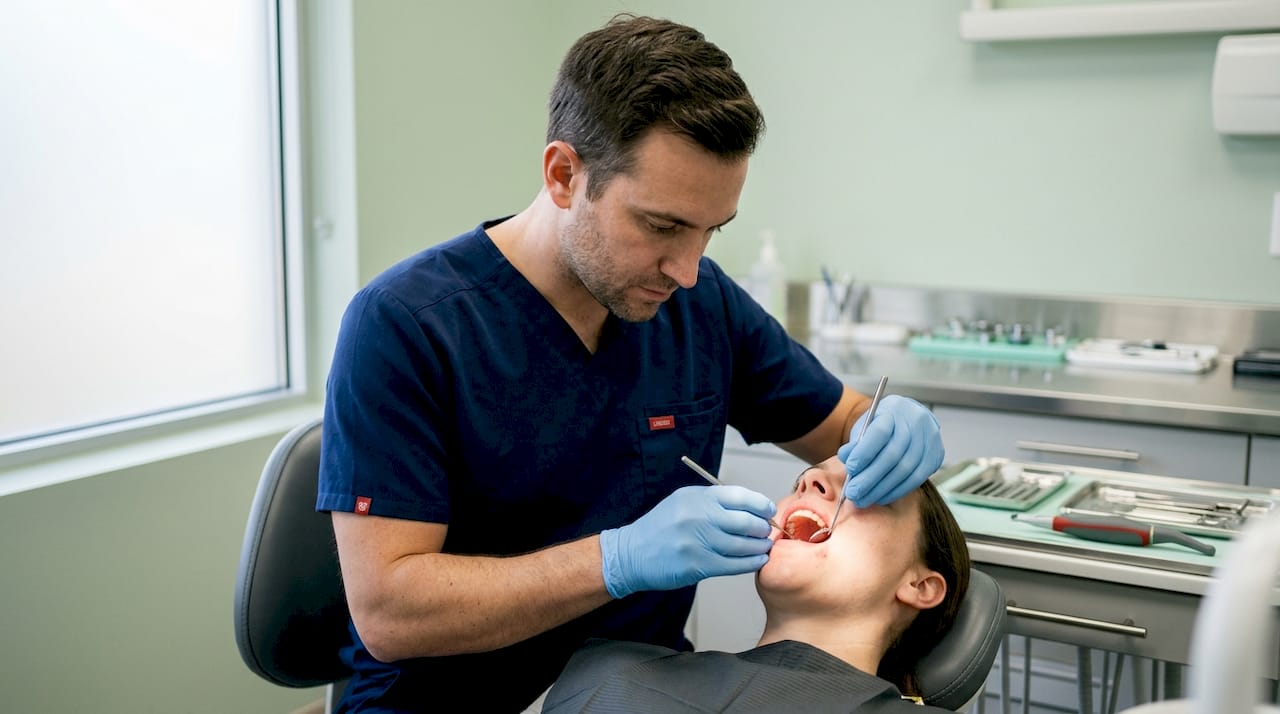
Clinical perspectives are clear on one point: hemp is an adjunct, not a cure for periodontal disease. Patients with diagnosed gingivitis or periodontitis still require professional scaling, root planing, and consistent home hygiene. CBD-based products work alongside these treatments to reduce residual inflammation between appointments.
Key benefits for gum health include:
- Reduction in pro-inflammatory cytokines such as IL-6 and TNF-alpha
- Localized pain relief at inflamed gum tissue
- Potential reduction in post-scaling soreness
- Support for tissue comfort during healing phases
Pro Tip: Ask your dentist to note your gum pocket depths before and after introducing a hemp-based mouthwash. Objective measurements give you and your provider a clear picture of whether the product is contributing to improvement.
2. Antimicrobial effects of hemp on oral bacteria
CBD shows antibacterial properties comparable to some synthetic oral care agents against plaque-forming bacteria. This positions hemp as a meaningful addition to oral hygiene protocols, particularly for patients who react poorly to alcohol-based rinses.
A February 2026 comparative study found that CBD mouthwashes have modest antifungal and anti-inflammatory properties but are less potent than chlorhexidine. Chlorhexidine remains the clinical gold standard for antimicrobial mouthwash. CBD-based rinses are better positioned as daily-use adjuncts rather than therapeutic replacements.
| Property | CBD mouthwash | Chlorhexidine mouthwash |
|---|---|---|
| Antibacterial spectrum | Moderate, broad | Broad, well-documented |
| Antifungal activity | Modest | Moderate |
| Anti-inflammatory effect | Present | Minimal |
| Suitable for daily use | Yes | Short-term only |
| Risk of staining | Low | High with prolonged use |
A 2025 microbiology study identified that prolonged cannabinoid exposure may shift oral microbial ecology, raising dysbiosis concerns. This finding underscores the need for periodic reassessment when using hemp-based rinses long term.
Pro Tip: Alternate hemp-based mouthwash with a fluoride rinse on different days. This approach supports microbial balance while preserving the benefits of both agents.
3. Analgesic benefits of hemp for dental pain and sensitivity
Hemp compounds interact with peripheral nervous system pathways to reduce pain signal transmission in oral tissues. CBD binds to TRPV1 receptors, which are directly involved in heat and pain perception, making it relevant for managing dentin hypersensitivity and post-operative soreness.
Dental patients report improved comfort with hemp-infused toothpaste for dentin sensitivity and post-operative soreness. This clinical observation aligns with the known receptor pharmacology of CBD. Patients with chronic oral pain conditions, including burning mouth syndrome, represent another group where hemp’s analgesic properties may provide measurable relief.
Practical applications for pain management include:
- Hemp-infused toothpaste for daily sensitivity control
- Topical CBD gels applied directly to sore gum tissue
- CBD mouthwash for generalized post-procedure discomfort
- Oral sprays for localized, fast-acting relief
Patients should inform their dentist before using any hemp-based product for pain management. This is especially relevant when CBD is used alongside prescription analgesics or anti-inflammatory medications, as pharmacological interactions are possible.
4. Regenerative potential of hemp compounds in dental treatments
Low concentrations of CBD (0.1–5 μM) improve dental pulp stem cell viability, proliferation, and differentiation. A March 2026 in vitro study confirmed activation of odontogenic pathways and relevant marker expressions, suggesting CBD may support the body’s natural tooth repair mechanisms.
The signaling pathways involved include those responsible for mineralization and dentin matrix formation. These are the same pathways targeted in experimental pulp capping and regenerative endodontic procedures. CBD’s ability to activate these pathways without cytotoxicity at low concentrations is the key finding that makes it scientifically interesting.
| Regenerative approach | Mechanism | Clinical status |
|---|---|---|
| CBD (low-dose) | Stem cell proliferation, odontogenic differentiation | In vitro only |
| Mineral trioxide aggregate | Pulp capping, mineralization | Clinically established |
| Platelet-rich fibrin | Growth factor delivery, tissue repair | Clinically used |
| Bioactive glass | Remineralization of dentin | Clinically used |
Human clinical trials have not yet confirmed these regenerative effects in vivo. The current evidence is preclinical, and patients should not expect CBD products to replace established restorative or endodontic treatments. The research does, however, justify continued investigation and cautious optimism.
5. How to use hemp dental products safely and effectively
CBD-loaded mucoadhesive hydrogels provide sustained therapeutic release for up to 96 hours at oral inflammation sites. This delivery format represents the most clinically advanced application of hemp in dentistry, though it remains in research stages. For patients today, the available product forms are toothpaste, mouthwash, topical gels, and oral sprays.
Practical guidance for safe use:
- Toothpaste: Use twice daily as a direct replacement for conventional toothpaste. Look for products with clearly stated CBD concentrations.
- Mouthwash: Rinse for 30–60 seconds after brushing. Avoid swallowing. Use as a daily adjunct, not a replacement for mechanical cleaning.
- Topical gels: Apply directly to affected gum tissue with a clean fingertip. Most formulations are designed for short-term, targeted use.
- Oral sprays: Spray onto the affected area and hold for 30 seconds before swallowing or spitting, depending on product instructions.
CBD interacts with cytochrome P450 enzymes, specifically CYP3A4 and CYP2C19, which metabolize many common dental medications including certain antibiotics and sedatives. Patients taking prescription medications must consult their dentist or physician before adding any CBD product to their routine. This is a pharmacological fact, not a precautionary formality.
A common misconception is that more CBD means better results. The in vitro data on dental pulp stem cells actually shows that low concentrations (0.1–5 μM) produce the most beneficial effects. Higher doses do not necessarily translate to greater benefit and may introduce unnecessary risk.
Pro Tip: Review the CBD oral health guide at Stop-oralcare before selecting a product. It provides concentration benchmarks and product selection criteria grounded in current research.
Key takeaways
Hemp’s most clinically supported role in dentistry is as an evidence-backed adjunct that reduces inflammation, inhibits select oral pathogens, relieves pain, and shows early regenerative promise in preclinical models.
| Point | Details |
|---|---|
| Anti-inflammatory mechanism | CBD activates CB2 receptors to lower cytokine production linked to gum disease. |
| Antimicrobial scope | CBD mouthwashes show broad but modest antibacterial activity; chlorhexidine remains more potent. |
| Analgesic application | Hemp-infused toothpaste and gels reduce dentin sensitivity and post-operative soreness. |
| Regenerative evidence | Low-dose CBD stimulates dental pulp stem cell proliferation in vitro; clinical trials are pending. |
| Drug interaction risk | CBD inhibits CYP3A4 and CYP2C19 enzymes; always disclose hemp use to your dental provider. |
Hemp’s role in oral health: a clinical perspective
The research on hemp in oral care is genuinely promising. I have followed this field closely, and the 2026 in vitro data on dental pulp stem cell activation is the most compelling finding to date. It suggests a biological plausibility for hemp’s regenerative role that earlier studies only hinted at.
That said, I am cautious about how this evidence gets communicated to patients. The gap between in vitro findings and clinical outcomes is significant. Patients who replace professional cleanings or prescribed treatments with hemp products based on overstated claims are taking a real risk. The role of hemp is to support standard care, not substitute for it.
What I find most useful in practice is framing hemp products as a daily wellness addition, similar to how patients think about xylitol gum or fluoride rinses. They are not treatments. They are supportive agents that, used consistently and correctly, may reduce the burden of inflammation and microbial load between dental visits. That framing keeps expectations realistic and outcomes measurable.
The question of long-term microbiome effects deserves more attention than it currently receives. Understanding microbial shifts from cannabinoid exposure is critical to avoiding negative impacts on oral ecosystem balance. Patients using hemp products daily should have their oral microbiome status discussed at annual checkups.
— Veronica
Natural hemp oral care, backed by science at Stop-oralcare
Patients who want to integrate hemp into their oral care routine need products with transparent formulations and concentration data they can actually verify.
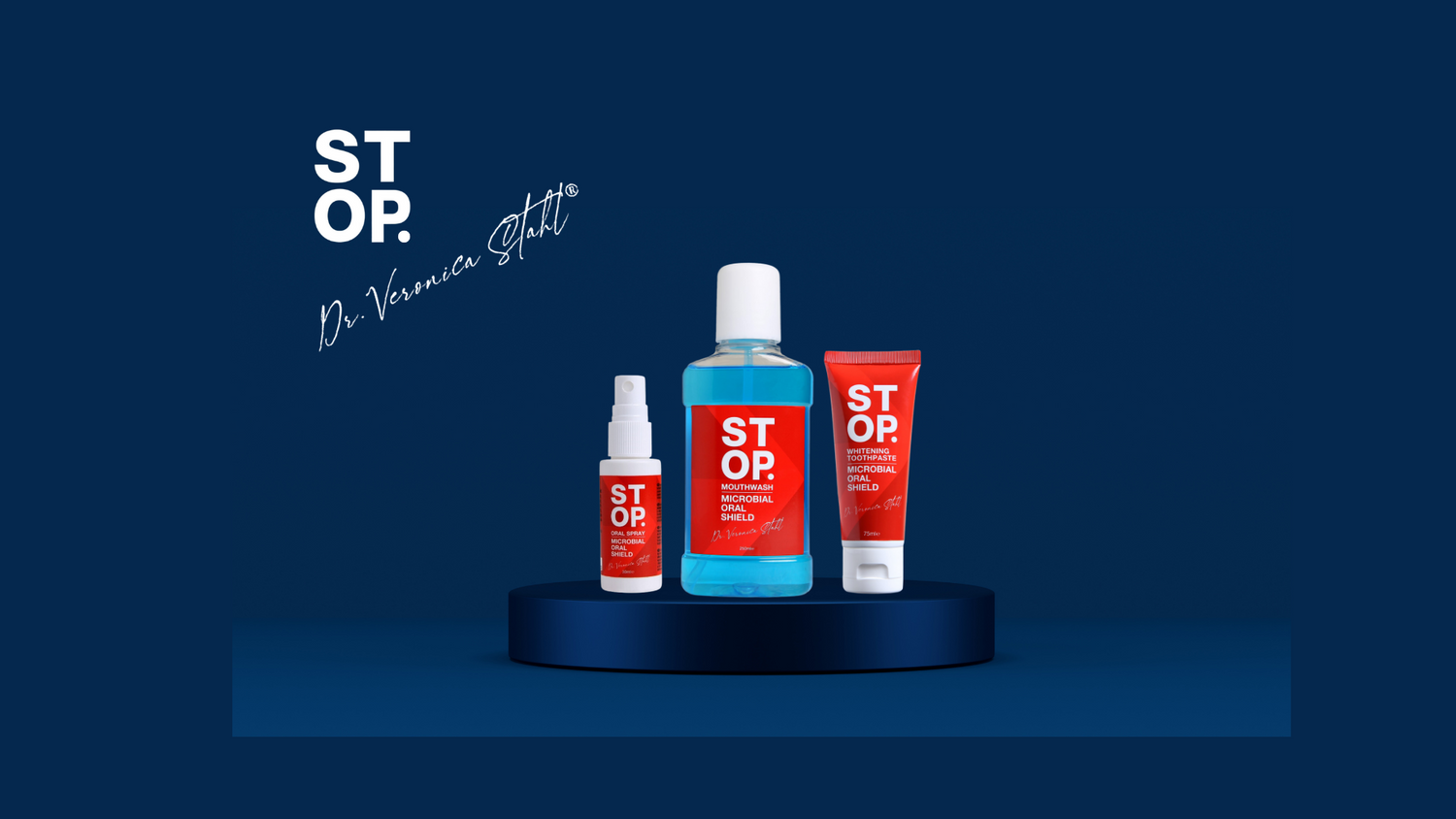
Stop-oralcare offers a line of fluoride-free dental care products formulated with hemp and Dead Sea minerals, developed under the guidance of Dr. Veronica Stahl. Each product is designed to complement professional dental care, not replace it. The hemp oral care range includes toothpaste, mouthwash, and oral sprays with clearly stated ingredient profiles. Patients can also access educational content on the site to support informed product selection. Consult your dental provider before starting any new oral care regimen, particularly if you take prescription medications.
FAQ
What are the main advantages of hemp in dentistry?
Hemp delivers anti-inflammatory, antimicrobial, analgesic, and early-stage regenerative benefits in the oral cavity. These properties make it a scientifically supported adjunct to standard dental care, not a standalone treatment.
How does CBD support gum health?
CBD activates CB2 receptors to reduce cytokine production linked to gum inflammation, which may lower swelling and discomfort between professional cleanings. It does not replace scaling or periodontal therapy.
Is hemp-based mouthwash as effective as chlorhexidine?
CBD mouthwashes show modest antibacterial and antifungal activity but are less potent than chlorhexidine in clinical comparisons. They are best used as daily adjuncts rather than therapeutic replacements.
Can hemp products interact with dental medications?
Yes. CBD inhibits cytochrome P450 enzymes CYP3A4 and CYP2C19, which metabolize many common dental medications. Patients should disclose all hemp product use to their dentist or physician before treatment.
What hemp dental products are available for daily use?
Available formats include hemp-infused toothpaste, CBD mouthwash, topical gels, and oral sprays. Each format targets a different aspect of oral health, from sensitivity control to localized gum relief.