

TL;DR:
- Hemp supports oral health by reducing inflammation and suppressing harmful bacteria through cannabidiol’s action.
- Regular use of hemp-based rinses and gels enhances gum comfort and microbiome balance as part of daily care.
Hemp for dental health is defined as the therapeutic application of cannabinoids, primarily cannabidiol (CBD), and hemp seed oil to support oral tissue health through anti-inflammatory, antimicrobial, and microbiome-balancing mechanisms. Recent laboratory findings confirm that cannabis-based oral formulations can inhibit pro-inflammatory cytokines like TNF-α and suppress harmful oral pathogens, placing hemp firmly within the scope of evidence-informed natural dental care. These products function as complements to conventional oral hygiene, not replacements. For health-conscious individuals seeking natural alternatives, understanding why choose hemp for dental health requires examining the specific biological pathways involved and the clinical context in which hemp products perform best.
Why choose hemp for dental health: the anti-inflammatory case
Hemp’s most documented benefit in oral health is its capacity to reduce inflammation in gingival and periodontal tissues. Cannabinoids interact with CB2 receptors in oral tissues, activating MAPK signaling pathways that reduce cytokine release such as IL-6 and TNF-α while simultaneously promoting stem cell survival and tissue repair. This dual action sets hemp apart from single-mechanism anti-inflammatory agents.
The clinical relevance is direct. Gingivitis and periodontitis are both driven by chronic inflammatory responses to bacterial biofilm. Reducing TNF-α and IL-6 in gingival tissue slows the tissue destruction cycle that leads to bone loss and tooth mobility. Cannabis-based mouthwash formulations have demonstrated up to 91% inhibition of TNF-α in vitro. That level of cytokine suppression is comparable to pharmaceutical anti-inflammatory agents, though the evidence remains preclinical.
Traditional anti-inflammatory oral treatments, including chlorhexidine-based rinses and prescription NSAIDs, address inflammation but carry documented side effects such as mucosal irritation and systemic absorption risks. Hemp-derived CBD, by contrast, interacts with local endocannabinoid receptors and antioxidant pathways in oral tissue without the systemic burden associated with pharmaceutical options. For individuals managing early-stage gum disease or chronic gingival sensitivity, this distinction is meaningful.
Pro Tip: Apply a CBD-containing oral gel directly to inflamed gum tissue after brushing at night. Nighttime application allows longer tissue contact without disruption from eating or drinking.
How does hemp fight harmful oral bacteria?
Hemp’s antimicrobial properties operate through a different mechanism than its anti-inflammatory effects, making the two actions complementary rather than redundant. CBD disrupts bacterial cell membrane integrity and interferes with biofilm formation, which is the primary structure through which oral pathogens colonize tooth surfaces and gingival pockets.
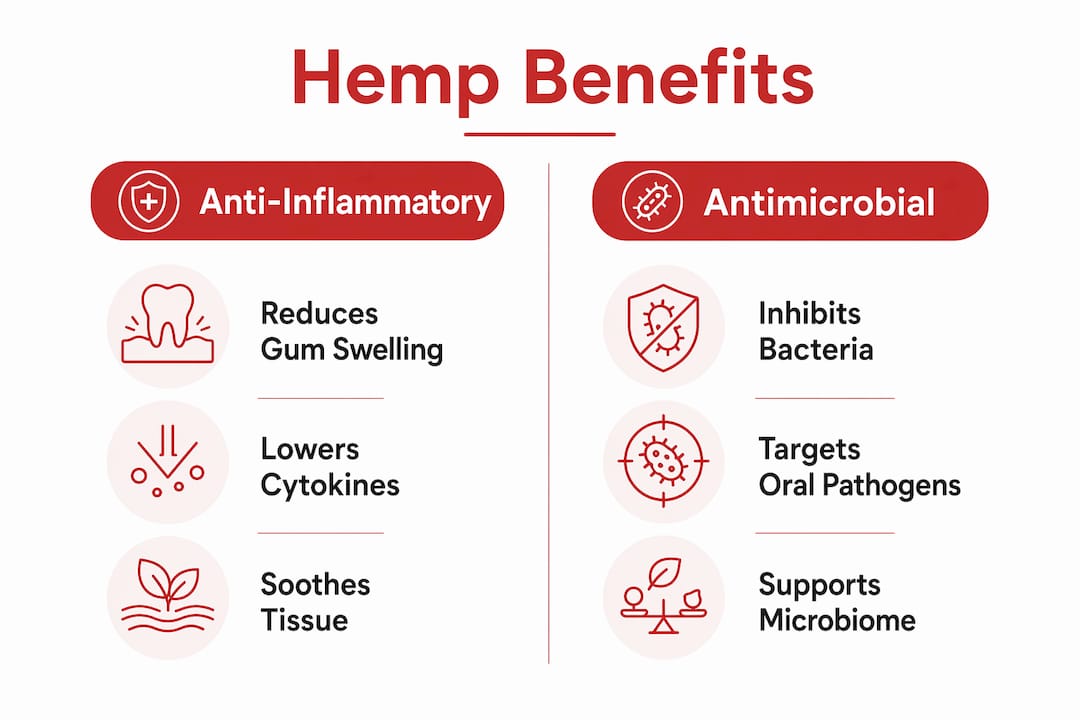
Laboratory testing of specific CBD formulations found greater than 99% inhibition of Staphylococcus aureus, a pathogen associated with oral infections and post-extraction complications. That result reflects near-complete suppression of a clinically significant organism. When combined with tea tree oil, CBD also demonstrates antifungal activity, extending its antimicrobial range to Candida species that contribute to oral thrush and denture-related infections.
| Antimicrobial agent | Target organisms | Key advantage | Notable limitation |
|---|---|---|---|
| Chlorhexidine | Broad bacterial spectrum | Proven clinical efficacy | Tooth staining, mucosal irritation |
| CBD (cannabidiol) | Bacteria and fungi | Microbiome-preserving, antioxidant | Primarily preclinical evidence |
| Tea tree oil + CBD | Bacteria and Candida | Synergistic antifungal and antibacterial | Concentration-dependent efficacy |
The table above reflects a critical distinction. Chlorhexidine remains the antiseptic gold standard in dentistry, but its broad-spectrum activity disrupts beneficial oral bacteria alongside harmful ones. CBD-based formulations show selectivity that preserves microbiome balance, which matters for long-term oral health. A disrupted oral microbiome is associated with increased susceptibility to secondary infections and systemic inflammatory conditions.
Pro Tip: Individuals with orthodontic appliances or reduced salivary flow face higher microbiome disruption risk. Hemp-based rinses used twice daily can support microbial stability in these populations without the collateral damage of chemical antiseptics.
What hemp oral products are available and how do they work?
Hemp oral care products fall into four main categories, each with distinct delivery mechanisms and therapeutic profiles.
- CBD-loaded mucoadhesive hydrogels: These gel formulations adhere to oral mucosal surfaces and release CBD steadily over extended periods. Research shows over 90% CBD release across 96 hours, with mucosal absorption reaching 124.1 μg/cm² after 72 hours. This prolonged contact time makes hydrogels particularly effective for localized gum treatment.
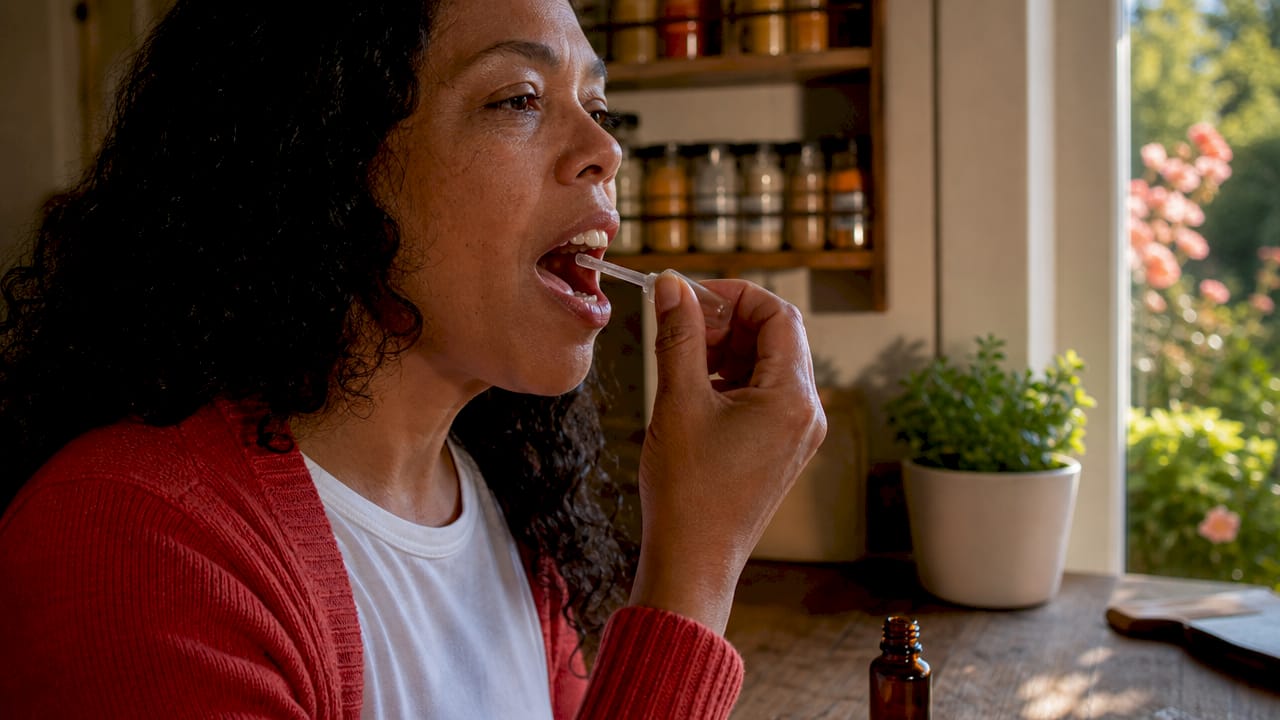
- Hemp-infused mouthwashes: Liquid formulations distribute cannabinoids across the full oral cavity, reaching subgingival areas that topical gels may miss. These are best suited for general microbiome support and daily anti-inflammatory maintenance.
- Hemp toothpastes: Fluoride-free formulations incorporating hemp seed oil and CBD offer antimicrobial and anti-inflammatory benefits during the brushing process. Hemp toothpaste advantages include daily exposure to cannabinoids without requiring additional product steps.
- Oral sprays: Sprays deliver cannabinoids directly to specific sites such as inflamed gum margins or post-extraction areas. They provide rapid localized application and are useful for individuals managing acute oral discomfort.
Hemp seed oil, present in many of these formulations, contributes independently through its omega-3 and omega-6 fatty acid content. These fatty acids support cell membrane integrity in gingival tissue and may reduce the inflammatory load in periodontal pockets. Products that combine hemp seed oil with CBD therefore address both structural tissue support and active inflammation simultaneously.
Stop-oralcare formulates its oral care line around this combined approach, integrating hemp with Dead Sea minerals to extend the therapeutic profile beyond what cannabinoids alone provide. The hemp oral care advantages described in their product documentation reflect this multi-ingredient philosophy.
How to integrate hemp into your dental care routine
Hemp oral products produce consistent results only when used within a structured daily hygiene routine. The following protocol reflects current evidence on frequency, sequencing, and realistic expectations.
- Brush twice daily with a hemp-containing or fluoride-free toothpaste. Brushing removes biofilm mechanically and prepares oral surfaces for cannabinoid absorption.
- Floss before applying any hemp rinse or gel. Flossing clears interproximal debris, allowing hemp formulations to reach gingival pockets where inflammation and bacterial colonization are most active.
- Use a hemp-infused mouthwash after brushing. Swish for 60 seconds to distribute cannabinoids across all mucosal surfaces. Twice daily use is the standard recommendation for microbiome stability.
- Apply a CBD gel or spray to targeted areas if localized gum discomfort or inflammation is present. Nighttime application maximizes tissue contact time.
- Maintain scheduled professional dental visits. Hemp products support comfort and prevention. They do not replace scaling, root planing, or professional diagnosis of periodontal conditions.
Populations who benefit most from hemp integration include individuals with early-stage gingivitis, those wearing orthodontic appliances, patients with xerostomia (dry mouth), and adults managing chronic low-grade gingival inflammation. Hemp formulations interact with TRP channels involved in pain perception, which explains the comfort improvements reported by individuals with oral sensitivity.
The limitation that practitioners must communicate clearly is this: laboratory evidence does not equal clinical cure. Current research is largely based on cell lines and animal models. Hemp products belong in the prevention and comfort category, not the treatment category for active disease. For a practical step-by-step framework, the 2026 hemp care guide from Stop-oralcare provides structured daily protocols aligned with current evidence.
Key Takeaways
Hemp for dental health is most effective as a twice-daily complement to brushing, flossing, and professional care, supported by preclinical evidence of significant anti-inflammatory and antimicrobial activity.
| Point | Details |
|---|---|
| Anti-inflammatory mechanism | CBD activates CB2 receptors to reduce TNF-α and IL-6, directly relevant to gingivitis and periodontitis. |
| Antimicrobial selectivity | CBD suppresses harmful pathogens like S. aureus while preserving beneficial oral microbiome balance. |
| Product delivery matters | Mucoadhesive hydrogels release CBD over 96 hours; mouthwashes and sprays serve different therapeutic needs. |
| Twice-daily use is required | Consistent application twice daily is necessary for microbiome stability and sustained anti-inflammatory effect. |
| Complementary role only | Hemp products support prevention and comfort. They do not replace professional dental treatment or diagnosis. |
Hemp’s place in natural dental care: a clinical perspective
My view on hemp for oral health has shifted considerably over the past several years, not because the science has changed direction, but because it has become more specific. Early enthusiasm around CBD in dentistry was broad and sometimes uncritical. The 2026 research landscape is more disciplined. We now have mechanistic data on CB2 receptor activation, quantified cytokine suppression rates, and controlled antimicrobial comparisons against chlorhexidine. That specificity is what makes hemp credible as a supportive tool rather than a marketing claim.
What I observe clinically is that patients who integrate hemp-based rinses and gels into consistent routines report measurable improvements in gingival comfort and reduced bleeding on probing over time. These are not dramatic reversals of disease. They are the kind of incremental improvements that matter for long-term oral health maintenance. The gum health evidence supports this pattern.
The caution I hold firmly is against positioning hemp as a standalone therapy. Patients who substitute hemp products for professional care delay diagnosis of conditions that require clinical intervention. Hemp belongs in the preventive tier of oral health, alongside diet, hydration, and stress management. Its value is real, but it is proportional. Practitioners and informed patients who understand that distinction will get the most from what hemp genuinely offers.
— Veronica
Natural hemp oral care products worth considering
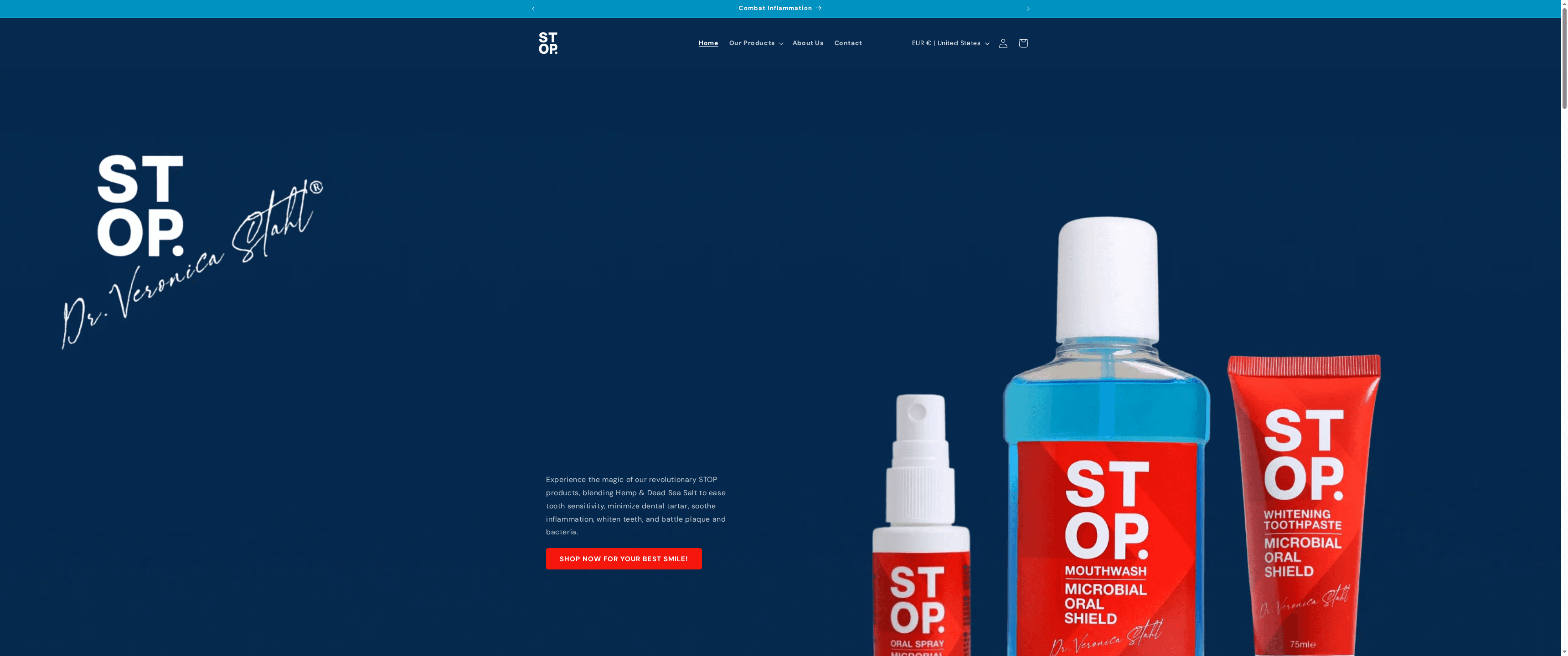
Stop-oralcare offers a line of fluoride-free oral care products formulated with hemp and Dead Sea minerals, designed to support gum comfort and microbial balance as part of a daily hygiene routine. The product range includes oral sprays and gels that deliver cannabinoids directly to gingival tissue, alongside mouthwash formulations suited for full-cavity microbiome support. Each product is developed under the guidance of Dr. Veronica Stahl, with formulations grounded in the same preclinical evidence reviewed in this article. For individuals ready to add a natural, evidence-informed layer to their dental routine, the Stop-oralcare product range provides a structured starting point alongside, not instead of, professional dental care.
FAQ
What is hemp’s primary benefit for oral health?
Hemp’s primary benefit is reducing oral inflammation through CBD’s interaction with CB2 receptors, which suppresses pro-inflammatory cytokines like TNF-α and IL-6 relevant to gingivitis and periodontitis.
Is hemp good for gums specifically?
Yes. CBD-loaded formulations have demonstrated significant anti-inflammatory and antimicrobial activity in gingival tissue models, with mucoadhesive hydrogels showing sustained CBD absorption over 72 hours in mucosal tissue.
Can hemp toothpaste replace fluoride toothpaste?
Hemp toothpaste functions as a fluoride-free alternative with antimicrobial and anti-inflammatory properties, but the decision to remove fluoride should be made in consultation with a dental professional based on individual cavity risk.
How often should hemp oral products be used?
Twice daily use is the standard recommendation for consistent microbiome support and anti-inflammatory effect, integrated within a full brushing and flossing routine.
Are hemp oral care products safe for long-term use?
Current preclinical evidence indicates hemp oral products are well tolerated, with fewer side effects than chlorhexidine-based antiseptics, though long-term clinical trial data in humans remains limited.