

For gum inflammation or early gingivitis, a therapeutic antiseptic mouthwash used for a short course, or a gentle science-backed natural formula for daily maintenance, is the right starting point. Both work through the same basic mechanism: they reduce the bacterial load that keeps gum tissue inflamed.
Antiseptic rinses attack bacteria fast and are suited to short, defined periods. Alcohol-free natural formulas with anti-inflammatory plant extracts calm irritated tissue without the staining or taste disruption that comes with long-term antiseptic use. If your gums bleed occasionally when you floss, a natural gum-care mouthwash used daily alongside brushing is a reasonable first move. If bleeding is frequent, gums are swollen, or you notice bad breath that won’t resolve, a pharmacy antiseptic for two to three weeks, or a visit to a dentist, makes more sense.
- Antiseptic rinses control bacteria quickly but aren’t meant for indefinite daily use.
- Natural, alcohol-free formulas suit sensitive gums and long-term maintenance.
- Moderate to severe symptoms warrant a pharmacy consultation or dental appointment before choosing anything.
Key Takeaways
Gum inflammation affects nearly half of adults, and the right mouthwash choice depends on whether you need short-term antiseptic control or gentle daily maintenance.
| Point | Details |
|---|---|
| Match the mouthwash to the problem | Use antiseptics for short flare-ups and gentler formulas for everyday maintenance. |
| Respect the time limit | Keep strong antiseptic courses to two to three weeks to avoid staining and taste changes. |
| Technique matters | Rinse for 30 to 60 seconds after brushing, spit, and skip the water rinse afterward. |
| Watch for red flags | Persistent bleeding, swelling, or fever means it’s time to see a dentist, not extend mouthwash use. |
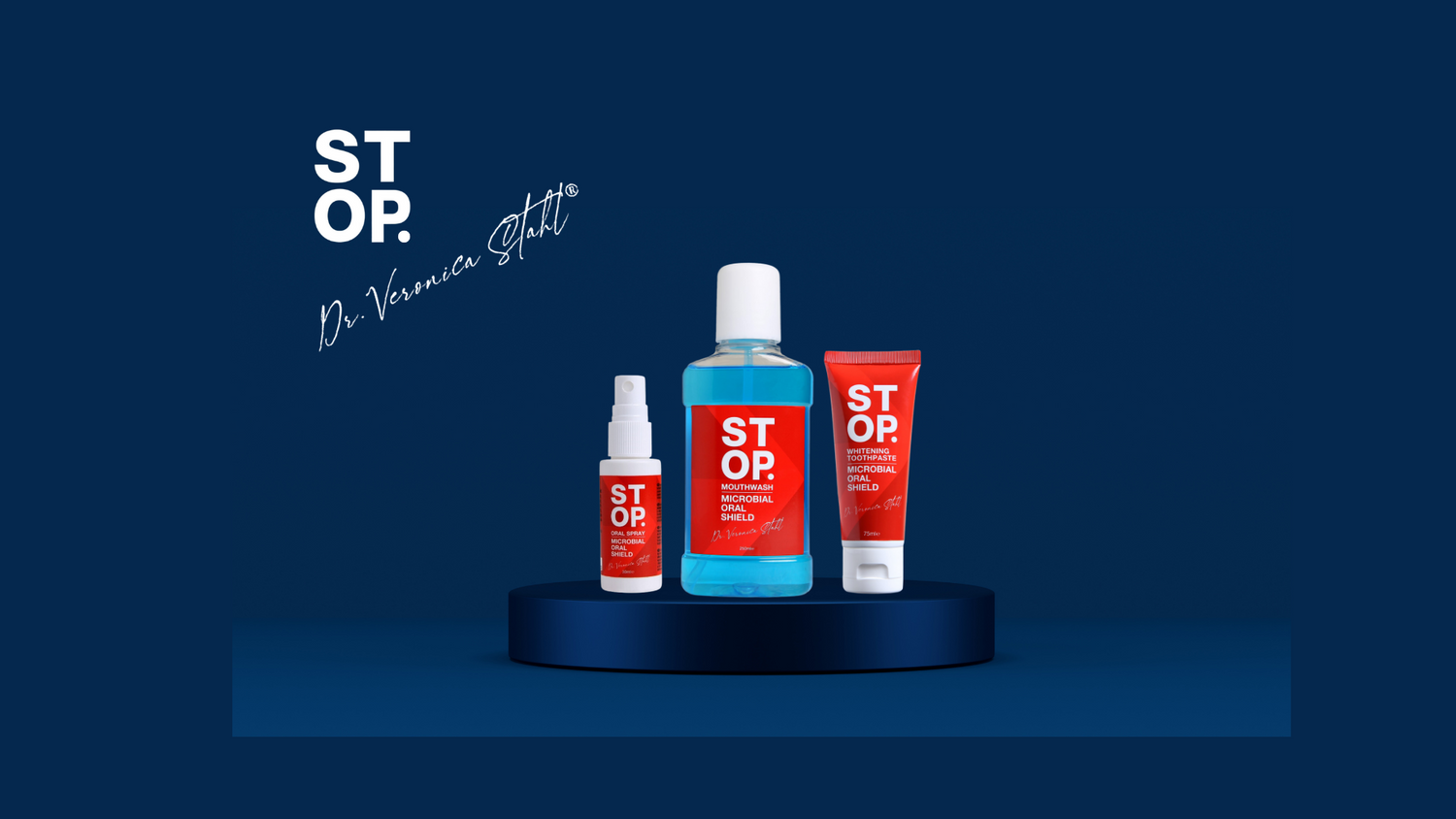
| Consider a daily natural option | Stop-oralcare’s fluoride-free mouthwash with hemp and Dead Sea minerals suits sensitive gums needing daily, alcohol-free care. |
Table of Contents
- Why Bain de Bouche Gencives Matters for Gum Health
- Which Ingredients Actually Help Inflamed Gums?
- How Do You Use a Gum Mouthwash Correctly?
- What Side Effects Should You Watch For?
- Which Mouthwash Should You Buy in Belgium?
- Do Natural Mouthwashes Actually Work as Well as Clinical Antiseptics?
- Our Take on Natural vs. Clinical Gum Care
- Try a Gentler Daily Option for Sensitive Gums
- Frequently Asked Questions
- Sources
Why Bain de Bouche Gencives Matters for Gum Health
A mouthwash formulated for the gums works by reducing plaque buildup along the gumline, calming inflammation, and giving irritated tissue a better chance to heal between brushings. It’s not a replacement for brushing and flossing. It’s an adjunct that reaches areas a toothbrush skips, particularly the gum pockets where bacteria accumulate.
Nearly 47% of adults experience gingivitis, and mouthwash reduces plaque and gum inflammation when used alongside regular brushing and flossing. That figure means gum problems aren’t a niche concern. They’re closer to the norm than the exception.
Not every mouthwash serves the same purpose:
- Cosmetic rinses freshen breath but don’t meaningfully reduce bacteria.
- Therapeutic mouthwashes contain active ingredients proven to lower plaque and inflammation.
- A therapeutic formula becomes appropriate once you notice redness, tenderness, or bleeding, not just for bad breath.
Which Ingredients Actually Help Inflamed Gums?
Not all “gum mouthwash” labels mean the same thing. The active ingredient determines what the product actually does, and matching it to your situation matters more than the brand name on the bottle.
- Chlorhexidine-type antiseptics are the strongest bacteria fighters available without a prescription in most cases. They work well for acute gingivitis but are meant for short, defined courses, not daily year-round use.
- CPC (cetylpyridinium chloride) and plant-derived agents like thymol reduce plaque with a gentler profile, making them suitable for more frequent use than chlorhexidine.
- Anti-inflammatory botanicals, including aloe vera, chamomile, and sage, soothe irritated tissue rather than simply killing bacteria. Sage-based mouthwashes show documented anti-inflammatory and antibacterial effects in phytotherapy literature and small comparative studies.
- Zinc and mineral-support formulas help stabilize tissue and control odor-causing compounds, useful during recovery phases.
- Alcohol-free formulations are gentler on already-sensitive or irritated gum tissue; alcohol-based rinses can sting and dry out the mucosa, which works against healing rather than for it.
How Do You Use a Gum Mouthwash Correctly?
Always check the product label first. Concentrations and instructions vary by brand, but a reliable baseline routine looks like this:
- Brush and floss thoroughly, then rinse with about 15 to 20 milliliters (roughly a capful) of mouthwash.
- Swish for 30 to 60 seconds, reaching along the gumline rather than just around the teeth.
- Spit out the rinse. Do not swallow it.
- Avoid rinsing with water afterward, since this washes away the active ingredients before they can work.
- For daily maintenance formulas, use once or twice a day. For therapeutic antiseptics, follow the two to three week course your dentist or pharmacist recommends rather than continuing indefinitely.
Post-operative patients, people recovering from periodontal treatment, and anyone with heightened sensitivity should treat mouthwash as adjunctive care guided by their dentist’s specific instructions, not a generic routine. A rinse after a scaling procedure serves a different purpose than a maintenance rinse used by someone with mild plaque buildup.
Pro Tip: If you use fluoride toothpaste and a separate mouthwash, space them apart by about 30 minutes. Rinsing immediately after brushing can wash away the concentrated fluoride left on your teeth before it has time to work. For more on sequencing, see this guide on mouthwash timing relative to brushing.
What Side Effects Should You Watch For?
Mouthwash is low-risk overall, but it isn’t free of downsides, and some of those downsides scale with strength and duration of use.
- Staining: chlorhexidine-type antiseptics are well known for discoloring teeth and the tongue with extended use.
- Altered taste: temporary taste disturbance is common with stronger antiseptics and usually resolves once you stop.
- Mucosal irritation: alcohol-based formulas can dry or sting sensitive gum tissue, particularly during active inflammation.
- Numbness: some formulas with anesthetic agents cause short-lived numbness in the mouth or lips.
Clinical practice generally limits strong antiseptic courses to two to three weeks at a time, since continuous use raises the risk of staining and taste changes without adding extra benefit. Check with a pharmacist before using any medicated mouthwash if you’re pregnant, on other oral medications, or have known allergies to specific compounds.
Stop and see a dentist promptly if you notice persistent bleeding, swelling that doesn’t subside, fever, a visible abscess, or pain that worsens rather than improves. These are signs mouthwash alone won’t resolve.
Which Mouthwash Should You Buy in Belgium?
Belgian pharmacies and online retailers carry a range of gum-focused options, and picking the right category matters more than picking a specific brand.
- Alcohol-free anti-inflammatory rinse: suited to sensitive or easily irritated gums that need calming rather than aggressive antibacterial action. Use daily as part of a regular routine. Sold through pharmacy chains and online health retailers.
- Zinc and mineral regenerative formula: helpful during recovery from gum treatment or for ongoing tissue support. Use once daily alongside brushing.
- Stop-oralcare natural, fluoride-free mouthwash: formulated with hemp extract and Dead Sea minerals for daily maintenance, particularly for sensitive gums that don’t tolerate alcohol or harsh antiseptics well. Available directly through Stop-oralcare, which ships to Belgium.
Price ranges for pharmacy therapeutic rinses in Belgium typically sit in the mid-range for oral care products, while natural fluoride-free formulas are positioned similarly to premium daily-care rinses. Check current listings directly with the retailer for exact pricing, since promotions and pack sizes shift.
Do Natural Mouthwashes Actually Work as Well as Clinical Antiseptics?
Clinical antiseptics have the deepest evidence base for short-term plaque and gingivitis control. That’s not in dispute. What’s less well known is how much support plant-based alternatives have accumulated in phytotherapy research and smaller comparative trials.
Sage-based rinses have shown measurable anti-inflammatory and antibacterial activity in comparative studies, offering a plausible daily alternative for people who want to avoid synthetic antiseptics long-term. The evidence base is smaller than what backs chlorhexidine, but the direction of the findings is consistent.
Practitioners generally advise against abrasive or highly alkaline home remedies, concentrated baking soda rinses being the classic example, during active flare-ups. Gentler saline or sage infusions are the safer choice when gums are already irritated, since anything abrasive can aggravate the tissue further.
- Reserve strong antiseptics for defined, short courses rather than everyday use.
- Favor gentle, alcohol-free plant-based rinses for daily maintenance.
- Consult a Belgian dentist or pharmacist before starting a potent antiseptic long-term, and always for bleeding that doesn’t improve within a week or two.
Our Take on Natural vs. Clinical Gum Care
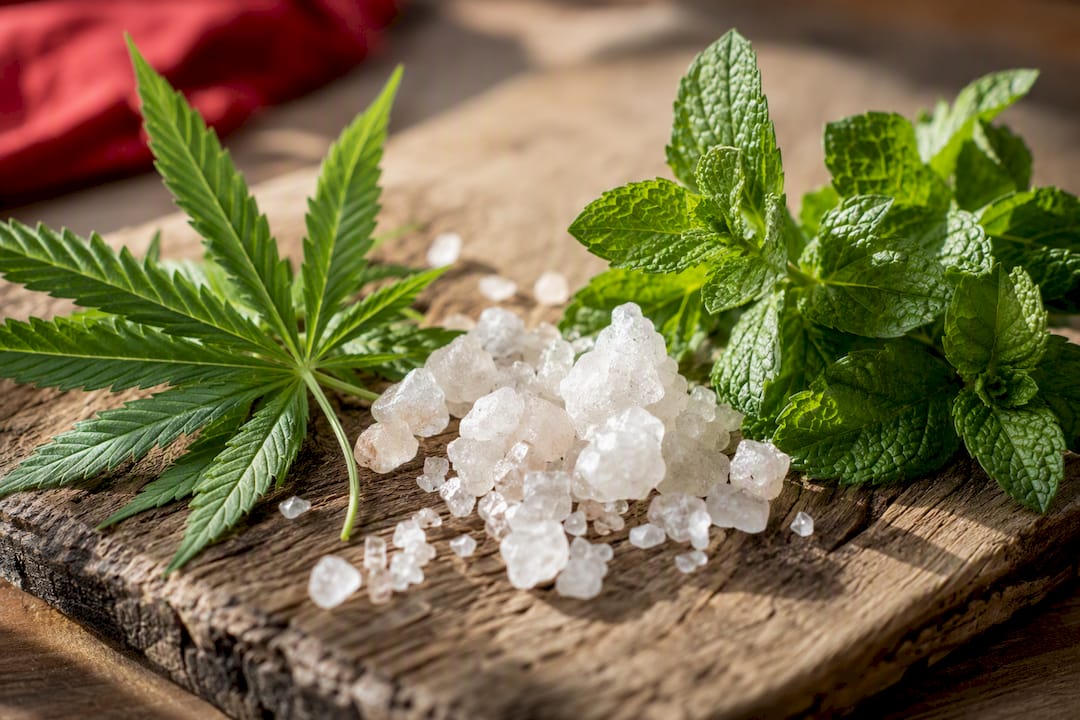
We built Stop-oralcare around the idea that gum health shouldn’t require a trade-off between effectiveness and gentleness. Our natural, fluoride-free mouthwash, formulated with hemp extract and Dead Sea minerals, is designed as a daily-maintenance option for sensitive gums that can’t tolerate alcohol or repeated antiseptic courses.
That said, we’re not going to pretend a natural formula replaces a short antiseptic course when gingivitis is active and inflamed. Pharmacy antiseptics have their place for defined, limited periods. Where we differ from generic advice is in what happens after that course ends: most people don’t need another round of chlorhexidine, they need a gentler formula they can use every day without the staining and taste disruption. If your symptoms are moderate to severe, see a dentist before relying on any mouthwash alone.
Try a Gentler Daily Option for Sensitive Gums
If pharmacy antiseptics leave your mouth stained or your taste buds off for days, a fluoride-free alternative built for daily use is worth trying instead of cycling through short antiseptic courses indefinitely.
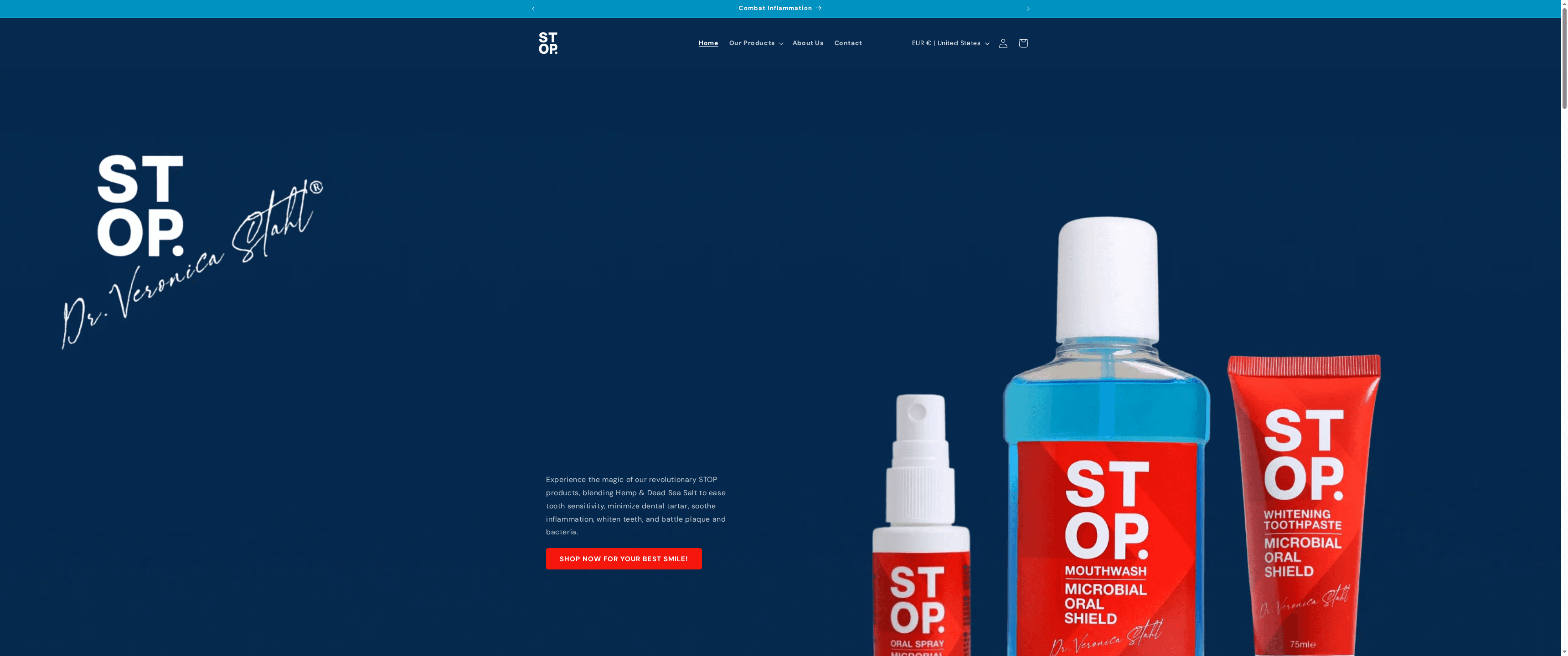
Stop-oralcare’s natural mouthwash combines hemp extract with Dead Sea minerals to calm irritated gum tissue without alcohol, synthetic antiseptics, or fluoride. It’s formulated for people who want a rinse they can use every single day, not just for two or three weeks at a time. The product ships to Belgium directly through Stop-oralcare, alongside Belgian pharmacy channels for those who prefer buying locally.
If your gums bleed occasionally or feel tender after brushing, add this to your routine and see how they respond over two to three weeks. If bleeding persists or worsens, book an appointment with your dentist rather than waiting it out.
Frequently Asked Questions
Is a natural mouthwash strong enough for gingivitis? For mild gingivitis and daily maintenance, a natural formula with anti-inflammatory botanicals can help control symptoms. For active, moderate gingivitis, a short antiseptic course often works faster, with a natural rinse taking over once symptoms settle.
How long can I use a chlorhexidine-type mouthwash? Clinical guidance generally limits strong antiseptic use to two to three weeks to avoid staining and taste disturbance. Ask your pharmacist if you need a longer course.
Can I use mouthwash instead of flossing? No. Mouthwash reaches bacteria between the gum and cheek, but it doesn’t remove plaque stuck between teeth the way floss does. Use both.
Where can I buy gum mouthwash in Belgium? Belgian pharmacies, online retailers like Medi-market, and Stop-oralcare’s own site all carry gum-focused mouthwash options, with delivery available across Belgium.
Is alcohol-free mouthwash better for sensitive gums? Yes, for most people with sensitive or irritated gums, alcohol-free formulas cause less stinging and dryness than alcohol-based rinses, which can slow healing in inflamed tissue.
This article is general information, not a substitute for advice from a qualified doctor. Consult a qualified healthcare professional about your own circumstances before acting on anything here.
Sources
Recommended
- Best Mouthwash for Receding Gums: Top Picks for Healthy Gums in 2026 – Stop Oral Care
- Best Toothpaste for Gum Health: Top Picks for 2026 – Stop Oral Care
- Best Natural Mouthwash for Gum Disease: 5 Effective Options Reviewed – Stop Oral Care
- The Best Mouthwash for Oral Microbiome: Top Picks That Support Healthy – Stop Oral Care