

Got a sore gum or a buzzing tooth? A quick spritz of CBD oral spray can calm the ache before you even pick up your toothbrush. In this guide you’ll see how the spray gets into your system, how much to use, the exact spray‑then‑brush routine, and how to keep things safe and effective.
We’ll walk through five clear steps, add usable tips, and point out common pitfalls. By the end you’ll have a repeatable routine you can trust.
Step 1: Understand How CBD Oral Spray Is Absorbed
When you spray CBD under the tongue or on the cheek, the liquid meets a thin, blood‑rich membrane. That membrane lets the cannabinoids slip straight into the bloodstream, skipping the stomach where much of the dose would be broken down.
Researchers estimate that swallowing a CBD oil gives you about 6% bioavailability, while sublingual sprays can push that number higher because the mucous lining is so vascular.
That jump matters if you’re looking for fast relief from gum inflammation or a sudden toothache. The spray’s carrier, often medium‑chain triglyceride (MCT) oil or ethanol, helps the CBD dissolve and cling to the mucosa longer, giving it more time to cross into blood.
Dr. Erica Steele notes that adding a muco‑adhesive polymer can further boost absorption, but clinical data are still thin. National Institutes of Health study highlights the need for more human trials.
Because the spray avoids the digestive tract, you also dodge the first‑pass metabolism that the liver normally applies. That means less of the CBD is turned into inactive metabolites before it reaches the receptors in your mouth and gums.
Step 2: Determine the Right Dosage and Timing
Finding the sweet spot for dosage starts with the product label. Most oral sprays list milligrams per spray, usually 5‑10 mg. For mild gum soreness, one spray may be enough; for stronger pain you might need two.
It helps to track your response. Write down the number of sprays, the time you used them, and how you felt 10‑15 minutes later. Over a week you’ll see a pattern.
Timing is key. The best window is 5‑10 minutes before you brush. That gives the CBD time to settle on the gum line, where it can start soothing inflammation before the toothbrush scrubs.
Here’s a quick dosage matrix you can copy into a notebook or phone note:
Remember: more isn’t always better. CBD can be sedating at high doses, and you don’t want to feel drowsy while you’re at work.
When you buy a spray, look for third‑party lab results. A reputable brand will post a PDF that shows the exact CBD concentration and confirms there’s less than 0.3% THC.
For a deeper dive on lab testing, see how to use CBD oral spray for gum inflammation in 2026. It explains why you should avoid products that hide their potency.
Step 3: Perform the Spray‑Then‑Brush Routine
Now that you know how much and when, let’s walk through the exact steps. The goal is to let the CBD coat the gums, then let your toothbrush clean away plaque without wiping the spray away.
1. Shake the spray bottle gently. This mixes any carrier oil with the CBD evenly.
2. Open your mouth wide enough to see the inside of your cheeks.
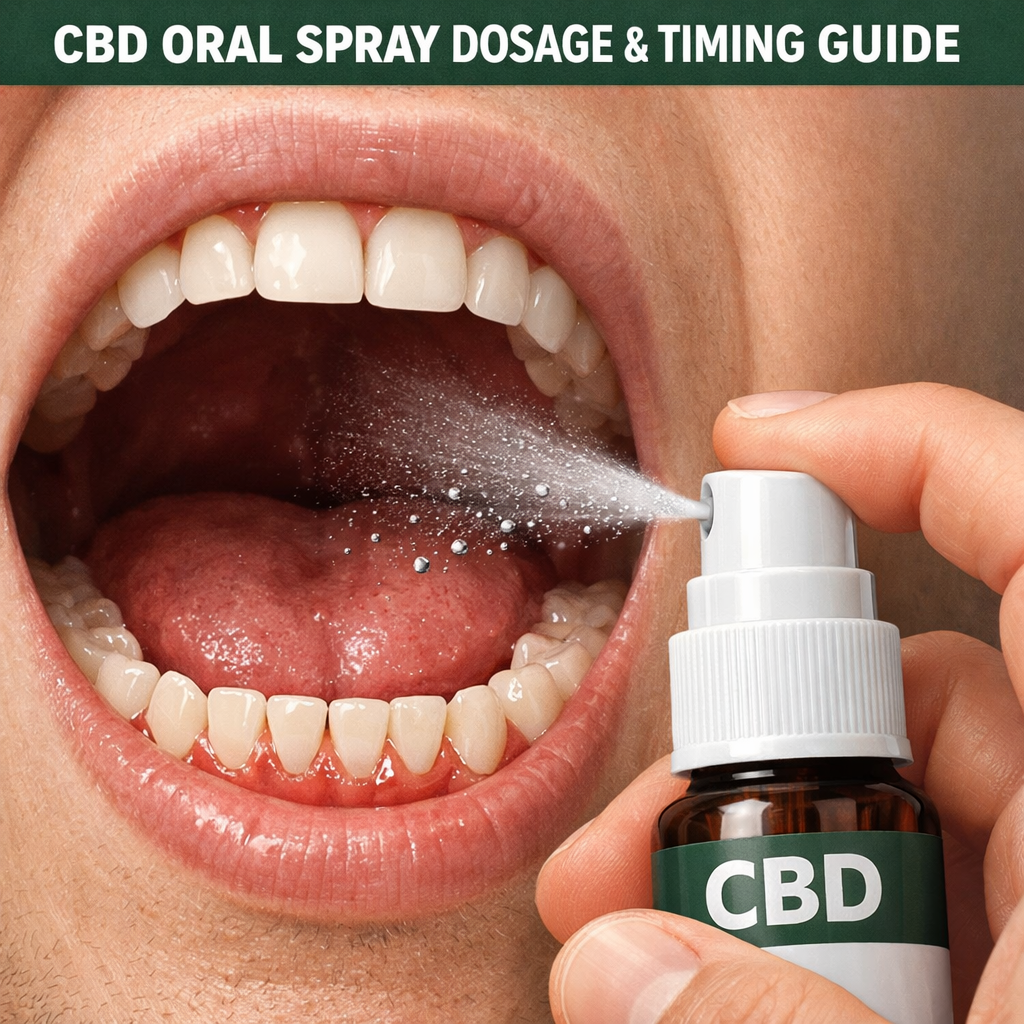
3. Press the pump once (or twice, depending on your dosage) and aim the mist at the inside of your cheek or directly onto the gum line. Hold the spray for a couple of seconds so the droplets settle.
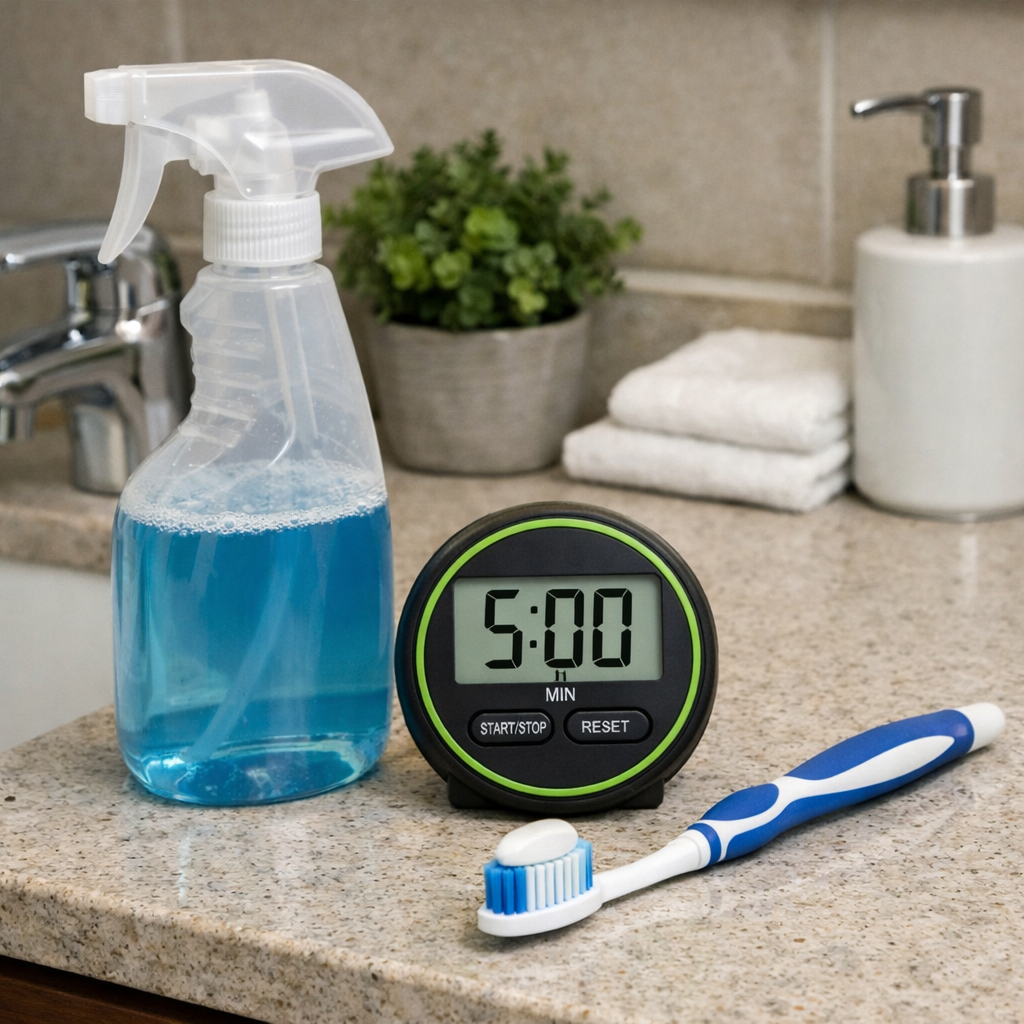
4. Keep your mouth still for about 5 minutes. You can sit quietly or do a light breathing exercise. This pause lets the CBD soak into the mucosa.
5. After the wait, pick up your toothbrush, apply your usual toothpaste, and brush for two minutes as you normally would.
6. Rinse with water if you like, but avoid a vigorous mouthwash right after brushing; it could wash away any residual CBD that’s still working.
Why the pause matters: If you brush immediately, the mechanical action can slough off the spray before it has a chance to bind to the receptors in your gums. Giving it a few minutes lets the CBD engage the endocannabinoid system, which modulates inflammation and pain.
For a visual cue, watch this short video that shows the timing in real‑time.
When you get comfortable, the whole process takes under three minutes, quick enough to fit into any morning routine.
Step 4: Check Product Quality and Safety
Even the best routine can fall apart if the spray itself isn’t safe. Start by confirming the brand follows Good Manufacturing Practices (GMP). Look for a batch number and a Certificate of Analysis (COA) on the product page.
COAs should list the exact milligram amount of CBD, confirm the THC level is below the legal 0.3% threshold, and show tests for pesticides, heavy metals, and residual solvents.
Regulators warn that many CBD products on the market contain contaminants or mislabeled potency. The FDA has issued warning letters to companies that make unsubstantiated health claims. FDA warning letters illustrate why you need third‑party testing.
Another safety check: make sure the spray doesn’t contain ingredients that clash with your toothpaste. Some fluoride or sodium lauryl sulfate (SLS) formulas can irritate sensitive gums when mixed with certain essential oils in the spray.
If you take blood thinners, talk to your doctor. CBD can affect how the liver processes some medications, similar to grapefruit juice.
STOP Oral Care’s own spray is formulated with hemp seed oil, MCT, and natural mint flavor, and each batch is lab‑tested. You can read more about their testing process in CBD Oral Spray: How Quickly Does It Work?.
"The spray’s fine mist coats the whole mouth, giving a uniform dose that a dropper can’t match," a dental specialist notes.
Step 5: Track Results, Adjust Dosage, and Store Properly
After you’ve tried the routine a few times, it’s time to fine‑tune. Keep a simple log: date, number of sprays, wait time, brushing time, and how your gums felt afterward.
If you notice lingering soreness, consider adding a second spray or extending the wait by a minute. If you feel any side effect, dry mouth, mild drowsiness, cut back.
Consistency beats occasional high doses. Using the spray every morning builds a steady level of CBD in the tissues, which can help keep inflammation low over the long run.
When it comes to storage, CBD degrades when exposed to light, heat, and air. Keep the bottle tightly capped, away from direct sunlight, and at room temperature (around 68 °F). Some users move the bottle to the refrigerator for extra stability, but be sure the spray mechanism doesn’t freeze.
Finally, revisit the COA every few months. Manufacturers sometimes change formulations, and you want to stay sure you’re still getting a clean product.
For a quick reference on how to choose a spray, see CBD Oral Spray vs Traditional Mouthwash: How to Choose. It breaks down the pros and cons in plain language.
Conclusion
Using a CBD oral spray before you brush can give you faster relief from gum pain, lower inflammation, and a calmer mouth overall. The five steps, understand absorption, nail the right dose and timing, follow the spray‑then‑brush routine, verify product safety, and track your results, turn a simple habit into a reliable part of your oral‑wellness plan.
STOP Oral Care offers a lab‑tested spray that fits these guidelines, but the process works with any high‑quality product that meets the safety checks we discussed. Start with a low dose, give it a few minutes, brush as usual, and watch how your gums respond.
Give it a try for a week, note the changes, and adjust as needed. A calmer mouth means a calmer day.
Ready to upgrade your routine? Grab a reputable CBD oral spray, follow the steps, and enjoy a fresher, less sore smile.
FAQ
Can I use CBD oral spray if I have a fluoride toothpaste?
Yes. Most CBD sprays are formulated to be gentle, but check the ingredient list for any added flavors or essential oils that might irritate sensitive gums. If your toothpaste contains sodium lauryl sulfate (SLS), you may want to rinse lightly after brushing to avoid any lingering irritation. Tracking how your mouth feels will tell you if the combination works for you.
How long does the CBD stay active in my mouth?
After the 5‑10 minute wait, CBD can remain in the oral tissues for up to an hour, slowly releasing its anti‑inflammatory effects. That’s why a single spray before brushing can keep your gums calmer throughout the day, especially if you avoid eating right after the routine.
Is it safe to use the spray every day?
Daily use is generally safe for most adults, provided the product is third‑party tested and you stay under 30 mg of CBD per day. People on blood‑thinners or seizure meds should talk to a doctor first because CBD can affect how those drugs are metabolized.
Do I need to rinse after brushing?
You can rinse with water, but avoid an alcohol‑based mouthwash right after brushing. Alcohol can strip away the remaining CBD that’s still working on the gums. A gentle water rinse is fine if you feel you need it.
What if I forget to spray before brushing?
If you miss the spray, just brush as normal and apply the spray later in the day. You’ll still get the anti‑inflammatory benefits, but the timing won’t be as optimized for immediate relief.
Can children use CBD oral spray?
STOP Oral Care has a guide for safe kids’ usage. In general, children should get a much lower dose, often 2‑5 mg per spray, and only under parental supervision. Check the product’s COA and consult a pediatric dentist before starting.
How does CBD compare to a traditional mouthwash?
Traditional mouthwashes clean and freshen breath but don’t target inflammation directly. A CBD spray adds a calming, anti‑inflammatory layer on top of the mechanical cleaning you get from brushing and flossing. Using both can give you a clean mouth and reduced gum soreness.
Will the spray make my breath smell funny?
Most sprays use natural mint or herbal flavors that leave a fresh scent. If you notice an off‑taste, it could be the carrier oil. Switching to a flavor‑free formula or rinsing lightly after brushing can help.