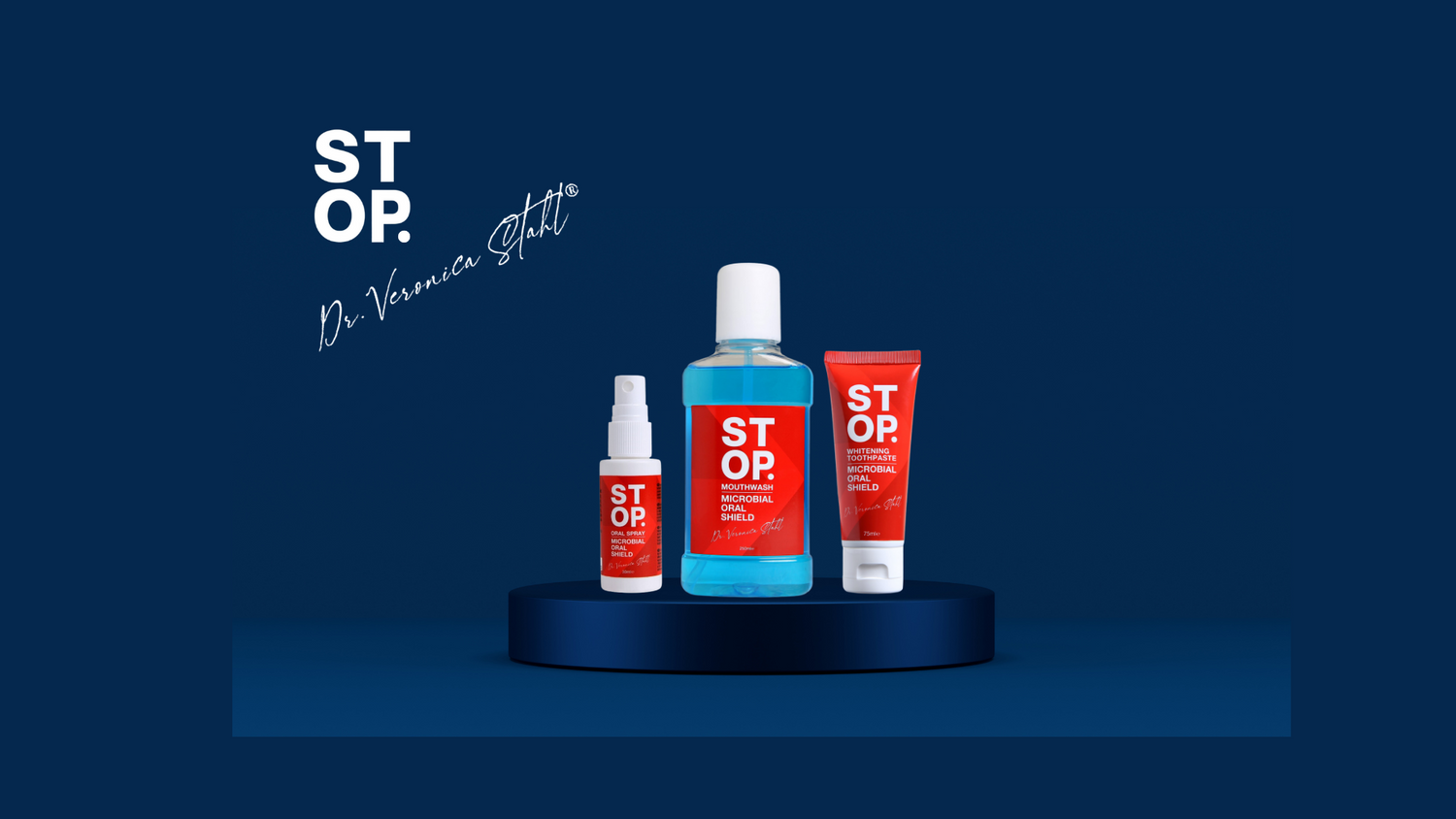


Gum pain, bleeding, and plaque can make daily life feel rough. The good news? A toothpaste that mixes marine algae, CBD, and Dead Sea minerals can calm irritation and keep gums pink. In this guide you’ll see why algae works, how to pick a quality paste, the right brushing method, extra habits that help, and when a dentist’s visit is essential. Let’s get your gums feeling healthy again.
Step 1: Understand the Benefits of Marine Algae for Gum Health
Marine algae isn’t just a trendy superfood; it’s a toolbox of bio‑active compounds that fight the bacteria behind plaque. Red algae offer carrageenans that stopStreptococcus mutansfrom clinging to teeth, while brown algae supply fucoidan, a molecule that knocks outPorphyromonas gingivalis, a key player in periodontitis. Green algae bring ulvans that keep a wide range of oral microbes in check.
These polysaccharides do more than kill germs. They calm the inflammation cascade that leads to gum swelling. Fucoidan, for instance, lowers TNF‑α and interleukin‑6 levels, two cytokines that drive tissue breakdown. When inflammation eases, the gum tissue can repair itself faster, reducing bleeding and soreness.
Beyond microbes, algae‑derived alginates form a protective film over tiny wounds in the mouth, helping collagen rebuild and speeding up healing after a tooth extraction or minor gum surgery.
Studies in peer‑reviewed journals confirm these effects. For a step‑by‑step guide, see How to Use Marine Algae Toothpaste for Gum Health: A Complete Guide. For a deep dive on the science, see Wikipedia’s overview of algae, which outlines the antimicrobial and anti‑inflammatory properties of the major algal groups.
Imagine you brush with a formula that contains both fucoidan and ulvan. The fucoidan knocks out the gum‑damaging bacteria, while the ulvan keeps the overall oral flora balanced, preventing the overgrowth of harmful strains. This balanced ecosystem reduces the risk of both gingivitis and deeper periodontitis.
When you pair algae with CBD and mineral‑rich Dead Sea salts, you add extra soothing power. CBD calms nerve irritation, and the minerals supply calcium and magnesium that reinforce the gum line.
Bottom line: Marine algae delivers antimicrobial, anti‑inflammatory, and healing benefits that form a strong foundation for gum health.
Step 2: Choose a Quality Marine Algae Toothpaste
Not every toothpaste that claims to have algae lives up to the promise. Look for a transparent ingredient list that names the algal source (red, green, or brown) and the specific extract , carrageenan, fucoidan, or ulvan. The concentration matters; a product that lists “marine algae extract” without a percentage is likely low in actives.
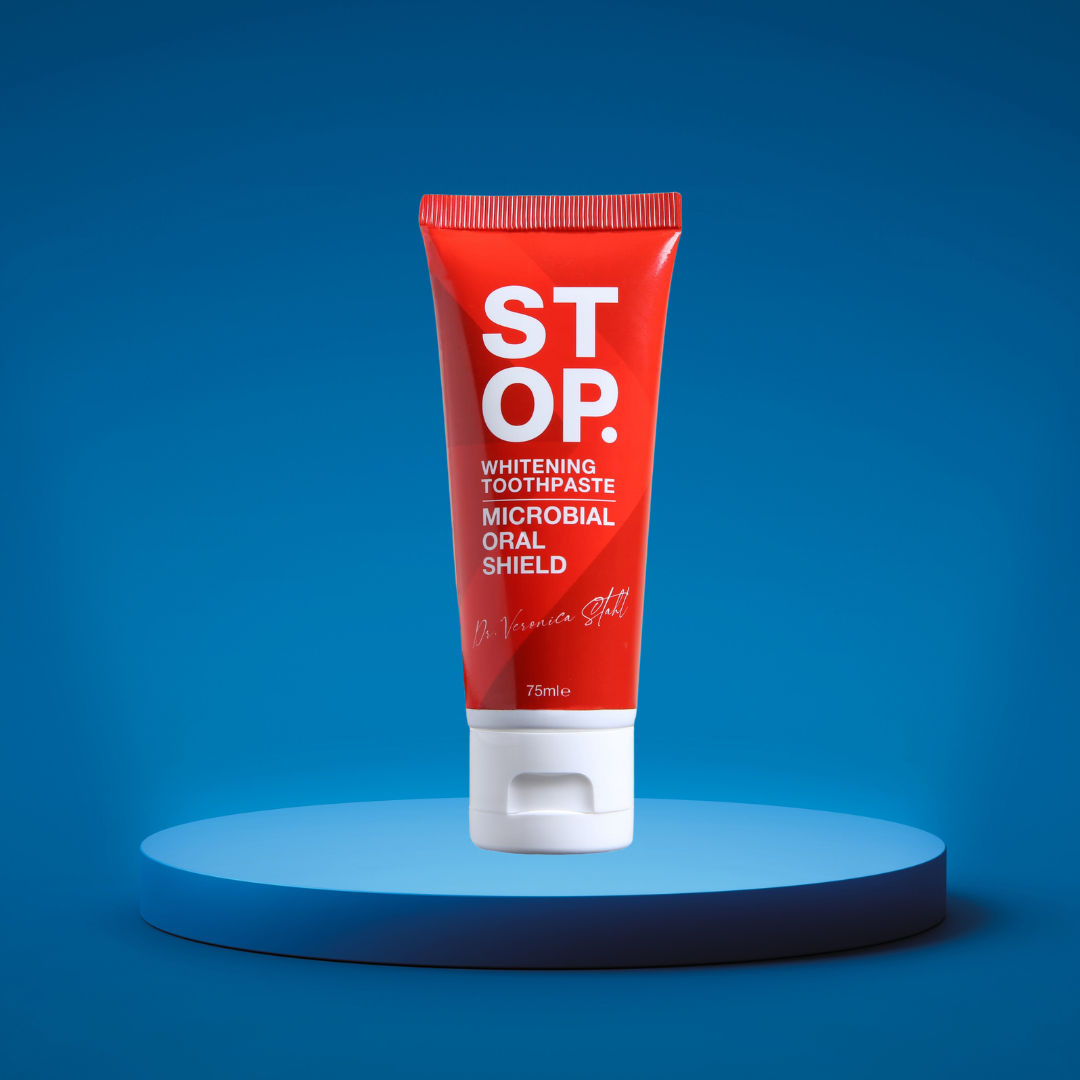
STOP Advanced Toothpaste stands out because it blends marine algae with patented CBD and Dead Sea minerals. The brand’s website states that the formula “supports healthier gums and reduces plaque buildup,” a broader claim than many competitors that only promise “calm irritation.” This blend is the only one on the market that pairs all three ingredients in a single, science‑backed formula Best Toothpaste for Gum Health: Top Picks for 2026.
When you compare options, use a simple checklist:
- Clear algae source (red, green, brown) and extract name.
- Percentage of algae extract (ideally 2% +).
- Presence of supportive ingredients like CBD or mineral salts.
- Third‑party testing or clinical data.
- Free from harsh abrasives and artificial sweeteners.
Another good reference is the article on dead‑sea mineral benefits, which explains why minerals boost gum health alongside algae Dead Sea Mineral Toothpaste Whitening Benefits Explained. The minerals supply calcium and magnesium that help the gum tissue stay firm. Additionally, if you prefer fluoride‑free formulas, see our list of the Best Natural Toothpaste Without Fluoride.
Remember, a higher price tag isn’t always a guarantee of quality, but a reputable brand that invests in research (like STOP’s partnership with elite dental clinics) usually offers a more reliable formula.
Bottom line: Pick a toothpaste with a clear algae source, a solid percentage, and complementary ingredients like CBD and minerals for the strongest gum‑health impact.

Step 3: Brush Properly to Maximize Gum Benefits
Even the best toothpaste won’t work if you brush the wrong way. The goal is to clean the tooth surface while gently massaging the gum line to stimulate blood flow.
Here’s a step‑by‑step routine:
- Wet the brush and apply a pea‑size amount of marine algae toothpaste.
- Hold the brush at a 45° angle to the gum line.
- Use short, circular motions on each tooth for 10 seconds.
- Spend an extra 20 seconds on the back of the lower front teeth where plaque loves to hide.
- Finish with a gentle sweeping motion along the gum line to massage the tissue.
Don’t scrub hard. Over‑aggressive brushing can wear away enamel and irritate gums, undoing the soothing effects of algae and CBD.
Watch the short video below for a visual guide on the correct angle and motion:
After brushing, spit but don’t rinse with plain water. Leaving a thin film of toothpaste lets the algae extracts stay in contact with the gums longer.
The Cleveland Clinic notes that nearly half of adults over 30 experience gum disease, largely because plaque reforms quickly after a brief rinse. Letting the paste linger cuts down that re‑formation.
Bottom line: Brush with a 45° angle, short circles, and let the algae‑rich paste stay on the gums for maximum benefit.
Step 4: Complement Your Routine with Other Gum‑Healthy Habits
Toothpaste is just one piece of the puzzle. Adding a few simple habits can amplify the algae’s effect.
First, floss daily. Floss removes plaque between teeth where the brush can’t reach, preventing the bacteria from migrating to the gum line.
Second, consider a mouthwash that also contains marine algae, CBD, or mineral salts. The best mouthwash for the oral microbiome blends these actives to keep the whole mouth balanced The Best Mouthwash for Oral Microbiome. Swish for 30 seconds after brushing, then avoid eating for at least 15 minutes.
Third, watch your diet. Foods high in sugar feed the very bacteria algae fights. Swap sugary snacks for crunchy veggies like carrots or celery; they clean teeth mechanically and boost saliva flow, which naturally washes away microbes.
Finally, stay hydrated. Saliva is the mouth’s natural defense, and adequate water intake keeps it flowing.
Bottom line: Combine flossing, an algae‑rich mouthwash, a low‑sugar diet, and good hydration to let marine algae toothpaste work its best.
Step 5: Know When to Visit Your Dentist
Even with a perfect routine, some gum issues need professional care. Watch for these signs:
- Bleeding that lasts more than a minute after brushing.
- Persistent red or swollen gums.
- Receding gums that expose more of the tooth root.
- Painful pockets when you gently probe with a clean finger.
If any of these appear, schedule a dental exam. A dentist can measure pocket depth with a periodontal probe and take X‑rays to see bone loss, as described by the Cleveland Clinic’s guidelines.
Early-stage gingivitis is reversible with better hygiene, but once it progresses to periodontitis, you’ll need deeper cleaning like scaling and root planing. The same clinic explains that scaling removes plaque below the gum line, while root planing smooths the tooth surface to prevent re‑attachment of bacteria.
For a trusted provider, consider Dental Boutique, which partners with STOP Oral Care and offers personalized gum‑health assessments.
"If you notice gum bleeding that won’t stop, it’s a signal that professional help is needed , no toothpaste can fix that alone."
Bottom line: See a dentist promptly if bleeding, swelling, or recession persists, to prevent irreversible damage.
Frequently Asked Questions
Can marine algae toothpaste replace flossing?
No. Algae toothpaste reduces plaque on the tooth surface and around the gum line, but floss reaches the tight spaces between teeth where a brush can’t go. Use both for optimal gum health.
Is the algae extract safe for kids?
Most marine‑algae extracts are derived from edible seaweed and are considered safe for children over the age of six. However, always check the product’s age recommendation and consult your pediatric dentist before switching.
How long does it take to see less gum bleeding?
Many users notice reduced bleeding after two weeks of consistent brushing with algae toothpaste, provided they also floss and avoid sugary foods. If bleeding continues, a dental check‑up is advised.
Does the CBD in STOP toothpaste cause a high?
The CBD is a non‑psychoactive isolate, meaning it won’t produce a high. It works locally in the mouth to calm irritation and inflammation.
Can I use the toothpaste if I have a silicone denture?
Yes. The formula is non‑abrasive and safe for all dental materials, including silicone and acrylic dentures. Rinse the denture after brushing to remove any residual paste.
What if I’m allergic to seaweed?
If you have a known seaweed allergy, avoid marine‑algae toothpaste. Look for a fluoride‑free, mineral‑only formula that doesn’t list any algal ingredients.
How often should I replace my toothbrush?
Replace your brush every three months or sooner if the bristles become frayed. Worn bristles can damage gums and reduce cleaning efficiency.
Will using this toothpaste whiten my teeth?
While the primary goal is gum health, the mild polishing action of silica and the mineral content can gradually brighten stains. Expect a subtle improvement rather than a dramatic whitening effect.
Conclusion
Marine algae toothpaste gives you a natural, science‑backed way to fight plaque, calm inflammation, and help gum tissue heal. By choosing a transparent, algae‑rich formula like STOP Advanced Toothpaste, brushing with the right technique, adding floss and a supportive mouthwash, and seeing a dentist when warning signs appear, you set up a full‑court press against gum disease.
Ready to upgrade your routine? Try the algae‑CBD‑mineral blend, follow the steps above, and enjoy healthier, pinker gums that stay strong for years to come.