

You want whiter teeth. But you don't want harsh chemicals like peroxide or strong abrasives. That's where marine algae toothpaste for whitening comes in. It uses natural sea ingredients to gently brighten your smile.
Across four marine‑algae toothpastes, 100% list algae but only 25% name the exact species , and that product doesn't even claim the strongest whitening effect. Here's the data we found:
In this guide, I'll walk you through five simple steps to get the best results from marine algae toothpaste for whitening. You'll learn how to pick the right one, brush correctly, and boost your routine with complementary methods. By the end, you'll have a clear plan for a brighter, healthier smile.
Step 1: Choose the Right Marine Algae Toothpaste
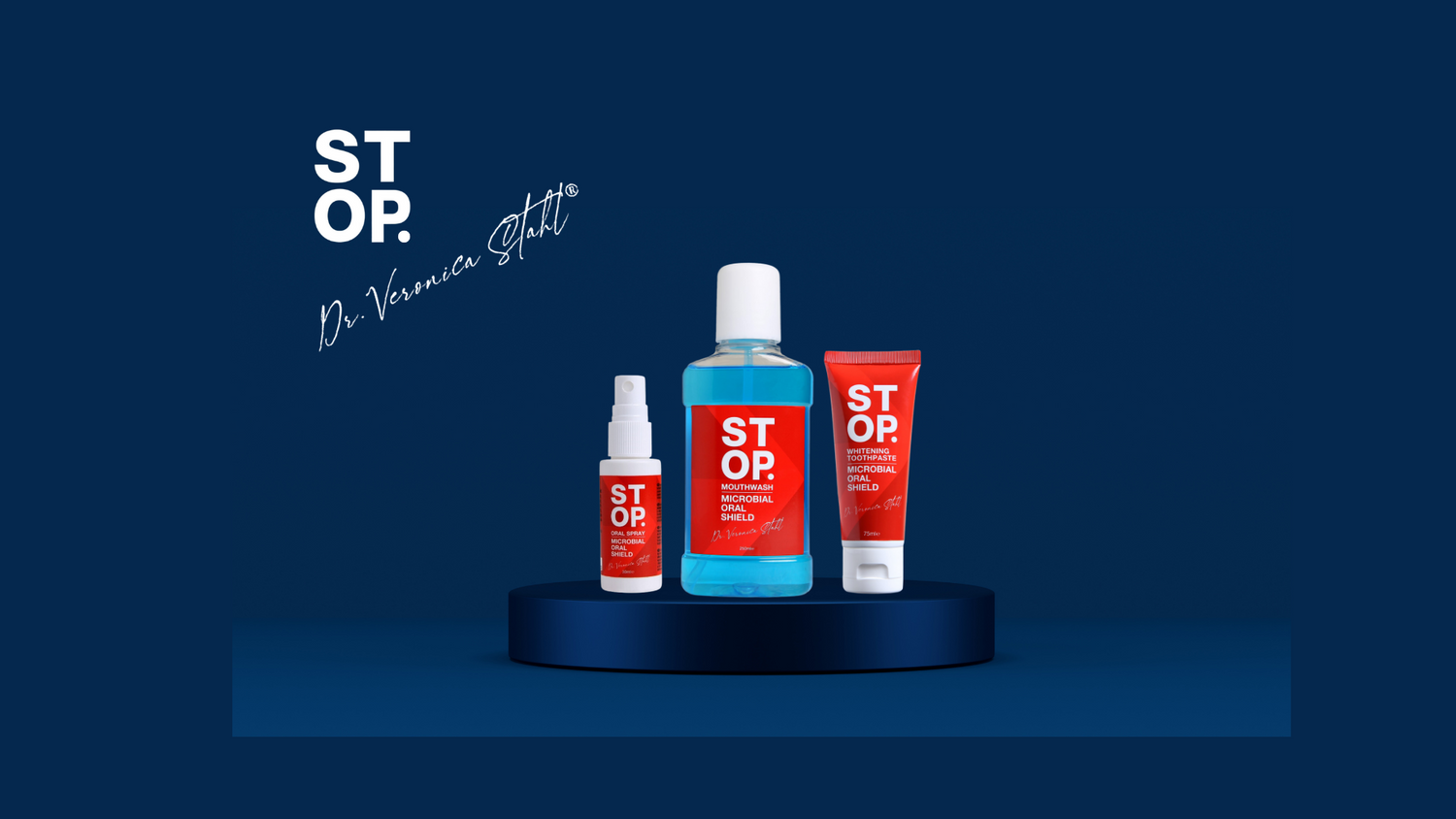
Not every tube labeled "marine algae" is the same. Some list the exact species , like Sea Algae in STOP Advanced Toothpaste. Others just say "yes" without details. Our research showed that only 1 out of 4 products specifies the algae source. And the one that does, STOP Advanced Toothpaste (Our Pick), uses a hemp‑based compound as the key whitener instead of a typical abrasive or peroxide.
What should you look for? First, check if the algae is named. Second, see what other ingredients are added. In the table above, two STOP formulas share CBD and Dead Sea minerals but claim different whitening effects. That means the ingredient blend matters less than the overall formulation.
Here's a quick checklist to use when you're shopping:
- Is the algae species listed? If not, the brand might be hiding the source.
- What's the main whitening ingredient? Look for hemp‑based compounds, sea buckthorn, or natural enzymes. Avoid harsh abrasives like silica if you have sensitive teeth.
- Does it include oral wellness boosters? Ingredients like CBD, Dead Sea minerals, or xylitol can support gum health while you whiten.
- What does the label claim? Be realistic , most natural whitening toothpastes promise "brighter teeth" over several weeks, not instant Hollywood white.
Our top pick, STOP Advanced Toothpaste, checks all the boxes: it contains specific Sea Algae, a hemp‑based compound for whitening, plus CBD and Dead Sea minerals for overall oral balance. It's designed for people who want brighter teeth without compromising on gum health.
For more on how algae toothpaste supports gums, check out How to Use Marine Algae Toothpaste for Gum Health: A Complete Guide.
Bottom line: Picking a toothpaste with transparent algae sourcing and added wellness ingredients gives you a stronger foundation for whitening.
Step 2: Master the Proper Brushing Technique
You can have the best marine algae toothpaste for whitening, but if you brush wrong, you won't see results. The technique matters just as much as the paste.
Start with a pea‑sized amount , no more. Too much toothpaste doesn't help; it just makes a mess. Use a soft‑bristled toothbrush. Hard bristles can wear down enamel, especially when paired with any abrasive.
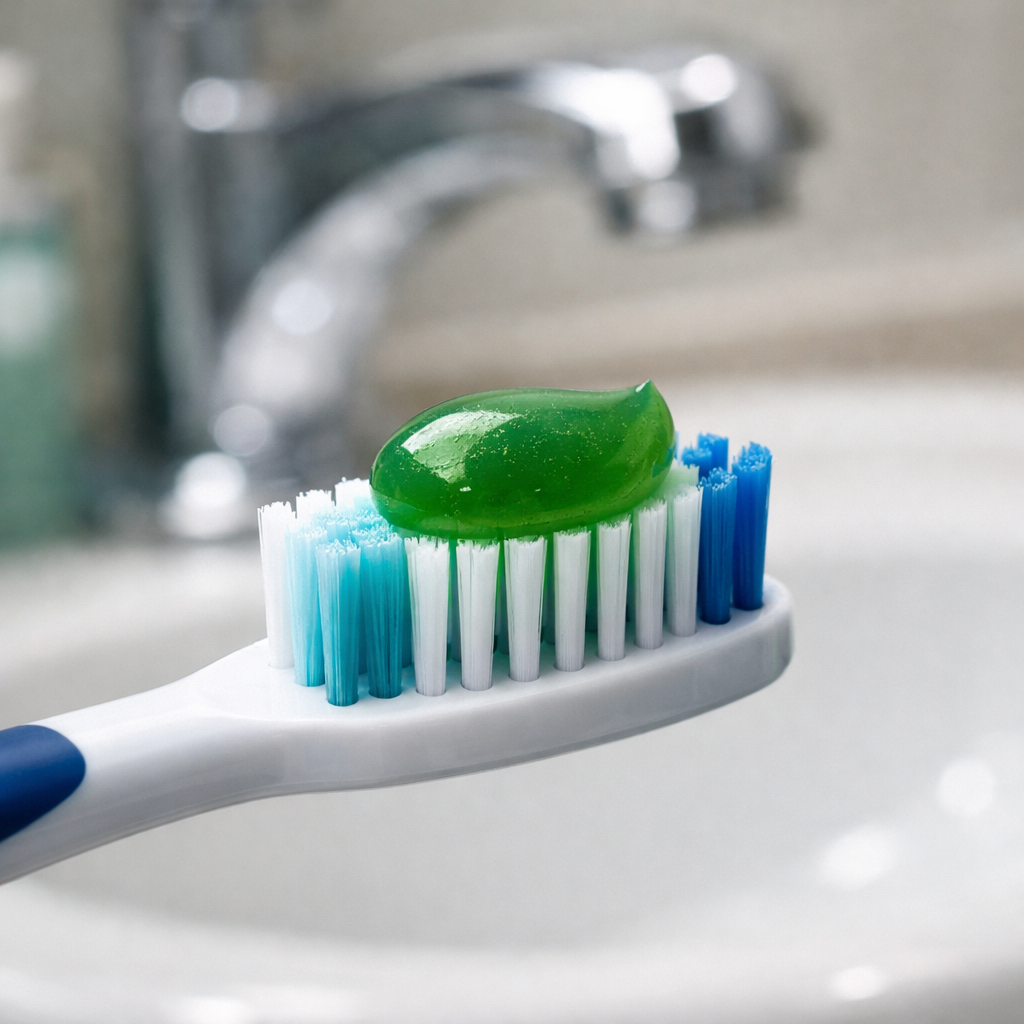
Hold your brush at a 45‑degree angle to your gums. Use gentle circular motions, not sawing back and forth. Brush every surface: the front, back, and chewing surfaces of each tooth. Spend about two minutes total , you can set a timer or hum a song.
Don't scrub hard. Marine algae toothpaste works by gently polishing stains with its natural ingredients. Scrubbing too hard can irritate gums and damage enamel. Let the algae and the brushing action do the work.
Here's a pro tip: divide your mouth into four quadrants. Spend 30 seconds on each. Upper left, upper right, lower left, lower right. This ensures you don't rush through any area.
After two minutes, rinse your mouth with water. Spit, don't swallow. Don't rinse immediately after , wait a few seconds to let the beneficial ingredients stay on your teeth a bit longer.
Brushing correctly also helps reduce plaque, which can make teeth look dull. For more on this, read Marine Algae Toothpaste Plaque Removal Effectiveness: A How-To Guide.
Bottom line: Use a pea-sized amount, brush gently in circles for two minutes, and don't over-scrub , let the marine algae do its job.
Step 3: Boost Whitening with Oil Pulling
Oil pulling is an ancient practice that involves swishing oil in your mouth for 10-20 minutes. It helps remove bacteria and loosen surface stains. When you combine oil pulling with marine algae toothpaste for whitening, you get a double punch for a brighter smile.
Here's how to do it: First thing in the morning, before eating or drinking, take a tablespoon of coconut oil (or sesame oil). Swish it around your mouth gently. Don't swallow. After 10-15 minutes, spit it into a trash can (not the sink , it can clog pipes). Then brush your teeth as usual with your marine algae toothpaste.
The oil pulls out toxins and lifts stains from between teeth. Then the algae toothpaste polishes the surfaces. Over a few weeks, you'll notice your teeth looking cleaner and brighter.
Watch this short video for a visual walkthrough of the oil pulling routine:
Oil pulling isn't a replacement for brushing. It's a complementary step. Do it once a day, ideally in the morning. If you have sensitive gums, start with 5 minutes and work up.
According to Wikipedia on oil pulling, proponents claim it reduces plaque and whitens teeth, though scientific evidence is limited. Still, many users report a cleaner feel and brighter appearance.
Interested in making your own seaweed‑based toothpaste? See our Seaweed Toothpaste Guide: Benefits, DIY Recipe, and Buying Tips for 2026.
Bottom line: Adding oil pulling before brushing with marine algae toothpaste can accelerate stain removal and give you a noticeably brighter smile.
Step 4: Maintain Consistency and Avoid Overuse
Whitening isn't an overnight fix. With natural ingredients like marine algae, results come slowly but safely. The key is consistency , using your marine algae toothpaste for whitening twice a day, every day.
But don't be tempted to brush more often or use extra toothpaste. Overuse can backfire. Some whitening toothpastes contain mild abrasives that, when overused, can wear down enamel. A Better & Better article on whitening toothpaste risks warns that excessive use can cause tooth sensitivity, gum irritation, and enamel erosion. The same caution applies to marine algae formulas, especially if they contain silica or other gentle polishers.
How do you know if you're overdoing it? Signs include:
- Tooth sensitivity to hot or cold
- Gums that feel sore or look red
- Teeth that feel rough, not smooth
If you notice any of these, cut back. Use the toothpaste only twice daily. Take a day off if needed. Switch to a soft brush. And check your technique , are you pressing too hard?

Consistency also means giving it time. Most people start seeing a difference after 4-6 weeks of regular use. Take a photo once a week to track progress. You'll be surprised at the gradual change.
If you have sensitive gums, consider pairing it with a gentle formula. Our guide on How to Choose CBD Toothpaste for Sensitive Gums can help.
Bottom line: Stick to twice‑daily brushing, don't overuse, and give your teeth at least a month to show brighter results from marine algae toothpaste.
Step 5: Enhance Results with Professional Care
Even the best marine algae toothpaste for whitening has limits. It removes surface stains but may not tackle deep, intrinsic discoloration from aging, medication, or genetics. That's where professional dental care comes in.
A dentist can offer treatments like in‑office bleaching or custom take‑home trays with stronger peroxide gels. According to Ashley Burns DDS's comparison of whitening methods, professional treatments can lighten teeth by several shades in one session, whereas toothpaste might only brighten by one or two shades over time.
The smart approach: use marine algae toothpaste for daily maintenance and surface stain control. Then, get a professional whitening treatment once a year (or as your dentist recommends) to reset your baseline. After the treatment, continue with your algae toothpaste to keep the results.
Before starting any whitening routine, visit your dentist for a checkup. They'll make sure your teeth and gums are healthy. If you have cavities or gum disease, whitening can make things worse. Your dentist can also advise whether your teeth are good candidates for more aggressive whitening.
For personalized professional guidance, you can contact Dental Boutique, a trusted partner that offers expert dental care. They can help you create a plan that combines at‑home marine algae toothpaste with in‑office treatments for optimal results.
For more product comparisons, see our Natural Toothpaste Reviews: A Complete Guide.
Bottom line: Pair your daily marine algae toothpaste with an annual professional whitening session for the best and longest‑lasting results.
Frequently Asked Questions
How does marine algae toothpaste whiten teeth?
Marine algae contains natural compounds that gently polish the enamel surface and may help break down stain molecules. The algae's subtle abrasive action, combined with other ingredients like hemp‑based compounds or sea buckthorn, lifts surface stains without harsh chemicals. It's a gradual process that brightens over several weeks of consistent use.
Can I use marine algae toothpaste for whitening every day?
Yes, most marine algae toothpastes are designed for daily use. They are generally gentler than peroxide‑based whiteners. Brush twice daily with a pea‑sized amount. If you notice sensitivity, take a day off and use a non‑whitening paste. Always follow the instructions on the product label.
How long does it take to see results with marine algae toothpaste for whitening?
Most people notice a brighter smile within 4-6 weeks of regular use. Results depend on your starting shade, how stained your teeth are, and how consistently you brush. Take weekly photos to track changes. For faster results, combine with oil pulling or a professional cleaning.
Is marine algae toothpaste safe for sensitive teeth?
Generally, yes. Marine algae toothpaste is less abrasive than many conventional whitening pastes. However, if your teeth are already sensitive, choose a formula with potassium nitrate or strontium chloride. The CBD and Dead Sea minerals in our pick (STOP Advanced Toothpaste) can help soothe gums and reduce discomfort.
Can I use marine algae toothpaste with other whitening products?
Yes, but be careful. Using multiple whitening products at once can over‑expose your teeth to active ingredients. A good routine: use marine algae toothpaste twice daily, and use a whitening strip or gel only once a week. Or do a professional treatment once a year and then maintain with the toothpaste.
Does marine algae toothpaste contain fluoride?
Some do, some don't. Our top pick, STOP Advanced Toothpaste, is fluoride‑free. It relies on hydroxyapatite and natural minerals to strengthen enamel. If you prefer fluoride, check the label. Many natural marine algae toothpastes skip fluoride to avoid controversial ingredients.
Can children use marine algae toothpaste for whitening?
Only for children ages 6 and up, and under adult supervision. Use a tiny smear, not a full pea size. Make sure they spit and don't swallow. The whitening effect is mild, so it's safe for children, but always consult your dentist first. For younger kids, stick to a basic fluoride toothpaste.
Where can I buy marine algae toothpaste for whitening?
You can find it online at the brand's website or on trusted retailers. Our recommended choice is STOP Advanced Toothpaste, available at stop-oralcare.com. It ships globally. You can also find marine algae toothpastes on Amazon or at some health food stores. Always check the ingredient list to ensure it states the algae source.
Conclusion
Getting a brighter smile doesn't require harsh bleaches or expensive treatments. With the right marine algae toothpaste for whitening and a smart routine, you can gradually lighten surface stains while improving your overall oral health. The five steps we covered , choosing a quality product, brushing correctly, adding oil pulling, staying consistent, and supplementing with professional care , work together to give you noticeable results over time.
Our top pick, STOP Advanced Toothpaste (Our Pick), stands out because it not only contains specific Sea Algae but also includes hemp‑based compounds, CBD, and Dead Sea minerals. This combination supports both whitening and gum health. If you're new to marine algae toothpaste, start with STOP Advanced Toothpaste and follow the brushing techniques outlined above.
Remember, natural whitening is a marathon, not a sprint. Be patient, watch your technique, and don't overdo it. Your teeth will thank you with a healthier, brighter smile. For any questions about professional whitening or dental health, visit Dental Boutique for expert advice tailored to your needs. Ready to start? Grab a tube of marine algae toothpaste and begin your journey to a more radiant smile today.