

Choosing effective dental products without fluoride can feel overwhelming when you want natural solutions that actually work. The growing interest in mineral-based oral care reflects a shift toward ingredients that support enamel health without synthetic additives. This guide explores proven mineral-based dental products that deliver real results, comparing key options like hydroxyapatite toothpastes, calcium phosphate mouthwashes, and zinc-enriched formulas. You’ll discover how different minerals address specific oral health needs, from cavity prevention to sensitivity relief, helping you make informed choices that align with your natural care preferences in 2026.
Table of Contents
- Criteria For Selecting Mineral-Based Dental Products
- Common Examples Of Mineral-Based Dental Products
- Comparing Mineral-Based Dental Products: Benefits And Considerations
- Explore Mineral-Based Oral Care With Stop Oral Care
Key takeaways
| Point | Details |
|---|---|
| Natural remineralization | Mineral-based products rebuild enamel using hydroxyapatite, calcium phosphate, and other naturally occurring compounds |
| Fluoride-free benefits | These options cater to health-conscious consumers seeking effective oral care without fluoride exposure |
| Targeted solutions | Different minerals address specific needs like cavity prevention, sensitivity reduction, and antibacterial protection |
| Selection criteria | Choosing the right product depends on your oral health goals, ingredient transparency, and personal preferences |
Criteria for selecting mineral-based dental products
Selecting the right mineral-based dental product requires understanding what makes these formulas effective. The most critical factor is the product’s ability to remineralize enamel naturally, restoring minerals that daily wear and acidic foods strip away. Minerals in oral care products provide natural solutions that enhance enamel remineralization and offer antibacterial properties, making them viable alternatives to conventional options.
Safety and ingredient transparency matter significantly when choosing natural dental care. Look for products with clear labeling that identifies mineral concentrations and avoids synthetic additives. The absence of fluoride appeals to consumers seeking natural alternatives, but the replacement minerals must demonstrate proven efficacy. Additional benefits like sensitivity relief or antibacterial action add value, addressing multiple oral health concerns simultaneously.
Texture and taste influence whether you’ll actually use a product consistently. Some mineral-based formulas have a grittier texture than conventional toothpastes, while others blend smoothly. Taste preferences vary widely, with some people preferring mint flavors and others choosing unflavored options. Third-party certifications and clinical backing provide confidence that a product delivers on its promises.
Key evaluation factors include:
- Mineral concentration and bioavailability for effective enamel repair
- Clinical evidence supporting remineralization claims
- Ingredient purity and absence of controversial additives
- User experience factors like texture, flavor, and foam level
- Brand transparency about sourcing and manufacturing processes
Pro Tip: Check the mineral concentration listed on product labels, as higher percentages don’t always mean better results. Bioavailability matters more than raw concentration, so look for formulas that specify particle size or delivery mechanisms that enhance mineral absorption into enamel.
Common examples of mineral-based dental products
The mineral-based dental care market in 2026 offers diverse options tailored to different oral health needs. Hydroxyapatite toothpaste is a highly effective fluoride alternative that strengthens enamel and reduces sensitivity, making it one of the most popular choices. This mineral compound mirrors the natural composition of tooth enamel, allowing it to integrate seamlessly and repair microscopic damage.
Calcium phosphate-based products represent another major category in natural oral care. Calcium phosphate mouthwashes support enamel repair and are key non-fluoride remineralizing agents, delivering minerals in liquid form for easy application. These rinses work particularly well after brushing, when enamel is most receptive to mineral absorption.

Zinc citrate products provide powerful antibacterial benefits beyond basic cleaning. This mineral targets the bacteria responsible for bad breath and plaque formation, offering protection that extends hours after use. Many formulas combine zinc with other minerals for comprehensive oral care.
Popular mineral-based product categories:
- Hydroxyapatite toothpastes that rebuild enamel and reduce sensitivity through biomimetic mineral delivery
- Calcium phosphate rinses that promote remineralization and maintain fresh breath throughout the day
- Zinc citrate gels that provide targeted antibacterial protection and support gum health
- Magnesium-based pastes that help control plaque formation and support overall oral pH balance
- Multi-mineral formulas combining several compounds for comprehensive natural oral care
These products come in various forms including pastes, gels, rinses, and even dissolvable tablets. Some brands offer travel-friendly formats, while others focus on family-size options for daily use. The diversity allows you to find products that fit your routine and preferences.
Comparing mineral-based dental products: benefits and considerations
Understanding how different mineral-based products compare helps you choose the best option for your needs. Hydroxyapatite stands out for comprehensive enamel repair and cavity defense, with fluoride-free remineralizing toothpastes with hydroxyapatite showing comparable benefits to fluoride variants in preventing cavities. This mineral excels at filling microscopic enamel defects and creating a smooth surface that resists bacterial adhesion.
Calcium phosphate offers strong enamel support but provides less direct antibacterial action compared to zinc-based formulas. It works best for people focused primarily on remineralization and cavity prevention rather than gum health or breath freshness. The mineral delivers quickly, making it ideal for rinses and post-brushing treatments.
Zinc citrate shines in odor control and bacteria reduction, targeting the sulfur compounds that cause bad breath. While it offers some enamel benefits, its primary strength lies in maintaining oral freshness and supporting healthy gums. Users often notice immediate improvements in breath quality.
| Mineral Type | Primary Benefit | Secondary Benefit | Best For | Texture Profile |
|---|---|---|---|---|
| Hydroxyapatite | Enamel repair | Sensitivity relief | Cavity prevention, overall oral health | Smooth paste |
| Calcium Phosphate | Remineralization | Fresh breath | Enamel strengthening, quick mineral delivery | Light rinse |
| Zinc Citrate | Antibacterial action | Odor control | Gum health, breath freshness | Gel or paste |
| Magnesium Compounds | Plaque control | pH balance | Holistic oral care, plaque-prone users | Slightly gritty |
| Multi-mineral Blends | Comprehensive care | Multiple targets | All-around protection, convenience | Varies by formula |
User preferences vary significantly based on texture and taste expectations. Some people love the smooth feel of hydroxyapatite pastes, while others prefer the light consistency of calcium phosphate rinses. Safety profiles favor fluoride-free mineral options widely, with minimal risk of adverse effects even with daily use.
Pro Tip: Rotate between different mineral-based products to address multiple oral health goals. Use a hydroxyapatite toothpaste for morning brushing, then follow with a calcium phosphate rinse at night. This layered approach maximizes mineral exposure without overwhelming your routine.
Explore mineral-based oral care with Stop Oral Care
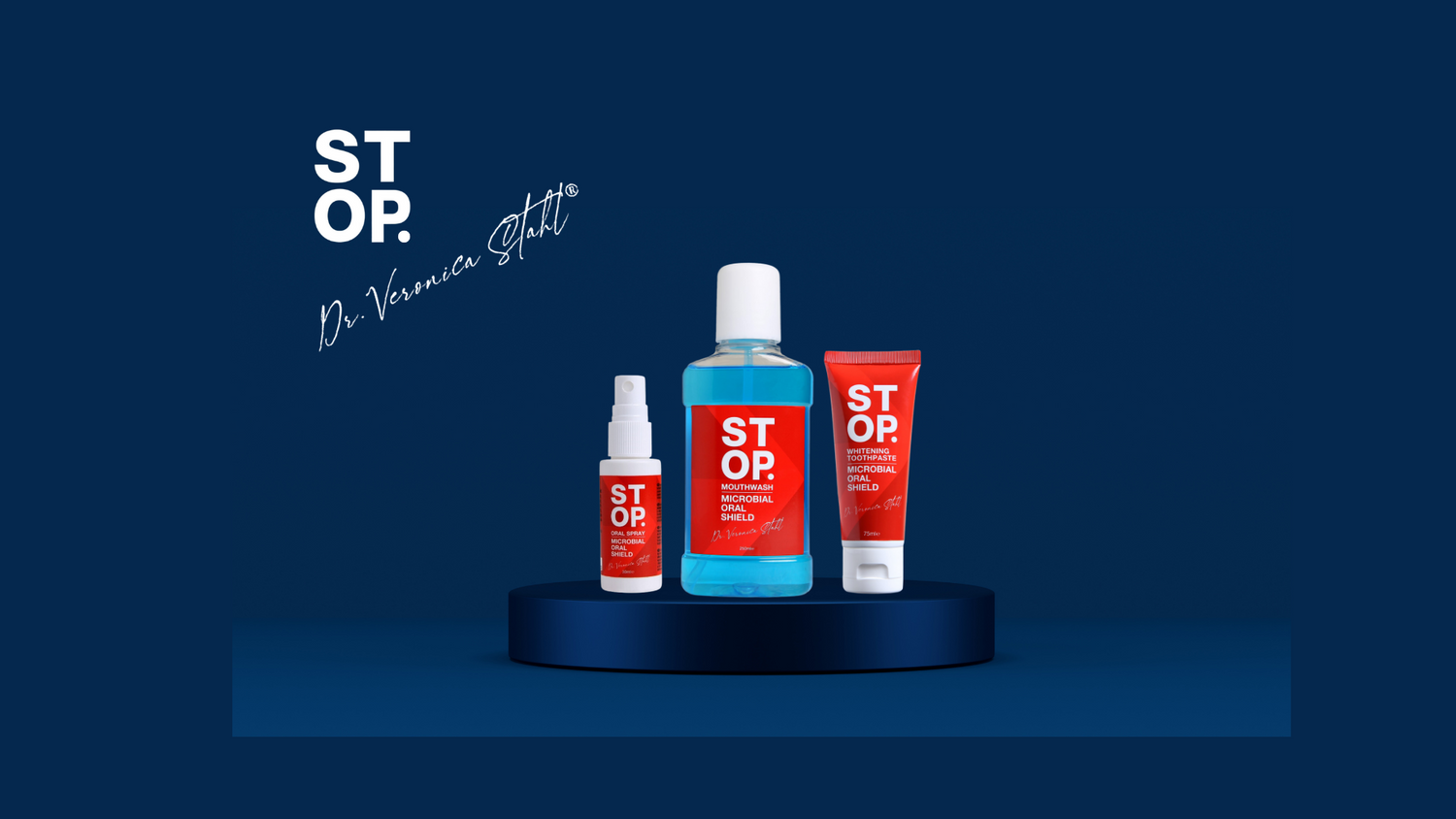
Ready to experience the benefits of natural, mineral-based dental care? Stop Oral Care offers a curated selection of fluoride-free dental products formulated with hemp and Dead Sea minerals, combining ancient wisdom with modern science. The platform provides detailed educational content about natural ingredients in dental care, helping you understand exactly what you’re putting in your mouth.
Explore examples of mineral-based toothpaste and discover how innovative formulations can transform your oral health routine. Whether you’re seeking sensitivity relief, cavity prevention, or simply want to avoid fluoride, Stop Oral Care’s product line delivers effective solutions backed by scientific research and expert formulation.
FAQ
Are mineral-based dental products as effective as fluoride ones?
Mineral-based options like hydroxyapatite provide cavity protection comparable to fluoride toothpaste, making them a scientifically supported alternative. Clinical studies show that hydroxyapatite remineralizes enamel effectively and reduces cavity formation rates similar to fluoride products. They represent a preferred fluoride-free alternative for health-conscious consumers who want proven results without synthetic additives.
Which minerals help with tooth sensitivity?
Hydroxyapatite reduces tooth sensitivity by rebuilding enamel and sealing microscopic tubules that expose nerve endings. This mineral strengthens enamel structure while providing immediate relief from temperature and pressure sensitivity. Calcium phosphate also offers sensitivity benefits by reinforcing weakened enamel areas, though hydroxyapatite typically delivers faster, more noticeable results.
Can I find mineral-based dental products without fluoride easily?
Yes, the market offers many fluoride-free mineral dental products in 2026, with specialty brands and natural health stores expanding their selections. Online retailers and dedicated natural oral care companies provide extensive options, making it simple to find products that match your specific needs. The growing demand has pushed mainstream brands to introduce mineral-based lines alongside their traditional fluoride offerings.
How long does it take to see results from mineral-based toothpaste?
Most users notice initial improvements in tooth sensitivity within two to four weeks of consistent use. Enamel remineralization occurs gradually, with visible strengthening and reduced translucency appearing after six to eight weeks. For optimal results, use mineral-based products twice daily and avoid acidic foods immediately after brushing, allowing minerals maximum contact time with enamel surfaces.
Do mineral-based products work for children?
Mineral-based dental products are safe for children and offer significant benefits, especially for kids who swallow toothpaste during brushing. Hydroxyapatite and calcium phosphate pose no toxicity risk if ingested, unlike fluoride which requires careful monitoring in young children. Many pediatric dentists recommend mineral-based options for children under six, when swallowing toothpaste is common and fluoride overexposure can cause dental fluorosis.