

Plaque can hide where your brush can't reach, and it hurts your gums.
When you rinse with a mouthwash that actually attacks plaque, you give your gums a chance to heal.
That's why mouthwash plaque removal for gums matters, it breaks down the sticky film before it hardens into tartar.
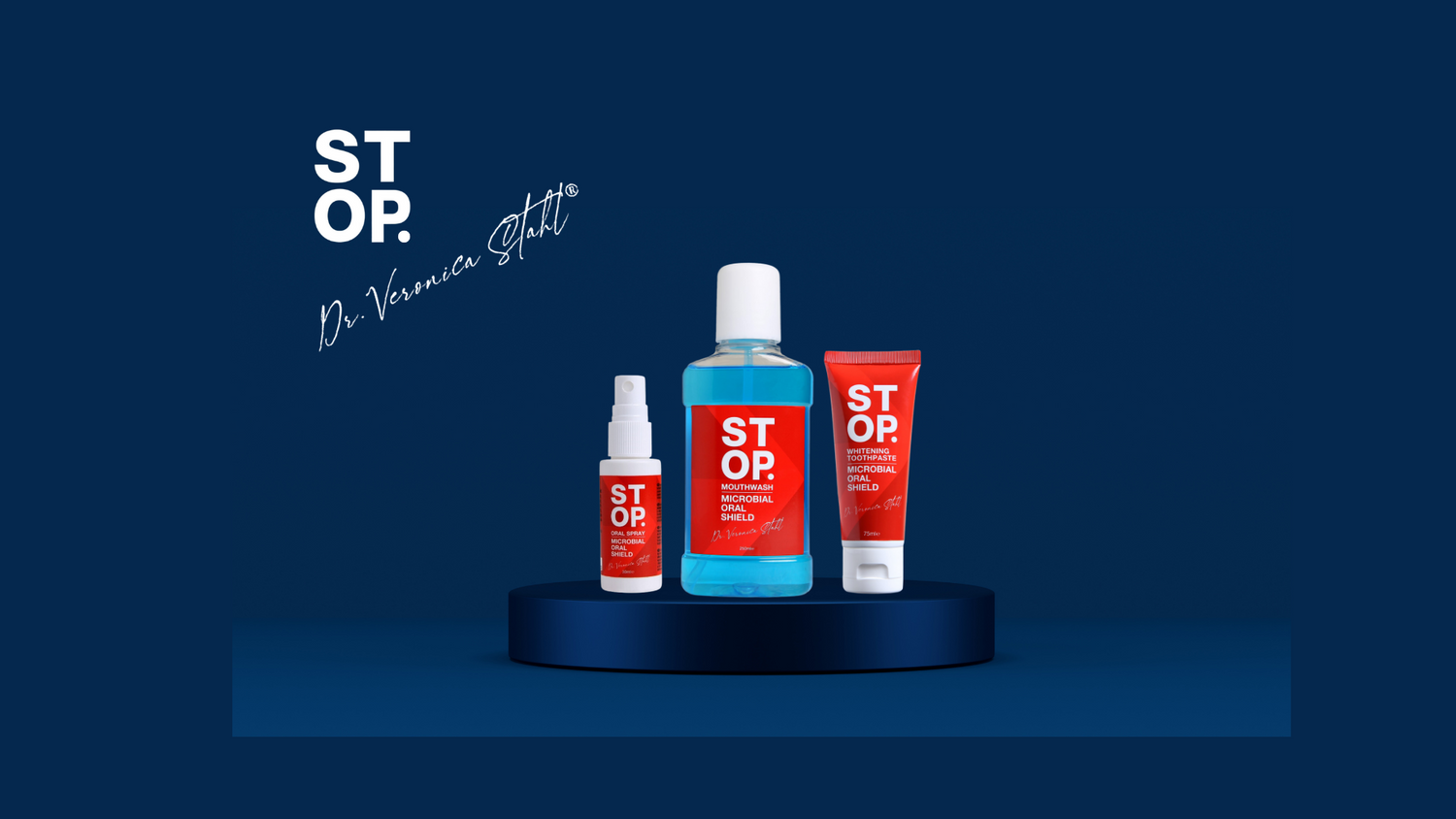
Stop oral care mixes CBD, Dead Sea minerals, and marine algae into a formula that aims to calm inflammation while pulling plaque away.
Many people with sensitive or receding gums find that a gentle, science-backed rinse feels less harsh than alcohol-based options.
In this guide you’ll learn how to pick the right mouthwash, how to use it for max effect, and what to watch for if you have gum pain.
By the end you’ll have a clear, easy plan to keep plaque at bay and give your gums the relief they deserve.
Brush twice daily, floss once a day, and finish with a mouthwash that targets plaque on the gum line.
Swish for 30 seconds, then spit. No rinsing with water right after, so the active ingredients stay longer.
Most dentists suggest using it once a day, or twice if you have extra plaque buildup.
Stick with it and you’ll notice less bleeding and fresher breath.
Step 1: Choose the Right Antiseptic Mouthwash
Picking the right antiseptic mouthwash is the first step to real mouthwash plaque removal for gums. A bad rinse can irritate gums, a good one can break down that sticky film before it hardens.
Look for a formula that fights plaque without burning your mouth. Alcohol-free blends tend to be gentler, especially if you have sensitive or receding gums. Ingredients like CBD, marine algae, or Dead Sea minerals add calm and help pull plaque away while soothing inflammation.
If you’re not sure where to start, you can find the ideal mouthwash for sensitive gums and compare the key ingredients.
Next, check the strength. A 0.05% to 0.12% antiseptic concentration is enough to cut plaque but low enough to keep comfort. Make sure the label says it targets plaque on the gum line, not just fresh breath.
A good mouthwash also has a balanced pH. Too acidic can wear enamel, too alkaline may feel harsh. Aim for a neutral pH around 7. Flavor matters too, avoid overly sweet blends that hide sugar.
Look for a seal of approval from dental professionals. A label that mentions clinical testing or a partnership with a dental clinic gives extra confidence that the antiseptic actually works.
After you pick a mouthwash, use it once a day or twice if you notice extra buildup. Swish for a full 30 seconds, then spit. Don’t rinse with water right after, the antiseptic needs time to work.
Tip: Keep the bottle sealed and store it in a cool spot. That way the active ingredients stay strong and you’ll see less bleeding and fresher breath.
Step 2: Proper Rinsing Technique for Maximum Plaque Removal
How you swish matters as much as what you swish. A good rinse pushes the actives into the gum line where plaque loves to hide. That little extra effort can mean less bleeding and fresher breath.
First, measure out about 20 mL – roughly a small shot glass. Pour it into your mouth and let it sit for a second. This pause lets the liquid coat every tooth before you start moving.
Next, set a timer for 30 seconds. If you don’t have a timer, hum a short tune twice. Keep the mouthwash moving in gentle circles. Aim the swirl toward the back molars, then lift the tongue and let the liquid flow over the front teeth. This motion helps the formula reach the tight spots where a brush can’t.
While you swish, tilt your head slightly back. That angle lets the liquid flow along the gum line instead of spilling out too fast. Imagine you’re giving each gum a brief massage – the pressure should be light, not harsh.
When the timer ends, spit the rinse into the sink. Do not chase it with water or another drink. Let the ingredients stay on the gums for a few minutes before you eat or sip. This waiting period lets the actives keep working on the plaque.
One practical tip comes from How a Plaque Removing Mouthwash Can Transform Your Oral Health. It suggests a quick check: after a week, notice if bleeding gums have lessened. If you see improvement, keep the routine. If irritation appears, try an alcohol‑free option.
For a deeper look at protecting your routine, see how privileged access management can keep your health data safe. Secure info means you can focus on the rinse, not on privacy worries.
Finally, remember that good rinsing pairs well with smart content. Learn how semantic search SEO helps health sites reach you faster, so you find the right tips when you need them.
Step 3: How Often Should You Use Mouthwash?
Most dentists say one rinse a day is enough for most people. That means you swish after your morning brush and let the actives work while you get ready for the day.
If you notice extra plaque or bleed a bit after meals, add a second rinse in the evening. The key is to watch how your gums feel. If they stay calm, twice daily is fine. If they start to tingle, drop back to once.
Here’s a simple test: for one week, use the rinse only in the morning. Note any bleeding or fresh breath changes. Then, for the next week, add an evening rinse. Compare the two weeks. The side that feels better wins.
People with sensitive gums often pick an alcohol free formula. It’s less harsh and still fights plaque. Alcohol free mouthwash benefits explain why the switch can keep irritation low.
To make the habit stick, tie it to something you already do. For example, set a timer for 30 seconds right after you finish brushing. Or use a Pomodoro timer to mark a two minute break and swish while you wait. Pomodoro timer guide shows how to set up short study bursts, and the same trick works for oral care.
Action steps:
- Start with one morning rinse for a week.
- Track gum comfort in a simple notebook.
- If needed, add an evening rinse and recheck.
- Choose an alcohol free option if you feel any sting.
- Set a daily reminder so you never miss a swipe.
Stick to the schedule that feels clean and calm. Your gums will thank you.
Step 4: Compare Popular Mouthwash Options
Now that you know how often to swish, it's time to pick the right bottle. Not every mouthwash works the same for plaque removal on gums.
Start by looking at three things: the active ingredients, the alcohol level, and how gentle it feels on your gums. Write a quick grid on a piece of paper, one column for each factor and a row for each product you try.
Here’s a simple way to score each option. Give a point for each ingredient that fights plaque (like essential oils, CBD, or marine algae). Add another point if the formula is alcohol‑free. Subtract a point if you feel a sting after a few seconds. The total tells you which mouthwash is the best match for you.
Below is a quick comparison of three common choices. Marine Algae Mouthwash for Gum Inflammation is our pick because it blends algae, CBD, and Dead Sea minerals to calm gums while breaking down plaque.
| Mouthwash | Key Ingredient | Gum Impact |
|---|---|---|
| STOP Marine Algae Blend | Marine algae, CBD, Dead Sea minerals | Calms, strong plaque removal |
| Alcohol‑free basic | Fluoride, mild essential oils | Gentle, moderate plaque removal |
| Alcohol‑based classic | Alcohol, menthol | Powerful clean, can sting sensitive gums |
Try the top choice for a week, note any bleeding or fresh breath changes, then repeat with the second option. If the first feels soothing and you see less plaque, stick with it. If you notice irritation, move to the alcohol‑free line.
Action steps: list your options, score them using the grid, test the highest scorer for seven days, and record gum comfort each day. By the end of the test you’ll know which mouthwash gives the best mouthwash plaque removal for gums without the burn.
Step 5: Complement Mouthwash with Good Oral Hygiene Practices
Swishing alone won’t keep plaque at bay if the rest of your routine skips the basics. Pair your mouthwash with a few simple habits and you’ll give gums a real chance to heal.
Brush with care. Use a soft‑bristled brush and a pea‑sized dab of fluoride toothpaste. Angle the bristles at a 45° line where the gum meets the tooth and make tiny circles for 2 minutes. If you’re short on time, set a two‑minute timer or hum a short song twice.
Floss daily. Slip a piece of floss between each tooth, glide it gently up and down, and curve it around the gum line. For hard‑to‑reach back molars, a floss pick works just as well. A quick 30‑second floss session can pull out the plaque that a brush misses.
Tongue scrape. The tongue harbors bacteria that can re‑deposit on gums. Lightly run a tongue scraper from back to front after you brush. Rinse the scraper with water and let it dry.
Now, slot the mouthwash in right after you’ve finished brushing, flossing, and tongue‑scraping. Swish for 30 seconds, then spit. Skip the water rinse, the actives need a few minutes to work.
Bonus tip: a warm‑salt water rinse once a week can soothe irritated gums. Mix half a teaspoon of salt in a cup of warm water, swish for 20 seconds, then spit. It’s a gentle way to calm inflammation without stripping the mouth’s good bacteria.
Want to see a top pick for gums that are pulling away? Check out the best mouthwash for receding gums guide for options that work well with these habits.
Conclusion
You’ve seen how a quick swish, a soft brush, and a gentle floss can keep plaque away.
When you add a mouthwash that targets plaque on the gum line, you give your gums a chance to heal and stay fresh.
Stick to the routine: brush twice, floss once, then use a 30‑second mouthwash rinse without water right after.
If your gums feel sore, switch to an alcohol‑free formula or try a warm‑salt rinse once a week.
Remember, many users find that a CBD‑infused, marine‑algae blend works well without the sting of traditional rinses.
Give your new habit a week, note any bleeding or fresh breath, and adjust as needed. Your gums will thank you.
Ready to upgrade? Check out the range at Stop oral care and pick the rinse that fits your routine.
Consistency is key; the benefits build up day by day, not in a single swish.
FAQ
What is mouthwash plaque removal for gums and how does it work?
Mouthwash plaque removal for gums is a rinse that contains ingredients designed to break down the sticky film that hides near the gum line. When you swish for about 30 seconds, the actives reach places a brush can’t, loosening plaque before it hardens into tartar. The formula also soothes the tissue, so you feel less sting while the plaque gets cleared.
How often should I use a plaque‑removing mouthwash for best results?
Most dentists suggest one rinse a day after your morning brush. If you notice extra plaque or mild bleeding, you can add an evening rinse, but watch how your gums feel. A good rule is to start with the morning use for a week, note any changes, then decide if a second swish helps. Keep the routine consistent for at least two weeks to see real benefits.
Can I use a mouthwash with CBD if I have sensitive gums?
Yes, a CBD‑infused mouthwash can be gentle on sensitive gums because the cannabinoid works to calm inflammation without the burn of alcohol. Look for a formula that also lists marine algae or Dead Sea minerals, as those ingredients add extra plaque‑breaking power while staying mild. Start with a small splash, swish for 20 seconds, and see if any sting appears before moving to the full 30‑second routine.
Do I need to rinse with water after using the mouthwash?
No, you should skip the water rinse right after you spit. The actives need a few minutes to stay on the gum line and keep working on plaque. If you drink or brush again too soon, you wash away the benefit. Wait at least 10 minutes before eating, drinking, or using another oral product to let the formula fully act.
What signs show that the mouthwash is helping my gums?
Look for less bleeding when you floss, fresher breath that lasts longer, and a smoother feel along the gum line. You might also notice that plaque feels softer when you brush, so it comes off more easily. Keep a short note each day for a week; if these clues appear consistently, the rinse is doing its job.
Are there any ingredients I should avoid for plaque removal?
If your gums are prone to irritation, steer clear of high‑alcohol formulas and strong menthol or eucalyptol that can sting. Some people also react to certain essential oils like thymol, so test a tiny amount first. Choose a rinse that lists CBD, marine algae, or gentle mineral blends, as these tend to break down plaque while staying kind to soft tissue.